


Cycling Folgefonnavegen
There are few places in the world where you can cycle from sea level to the edge of a glacier in one uninterrupted ascent. Folgefonnavegen, the mountain road that rises from the village of Jondal on the shores of the Hardangerfjord to the windswept heights of the Folgefonna glacier, offers exactly that: a raw, physical journey through Norway’s ancient geology, dramatic weather systems, and shifting ecosystems.
This isn’t a ride you stumble across; it’s one you commit to. And once you’ve done it, it lingers in your memory. One of those rides that comes up years later: ‘Do you remember the day we climbed the glacier road?’
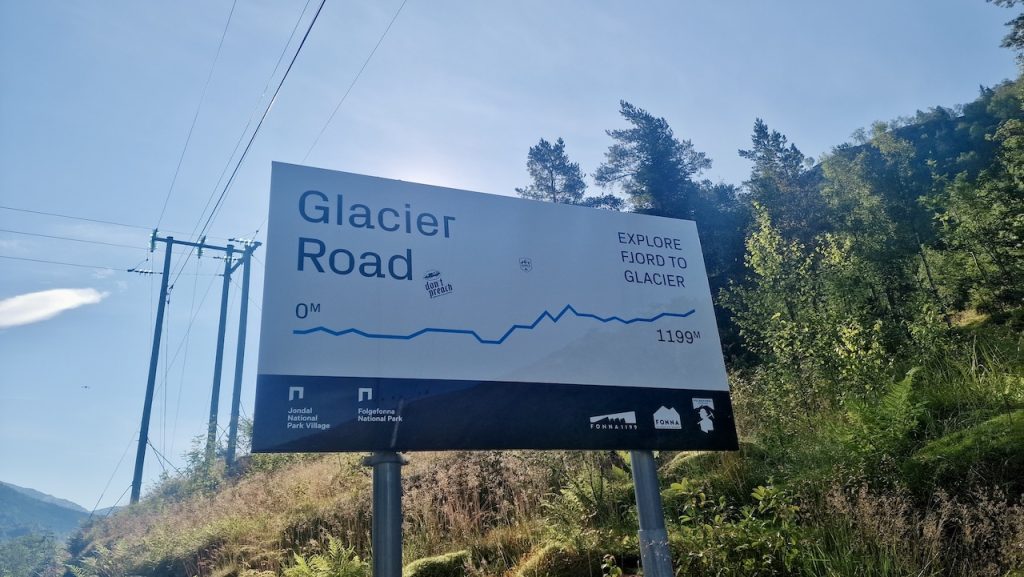
Where It Begins: Jondal and the Shores of Hardangerfjord
The road starts in Jondal, a quiet and unassuming village on the Hardangerfjord’s western edge. Nestled between steep mountains and deep waters, Jondal is typical of fjord communities: compact, friendly, and deeply tied to its natural surroundings. For cyclists, it’s a perfect basecamp. The village has a small grocery store, a few guesthouses, and a seasonal tourist information point. But what sets it apart is what lies above.
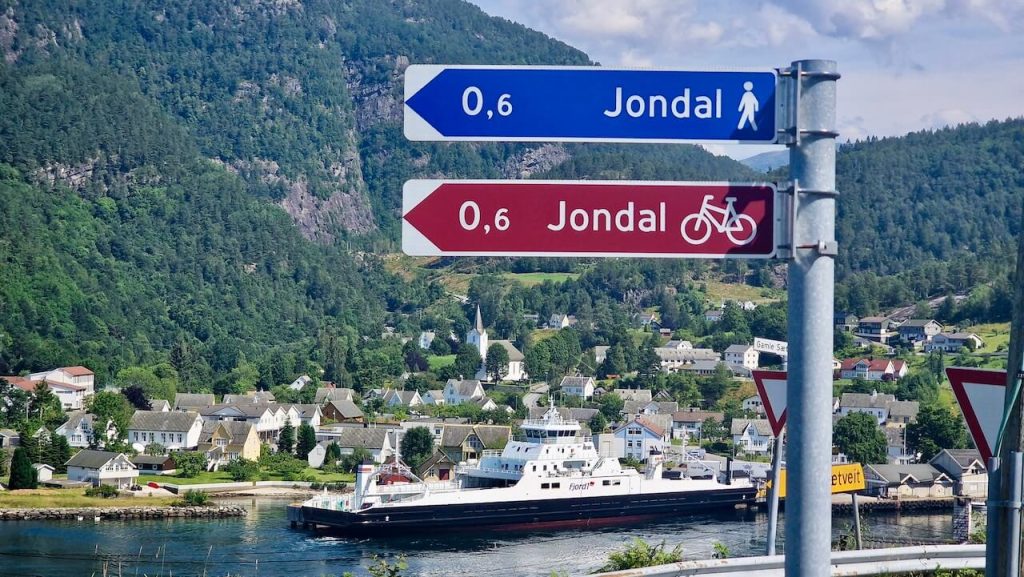
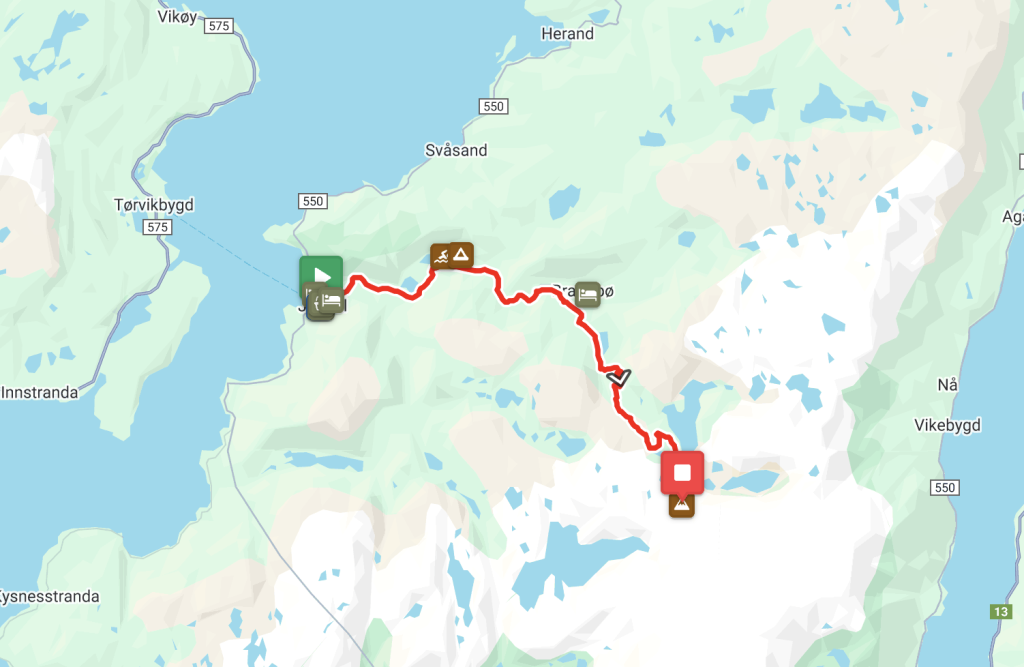
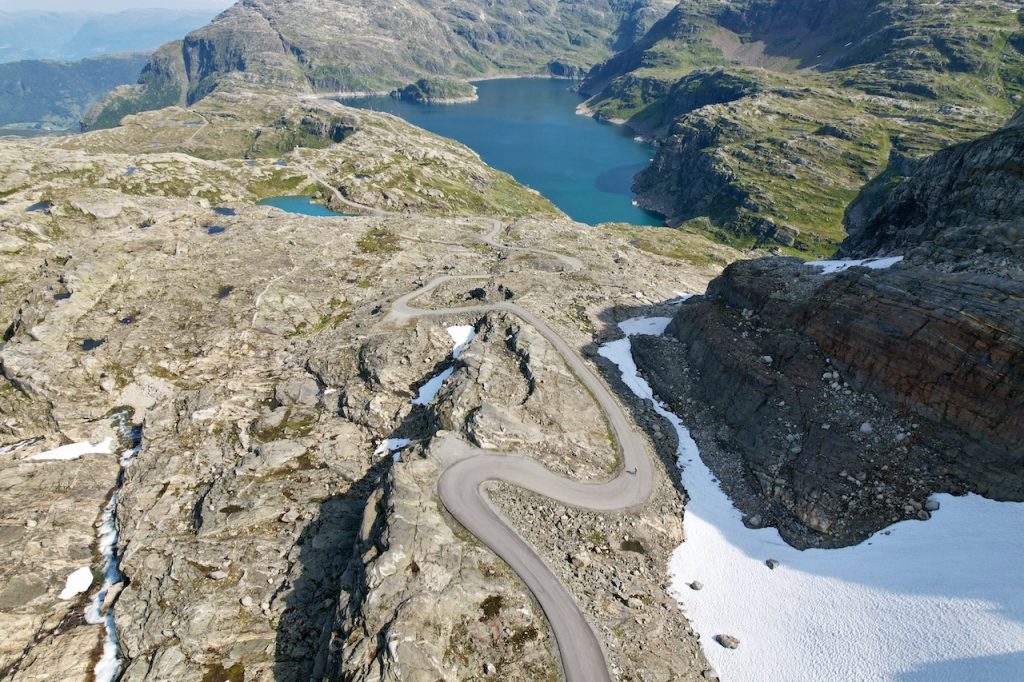
From sea level, Folgefonnavegen snakes its way up more than 1,200 vertical meters over just 19 kilometers. It’s a purpose-built road to connect the village to the Folgefonna Glacier and the Fonna Glacier Ski Resort, making it one of the few direct glacier access roads in Norway, and certainly the most dramatic for cyclists.
A Road Built for Access, and Beauty
Folgefonnavegen was originally constructed to open up the glacier for year-round tourism and to provide access for summer skiing, glacier research, and power station maintenance. Completed in the early 2000s, the road was built to high standards, winding up in a long series of engineered switchbacks with wide shoulders and excellent drainage.
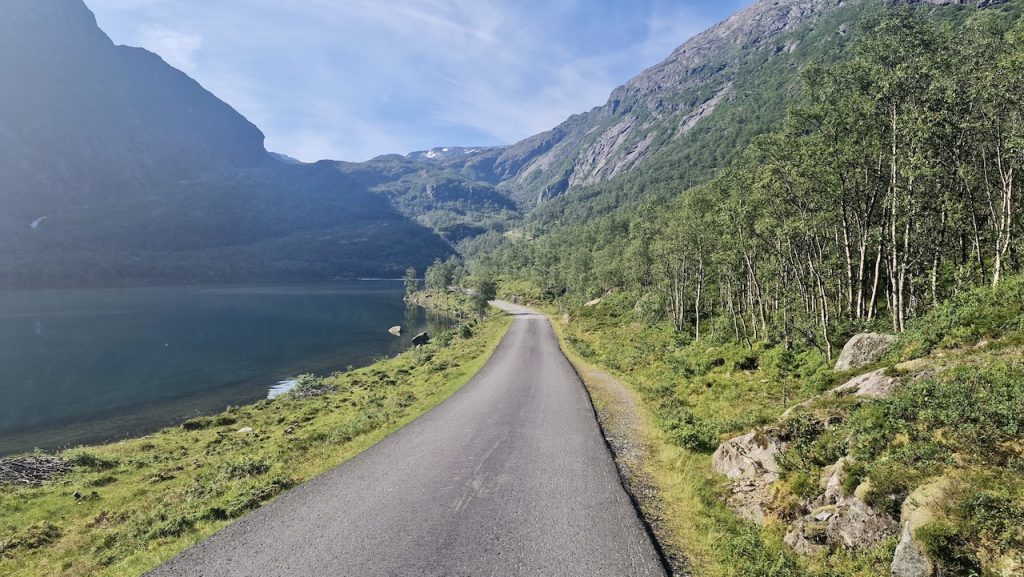
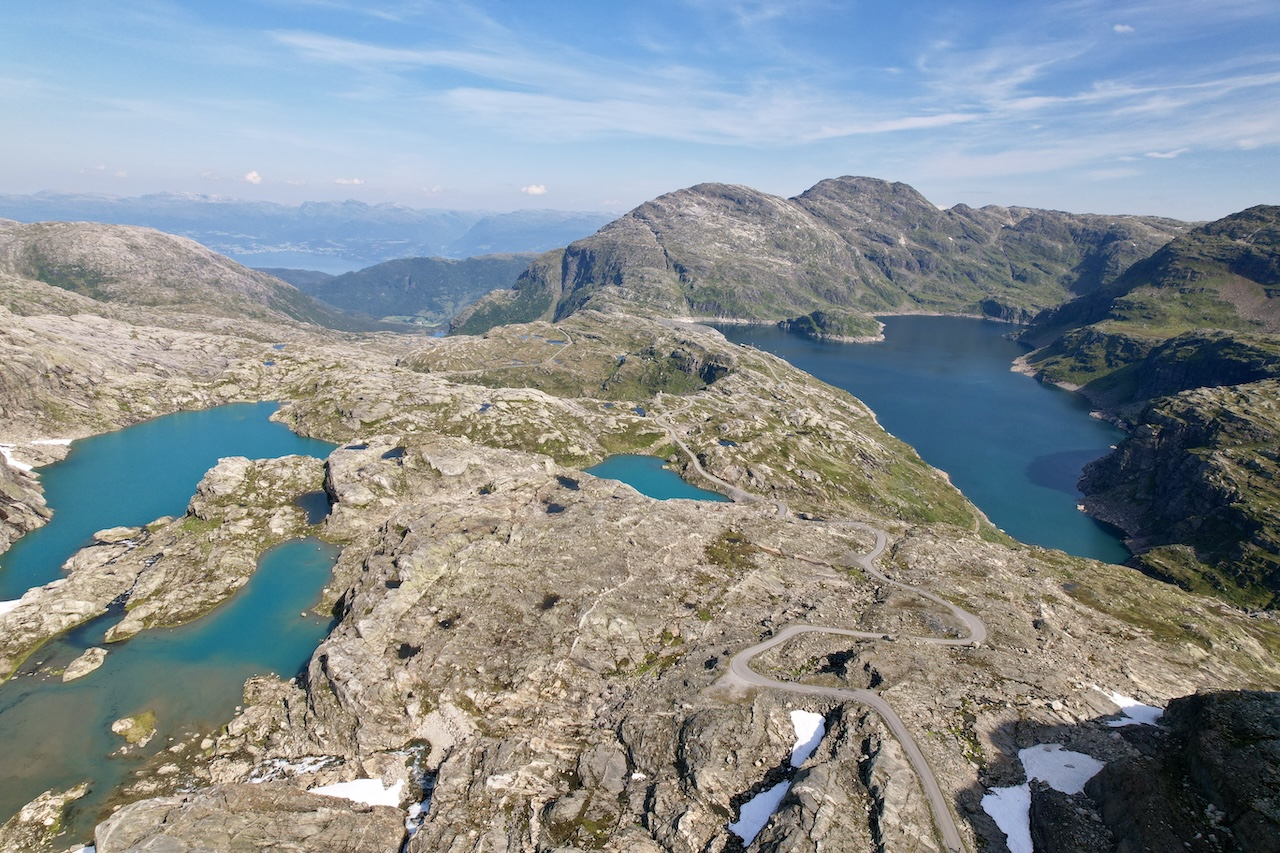
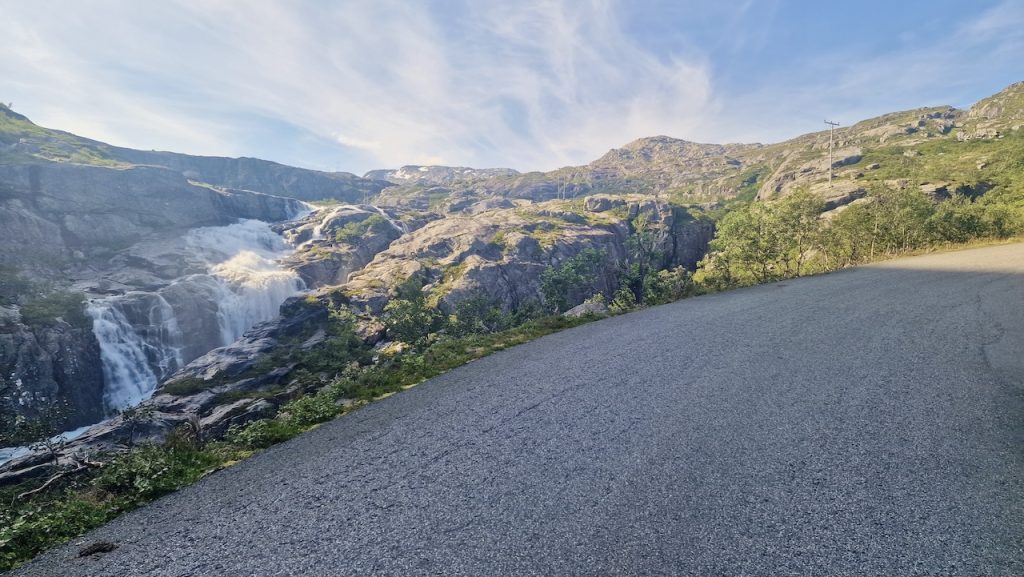
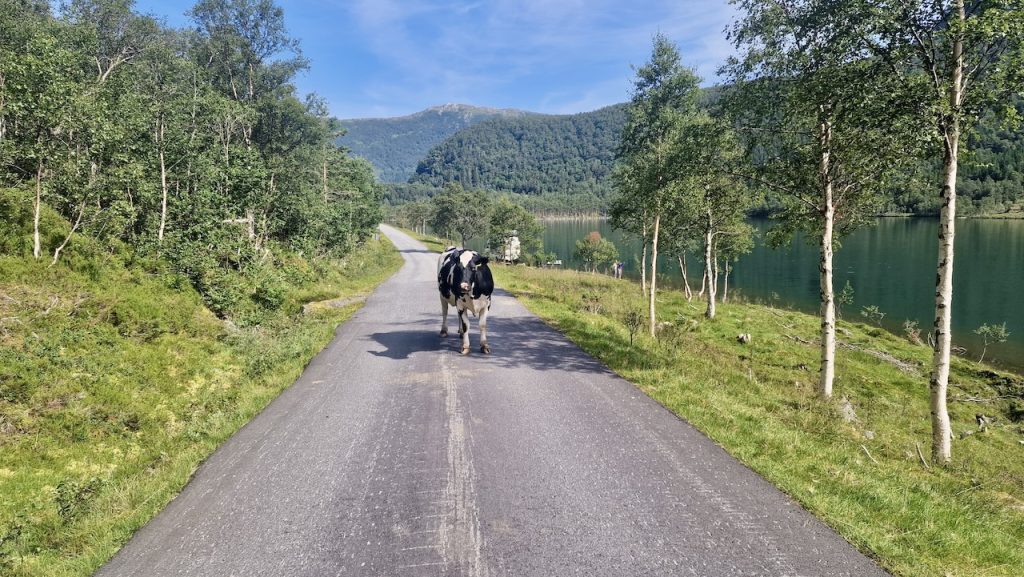
But it’s more than a utility road. It’s a journey through ecological zones. The climb starts in lush deciduous forest, where apple orchards and ferns hug the roadside. It then ascends through subalpine scrub, then open moorland, and eventually enters an alpine wasteland of snow patches, bare rock, and howling wind. By the time you reach the summit, it feels like you’ve ridden into another country, or another time.
What to Expect: Gradient, Grit, and Grandeur
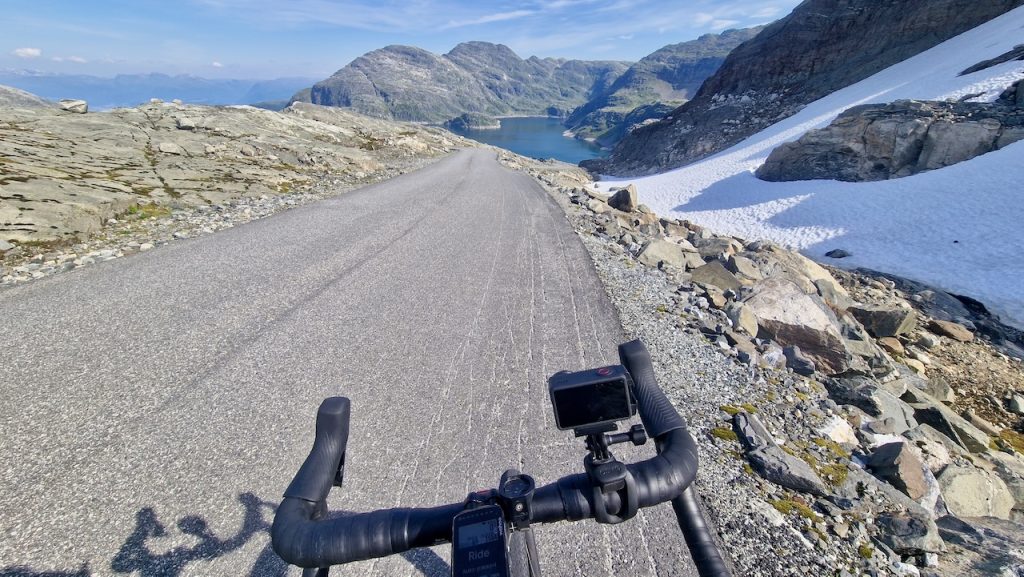
Make no mistake: Folgefonnavegen is tough. The average gradient hovers around 6.5%, but several sections tip over 10%. The road rarely relents. It’s a steady, uninterrupted climb with little in the way of flat recovery. I certainly struggled my way up, and the very last section will test you to your limits with over 12% average gradient to reach the top. But unlike some of Norway’s other great ascents, this one is relatively quiet. On sunny summer days, expect some tourist traffic venturing to the summit or to hiking opportunities halfway up the mountain. Nevertheless, if you use Jondal as a base and hit it early morning or later in the afternoon when the glacier tours have stopped for the day, you’ll have most of the road to yourself. This makes it a dream ride for serious cyclists: silence, solitude, and clean lines through the landscape.
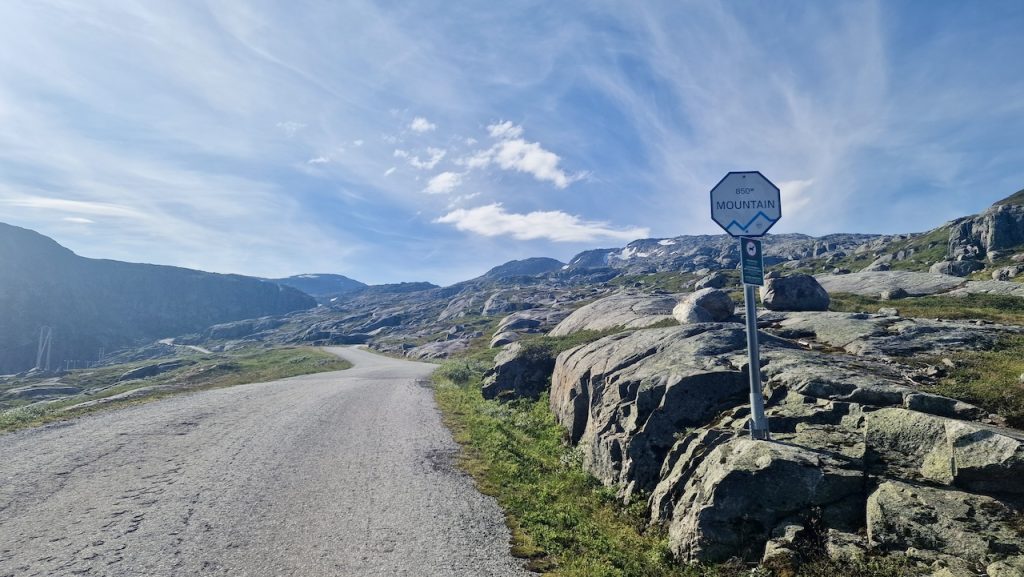
Weather shifts fast on this climb, with temperatures often dropping over 10°C as you ascend. Dress in layers and carry a windproof shell, fog, rain, or even snow can appear without warning, even in mid-summer. At the summit, the wind howls across a barren, high-alpine landscape. The descent is steep, narrow in places, and packed with blind corners—not the place to chase Strava segments. Make sure your brake pads are in good condition and stay focused all the way down.
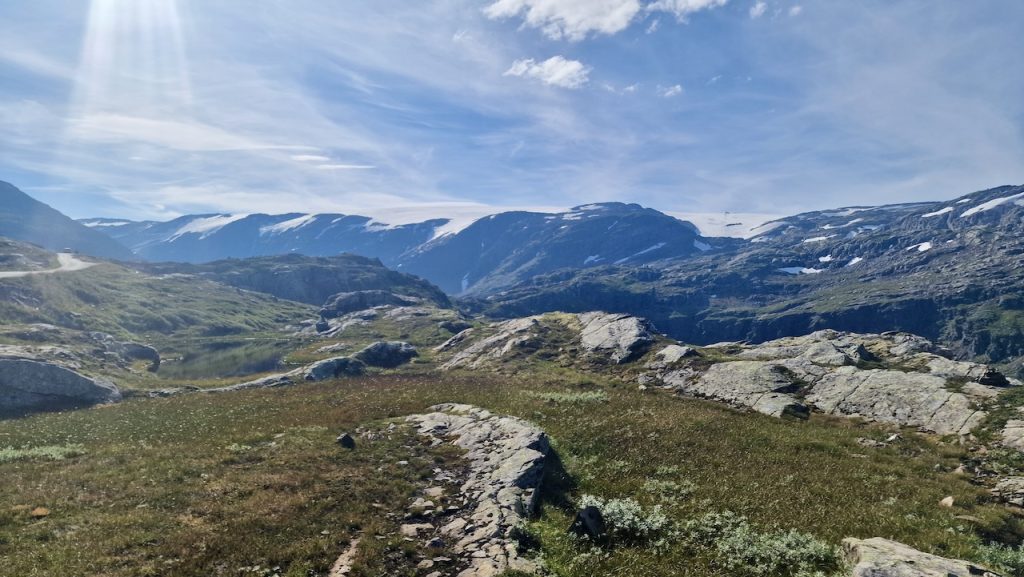
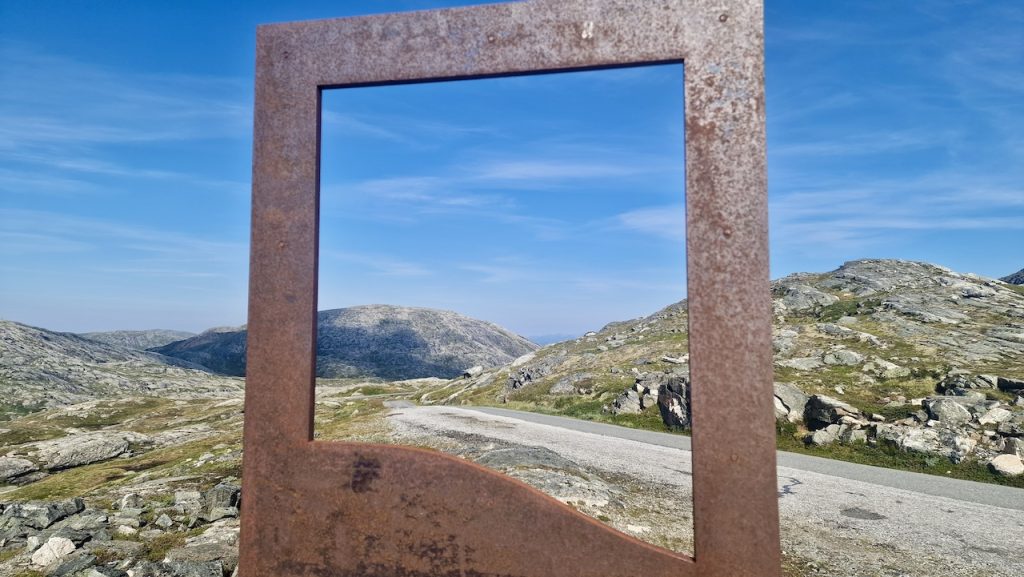
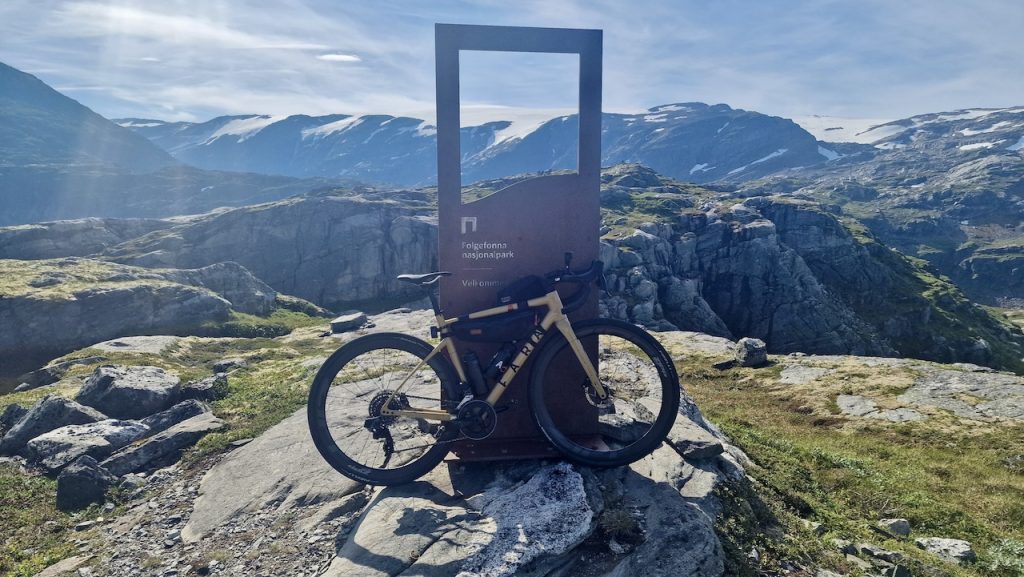
Summit Arrival: Snowfields, Silence, and the Edge of Ice
At the top of the climb sits the Fonna Glacier Centre and the Fonna Ski Resort, an unlikely cluster of buildings in a barren glacial moonscape. During the summer months (usually late May to early September), it’s a hub for professional ski teams, glacier hikers, and intrepid tourists. You’ll find a small café, rental equipment, and local guides offering half-day or full-day glacier treks onto the blue-white ice sheet of Folgefonna itself.
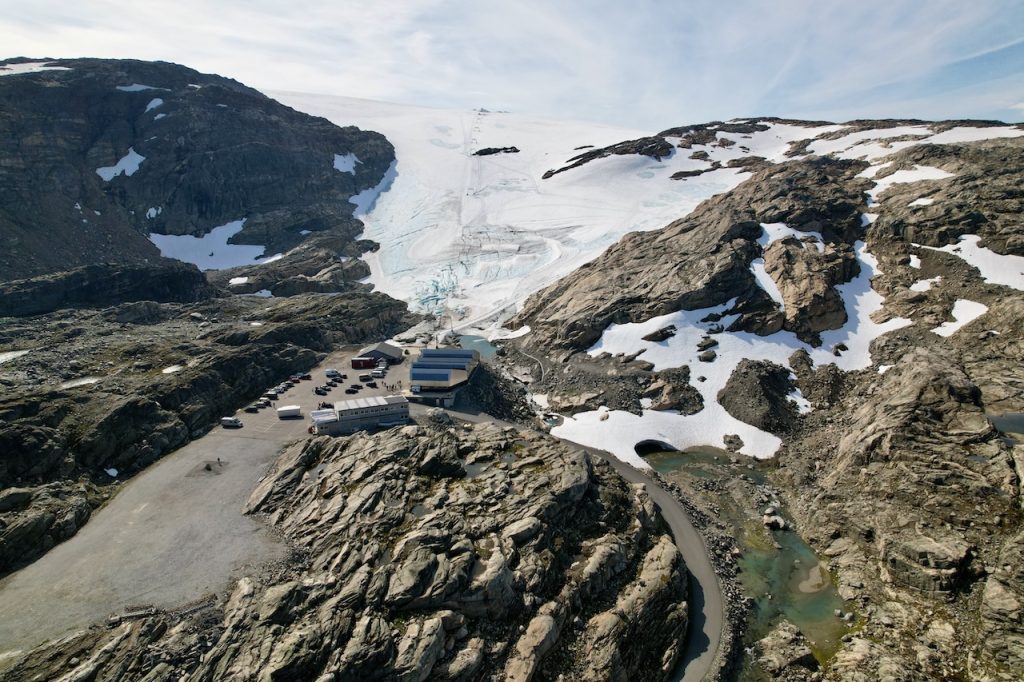
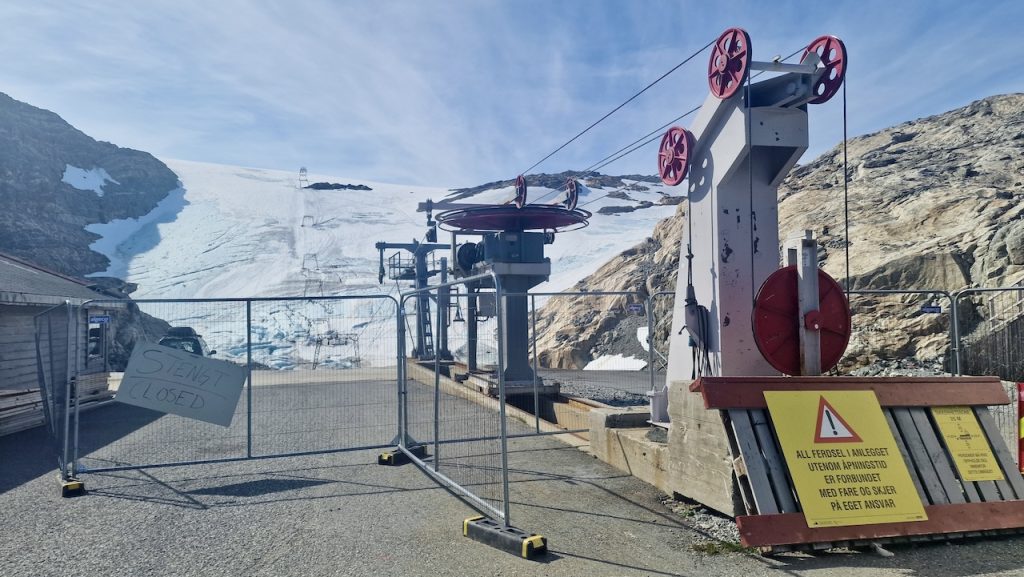
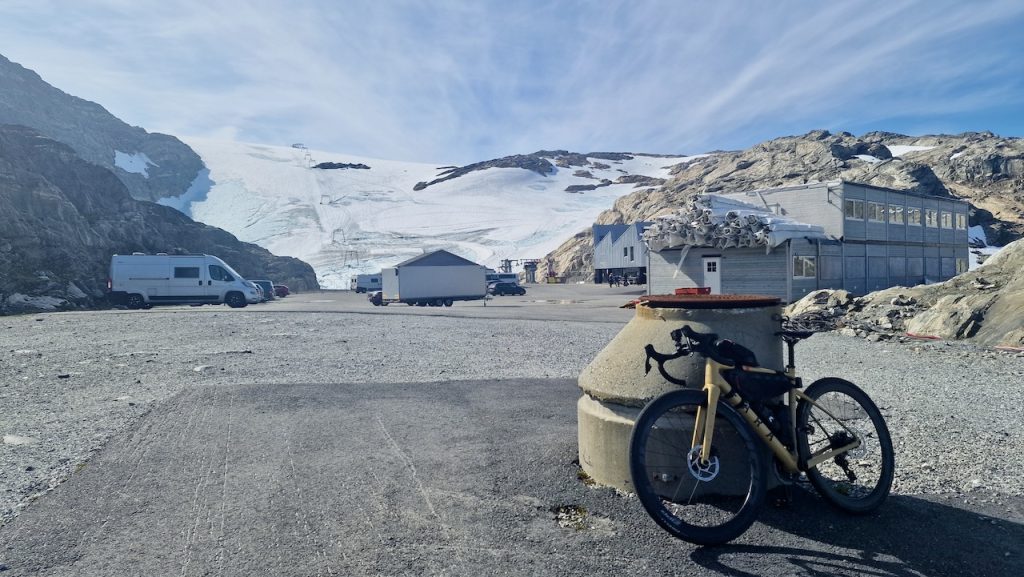
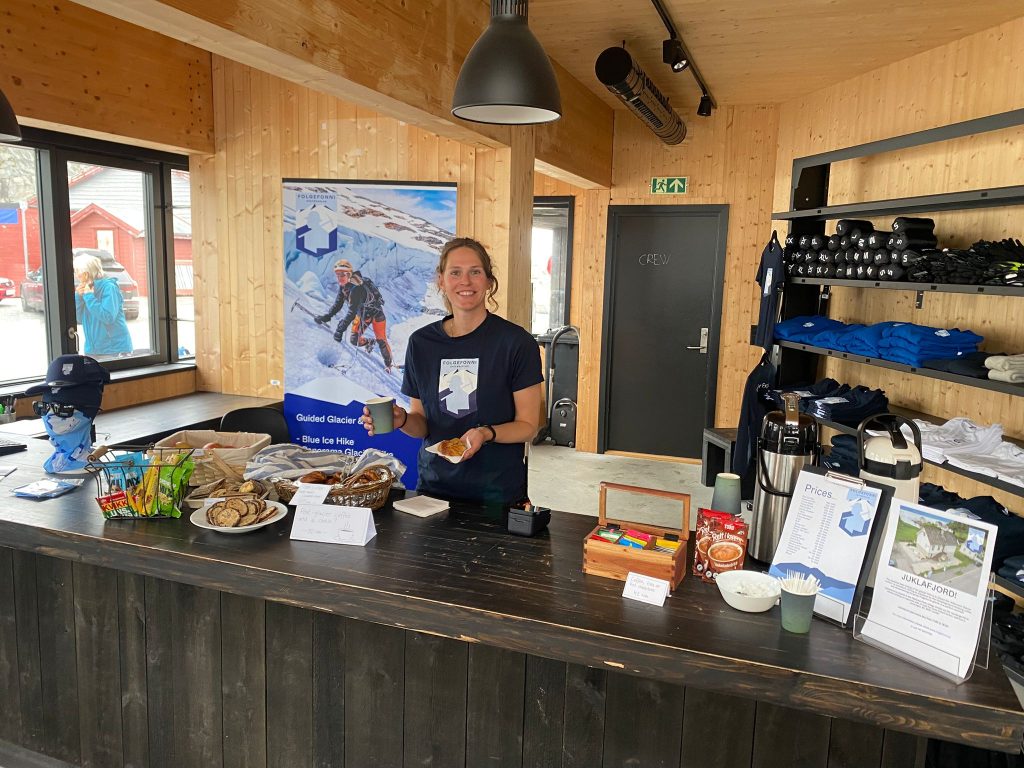
The glacier is one of Norway’s three major ice caps, and it’s shrinking, slowly but surely. To walk on its surface is to stand on a living reminder of the Ice Age. The glacier hikes here are well-organized and safe, led by experienced guides with crampons and ropes. If you have time and energy left in your legs, it’s worth staying up there and joining one.
The Descent: Back to the Fjord, Fast and Cold
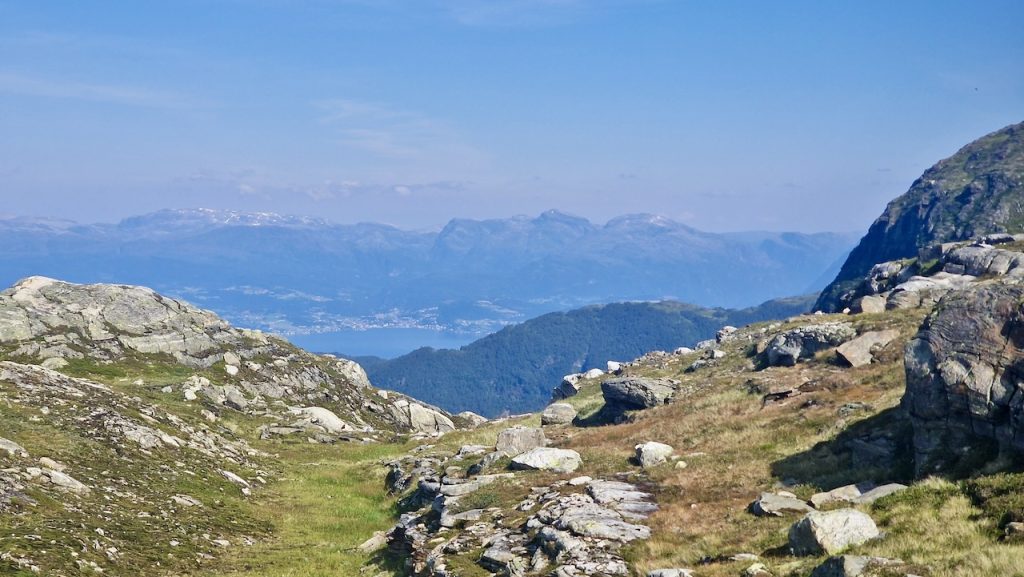
Descending Folgefonnavegen is not just a reward, it’s a test. The wide turns and long straight stretches are tempting, but the wind and sudden weather shifts demand attention. The views, however, are unbeatable. As you descend, the glacier disappears behind you and the fjord slowly re-emerges, shimmering in the distance like a mirror laid out across the landscape.
Jondal greets you again with calm air, sea-level warmth, and (hopefully) an open café where you can rest and reflect on what you’ve just accomplished.
More to Explore: Hiking and Local Adventures
The area around Jondal and Folgefonna isn’t just about one road. There are several marked hiking routes in the area, especially in the Folgefonna National Park. Here are a few highlights:
- Buførevegen: An old droving road that historically connected western and eastern Norway. Now a marked hiking trail, it gives you expansive views of Folgefonna and its meltwater lakes.
- Bondhusdalen: A stunning glacial valley nearby, known for its emerald-green river and hanging glacier views. The hike from Sundal to Bondhusvatnet and into the valley is one of the most scenic in all of Hardanger.
- Hardangerfjord by ferry: You can also combine cycling with fjord travel. Local boats connect Jondal to other fjord villages, offering the chance to create a loop or multi-day adventure through the region.
Why Ride It? The Allure of Extremes
What makes Folgefonnavegen special isn’t just the numbers, it’s the contrast. Few places in the world offer such a sharp transition between ecosystems in a single morning’s ride. You start among apple blossoms and end among snowdrifts. You begin by the sea and end at the sky. The road carves a line through Norway’s mythic landscape, touching on everything that makes this country one of the great cycling destinations on Earth.
Unlike famous European climbs lined with fans and cyclists, Folgefonnavegen is still unknown to many. You’ll likely ride the whole ascent without seeing another cyclist. That solitude adds to the sense of pilgrimage, this is a ride into the heart of Norway’s wild identity.
It’s not for everyone. It’s not easy. But if you want something that tests your body, quiets your mind, and expands your sense of place, this is a climb worth doing.

Practical Information
- Distance: ~19 km from Jondal to the glacier summit
- Elevation Gain: ~1,200 meters
- Average Gradient: 6.5%
- Best Time to Ride: Opens usually mid-May to September (check if the road is open, sometimes it’s delayed due to snow). Official Facebook page, +47 95117792, [email protected]
- Bike Type: Road or gravel bike with good gearing and disc brakes
- Glacier Hikes: Available from Fonna Glacier Centre, pre-book in high season
- Accommodation: Guesthouses in Jondal or campsites near the base of the road.
- Food/Water: Bring your own snacks and water; café at the summit is seasonal and may not always be open
- Weather: Always check the local forecast before attempting the climb
- All Activities in the National Park





Legg igjen en kommentar