Europe’s View on Cycling is Changing (and for the good)
As the founder of Cycle Norway, I’ve spent years riding, documenting, and building resources for cyclists exploring this country. What’s clear to me is that cycling is no longer just a leisure activity for a small group, it’s becoming a cornerstone of how people want to travel, discover, and experience Europe.
The EU’s latest progress report shows that cycling is being taken seriously at the highest political levels. Billions are now flowing into infrastructure, access, and inclusion. This isn’t just about bike lanes in cities, it’s about shaping the future of tourism and mobility. For Cycle Norway, it confirms that the direction we’ve taken is in line with where Europe is heading: greener, healthier, and more sustainable travel.
A wave of investment
From 2021 to 2027, the EU has earmarked €4.5 billion for cycling of which €3.2 billion comes directly from EU funds. That translates into over 12,000 km of new or upgraded cycle paths. Add another €1.3 billion from the recovery and resilience facility, and we’re talking about real money, not token gestures.
This is unprecedented. For decades, the EU poured billions into motorways, railways, and airports. Cycling rarely featured, other than as a curiosity in urban planning documents. Now it is finally on the map not just in Amsterdam and Copenhagen, but in Lithuania, which launched its first national cycling strategy in 2024, and in Brussels, where SMEs can get up to €4,000 subsidies for cargo bikes.
A changing vision of cycling
The report highlights several key points that illustrate a cultural shift:
Cycling as a tool against transport poverty. Bikes, e-bikes, and cargo bikes offer low-cost mobility. With subsidies targeted at low-income households, the EU is reframing cycling as social policy, not just transport.
Cycling data at scale. The Cycling Counts project is mapping Europe’s cycle paths, already identifying over 900,000 km of infrastructure. For the first time, Europe will have a reliable baseline.
Integration with cities. TEN-T urban nodes must now integrate active mobility into Sustainable Urban Mobility Plans. In plain terms: if your city gets EU funds, cycling must be part of the plan.
Equity and inclusion. New programmes in Strasbourg aim at increasing cycling among women and youth in deprived neighbourhoods. This shows cycling isn’t just for the Lycra crowd, it’s being reframed as an accessible, democratic mode of travel.
In short, cycling is no longer a side-note. It’s a pillar of mobility policy, tied directly to climate, health, and inclusion.
The Norway question
Norway isn’t in the EU, but it cannot ignore this shift. EU regulations and funding streams ripple across borders, whether through EEA agreements, tourism flows, or political influence. The fact is simple: if the rest of Europe builds a modern, connected cycling network and Norway doesn’t, the country risks being left behind.
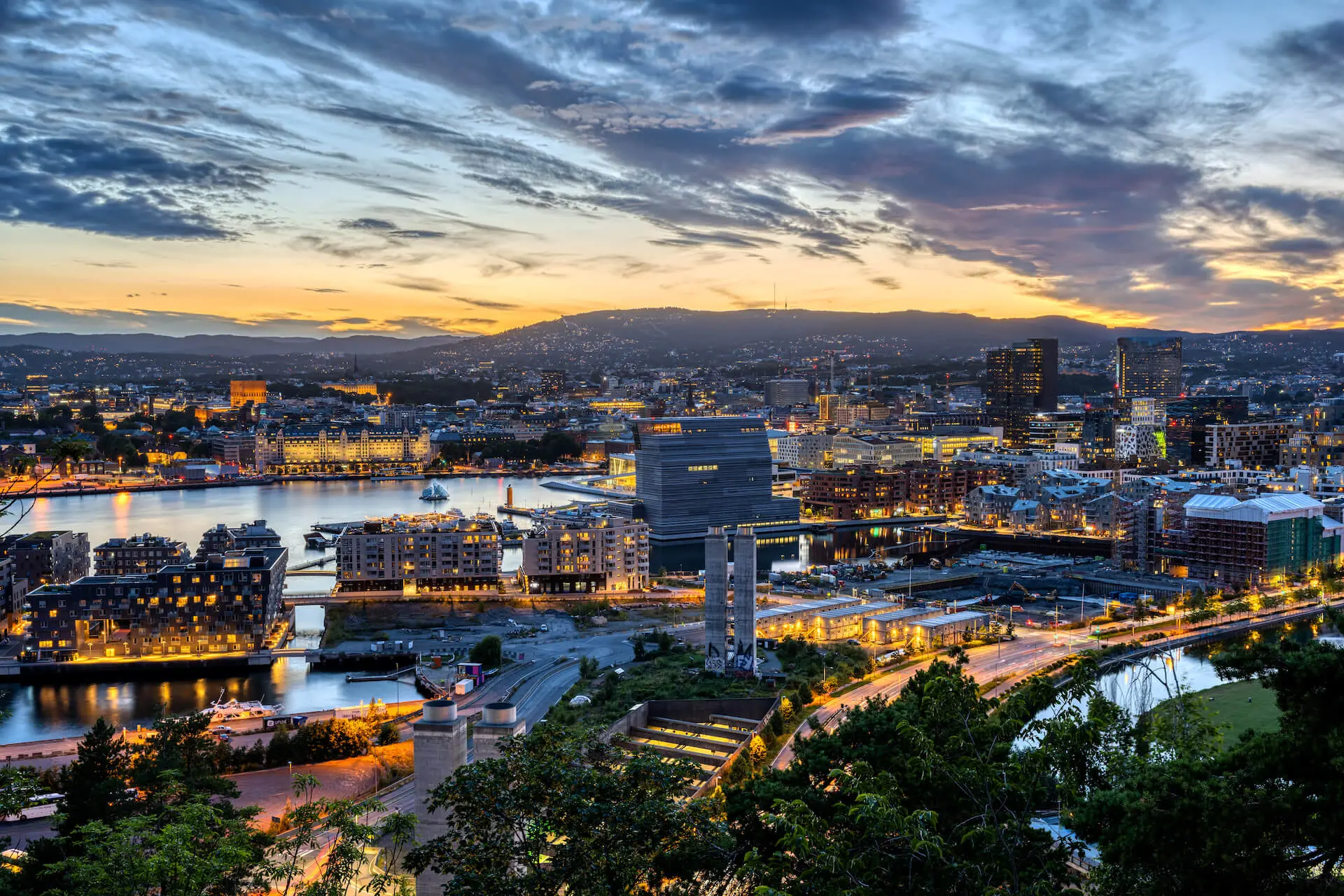
Over the past decade, Norway has made serious inroads into urban cycling infrastructure. Municipalities such as Oslo are investing heavily in segregated bike lanes, new cycle super-highways and comprehensive city-mobility plans. For example, Oslo is committing some NOK 13.8 billion to develop around 510 km of new cycling infrastructure. These efforts reflect a modern mindset: cyclists are no longer a fringe transport option, but integral to healthy, liveable cities. The shifts in infrastructure at the city level are real and meaningful.
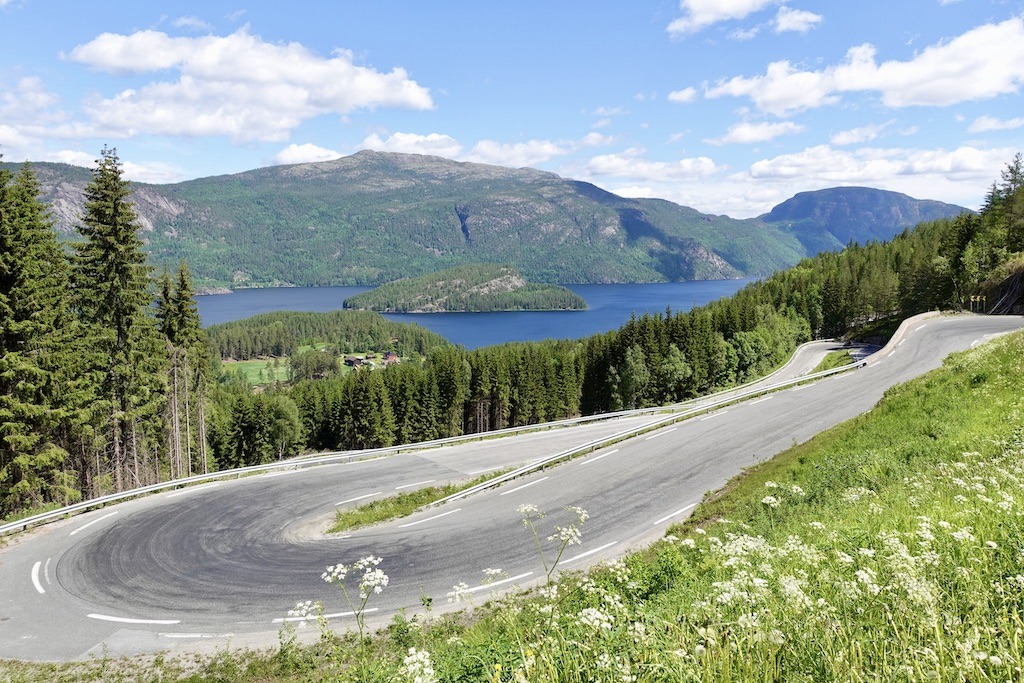
However, despite these strong urban gains, a glaring gap remains when you step beyond the city limits. While other European countries are forging long-distance, well-connected cycle networks, Norway still treats many bike-routes as scenic one-offs rather than part of a cohesive national grid. As one report puts it: if the rest of Europe builds a modern, connected cycling network and Norway doesn’t, the country risks being left behind. For cycle tourists in particular, seamless inter-city routes, multi-modal options (e.g., easy bike carriage on trains), and consistent infrastructure standards matter. Unfortunately, Norway meets some of these criteria only partially.
Norway markets itself heavily on nature tourism, but without adequate cycling infrastructure, it fails to capture the growing wave of cycle tourists looking for safe, connected, and sustainable routes.
The future of cycle tourism in Europe
For cycle tourism, this is transformative. Infrastructure drives behaviour. When you build safe, continuous networks, people ride more, locals and tourists alike. Add subsidies for e-bikes and cargo bikes, and suddenly families, seniors, and less sporty travellers become potential cycle tourists.
Europe already counts more than 900,000 km of cycle routes, but the quality varies widely. The coming decade will be about raising standards:
safer, wider, climate-proofed cycle paths,
more charging stations for e-bikes,
better logistics and parking,
cross-border connections between networks.
The European Cyclists’ Federation is calling for EU-wide targets: 10–12% cycling modal share by 2030. If achieved, the flow of cycle tourists will be larger, more diverse, and more mainstream than ever before.
For Norway, the lesson is clear. Europe is moving fast. Billions are being invested. Standards are being set. Cycle tourism will become a central pillar of the EU’s green transition.
As Commissioner Apostolos Tzitzikostas put it:
“Cycling is much more than just a means of transport. It contributes to cleaner air, healthier communities, and more accessible and people-friendly cities.”
Closing thoughts from Cycle Norway
Cycle Norway was founded on the belief that travel should be slower, more meaningful, and rooted in nature. What we now see from Brussels is a recognition that cycling delivers on all these fronts: mobility, tourism, and health.
The pressure is mounting: across Europe, cycle tourism is no longer niche it’s becoming core to how people travel, discover and engage with places. The European Union has earmarked billions for cycling infrastructure and standards are rising. For Norway to capitalise on its immense natural beauty and attract the global wave of cycle tourists, it needs to elevate its approach. That means shifting from “scenic routes” to “connected networks,” ensure bike-friendly transport links (especially long-distance train/bike combos), and treat cycle tourism as strategic rather than incidental. Without that alignment, Norway risks being bypassed by travellers who expect more than the idyllic view they expect continuity, safety and capacity.
Text and Photos by Matteo Kozlowski A friend and I decided to undertake the phenomenal Telemark Canal Loop over a weekend in June. Since I had a gravel bike, but he didn’t, we adapted the route a little to make it a good fit for both of us. I kept the gravel sections between Vrådal […]
A few weeks ago, Matteo contacted Cycle Norway looking for ways to contribute to the platform. Rather than simply sharing ideas, he headed out and rode the first section of National Gravel Route 5 for himself. What makes this even more impressive is that it was Matteo’s first-ever bikepacking trip. After completing the route, he […]
When Andreas left us at the end of Part 1, he was standing on the edge of Asia in Timor-Leste, preparing for what would become one of the most demanding chapters of his expedition. In 2022 he had quietly rolled out of Norway with little more than a bicycle, a tent, and a desire to […]
The awesome companies behind us
We've detected you might be speaking a different language. Do you want to change to:
To provide the best experiences, we use technologies like cookies to store and/or access device information. Consenting to these technologies will allow us to process data such as browsing behavior or unique IDs on this site. Not consenting or withdrawing consent, may adversely affect certain features and functions.
Functional
Alltid aktiv
The technical storage or access is strictly necessary for the legitimate purpose of enabling the use of a specific service explicitly requested by the subscriber or user, or for the sole purpose of carrying out the transmission of a communication over an electronic communications network.
Preferences
The technical storage or access is necessary for the legitimate purpose of storing preferences that are not requested by the subscriber or user.
Statistics
The technical storage or access that is used exclusively for statistical purposes.The technical storage or access that is used exclusively for anonymous statistical purposes. Without a subpoena, voluntary compliance on the part of your Internet Service Provider, or additional records from a third party, information stored or retrieved for this purpose alone cannot usually be used to identify you.
Marketing
The technical storage or access is required to create user profiles to send advertising, or to track the user on a website or across several websites for similar marketing purposes.










Legg igjen en kommentar