When
June - September
Written by
Matthew Tolley & Matt Wilks
Distance
643km
Days
4-9
High point
419m
Difficulty
6/10
Unpaved
<5%
Total Ascent
3994
Ferries
Tunnels
1
There’s a certain pull to riding toward the edge of the Western world. Russia stretches 9,000 km across 11 time zones and shares one of its borders with Norway. It feels distant, unfamiliar, and loaded with atmosphere — which is exactly why ending a bike ride out here has such a distinctive aura.
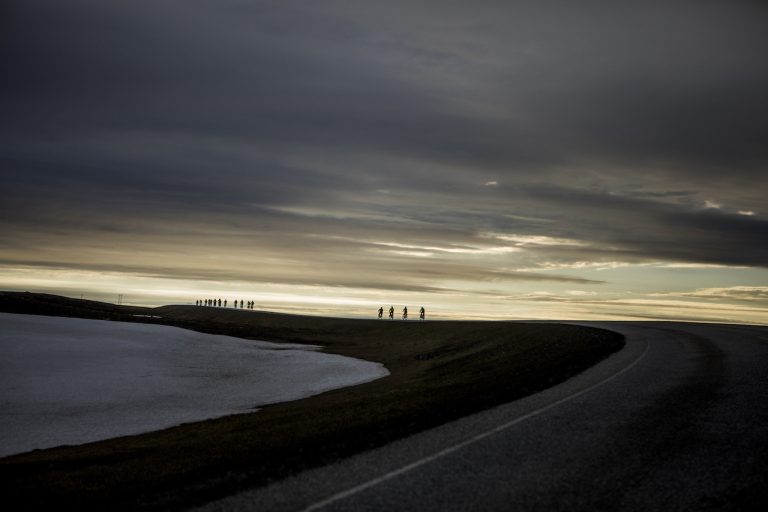
Finnmark carries its own sense of mystique. It sits roughly the same distance from Oslo as Istanbul, and in many ways it feels like the last stop before the North Pole. The real highlight of this ride is simply crossing Europe’s final great wilderness. It will feel empty and exposed at times, but that’s part of the appeal.
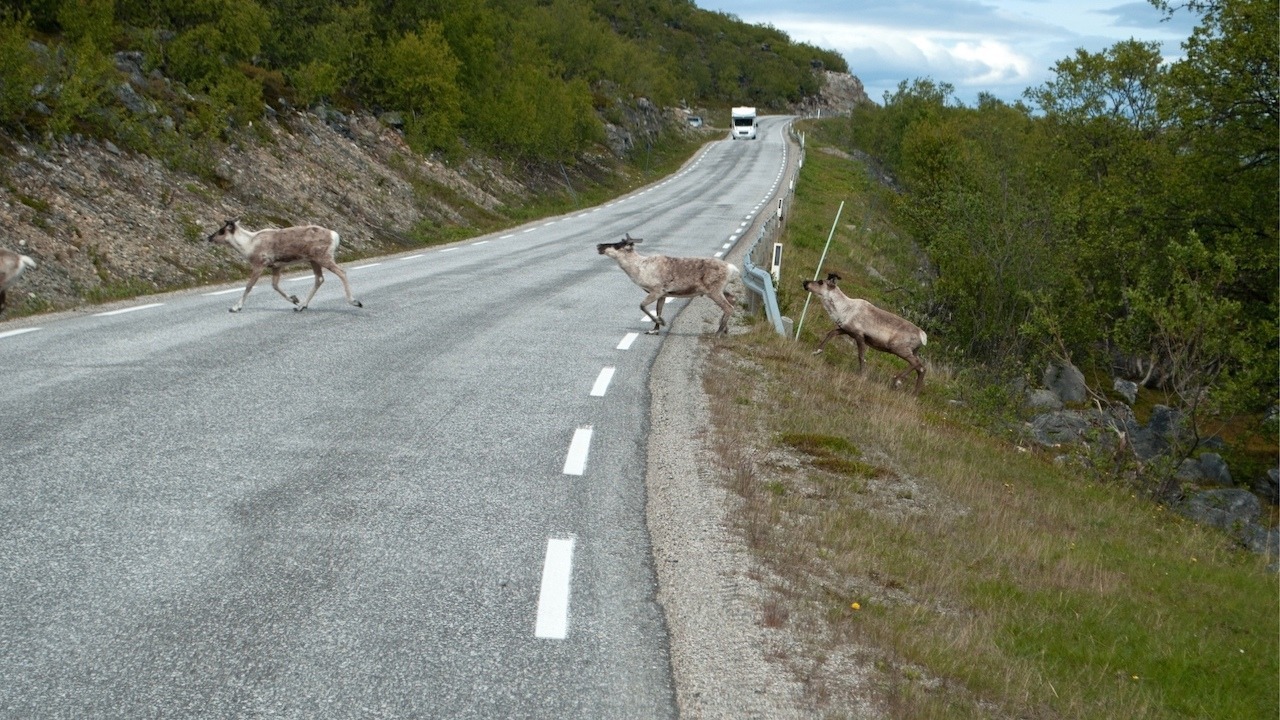
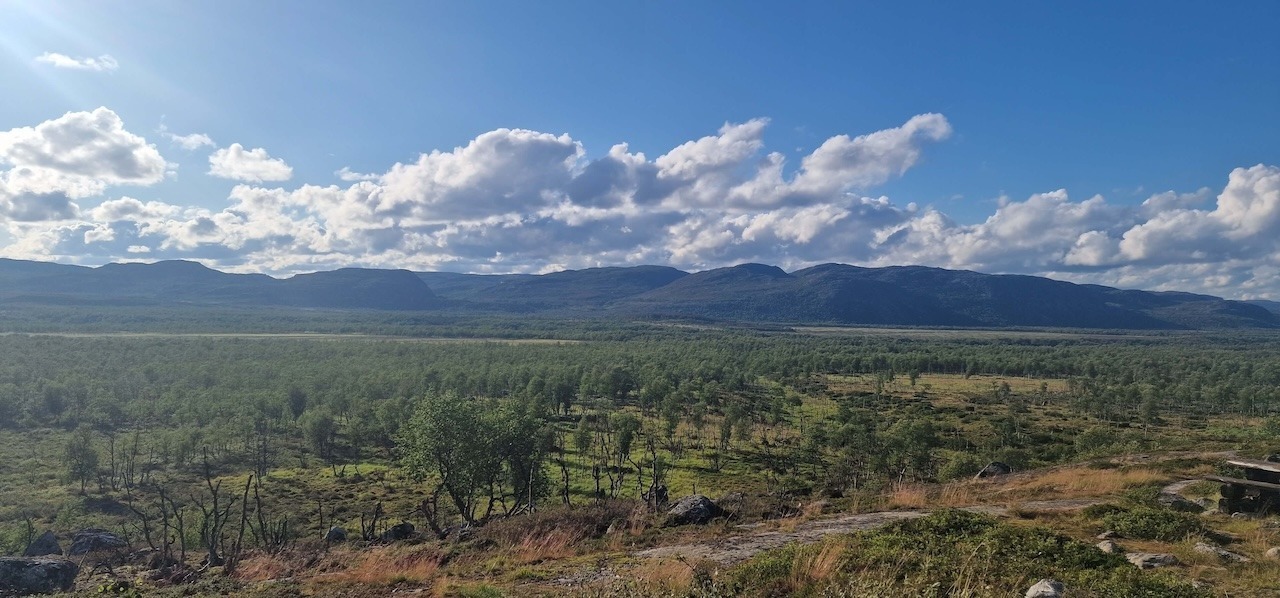
Most cycling heat maps glow with busy, well-ridden routes. Not here. In this corner of the continent, you join a small group of riders looking for something different. Hours can pass without seeing another person, while wild reindeer appear and disappear across the tundra. This is what you came for.
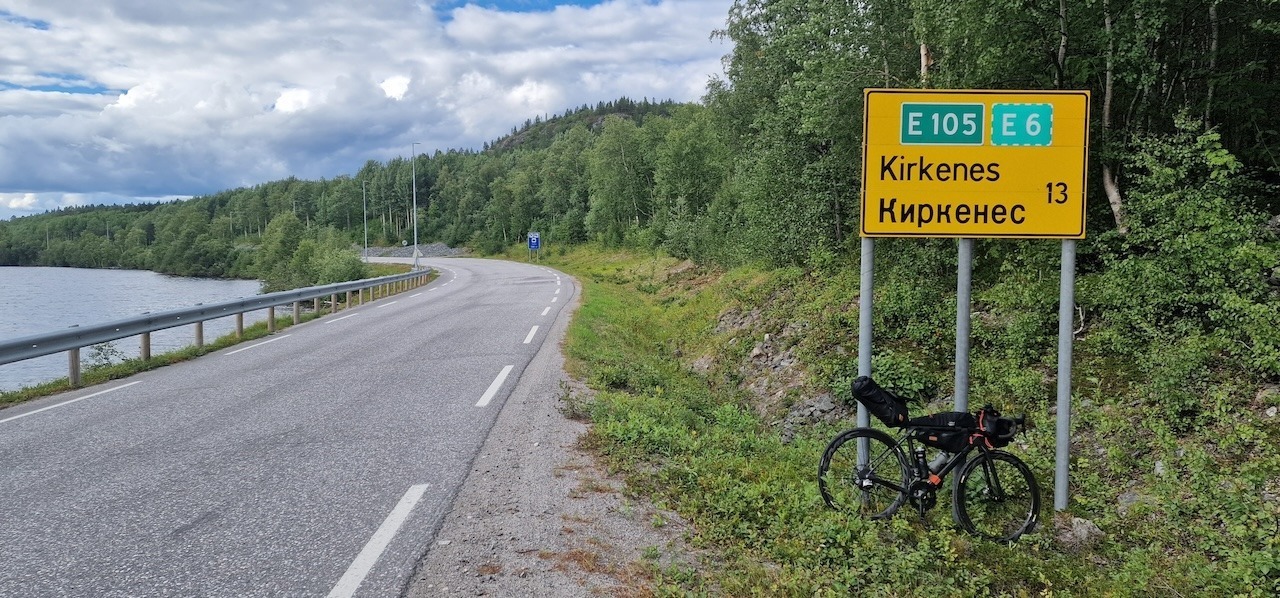
The journey ends in Kirkenes, a frontier town where road signs appear in both Norwegian and Russian. When you reach that point, you know you’ve arrived at the very edge of the Western world.
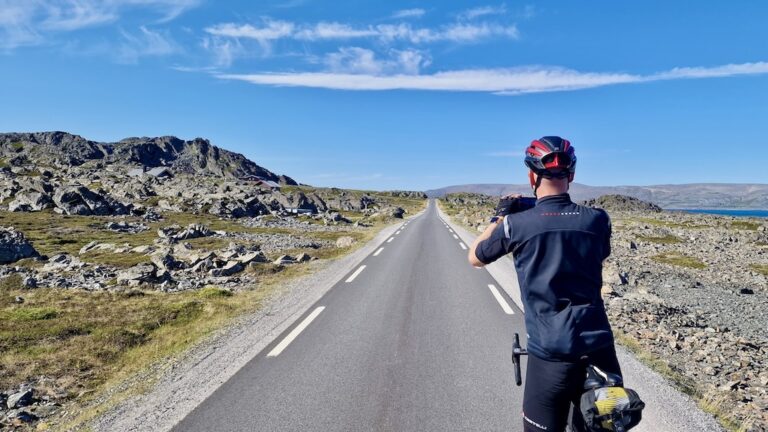
From the town of Alta, the journey begins on the E45. Although it’s a main road, traffic becomes light once you’re a few kilometres out of town. The road climbs steadily to around 400 metres before dropping to roughly 300 metres for the next 150 km. Remember that 300 metres above sea level this far north can feel very cold.
The first section has more vegetation than you might expect, so it doesn’t immediately feel like the Arctic tundra. Some cyclists find the repeated scenery monotonous; others find it calming. Either way, plan ahead for food and rest stops, they are limited in this part of Finnmark.
After the E45, you join road 92 for another long stretch of wilderness before reaching Karasjok. This small town is home to the Sámi Parliament of Norway (Sámediggi – Sametinget) and is a sensible place to grab a hot meal and a shower.
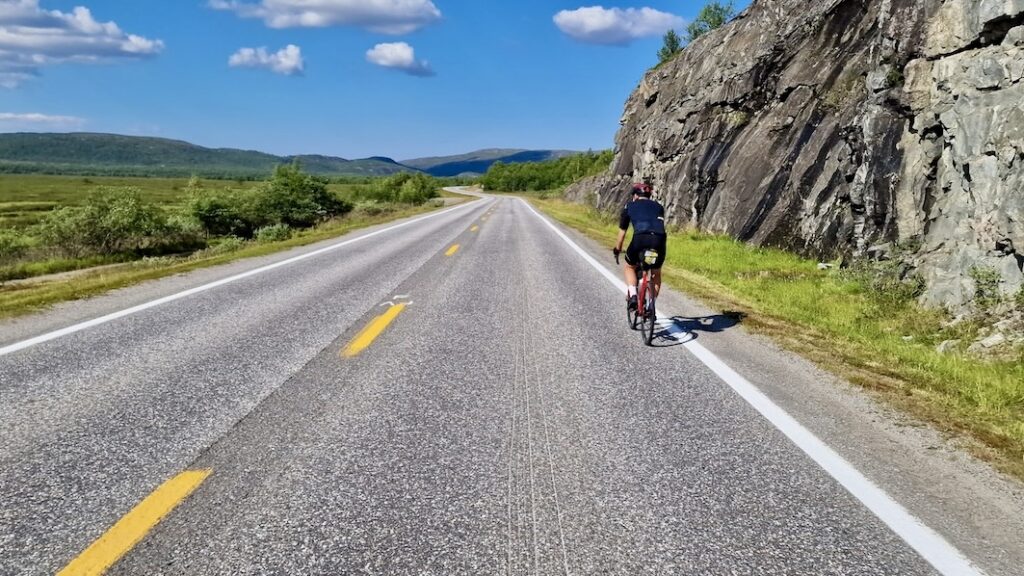
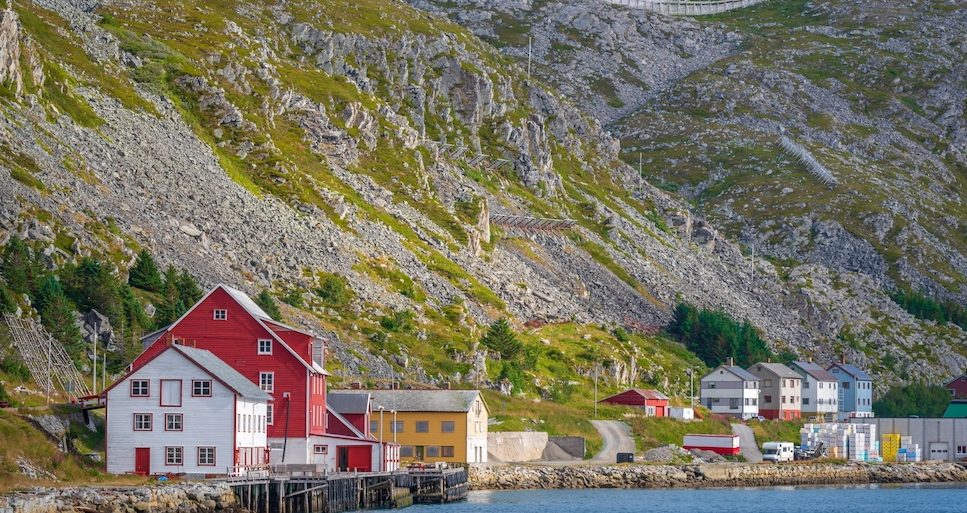
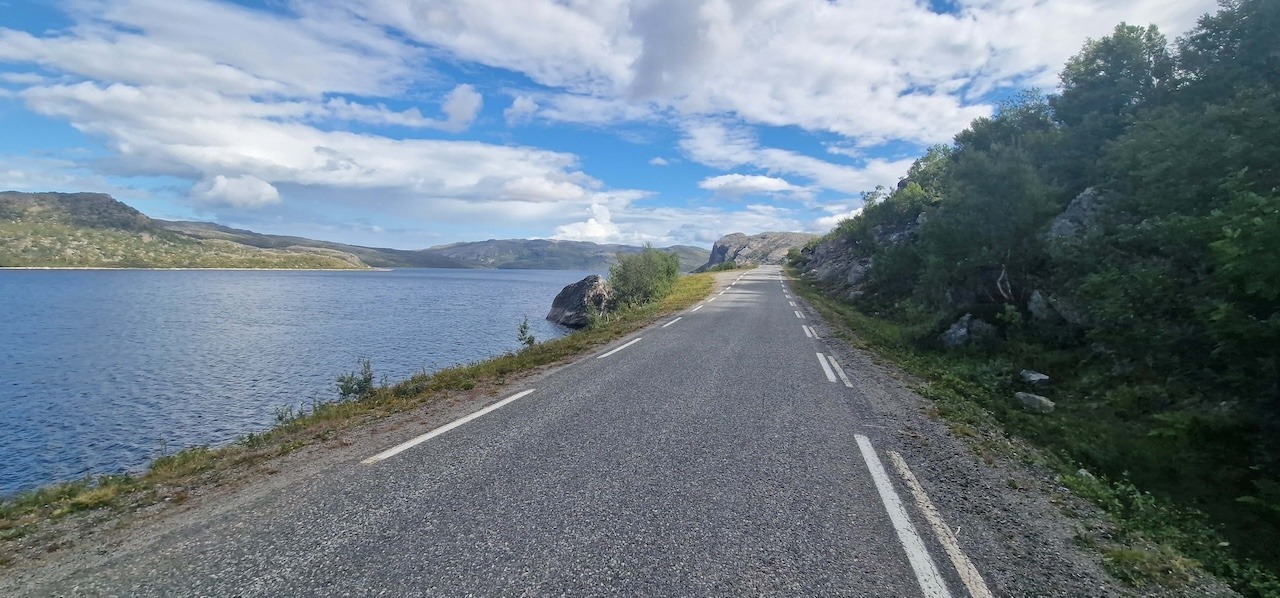
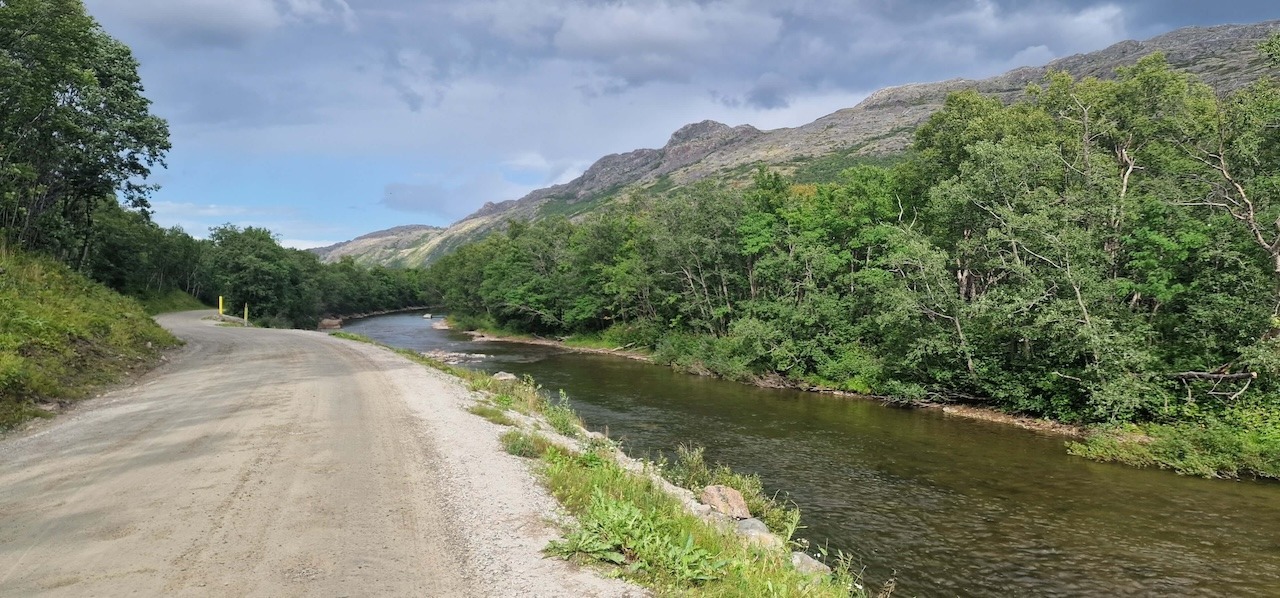
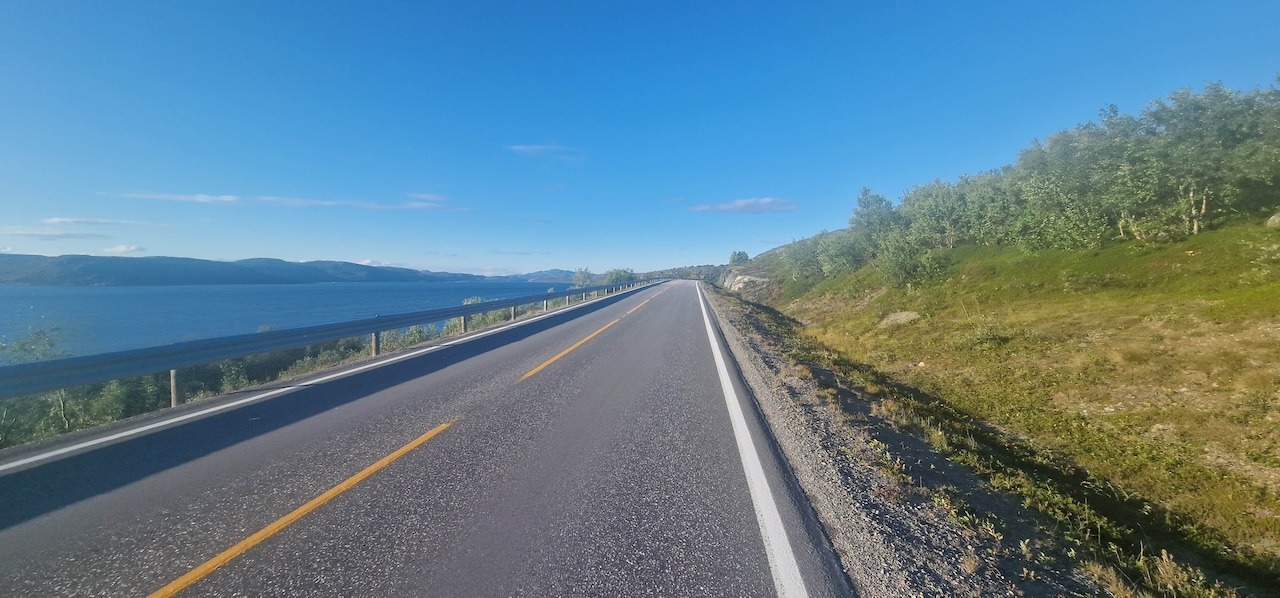
Next comes the E6. Once again, traffic is light. The road follows a river, with Finland visible on the opposite bank. Many cyclists choose to ride the Finnish side for a while and cross back into Norway later in the journey. After a long day passing small settlements and seeing more reindeer than people, you finally reach the sea. Varangerfjorden is a highlight, offering striking views over the water and a rugged, craggy coastline. The folded and faulted rock formations along its edge are especially impressive.
The E6 becomes a little tougher on the final approach to Kirkenes but remains mostly flat. Reaching the town brings a real sense of relief and achievement, knowing how far you’ve travelled through such a remote region. And if you want to go even further, you can continue cycling to the northeastern tip of Norway, right up to the border with Russia.

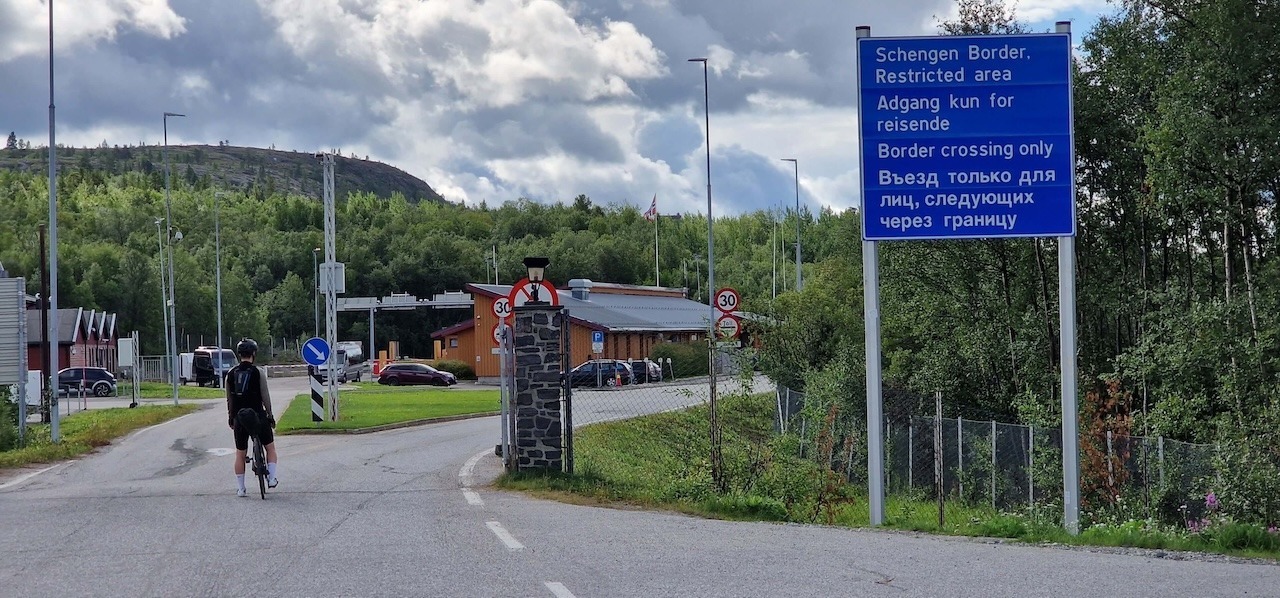
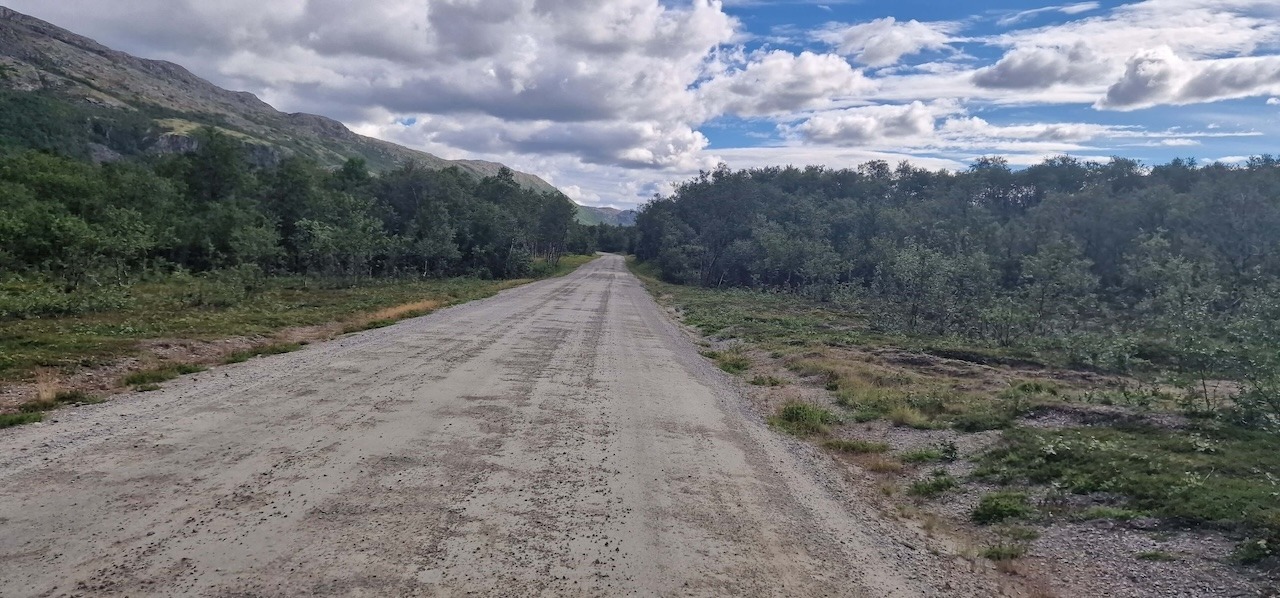
It’s about 120 km round trip from Kirkenes, so riders with decent fitness can complete it in a day. Heading east, you come close to the official Russian border crossing at Storskog before turning north. From here, the surface shifts to compacted gravel or worn tarmac, depending on how you view it.
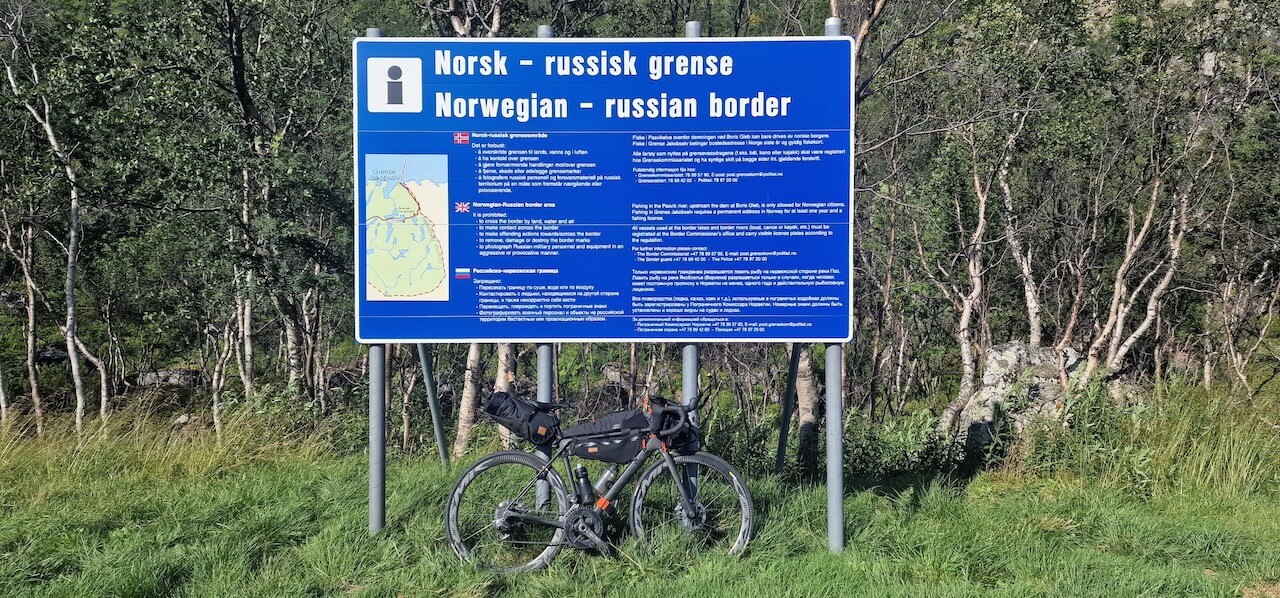
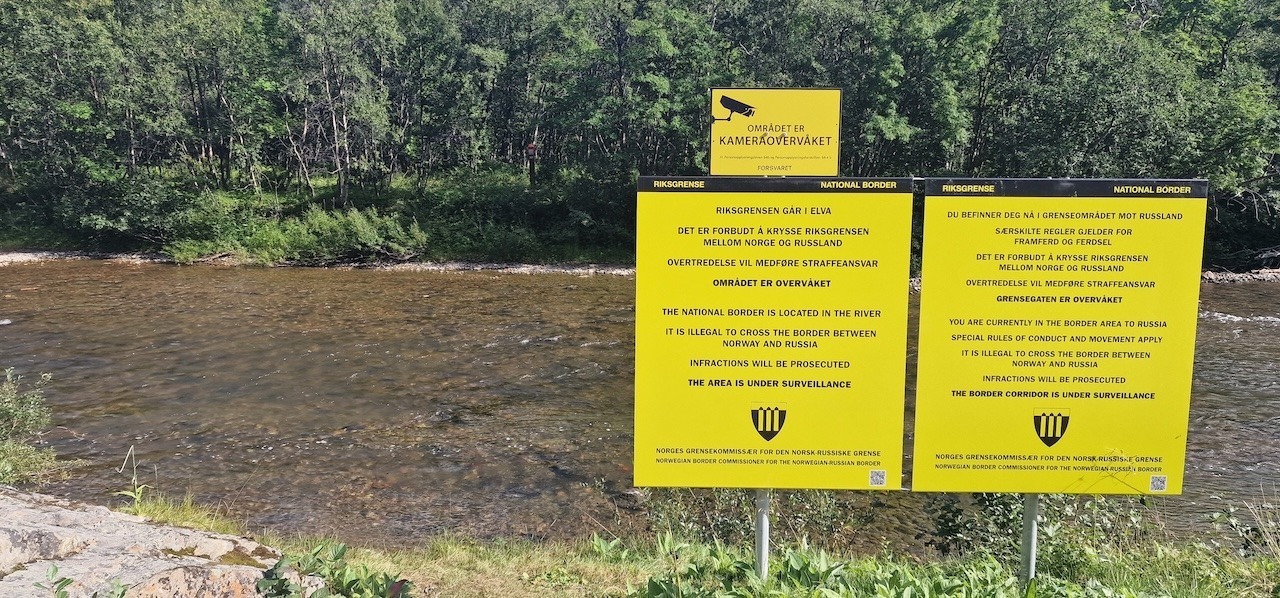
A small river marking the border with Russia is signed with warnings that the area is monitored by CCTV. Shortly before the end of the road you pass King Oscar II Chapel, built in 1869 to reinforce Norway’s territorial claim in the region. The Barents Sea at Grense Jakobselv is your final destination before turning back toward Kirkenes. Very few people cycle to the end of Norway, it’s quite an achievement.
We rate this section 6/10. Traffic is light and the terrain isn’t especially hilly, but the Arctic environment adds its own level of difficulty. Long distances between services and settlements may not appeal to everyone. Be organised and carry what you need to handle any issues that arise.
Eurovelo 13 - Northern section (Southern section can be found here).
If you're looking for some rough stuff, consider cycling the old post road from Alta to Kautokeino and bypass the E45. The full route can be found here.
If you were to have a serious mechanical problem on this route using the bus services will be a good option to reach civilization. Stick your thumb out on the side of the road and there is a good chance they’ll stop for you.
In addition, don’t be afraid to try and hitchhike. You will probably find many locals helpful to a cyclist in need. But also use your common sense when taking a ride from a stranger.
Finland: There are weekly bus services to/from Finland via Karasjok.
There is just 1 tunnel on the whole route. It’s close to Kirkenes and prohibited to cycle. A nice alternative road around it is available.
Expect a few supply trucks to go past once in a while, and there may be some local cars passing here and there. In general, you should find the whole route comfortable to cycle, but some vehicles may pass you at high speed. Ensure you are visible.
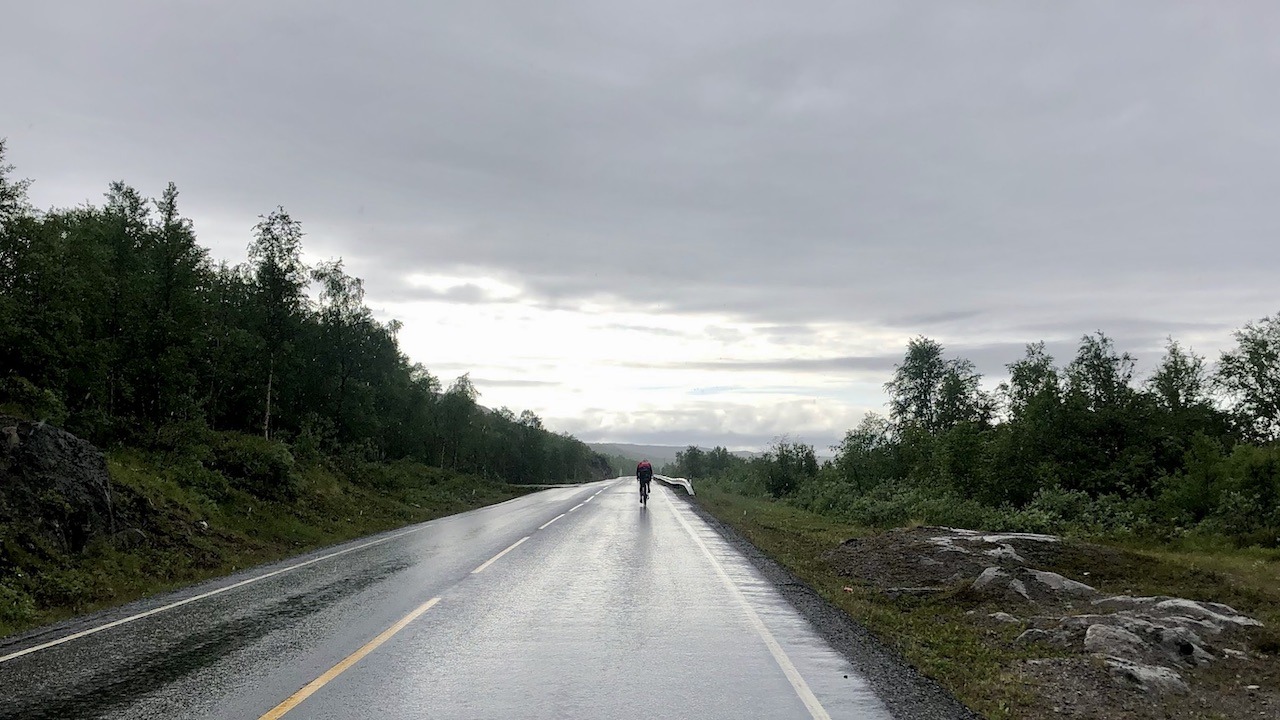
This might be the hardest part about cycling here. The weather is really unpredictable and you should not underestimate how quickly the weather conditions can change. You should be carrying winter gloves and plenty of warm and waterproof clothing. Hopefully, you won’t need to use all of it but you’ll be thankful if required. Try to ride according to the weather. You don’t want to get caught out in a remote area cycling hours in heavy rain with little shelter. It is smart to use the 24-hour daylight to your advantage. Perhaps on some days, starting late and riding into the night may offer calmer weather. Night rides in the north can be very special.
Finnmark too has a certain mystique. Being about the same distance from Oslo as Istanbul, in some ways, it’s basically the last stop before the North Pole. The undoubted highlight of the journey is simply cycling the wild expanse of Europe’s last great wilderness. It will feel very lonely up here but isn’t that a reason to cycle it? The cycling heat maps of the world are full of well-ridden roads. Here you will join a small group of cyclists seeking something extraordinary. Passing wild herds of reindeer and perhaps not seeing another human for many hours is why you came – right? The ride comes to an end in the town of Kirkenes which has Russian road signs. This will indicate you have reached the boundaries of the Western world!
All cycling routes published on CYCLENORWAY.com are simply a planning resource to be used as a point of inspiration in conjunction with your own due-diligence. All route guidelines were prepared under diligent research. However, we can never for certain insure the complete accuracy of the routes. Cycling in Norway is in general very safe. Nevertheless, should you choose to cycle this route you do so at your own risk.
Check out this helpful video to see how the routes can be uploaded onto your mobile device and cycling computer.
Cycling long distance is tough, and you should not attempt routes that are beyond your level.
If you discover any inaccuracies on this page, please let us know so we can correct them.
non-intrusive, offering informative news, blog posts, videos, and more.