



Most European capitals claim to be bicycle-friendly. A few truly are. And then there is Oslo, a city that has quietly built one of the most enjoyable urban cycling experiences anywhere on the continent. You don’t need to follow local politics or understand how the city rebuilt its cycling network over the past decade to feel the difference. You simply step onto a bike, start pedalling, and the city opens itself to you.
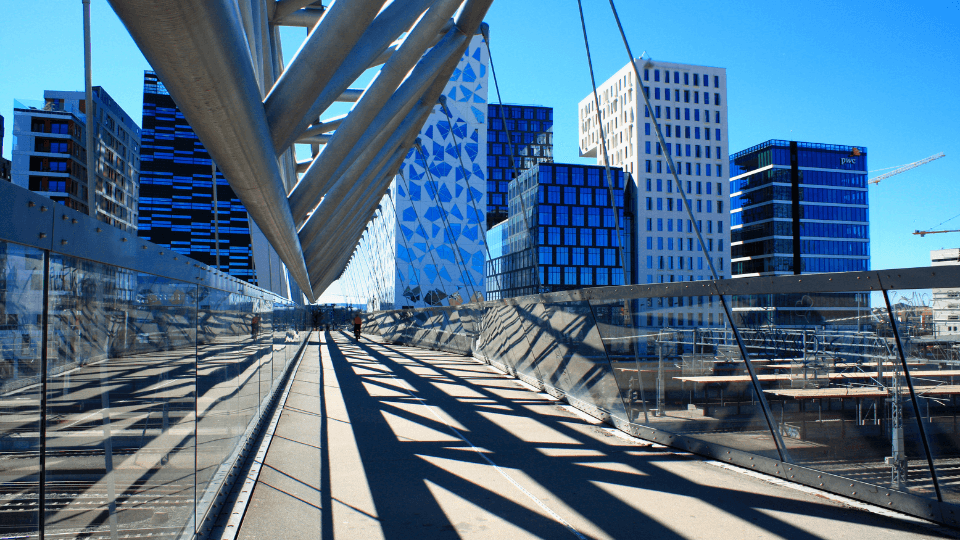
Oslo is compact, calm, and threaded with a network of routes that take you along the harbour, through parks, into historic neighbourhoods, and, within an astonishingly short time, straight into wild forest landscapes. It’s a city where the bike doesn’t just make travel easier; it changes the entire experience of being here.
Riding allows you to see Oslo the way locals do. You cut through side streets, slip along the waterfront on new cycle lanes, roll past bakeries and museums, and glide from one district to the next in minutes. There’s no wrestling with metro maps, no waiting for buses, no losing half your day walking long stretches between attractions. The bike makes Oslo feel smaller, more personal, and far more beautiful.
A City Built for Riding
What surprises many first-time visitors is just how accessible Oslo feels from the saddle in 2025. The terrain is manageable along the harbour and inner city, the distances are short, and the majority of the city centre is either low-traffic or completely car-free. Even those who haven’t cycled in years find it reasonably easy to get around. Children, beginners, older travellers, it doesn’t matter. Oslo’s layout makes the bike the simplest and most intuitive way to move. And if the tramlines and one-way streets get confusing or scary to first-time visitors. Oslo’s Viking Biking offers a great tour of the city, showing you all the safe roads to cycle on at the same time.
Then there’s the nature.
Oslo is one of the greenest capitals in Europe. You can start your morning beside the opera house, cycle ten minutes west to a beach on Bygdøy, then head north and be deep in a silent forest, lakes, gravel paths, and pine-covered hills without ever leaving the city limits. This combination of urban life and raw nature simply doesn’t exist elsewhere in Europe’s cycling world. Copenhagen, Amsterdam, Antwerp—great cities in their own right, but none have wilderness sitting right on their doorstep.
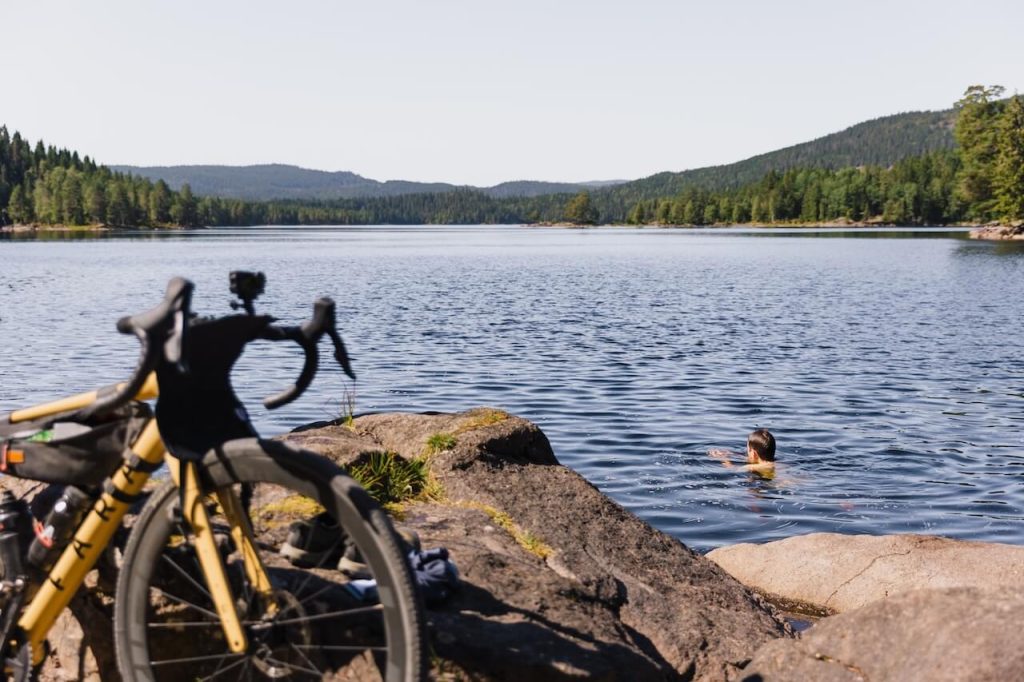
That unique blend is what makes Oslo such an exceptional place to explore by bike. It’s not about ticking off landmarks; it’s about moving through a landscape where city and nature are stitched together.
Renting a Bike in Oslo
Visitors don’t need to overthink equipment. Oslo makes renting a bike extremely straightforward.
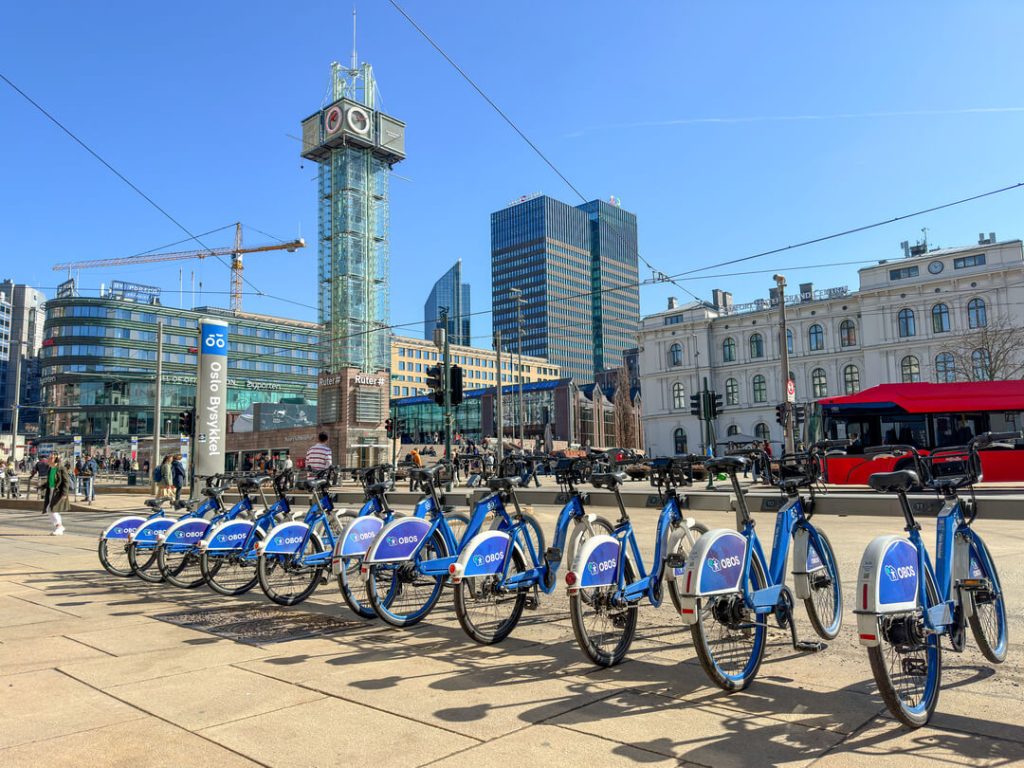
Oslo Bysykkel (https://oslobysykkel.no)
The city’s public bike-share system is by far the easiest way to get started. Docks are spread all over the city centre, the bikes are sturdy and comfortable, and the app is simple to use. For short trips like museums, food, cafés, and harbour promenades – Bysykkel is perfect.
Lime E-Bikes (https://www.li.me/)
If you want something electric, Lime’s app-based bikes are scattered across the city. They’re ideal for covering longer distances or riding up gentle inclines without effort. You unlock the bike, ride where you like, and park it within the city limits when you’re done.
Both options make it possible to explore Oslo on a whim. No planning, no commitment, just ride.
If you fancy something more serious to hit the gravel tracks in the forest, try:
Fara Cycling or Rouleurs of Oslo in the city centre. Both offer quality bikes fit for Norway’s rough terrain. Fara may have some bikepacking bags to rent, also. Get in touch with them to find out what’s available.
Bygdøy: The Peninsula Made for Cycling
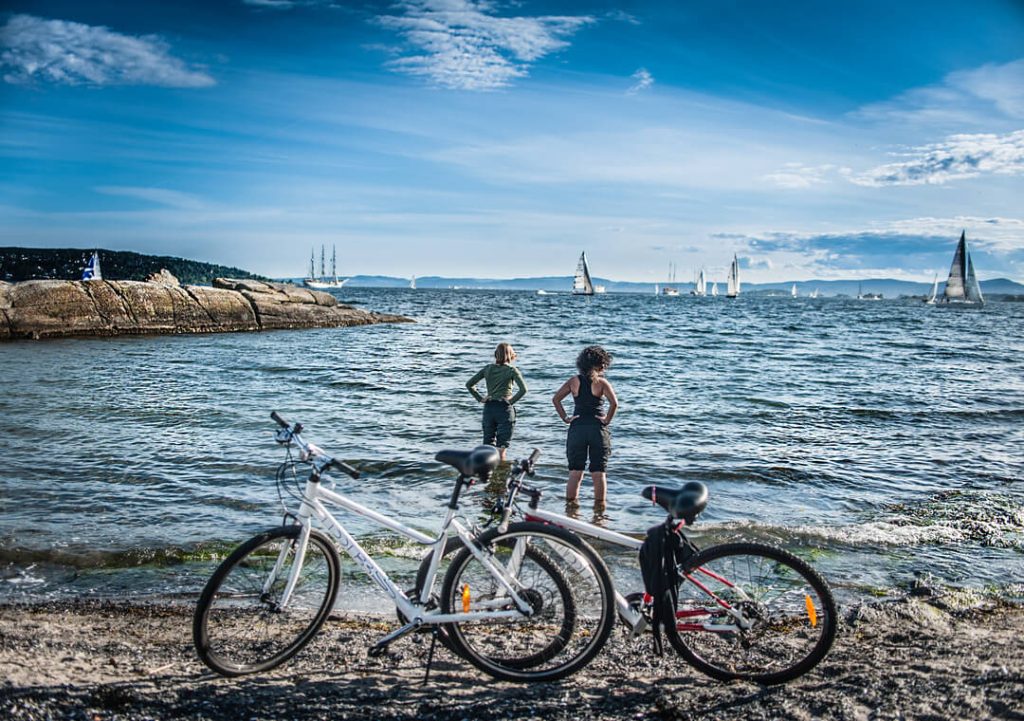
For most visitors, the highlight of cycling in Oslo is the Bygdøy peninsula. Within minutes of leaving the city centre, you enter a quiet, scenic landscape of coastline, open fields, beaches, and iconic cultural sites. The tempo slows. Traffic drops away. You begin to understand why locals treat Bygdøy as their backyard escape.
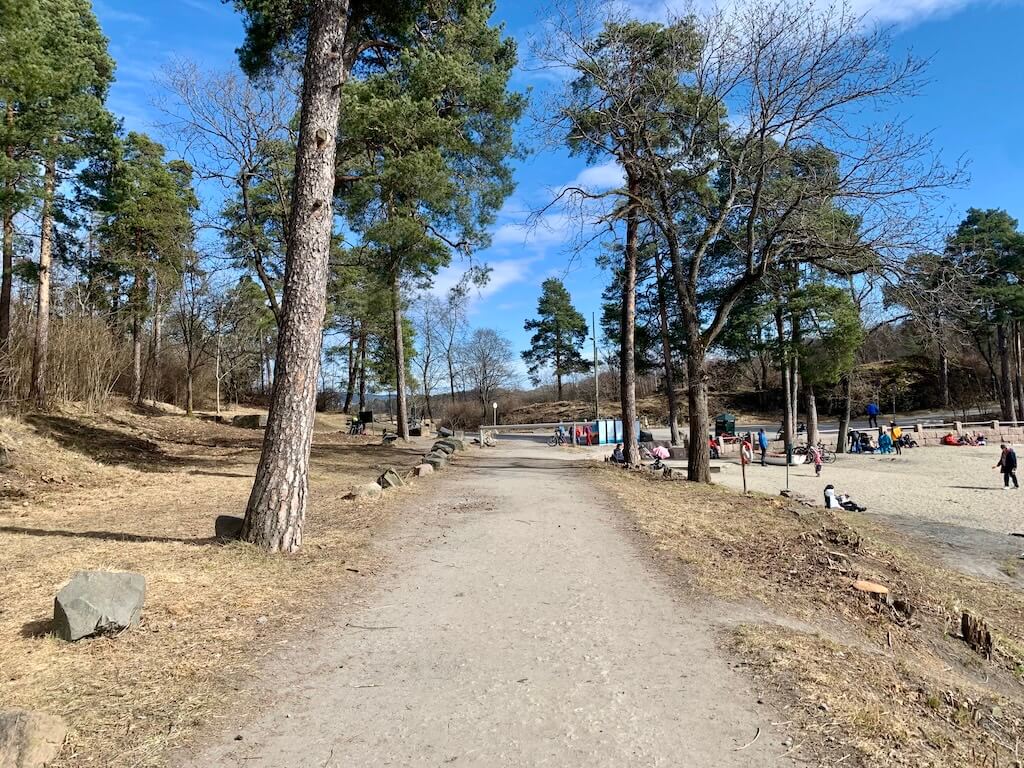
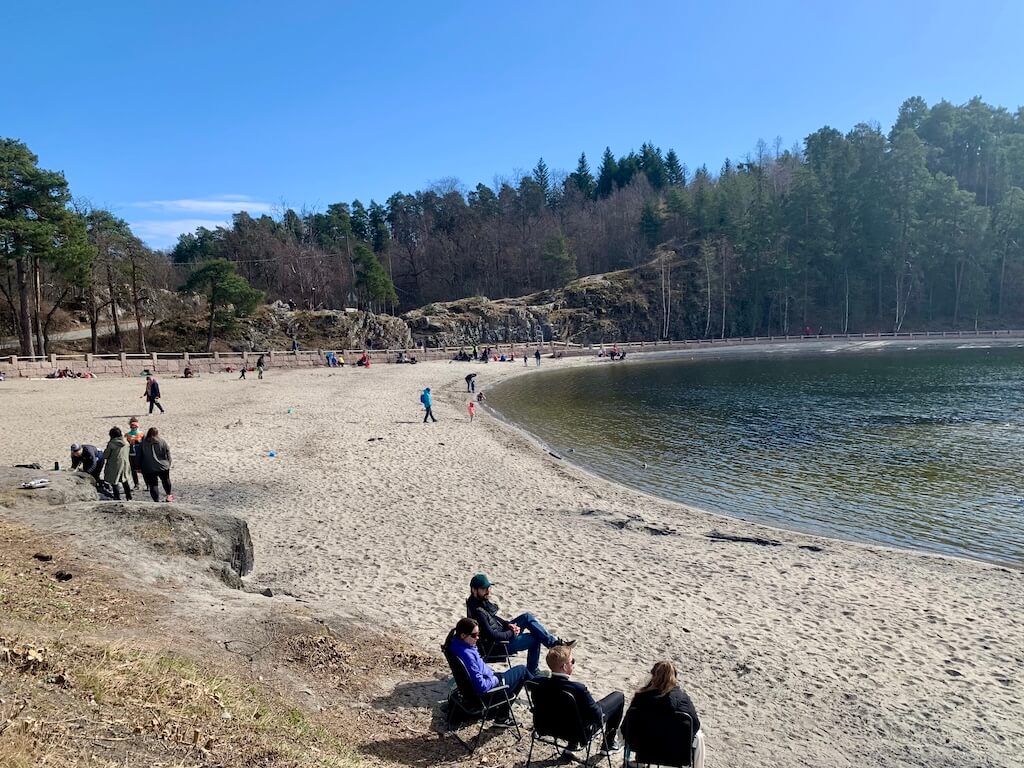
The Bygdøy Explorer Loop, ties the peninsula into a clean, flowing route. It guides you past Paradisbukta and Huk, two of Oslo’s favourite bathing spots, then threads through farmland and quiet residential pockets before linking the area’s major museums. It’s an easy, peaceful ride suitable for absolutely anyone. Few capitals can offer a route like this just minutes from their main shopping street.
Nordmarka: The Forest on the City’s Edge
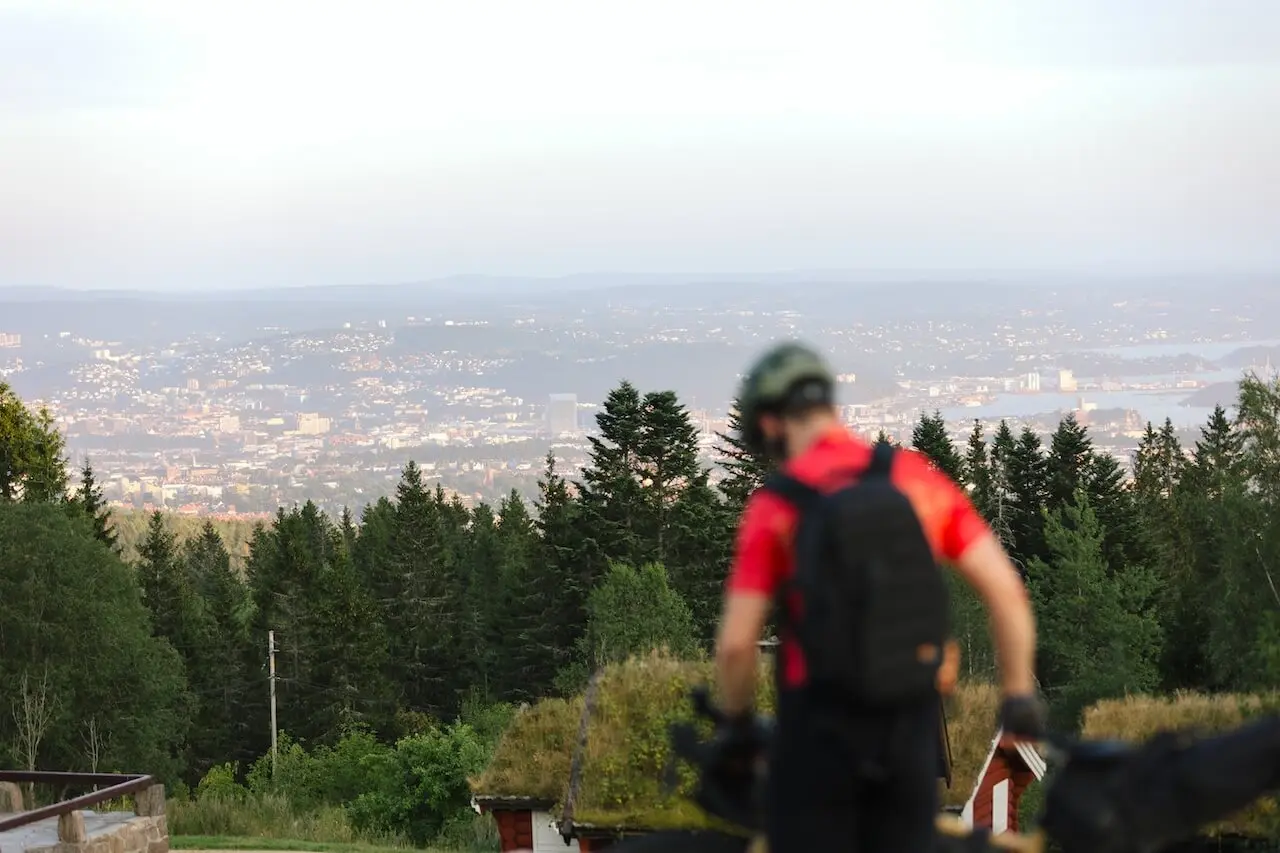
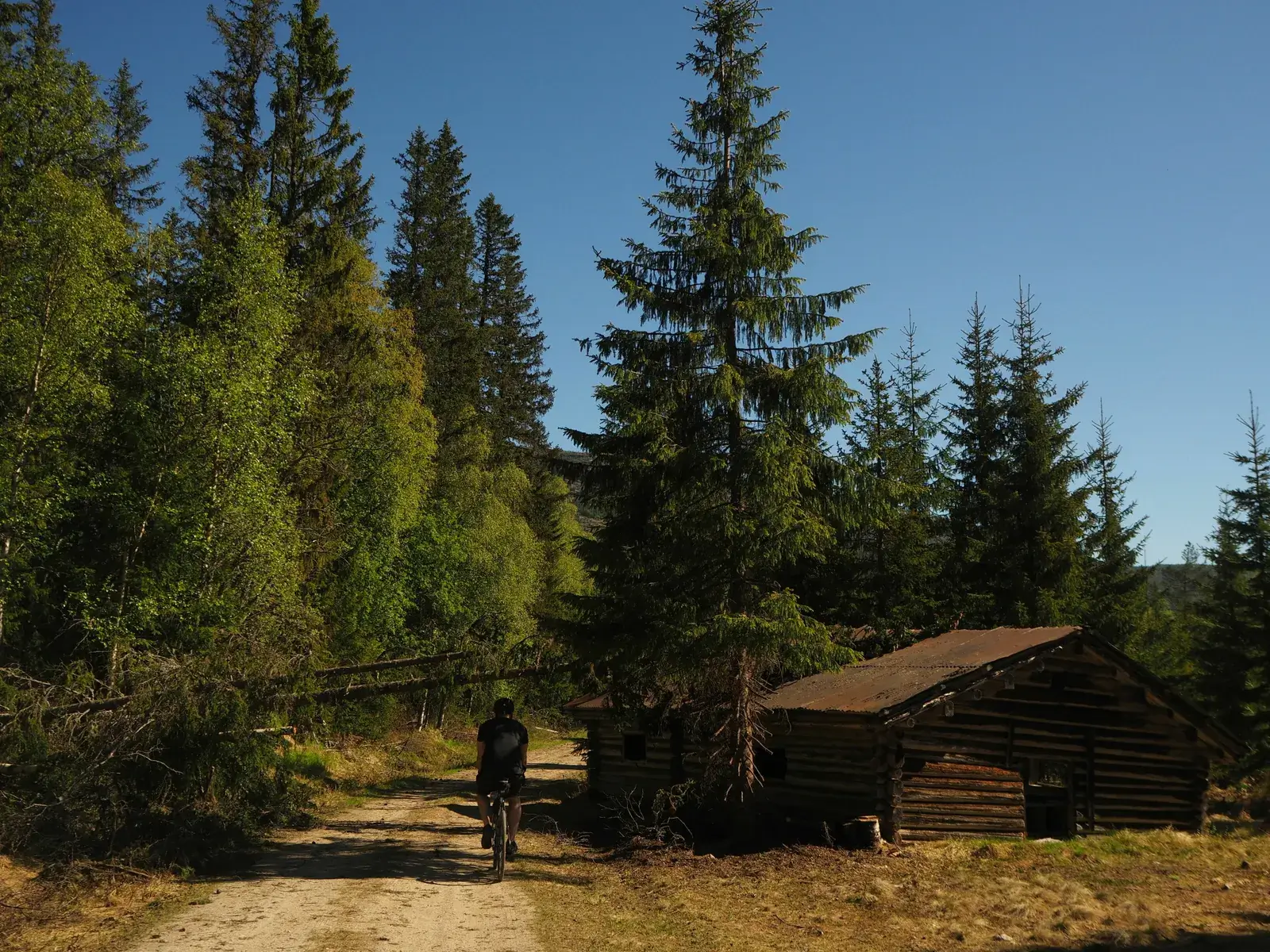
Then there is Nordmarka, the defining feature that separates Oslo from every other cycling city in Europe. Nordmarka is not a park; it’s a vast forest region stretching all the way to the next municipalities. Lakes, gravel roads, wooden cabins, long climbs, peaceful plateaus, all linked directly to the city by bike-friendly paths.
You could finish a morning coffee in Grünerløkka, ride north for half an hour, and suddenly find yourself alone among pine trees with the smell of moss and fresh water all around you. No cars, no noise, no chaos. Just proper wilderness.
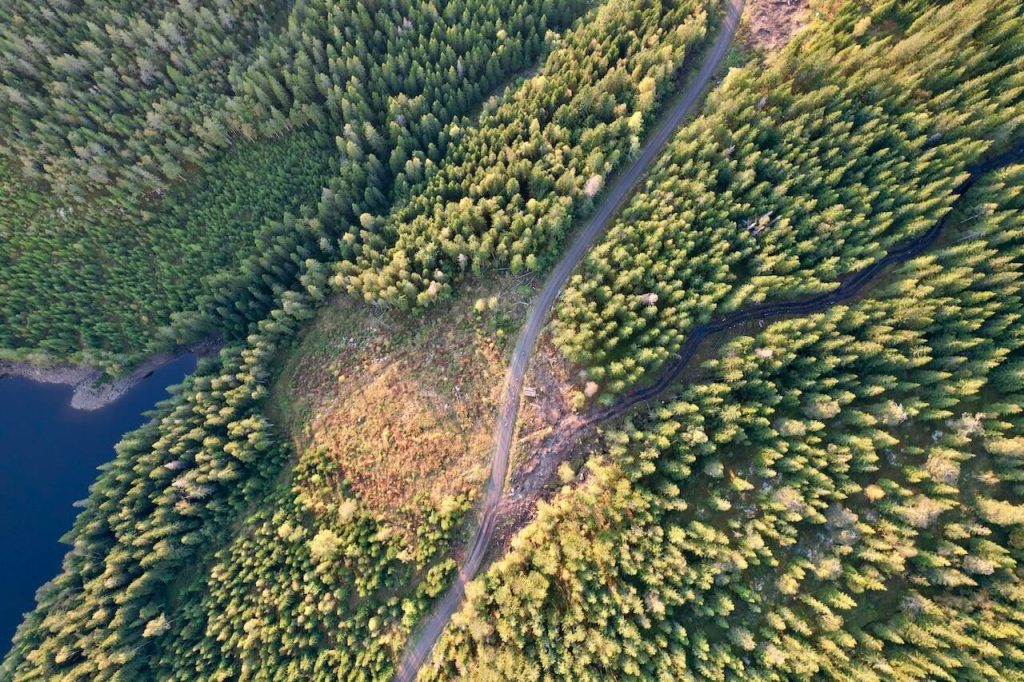
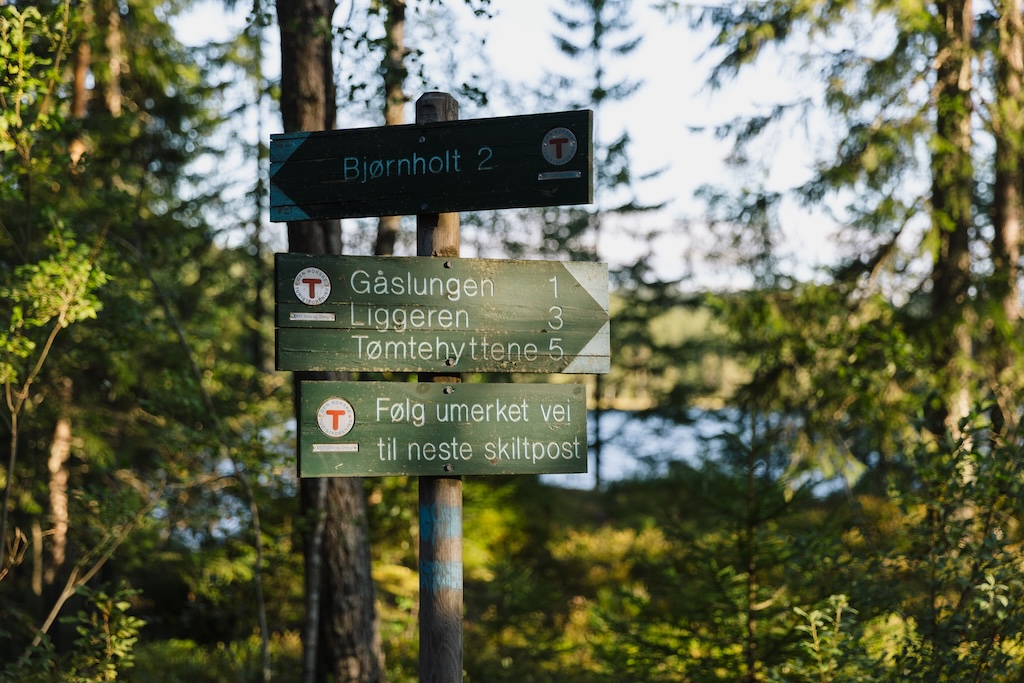
The famous Ring 4 gravel loop, captures the best of Nordmarka in a single day. Enough climbing to feel like an adventure, enough scenery to make it memorable, and easy route-finding throughout. For many visitors, this ride becomes the moment they realise Oslo is more than just a capital city. It’s a gateway.
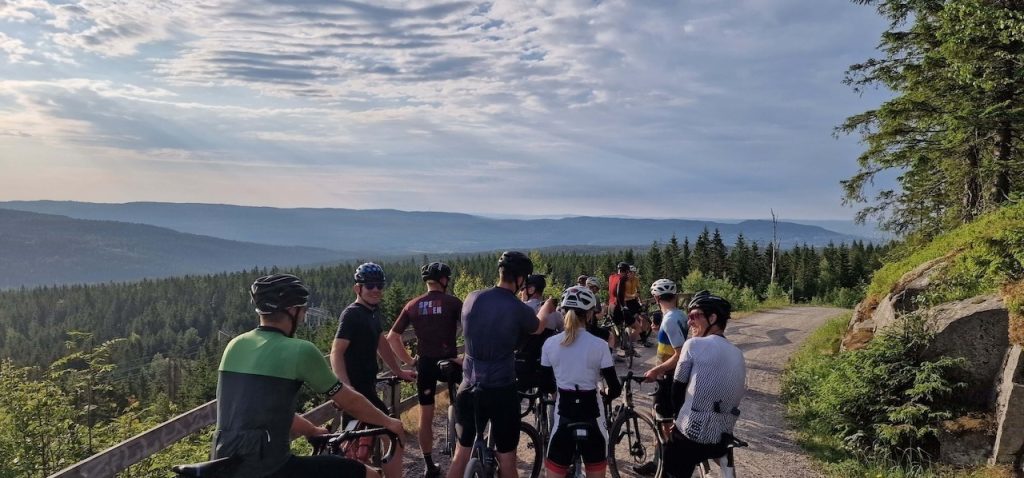
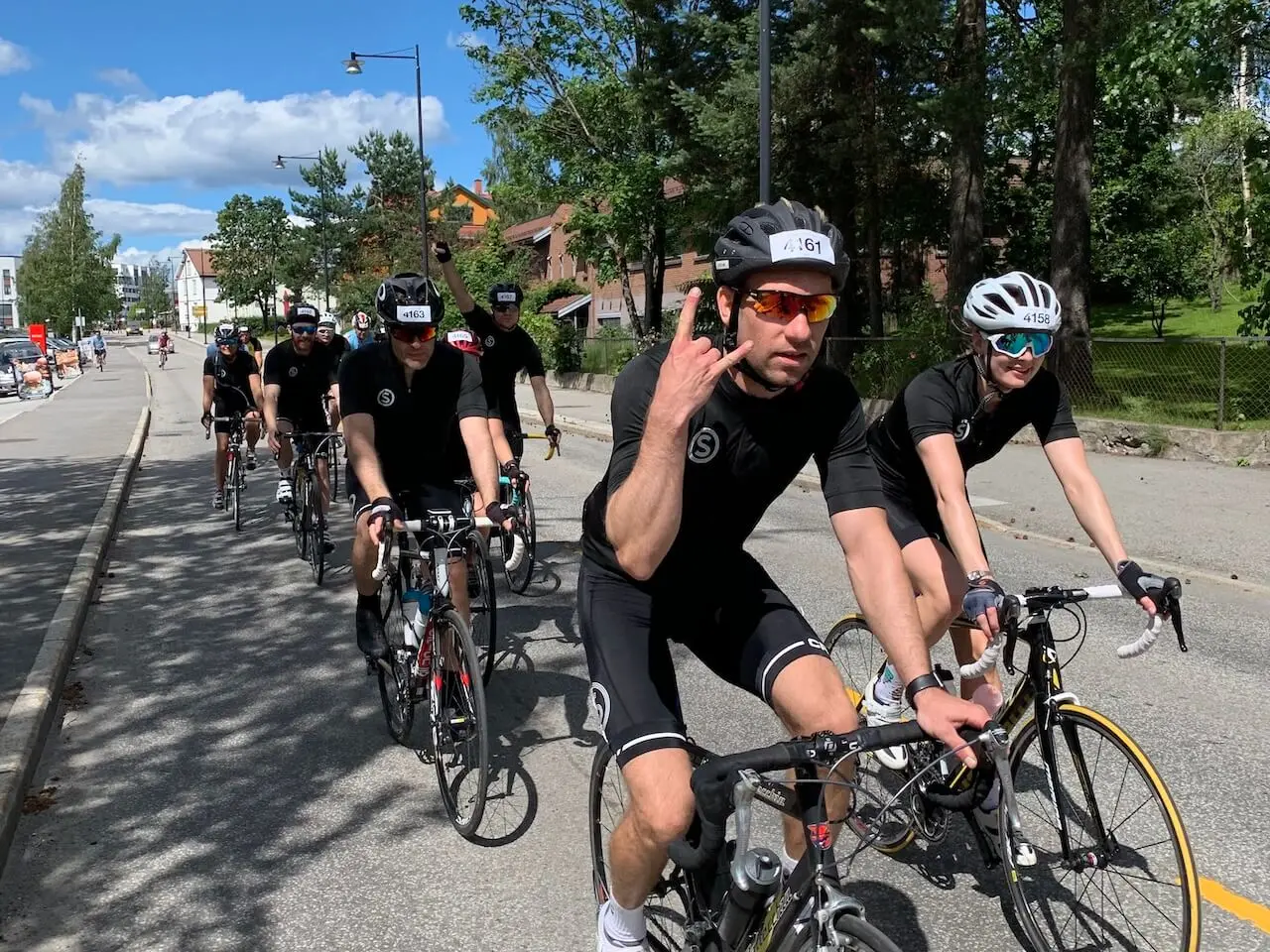
If you’re looking for a group ride while visiting the city, Oslo Dawn Patrol is the easiest way to meet local riders and experience the city at pace. Every Tuesday and Thursday, they run organised road rides at dawn (05:40), split into two clear groups: a fast group averaging around 28 kph and a steady group averaging roughly 24 kph. On Wednesdays, they switch to gravel and head into Nordmarka, a ride that demands a solid level of experience and confidence on varied terrain. It’s a straightforward, friendly way to connect with the local cycling scene and see Oslo the way regular riders do, early, quiet, and full of momentum. You can watch my video of the road ride here.
A Safe, Beautiful, and Honest Way to See the City
The reason cycling works so well here is simple: the city made space for it. Part One of this series explains the political decisions and infrastructure changes that brought Oslo into the top twenty of the Copenhagenize Index. Visitors don’t need to read policy documents to feel the effect; they just sense it when they ride.
The traffic feels less aggressive. The routes make sense. The city is calmer and more human at bike speed. When you move through Oslo on two wheels, you understand the logic behind the transformation: build a city for people, not machines, and the experience improves for everyone.
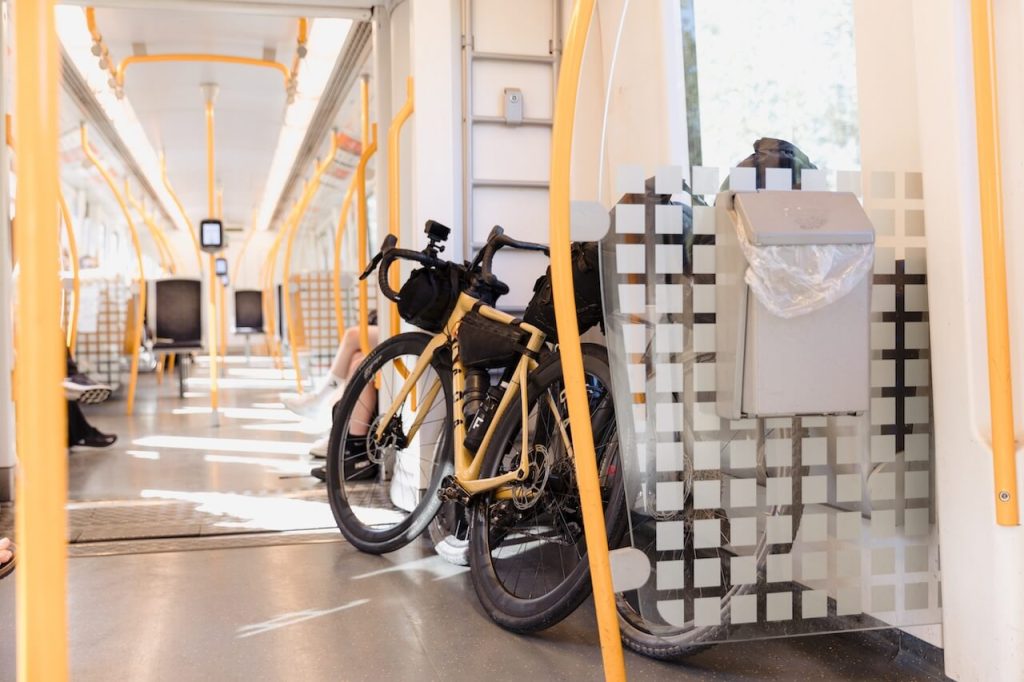
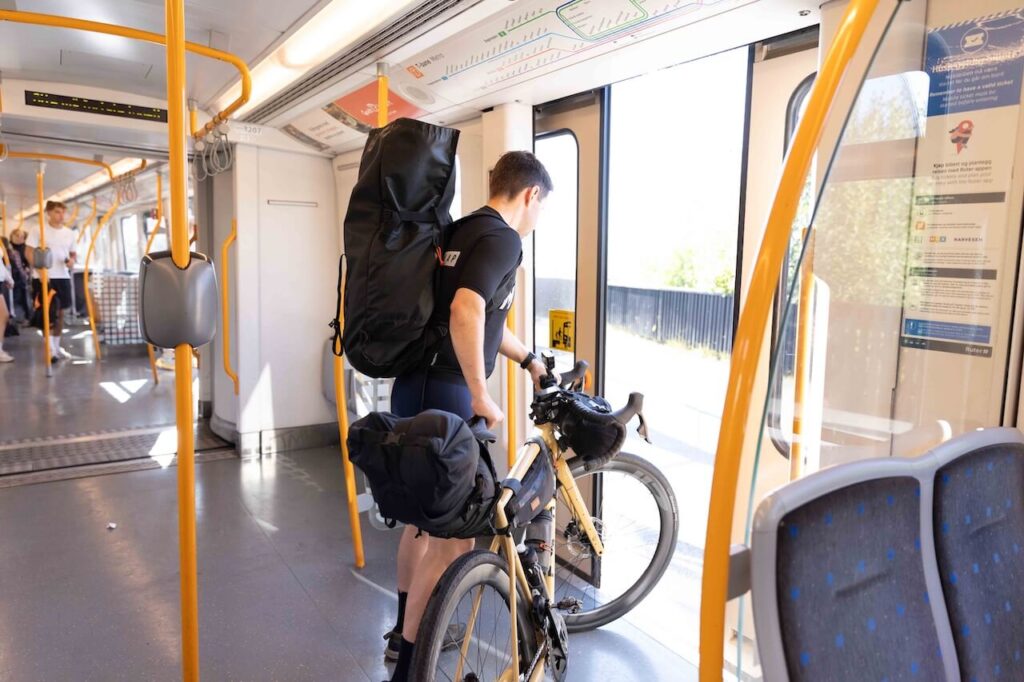
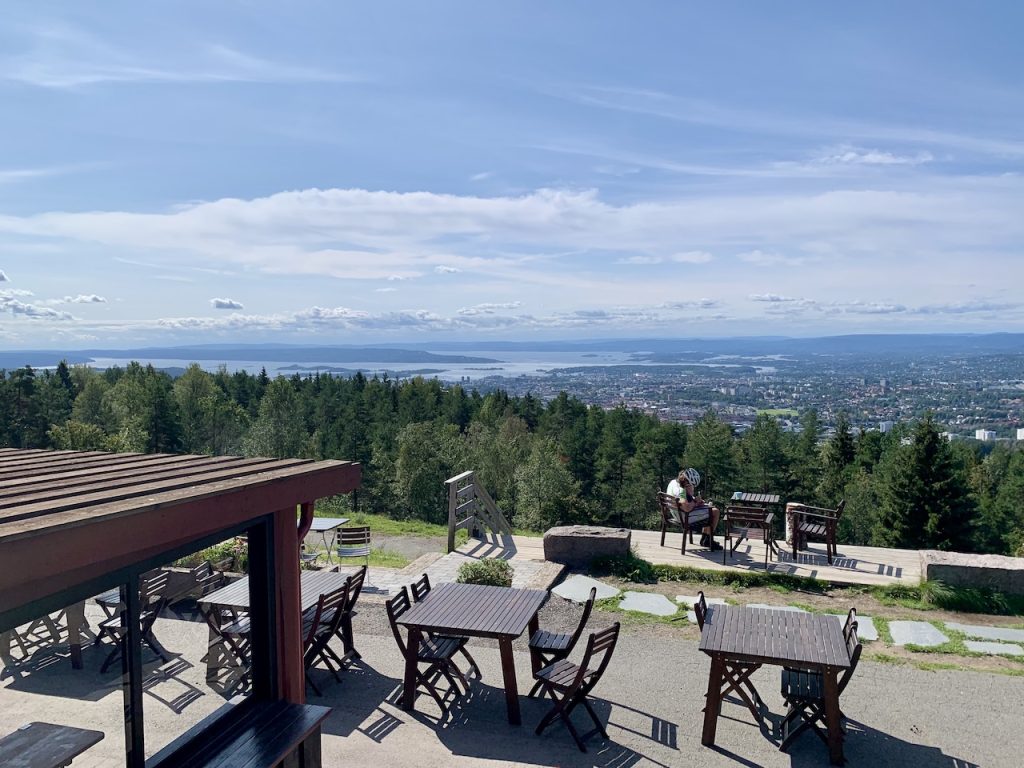
And if your legs give up on you, the public transport system makes it easy. Bikes are allowed on the network, which means you can skip the steepest climbs without drama. One simple example: take the T-bane (subway) Line 1 to Frognerseteren, sitting at 469 metres (1,539 ft). You roll straight out of the carriage into the forest, avoiding the hardest part of the ascent. Even better, enjoy a relaxed 9 km descent back into the city. No heroics required, just a smart use of the system.
Final thoughts
Oslo is the quiet kid in the playground. Most people walk past without a second glance. But anyone who actually stops to talk, or in this case, to explore, realises quickly just how much this “quiet kid” is holding. While London, Paris, and Rome are swamped with tourists ticking off the same must-see lists, Oslo rarely feels crowded or chaotic. And the moment you get on a bike, the city opens up in a way those larger capitals simply can’t match.
You move through neighbourhoods where locals actually live their lives, cafés full of residents, not day-trippers. You roll from the waterfront to quiet backstreets, out to beaches, and then straight into deep forest wilderness – all in a single day, without hassle or confusion. The last decade of steady investment means this isn’t just scenic; it’s safe, coherent, and built for anyone who can turn a pedal.
True to its nature, Oslo doesn’t shout about any of this. No big claims, no flashy marketing. It doesn’t need to. The reality is straightforward: this is one of Europe’s great cycling cities, hiding in plain sight. And we’ll do our part to give you the knowledge, routes, and guidance that make it easy to experience a capital that reveals its real character the moment you start riding.
Next in our Oslo Series: The top five views of Oslo you can reach by bike. Subscribe to our newsletter (scroll to the bottom of this page) to get notified — we send it just once a month, no spam.




Legg igjen en kommentar