
National Cycle Routes

Routes

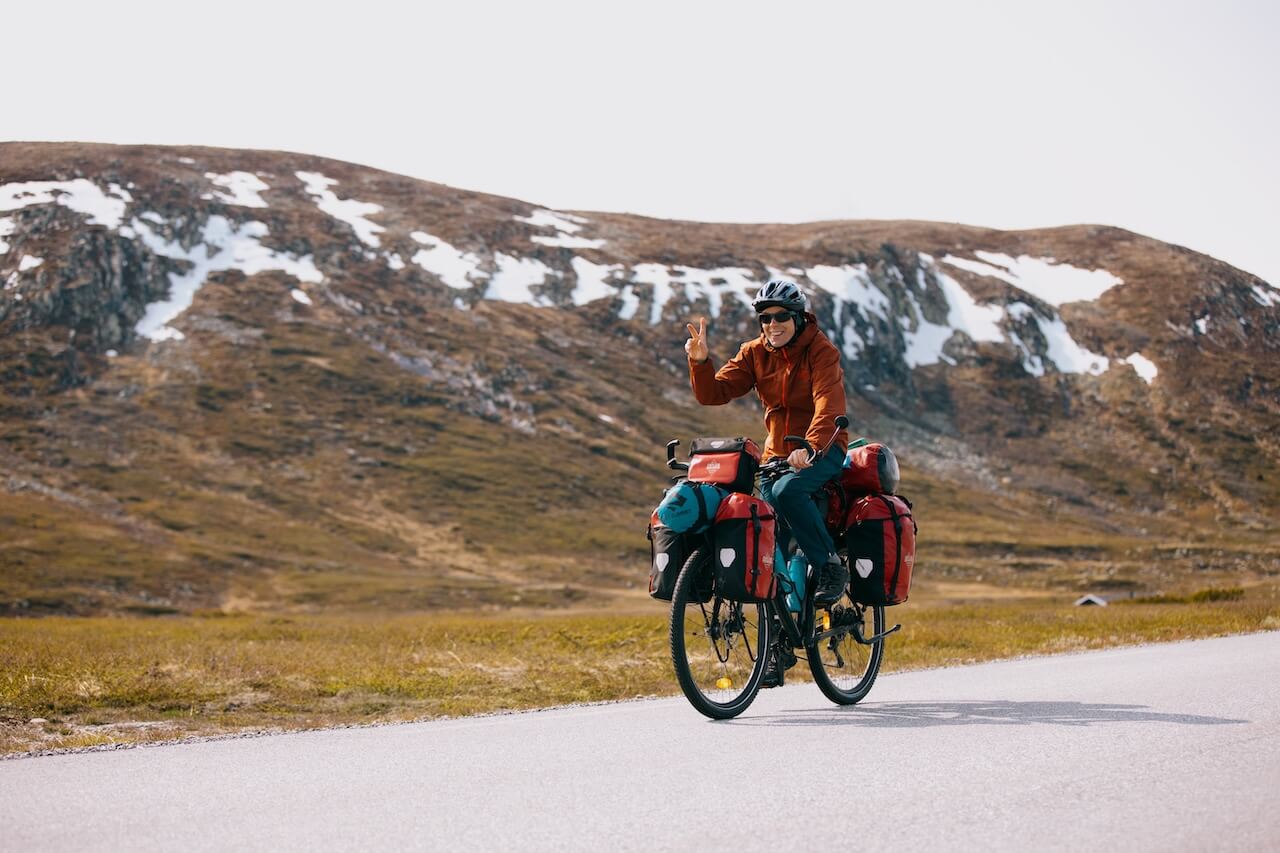
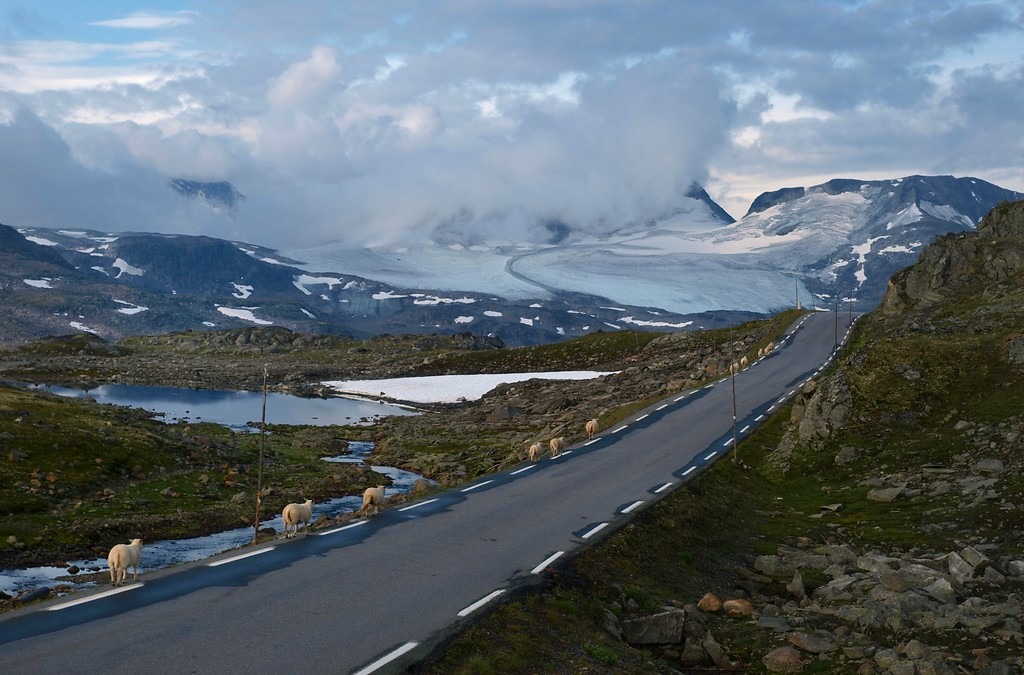
Sognefjellsveien

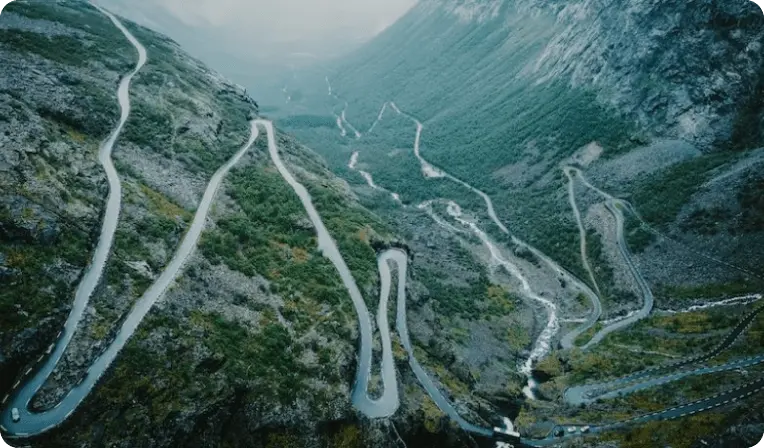
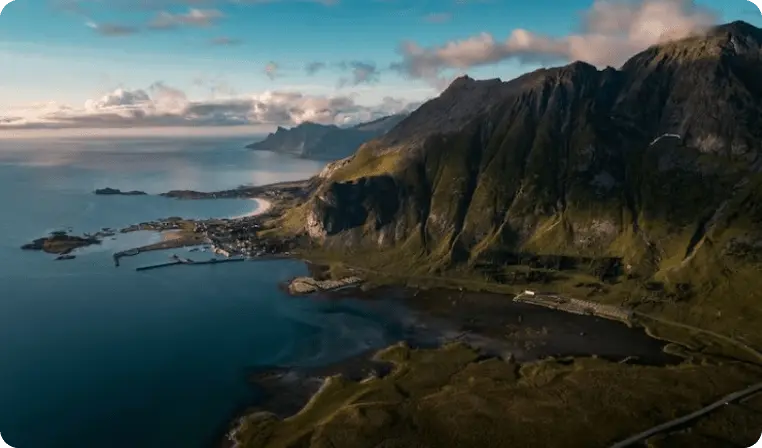
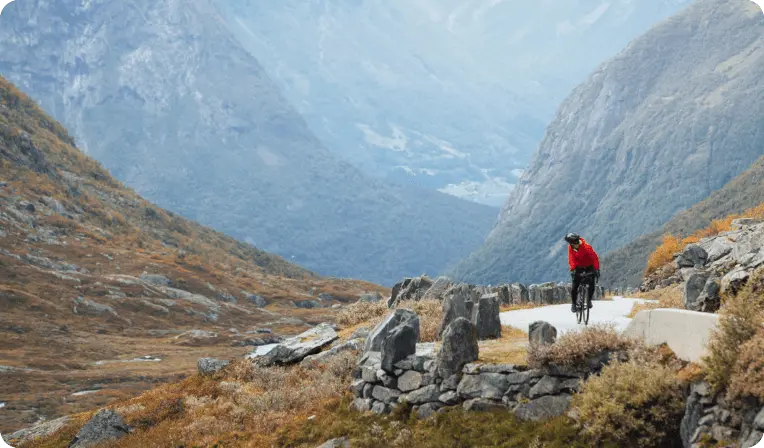
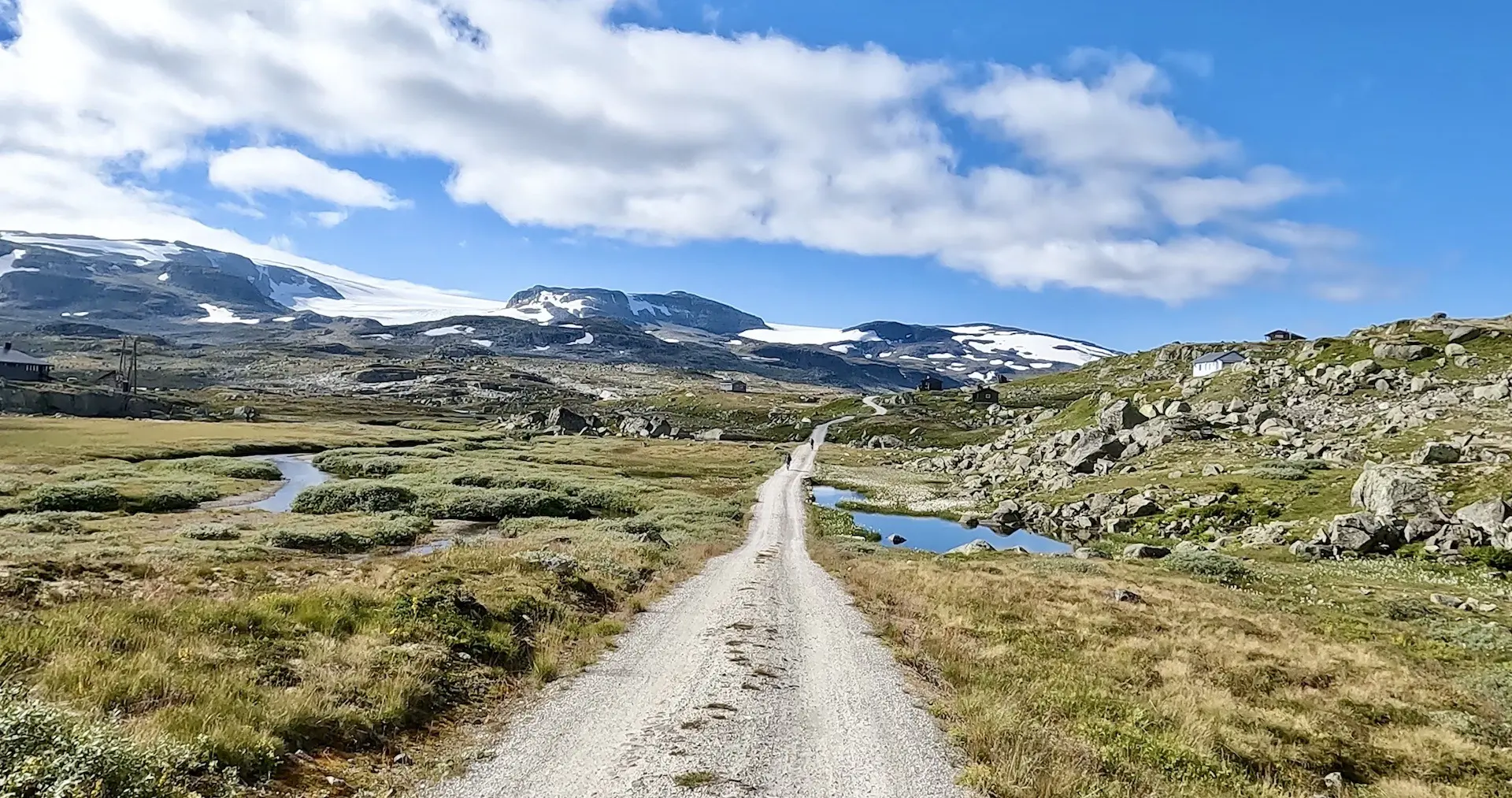
This epic across Norway is the perfect route if you want to see as much contrast in scenery in the shortest space of time. Deep valleys, powerful glaciers, Nordic forests, and one of Norway’s best fjords are on show.

  • 746km
  • <10% unpaved
  • 5-11 days
  • 8/10 difficulty

Norway’s Grand Tour

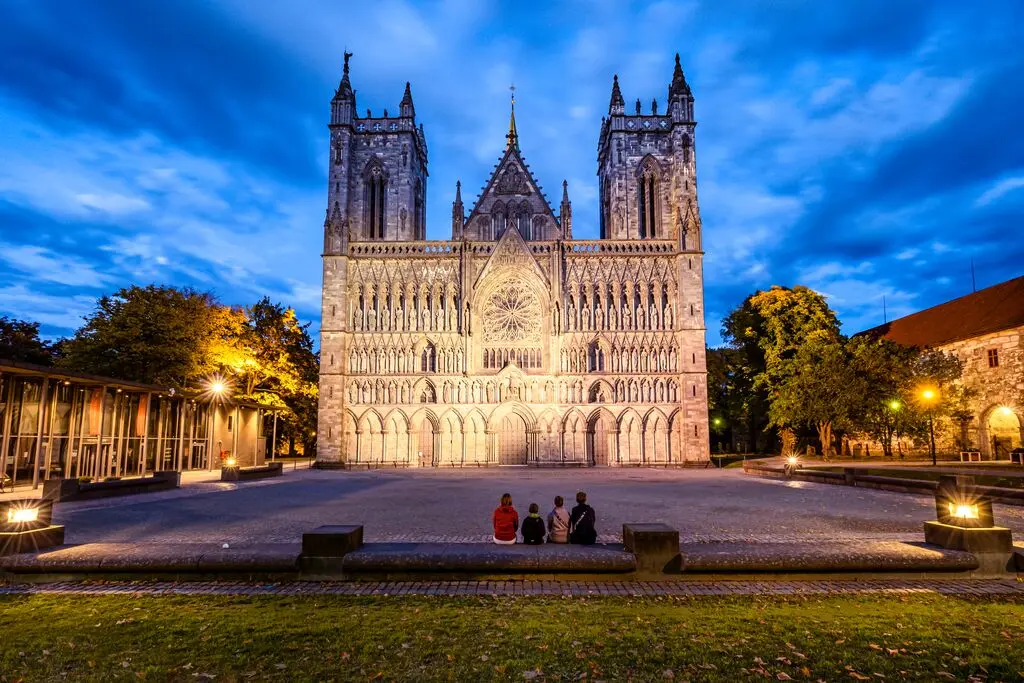
Nidaros Cathedral - Trondheim

The Pilgrim Route

This is less a bike route and more a journey into the past as you follow in the footsteps of Norway’s great Viking King Olaf II. The route takes you up the historic valley of Gudbrandsdalsleden and ends at the 1000-year-old Nidaros Cathedral in Trondheim

  • 798km
  • <10% unpaved
  • 5-13 days
  • 5.5/10 difficulty

Follow the Viking King

Finnmark Route

This is where East meets West! Cycle the remote roads to the Russian border and experience Europe’s last wilderness along the way.

  • 643km
  • <5% unpaved
  • 4-9 days
  • 6/10 difficulty

Russian Border Adventures

The Wilderness Route

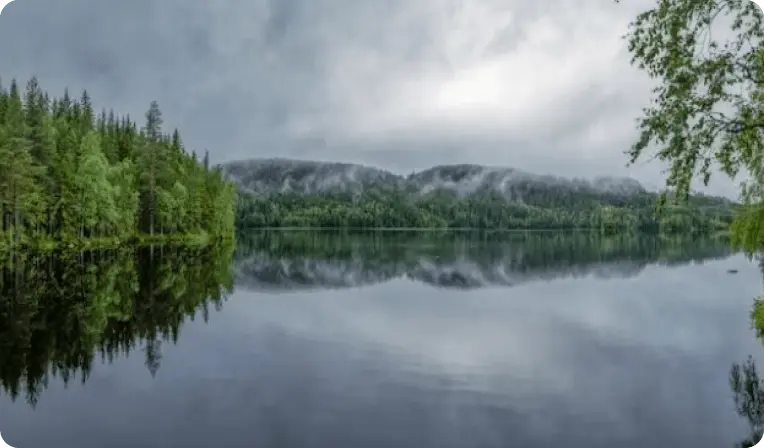
The part of Norway kept out of sight from the tourist brochures. No fjords, glaciers, or instagrammable places. Just the birds, squirrels, and moose to keep you company through Norway’s vast eastern forests.

  • 791km
  • 30% unpaved
  • 6-13 days
  • 5/10 difficulty

World War Escape Routes

Hallingdal & Rallarvegen

This is a bikepacking paradise where nature, gravel, and road combine to give you an experience unlike everything else.

  • 581km
  • 25% unpaved
  • 3-8 days
  • 8/10 difficulty

Norway’s most famous gravel road

Numedal & Mjølkevegen

If you want a mixture of forest and mountains, gravel and paved, warm and cold, and barren and lush then ride this one!

  • 594m
  • 40% unpaved
  • 3-8 days
  • 7/10 difficulty

Travel back in Time

Route map

National Cycle Routes

Presently, Norway boasts nine National Cycle Routes that traverse the stunning landscapes of the country. These routes intersect with 14 out of the 18 renowned Norwegian Scenic Routes, providing cyclists with an unparalleled opportunity to journey from city to city while reveling in the breathtaking scenery along low-traffic roads that wind through Norway’s diverse terrain. Moreover, due to the interconnected nature of many of these routes, cyclists have the flexibility to craft circular itineraries, further enhancing their exploration of Norway’s natural wonders.

Matthew Tolley, Founder of Cycle Norway

Matthew Tolley

Founder of Cycle Norway, April 2023

Need to know here

good

Good to know

Many people may imagine that a signed cycling route means quiet back roads away from traffic and danger. Indeed, the routes try to follow this script but unfortunately, there are several occasions when only main roads are available. For example, on route 7 there is a 20km section on the E6 which is far from ideal. On route 3 you have the E39 to contend with and road 13 on route 1 can be unpleasant at certain times of the day. Having a high-visibility vest and lights should be an essential part of your setup. 

tips

Tips

Sometimes the surface of the route can be less than pleasing removing you from a flat well paved road and off on a hilly detour through demanding forest terrain. Use your own judgment and never just religiously follow every sign. Sometimes it might be best to stick with a paved road if the traffic is light and your legs are tied. Other times the forest detour might be a welcome adventure to experience.

difficulty

Degree of Difficulty

On each individual route page, we have stated the difficulty using a scale of 1-10. Some routes are demanding and a good level of fitness is recommended. Other areas are more manageable for less experienced cyclists. However, Norway is a mountainous country. Feedback from European cyclists from flatter countries finds Norway more challenging than they had expected. E-bikes will certainly be a part of Norway’s growing cycling industry and if you’re unsure about what you can manage we recommend this be a good option to consider.

sign

Signs

Around half of the routes are signposted, but it varies from area to area depending the popularity of the route and it’s location. The good news is more signs are going up each year in collaboration with county councils and municipalities. The signs are reddish-brown with green route numbers from 1 to 9. Even with the development of advanced gps cycling computers. Many people find having them on a route a psychology reassurance and it also gives drivers a warning to expect cyclists. 

transport

Public Transport

On some of the routes, you will need to take ferries across the fjords, lakes, and, islands. On rare occasions, you may prefer to take a bus through a long tunnel. In addition, there are many opportunities to take a bus, train, or boat to skip or bypass certain sections of a route. You will find more info about this on the specific route pages.

The awesome companies behind us