
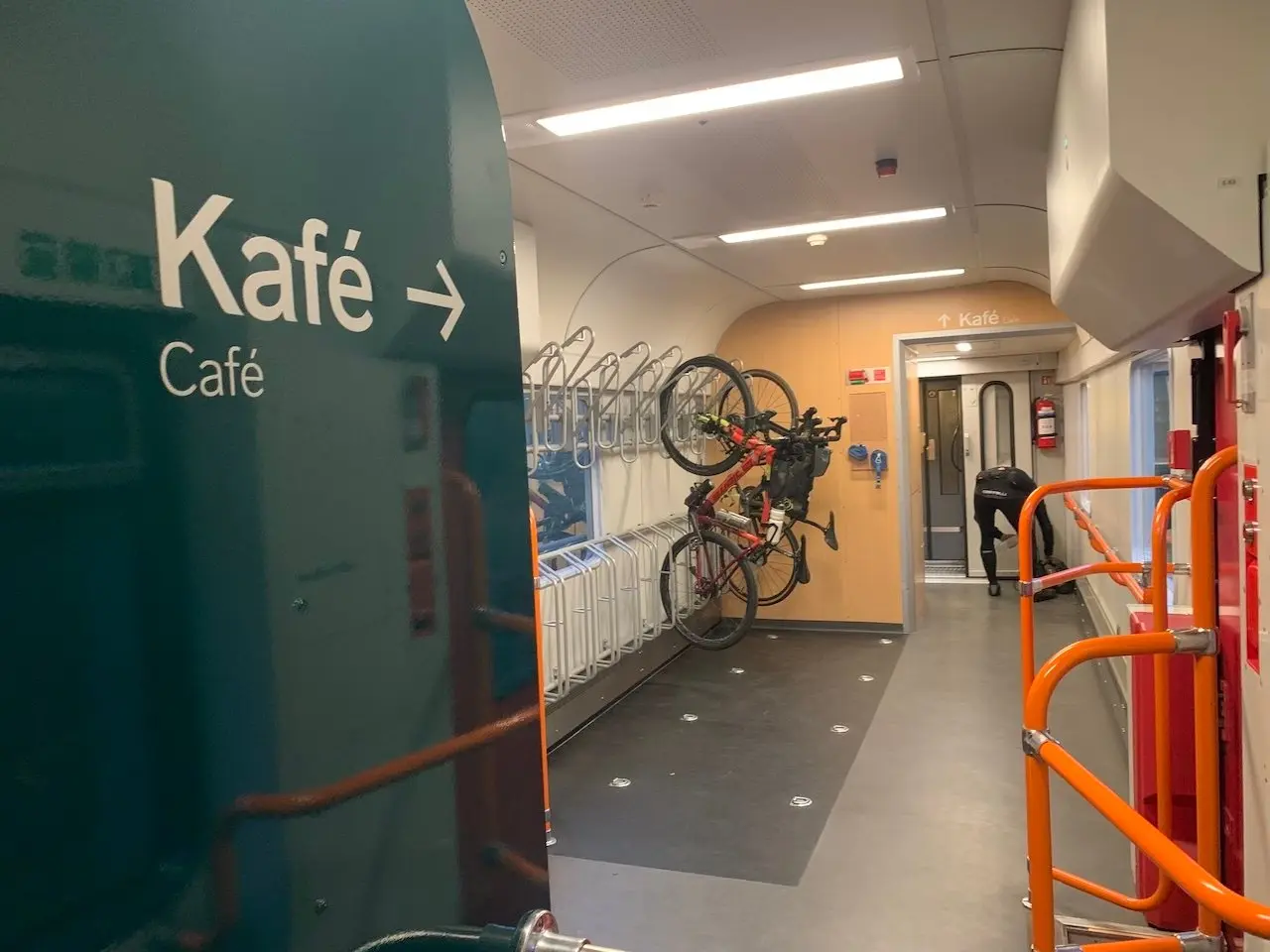
I remember my first visit to Norway. Everything was incredibly expensive, and every spending decision had to be made with great caution. At 20, I was a student with limited funds but big dreams of traveling all over Europe during my summer holidays.
Norway was the first country on my list, and my budget of 20 pounds a day (including accommodation) quickly proved unrealistic. I vividly recall a train journey from Oslo to Trondheim (about 8 hours) during which I was extremely hungry. Although I had a strict rule of only buying food from supermarkets, I had to break it for this journey. I bought a small hotdog from the train café, which cost 65 kroner—about 8 pounds at the time! It was shocking, considering the same would have cost 2 pounds on a British train.
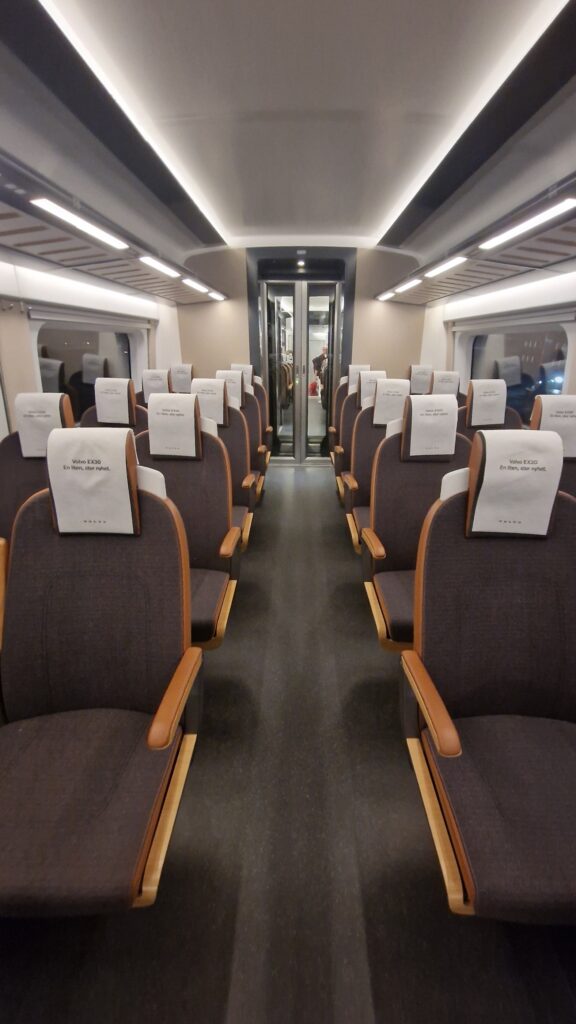
Flytorgot: The premium express airport train costs 20 euros one way.
Five years ago it would have been well over 25 euros (inflation adjusted)
Those days, however, are gone. In recent years, traveling around Norway has become more affordable for several reason. The Norwegian Krone (NOK) was once seen as a strong and stable currency, but its reputation has taken a hit lately. Over the past decade, the NOK has significantly weakened, reaching record lows against the US dollar and the euro. In 2013, the exchange rate was NOK 5-6 per USD; now, it’s around NOK 11. Similarly, against the euro, the rate has dropped from NOK 7-8 to NOK 11-12. Even compared to Moldova’s Lei, the NOK has fallen 25% in the past year.
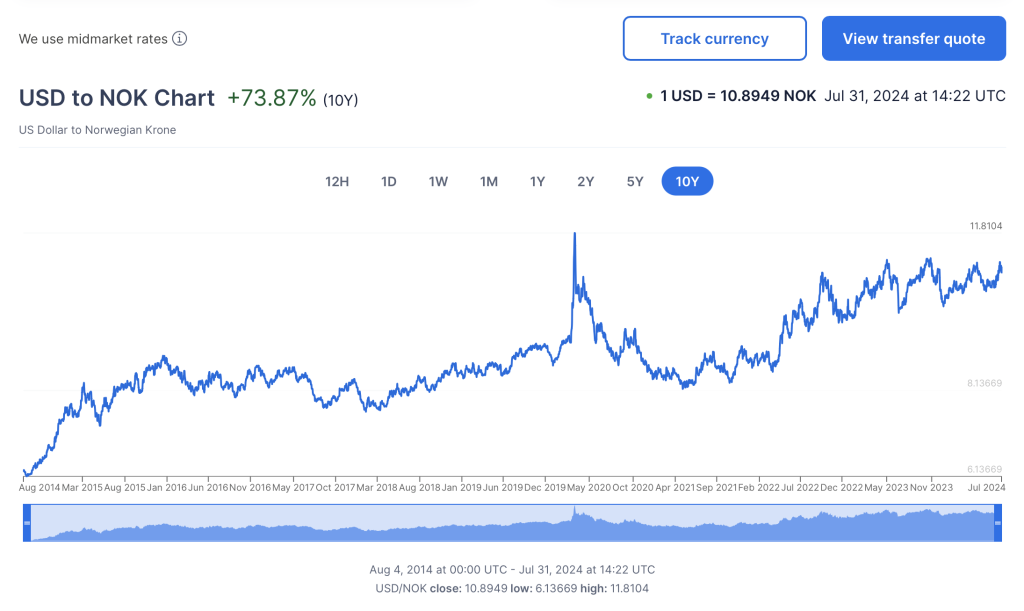
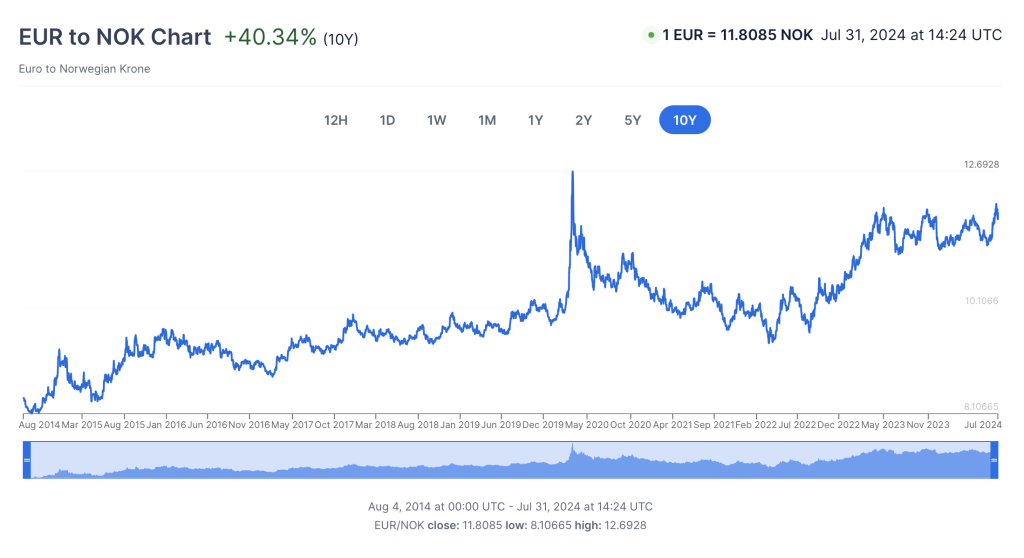

Norway’s heavy reliance on oil exports makes the Krone vulnerable to fluctuations in oil prices. Despite currently high oil prices, the NOK remains weak as larger currencies are considered safer in uncertain times. In addition, Recent tax hikes have driven wealthy Norwegians to seek tax havens like Switzerland, and the introduction of an exit tax along with the potential reintroduction of inheritance tax adds to the uncertainty. For many Norwegians looking to save for a rainy day, it’s become essential to exchange their NOK for investments in Europe and North America which is further adding to the depreciation of the Krone. Investing in a currency is like betting on a country’s future earnings, and investors seek stability. Unfortunately, Norway, under Prime Minister Jonas Gahr Støre’s Labour Party, isn’t providing that and it seems next year’s election will focus heavily on the country’s currency value.
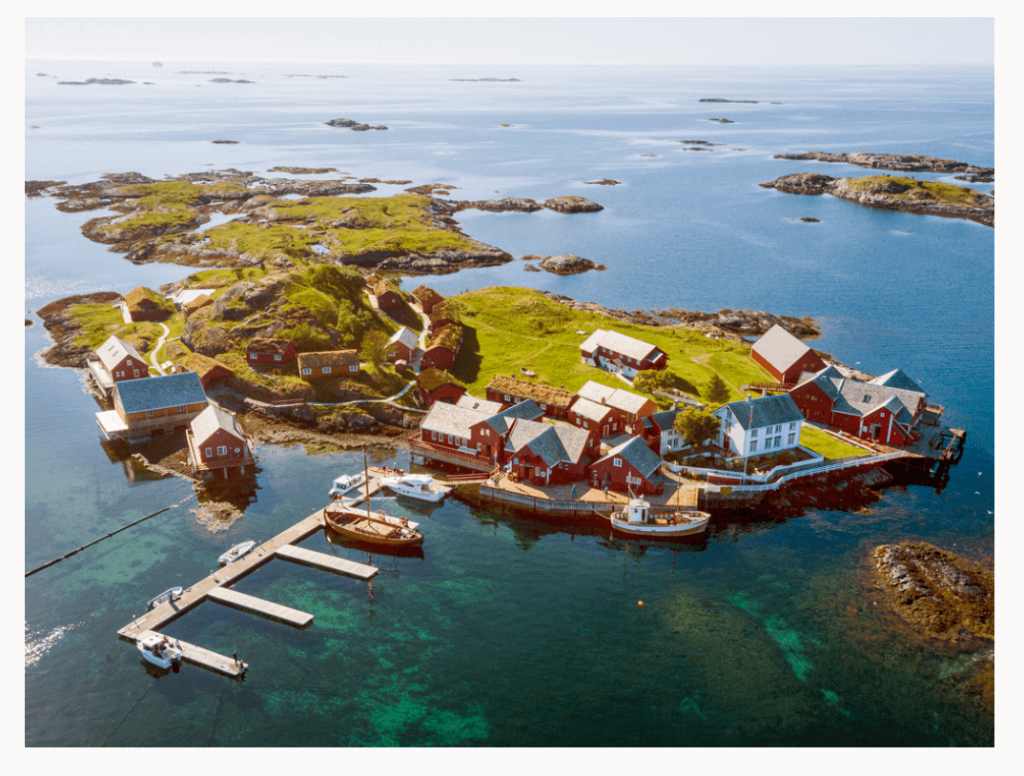
This Premium Accommodation was nearly 200 euros for a room. Now you pay 140 euros!
For travellers, this translates to getting a lot more for less when visiting Norway. From booking cheaper hotels (now 30-40% cheaper in the last few years) to enjoying more affordable meals and activities, the currency collapse has turned what was once an expensive destination into a more budget-friendly option. As Norway continues to adapt to its changing economic landscape, the influx of tourists will likely bring new opportunities and challenges, shaping the future of this Nordic gem. So, if you’ve ever dreamed of exploring Norway’s stunning landscapes by bike this is a great time to take advantage of the favourable exchange rates and reduced travel costs. It might not stay this way forever as the Norwegian economy is strong and resilient and my guess is at some point money will come pouring back into the country and its currency.

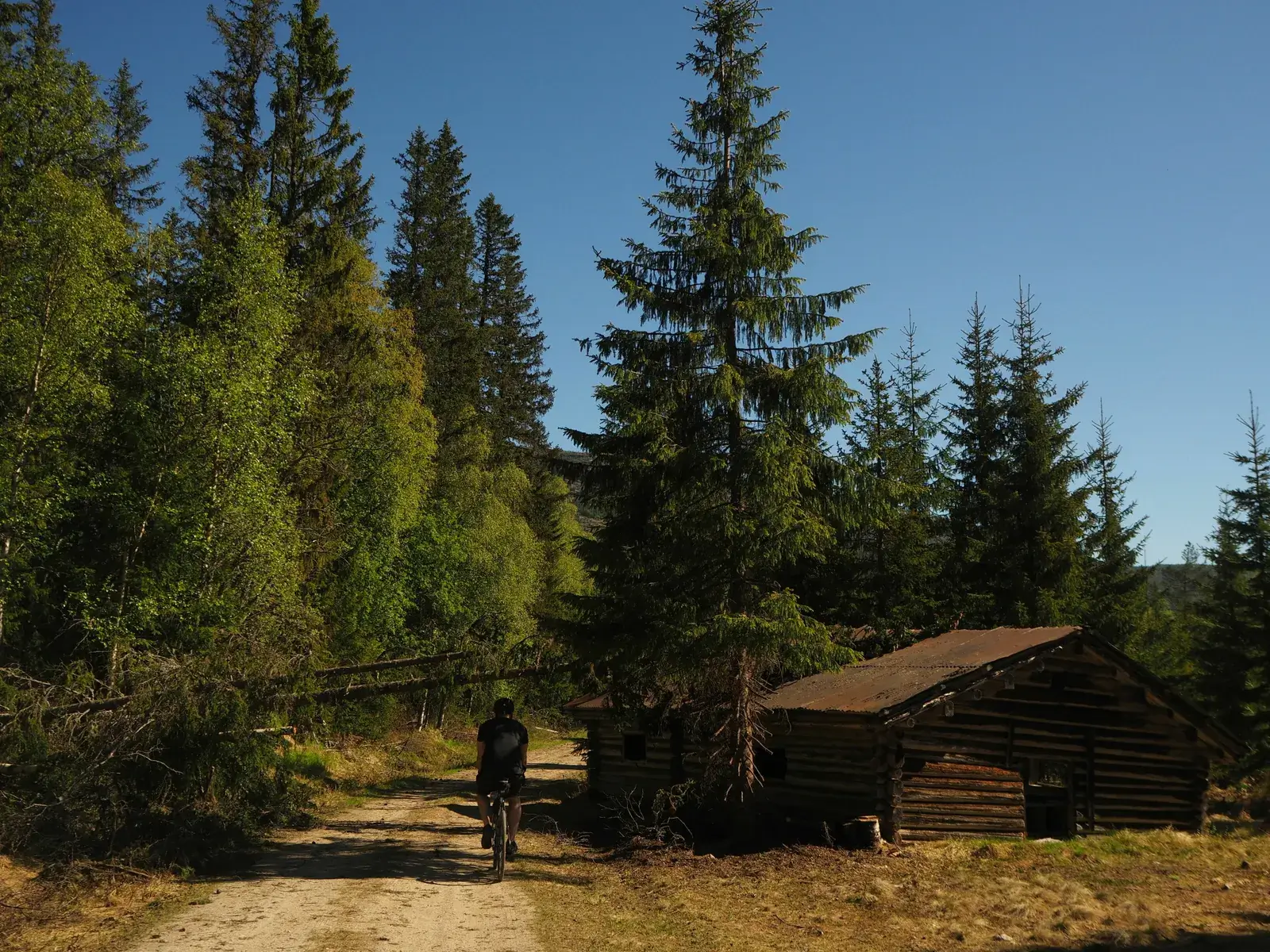
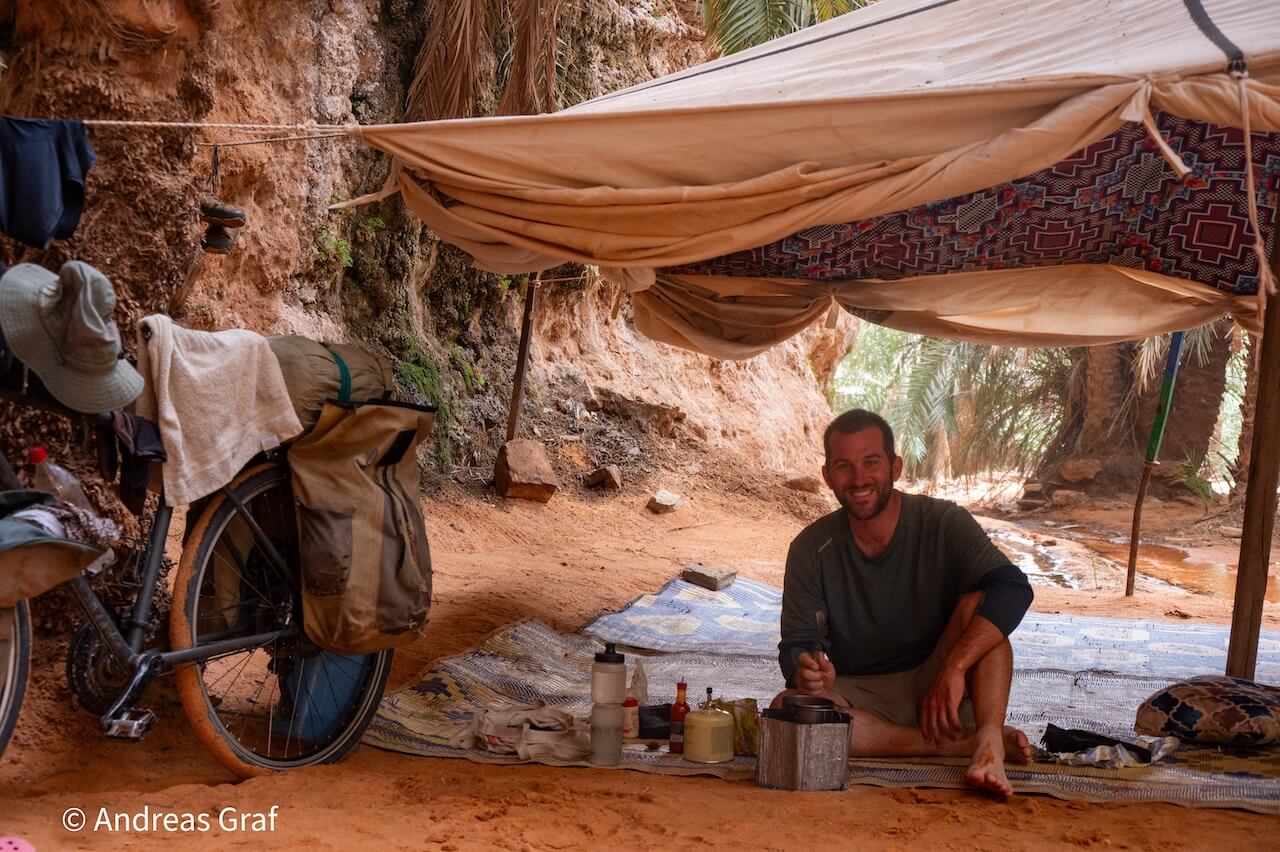
Wild Camping remains the same price
0 Euros




Laisser un commentaire