




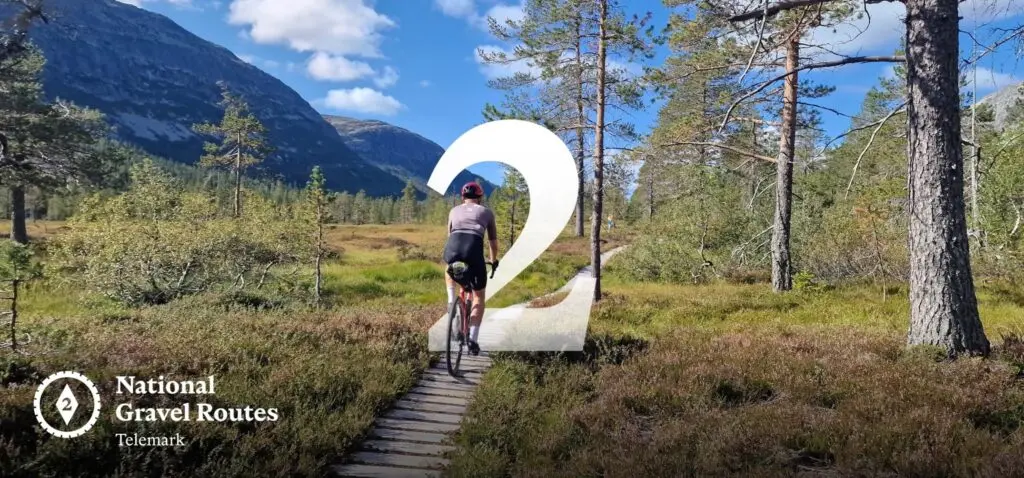
Telemark
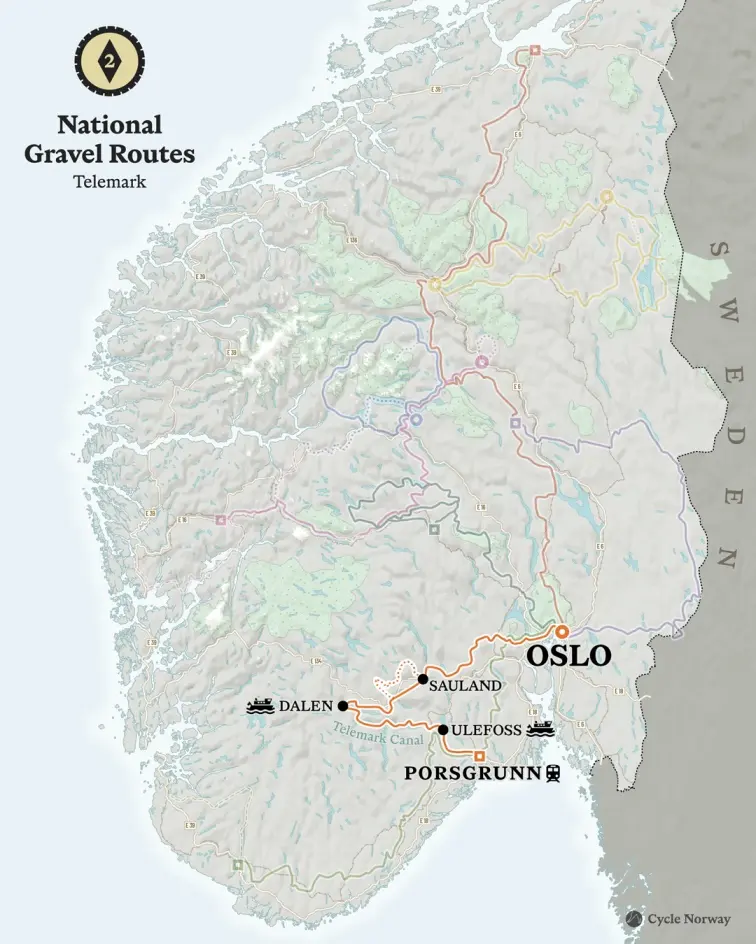
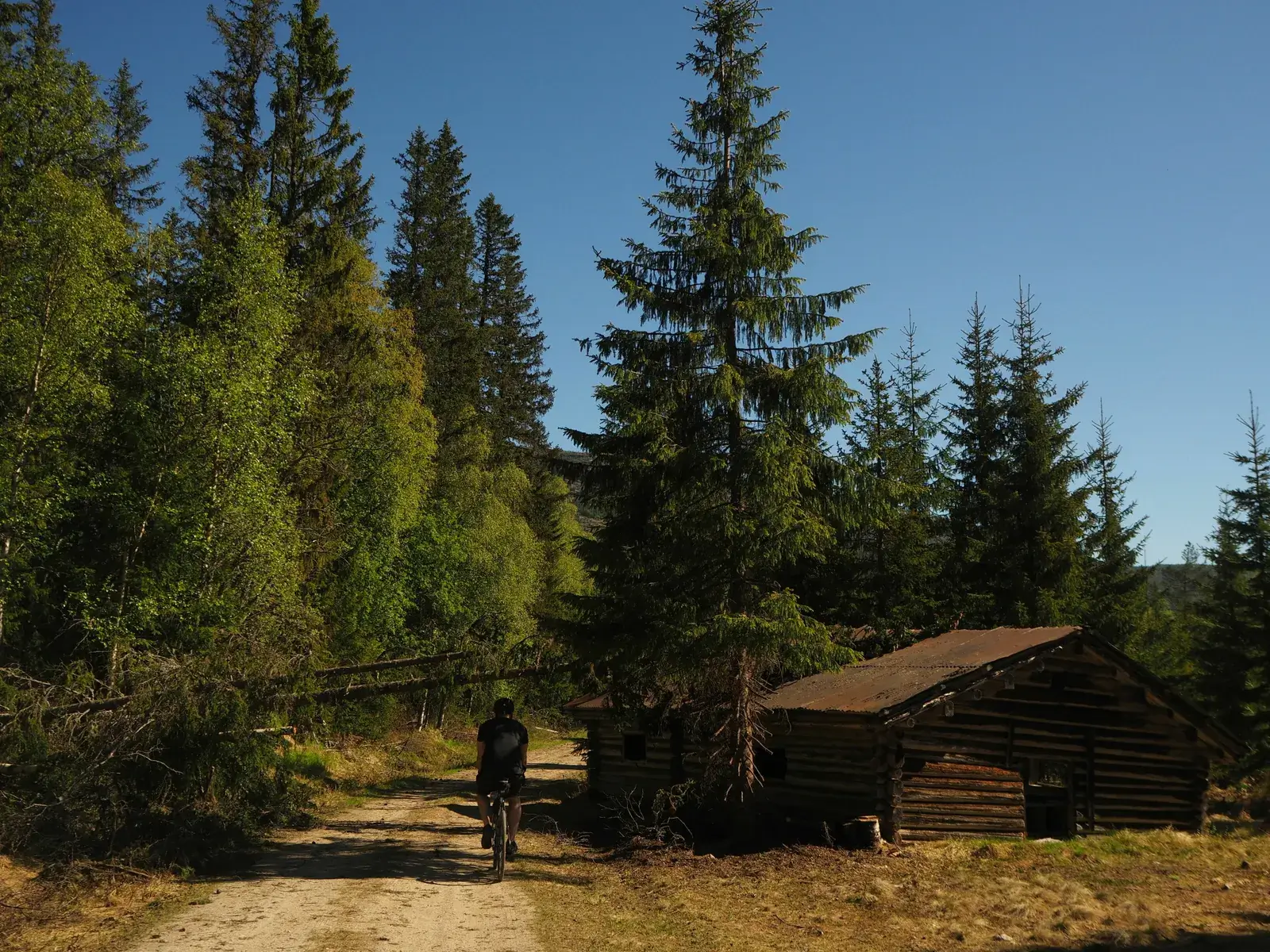
Route 2 leaves Oslo heading west, slipping into the forests of Vestmarka and Finnemarka where the city fades quickly and the road begins to slow. Gravel replaces urgency, and the route starts to hint at what lies ahead. You’ll be amazed at how many quiet gravel roads are available, leaving Oslo towards the county of Telemark. The first 100km only requires a small section on paved roads as you navigate old roads through the forests.
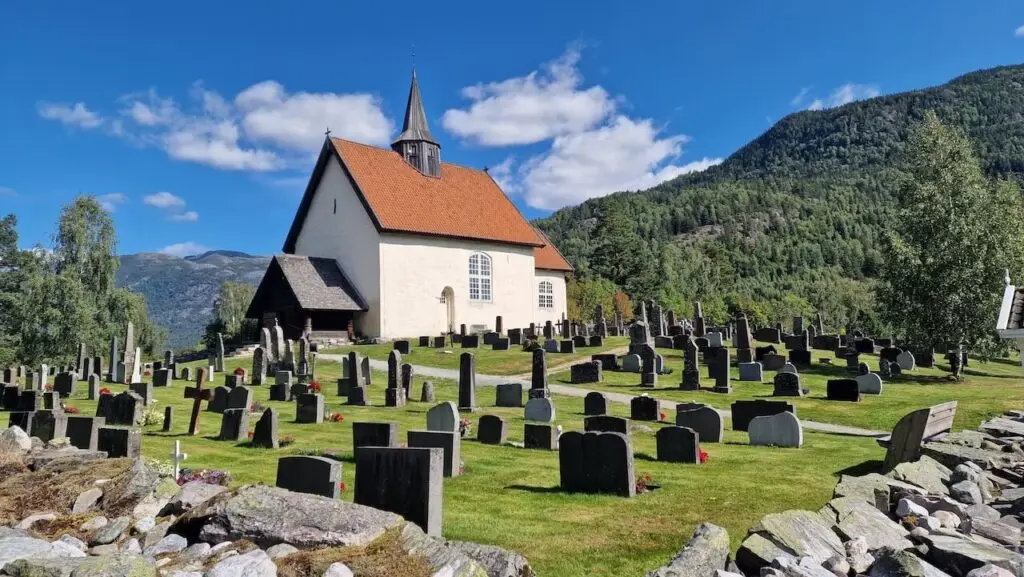
As the route enters Telemark, it follows corridors once driven by water and labour. This is where Norway’s industrial story first took hold, not through factories clustered in cities, but through rivers cutting deep into the interior. The roads you ride here were shaped by timber, sawmills, and early industry long before oil redefined the country. one second of the route is used by the arm forces at certian times of the year for training. If you come across a sign saying road closed then the main paved road will be a good alternative that will lead you around the restricted area and back onto the main gravel route.
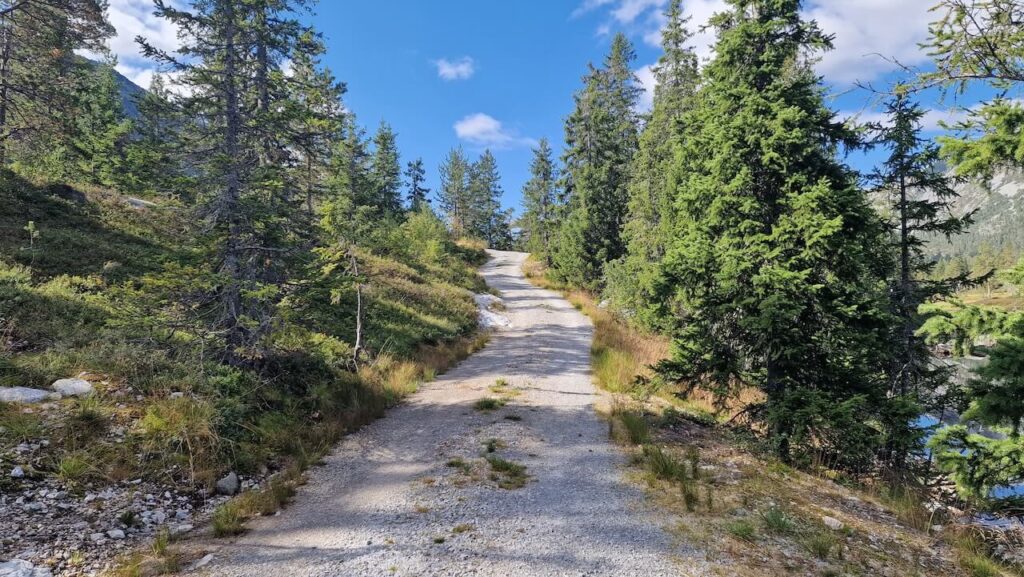
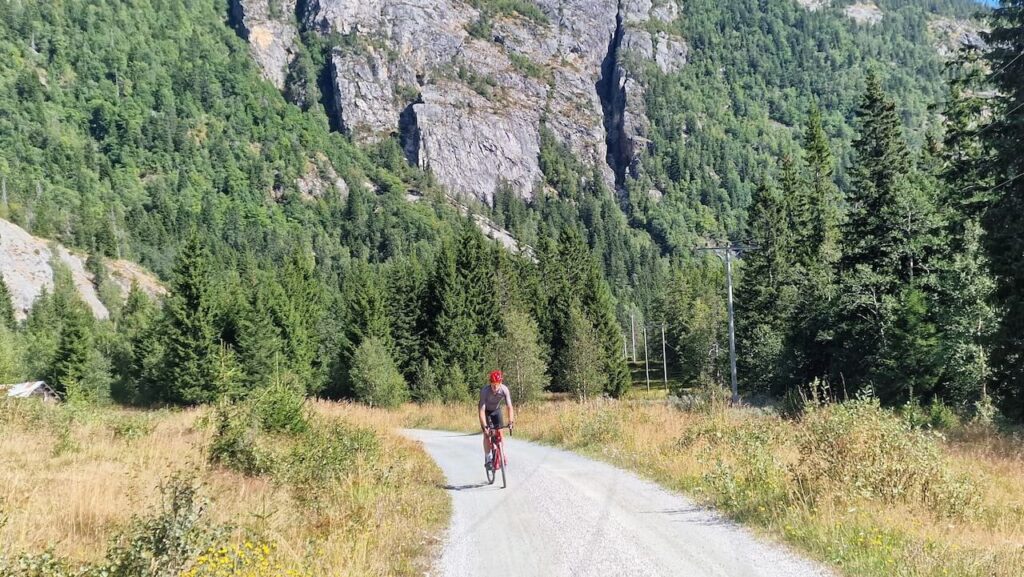
Cycling through this region today, the contrast is immediate. The gravel roads are wide, calm, and seemingly untouched, running through deep forest and open upland where time feels stretched. History rarely announces itself. Instead, it appears quietly — an old farm track, a stone foundation in the trees, an industrial building that has outlived its purpose. The route doesn’t point these things out. You notice them only if you’re paying attention.
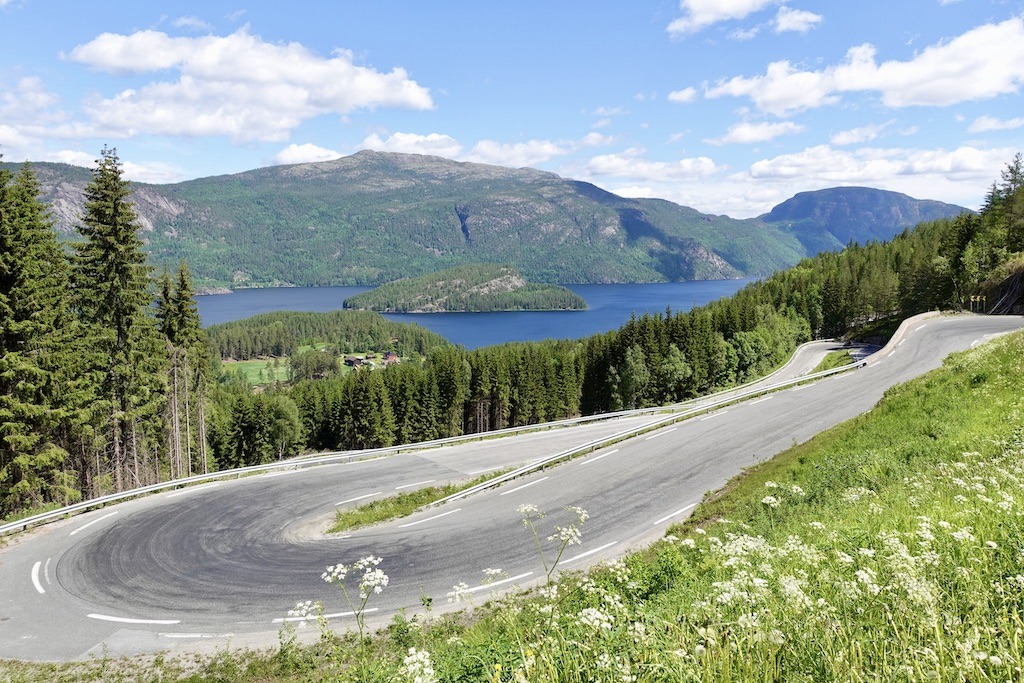
Further inland, as the route moves toward Dalen, the landscape begins to shift more dramatically. Forest opens into valleys, then closes again into higher ground. At times, the scale feels almost North American; at others, unmistakably Scandinavian. Long, narrow lakes framed by steep mountains can resemble fjords, until you realise you are deep inland, moving through a landscape shaped entirely by water and elevation. Dalen is the furthest Western point on the route and a great place to pause and take the journey in. The lake that sits beside the town has a famous sauna you can book for 1 hour for around 35 euros. Worth it if you’re not in a rush and want some relaxation.
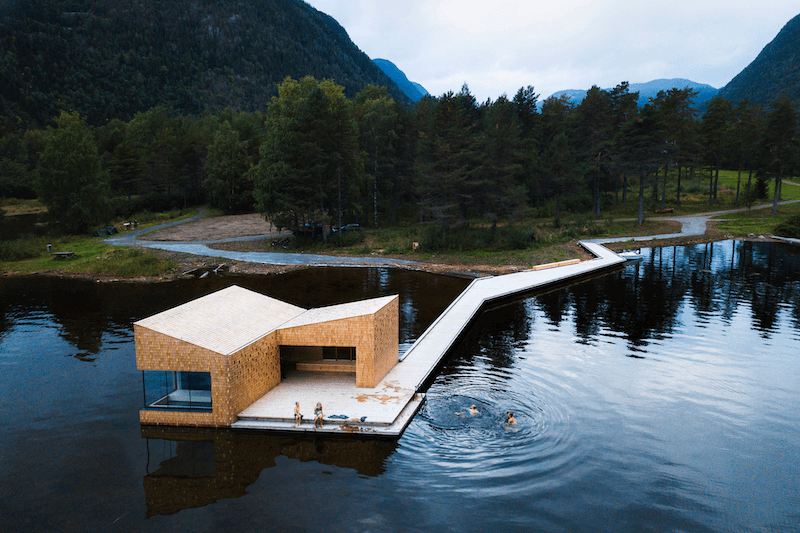
After Dalen the route meets the Telemark Canal and follows it for a stretch on mainly paved surfaces. The canal was once one of Norway’s most ambitious industrial projects of the 19th century. For a time, the canal guides your movement, a reminder of how goods, timber, and people once moved through this region before the road network was built. But before the canal’s journey is complete, the route deliberately turns away, leaving the paved sections behind to rediscover gravel roads that feel lost in time, quieter lines that reconnect you with the land rather than the infrastructure.
The route ends in Porsgrunn, where Telemark’s industrial past meets the coast. From here, you can connect to Route 3 back toward Oslo or take the train east, returning to the modern world with a very different sense of distance and pace.
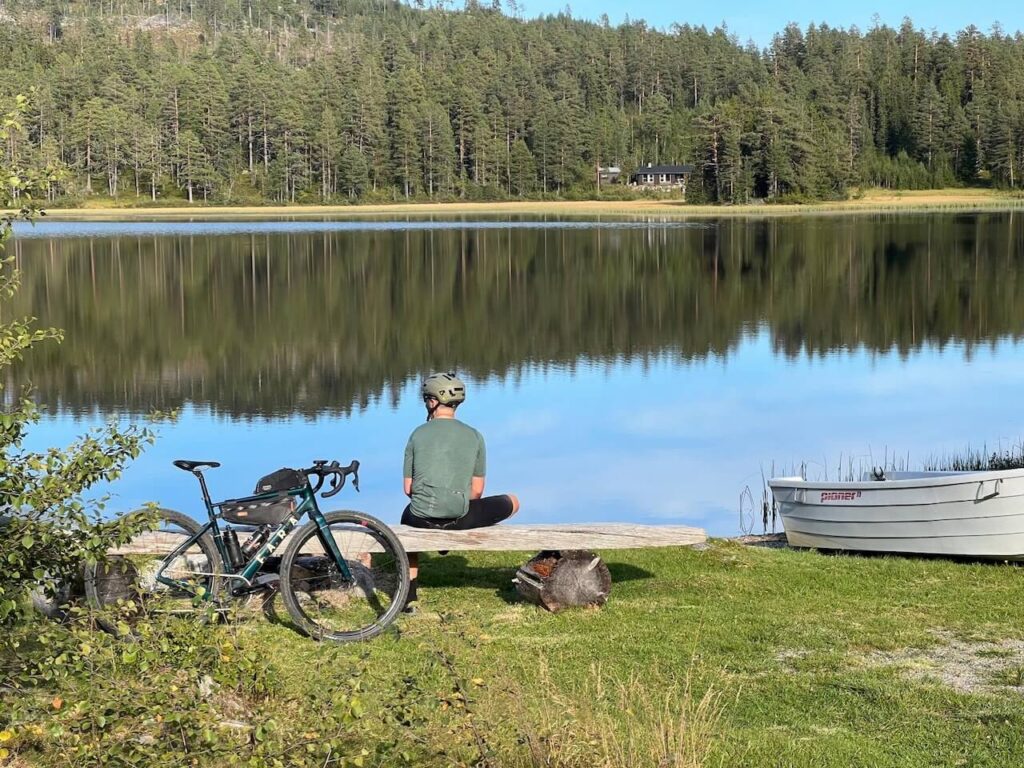
Route 2 is not a place you pass through quickly. It is a route you absorb. The noise and urgency of the 21st century feel increasingly irrelevant as the kilometres pass. What remains is you, your bike, and a network of gravel roads built for work, movement, and survival, far removed from the curated, image-driven version of Norway most people expect.
– Join our RidewithGPS Page to keep updated with new GPX routes: https://ridewithgps.com/partners/cyclenorway




Laisser un commentaire