



Oslo Cycling Week wasn’t supposed to happen this year. After the first edition, the organisers ran out of resources and energy. Co-founder Hans Flensted-Jensen was cornered until Åse Lindersen stepped in at the last moment. In just four weeks, they pieced together a program of 29 events. What should have been impossible became reality, and in the process, Oslo revealed more about its cycling culture, and perhaps its emerging identity, than anyone expected.


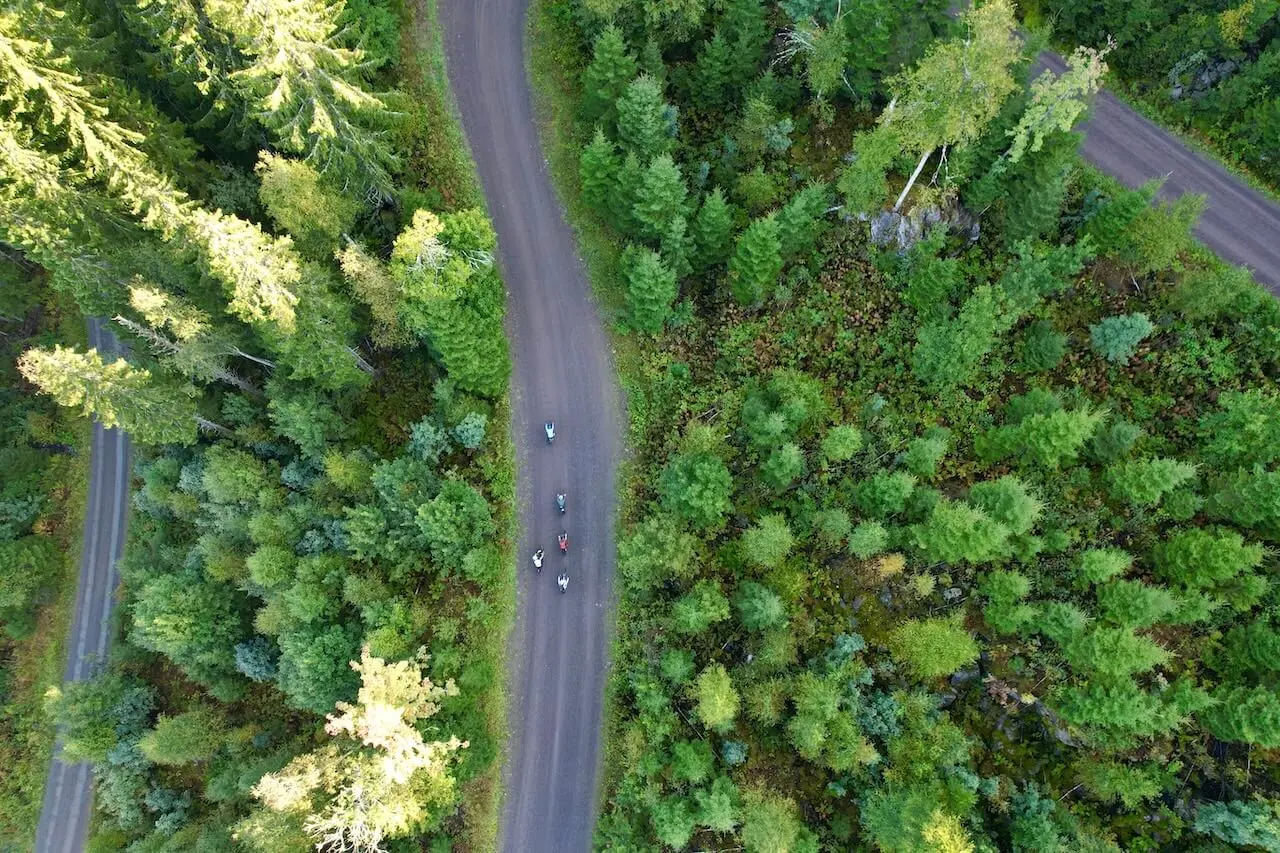
It was more than just a program of rides and talks; it became a full celebration of Oslo’s cycling culture: road, MTB, and gravel rides, workshops, lectures, and even an overnight bikepacking trip into the forests. Against the odds, the city suddenly had a cycling week worth talking about.
For me, the responsibility was clear: capture the essence of it. I’ve never taken a filming project so seriously. I mapped out seven events to attend: road, gravel, talks, workshops, and the overnighter in Nordmark, knowing that variety would give me the backbone of the story. I also put out a request for footage from other events. Most of what came in was useless, grainy clips, shaky portrait-mode videos, but among the rubble were a few gems. And when you’re editing, a single good shot can save you. Thankfully, I had just enough to stitch a narrative together.

Beyond the events, I spent two mornings cycling the city with my camera, capturing b-roll to show Oslo in its everyday rhythm. Those shots, the rain on the streets, the riders heading to work, were as important as anything else.

But the reality of this kind of work hits hard when you get home. Dozens of hours of footage sit on a hard drive, daring you to shape it into something coherent. You curse yourself for missed shots, for not holding the frame long enough on certain people, for not sticking with an idea you had in the field. Editing, I’ve learned, doesn’t begin on the computer. It begins the moment you pull the camera out, you need a plan, a sense of where the story lives. Without that, you drown in footage.

I tried one idea: instead of long interviews, I asked people to describe Oslo in three words. On paper it sounded simple. In reality, 80% of Norwegians froze or flat-out refused. Point a camera at someone here and you’ll often see the look of panic set in. It’s one of the hardest jobs in Norway: getting people relaxed in front of a lens. Next year, I half-joked with myself, I’ll ask the organizers to throw a party with some alcohol and film the interviews there, because once a Norwegian has had a drink, the camera suddenly becomes their friend.
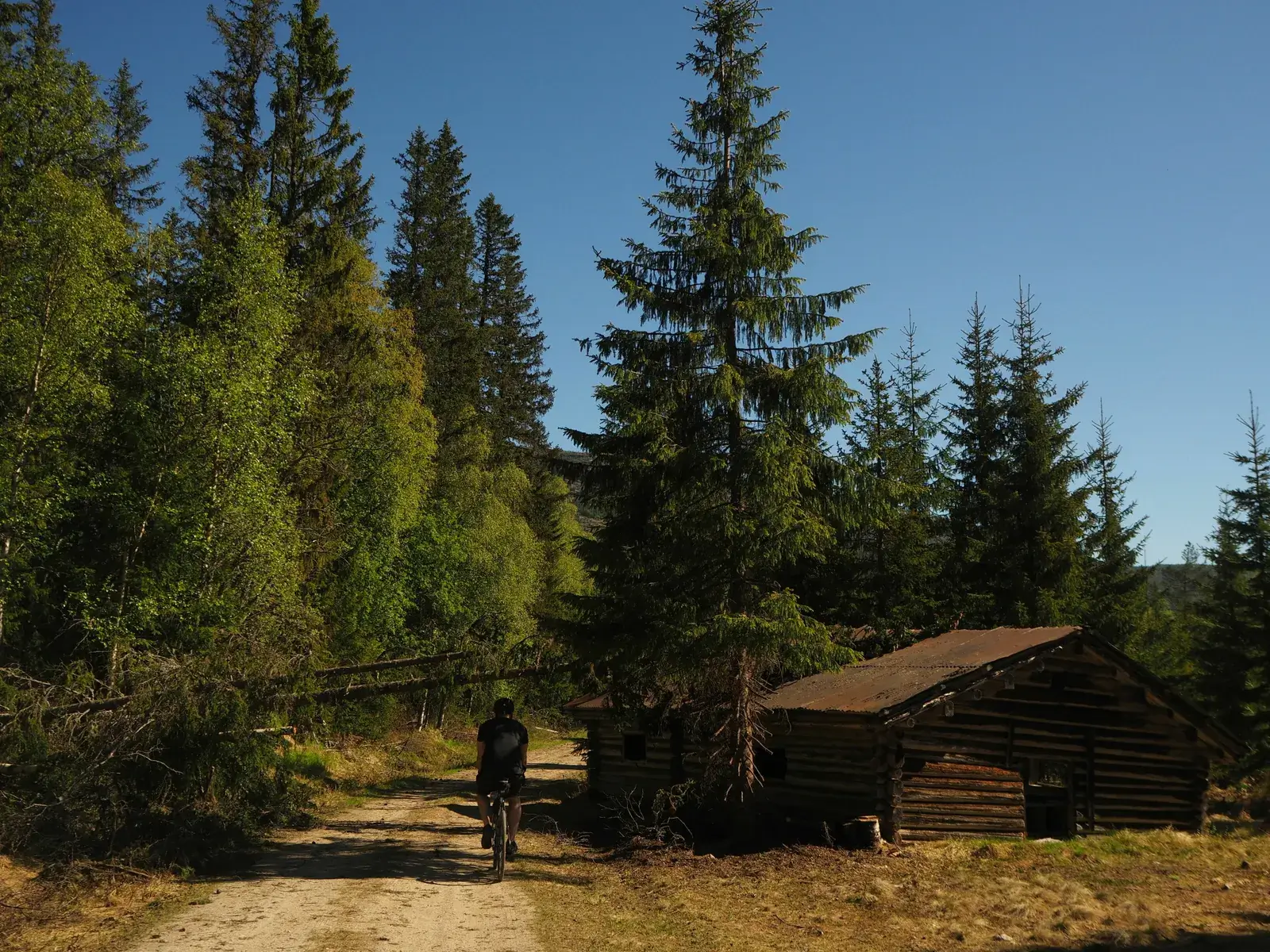
There were other challenges too. To get the drone and camera shots I wanted, I had to ride in the fast groups, burning 300 watts just to stay ahead so I could film the pack behind. The gravel ride on Wednesday was intense to say the least, with a backpack of camera gear jiggling about. By contrast, Saturday’s bikepacking overnighter was pure joy: a relaxed ride from Bikeshop HQ, rolling into Nordmarka with riders from over 10 countries. We set up camp, shared stories, and I even got a beer for free from a fellow rider. For me (someone who usually camps alone), it was something special, and it gave me the perfect ending for the film.


Then came the dreaded edit. For the first few days, little progress is seen. Editing feels like solving a jigsaw puzzle without the box picture. You know the pieces fit together, but you have to invent the image they’ll form. And simply showing “a week of group rides” isn’t a story. That’s just surface. A good story tells you something you didn’t know.
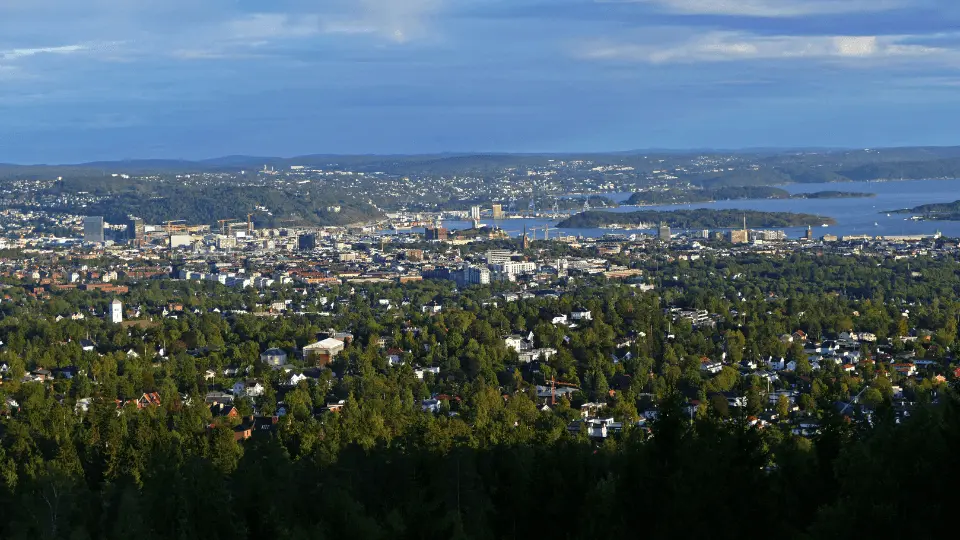
After a few long walks in the forest, it clicked: the real story wasn’t the cycling week itself – it was Oslo. A city still searching for its identity. Oslo doesn’t have the grandeur of Paris or London, the cycling culture of Copenhagen or Amsterdam, or the historic soul of Stockholm. At times, it feels strangely rootless, almost soulless. Yet beneath that surface is something unique: a calmness, a beauty, a spirit waiting to be recognised.

That’s what I set out to capture. Oslo Cycling Week became more than a collection of rides and talks, it was the backdrop for a portrait of a city in transition, glimpsed through the lens of cycling. After weeks of work and reflection, I believe I’ve managed to show Oslo in a way that feels honest and different: a city still shaping its identity, but with something distinctive emerging. This project mattered to me because it wasn’t about my own adventures; it carried the weight of representing others and a culture in motion. I’m proud of what came out of it, and I hope that comes through in the film.




Leave a Reply