




Norwegian Scenic Routes – South
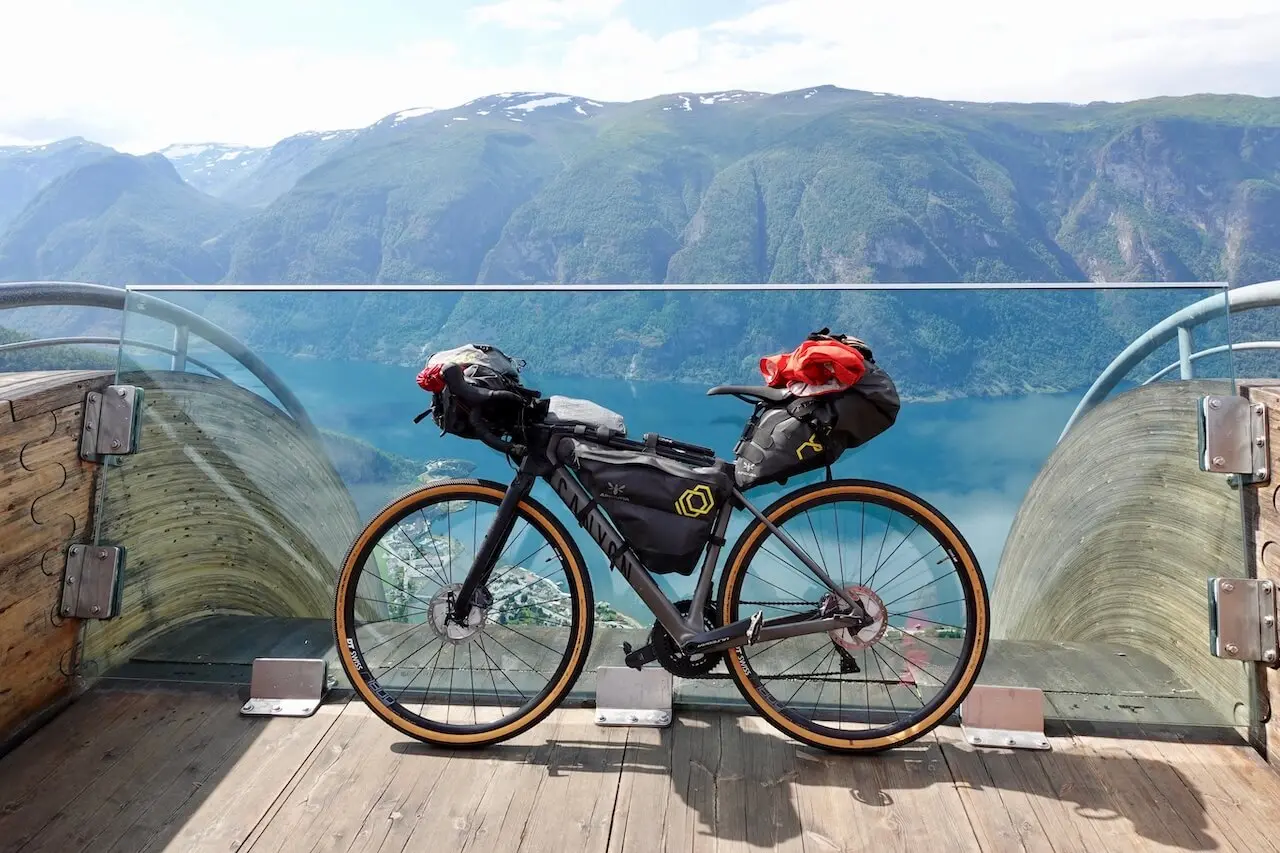
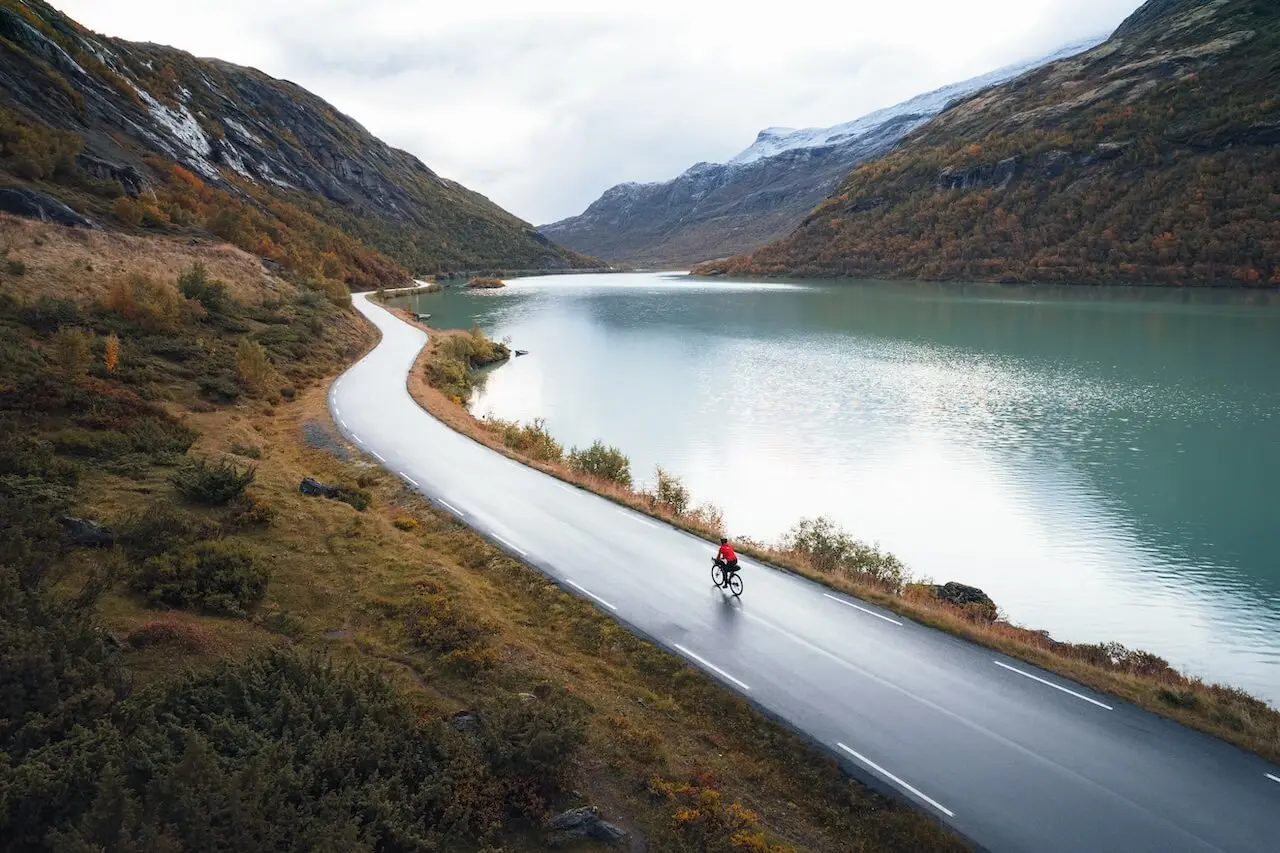
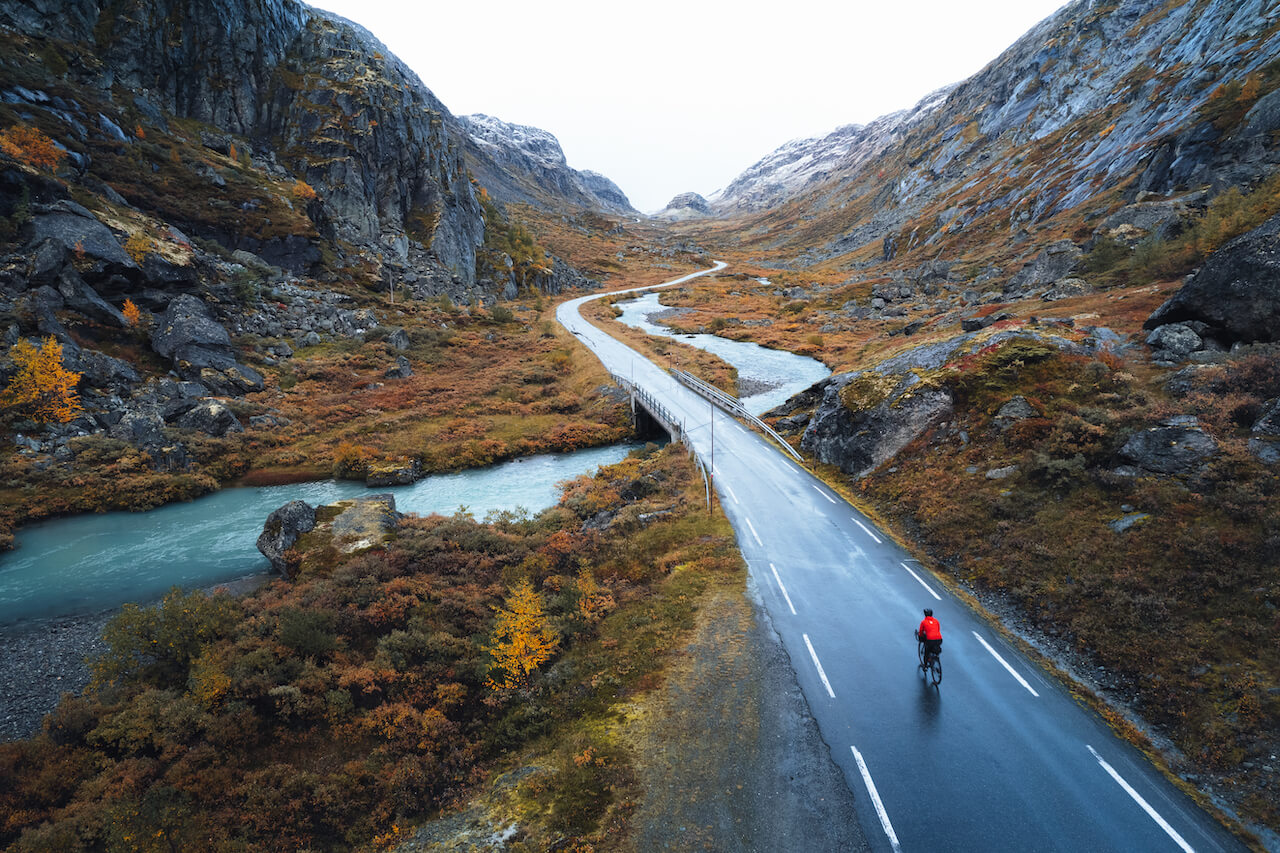
There are so many spectacular roads in southern Norway and so little time to experience them all properly. One week of sunshine can make you believe Norway is one of the greatest cycling destinations on earth. A few days later, the weather can turn without warning, and the same mountains suddenly feel cold, exposed, and unforgiving. You may ride across Sognefjellet under blue skies and calm winds, only to find Trollstigen hidden behind thick mist two days later as rain lashes across the valley. That unpredictability is part of the experience here. Managing expectations is essential. Take the rough with the smooth, because southern Norway rewards patience far more than rigid planning.
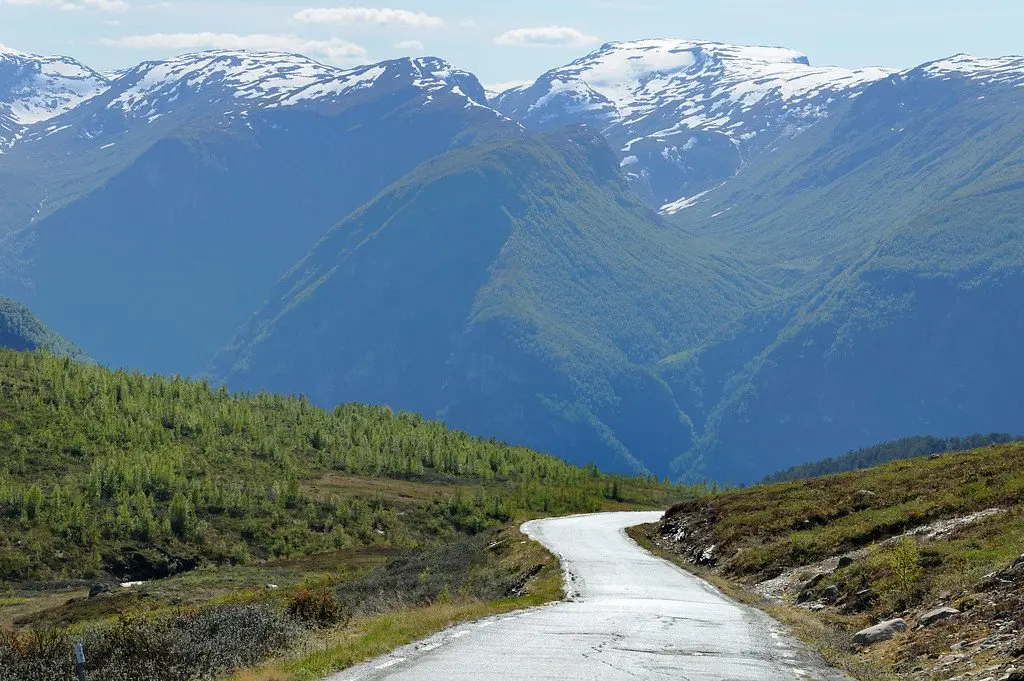
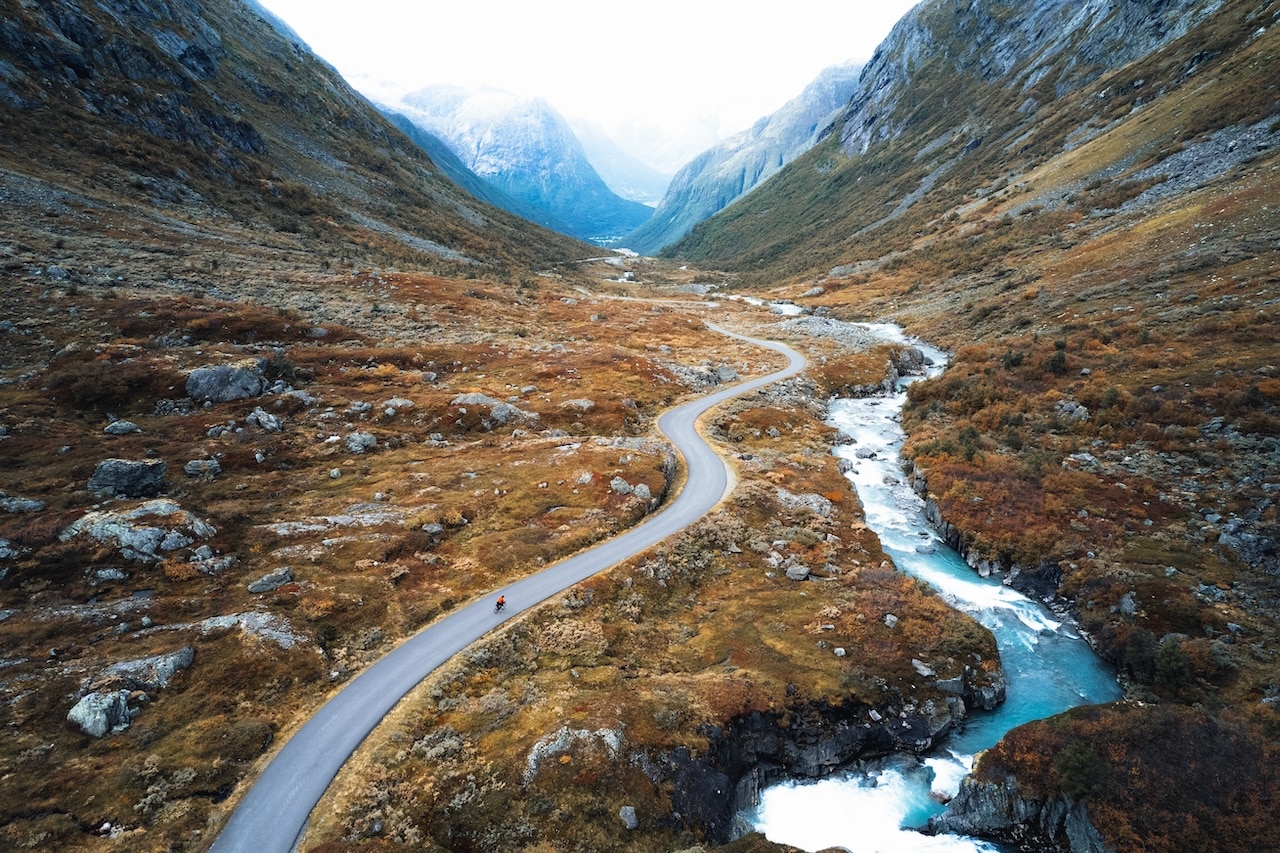
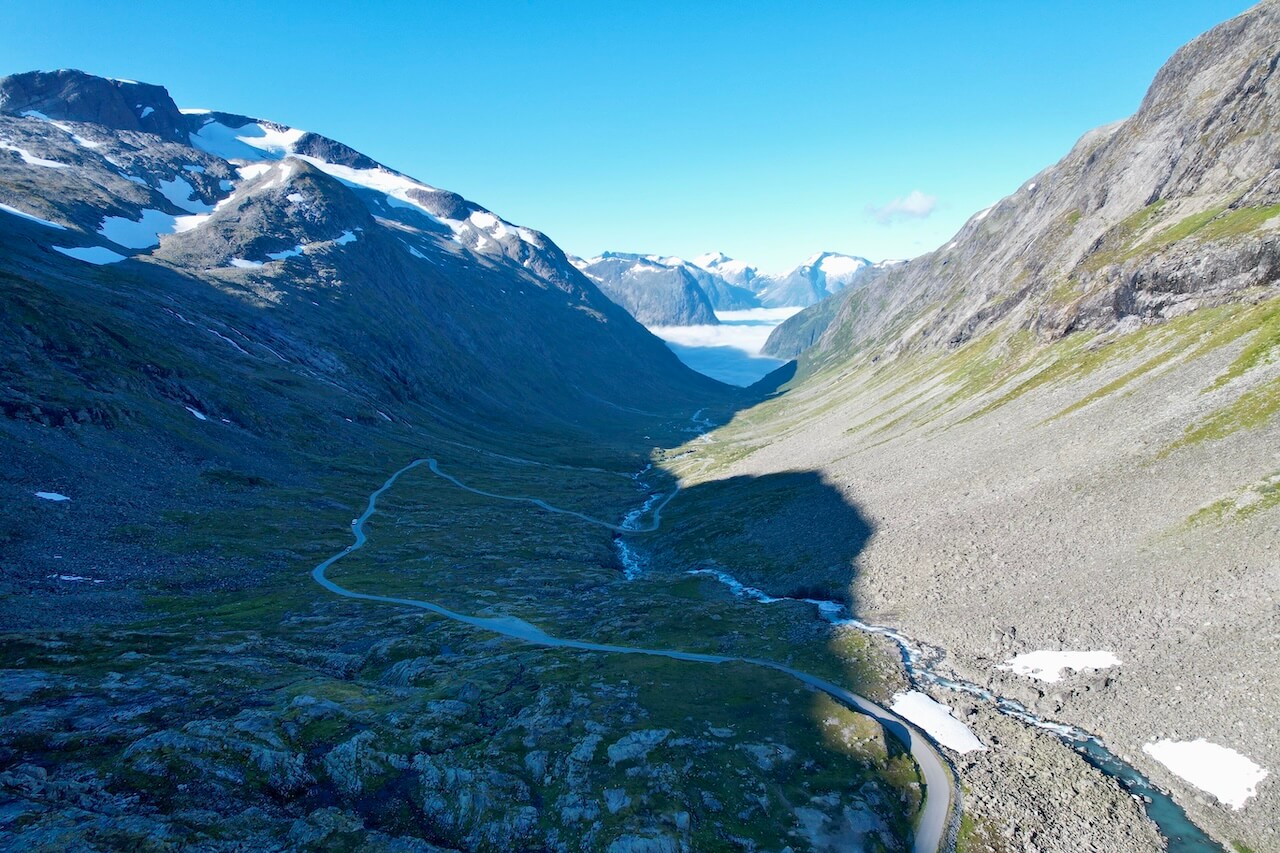
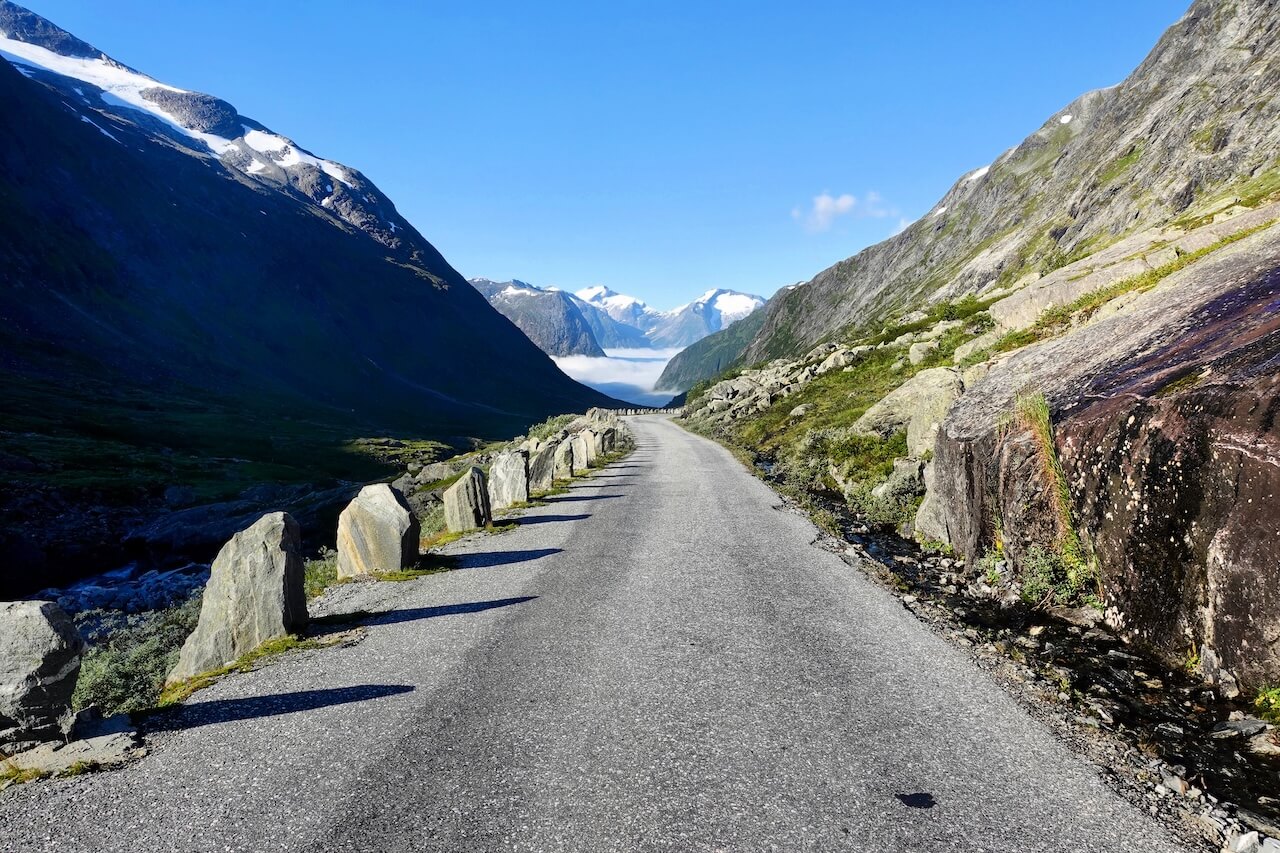
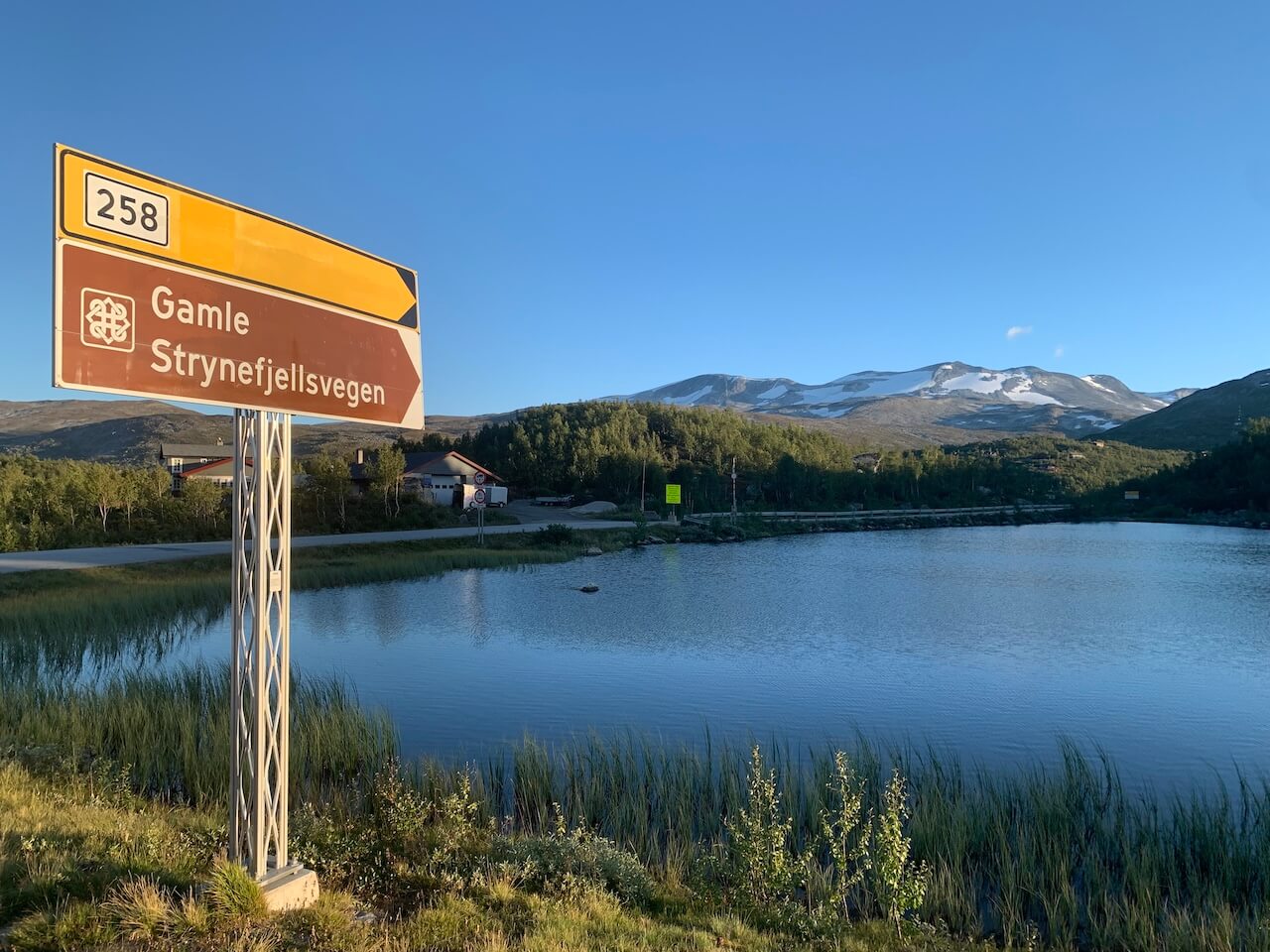
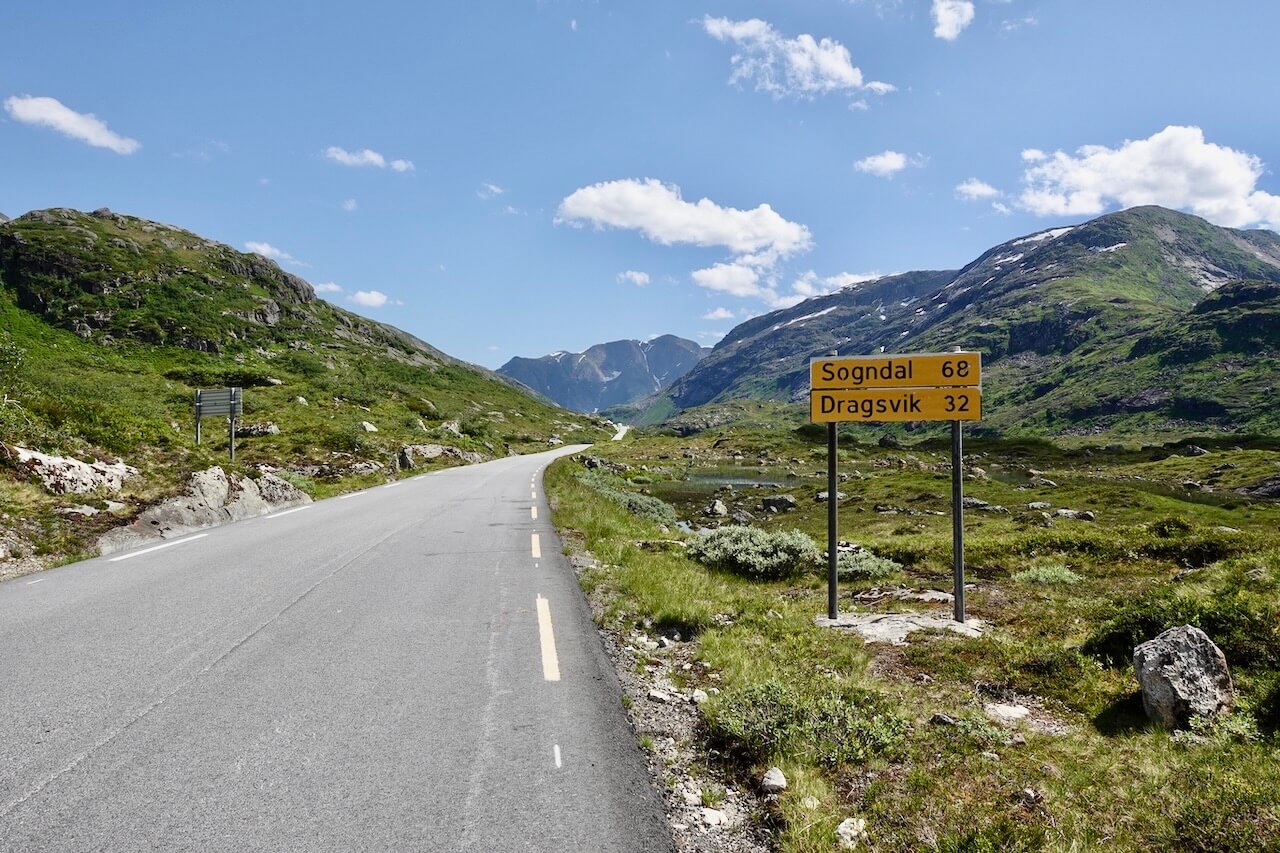
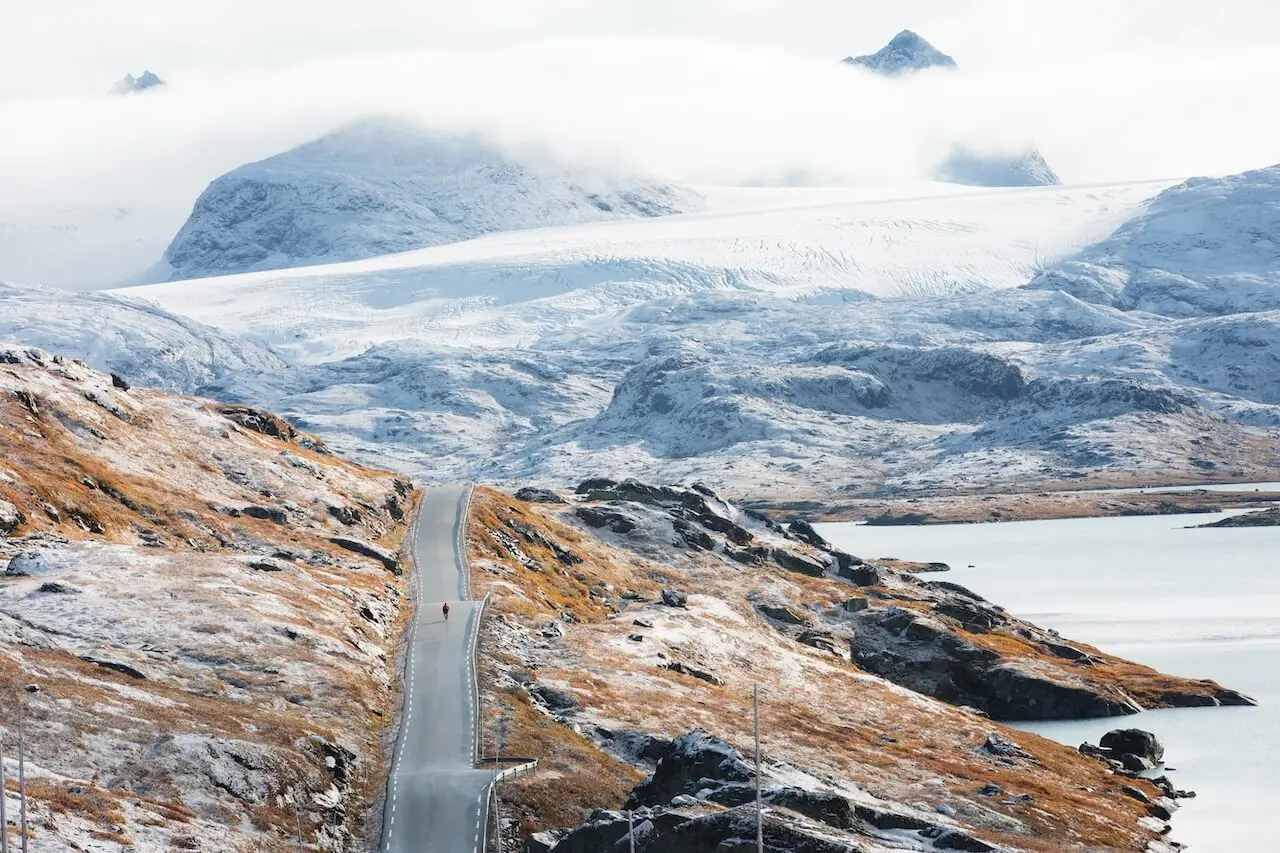
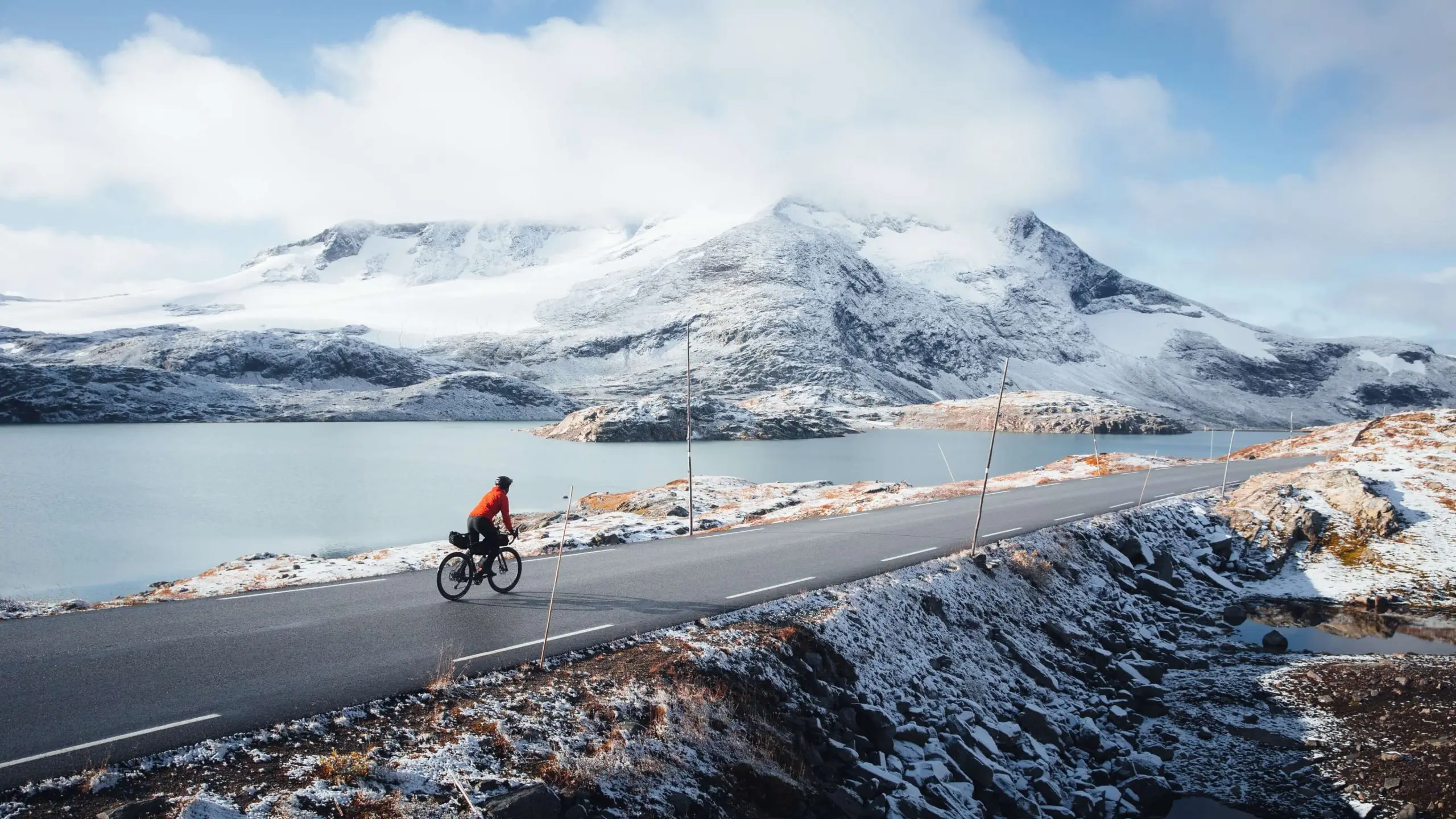
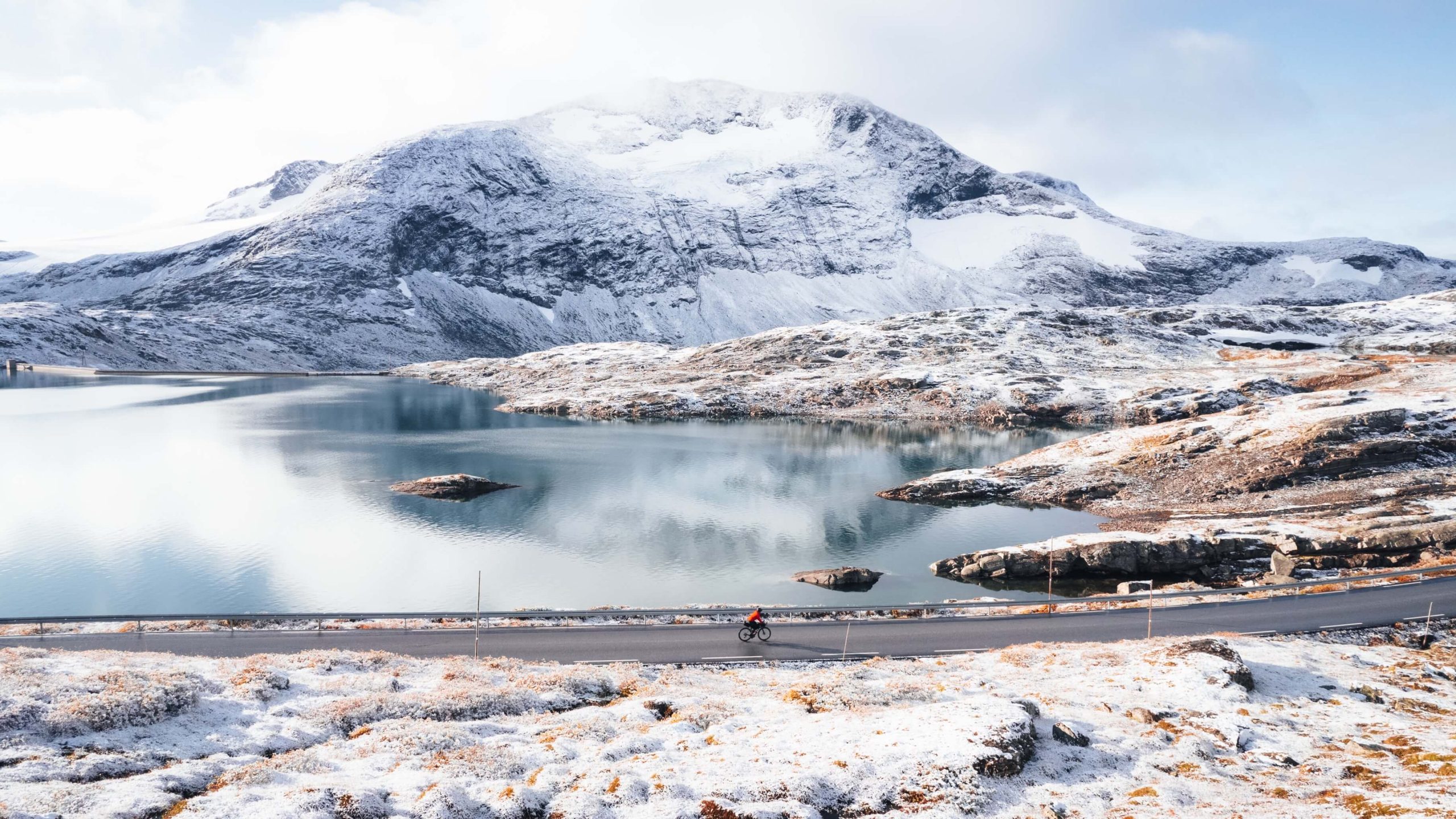
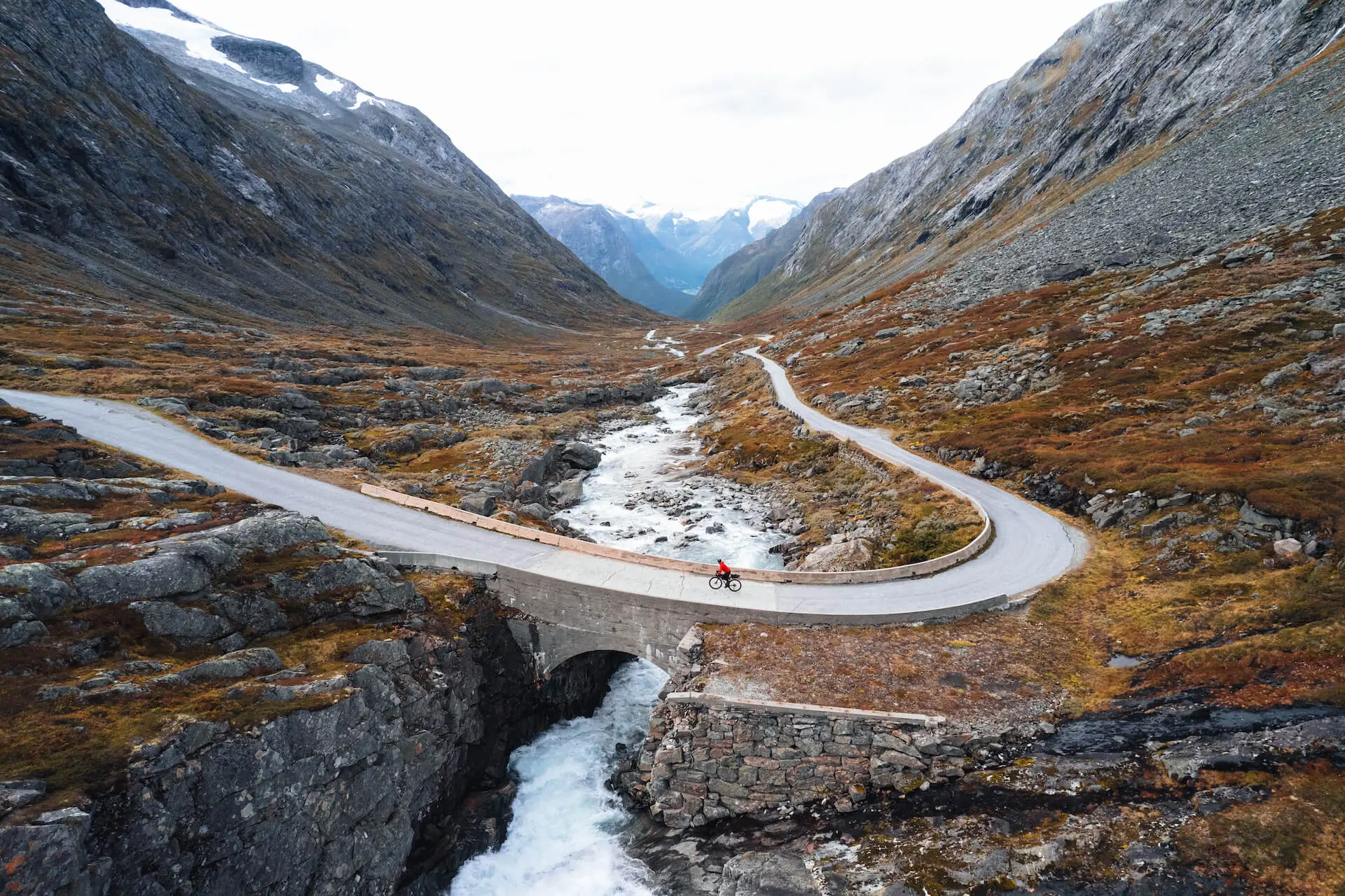
The famous roads each carry their own atmosphere and character. Sognefjellet, the highest mountain pass in Northern Europe, often feels vast and exposed, with snow walls lingering well into summer. Gamle Strynefjellsvegen has a completely different rhythm — quieter, more intimate, and steeped in history, where old stonework and frozen lakes create a feeling almost untouched by time. It took me three separate seasons before I finally experienced that road in calm, favourable conditions. Before then, I had seen it covered in fog, rain, and biting wind.
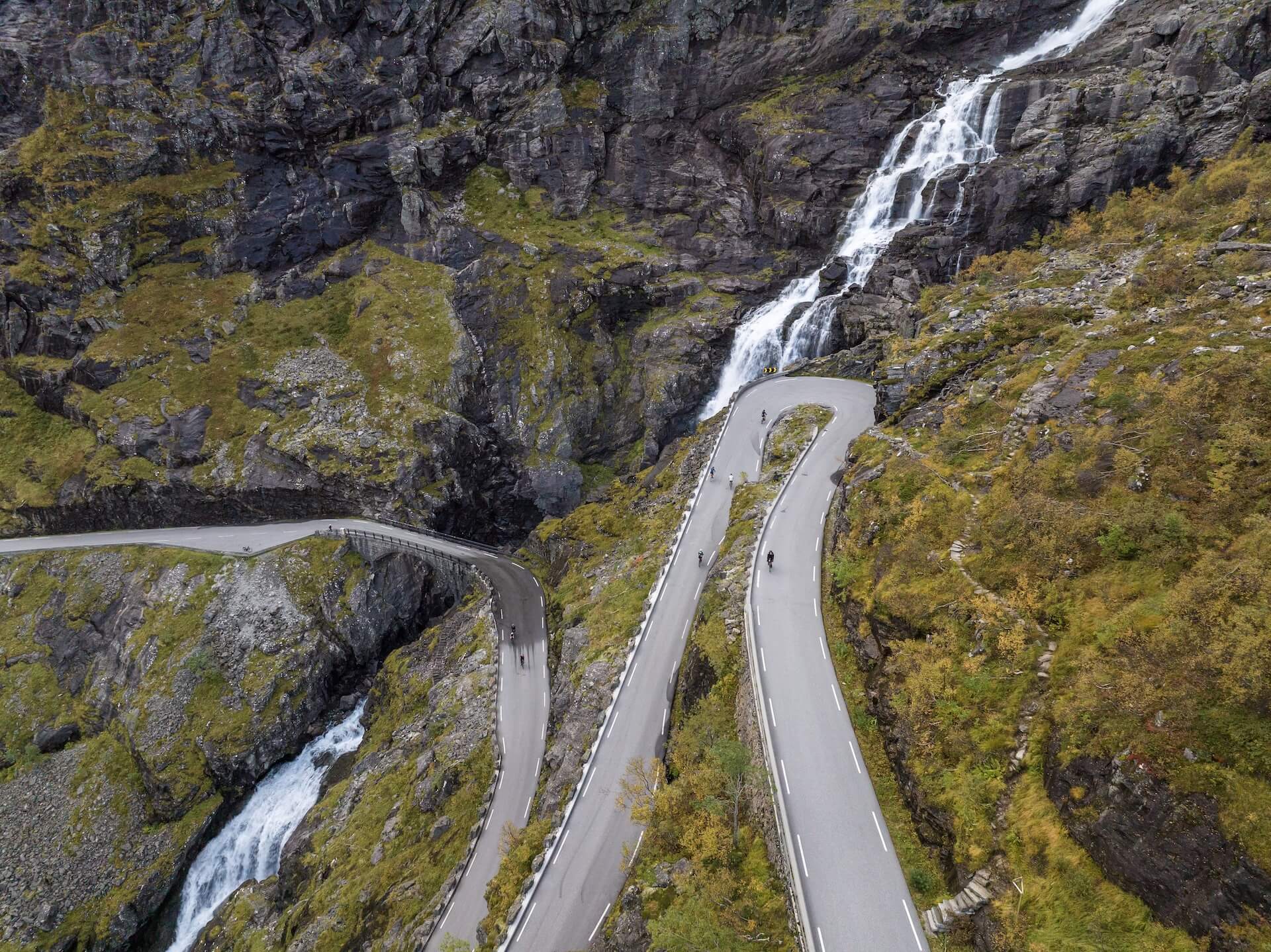
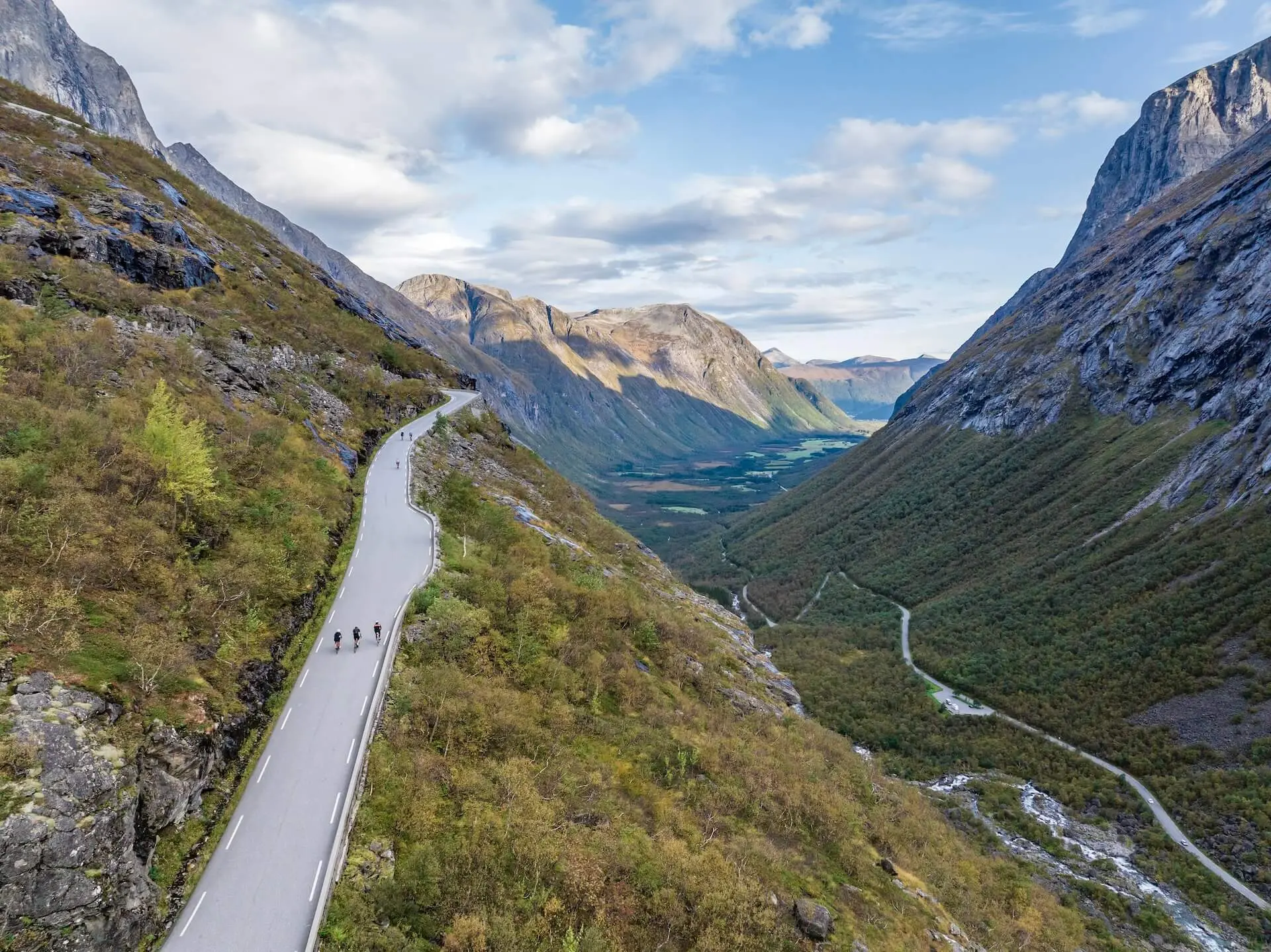
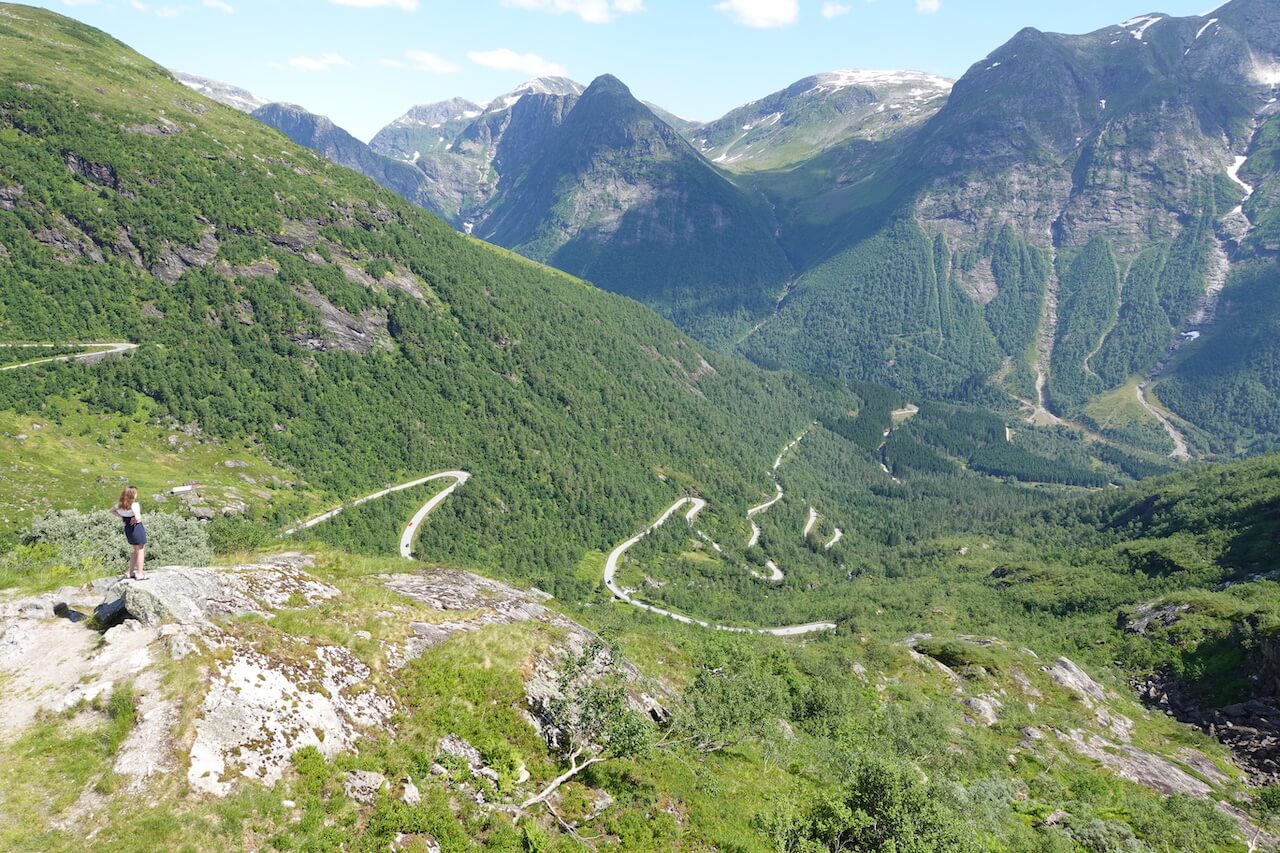
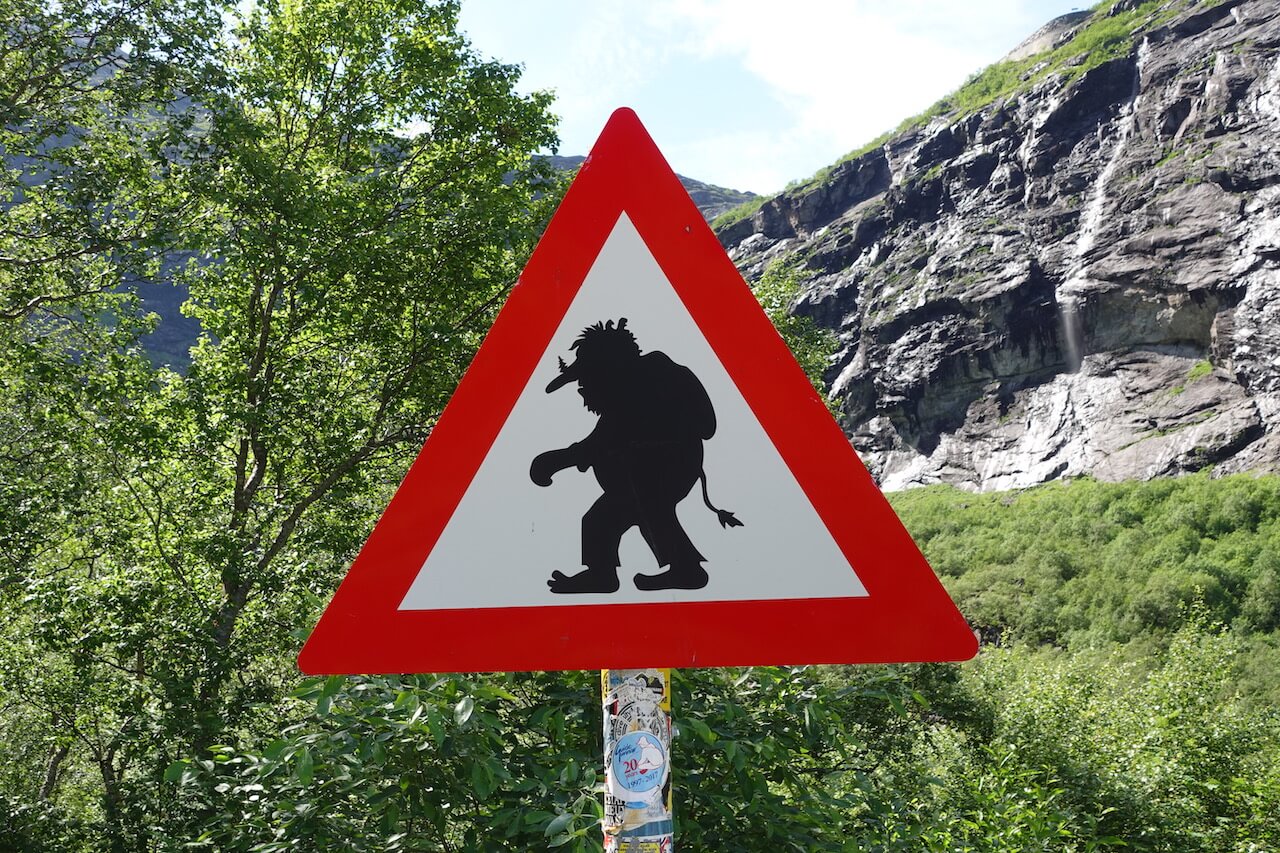
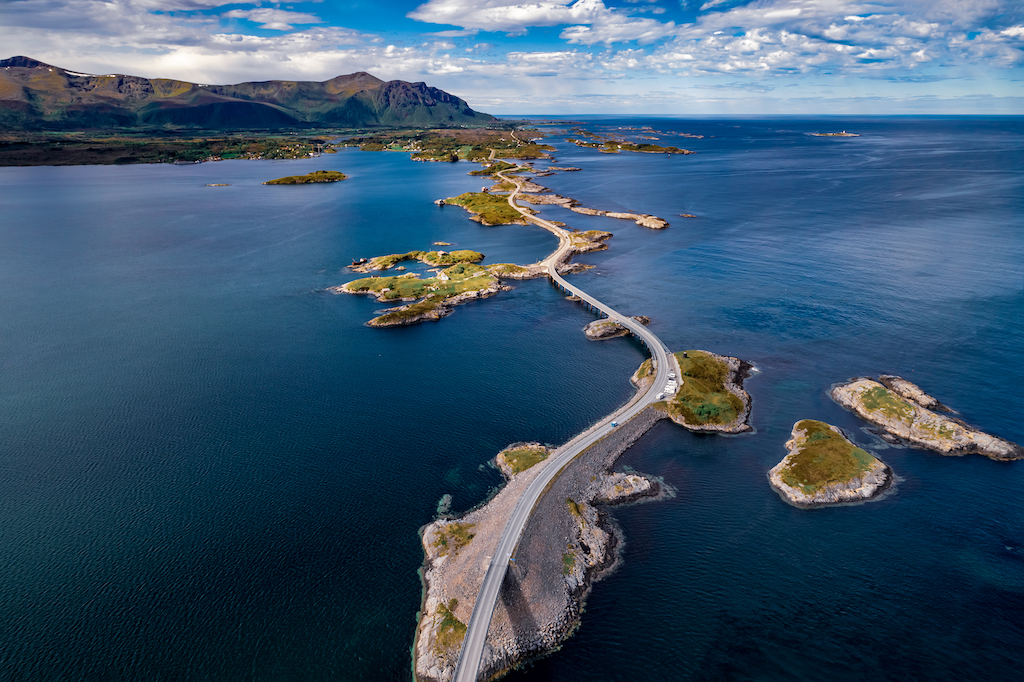
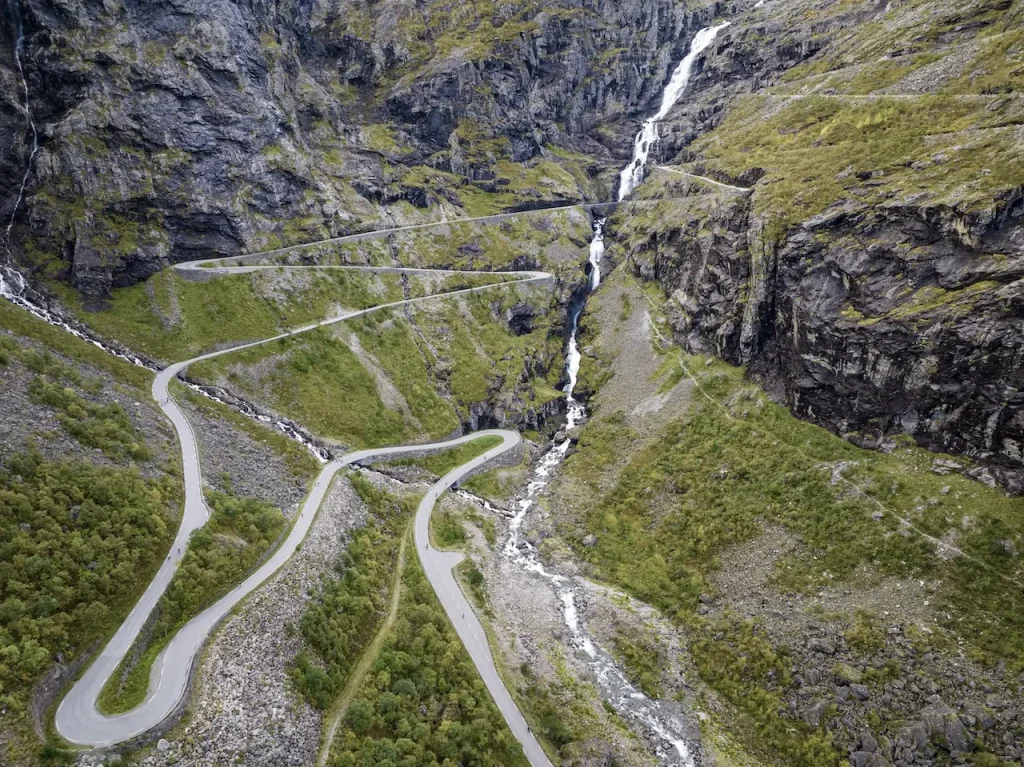
Further west, Trollstigen is perhaps Norway’s most iconic climb, but also one of the most vulnerable to weather and crowds. When the clouds lift, the road is genuinely breathtaking. When they don’t, you may climb through little more than wet tarmac and grey mist. The Atlantic Road offers something different again — a battle between engineering and the sea itself — while roads like Aurlandsfjellet and Valdresflye deliver huge open mountain landscapes where weather systems can move across the plateau in minutes.
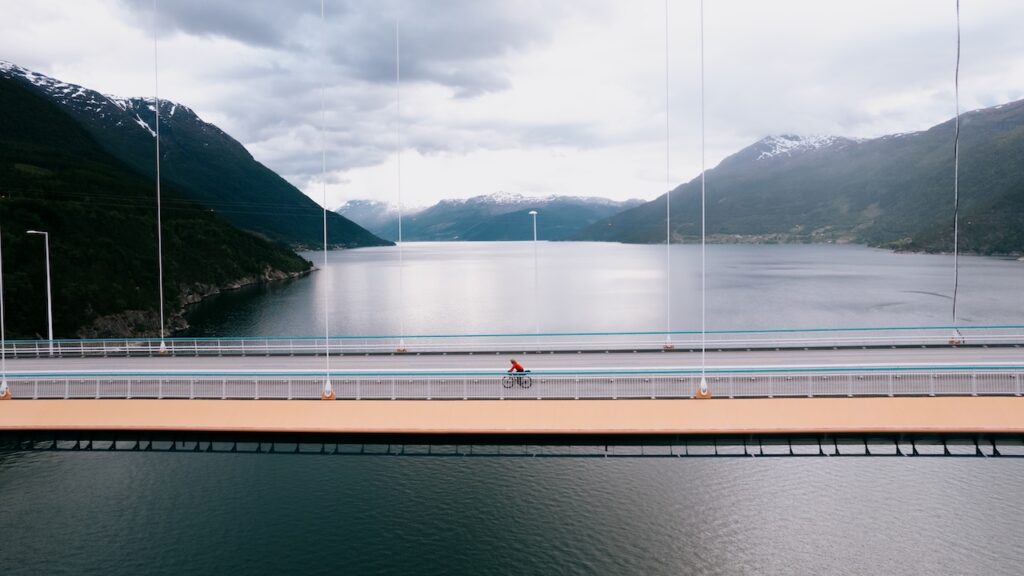
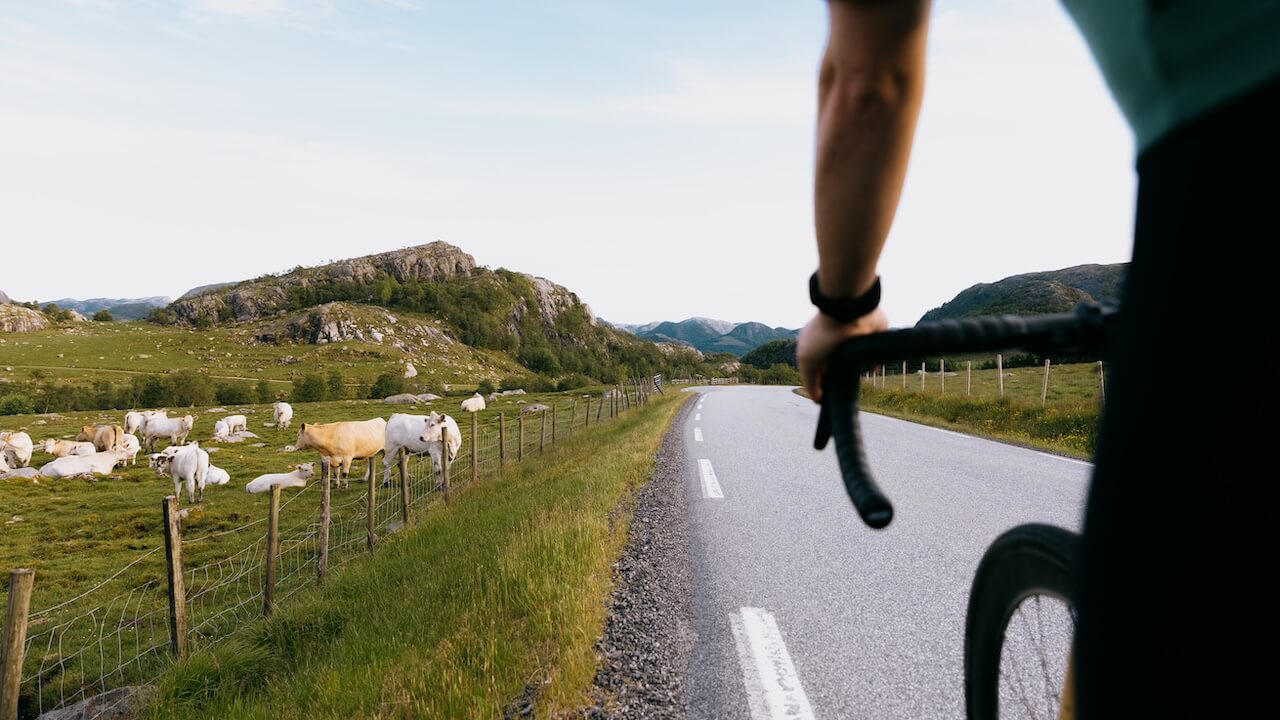
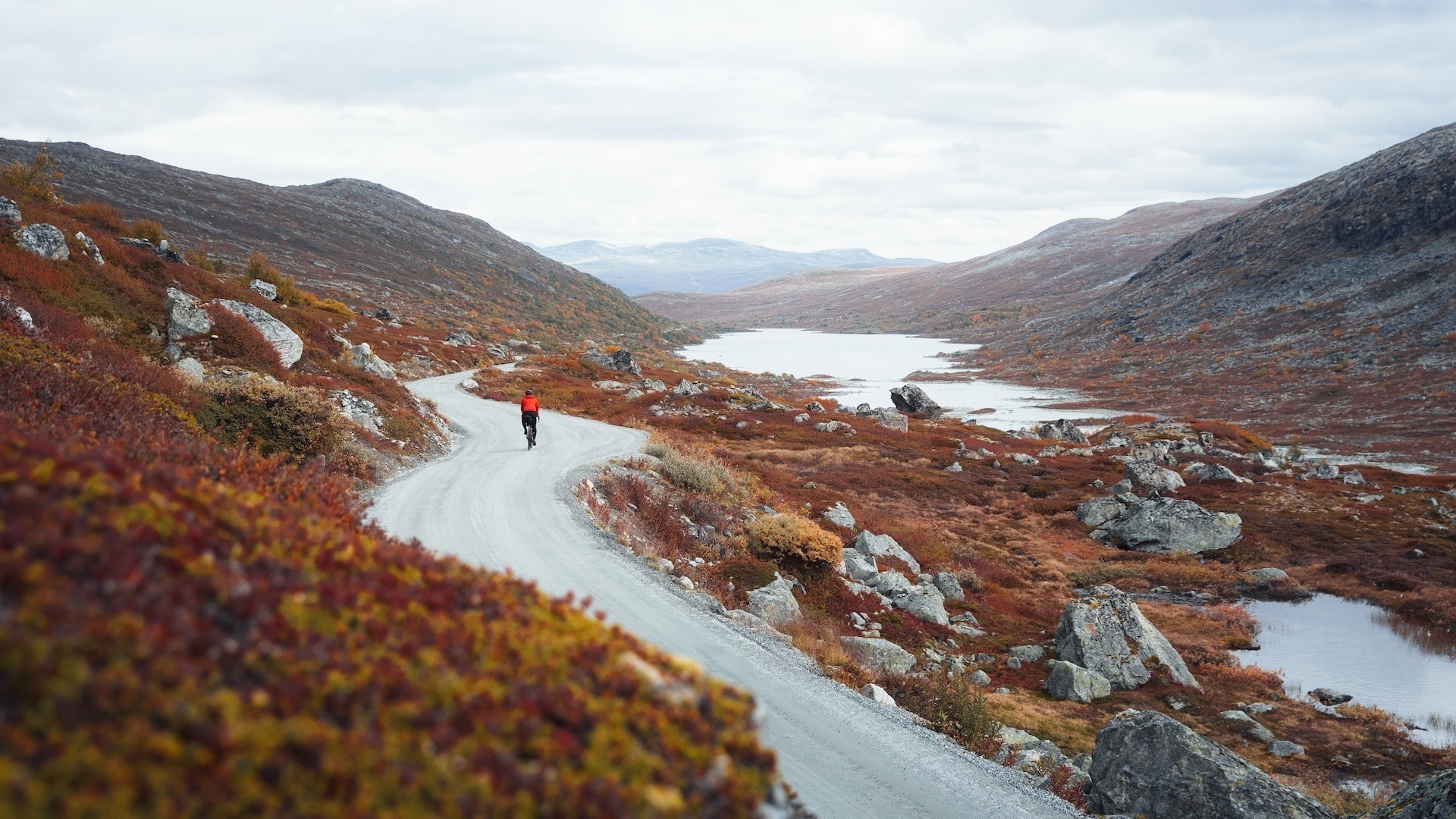
Then there are the lesser-known scenic routes that many foreign cyclists overlook. Ryfylke winds through fjords, islands, and quiet coastal communities in the southwest. Hardangervidda feels harsh, isolated, and deeply tied to Norway’s mountain culture. Rondane offers a softer but equally memorable experience, with long gravel sections and ancient mountain scenery that feel far removed from the tourist routes.
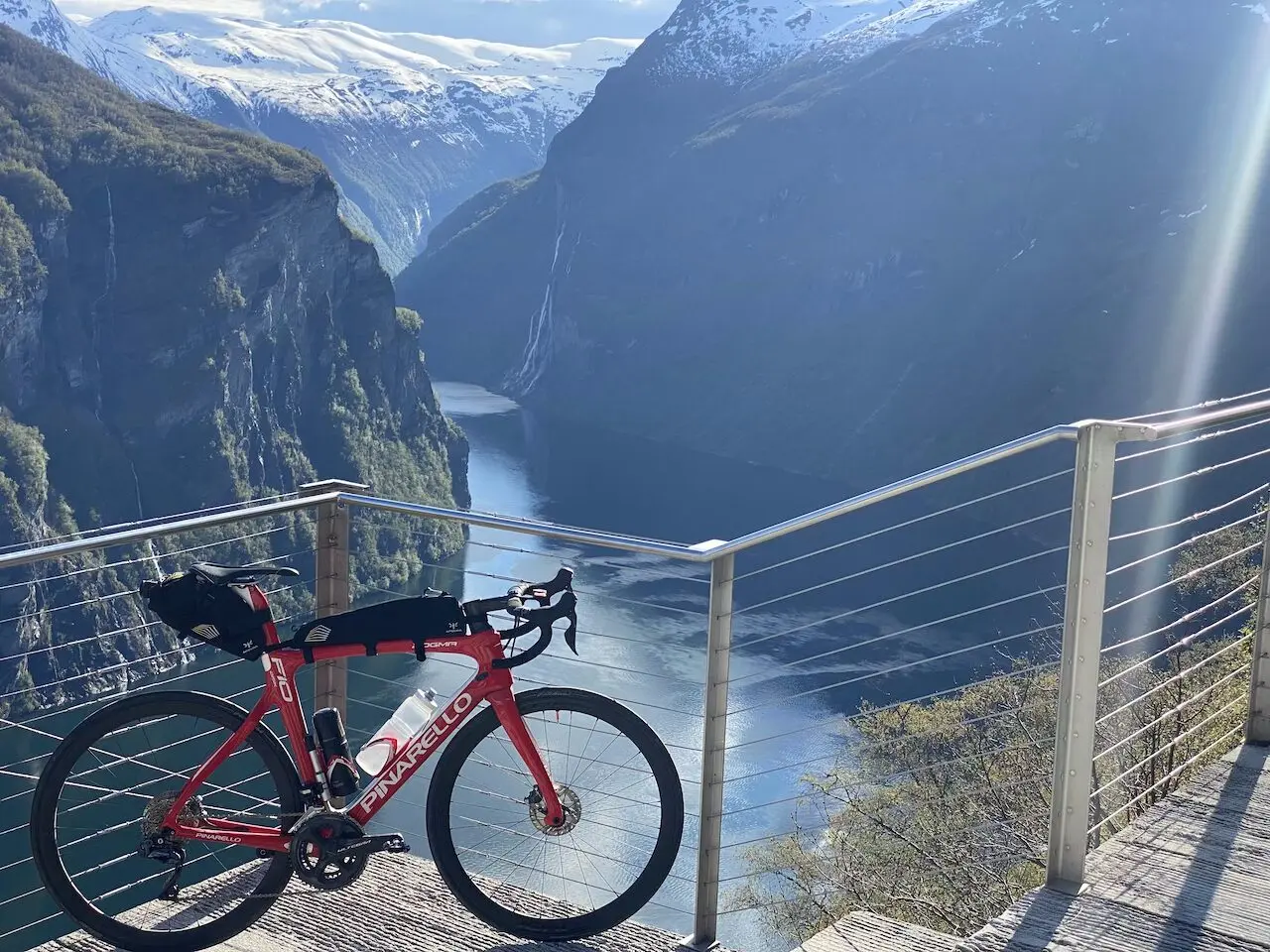
The reality is that southern Norway is simply too large and too weather-dependent to “complete” in a single trip. Even Norwegians spend years revisiting these roads under different conditions. One summer may give you perfect light over Geirangerfjord, while the next delivers low cloud and sideways rain. But strangely, that uncertainty is part of what keeps pulling cyclists back. The roads you missed, the climbs hidden by cloud, the mountain pass closed by snow or storms — they stay in your mind long after the trip ends.
If you truly want to experience southern Norway by bike, you have to accept that one journey is rarely enough. The roads that elude you the first time often become the reason you return the following season.
The North Routes can be found here
Route map
Useful links
Booking.com – for accommodation options across Norway
Entur app – for planning public transport trips around Norway
Ferries – routes, timetables and information by Statens Vegvesen
Wild camping etiquette – important to know
Keep in mind
All cycling routes published on CYCLENORWAY.com are intended as planning resources and sources of inspiration to be used alongside your own research and judgement. Routes are created using careful research, but every cyclist has different abilities, expectations, and risk tolerance. Some challenging gravel routes may include hike-a-bike sections, muddy or wet hiking paths, technical terrain, steep climbs, descents, or remote areas that may not be suitable for everyone. Route mapping software, and conditions can also change or contain inaccuracies. Cycling in Norway is generally very safe. Nevertheless, if you choose to ride these routes, you do so at your own risk. If you are unsure about a certain route leave a comment below and we’ll advise you.






Leave a Reply