


Norwegian Scenic Routes – North
Northern Norway offers a very different cycling experience from the dramatic mountain passes of the south. The roads are generally flatter, traffic is often surprisingly light, and the scale of the landscape feels far more open and remote. With the exception of Lofoten during peak summer, you can ride for long stretches with little interruption beyond sea, sky, and distant mountains.
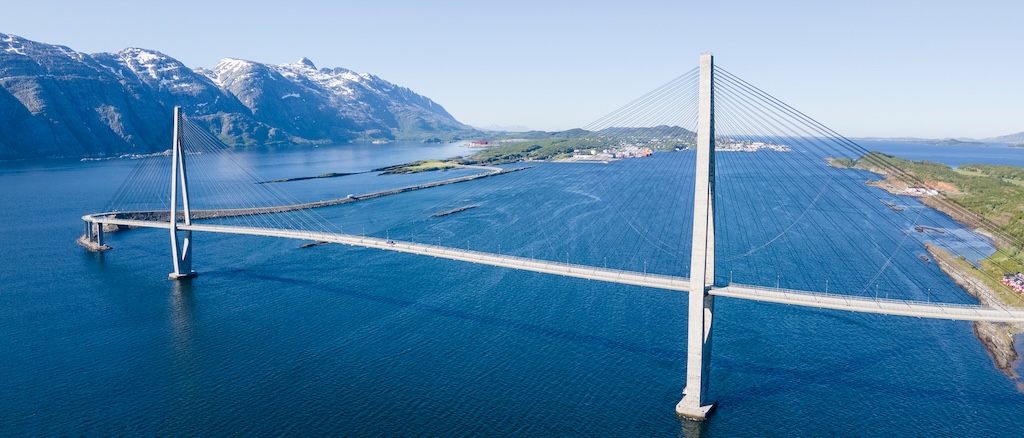
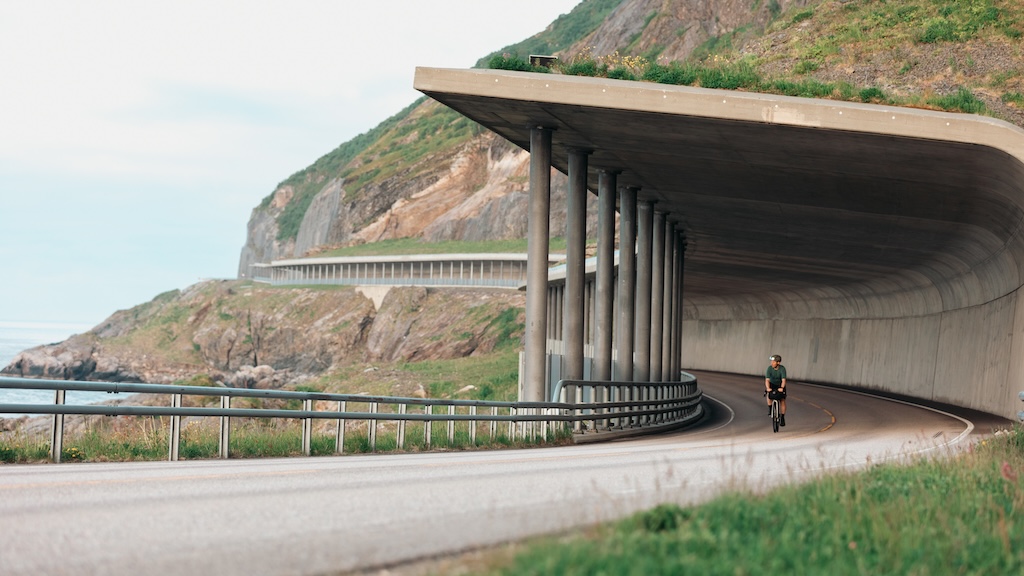
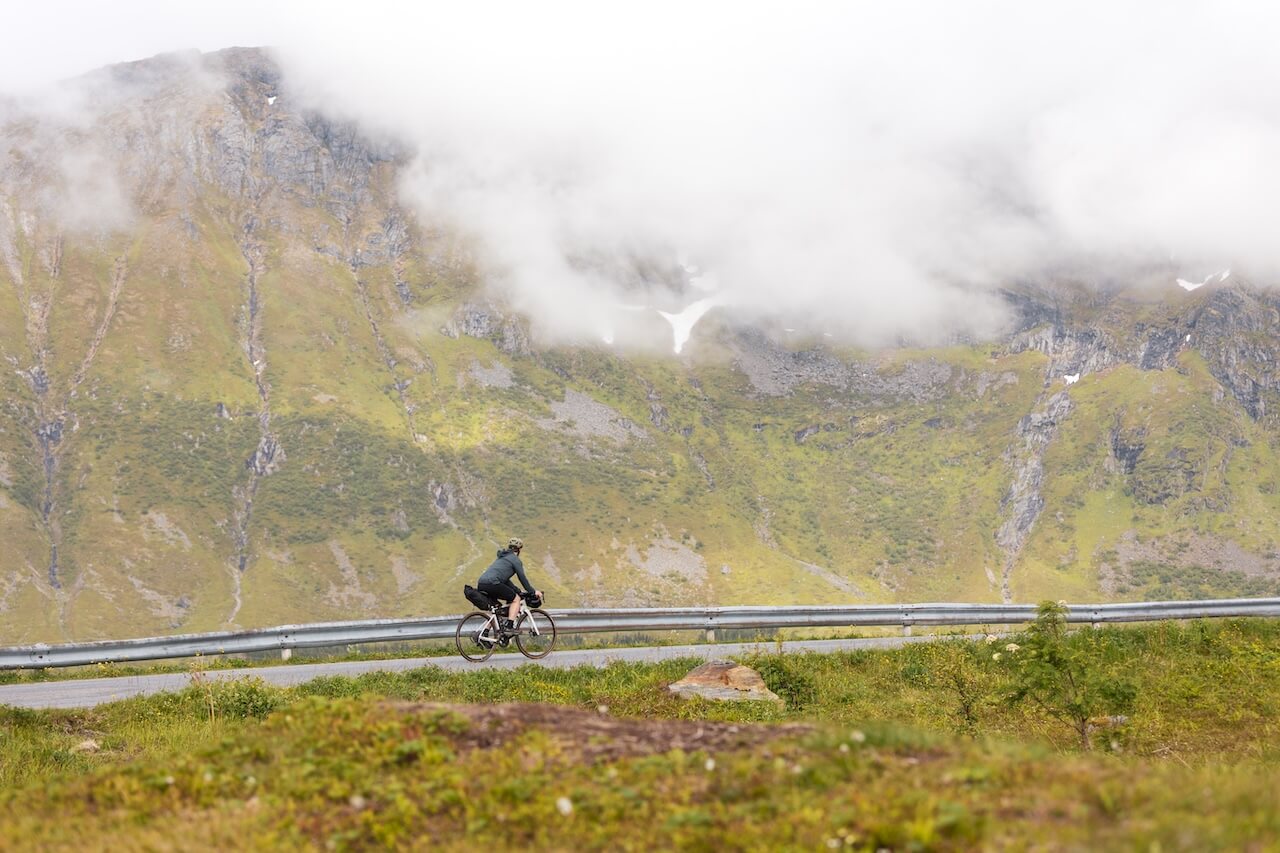
If you follow the Atlantic Coast section of EuroVelo 1 north towards Tromsø, you will naturally pass through many of the great northern scenic roads. Helgelandskysten is often the first true taste of Arctic Norway, where ferries, glaciers, and jagged coastal mountains create an ever-changing backdrop.
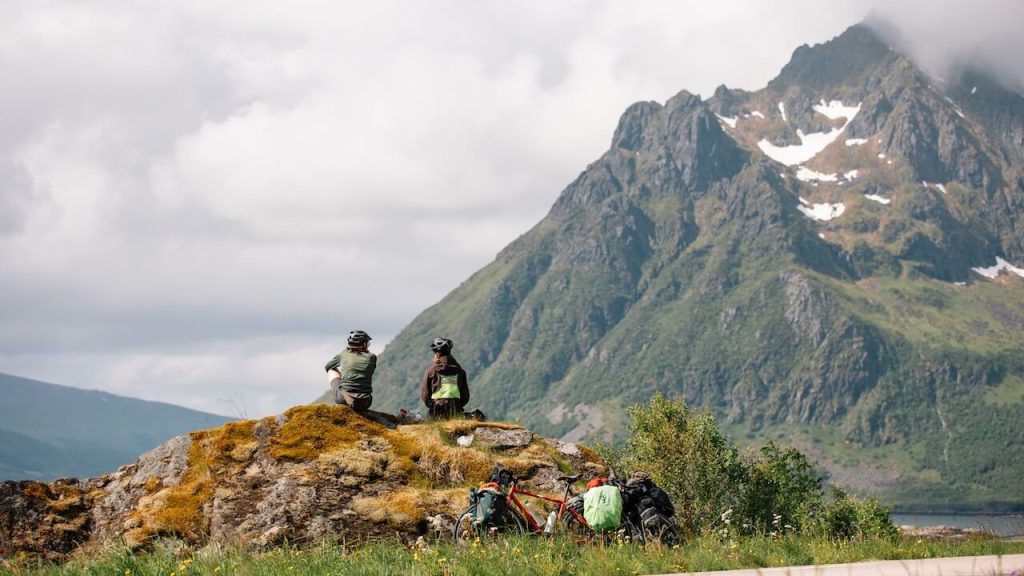
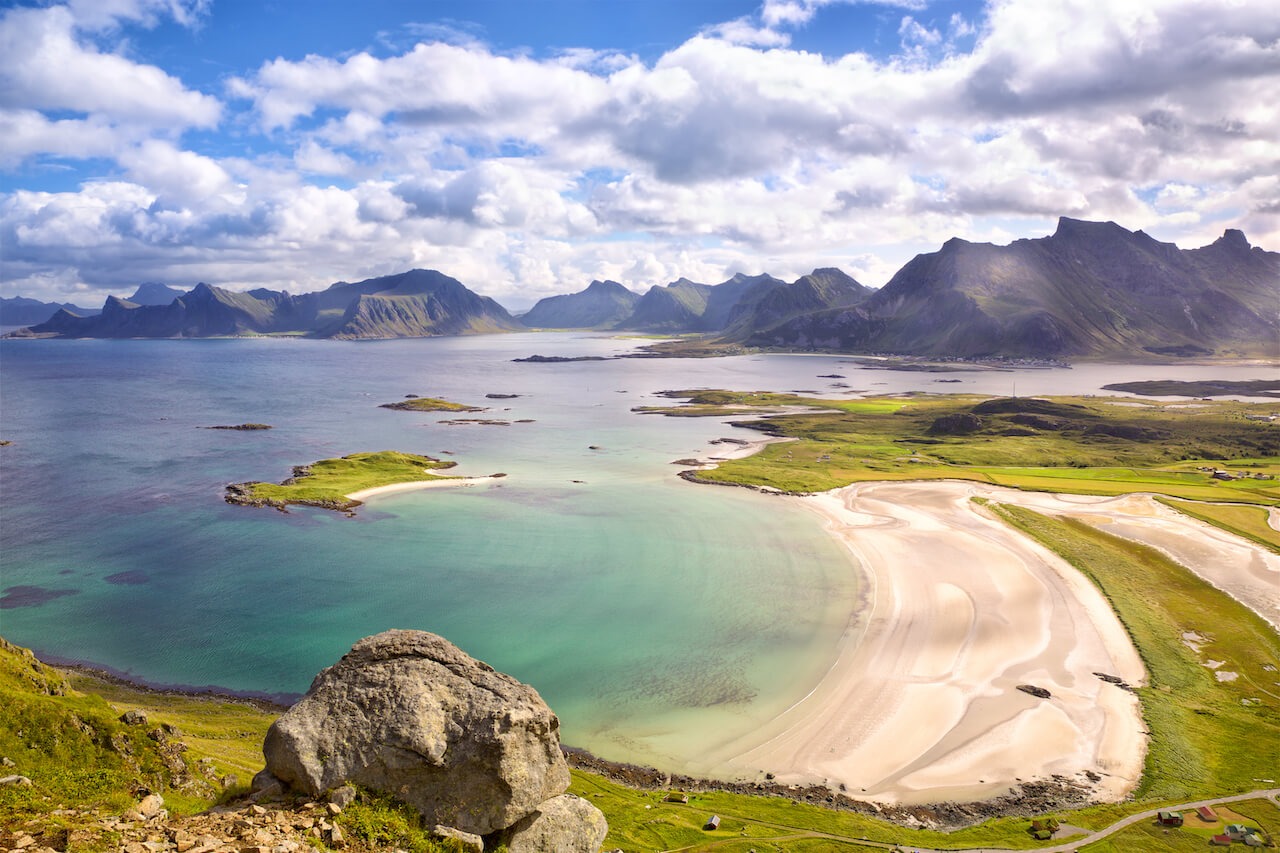
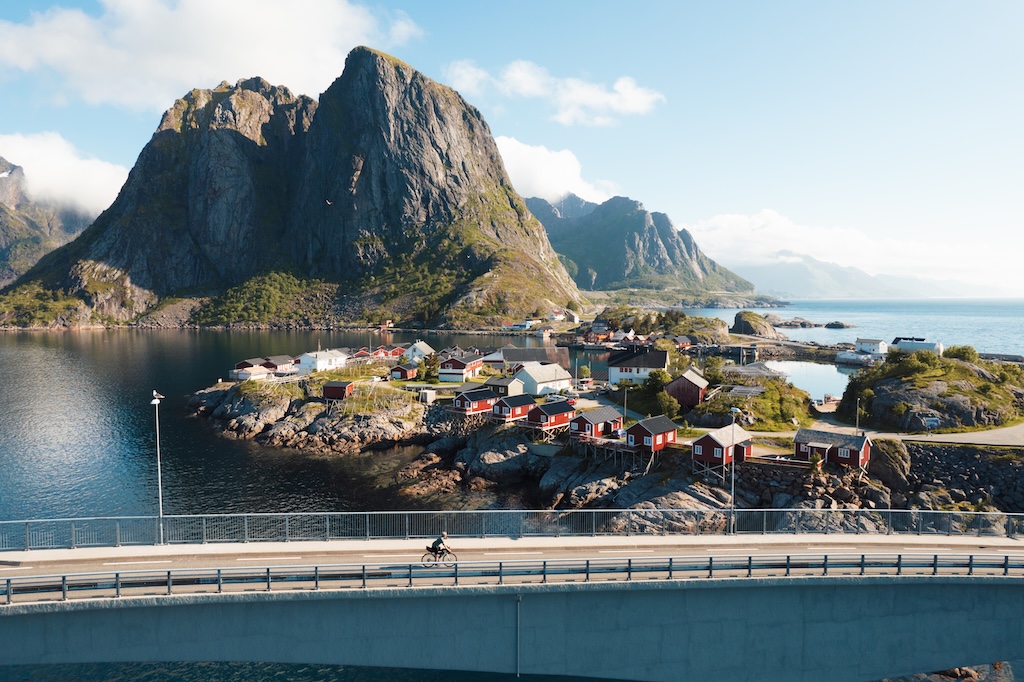
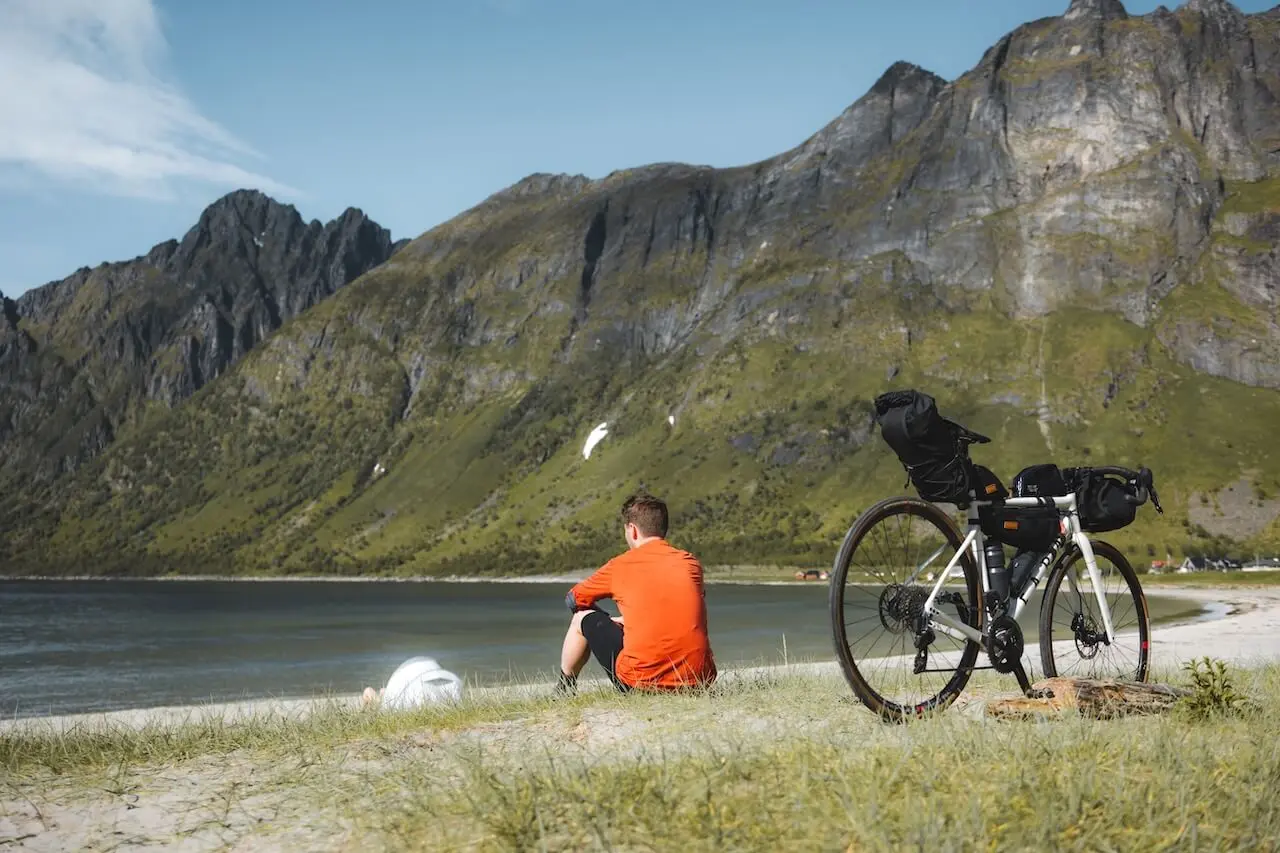
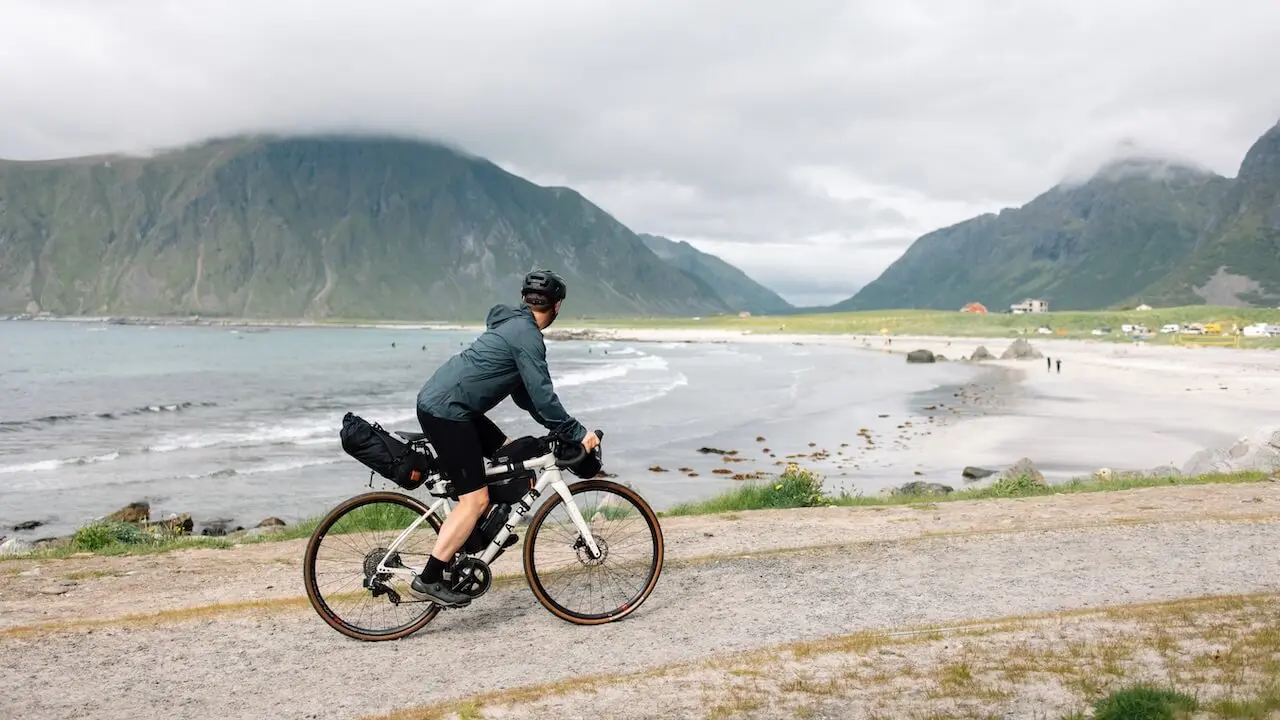
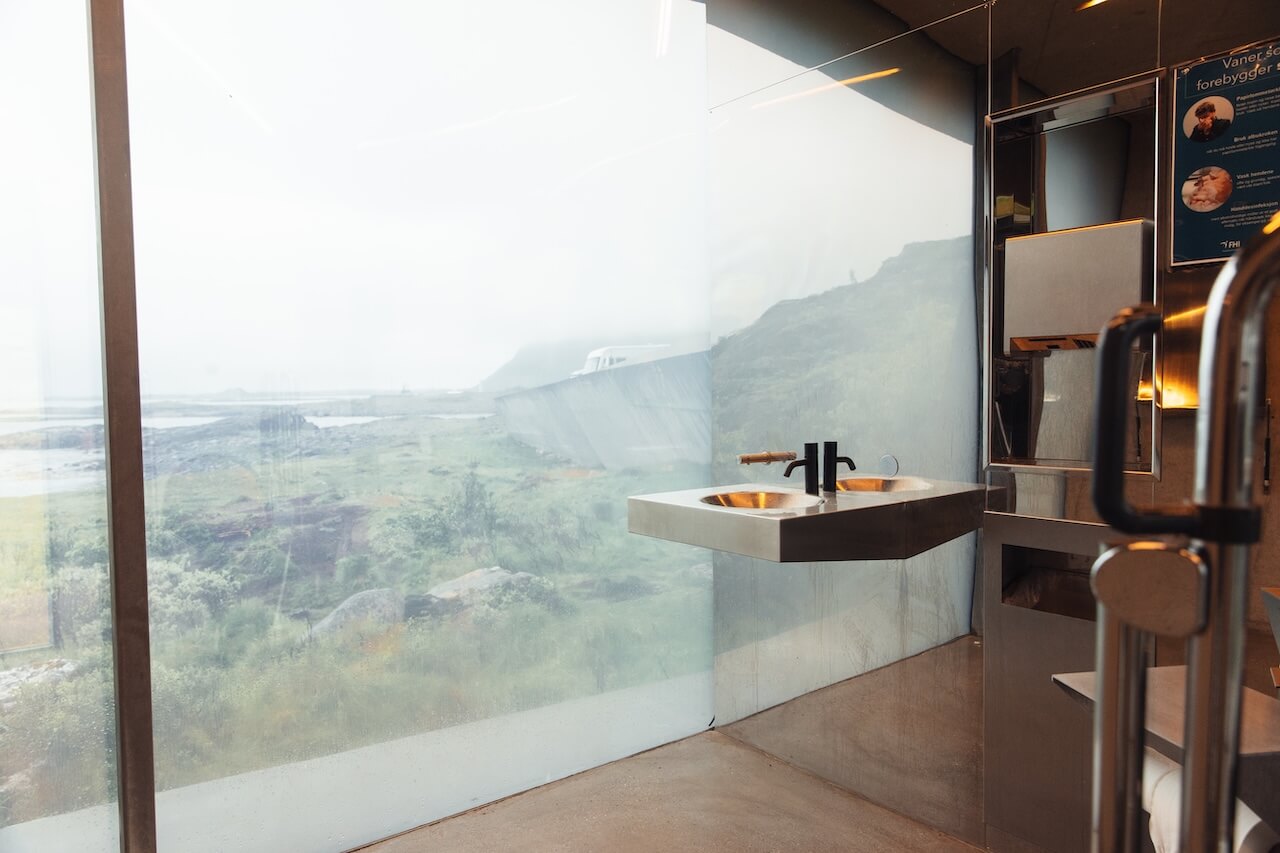
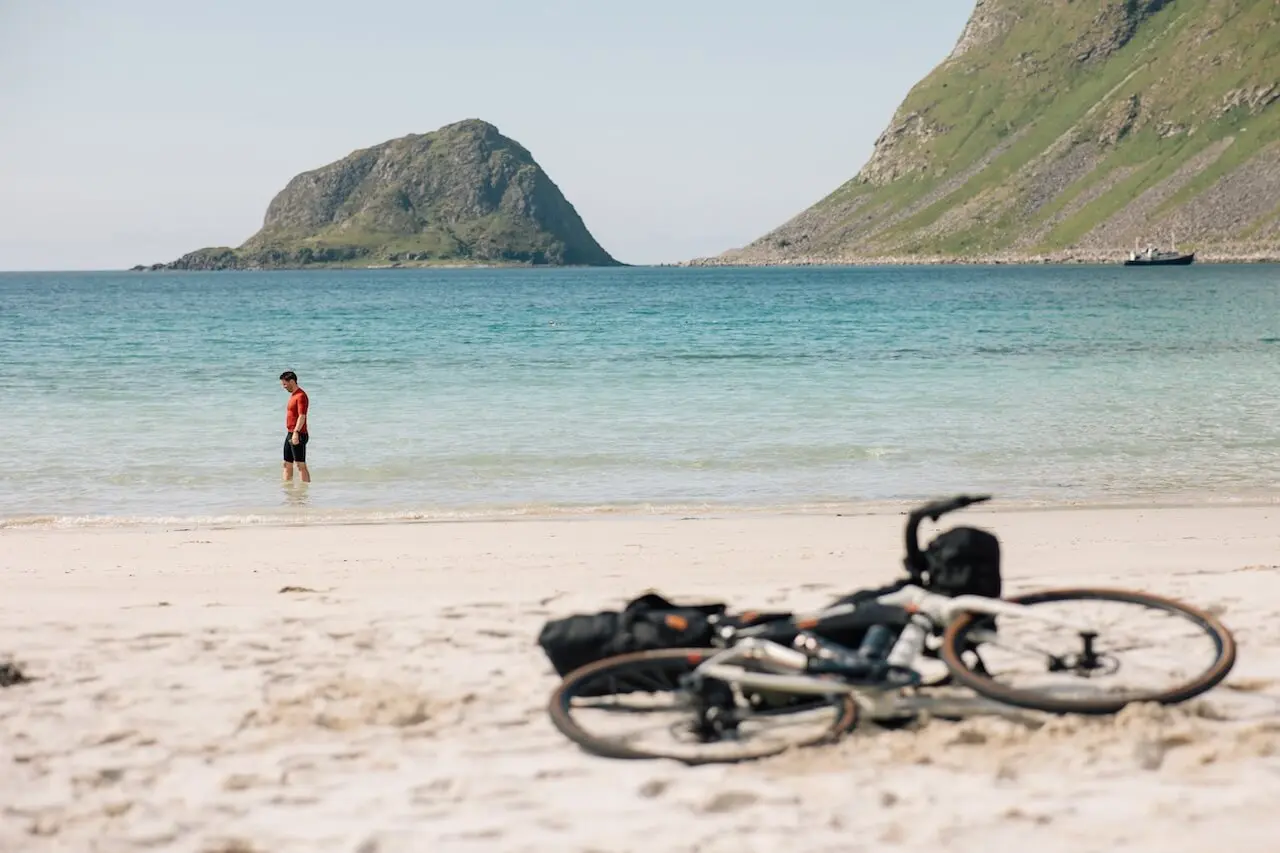
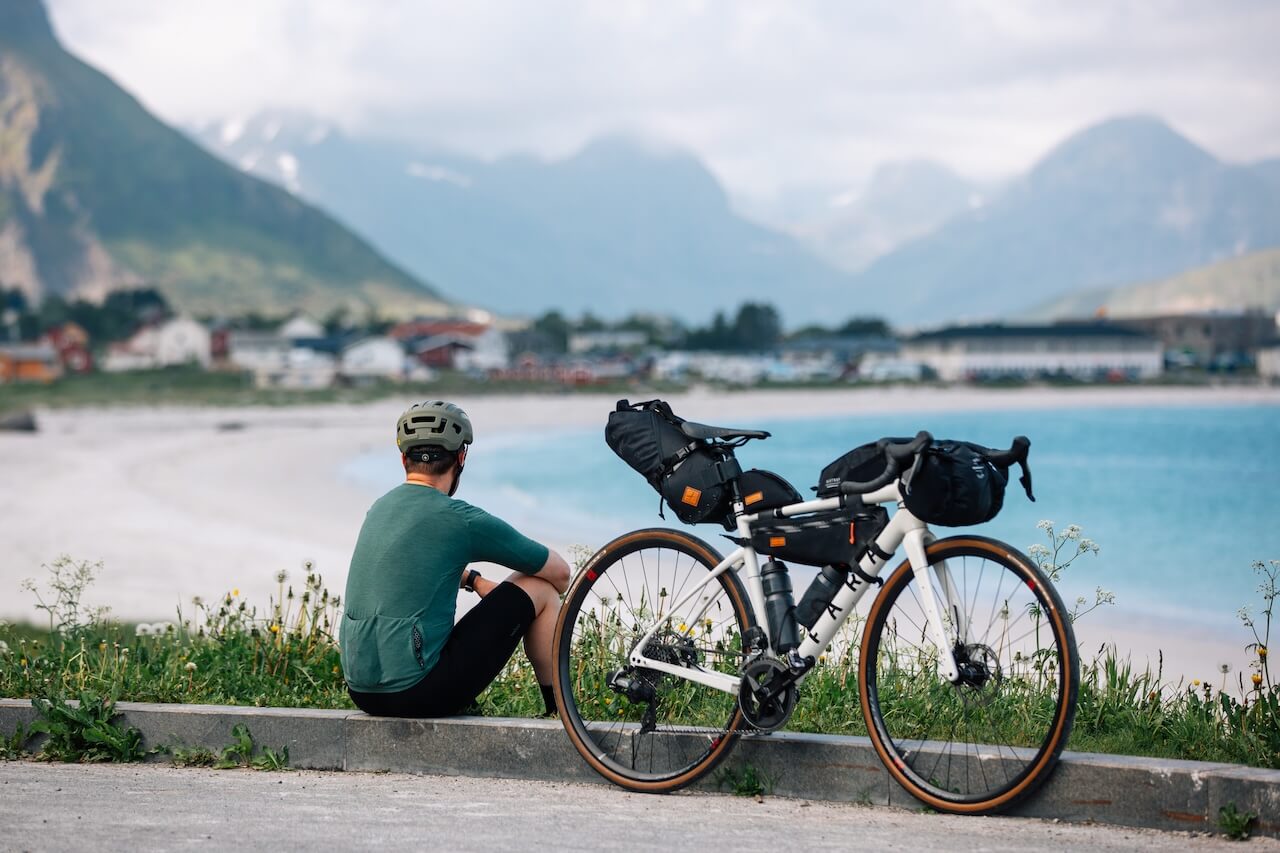
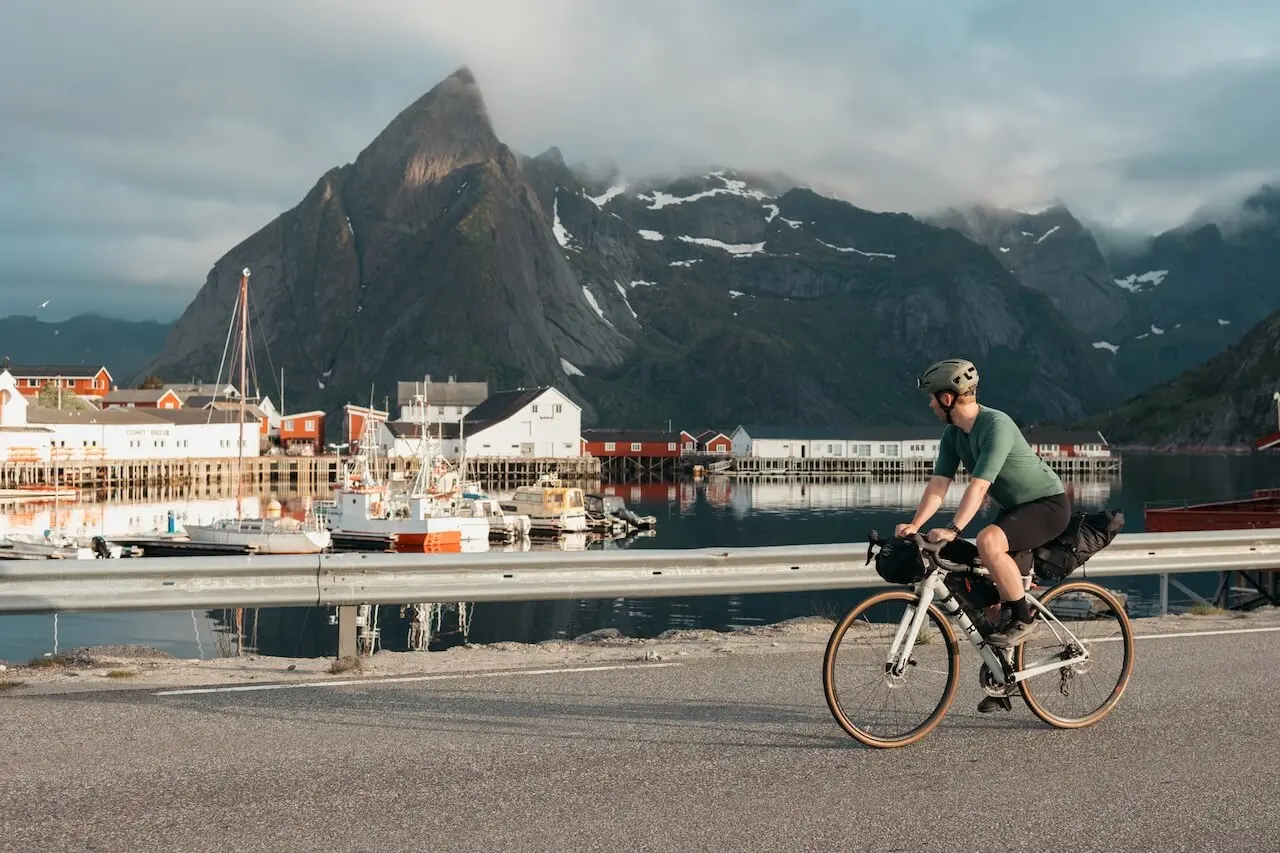
Further north comes Lofoten, Norway’s most famous cycling destination. The dramatic peaks, white beaches, fishing villages, and endless Arctic light have made it iconic among touring cyclists worldwide. However, the popularity of the islands means the main E10 road can become busy during July and early August. Many cyclists only experience the main corridor through the islands, but some of the best riding comes from taking small dead-end roads away from the tourist flow — quiet strips of tarmac leading to isolated beaches, tiny harbours, and forgotten fishing communities. These detours often reveal a far calmer and more intimate side of Lofoten.
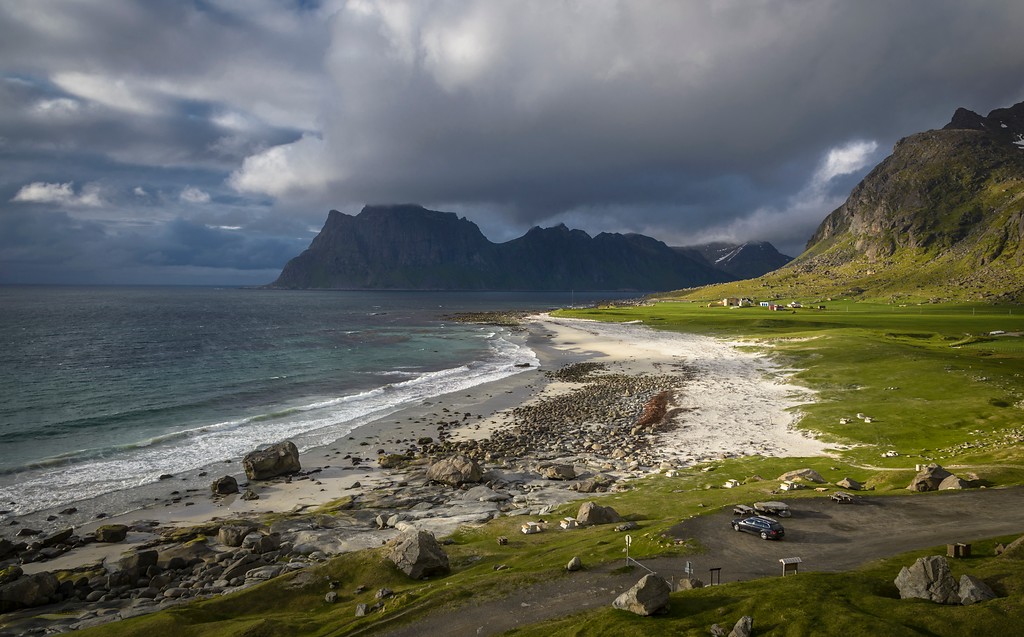
Beyond Lofoten, Andøya offers a quieter and more open experience. Long coastal roads, expansive sea views, white beaches, and rolling landscapes give this region a very different atmosphere from the sharp mountain walls of Lofoten. Traffic is usually light, and there is a feeling of space and calm that many cyclists come to appreciate after the busier tourist areas further south. On clear evenings, the low Arctic light across the coastline can be unforgettable.
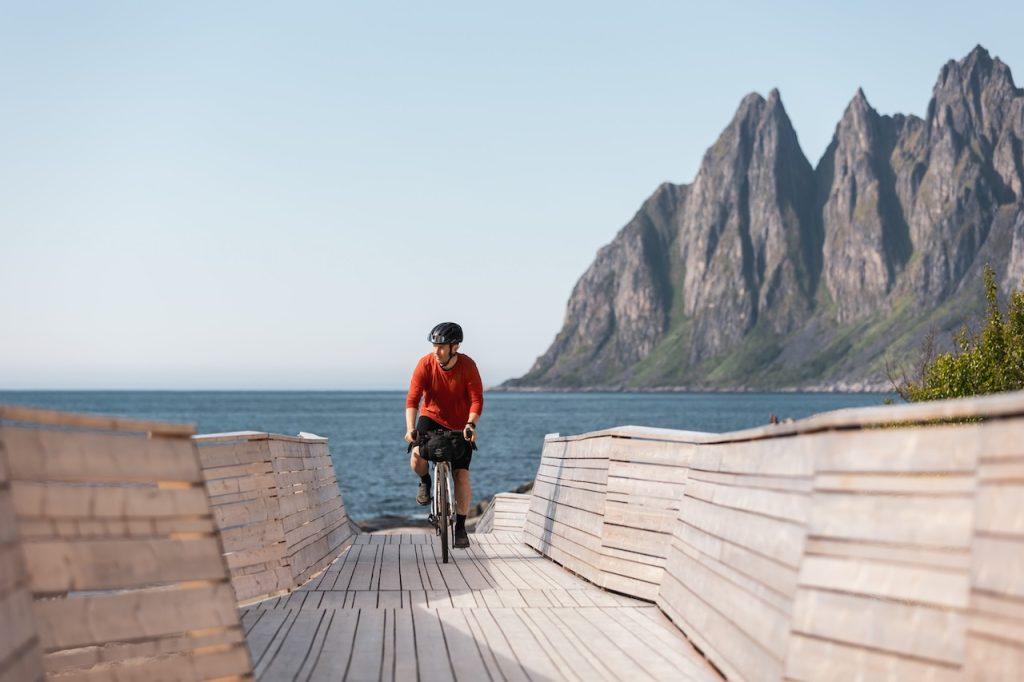
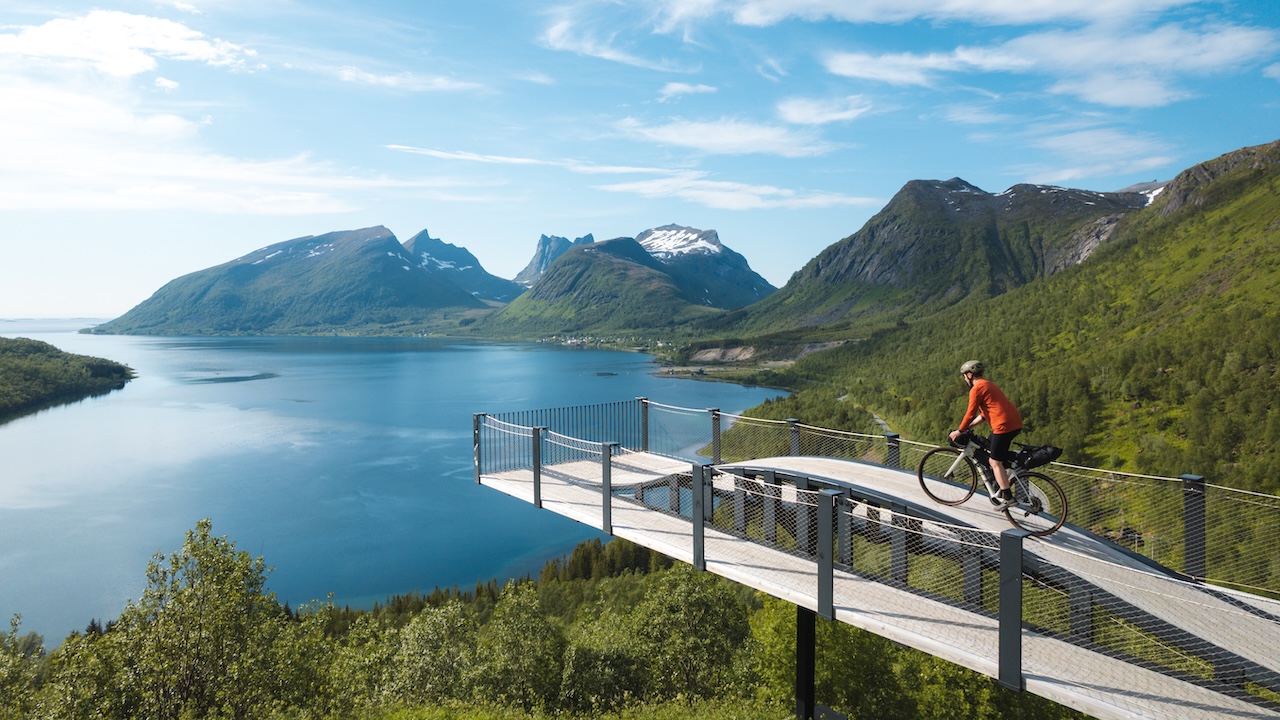
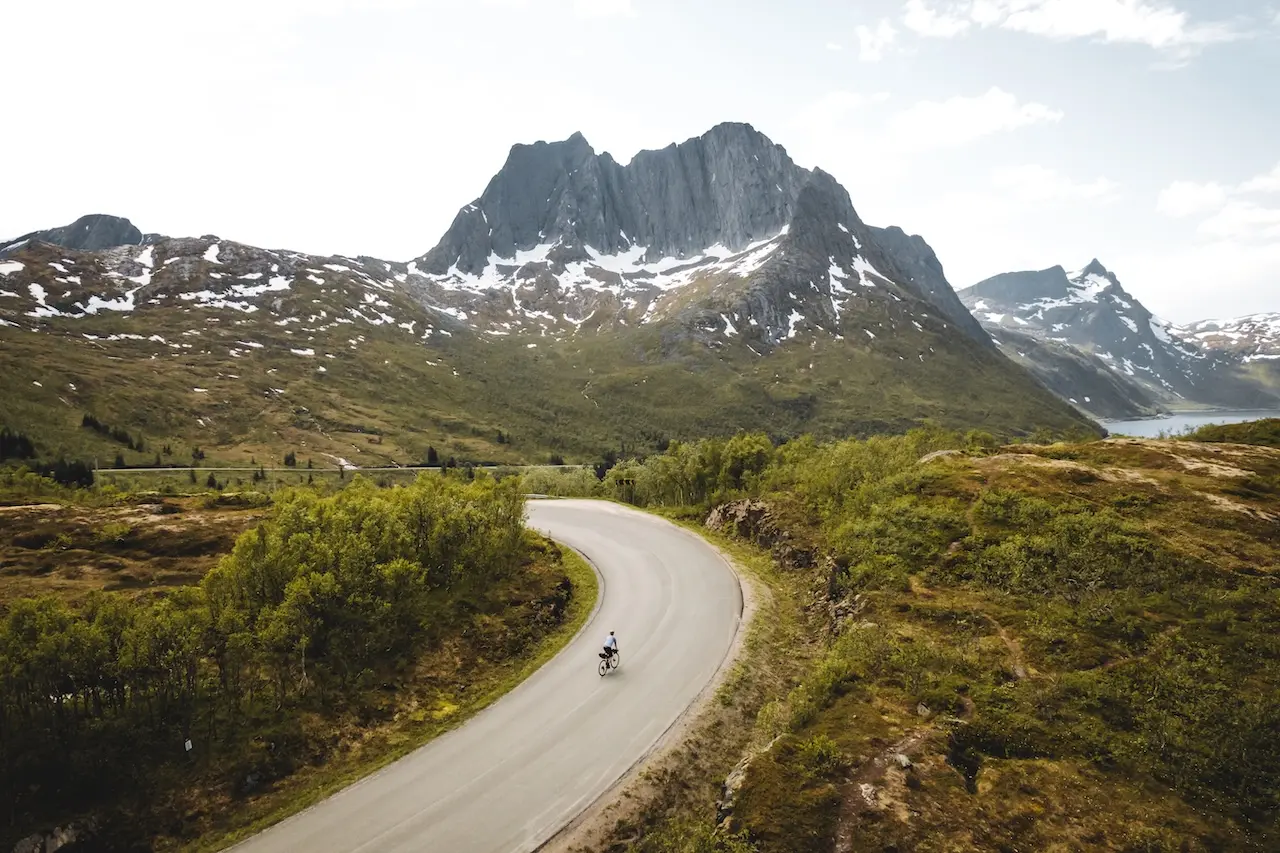
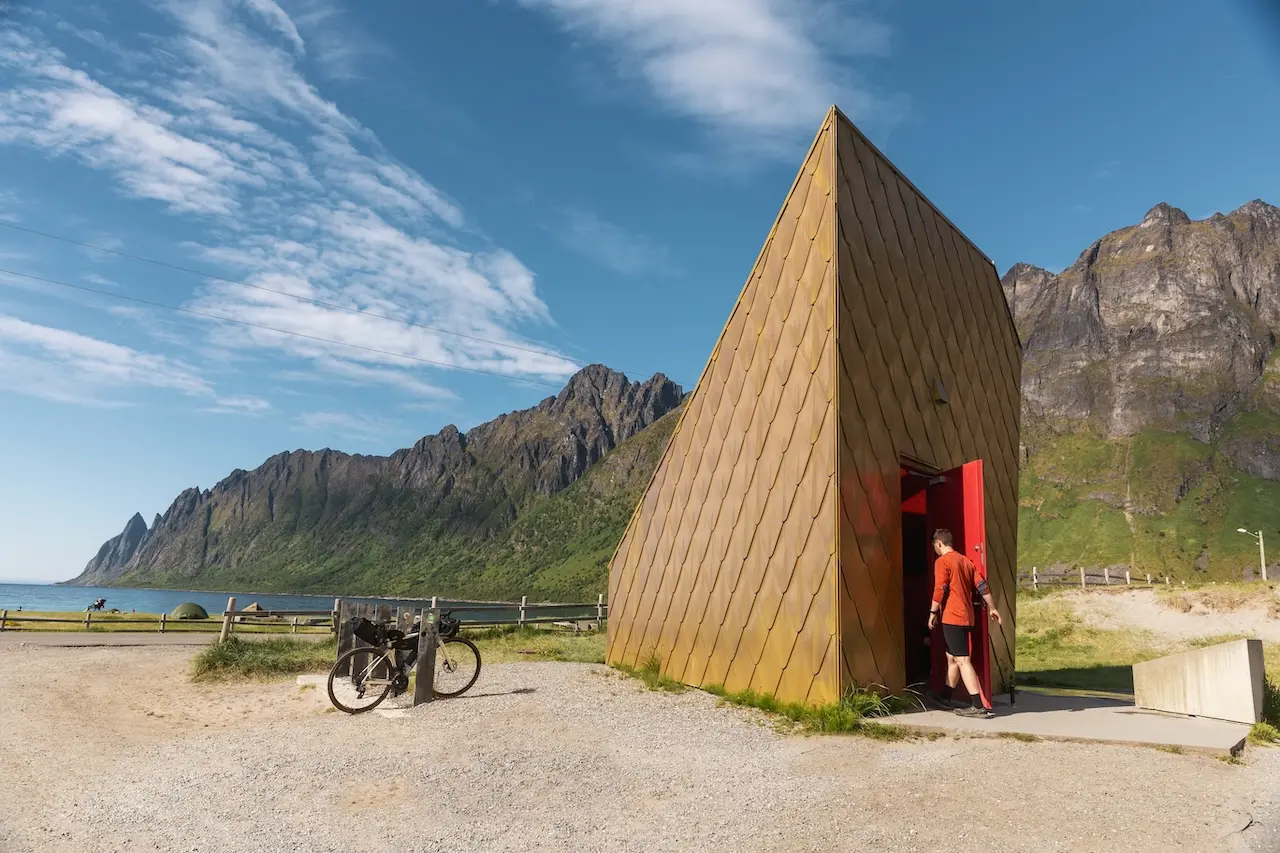
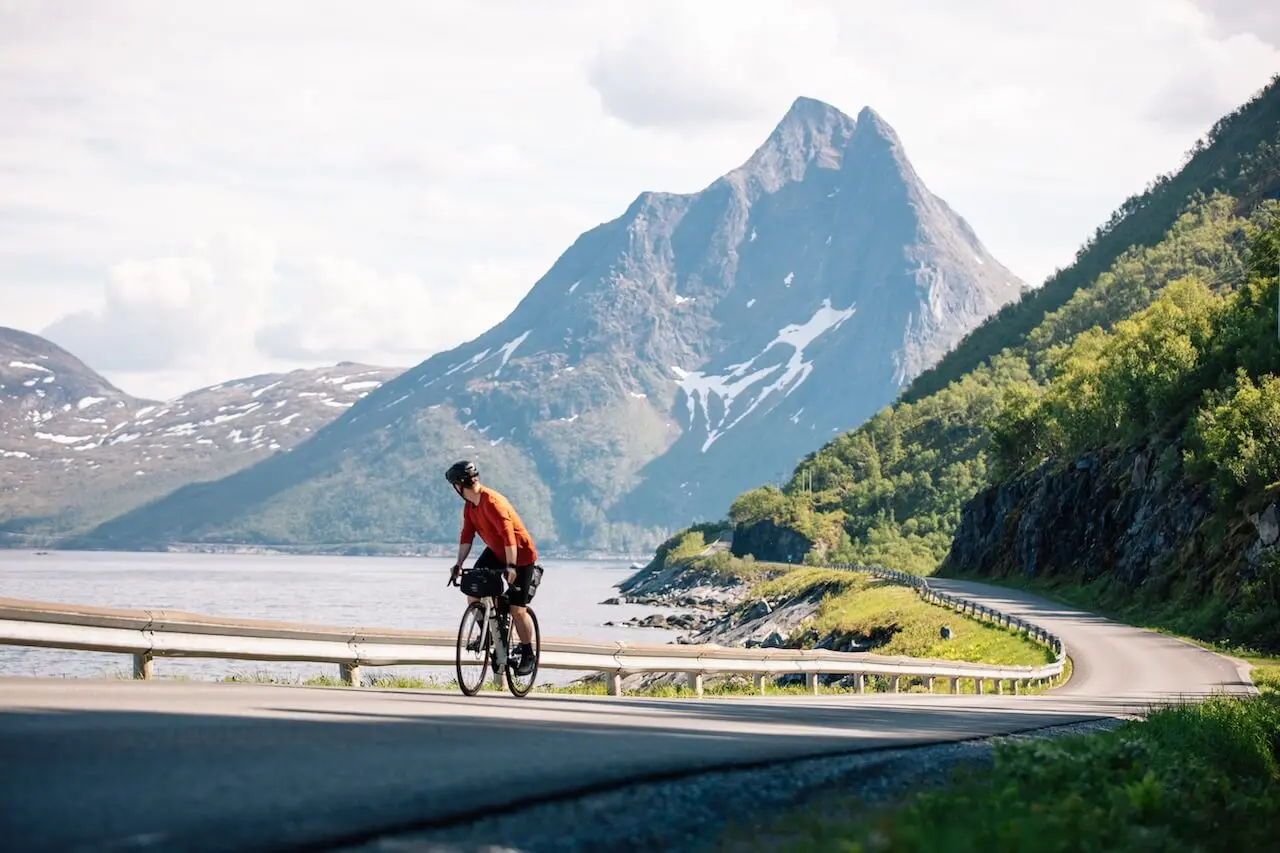
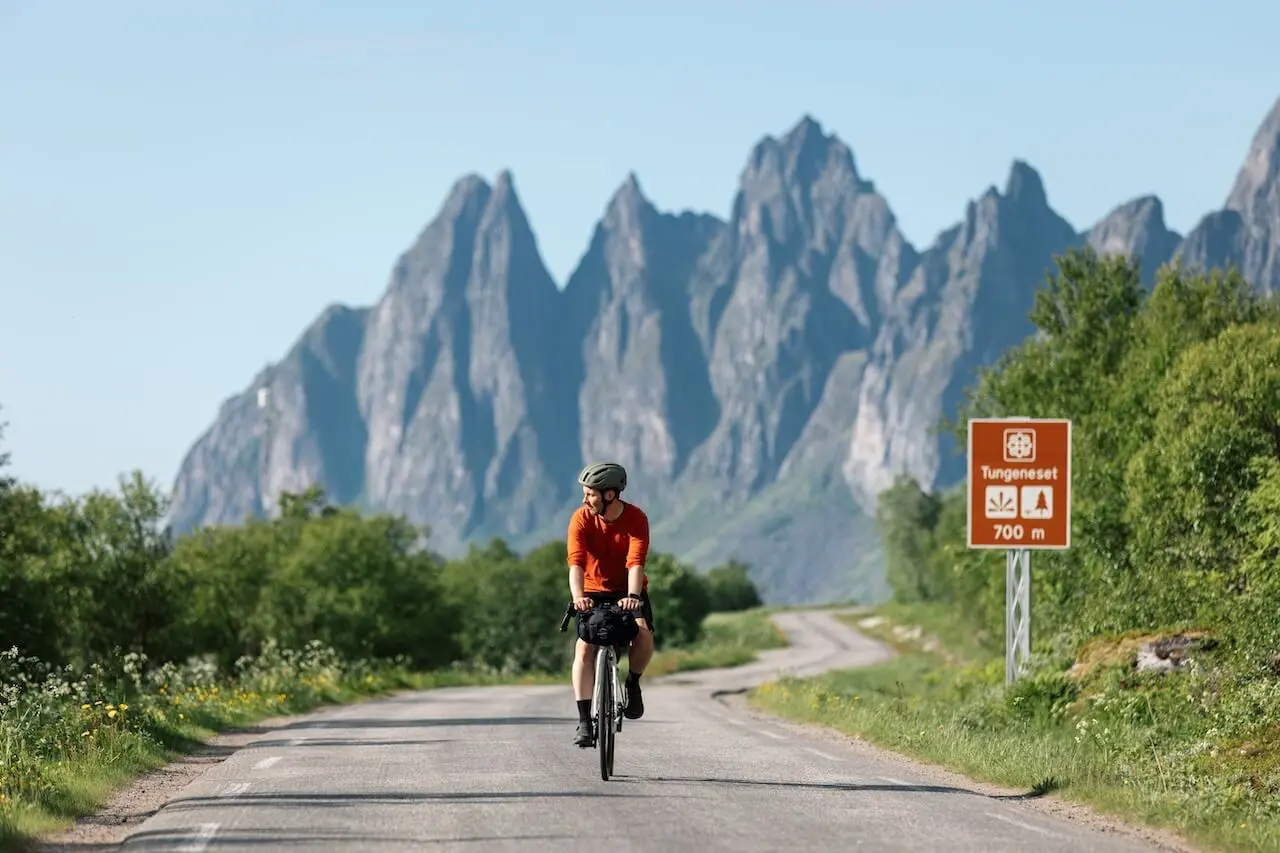
Further north again, the roads around Senja begin to feel wilder and more dramatic. Senja lacks the international reputation of Lofoten, but many cyclists end up preferring it. The island combines steep mountains, narrow fjords, and quiet roads with far less traffic. At times, the scenery feels just as spectacular, yet the atmosphere is noticeably calmer and less commercialised.
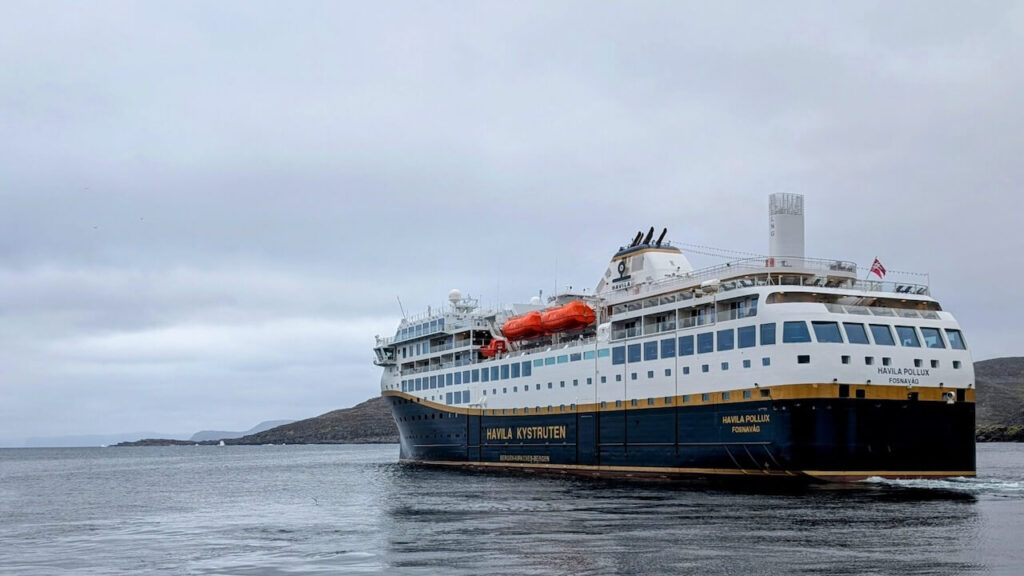
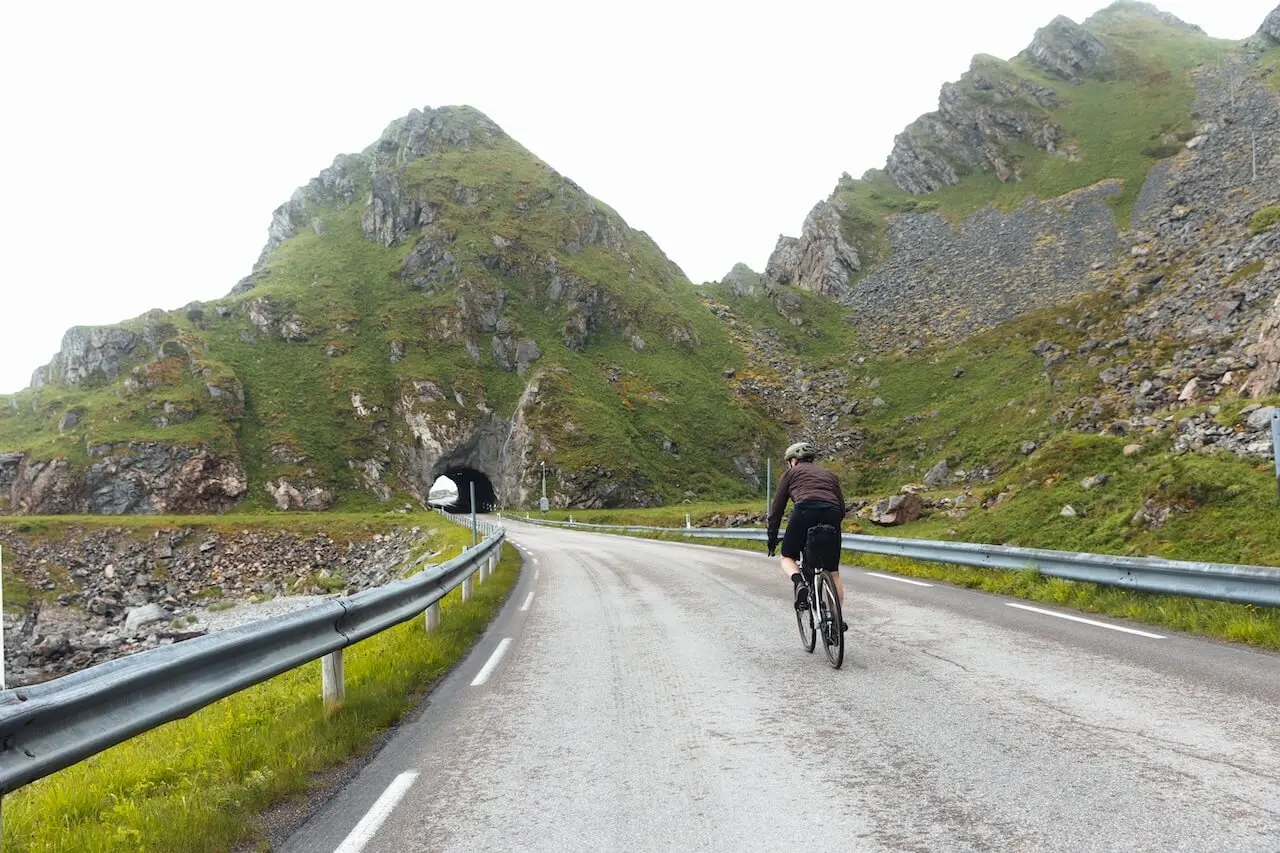
Further north still, the landscape becomes increasingly barren, exposed, and Arctic in character. The road to Nordkapp has become the symbolic goal for many touring cyclists, but it tends to overshadow the lesser-known routes nearby. Havøysund, for example, is largely ignored simply because it lies in the opposite direction of Nordkapp. Yet the road is one of the finest in the far north, winding across empty coastal landscapes with almost no traffic. If you use the Hurtigruten coastal ferry service, it becomes possible to combine both roads relatively easily as part of the Nordkapp Loop.
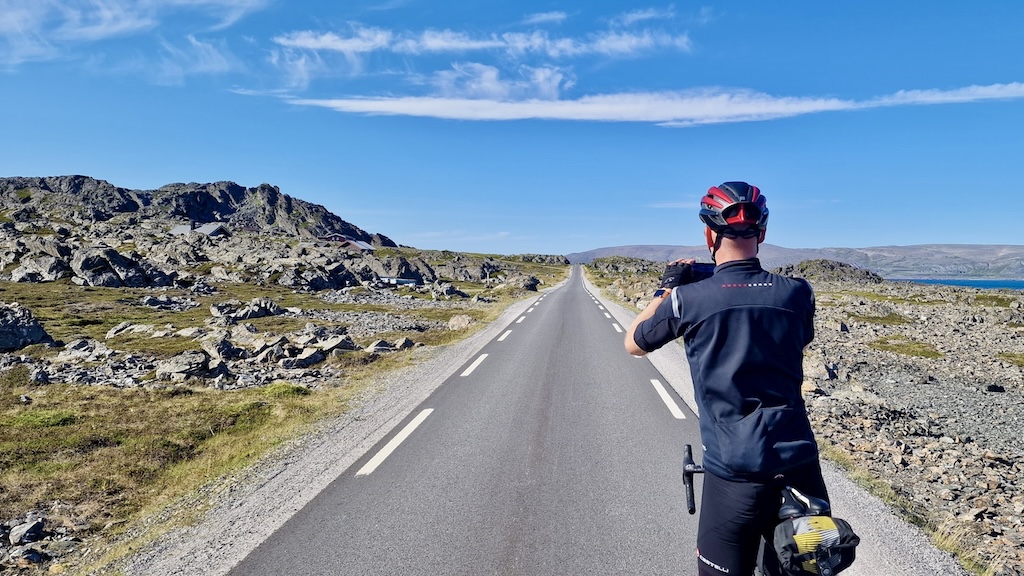
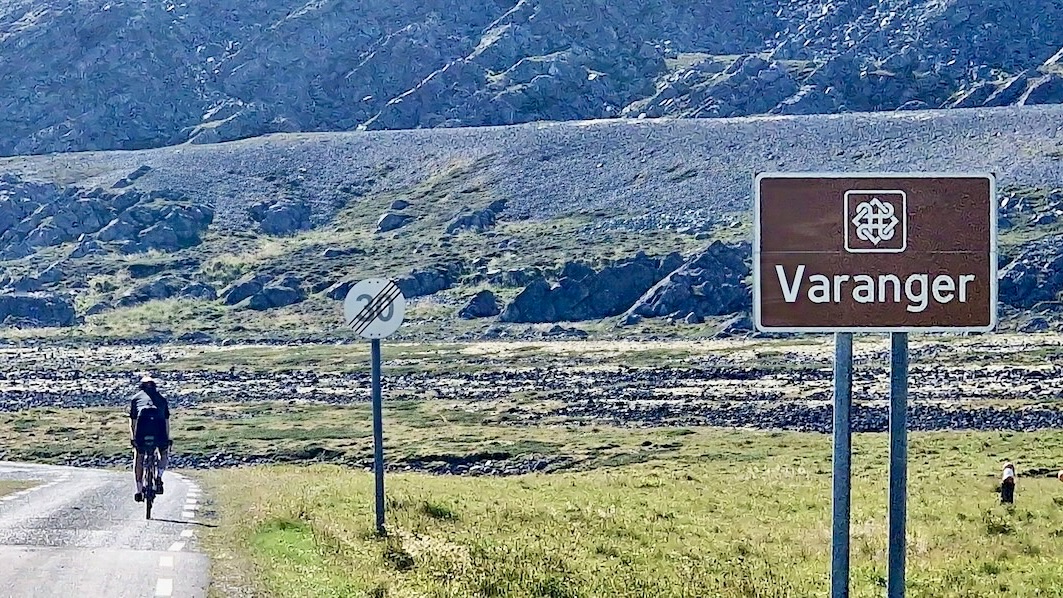
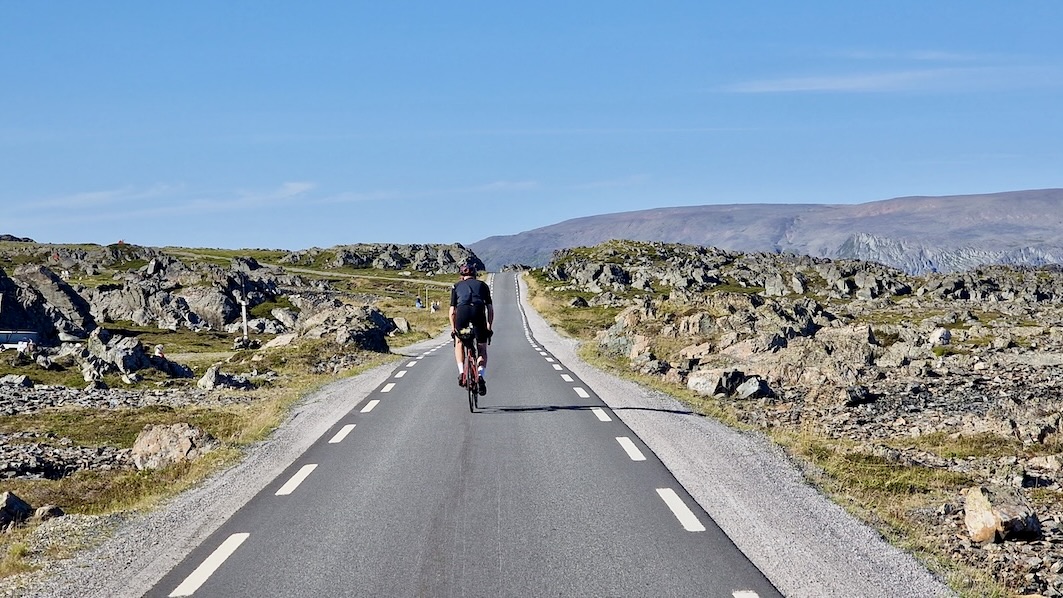
The final great northern road is Varanger. Few cyclists ever reach it, largely because of the sheer distances involved. From Tromsø, it is close to a thousand kilometres away, and even from Nordkapp there is still a huge journey eastwards across Finnmark. But those who make the effort are rewarded with something unique. The Varanger Peninsula feels isolated even by Arctic standards — vast tundra landscapes, low traffic, endless skies, and birdlife unlike anywhere else in Norway. There is a feeling at the edge of Europe here that is difficult to describe properly until you experience it yourself.
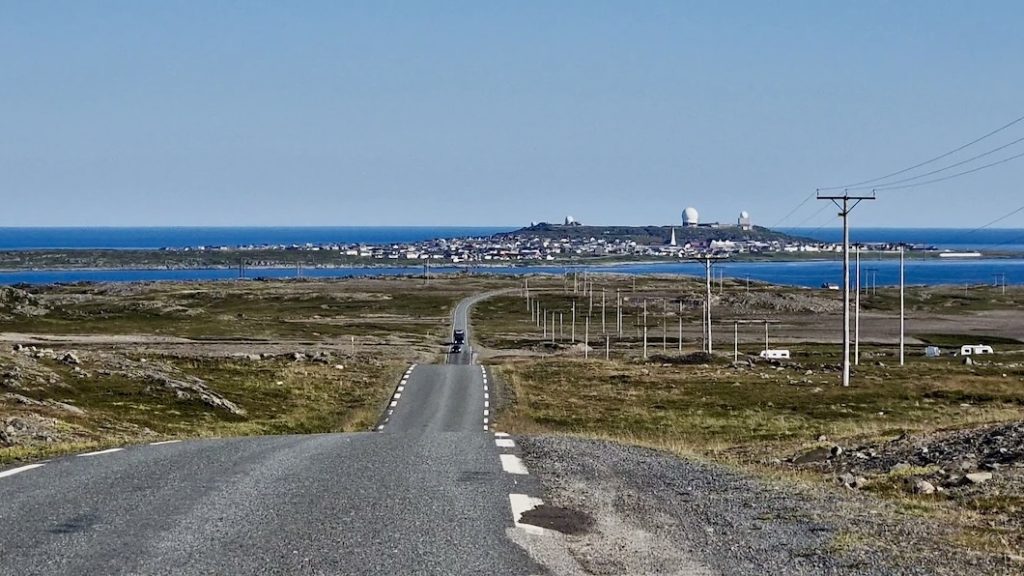
For many cyclists, southern Norway delivers the iconic mountain roads and fjords. Northern Norway offers something quieter, lonelier, and in many ways more profound. The distances are bigger, the weather harsher, and the sense of remoteness stronger. If you decide to ride all the way to Varanger, it becomes more than just another scenic route — it feels like a fitting conclusion to an Arctic journey few people ever fully experience.
The South Routes can be found here
Route map
Useful links
Booking.com – for accommodation options across Norway
Entur app – for planning public transport trips around Norway
Ferries – routes, timetables and information by Statens Vegvesen
Wild camping etiquette – important to know
Keep in mind
All cycling routes published on CYCLENORWAY.com are intended as planning resources and sources of inspiration to be used alongside your own research and judgement. Routes are created using careful research, but every cyclist has different abilities, expectations, and risk tolerance. Some challenging gravel routes may include hike-a-bike sections, muddy or wet hiking paths, technical terrain, steep climbs, descents, or remote areas that may not be suitable for everyone. Route mapping software, and conditions can also change or contain inaccuracies. Cycling in Norway is generally very safe. Nevertheless, if you choose to ride these routes, you do so at your own risk. If you are unsure about a certain route leave a comment below and we’ll advise you.





Leave a Reply