




Last Year’s Triumph
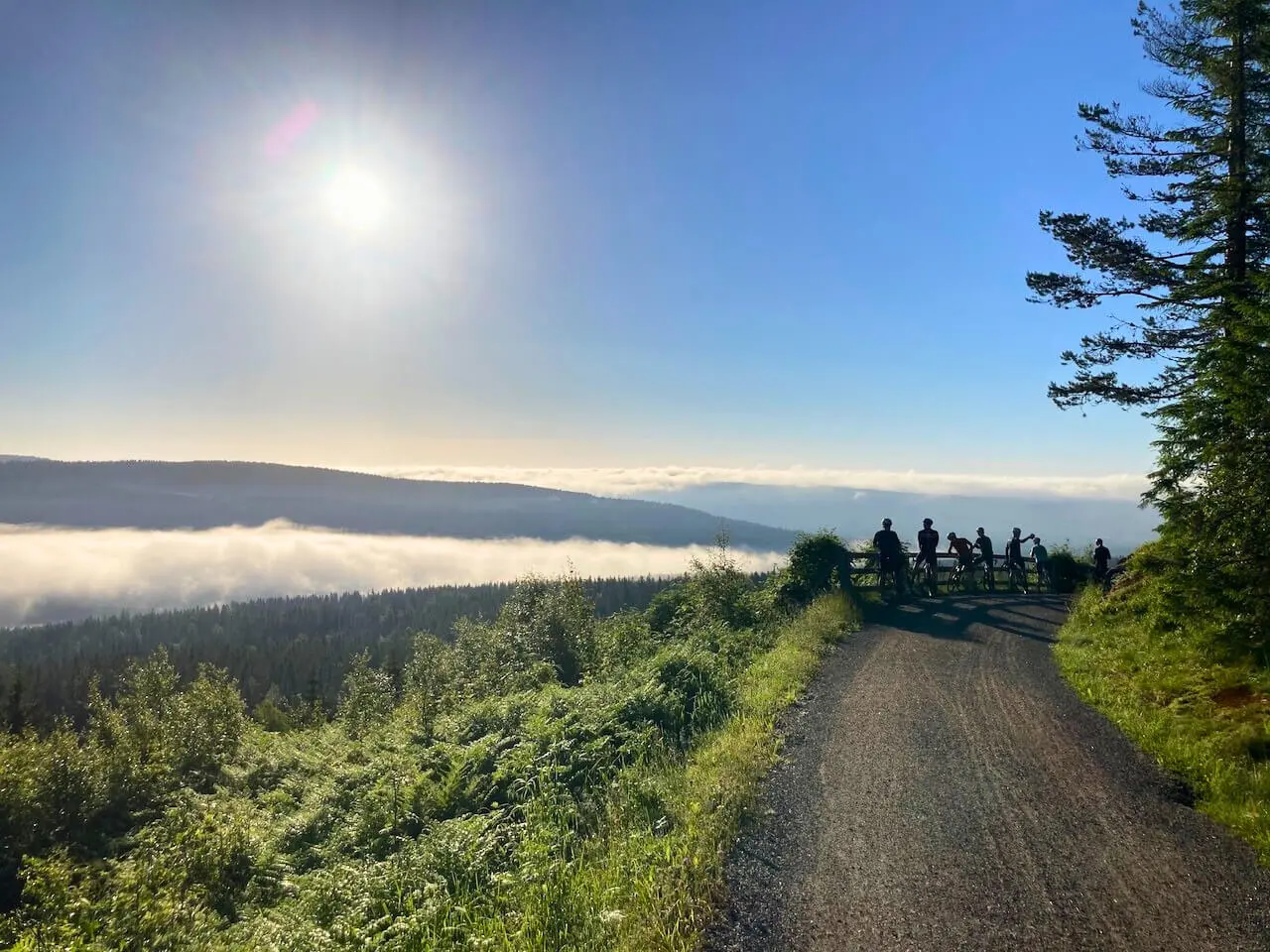
The inaugural Oslo Cycling Week, held in late August and early September, revealed what can happen when a city’s cycling community takes the lead. Organised by a small volunteer team: Hans Flensted-Jensen, Åse Lindersen, Petter Bodman, and Fredrik Norman of Oslo Dawn Patrol, the festival grew out of nothing more than local knowledge, borrowed time, and a love of riding. It wasn’t polished with big budgets or glossy promotion, but that was its strength. Riders showed up early in the morning, stayed late into the evenings, and filled the week with energy, laughter, and shared miles. What emerged was more than a schedule of events; it was proof that cycling culture in Oslo has roots, depth, and momentum.
“We felt Oslo was missing a cycling festival – the city has such a vibrant cycling community and so much enthusiasm,” says Hans Flensted-Jensen. “Oslo Cycling Week was created to bring together commuters, racers, families, hipsters, gravel riders and any kind of cyclist you can imagine in one shared celebration. The idea is simple: why not explore cycling together and build community across different groups?”
Text by Matthew Tolley, photos provided by the Oslo Dawn Patrol Community

Why Oslo Needed Its Own Cycling Week
As you may have guessed, Oslo Cycling Week wasn’t drafted in a municipal office or packaged by a marketing agency. It came from riders who saw a gap. The city has bike paths and the state issues endless sustainability reports, but there was nothing that actually stitched the community together. No occasion that made cycling visible as culture, not just transport. The week filled that gap: early mornings on the road, long rides into the forest, evenings of talks and stories, a living expression of what cycling in Oslo already is.


Hans Flensted-Jensen from Oslo Dawn Patrol, together with a handful of local riders, had a vision but nothing tangible. They had no budget, no staff, and no state-backed safety net. What they did have was deep knowledge of the routes, a strong rider network, and a passion for cycling powerful enough to get people out of bed at 05:40 for a group ride. From that spirit, Oslo Cycling Week was born – and last year’s success showed just how well the formula works.

The reason this matters is simple: the state can’t create culture. Government can build roads and set speed limits, but it can’t summon the spirit that makes riders get out of bed in the dark to join friends on wet Oslo streets. Culture is built by individuals who care, who know the roads and the people, and who are willing to give their time freely. That’s why Oslo Cycling Week feels authentic; it belongs to the riders, not the municipality.


What’s on the Calendar This Year

To put it mildly, there’s a lot happening. This year’s Cycling Week has doubled in size, with something for everyone: casual group rides, thought-provoking talks, velodrome sprints, even a “how to look good on a bike” session. And not least, an introduction to bikepacking with an overnight campout in the Nordmarka forest. Mark your calendar for 1–7 September 2025, when Oslo Cycling Week rolls out. Click here to see the full program.
The Nordmarka Overnighter – Oslo’s Wild Backyard
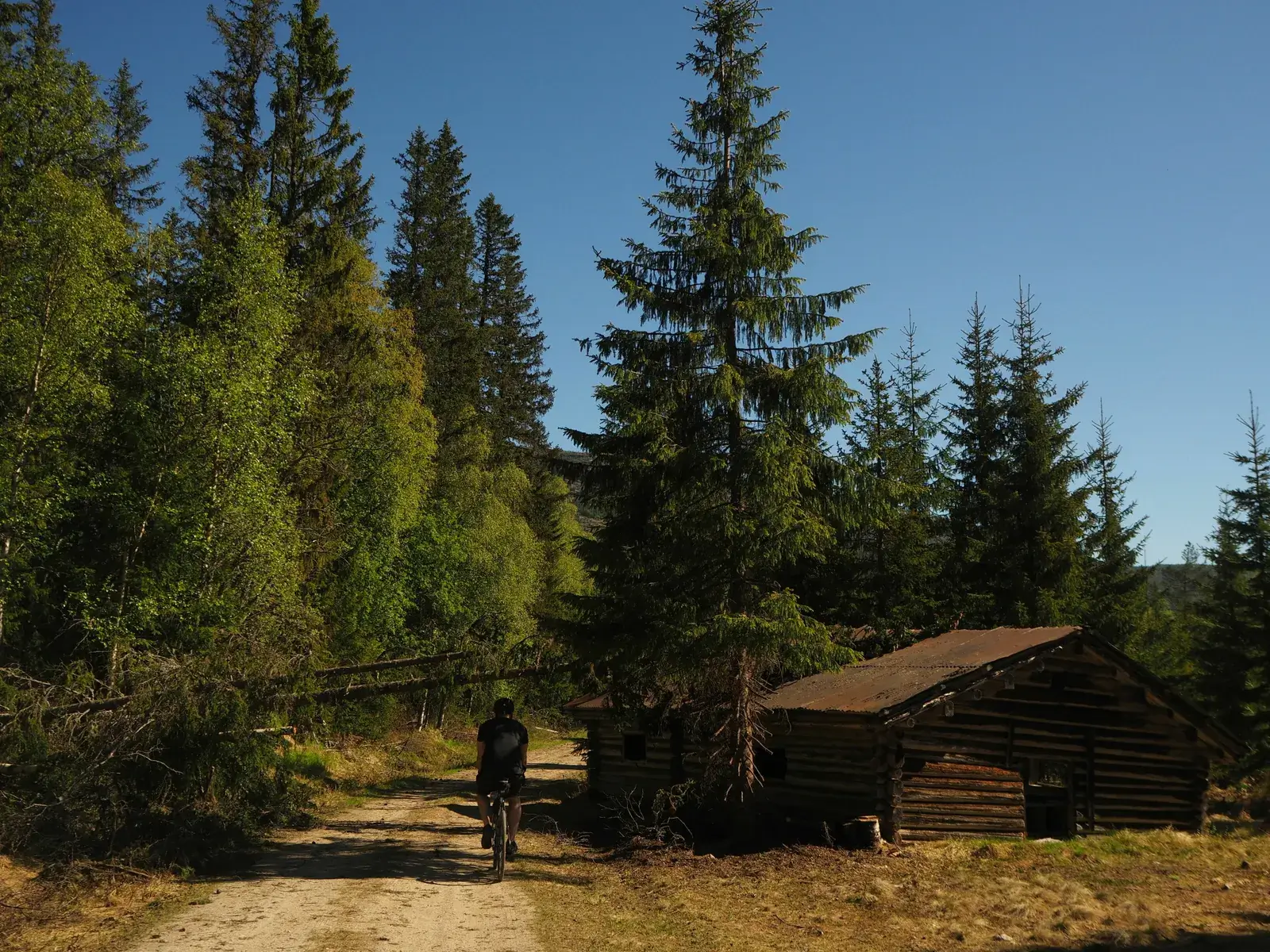
The highlight of the week for Cycle Norway is the Nordmarka overnighter, this year hosted by Bikeshop. For those coming from abroad, Nordmarka might sound like a national park hours away. In reality, it’s Oslo’s wild backyard. The moment you leave the tramlines and suburbs, you’re in forest: lakes, gravel roads, cabins, and endless space. In the middle of a European capital, you can be riding gravel tracks in total silence within half an hour.

The overnighter takes full advantage of that. Riders pack light, roll out of the city together, and climb into the forest. As daylight fades, the group pitches tents or bivvies by a lake. There’s free food, a campfire, and the kind of conversations you only have when you’ve left phone reception behind. No stage, no DJ, no barriers, just a community of cyclists experiencing Oslo at its most raw and rewarding. In the morning, you pack up, roll back down to the city, and are home in time for breakfast. Sign up here

For international riders, this is something rare. Few capitals in the world can offer a seamless transition from city streets to real wilderness. And few festivals would dare to end with a camping trip run entirely by volunteers. That’s the point. Oslo Cycling Week is proof that the best parts of cycling culture aren’t delivered from above; they grow from the ground up.
Why It Deserves Support
Right now, events like this rely on individuals with knowledge, passion, and skills. People like Hans and his crew know the roads, understand the riders, and have the trust of the community. But relying on volunteer labour forever isn’t sustainable. If the state is serious about cycling as transport, health, and culture, then supporting events like Oslo Cycling Week should be obvious. The return is far greater than another painted bike lane or glossy brochure: it’s a real community, real experiences, and a stronger cycling identity for Oslo.

Until then, it falls to individuals, and maybe that’s why the week feels so genuine. It isn’t polished, it isn’t commercial. It’s riders shaping their own story of what cycling in Oslo should be. We salute everyone involved and hope many people will attend the events to show their support and build on what has been achieved already. See you on the road!




Leave a Reply