



DISTANCE
ELEV.GAIN
DAYS
UNPAVED
DIFFICULTY
IDEAL TYRES
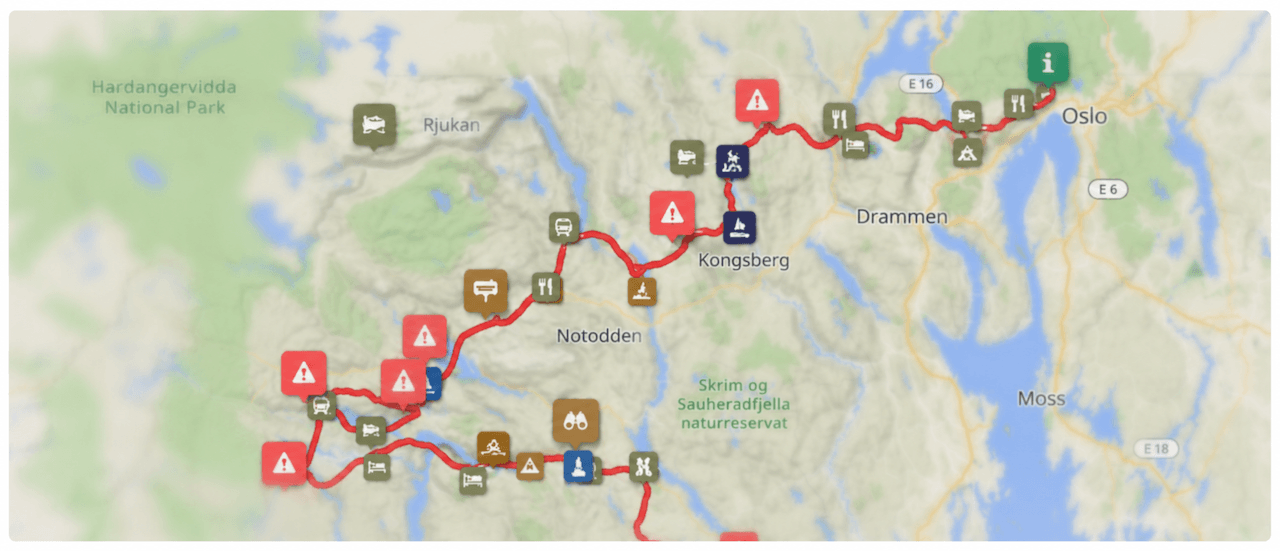
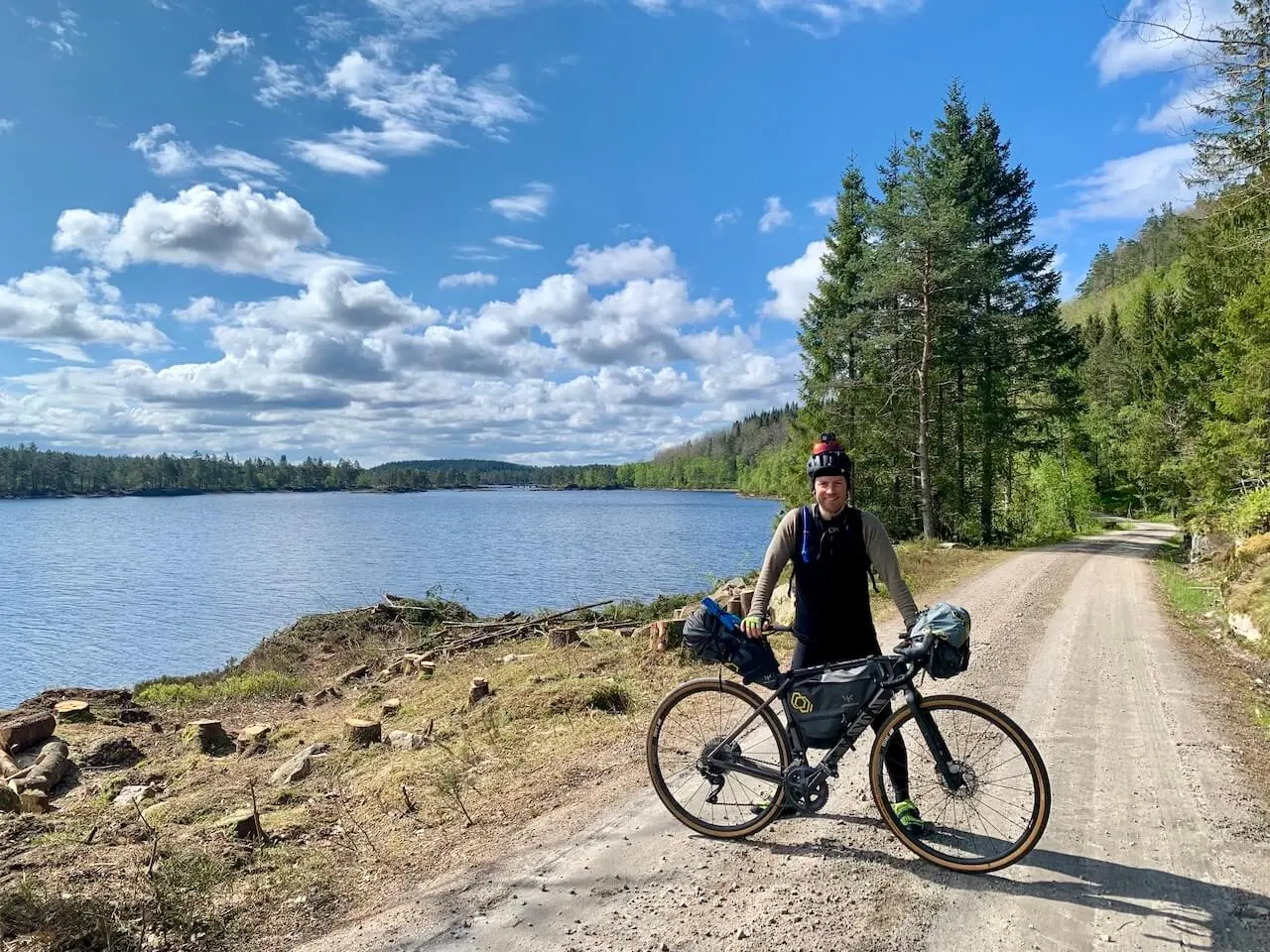
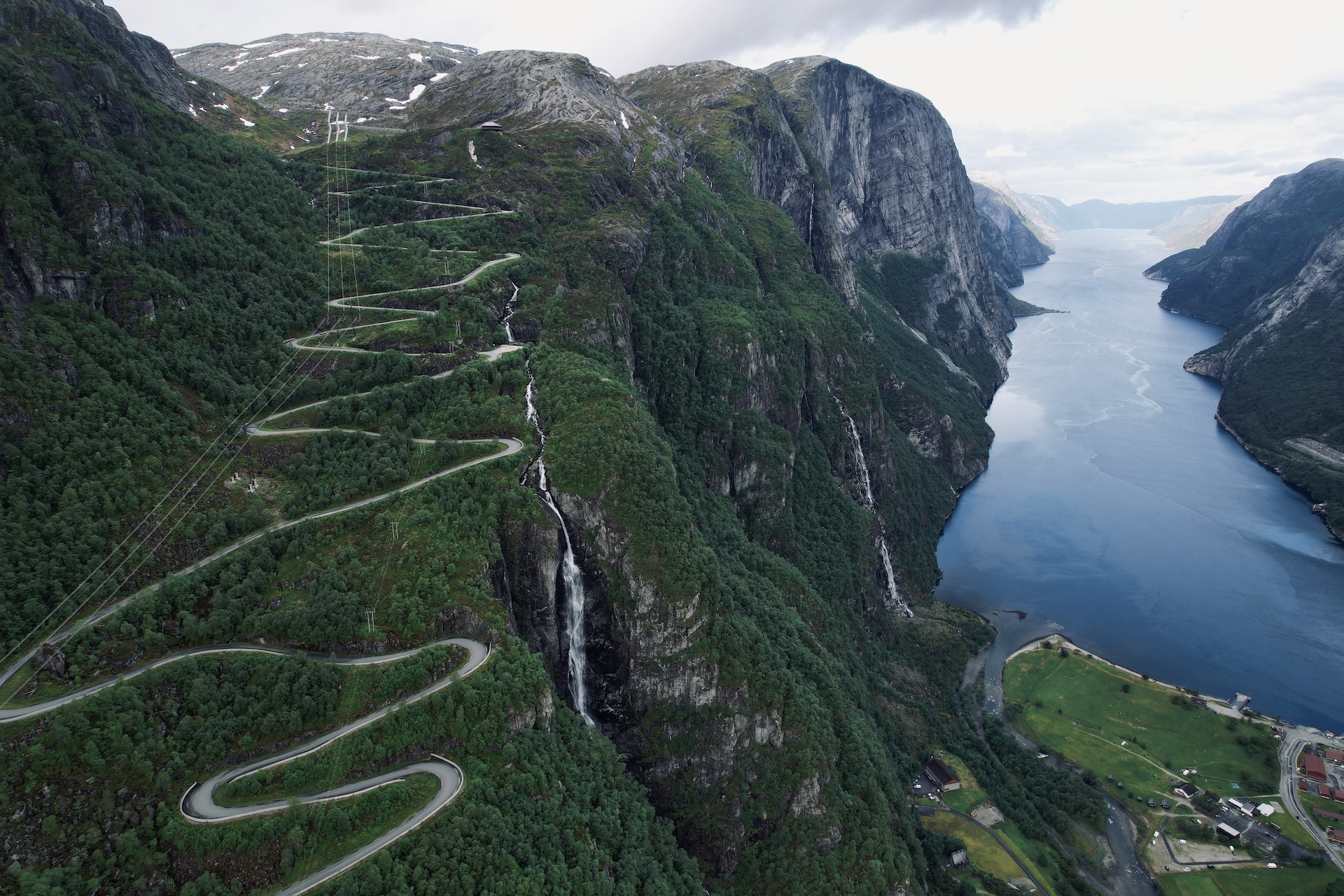
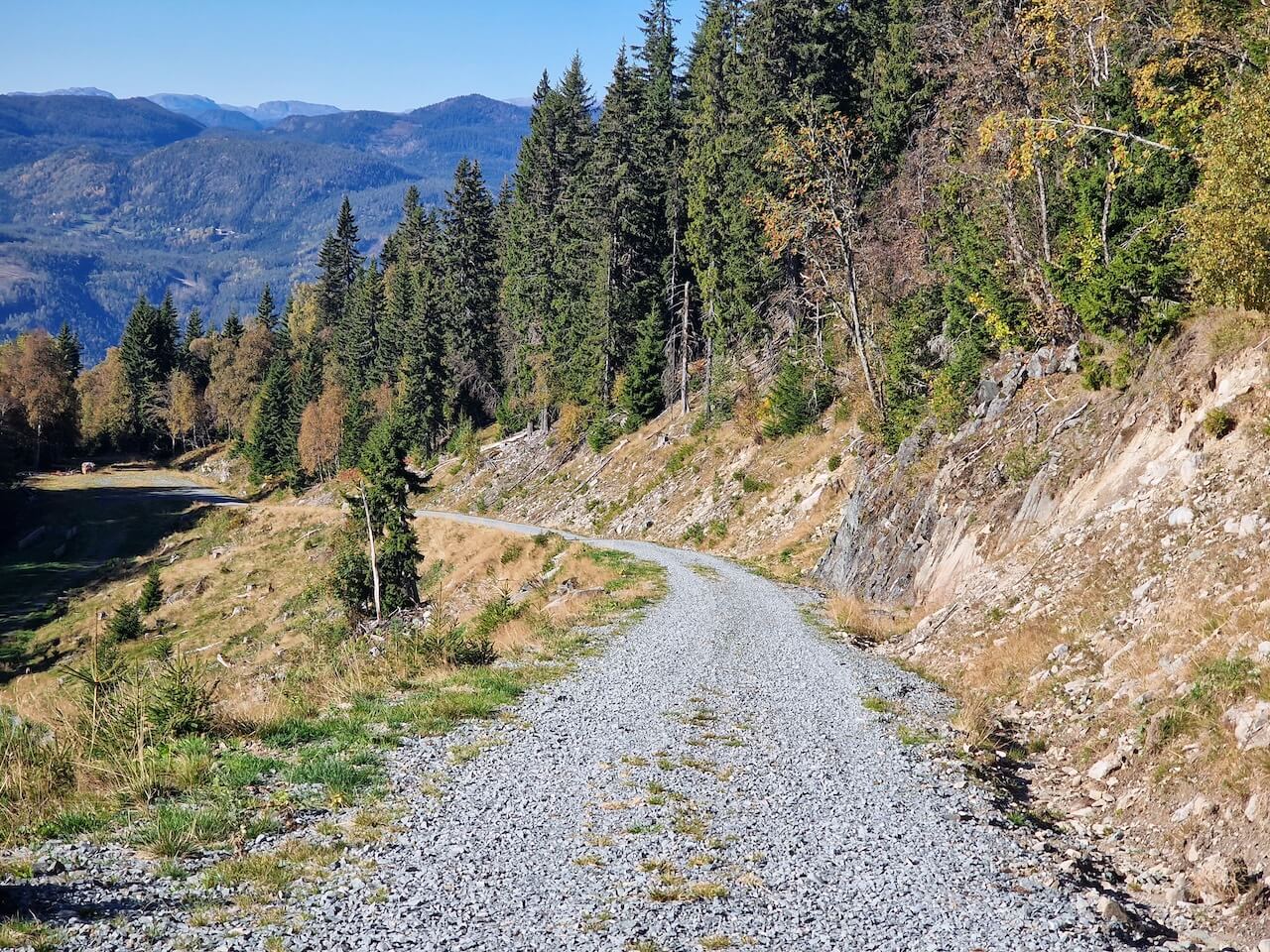
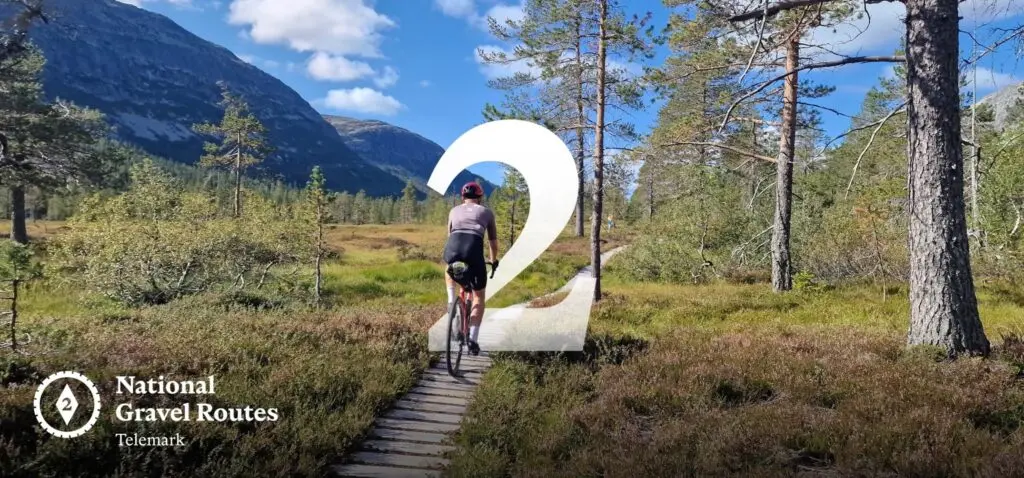
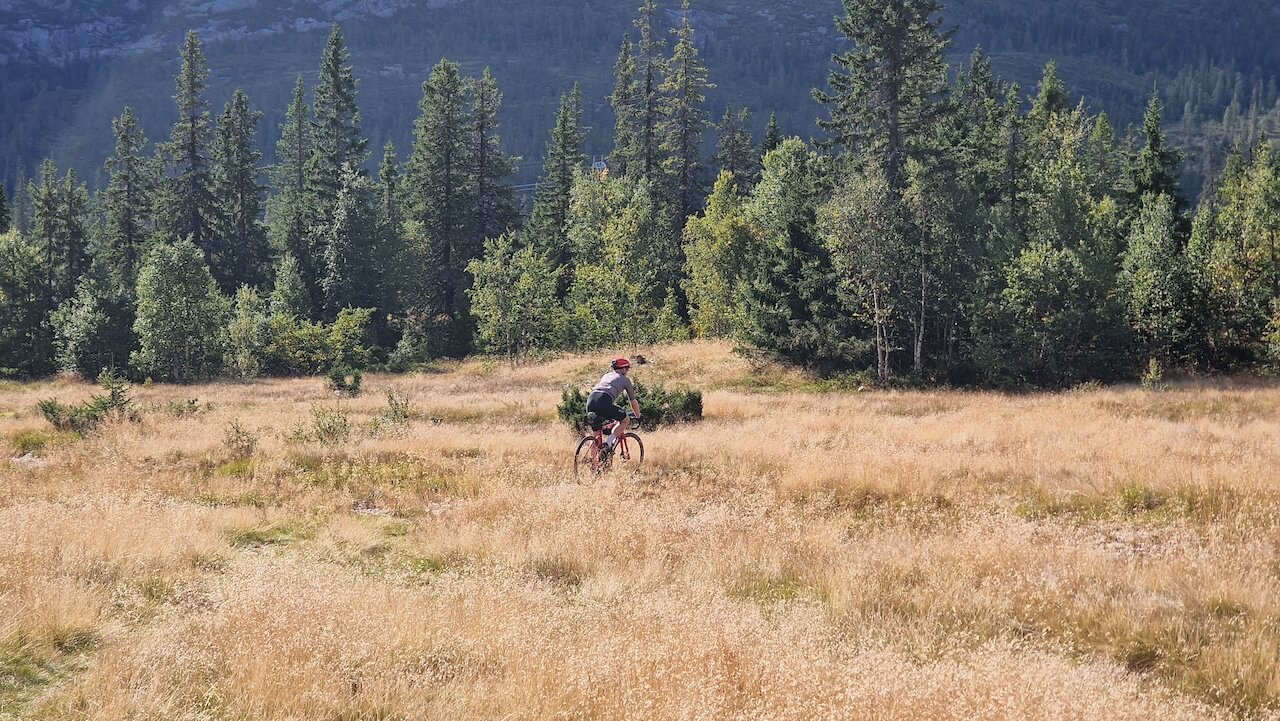
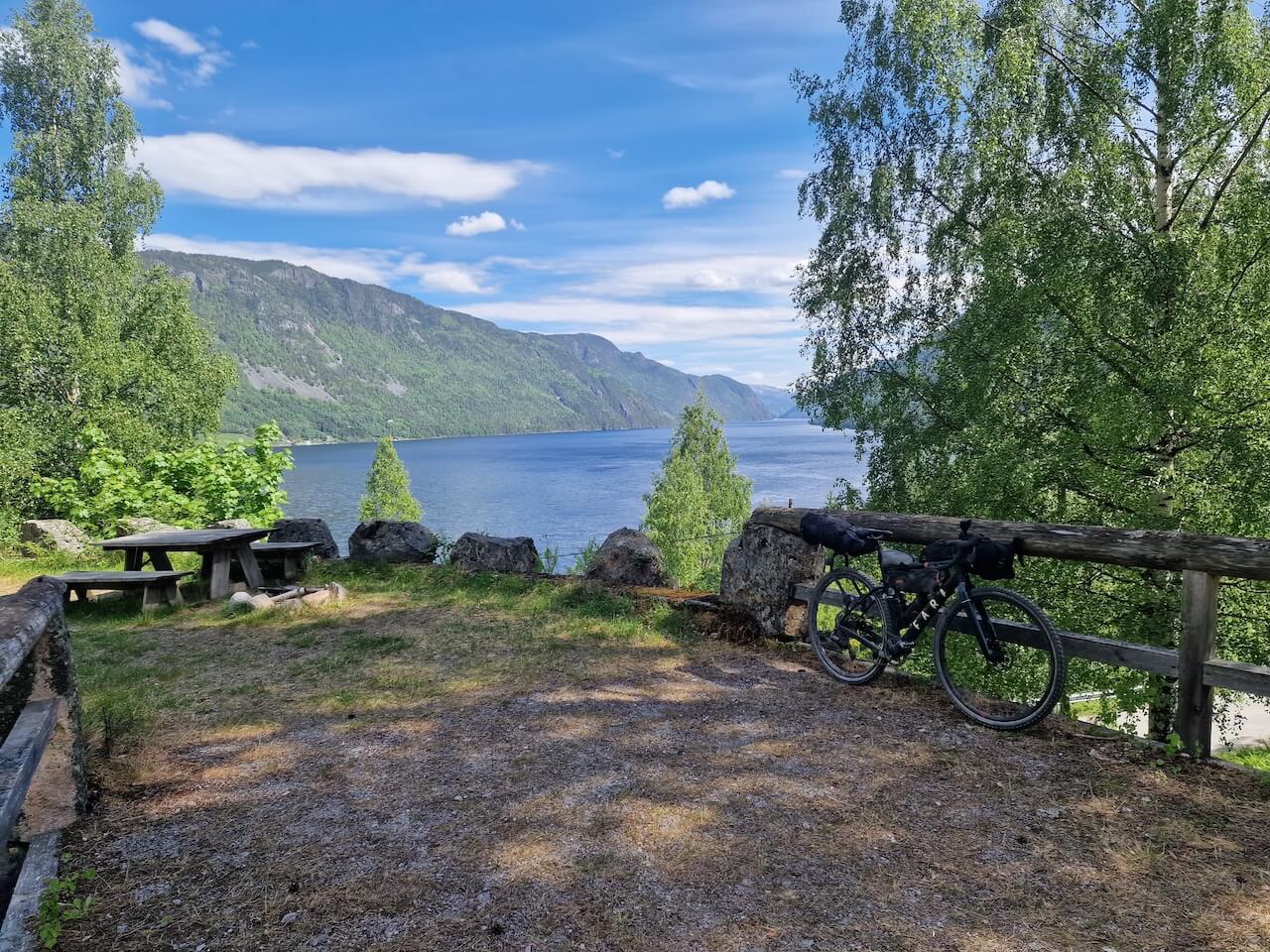
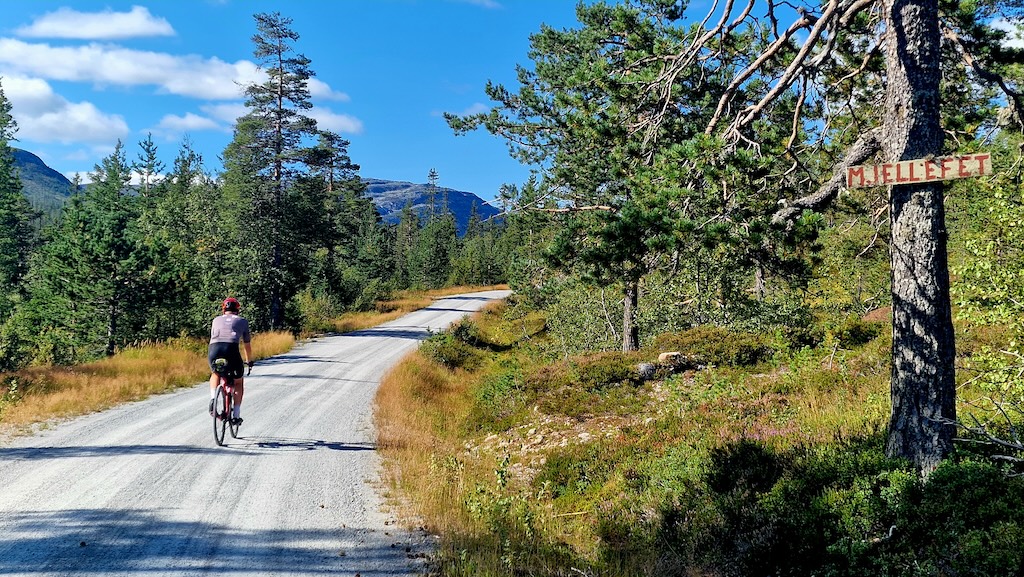
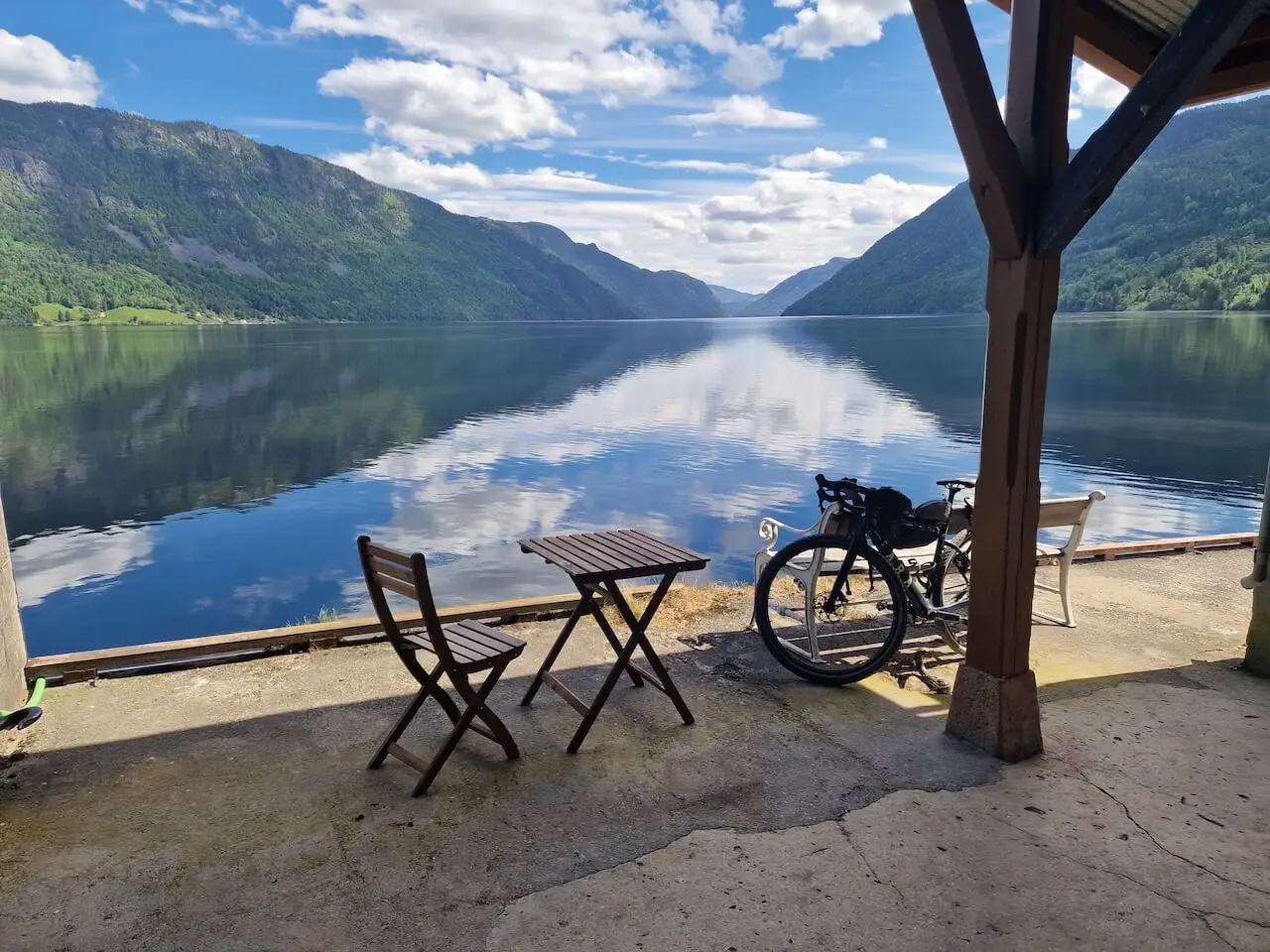
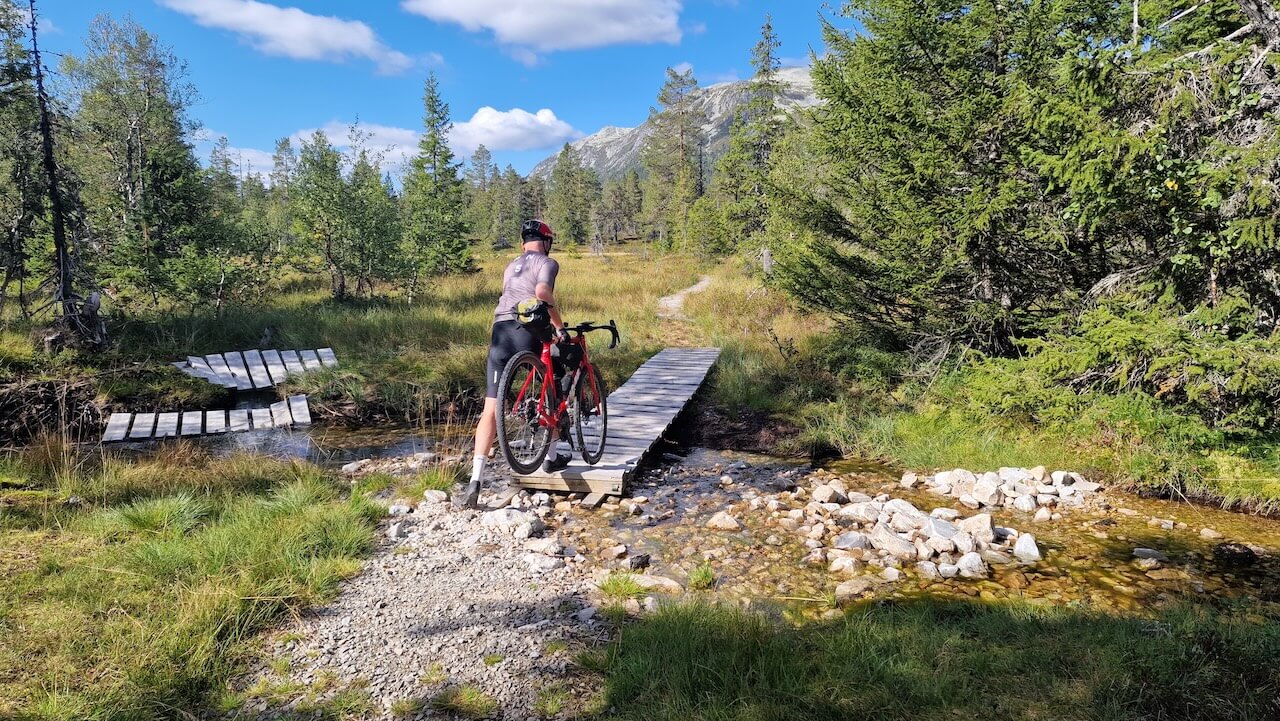
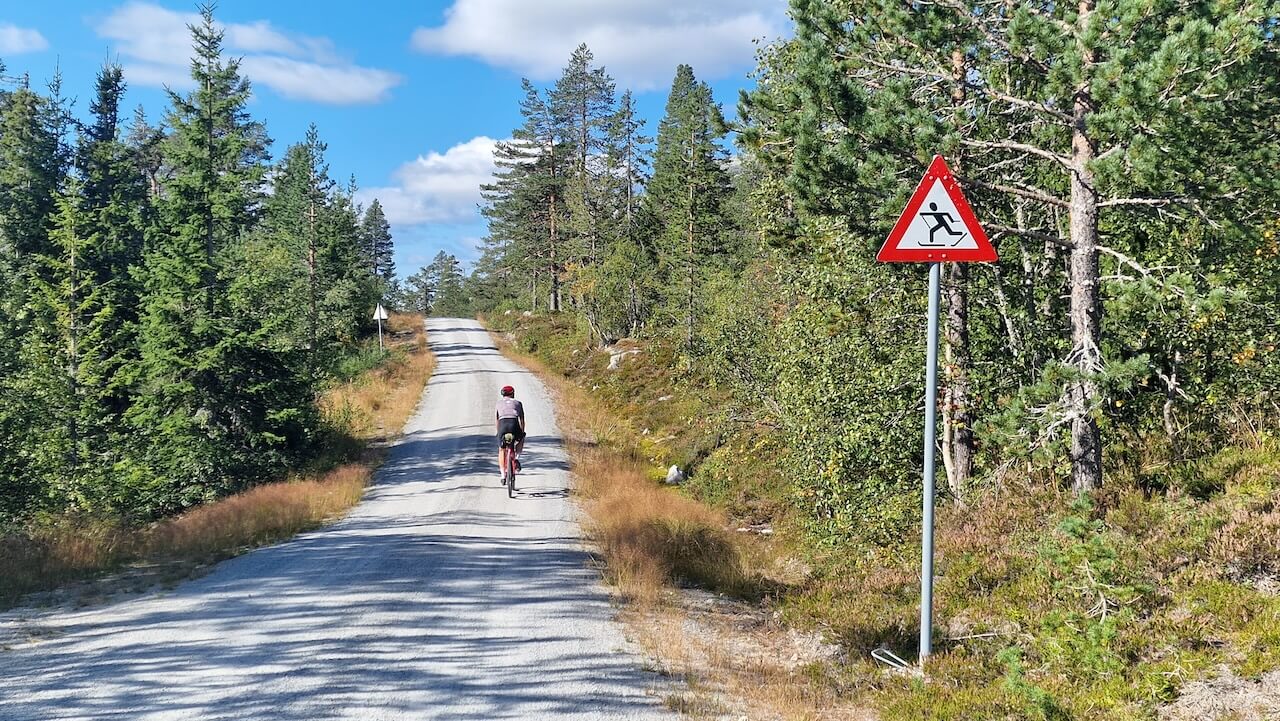
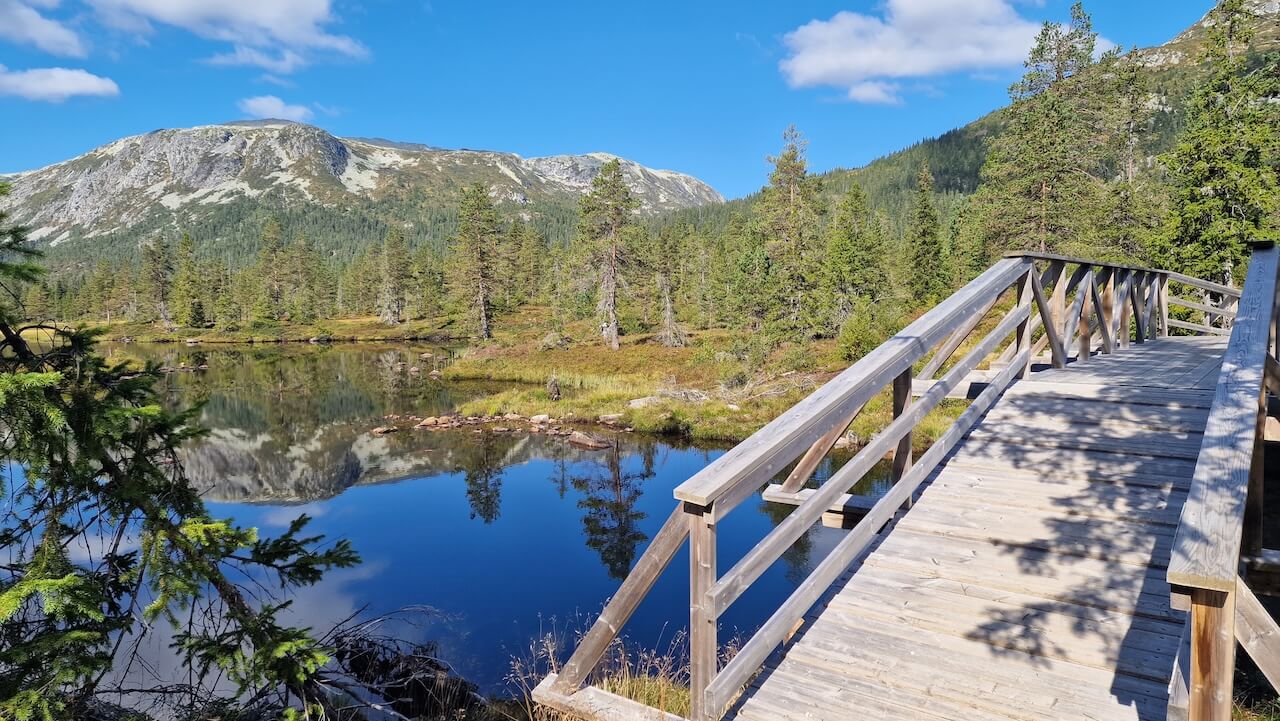
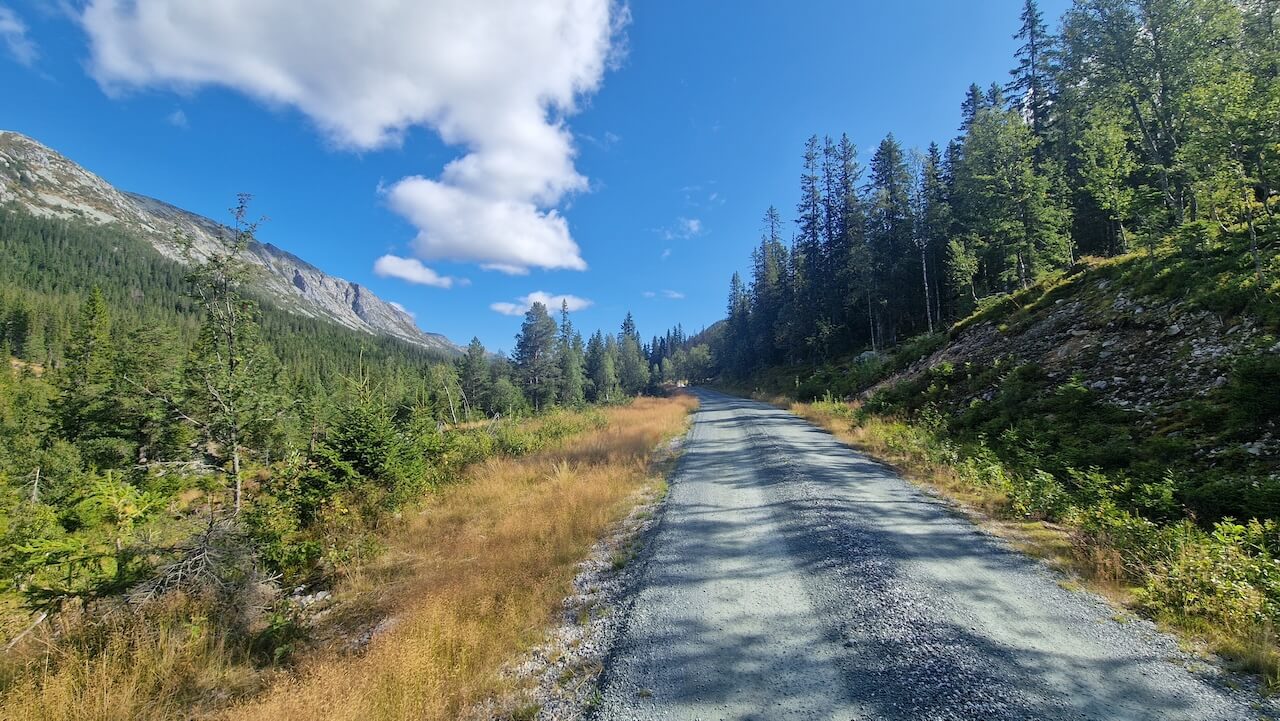
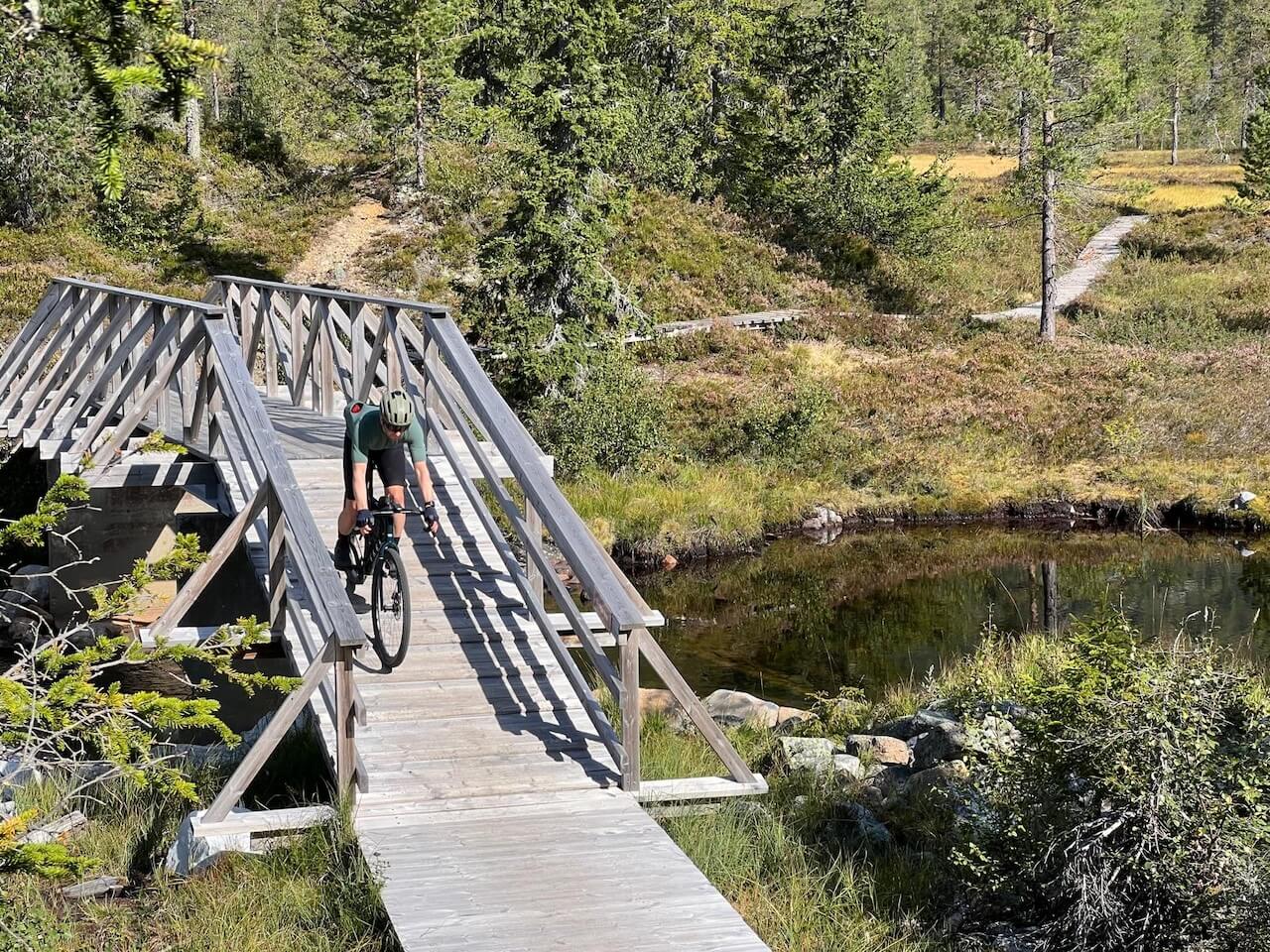
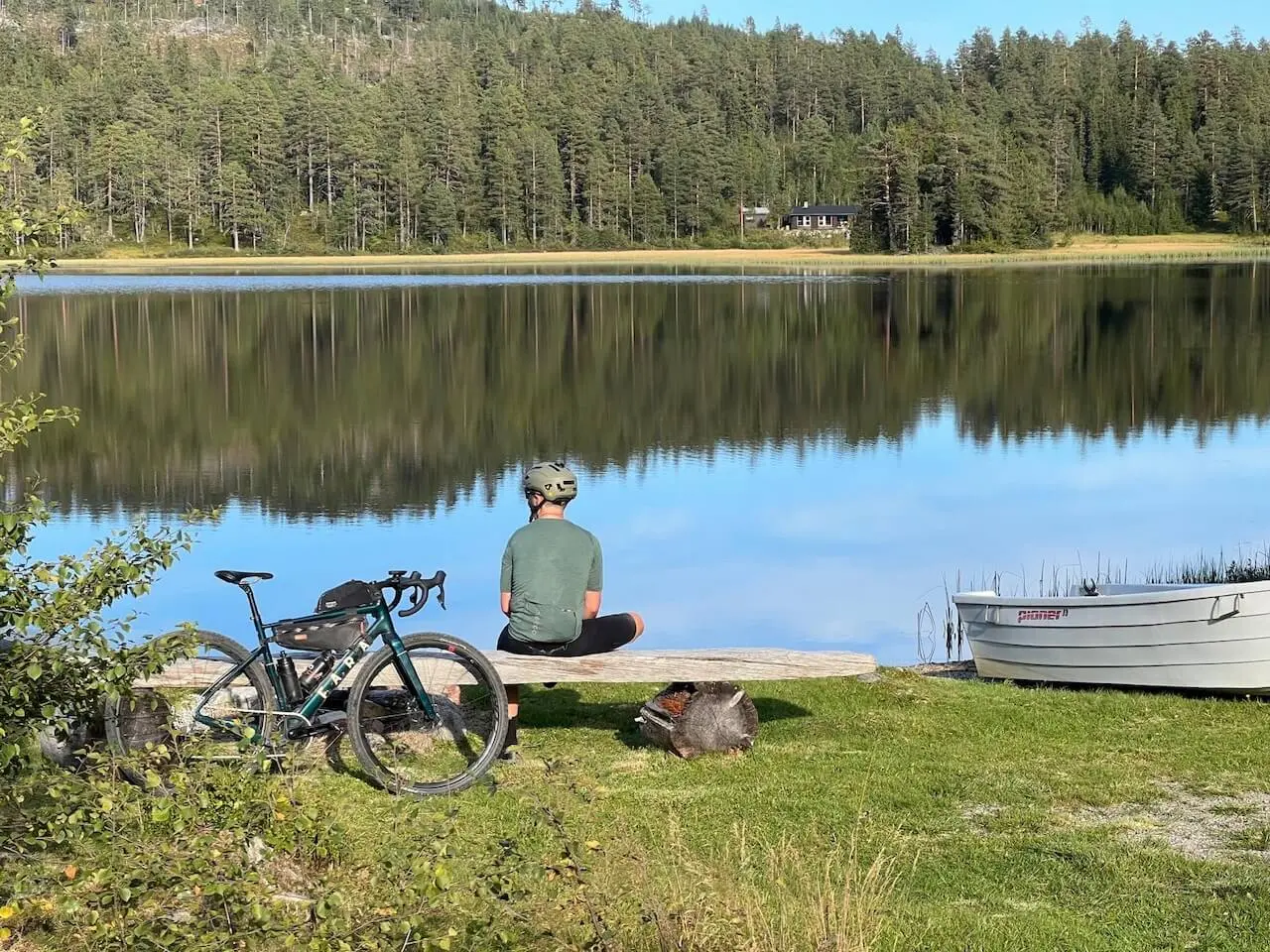
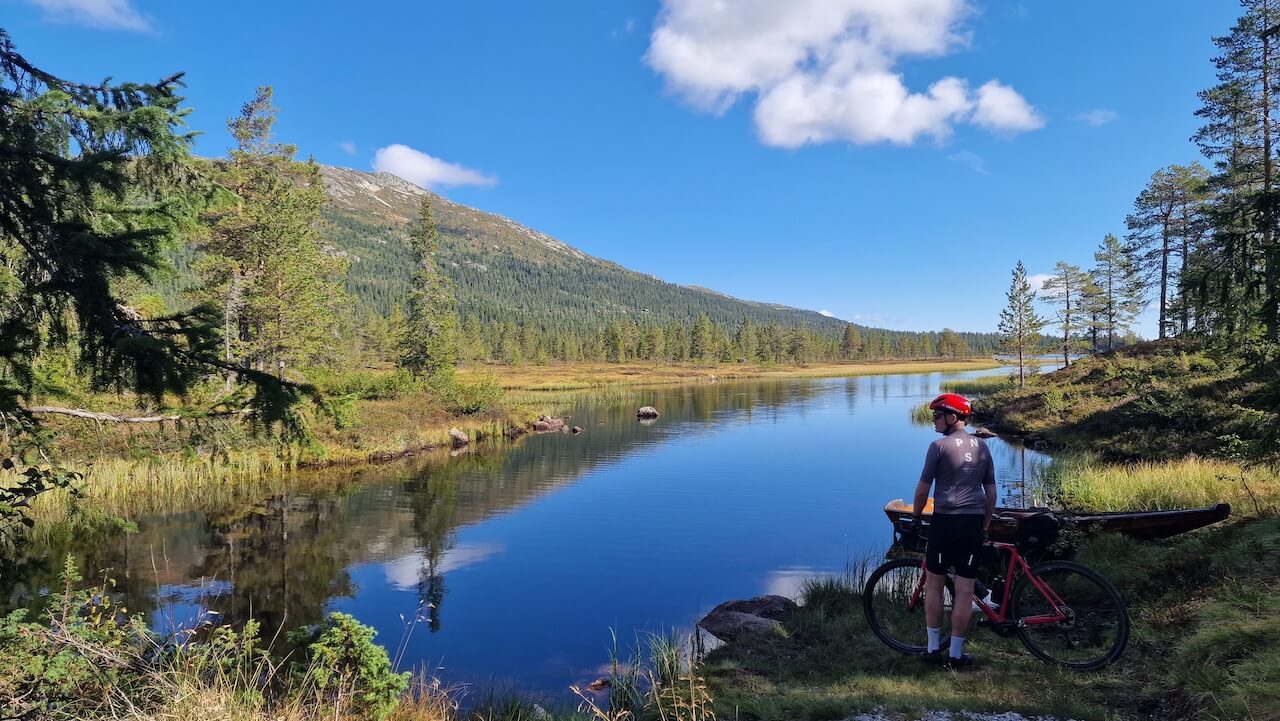
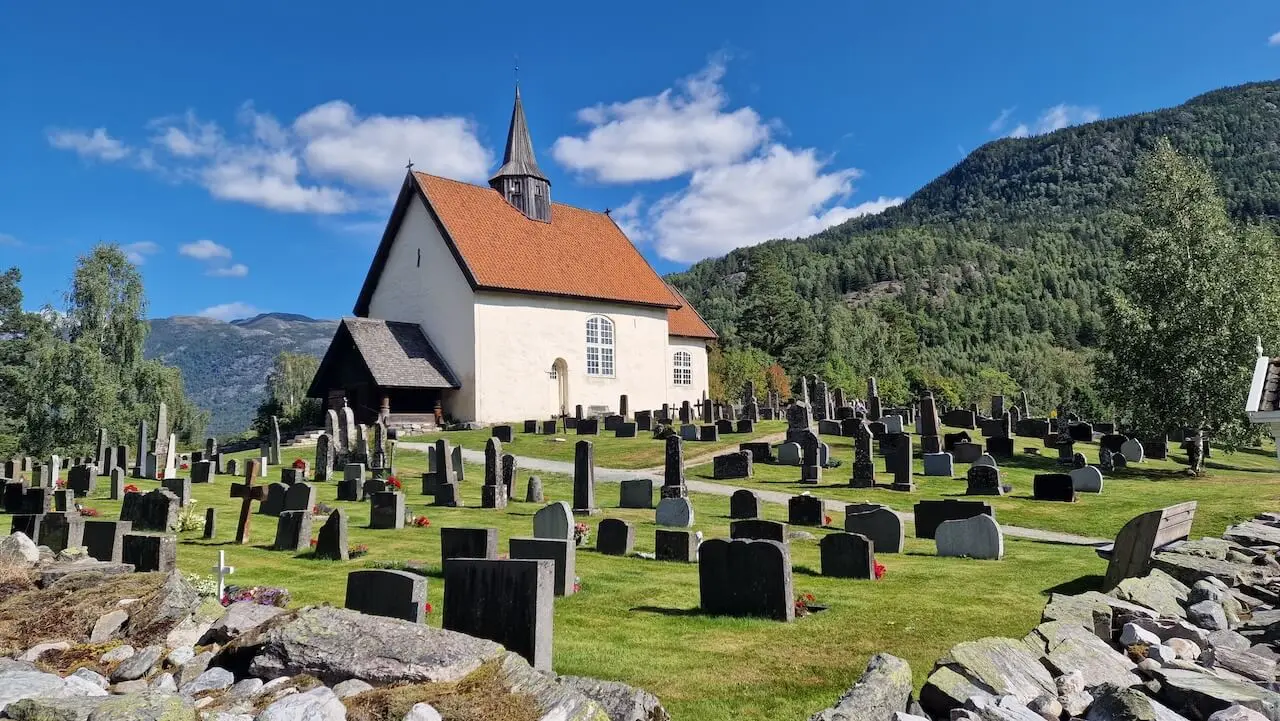
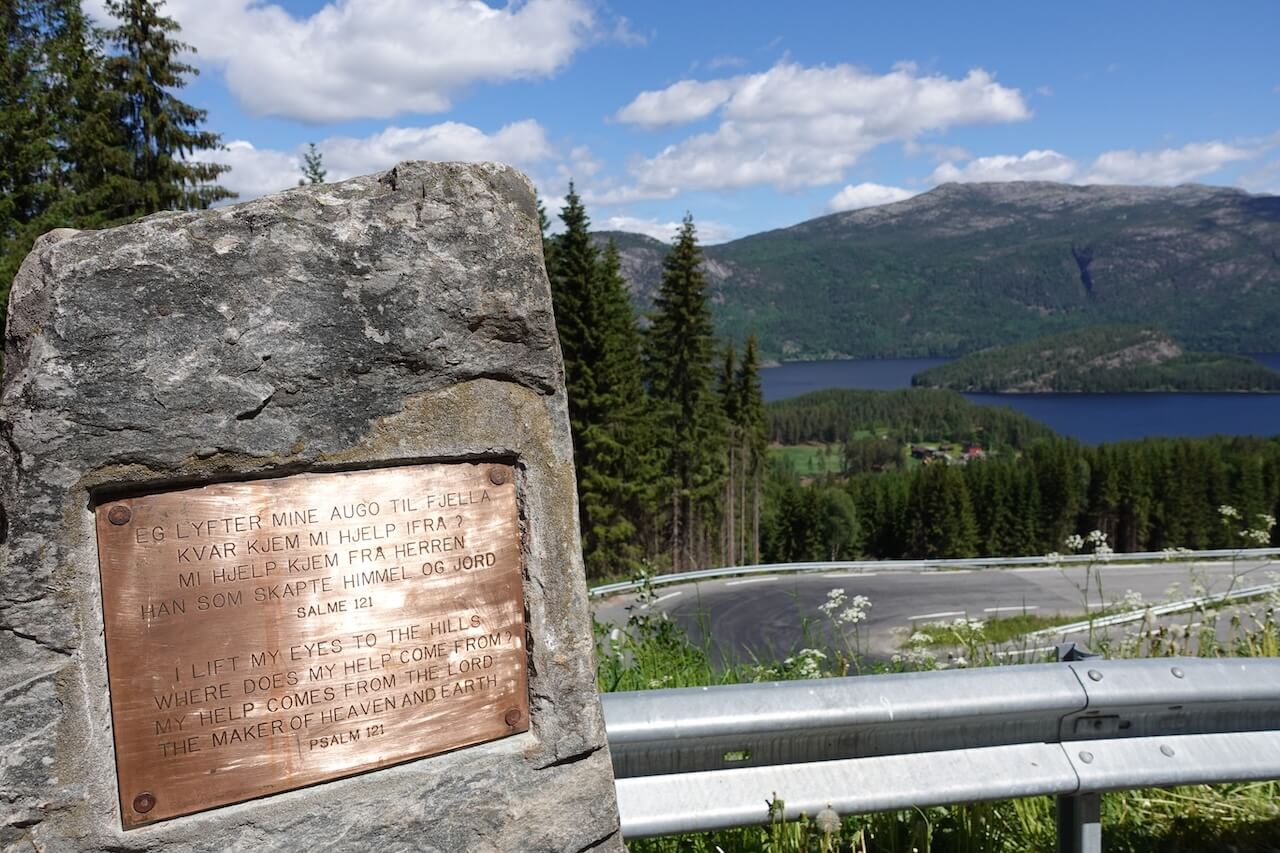
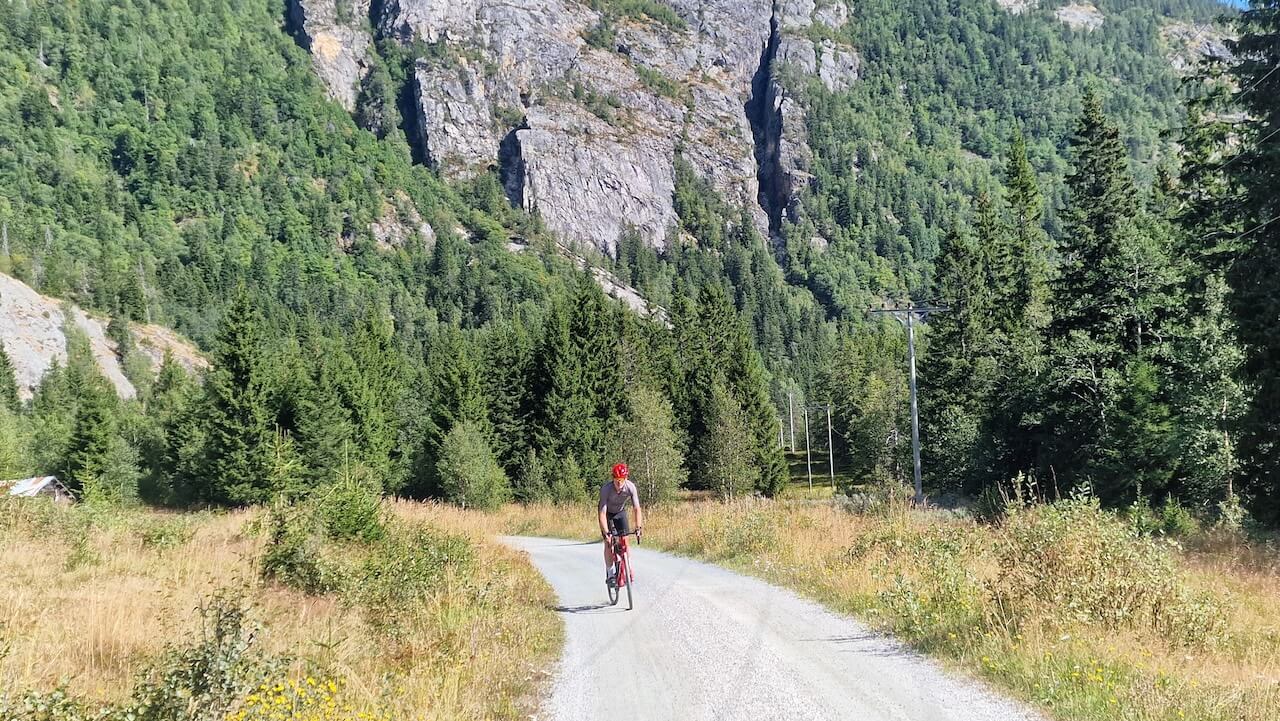
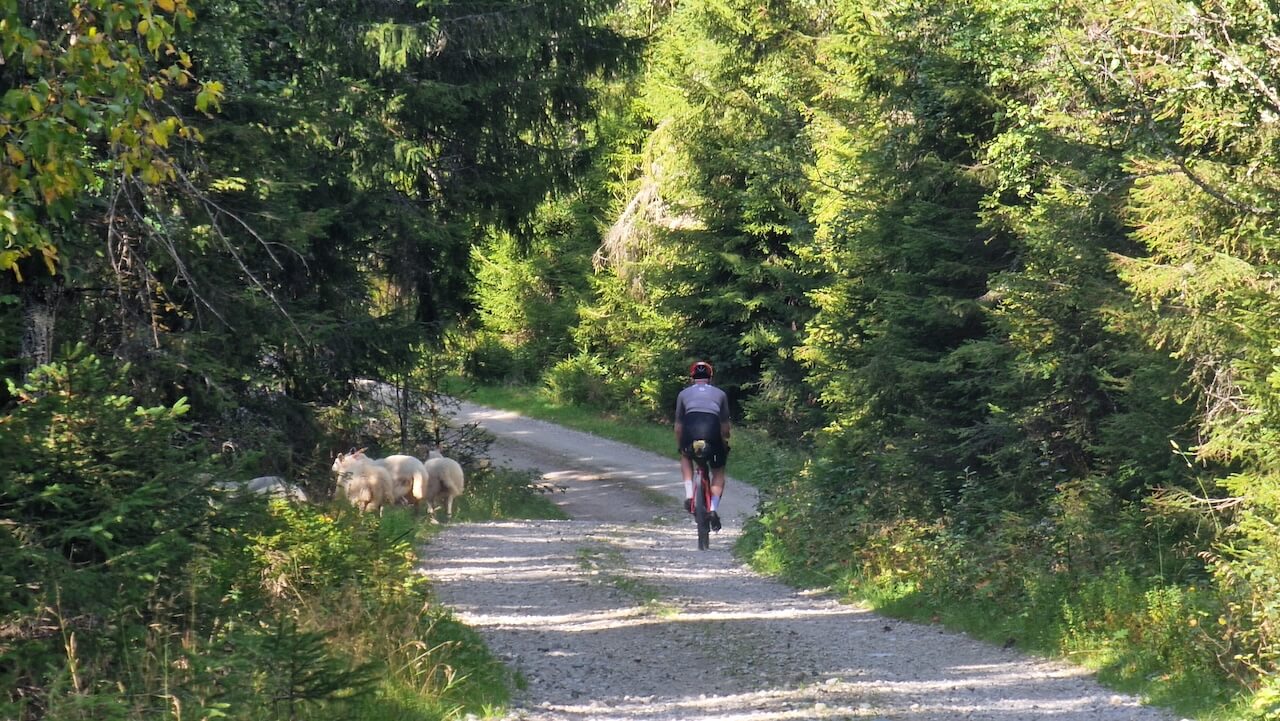
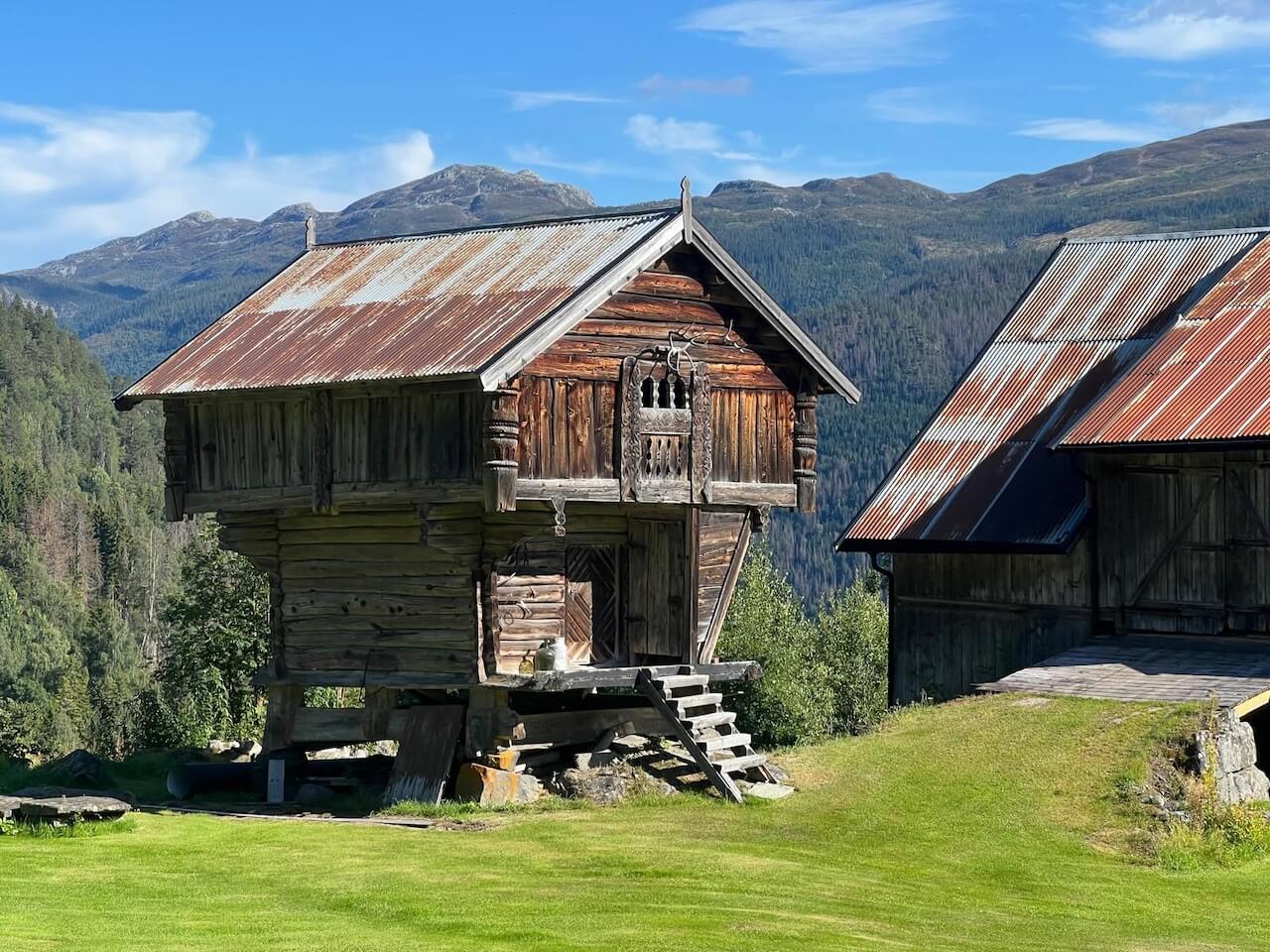
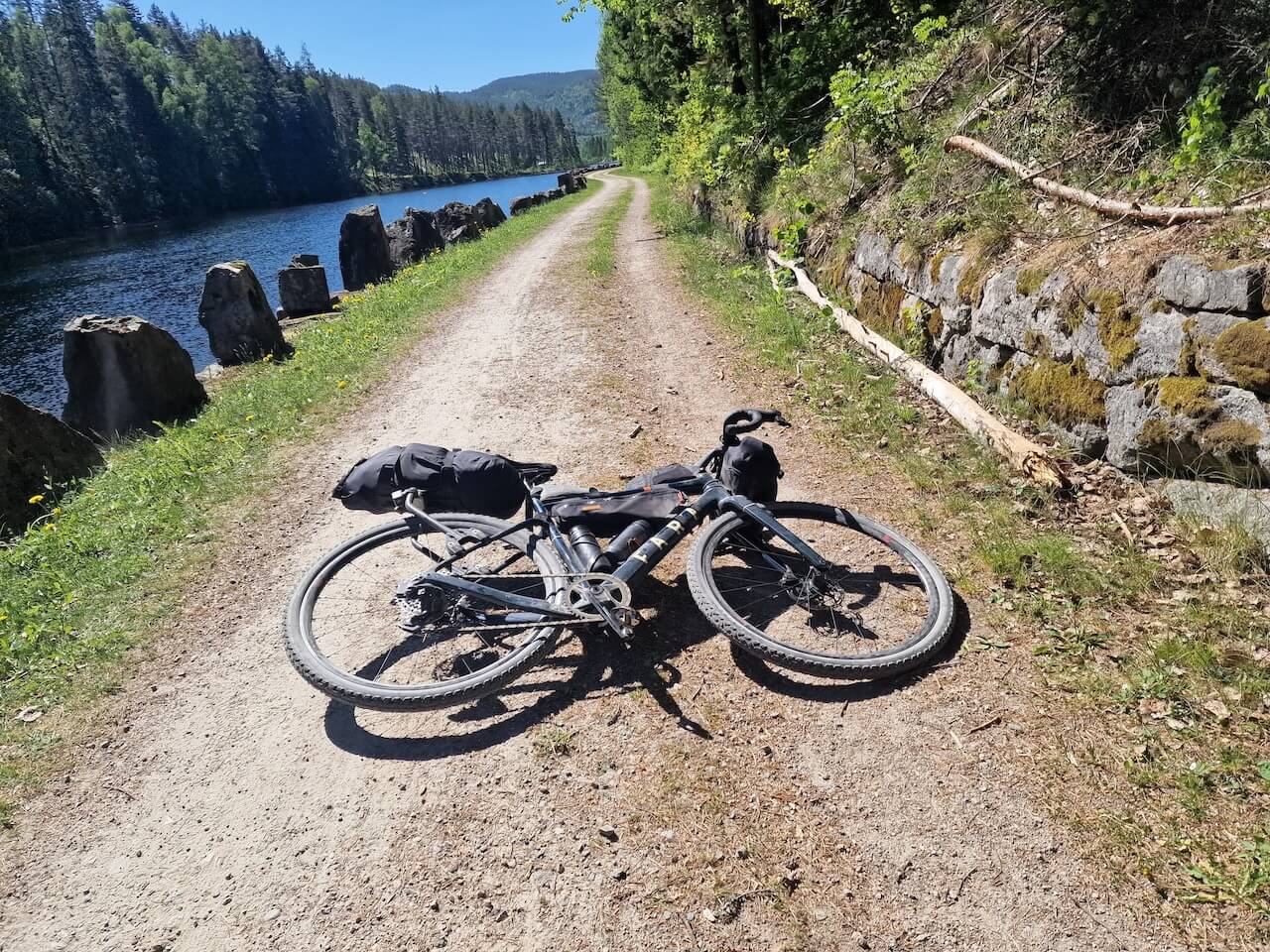
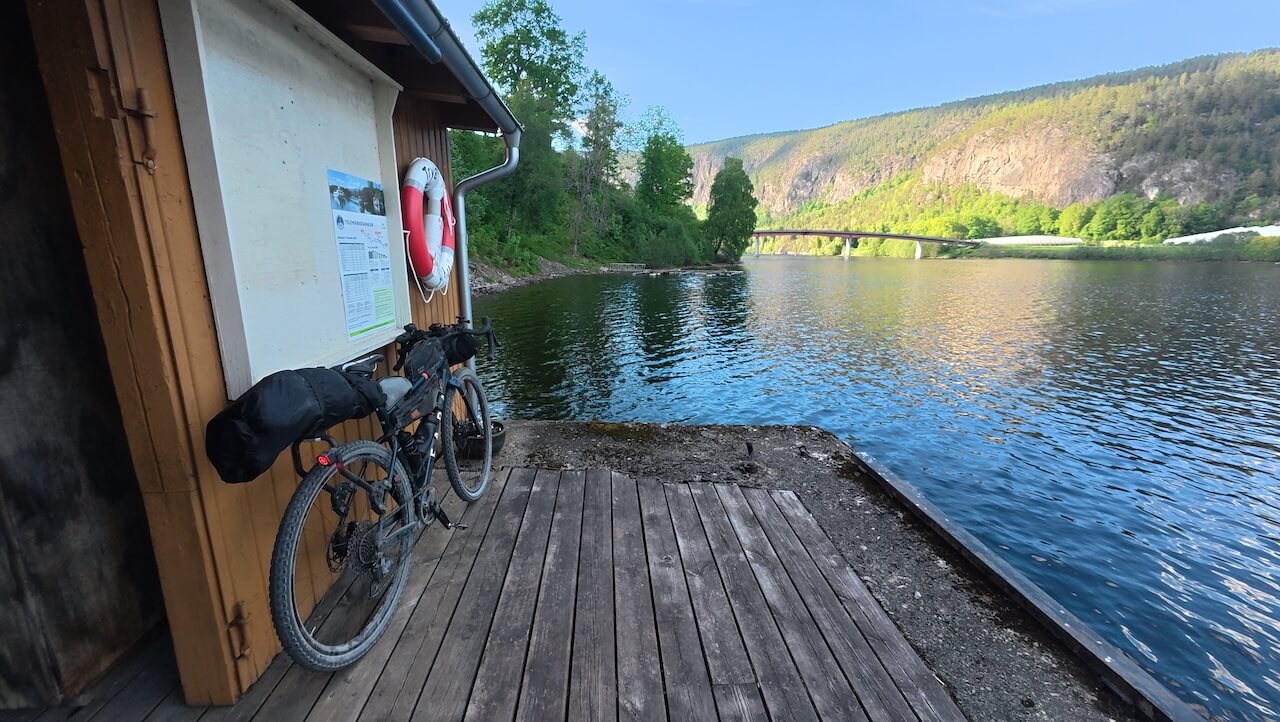
Route 2 leaves Oslo heading west through Vestmarka and Finnemarka, gradually giving way to deep forest and a slower rhythm of travel. Entering the county of Telemark, the route follows corridors shaped by water, timber, and early industry, riding quiet gravel roads through landscapes where history is present but rarely announced. The terrain shifts toward Dalen, with long lakes and steep mountains creating a fjord-like feel far inland. After following the Telemark Canal for a stretch, the route turns back onto forgotten gravel roads before ending in the industrial town of Porsgrunn. Route 2 is a slow, absorbing passage through Norway’s working past, shaped by labour, water, and distance rather than speed or spectacle.
← Slide →
Much of the route runs on high-altitude gravel, so after heavy snowfall winters, snow can linger on the tracks well into May. If you’re planning to ride in early May, it’s wise to check satellite images or local updates to gauge snow levels. Generally, the route stays snow-free from May through to mid-October.
Most people will start in Oslo and end in Porsgrunn. If you decide to skip the Oslo section, you can take the train to Kongsberg or Notodden and join the route by cycling north.
Getting back to Oslo or starting in Porsgrunn
– Train: Take a direct Vy regional train (RE11) from Porsgrunn to Oslo S Station (~2 h 5 m), departing roughly hourly. Bikes can go on board without booking in advance.
– Bus: Regional buses run between Oslo Bussterminal to Skjelsvik/Porsgrunn area in about 1 h 50–2 h. Bike space often needs to be reserved; otherwise, it’s up to the driver’s discretion.
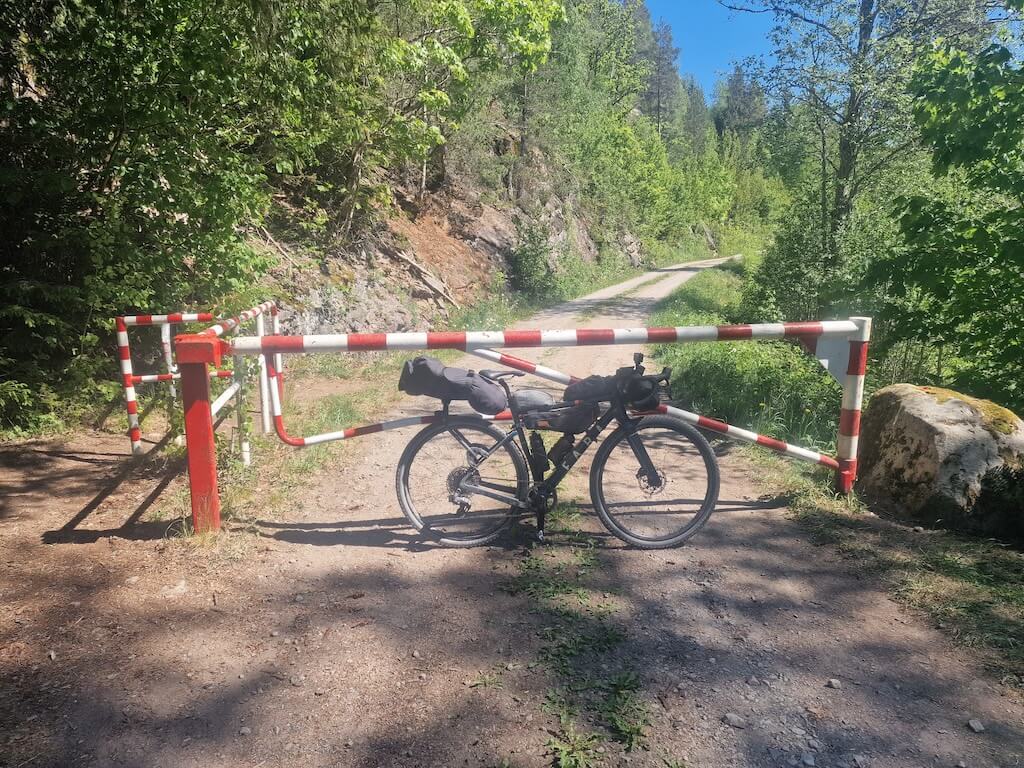
– Norwegian Military: Parts of this route pass through active military areas. When training is underway, access is strictly controlled. If you encounter a sign like the one above marked “Adgang Forbudt” (Entrance Prohibited), you must not continue. Turn around immediately and follow the paved alternative. This will rejoin the gravel route further ahead after several kilometres. These closures are not optional or advisory—they are enforced.

– Motorbikes: Parts of the paved section along the Telemark Canal are popular with motorbike groups, especially at weekends. It’s not a concern, but it will ruin your peace at times.
–Tunnels: There are just three tunnels along the entire route, and none pose any real concern when it comes to traffic, they’re short and quiet. However, none of them are lit, so it’s essential to bring a strong front light (800 lumens or more) to ensure you can see clearly while riding through. A rear light is also recommended for visibility.
Oslo
– Sorensen Sykler Oslo (Gravel): https://www.sorensensykler.no/
– Oslo Velo (Gravel): https://oslovelo.no/pages/sykkelutleie
– Rouleurs of Oslo (Gravel): https://www.rouleuroslo.no/
– Oslo Bike Rental (MTB, Road, E-bike & Gravel): https://oslobikerental.no/
Porsgrunn/Skien: We could not find any practical bike rental options in the Porsgrunn region.
Telemark County: All options can be found here

Matthew Tolley, Founder Cycle Norway


All cycling routes published on CYCLENORWAY.com are simply a planning resource to be used as a point of inspiration in conjunction with your own due-diligence. All route guidelines were prepared under diligent research. However, we can never for certain insure the complete accuracy of the routes. Cycling in Norway is in general very safe. Nevertheless, should you choose to cycle this route you do so at your own risk.
non-intrusive, offering informative news, blog posts, videos, and more.