




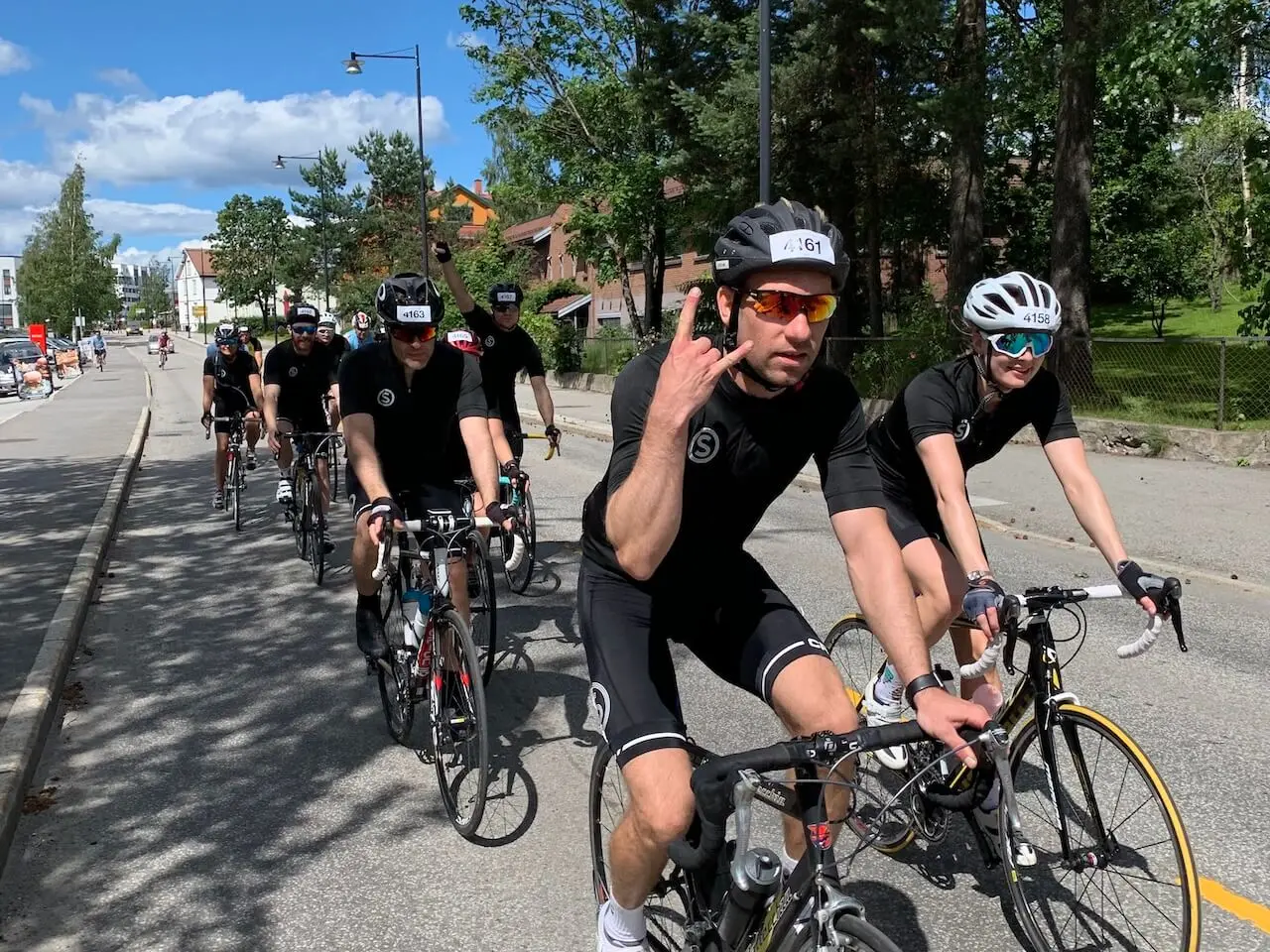
For nearly six decades, Styrkeprøven has been part of Norway’s cycling culture. It was never just a race. For many riders, it was a yearly goal, a reason to train through winter, a social gathering, and for some, a life milestone. Hundreds of volunteers, local communities, sports clubs, and ordinary cyclists helped keep it alive year after year.
Now, for the first time in modern history, the event has been cancelled.
Founded in 1967, Styrkeprøven is Norway’s most historic long-distance cycling event and the best-known endurance ride in Scandinavia and is often described as the world’s oldest and longest recreational cycling event. The main route traditionally runs from Trondheim to Oslo, covering over 540km through the night across mountains, valleys, and changing weather conditions. Over the decades the event has attracted everyone from elite riders to ordinary cyclists looking to complete one of Norway’s great physical challenges. Operated by volunteers and owned by six sports clubs, the event has become a major part of Norwegian cycling culture and has helped introduce generations of people to long-distance cycling.
The organisers announced this week that the 2026 edition will not go ahead after receiving a rejection from Statens vegvesen. According to the organisers, the decision came after years of increasingly strict regulations, rising costs, growing administrative pressure, and a new internal road authority assessment regarding long-distance cycling events.
The official reason given by Statens vegvesen is road safety and traffic flow. According to the new internal risk assessment created by the road authority in April 2026, long cycling events on roads with speed limits of 70–80 km/h, high traffic volumes, and large numbers of heavy vehicles are now considered too risky.
The problem is that this changes the entire reality for road cycling events in Norway. Styrkeprøven was not cancelled because of one crash or one major incident. It was cancelled because the regulatory environment has gradually become so restrictive that volunteer organisers can no longer realistically operate within it. Higher police costs, stricter stewarding requirements, more monitoring, and new risk rules introduced after the event had already submitted its application all combined to make the event impossible to run. And this is where the debate becomes larger than safety alone.
Norway has spent decades designing transport systems almost entirely around uninterrupted car movement. So when cyclists temporarily affect traffic flow on public roads, the system increasingly treats that as unacceptable rather than something society should accommodate a few days each year.
The argument from the authorities is that slowing traffic over long distances is too disruptive for other road users. But critics increasingly ask the opposite question: at what point does every public space simply become designed around maximum convenience for cars?
But the bigger picture perhaps matters even more.
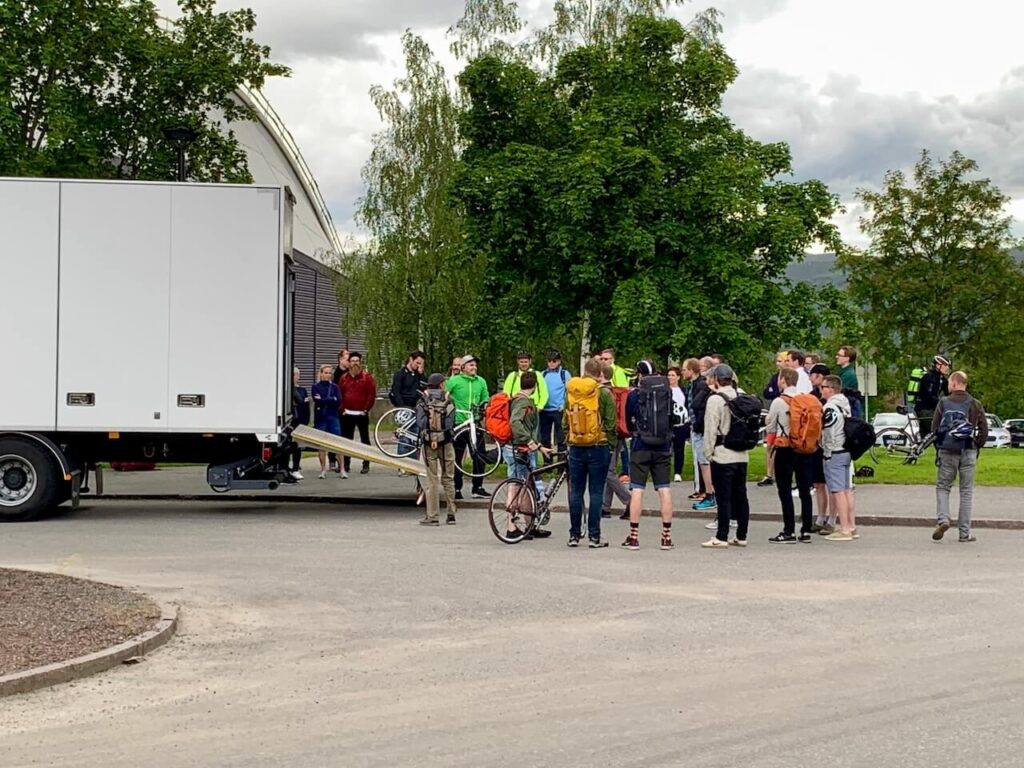
This is not simply about one race disappearing from the calendar. It reflects something much larger happening in Norway, and that should worry anyone who genuinely cares about public health, tourism, local communities, or sustainable transport.
A Country Moving Backwards?
Norway likes to present itself internationally as a progressive outdoor nation. A country of nature, green values, and active lifestyles. Yet when it comes to practical cycling policy, the reality increasingly feels very different.
Billions continue to flow into road expansion projects designed primarily around cars and traffic growth. The contradiction is becoming impossible to ignore. Cycling events like Styrkeprøven are not fringe activities. They create movement, motivation, tourism, overnight stays, local spending, and community engagement across multiple regions. Riders book hotels, eat in cafés, use trains, visit shops, and often return later as tourists with friends or family.
Norway constantly talks about developing sustainable tourism and improving public health. Yet here we have one of the country’s most recognised sporting events disappearing because the framework around it has become too difficult to operate within.
That is not progress.
The Loss of Tradition
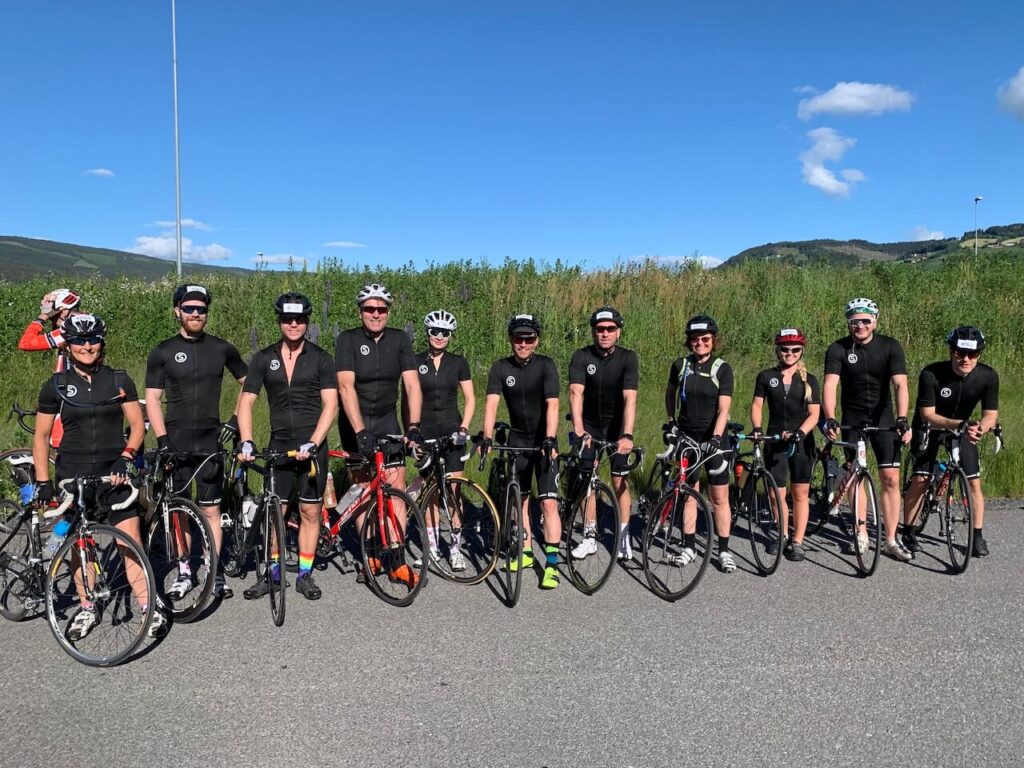
There is also something cultural being lost here. Styrkeprøven represented an older idea of cycling in Norway. Not elite sport. Not influencer culture. Not short-form social media content. Just ordinary people challenging themselves over long distances through shared effort and determination.
Those traditions matter. Modern cycling culture often focuses heavily on racing performance, equipment, watt numbers, or ultra-endurance trends. But events like Styrkeprøven connected cycling back to something simpler and more human: endurance, landscape, suffering, camaraderie, and personal achievement.
When events like this disappear, rebuilding them later is far harder than politicians and authorities often realise.
Volunteer culture weakens.
Local knowledge disappears.
Communities disengage.
Trust breaks down.
Once these structures collapse, they rarely return in the same form.
What Message Does This Send?
It tells organisers that the risk and pressure may no longer be worth it. It tells volunteers that decades of work can disappear overnight. And it tells cyclists that they are increasingly viewed as a logistical problem rather than part of the future transport and tourism landscape.
That is deeply short-sighted.
Norway Has Huge Potential for Cycling
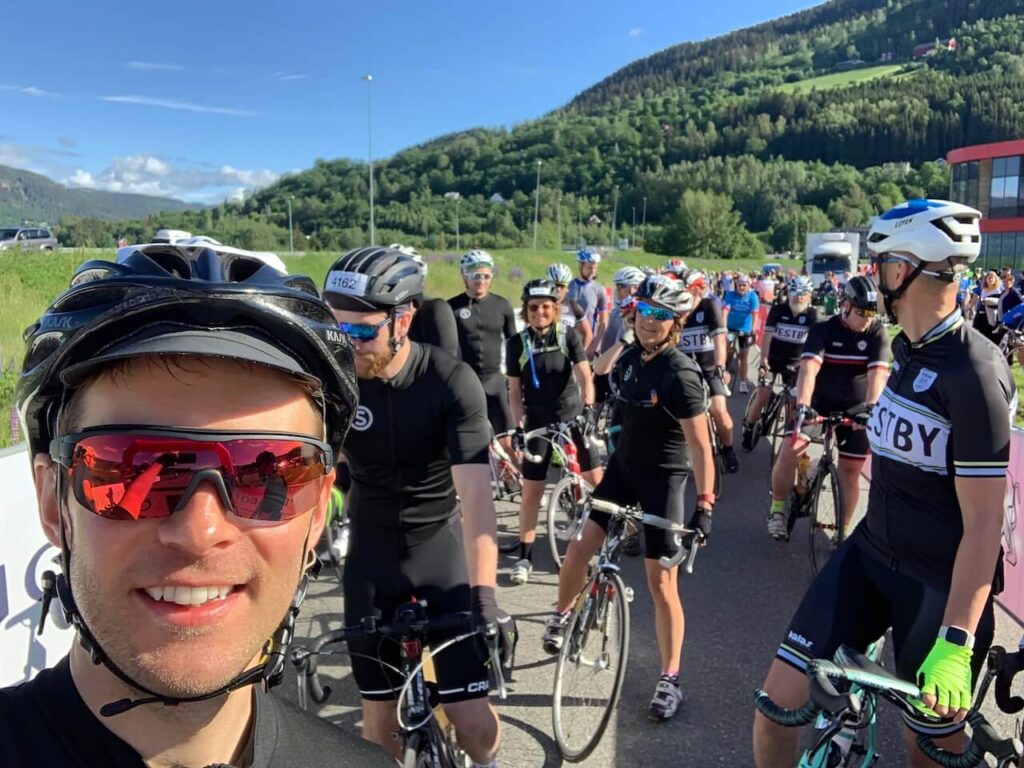
This is what makes the situation particularly frustrating. Norway should be one of the world’s great cycling nations. The landscapes are extraordinary. The quiet roads still exist. Interest in independent cycling travel continues to grow globally. More people are searching for slower, lower-impact ways to experience countries.
At Cycle Norway, we see this interest every single day. Riders from around the world come here searching for meaningful experiences beyond mass tourism. They want nature, local culture, physical challenge, and freedom. But these experiences do not grow automatically.
Cycling culture requires support, flexibility, infrastructure, and long-term thinking. It requires authorities willing to work with organisers rather than slowly regulating them into extinction. Because once a country starts losing its cycling traditions, rebuilding them becomes incredibly difficult.
The cancellation of Styrkeprøven should therefore not just be seen as disappointing news for riders in 2026. It represents the loss of culture, community, tradition, and belonging — things that remain essential in modern society, even if many institutions no longer seem to understand their value.
For 59 years, Styrkeprøven gave ordinary people a reason to train, travel, volunteer, and come together through shared effort and challenge. Removing that is not progress. It is the slow erosion of something deeply human by a state that increasingly feels disconnected from the people and communities it is meant to serve.




Leave a Reply