

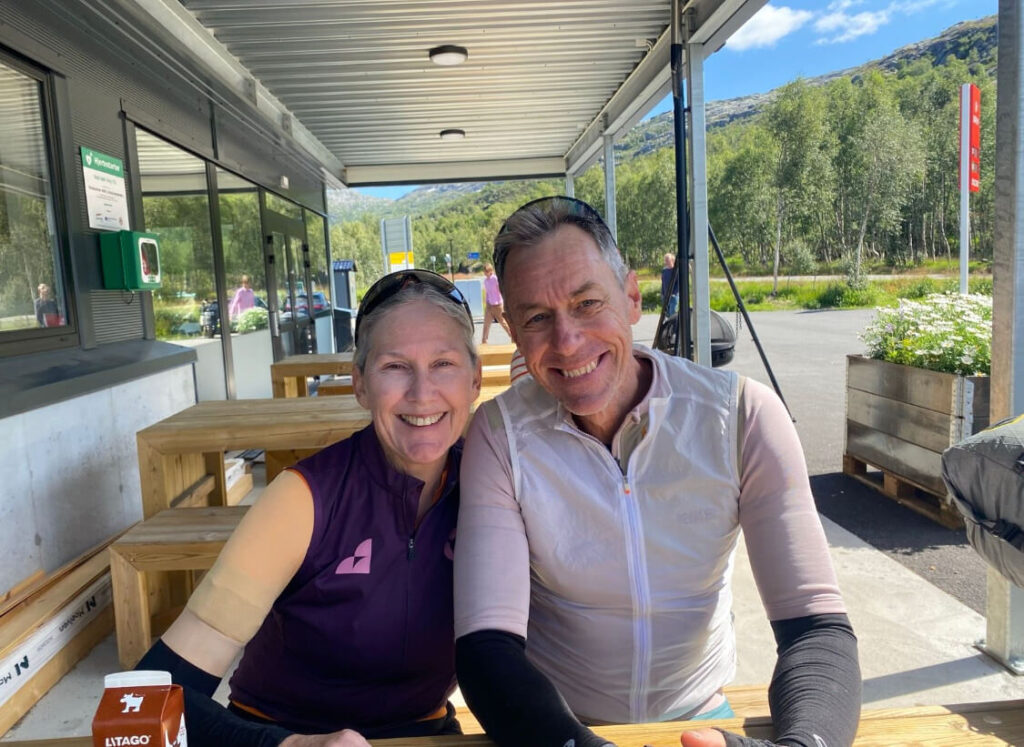
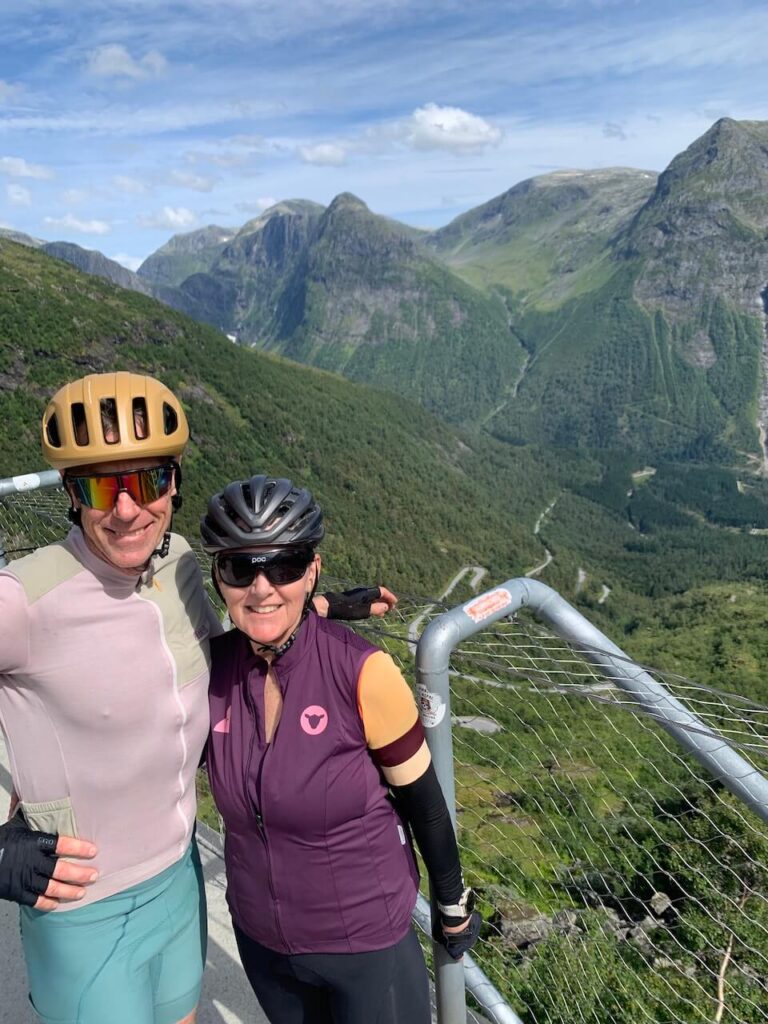
Guy and Judy are a highly experienced touring couple from New South Wales, Australia. What follows is not a beginner’s travel diary, but a clear example of how Norway is meant to be ridden when people do their homework, use the right tools, and apply real-world cycling experience.
In 2025 they planned their Norwegian journey through Cycle Norway, using our route library and consultation service to shape a trip that worked well without trying to do too much. They combined their own decades of touring knowledge with local insight, and the result was a trip that made sense — logistically, financially, and emotionally. They’ve shared their full journey here so other riders can see what happens when preparation meets experience.
How it began (the rabbit hole)
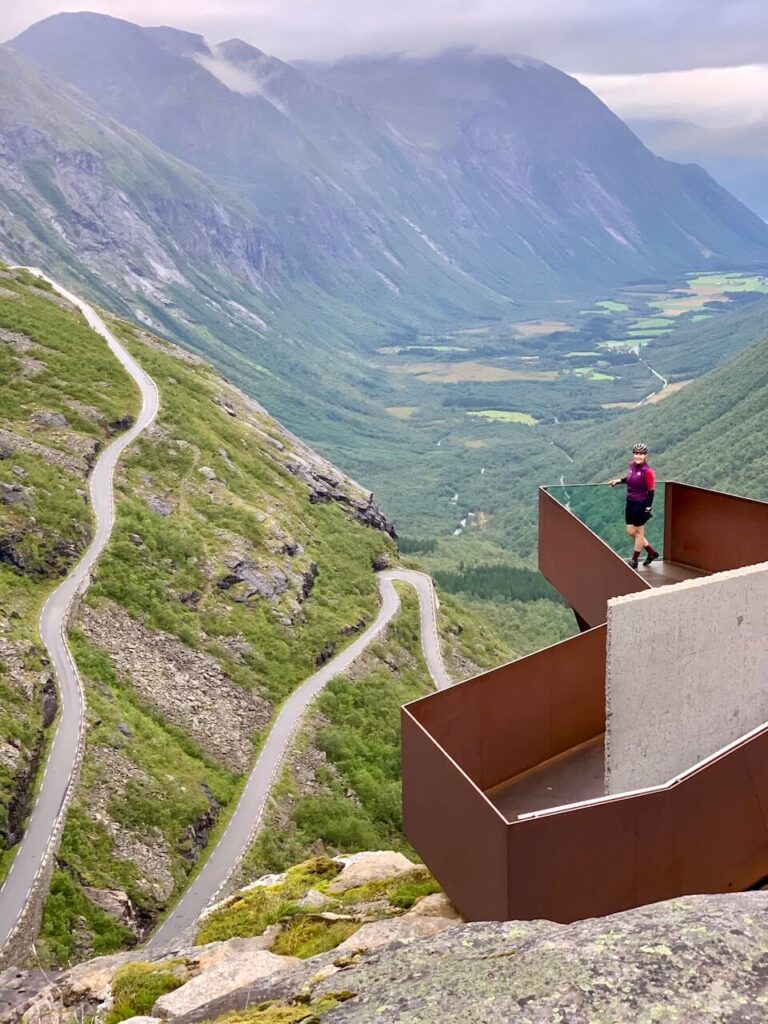
You know how it goes with social media: the longer you linger on one kind of content, the more it feeds you the same thing. For us it was cycling footage and mountain roads. Trollstigen. Lysebotn. Lofoten. Geiranger. Dalsnibba. The sort of landscapes that don’t look real until you’re standing inside them. At some point it stopped being inspiration and started becoming a plan. We booked flights, blocked out six weeks, and committed to seeing how far we could ride through Norway with what we could carry.
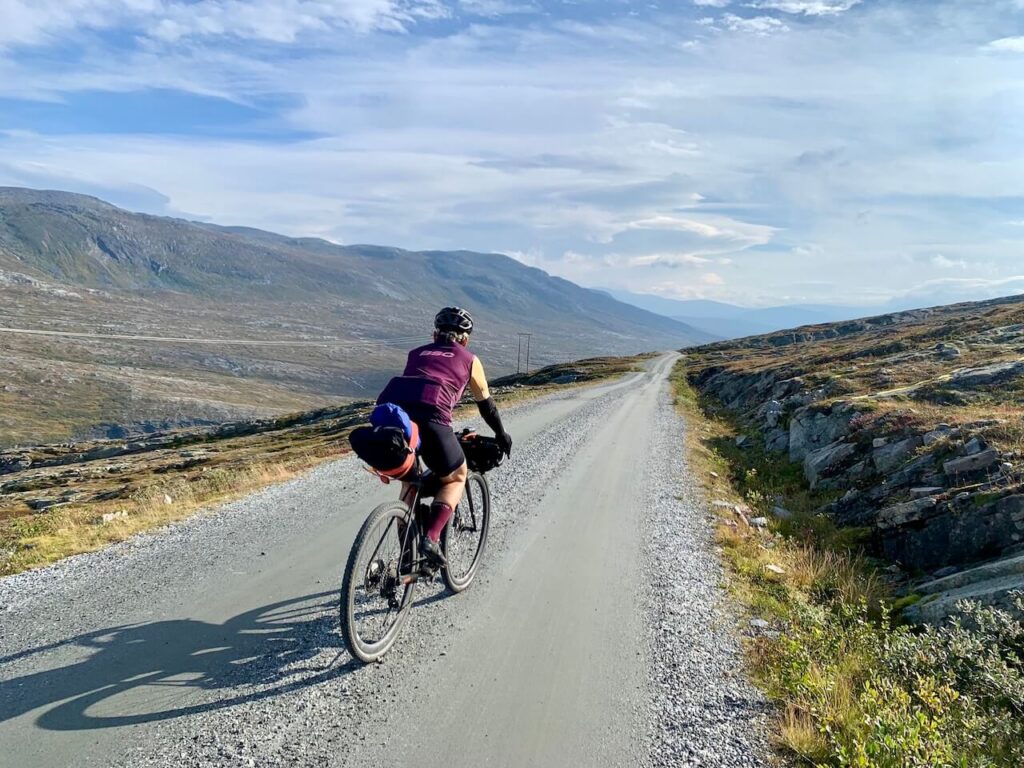
We arrived after a hectic stretch of life and, honestly, with less preparation than we would have liked. We’d had seven weeks off the bike because of work commitments. That’s not ideal when you’re about to start day-after-day riding in a country that can go from sunshine to sleet in a few hours. Still, we had six weeks. We figured fitness would come, and if Norway was even half as good as people claimed, the effort would be worth it.
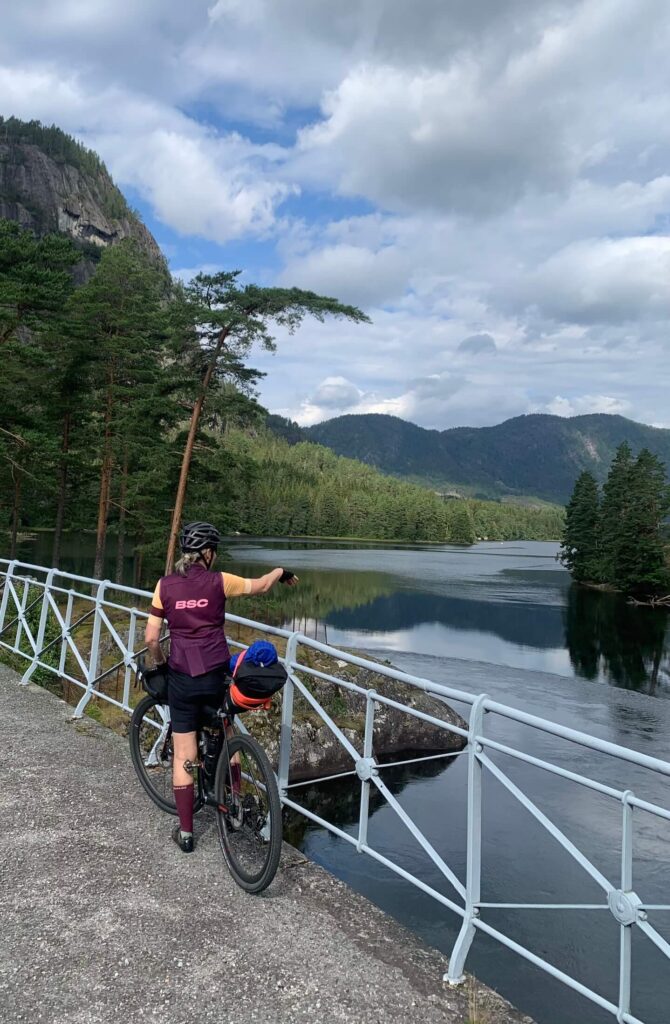
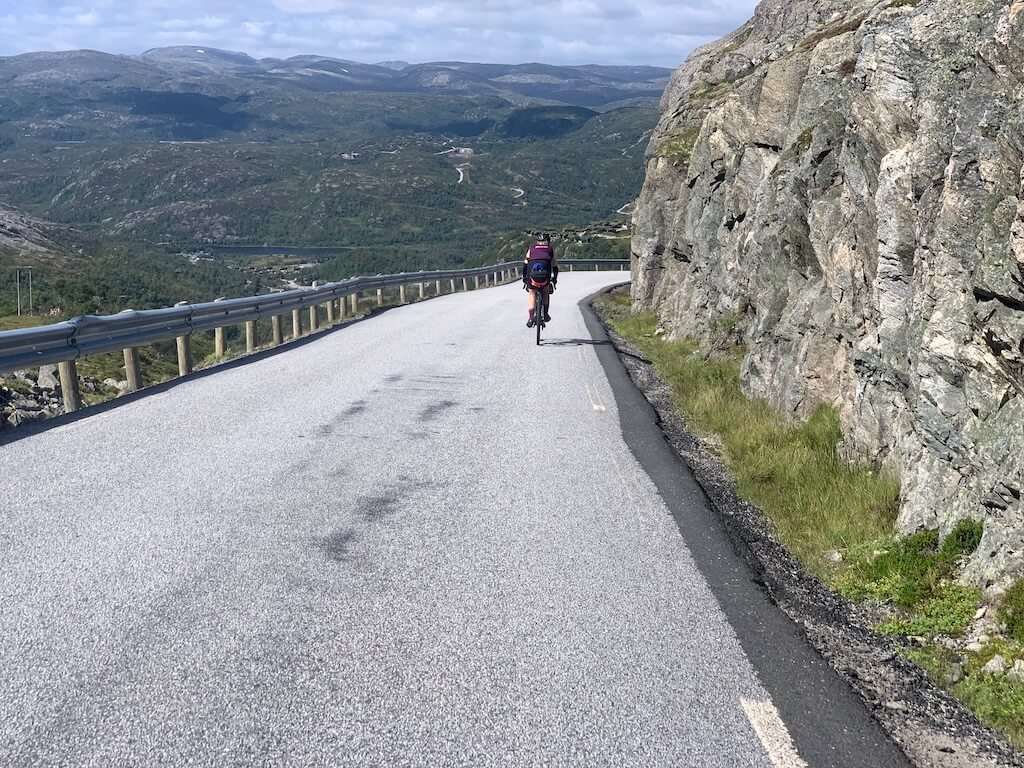
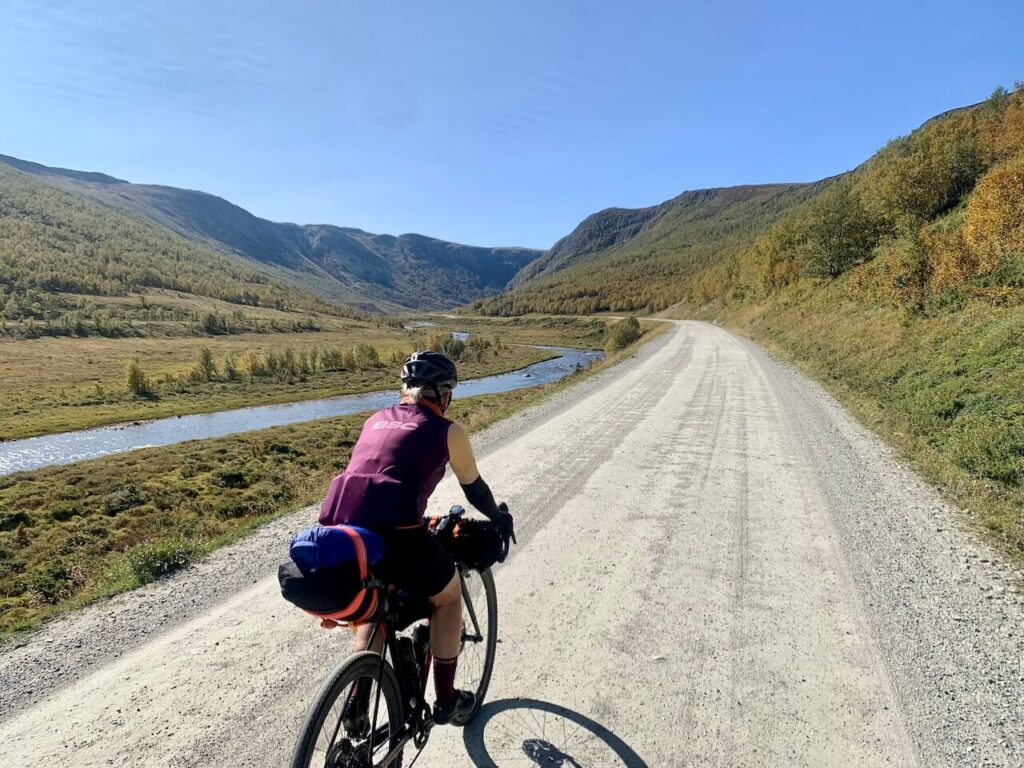
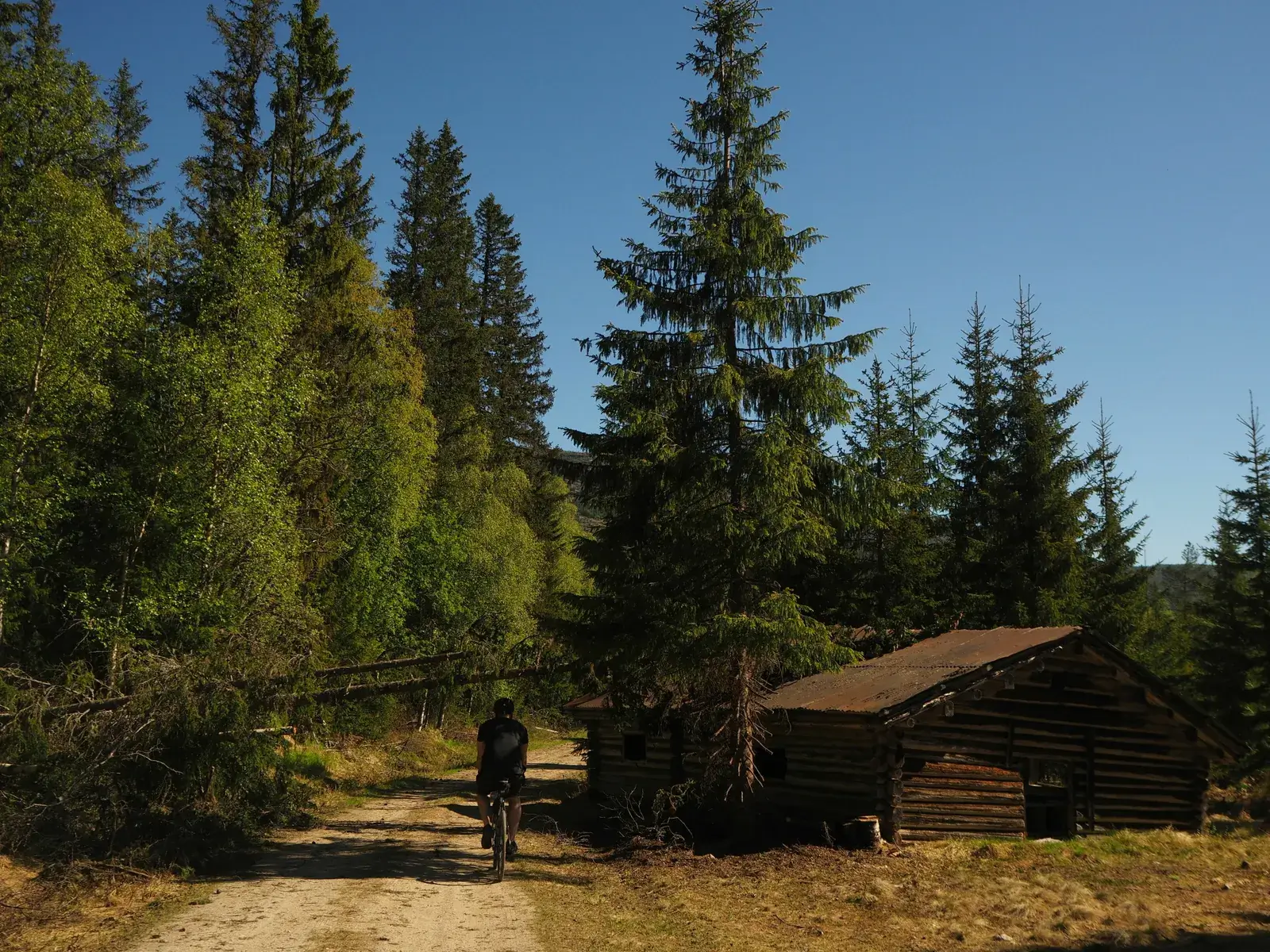
The first days out of Kristiansand confirmed what we’d hoped: Norway is clean, green, ordered, and extremely rideable. The roads, both gravel and tarmac, felt like they’d been built properly, not patched together. It’s hard to explain how much that matters until you’ve spent years riding broken surfaces. Even early on, you get the feeling the country “keeps on giving.” The hills turn into mountains and you realise you’re only getting started.
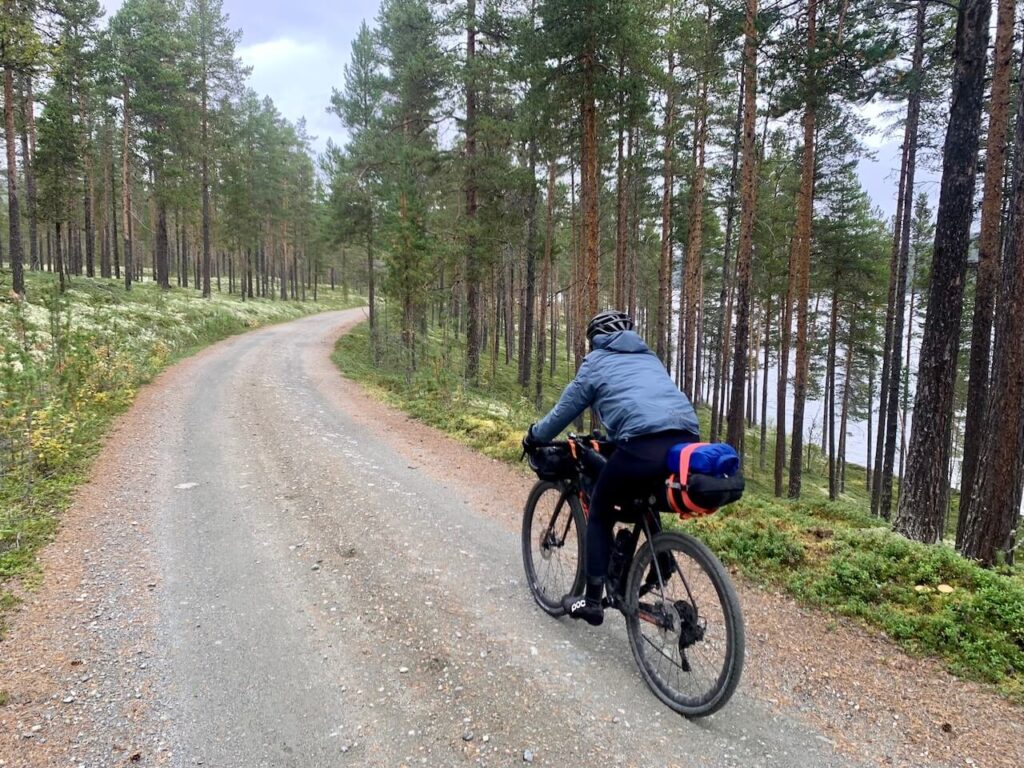
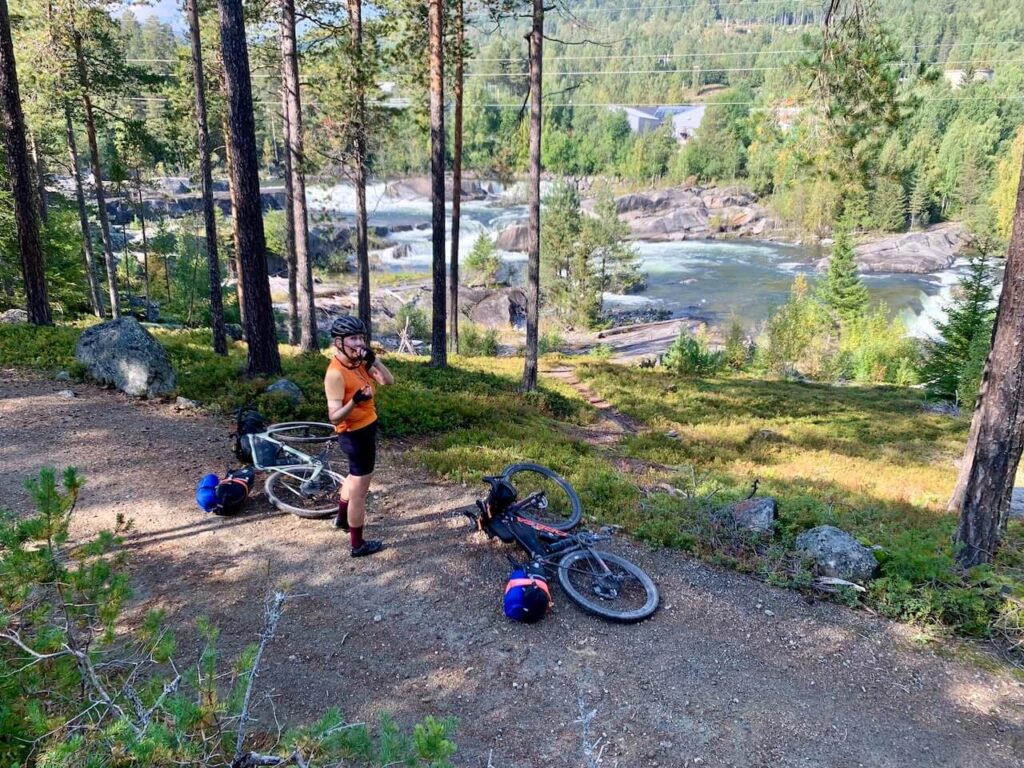
The style of trip: flash-packing with a safety-net tent
This wasn’t a “hardcore camping every night” trip. We’ve been bikepacking for around 15 years and we’ve refined our approach over time: travel light, stay comfortable enough to keep moving, and don’t pretend misery is a virtue. In Norway we brought a full sleep system for the first time in years, not because we planned to camp every night, but because Norway demands flexibility. A tent gives you options. It lets you finish a day where it ends rather than where a booking ends. It’s also a genuine safety net if something goes wrong.
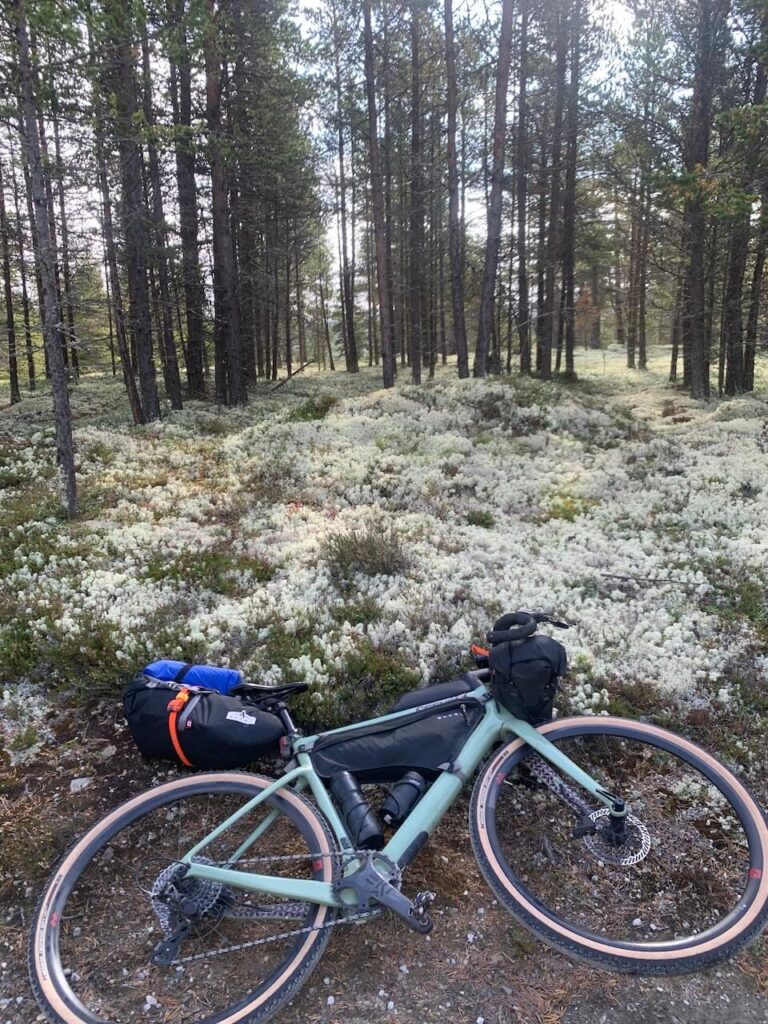
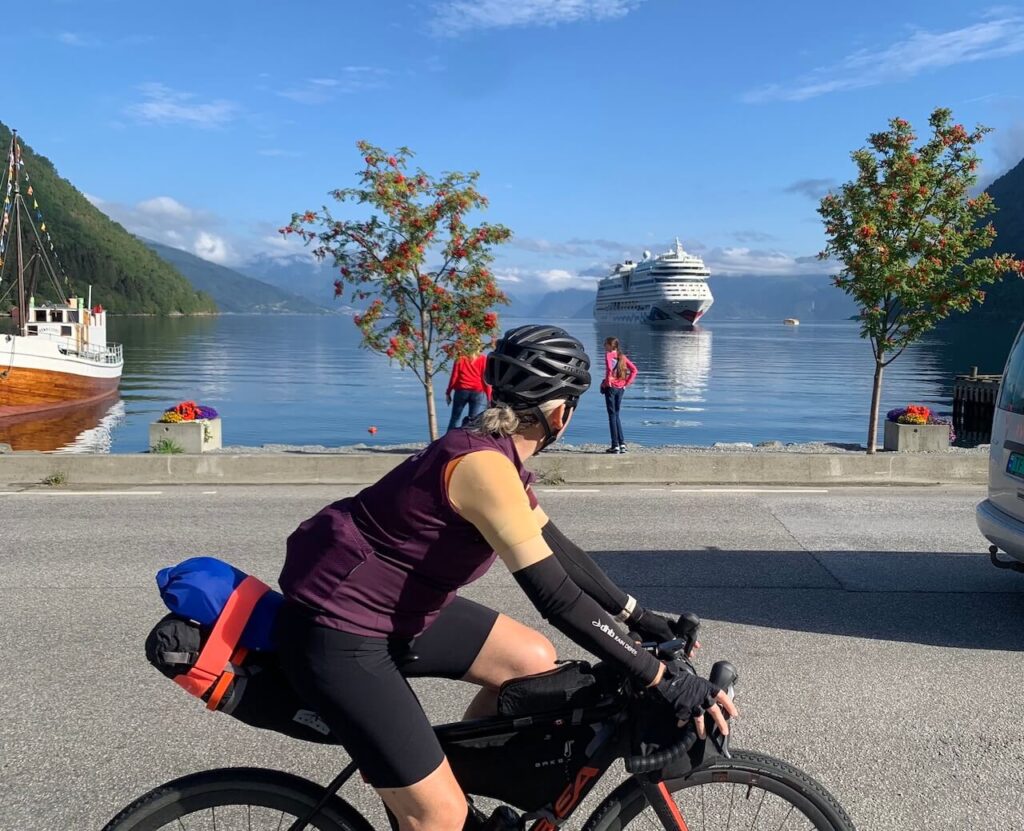
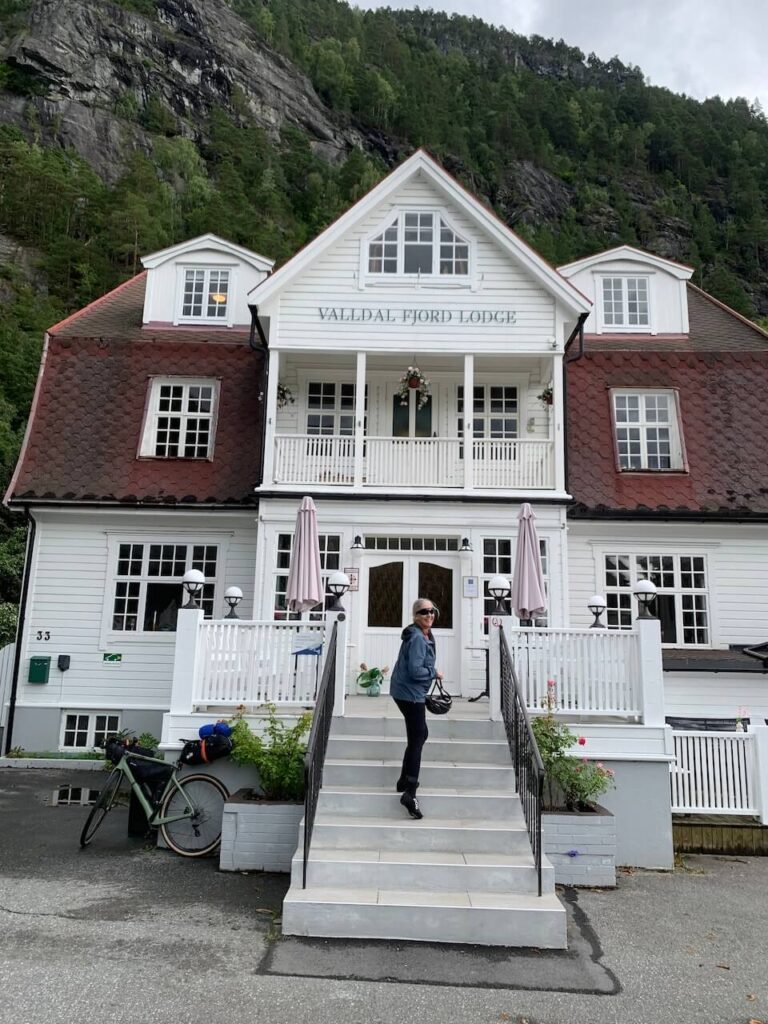
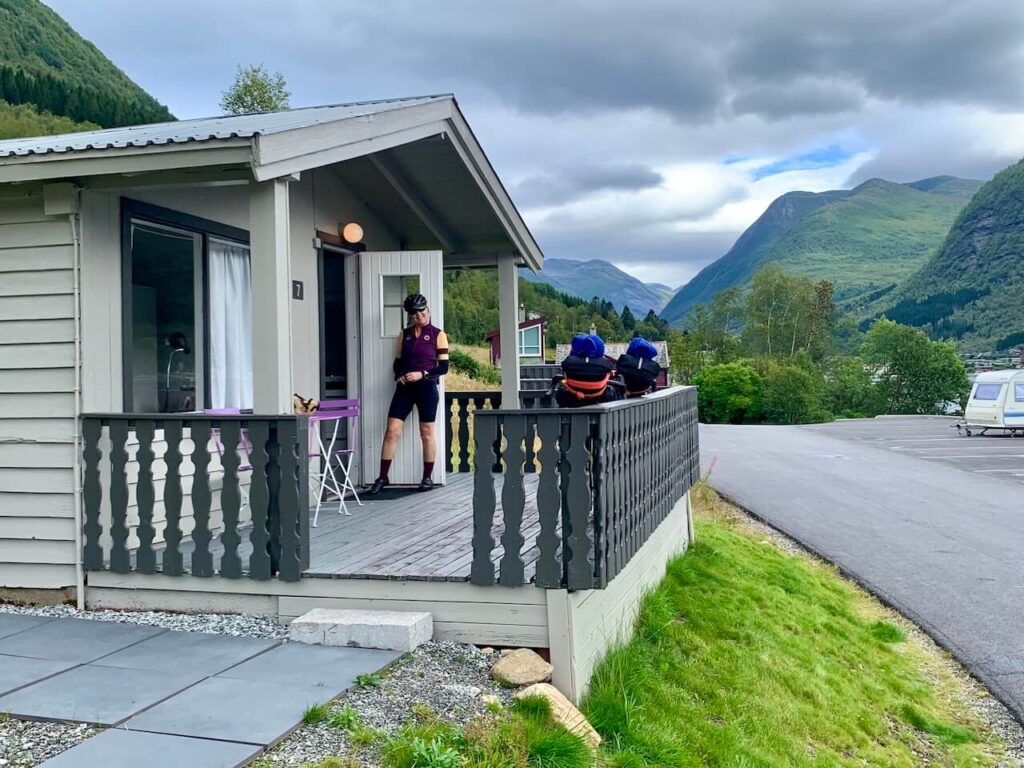
We still leaned heavily on accommodation because we don’t compromise much on recovery. Warmth, showers, laundry, charging, and a solid night’s sleep keep a long trip sustainable. When the weather turns, and it will, being able to dry kit properly can save the whole journey. Cabins also gave us bike security and space to spread out gear.
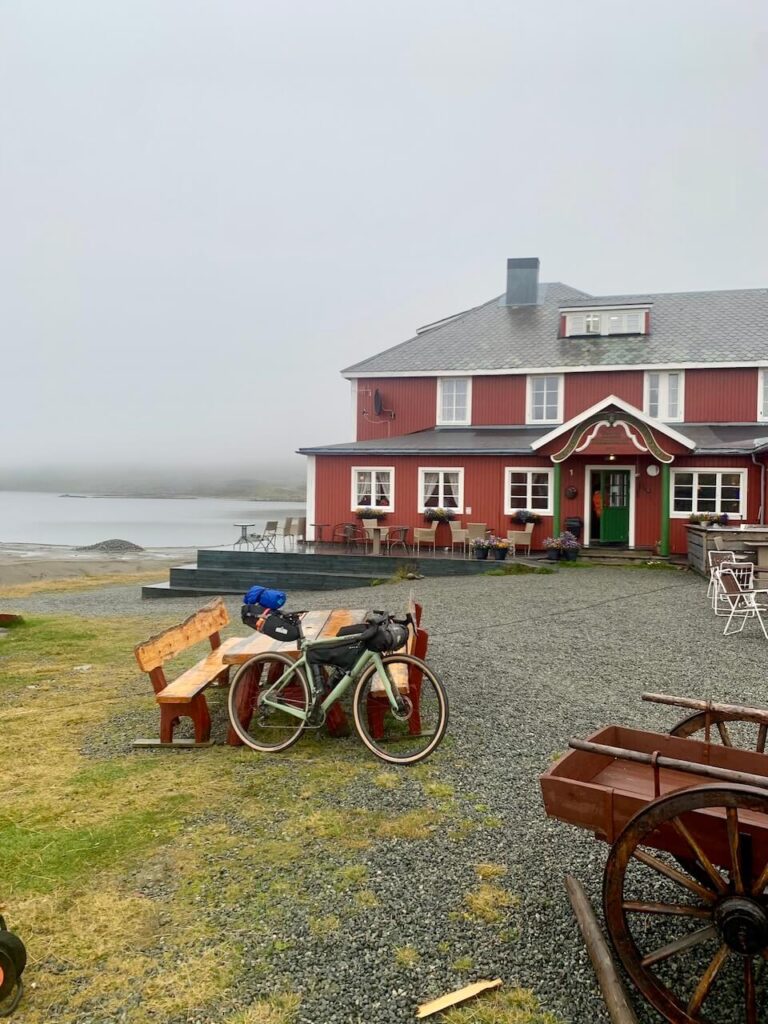
Our setups (in plain numbers) looked roughly like this: we ran handlebar bags around 9L each, which stored the tent and two sleeping bags. The frame bags (tools/chargers/personal items), and seat packs (15L and 9L) were for clothing. We each carried a mattress and pillow (about 0.6kg). We kept phones and food on-body in pockets. For water, one 750ml bottle each was usually enough because water is everywhere in Norway; we carried a small extra bottle that quickly became our “cookie jar.”
The route logic: why the Coastal Express made the trip possible
This is the part most people underestimate when they plan Norway: it’s long. And the areas you most want to see are spread out. We wanted southern Norway, the fjords, the famous climbs, and also the Arctic north, especially Lofoten, Senja, and Tromsø. Doing all of that purely by pedalling in six weeks is possible, but it becomes a very different trip: more transport corridor, less highlight riding, more time pressure.
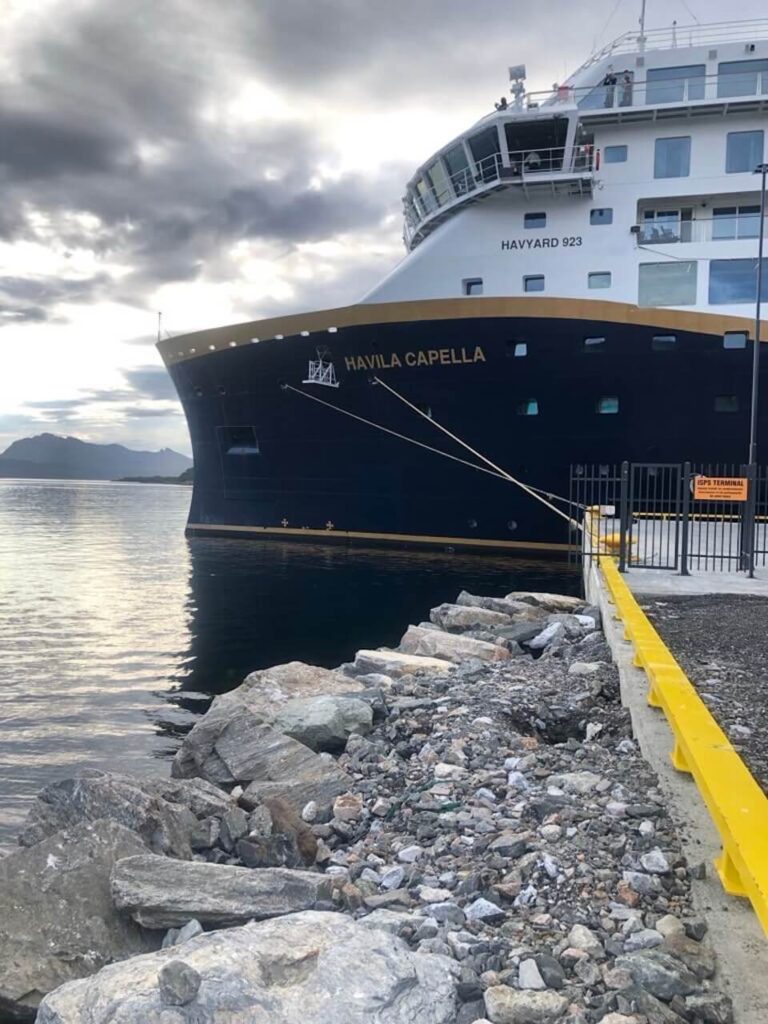
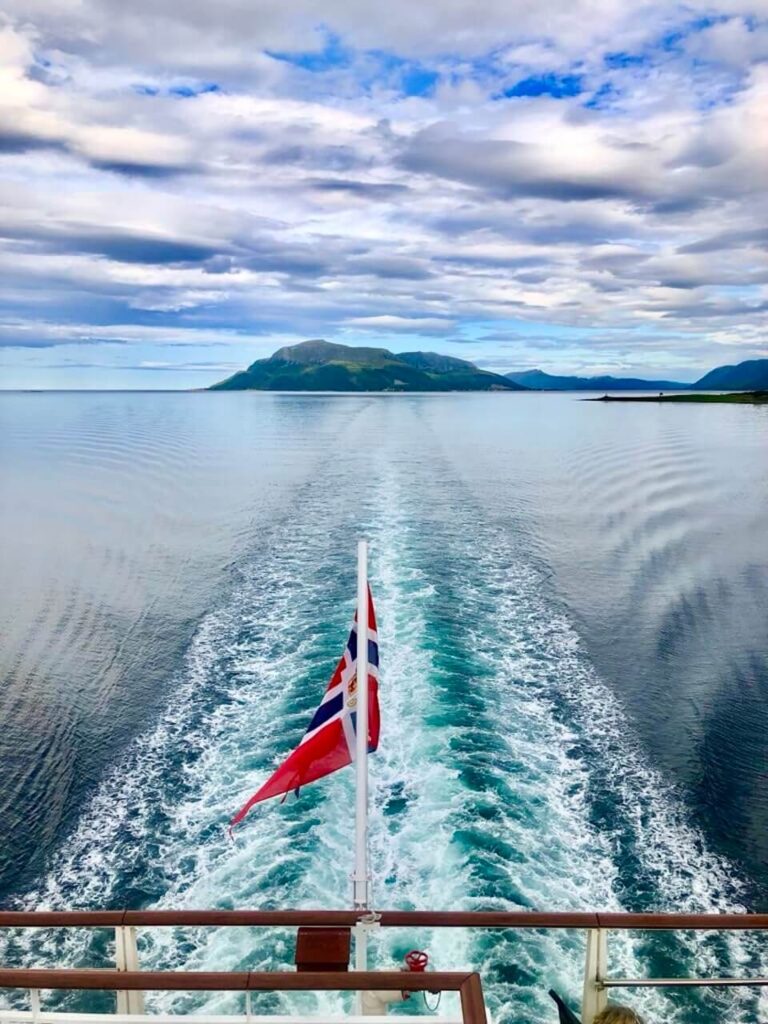
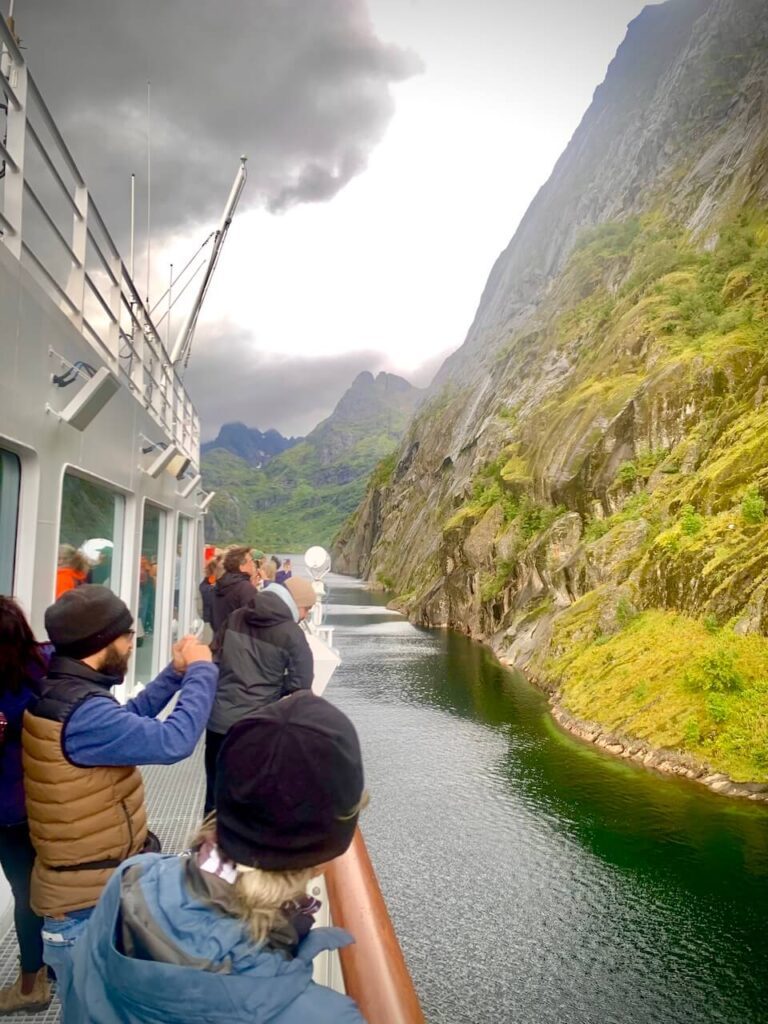
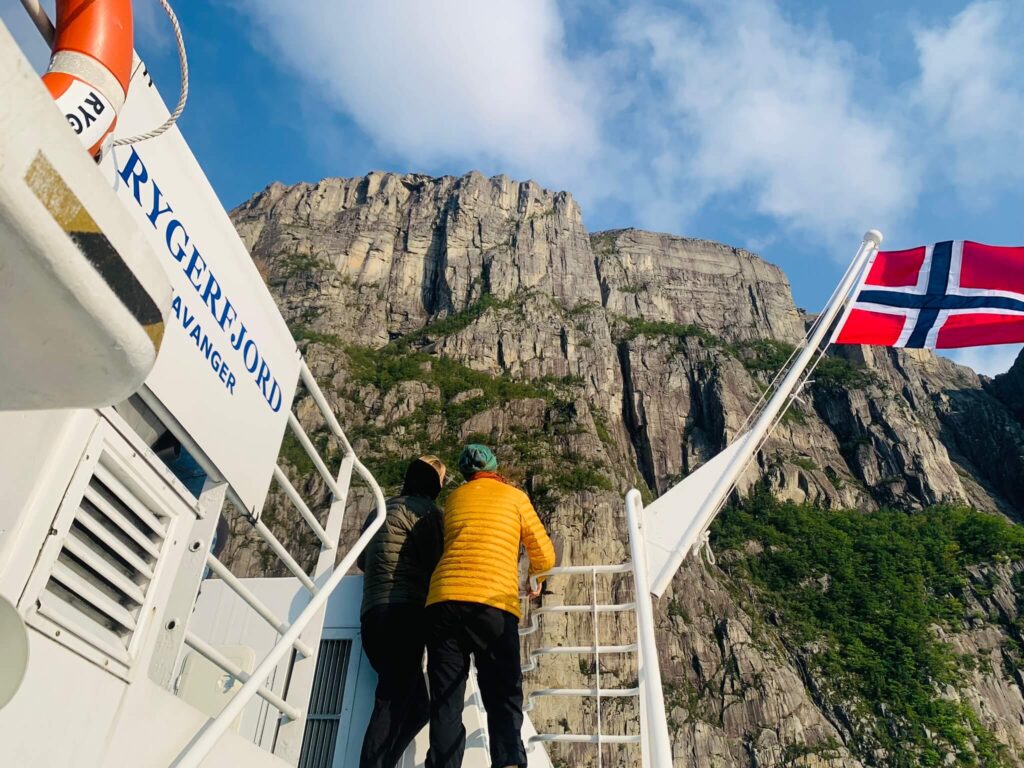
So we used Norway’s coastal ship network to bridge the distance. We took the Coastal Express (Havila/Hurtigruten-style route) to move between major regions without sacrificing the parts we actually came for. This decision shaped the whole trip. It cost real money, yes, but it turned “either/or” into “both.” In practice, once you’re onboard for longer than 24 hours you’re in cabin territory, and we added meals. The ship experience itself became part of the journey: ordered, organised, informative, and, especially on meal service, surprisingly good. If you want to cut the cabin prices down, look at buying a voyage package I.e. Trondheim – Bodø or Tromsø – Svolvær (Lofoten). Buying a custom journey adds a lot to the cost. Additionally, if you can be structured with set dates, booking months in advance will result in significantly lower prices, making the journey far more cost-effective.
The riding reality: climbs, fjords, gravel, and the weather turning on you
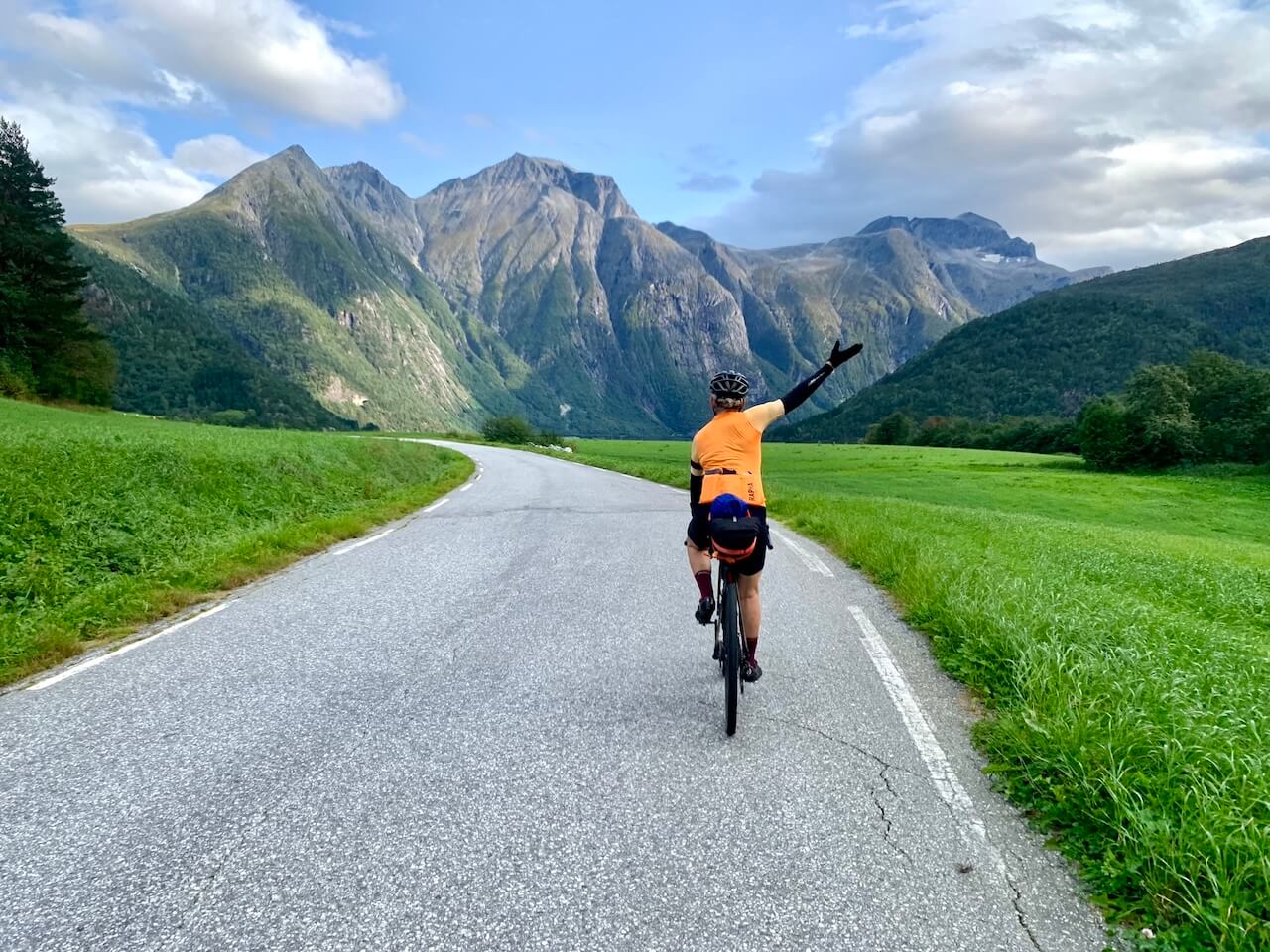
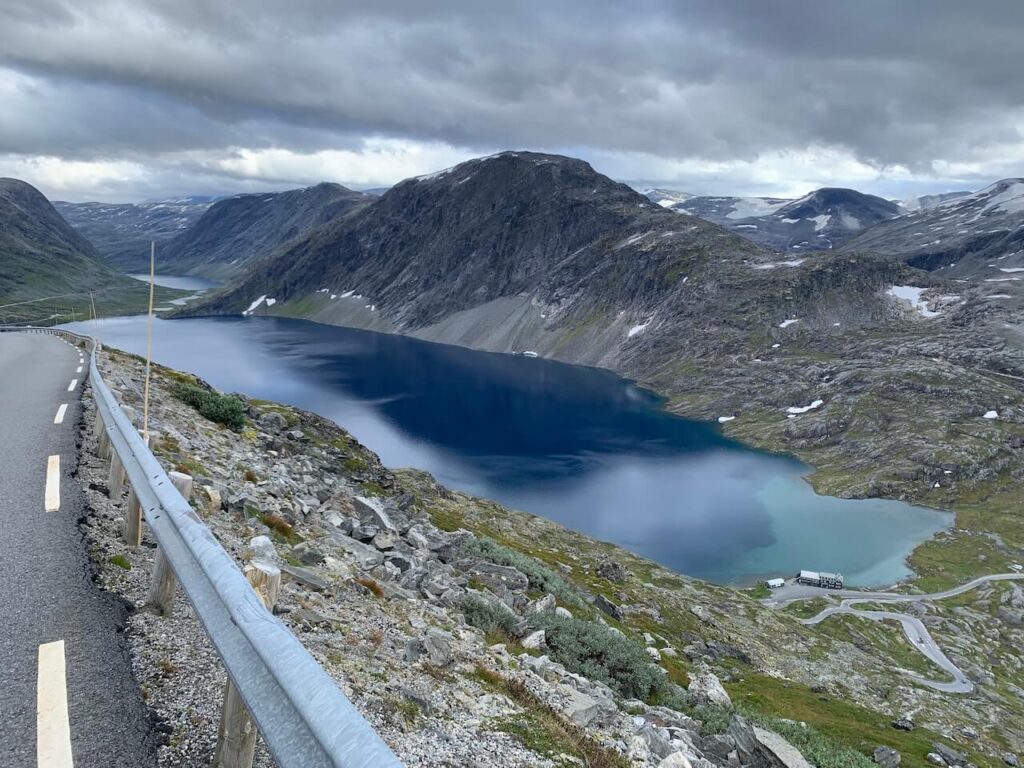
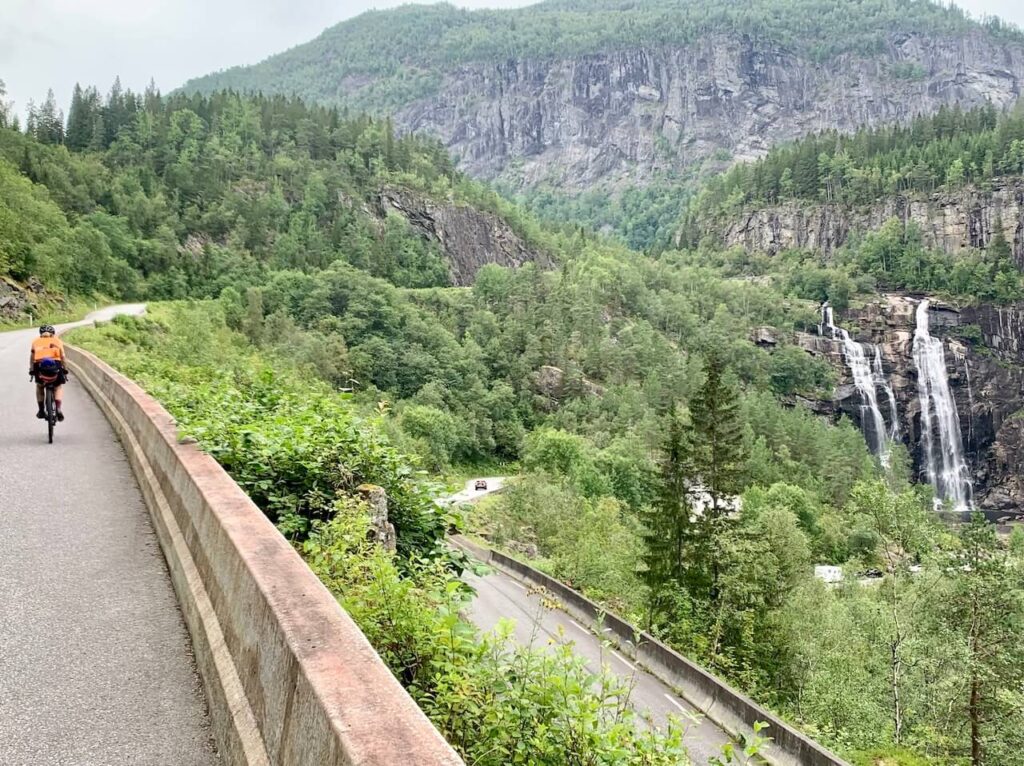
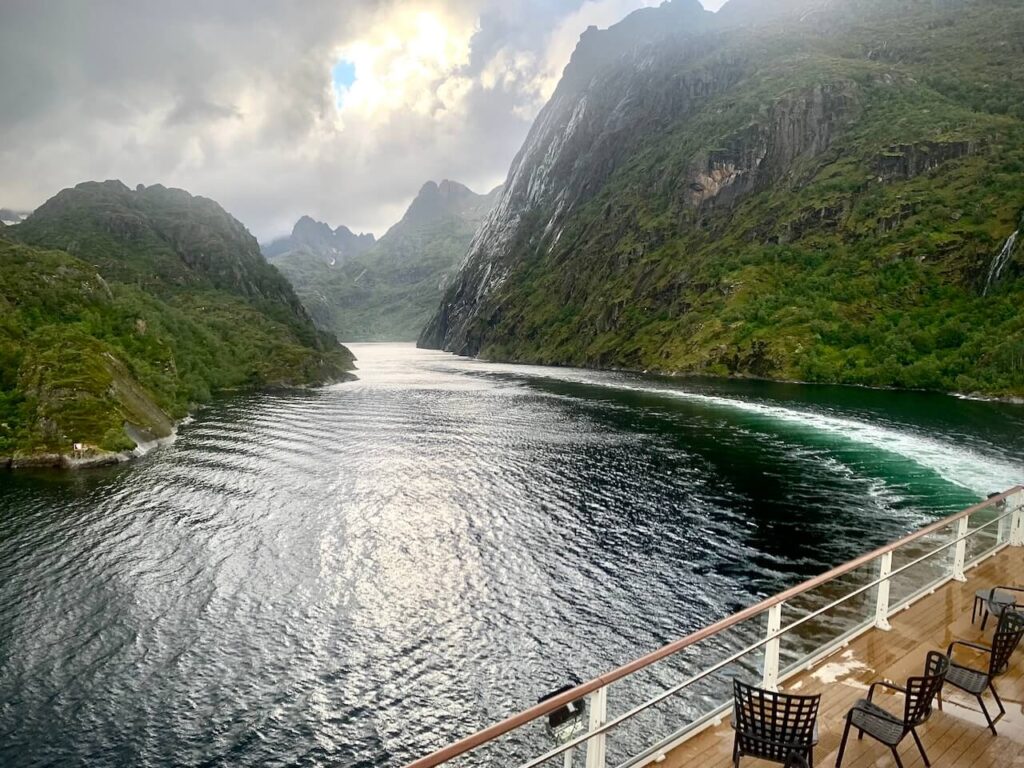
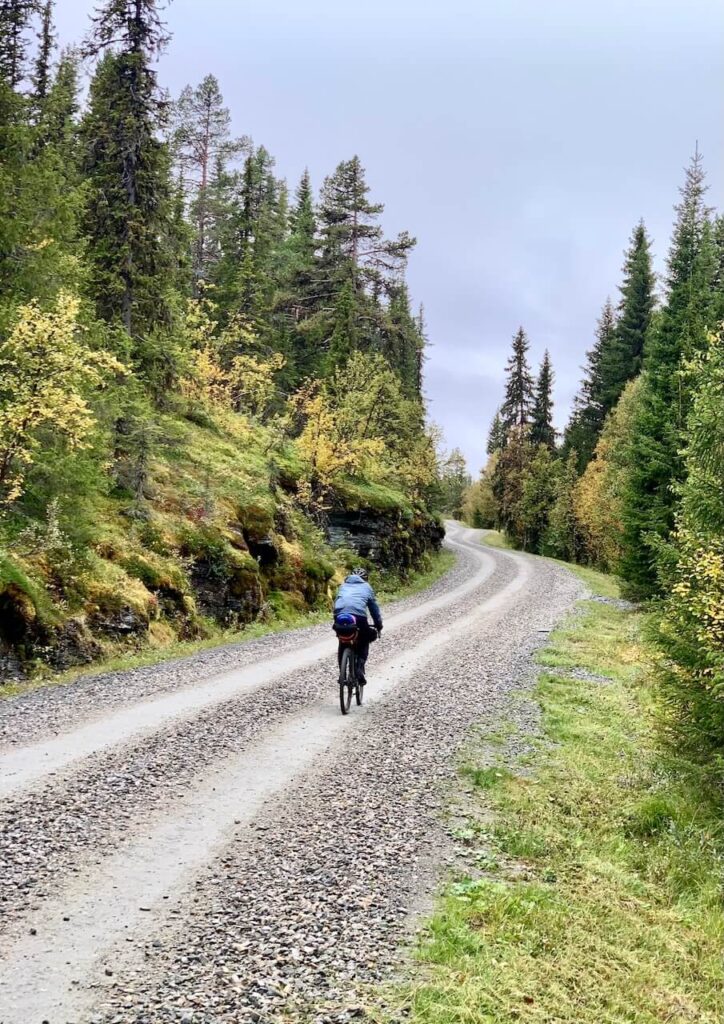
Norway’s riding is not one thing. It changes constantly. One day you’re grinding up switchbacks into a fjord head with waterfalls and rock faces towering above you. Another day you’re moving through farmland into a city with roadworks and festival closures. Another day you’re crossing a high plateau with nothing but wind and open space, and a downfall that comes down fast and seeking shelter is advisable. In half an hour it could be sunny again!
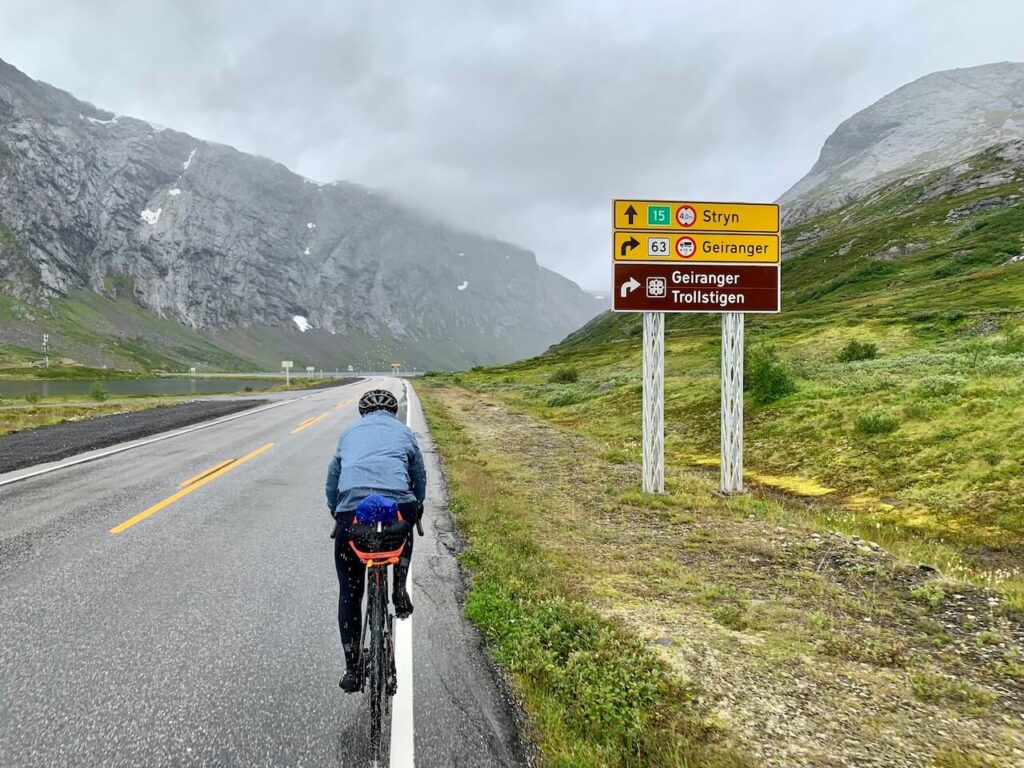
Early on, the ride into Lysebotn set the tone. We knew there was elevation, but the pain was outweighed by the raw beauty. That became a theme: “beautiful grind.” Norway does this to you again and again, hard effort, then a view that makes the suffering feel like the entry fee.
We also had these small, human moments that stick. Morning tea with a friendly Norwegian couple who called our bike setup “very professional.” Random meet-ups with other riders, including Erik, who we bumped into multiple times while he was doing a round-Norway endurance ride. Coffee and buns in places that felt like they existed purely to keep cyclists and hikers alive.
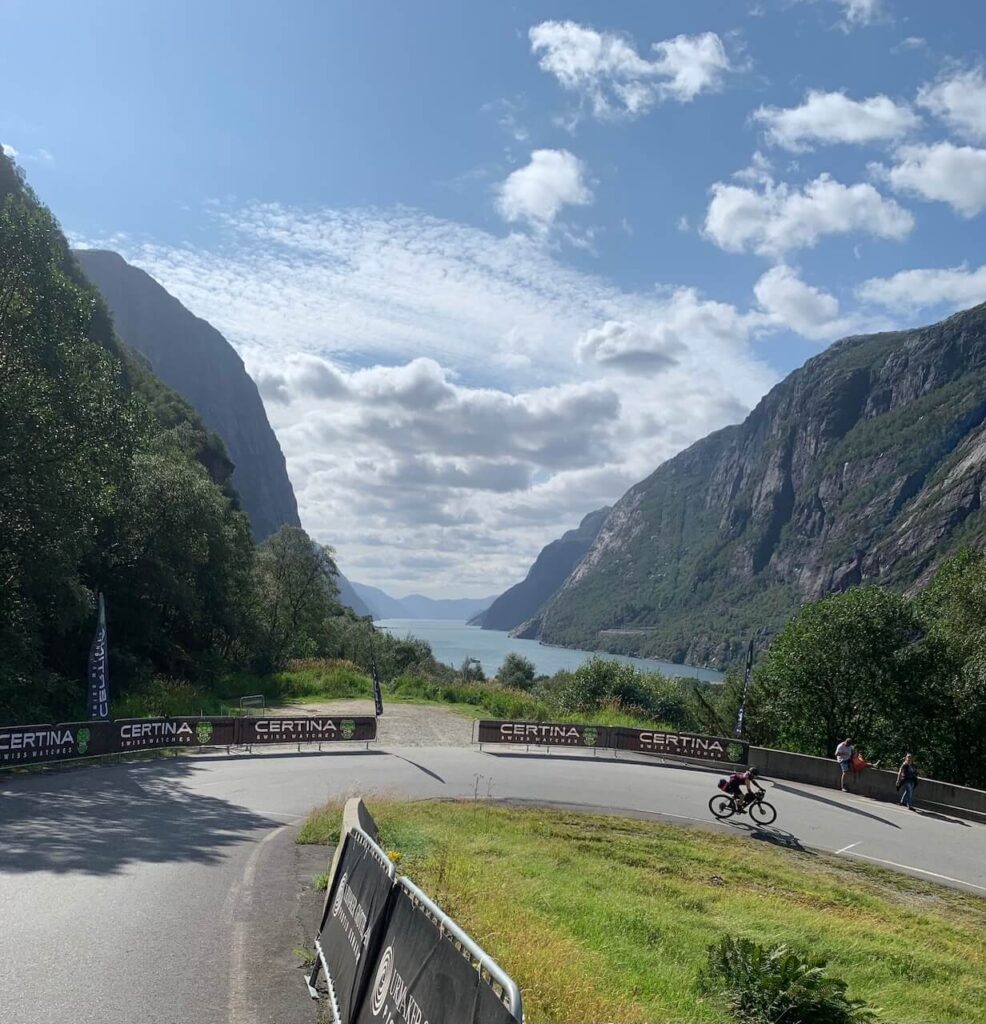
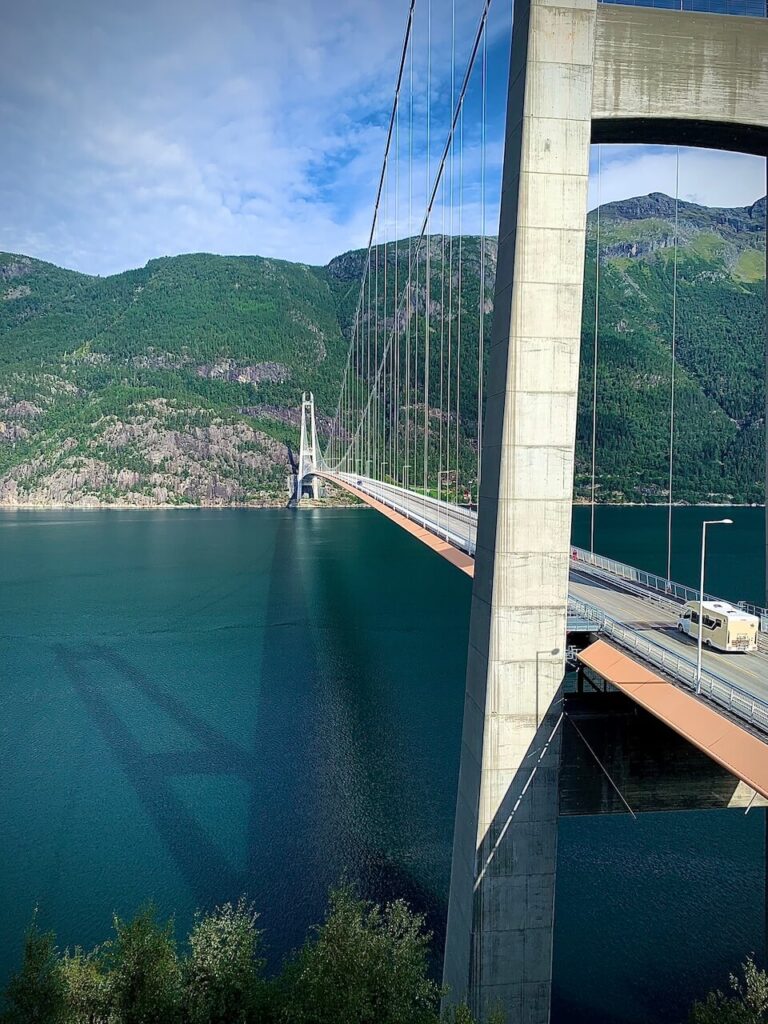
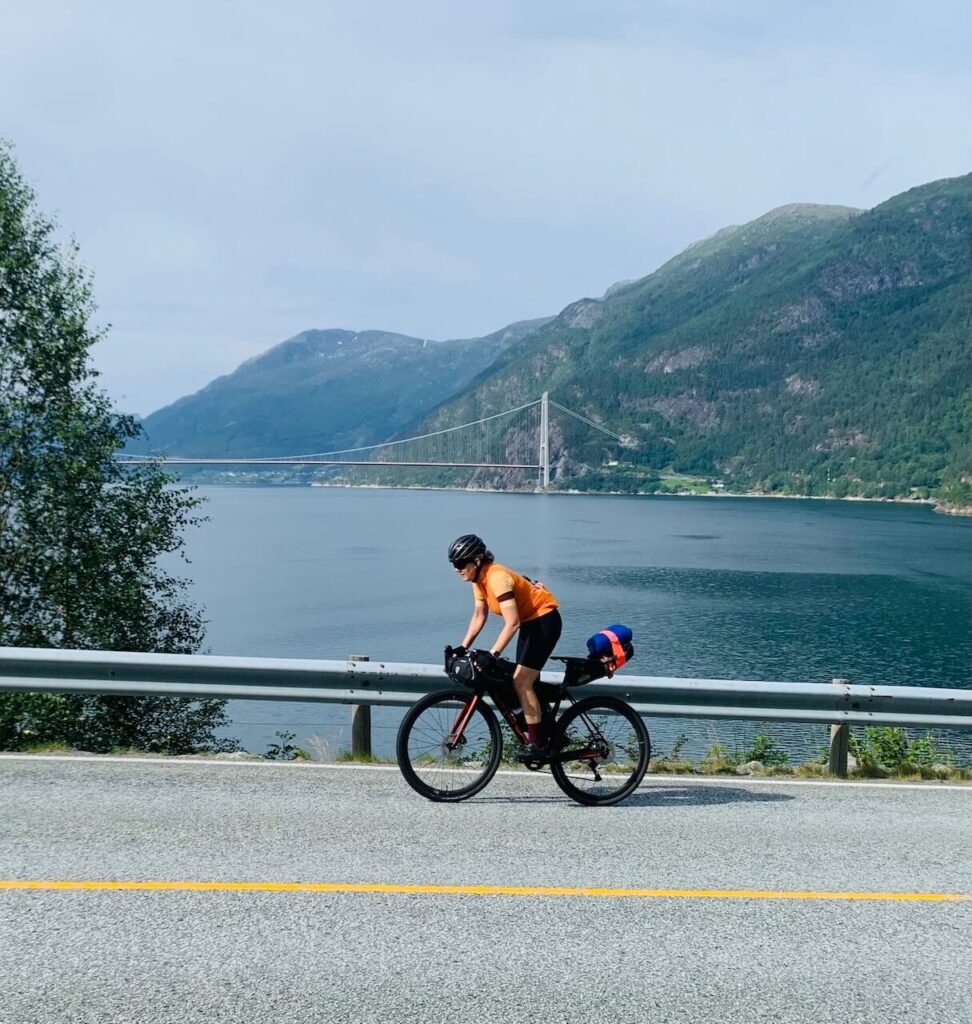
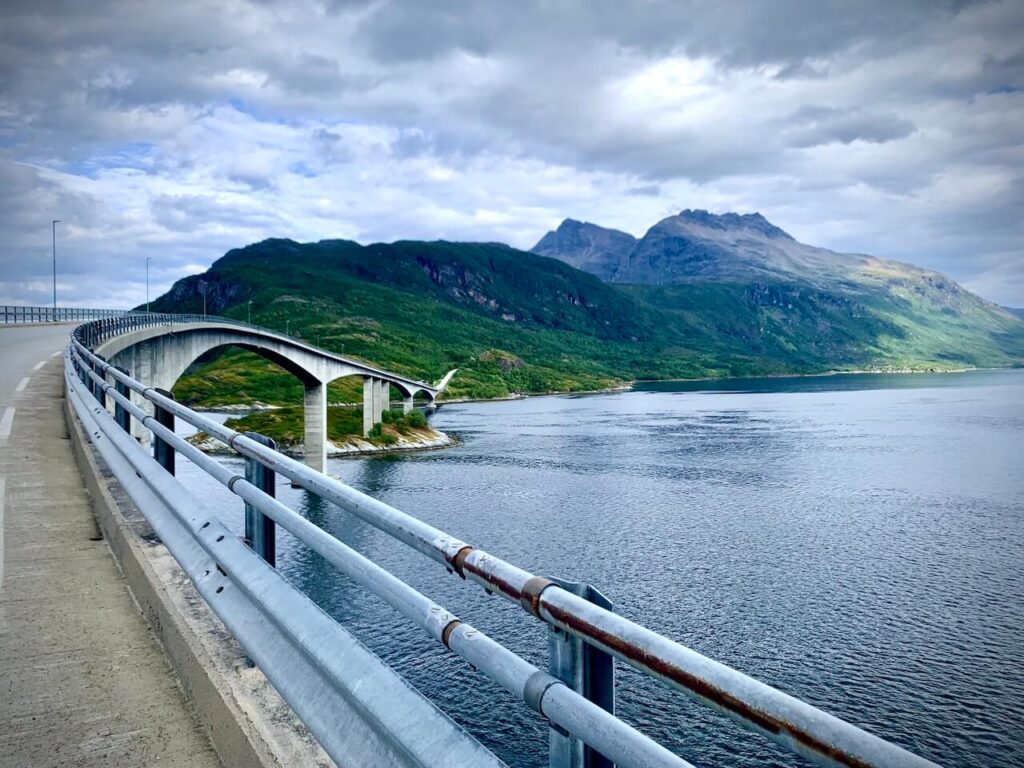
Then there are the “this is Norway” surprises. We reached Lysebotn and discovered the climb was closed for an international roller-skiing event. Helicopters. Cameras. Support crews. A finishing chute like something out of the Tour de France. It was surreal, and we rode through it the “wrong” way. Hardangerfjord gave us one of the great infrastructure moments of the trip: the Hardanger suspension bridge, about 1.3km long, with a cycle lane. It’s an engineering statement, cars disappear straight into a long tunnel, while you remain outside, exposed to the landscape, rolling above the fjord. This is where Norway feels “designed” for the terrain rather than fighting it.
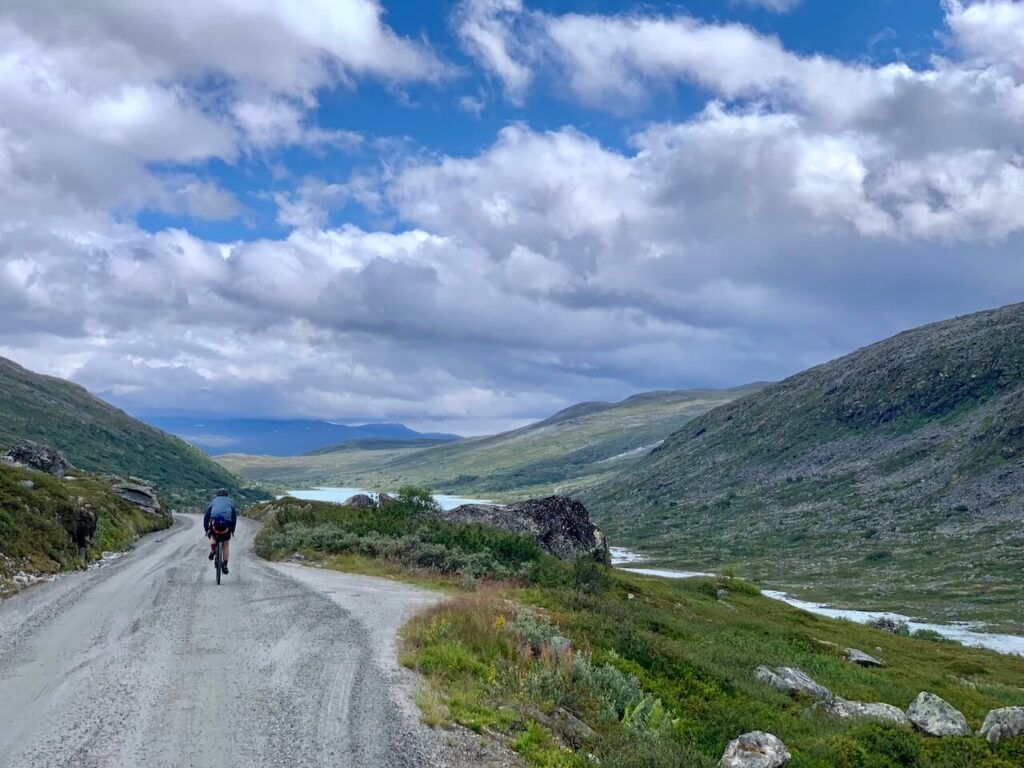
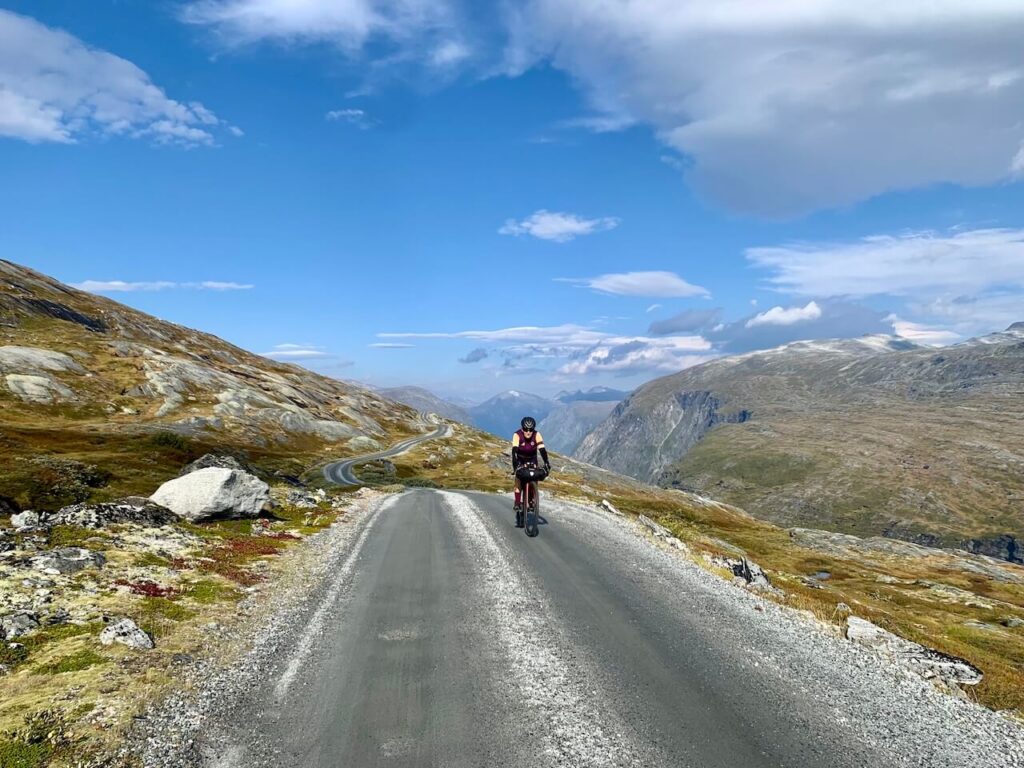
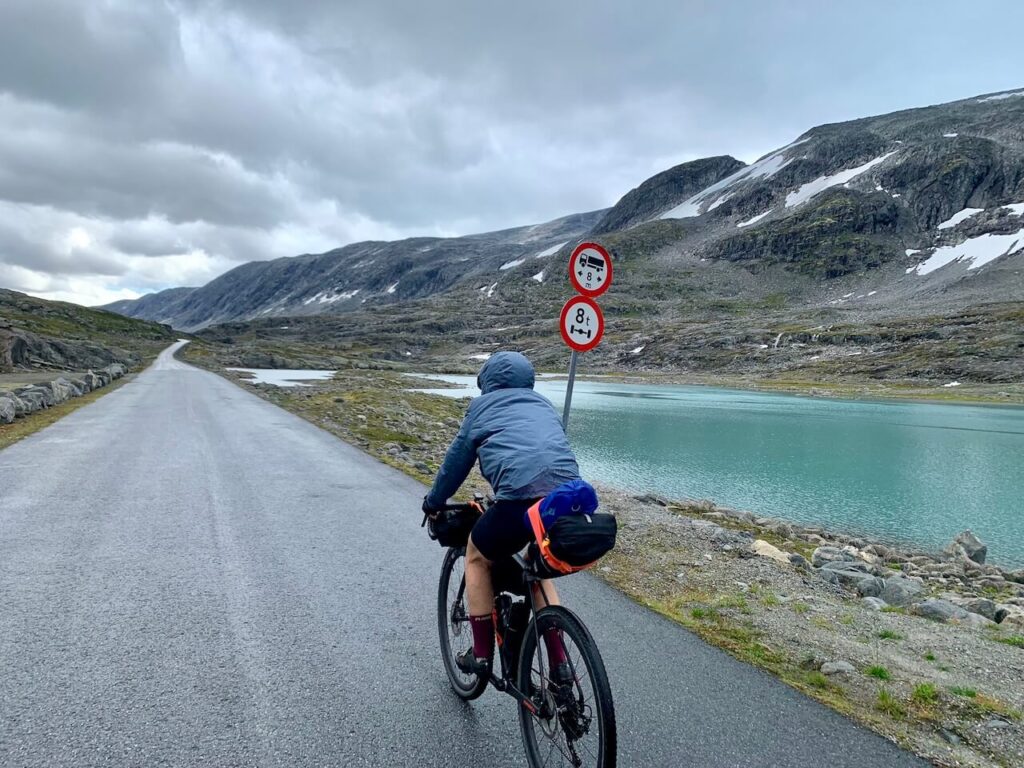
But the country also keeps you honest. We had a proper reality-check day crossing high ground in poor visibility: raincoats on, then off, then on again. Cold temperatures at altitude. At one point we climbed to around 1000 metres in 3°C in wet weather. That’s not “bad luck”, that’s Norway reminding you that summer in the mountains doesn’t mean safety.
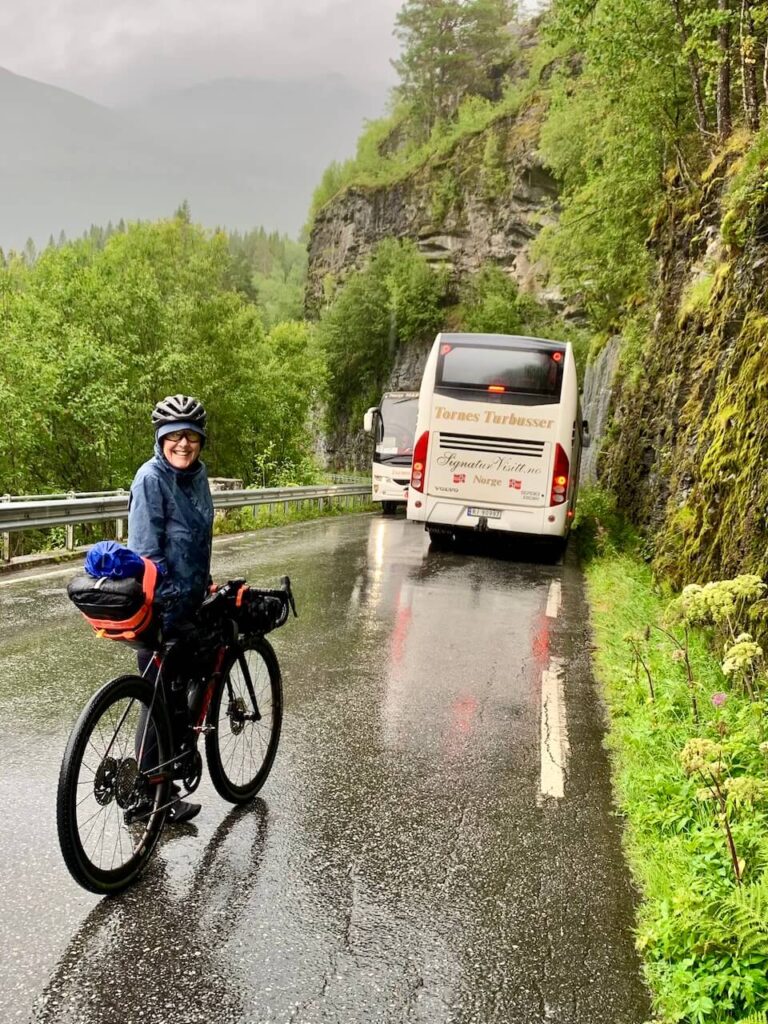
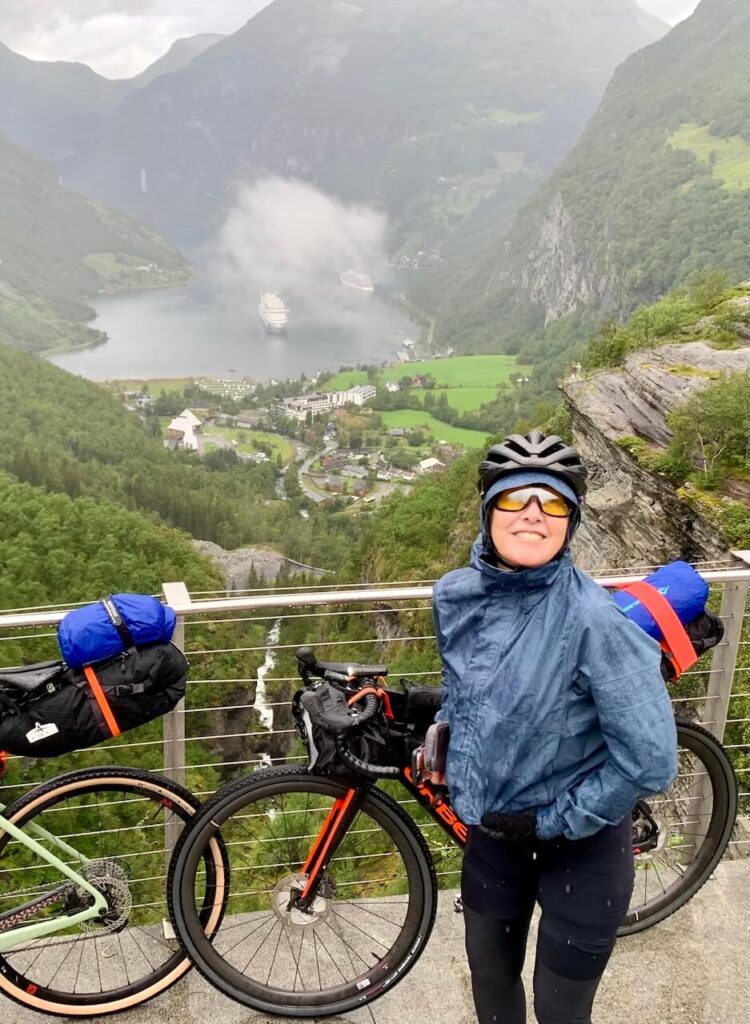
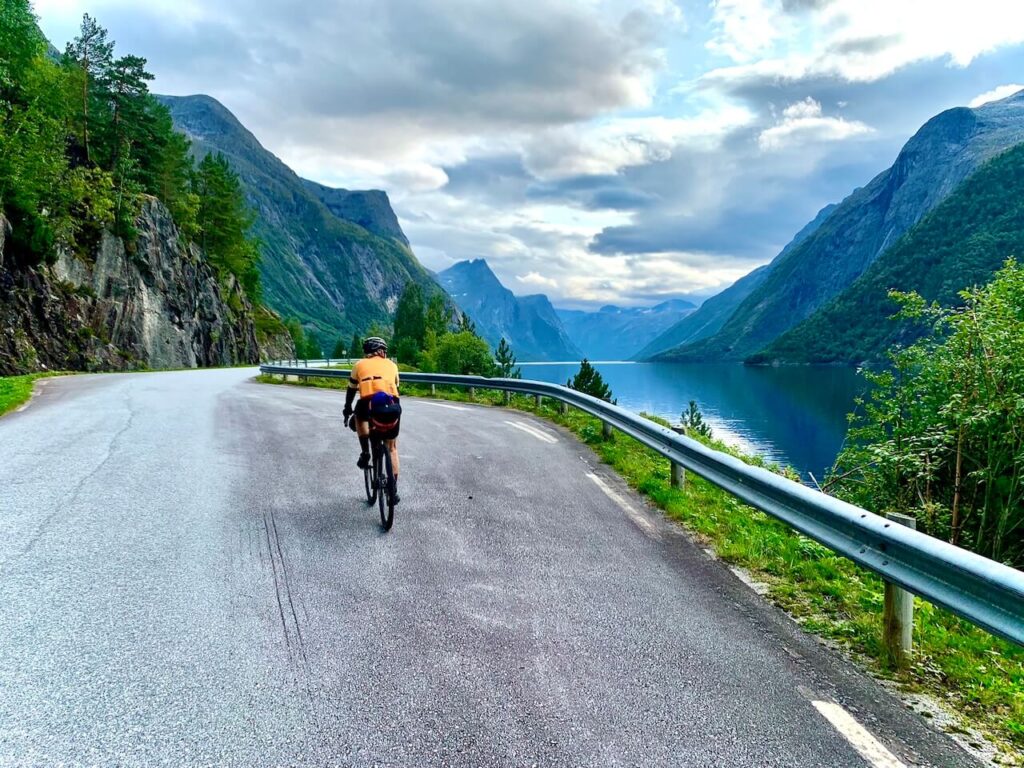
There were days of pure reward: quiet scenic roads where descents felt smooth and safe because traffic was minimal. There were days where tunnels and bridges demanded attention because wind and passing vehicles amplify the sense of exposure. There were days where we arrived somewhere cold and hungry and the village looked like paradise purely because it had warmth.
“This is the honest truth: Norway gives you the best riding of your life and then asks whether you’re organised enough to handle it.”
The Practical Reality: food, water, tunnels, ferries
If you want to do Norway well, you plan the basics. The scenery will take care of itself. The basics are what determine whether you enjoy the trip or endure it.
Food (what we actually ate, and what worked)
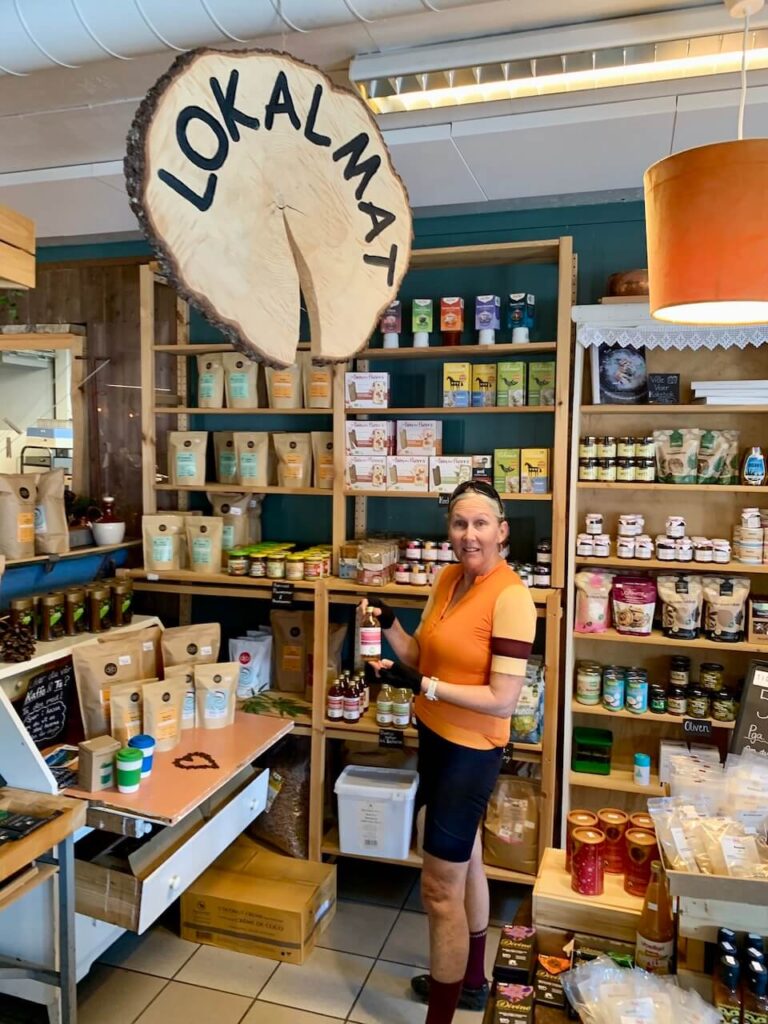
We like food. And on a long trip, food becomes more than fuel – it’s morale. We leaned hard on supermarket stops and bakeries. Norway does simple things well: solid bread, pastries, decent coffee, and reliable groceries. We also loved a hearty breakfast, and hotels with breakfast included mattered more than we expected. Starting a day already fed changes everything.
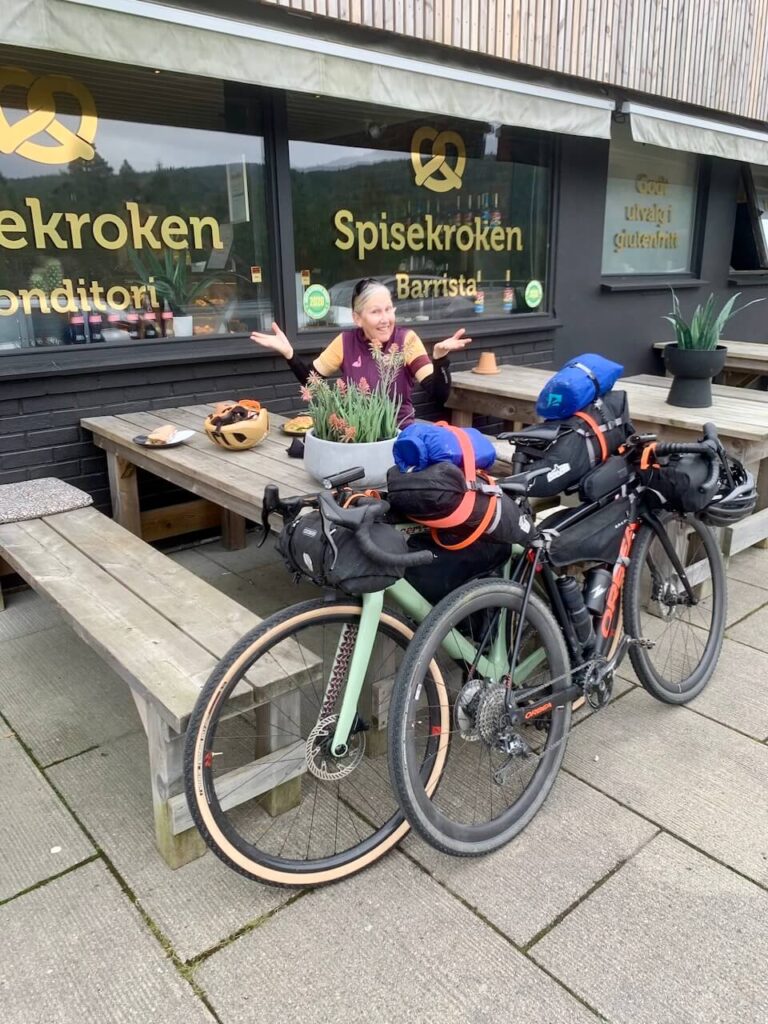
We still ate out. On harder days, or when we landed in a town late, restaurant meals were part of the rhythm (Indian, Thai, pizza, whatever made sense). In the north, we noticed how substantial salmon portions were, fishing is everywhere, and the food reflects that.
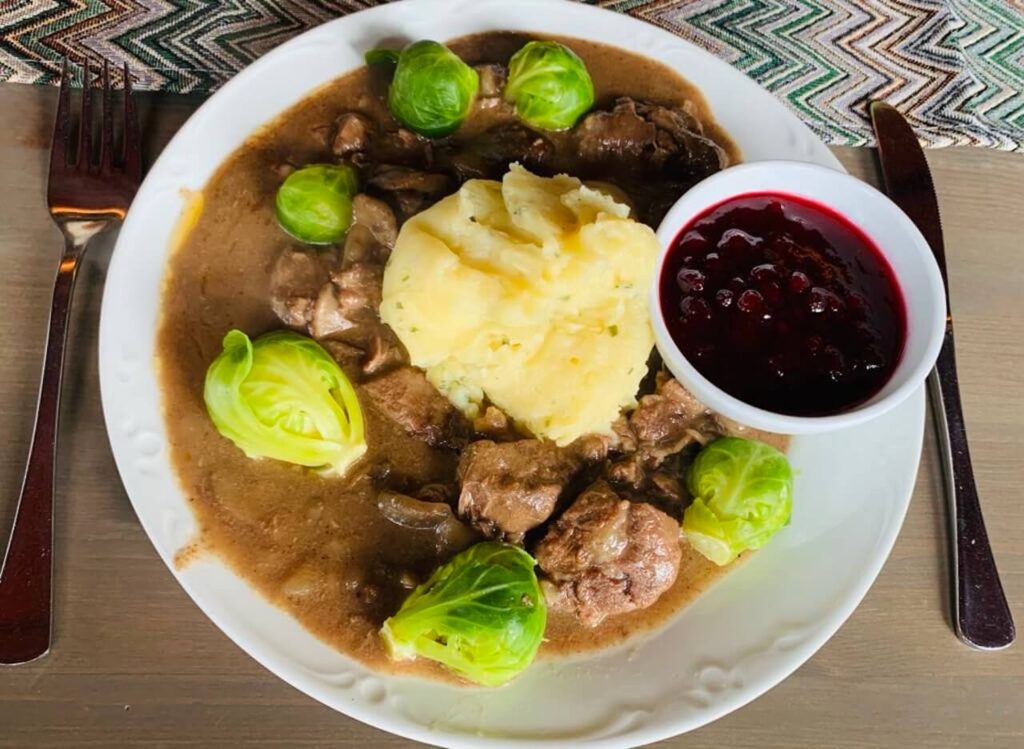
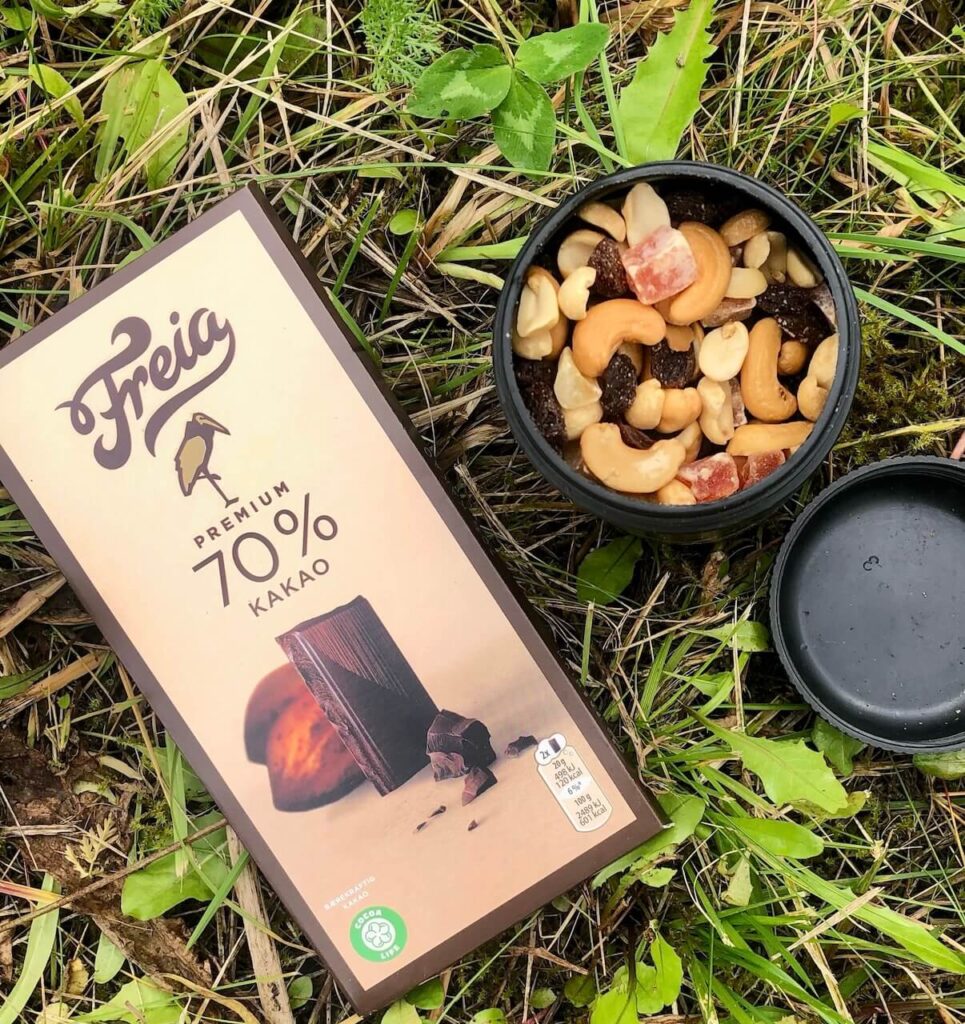
Practical tip we learned: don’t overthink “special” sports nutrition. Norway has what you need. The habit that kept working was simple: buy enough at each stop to get you through the next long section, then repeat.
Water (do you need big capacity?)
We carried surprisingly little most days, one 750ml bottle each, because water is everywhere. Streams, roadside runoff, and regular shop access meant we rarely felt anxious about water. We carried an extra small bottle that started as a backup and ended as our “cookie jar.” Practical reality: in the mountains you still plan. If a long climb takes you away from services, you fill up before you go up. But Norway is not a desert route. Most people overcarry water here out of habit.
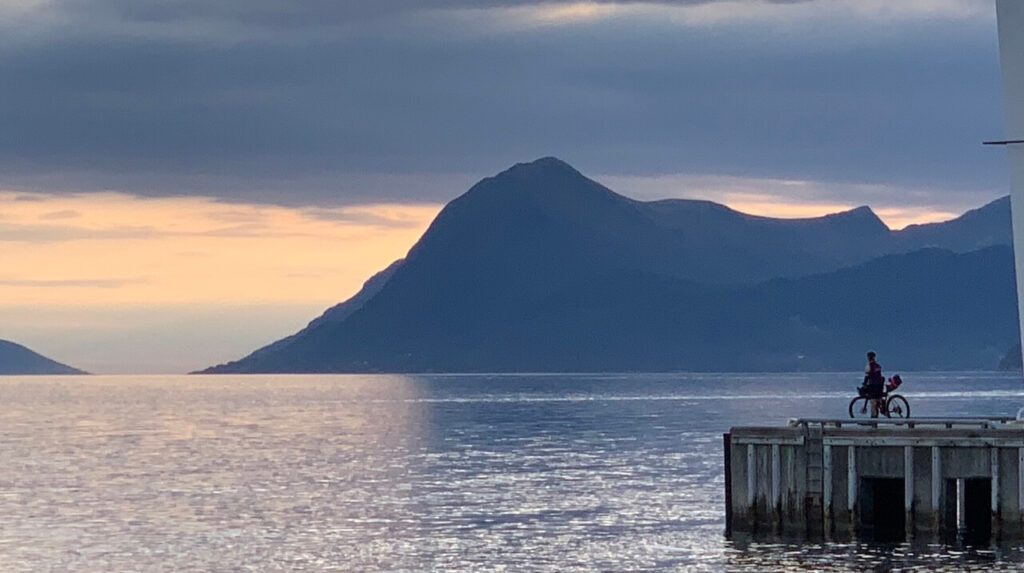
Ferries (how they work, what they cost)
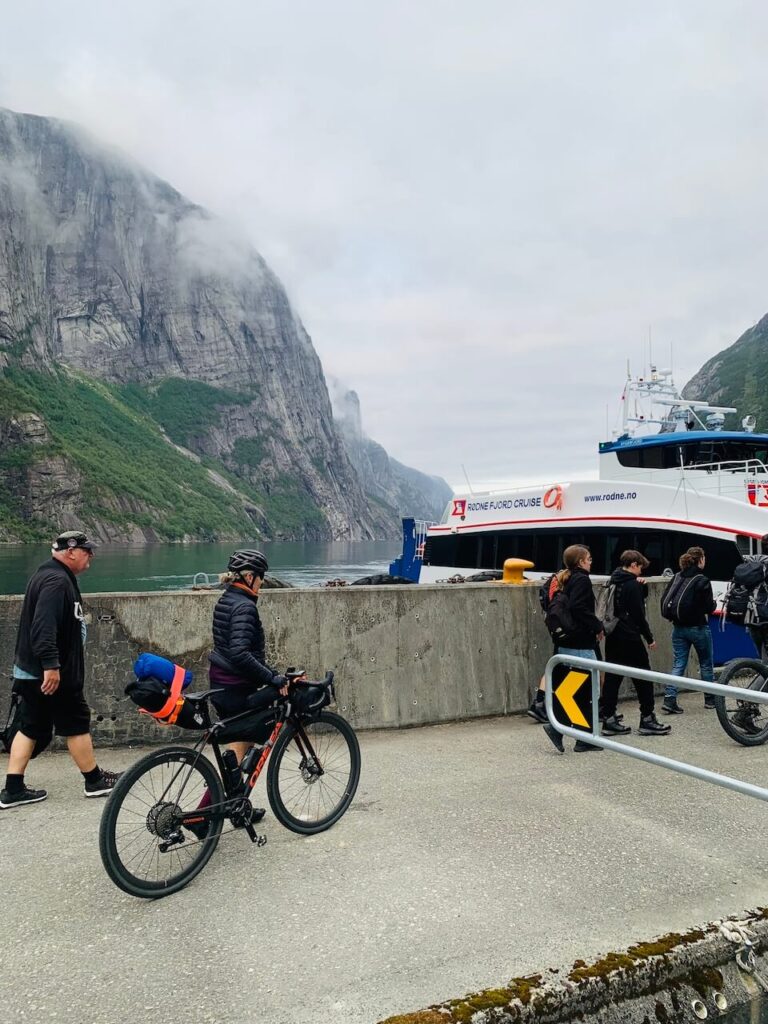
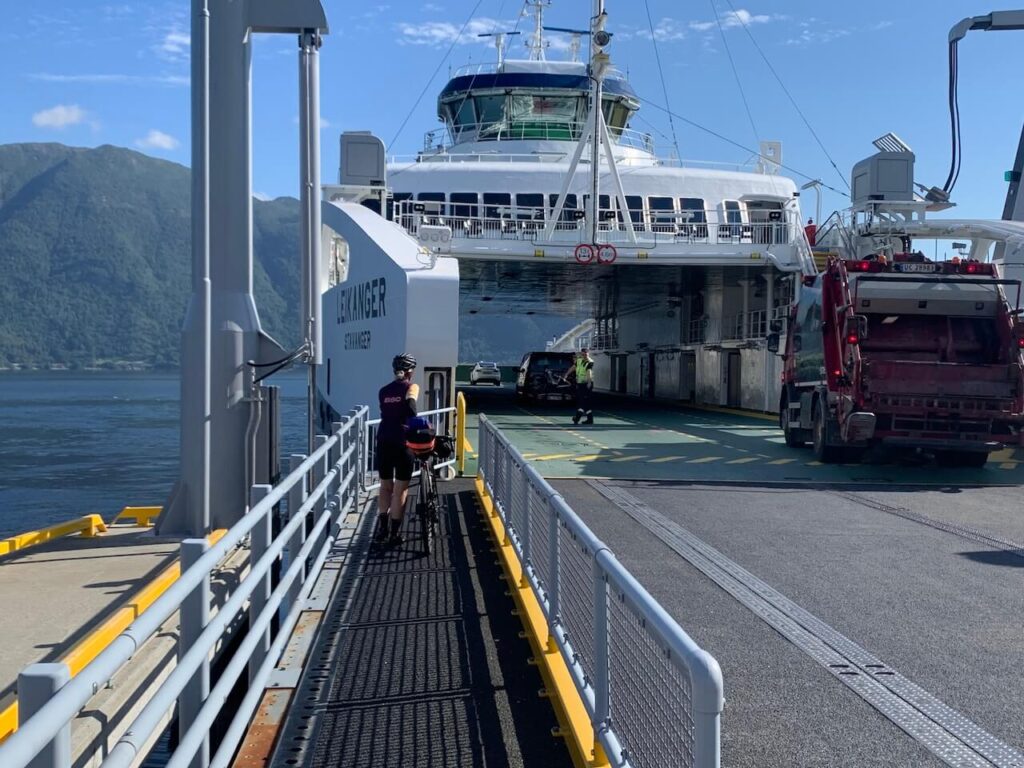
Norway uses ferries the way other countries use bridges. They’re part of the road network. You arrive, queue, roll on, roll off, and keep riding. For local ferries, we found it straightforward and importantly for budget, local ferry rides were free for cyclists on the ferries we took. That helped, and it’s one of the reasons Norway can be more affordable than people fear if you’re not constantly paying for vehicles.
The big ferry move was different: the Coastal Express is not a local hop. It’s a strategic transport decision. It adds cost, but it adds reach. If your dream is Lofoten plus fjords plus interior gravel in one trip, the ship is a good way to do it without turning your holiday into a time trial.
Tunnels (are they a problem?)
This is the question people quietly worry about. Yes, tunnels can be confronting at first. Norway cuts through mountains and under fjords to keep transport moving, and that means tunnels are common. The good news is that Norway has gone to great lengths to make riding workable: often the “old road” becomes a quieter, more scenic route for cyclists and pedestrians. You don’t always have to take the tunnel. When you do, you treat it like a serious environment: strong lights, predictable line, and you commit to being visible.
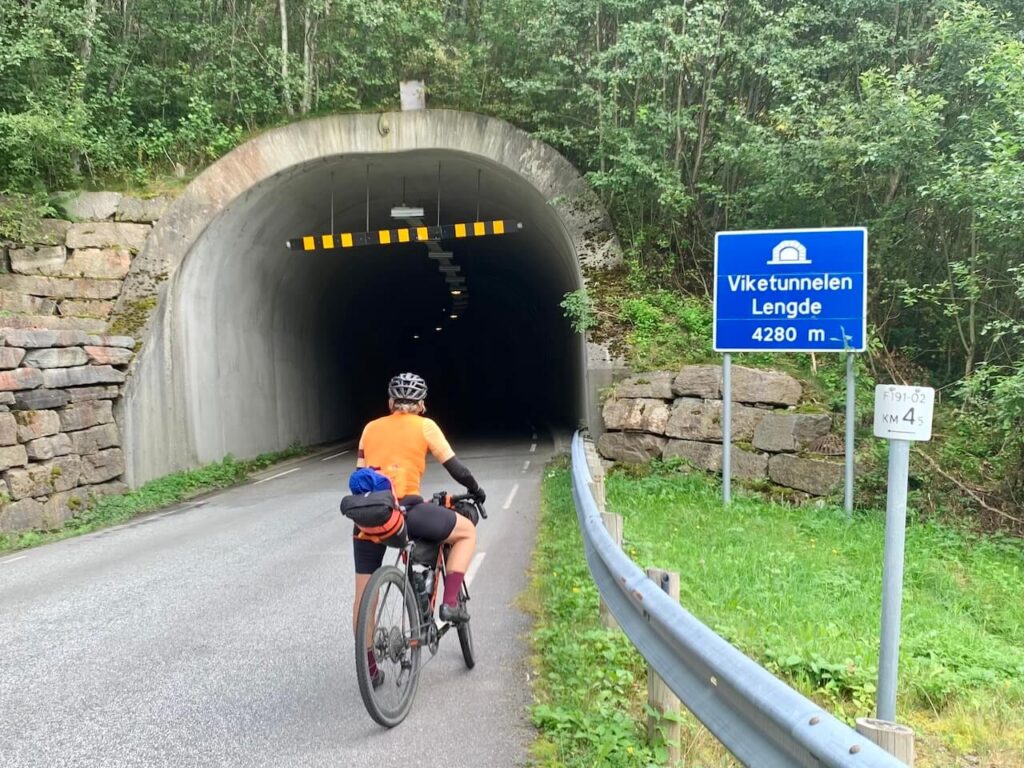
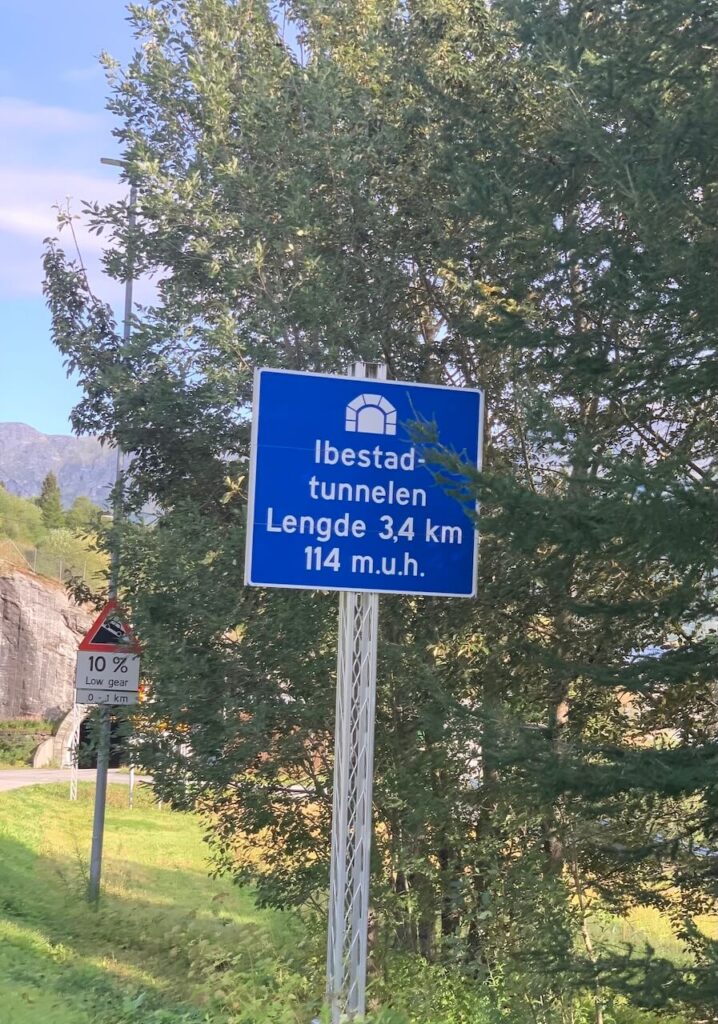
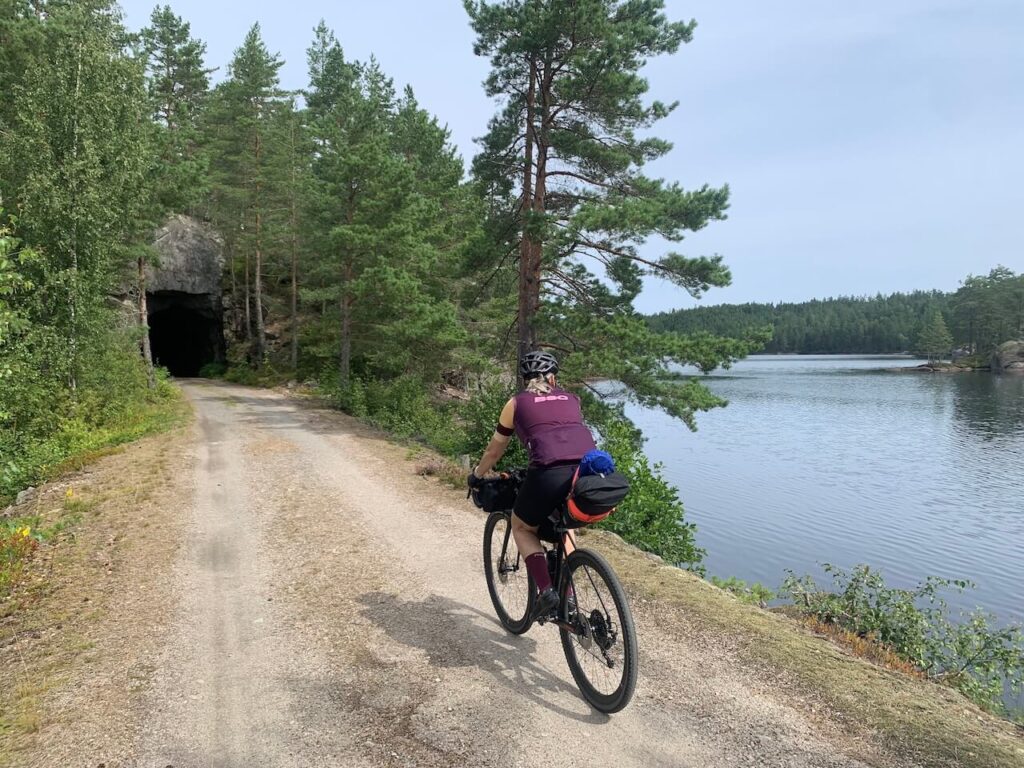
We found the mental load of tunnels was often worse than the reality, but some tunnels did feel intimidating, especially when vehicle noise amplifies inside. The practical fix is simple: lights that are genuinely bright, not token lights.
Costs: what we spent, what drove it, what we’d change
People planning a long-distance Norway ride want a straight answer: “How much does this cost?” The honest answer is: it depends on your comfort threshold and whether you use long-distance transport like the Coastal Express. But we can give real numbers from our trip tracking.
Our recorded spend (mostly accommodation + major transport)
We tracked costs mainly around accommodation and major transport. Based on our spreadsheet totals, our recorded spend came to approximately €8,444 across the trip (excluding flights and on-the-road food). The biggest cost drivers were clear:
1) Coastal Express cabin + meals: approximately €3,968. This was the single largest lever. It wasn’t “bikepacking cost” as such—it was the choice that unlocked Lofoten and the north without losing weeks.
2) Hotels (often with breakfast): approximately €2,344. Breakfast included matters, because it reduces your morning supermarket spend and sets you up properly for long climbs.
3) Airbnb: approximately €1,264. These were often used when we wanted space, laundry, and a reset.
4) Cabins: approximately €540 combined (standard cabins plus a couple with showers). Cabins were frequently good value because they offered cooking facilities, drying space, and bike security.
5) Camping: approximately €91 recorded. We carried the tent and used it selectively rather than constantly.
6) Local ferries: free for cyclists on the ferries we used (helpful both financially and logistically).
See our full spreadsheet cost breakdown here
What’s not perfectly captured in that total
Daily food spending was not itemised to the same degree as accommodation and transport. We ate mostly supermarket and bakery food with regular café stops and some restaurant meals. So treat the €8,444 as a strong baseline for accommodation and transport decisions, then add your own food budget depending on appetite and how often you want sit-down meals. To keep one person fueled for one day expect that to cost between 15-20 euros (supermarket only) to 40-70 euros for restaurants, bakeries, gas stations, and all other on-the-go premade food.
What we’d change (if we did it again)
If we were trying to reduce costs without sacrificing the trip, the big lever would be accommodation mix, not route quality. More cabins and selective camping would cut costs. The Coastal Express cost is only avoidable if you change the trip concept (for example: focus only on the south/west, or take the train to the north). If your goal is “all of it in one go,” the ship is a luxury worth considering.
Do I need to book accommodation ahead?
If you want maximum freedom, camping and cabins help. If you want comfort and certainty in peak season, especially in hotspots like Lofoten, booking ahead is wise. Our experience was that accommodation was often available, but we also leaned into hotels and cabins when weather demanded it. The best planning approach is: pre-book a few key pinch points (popular islands/regions, or where options are limited) and leave the rest flexible so you can ride based on weather and energy.
How much camping vs hotels?
We carried camping gear but used it selectively. Comfort and recovery mattered, and we didn’t pretend otherwise. Hotels (especially with breakfast) helped us maintain rhythm. Cabins were often the sweet spot: cost-effective, warm, practical, and secure. The lesson is: don’t turn camping into a religion. In Norway, the weather will eventually force your hand. If you budget for a mix, you won’t feel resentful when you need a room.
What about the weather in July/August?
The calendar month does not protect you in Norway’s mountains. You can get sunshine and perfect riding, and you can also get cold rain and low visibility at altitude. We hit 3°C at around 1000 metres in wet conditions, and that’s the kind of day that changes your mindset. Plan for all seasons even in summer: proper rain gear, warm layers, and the willingness to stop early if conditions become unsafe.
Concluding thoughts
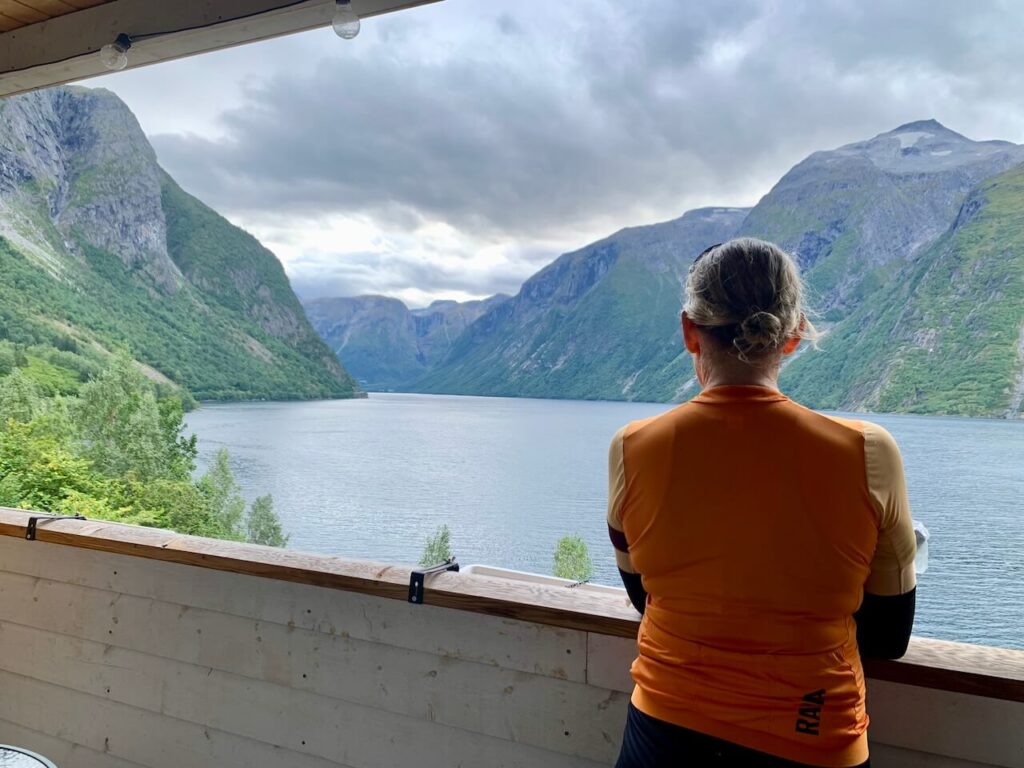
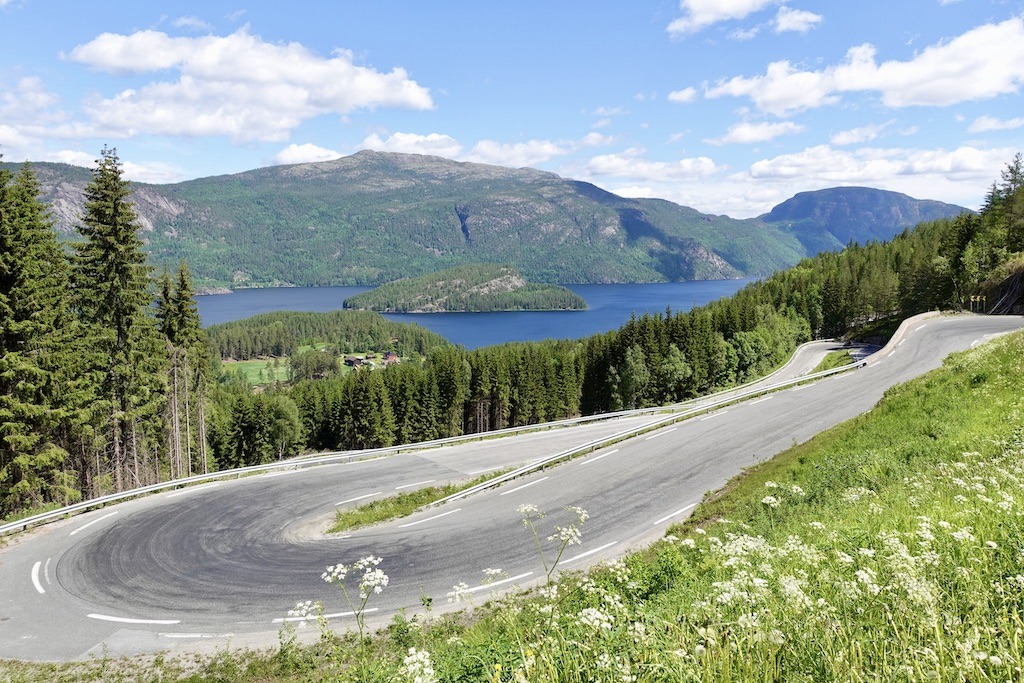
We find getting on our bikes anywhere new stimulates the senses. On your bike, you travel at just the right pace to take in everything on offer – not too fast and not too slow. We have been privileged to have bikepacked in New Zealand, which has its own level of natural beauty, and we couldn’t help but make a connection to it while pedalling through Norway. Whether it was atop Trollstigen or Dalsnibba, overlooking Geiranger or winding our way beside a fjord, we regularly spoke of what we were experiencing as “New Zealand on steroids”. And so Norway, with its mountains, fjords, waterfalls and its remote open spaces, our sense of wonder went to another level. Like any holiday, you have some lofty expectations and whether they will be met. Well, they were surpassed and we can vouch for this Nordic country being a paradise for cycling. And we didn’t even get to see it all, but truly privileged to have experienced what we did see.
Our memories will linger long.
Read the full 44-day diary of Guy and Judy’s adventure: Norway our way.




Leave a Reply