




Norway’s Most Misunderstood Creature
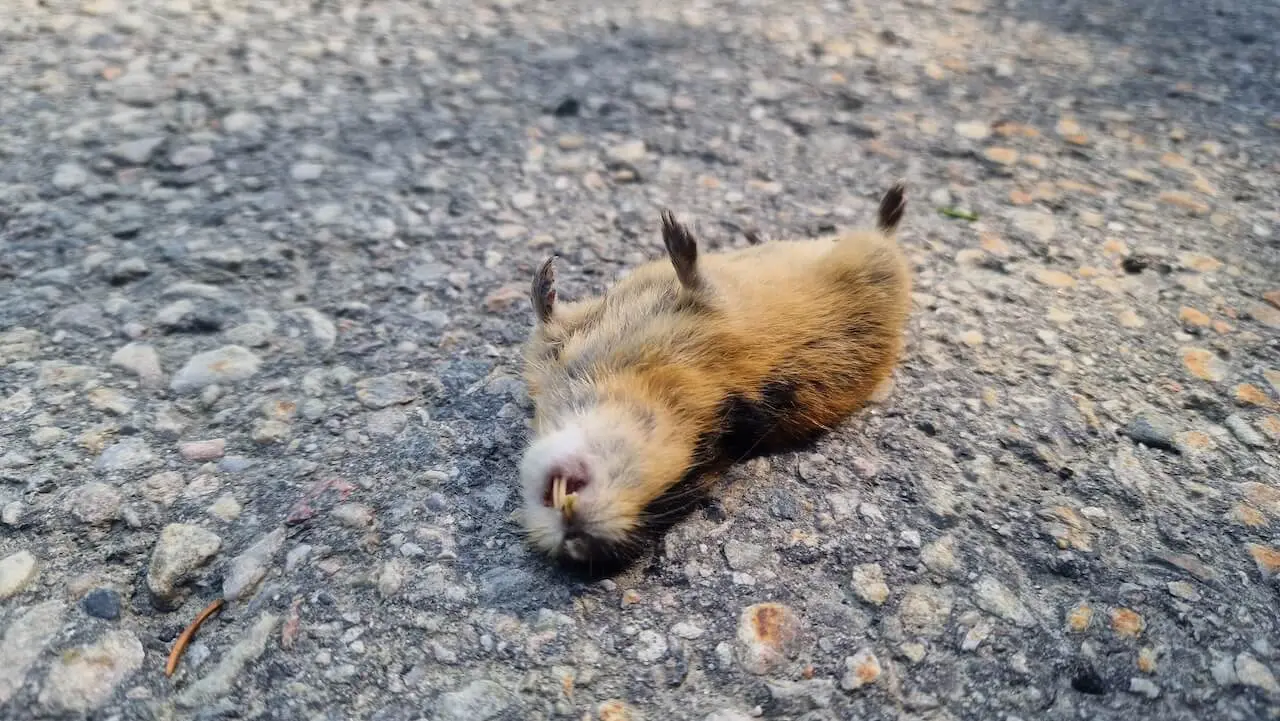
If you’re out on your bike in Norway this year, don’t be surprised if your ride is shared with hundreds of small, angry-looking rodents darting across the tarmac. This is a lemming year, and the mountains are alive, or should we say dead, with them. Alive, they scurry into the verges; dead, they lie scattered on the roadside, sometimes crushed, sometimes intact as if they simply gave up mid-journey. For cyclists, it’s both a curious sight and a window into one of Norway’s most fascinating natural cycles.
To understand why there are so many, and why so many end up dead on the road, you need to look at the lemming’s unique role in Norway’s ecosystem.
The Population Boom
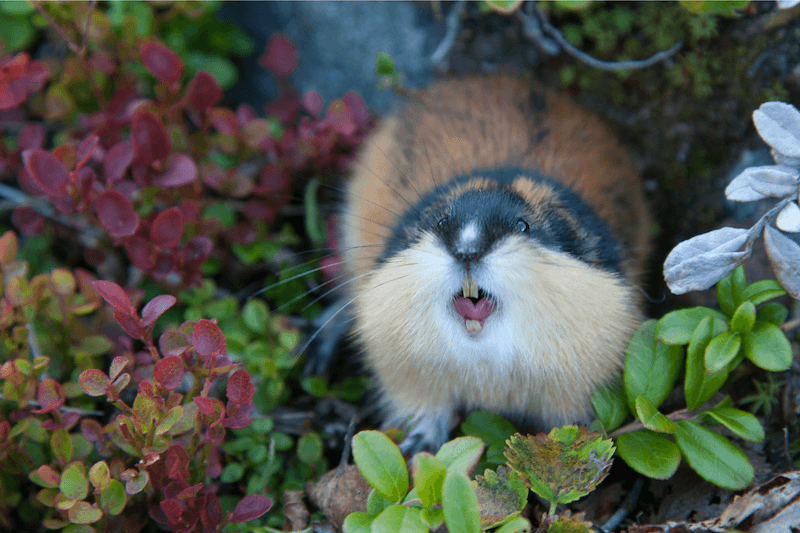
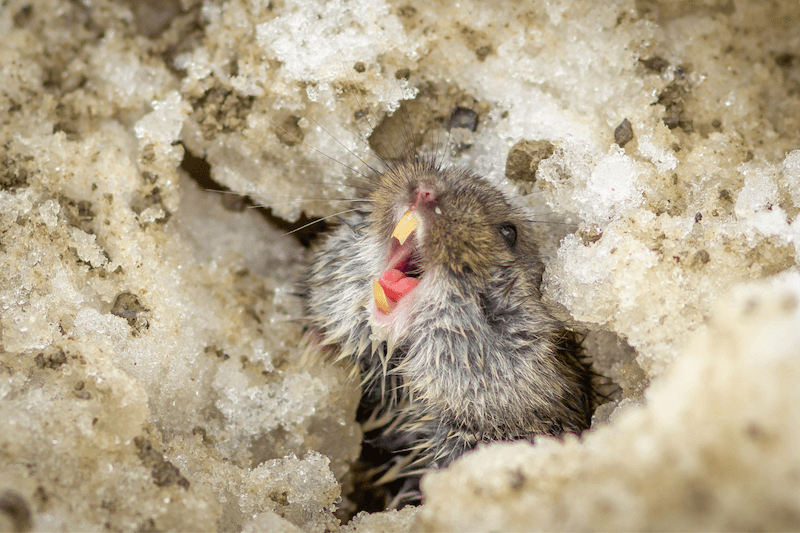
Lemmings live in dramatic cycles. Every three to four years, their numbers surge, sometimes to hundreds per hectare. Snow conditions are key: in winters with deep, fluffy snow, lemmings tunnel and breed safely beneath the surface. When spring arrives, their populations erupt across the landscape. This year, snow cover wasn’t perfect, but something clearly was, as it’s a classic “lemming year.”
But abundance comes at a cost. Too many mouths quickly strip local food sources, pushing lemmings to disperse in all directions. Some die of exhaustion, others starve, and many end up on roads where their natural survival tactics don’t work. Freezing in place may confuse an owl, but it leaves them exposed on asphalt. That’s why you often see them dead without any sign of injury.
On the Roadside
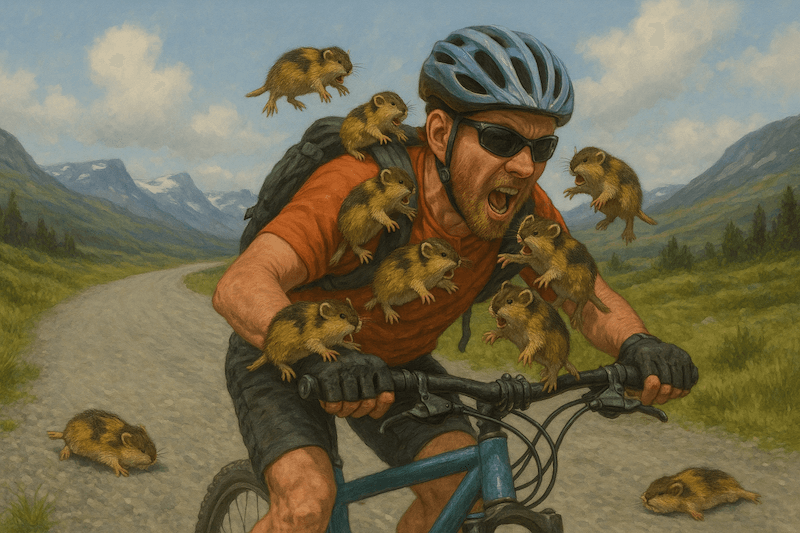
For cyclists, encountering lemmings can feel surreal. Unlike most rodents, they don’t always flee. They may rear up, hiss, and bare their teeth in defiance. But on roads and tracks, this boldness becomes fatal. Some collapse from stress, others are struck by cars, and many are simply stranded in unfamiliar terrain.
It’s a sad sight, but it’s also part of the rhythm of Norway’s upland ecosystems.
The Lemming’s Role in the Ecosystem
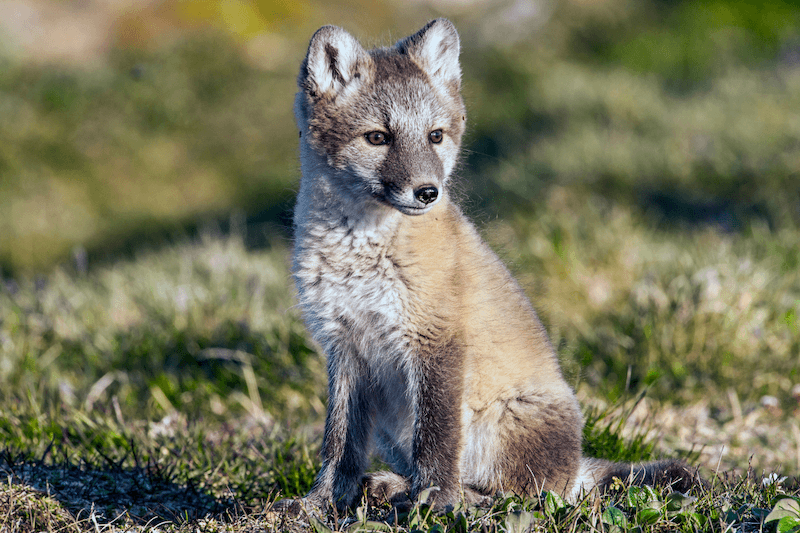
Despite their small size, lemmings are vital. They are the foundation of the Arctic food web, feeding predators like snowy owls, rough-legged buzzards, stoats, and arctic foxes. In good years, predators thrive, raising more chicks and kits. When lemming numbers crash, predator populations plummet too, sometimes for years.
Even vegetation feels their presence. During peaks, lemmings can strip alpine meadows bare, reshaping plant communities and setting the stage for regrowth. The tundra breathes with their cycles.
Myths and Misunderstandings
The most famous myth is that lemmings commit mass suicide, leaping off cliffs in blind obedience. This was fuelled by a staged 1958 Disney documentary that pushed them into rivers to create a spectacle. In reality, lemmings don’t seek death. They disperse when overcrowded, and some fall into water or over cliffs by chance, not design.
The “suicidal lemming” is a myth; the real animal is a survivor.
Are They Dangerous?
Lemmings pose no danger to humans. They aren’t aggressive unless cornered, and even then the worst you’ll get is a squeak or a nip. They don’t spread serious diseases in Norway and are harmless to cyclists and hikers. The only real hazard is when many end up on the road. In wet conditions, squashed lemmings can make the surface slippery, and hitting several at once creates an unpleasant bump. Stay alert and steer around them when possible – it’s easy enough if you keep an eye on the road ahead.
But they do fight fiercely against their natural enemies. For their size, they are unusually bold, a trait that probably explains both their reputation and their dramatic population swings.
Where to See Them
If you want to see lemmings alive rather than as roadside casualties, head for Norway’s mountain plateaus and tundra regions:
- Hardangervidda – Vast uplands where lemmings scurry across tracks in good years.
- Dovrefjell – Known for musk oxen but also a hotspot for lemmings.
- Finnmarksvidda – In the far north, where Sámi herders have long noted the boom-and-bust rhythm of lemmings.
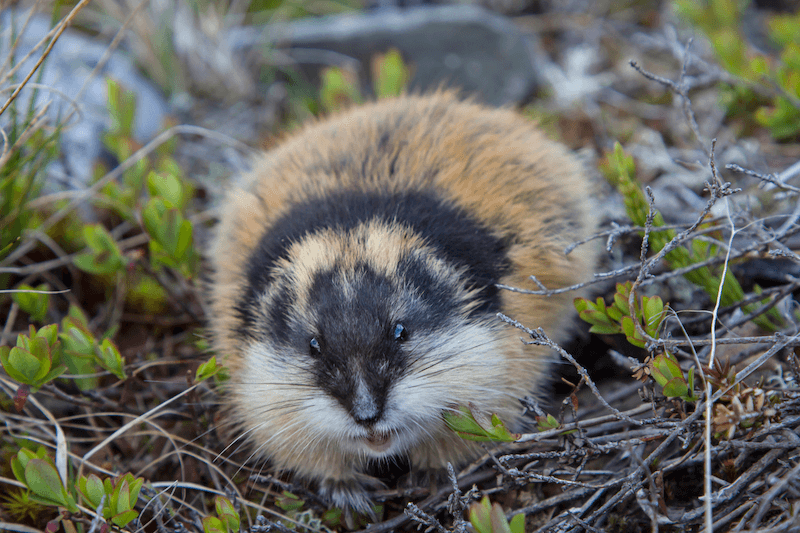
Slow down, watch the verges, and you’ll often spot one darting across your path. They’re striking little animals, with golden fur and a permanent look of indignation.
Reflections from the Saddle
For cyclists, lemmings are more than wildlife encounters; they’re reminders of nature’s hidden cycles. These small creatures, often overlooked, are central to the survival of owls, foxes, and even the shape of alpine meadows.
Lemming years are both tragic and fascinating: roads littered with tiny bodies, predators booming in number, landscapes grazed bare and reborn. And while folklore paints them as mindless followers, the reality is far tougher. They live on a knife-edge of survival, enduring the harshest conditions the north can throw at them.
Next time you pass one – alive or dead – pause a moment. The lemming carries the weight of the Arctic food chain on its tiny shoulders.




Leave a Reply