





128km
Distance
1329m
Elev. Gain
1-3
Days
75%
Unpaved
5/10
Difficulty
32-40m
Ideal Types
Tour De Dovre
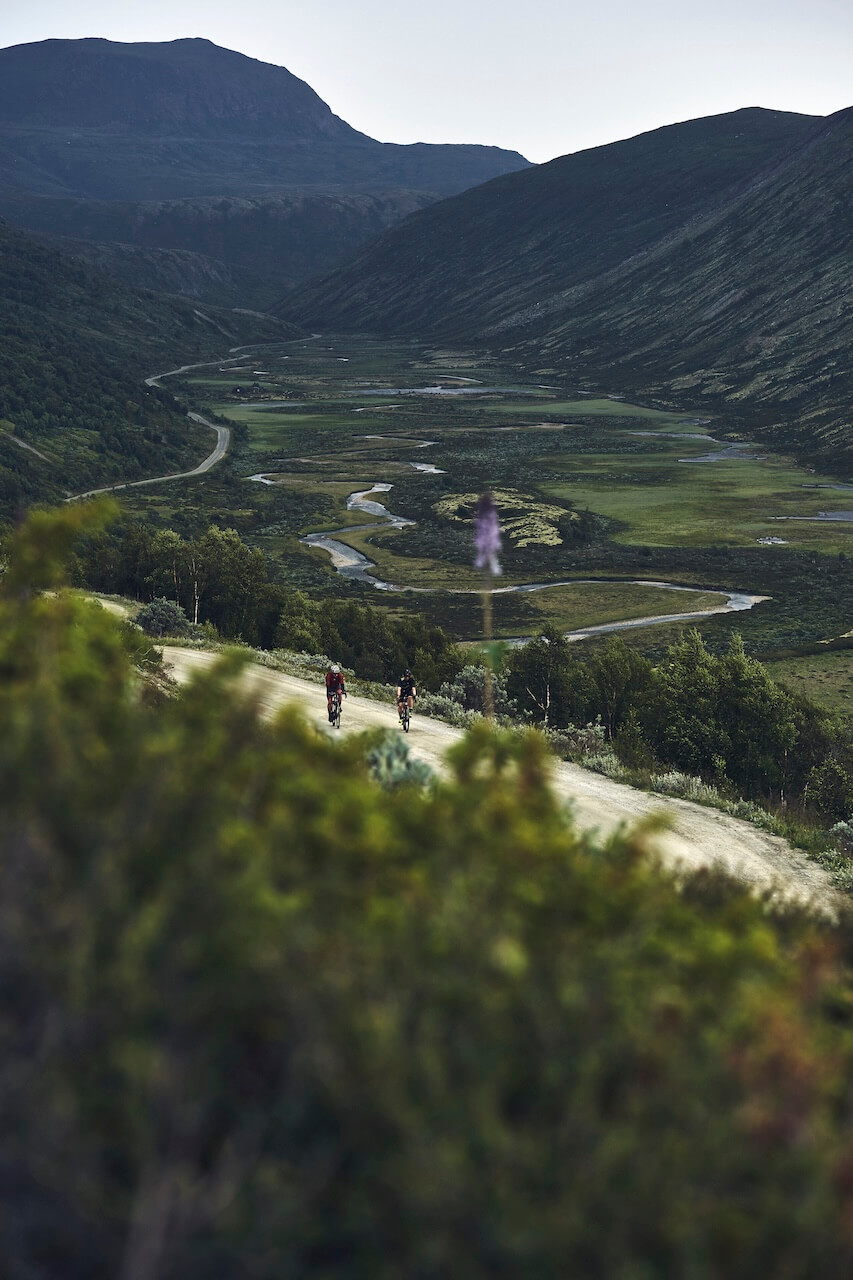
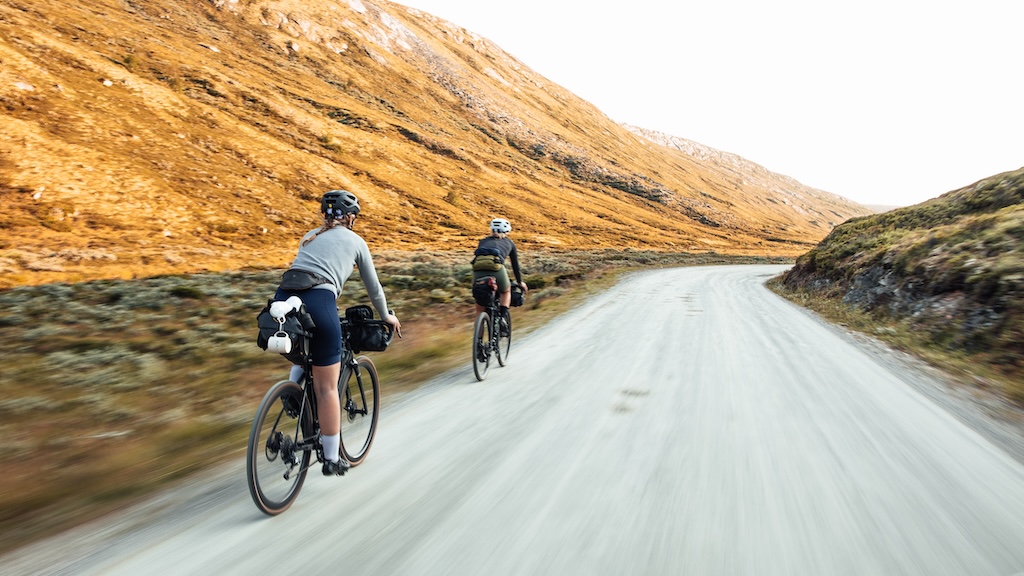
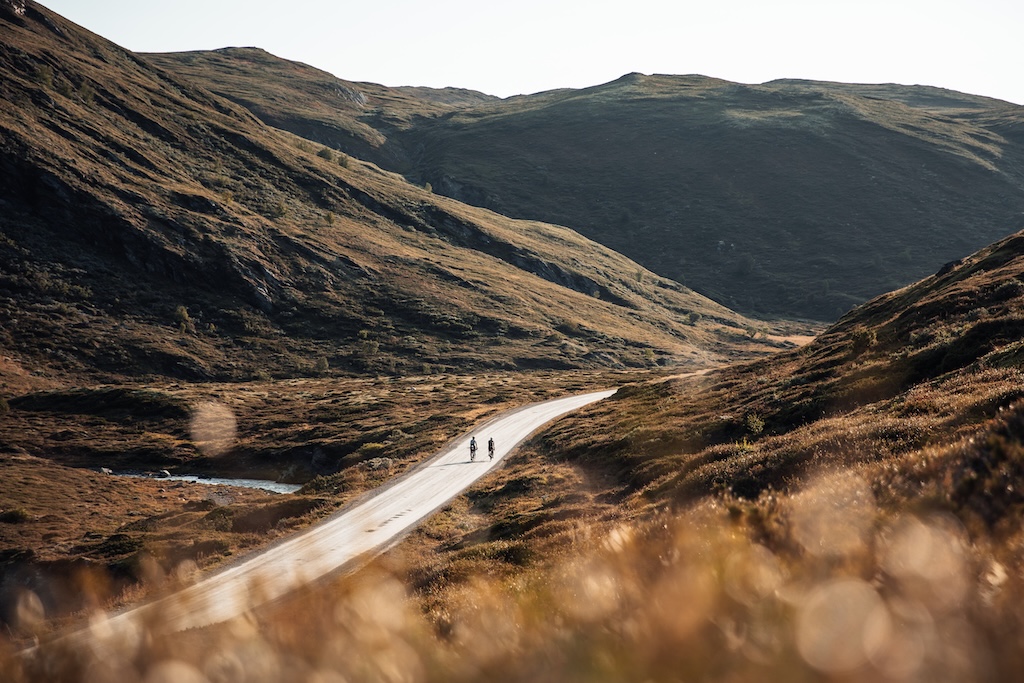
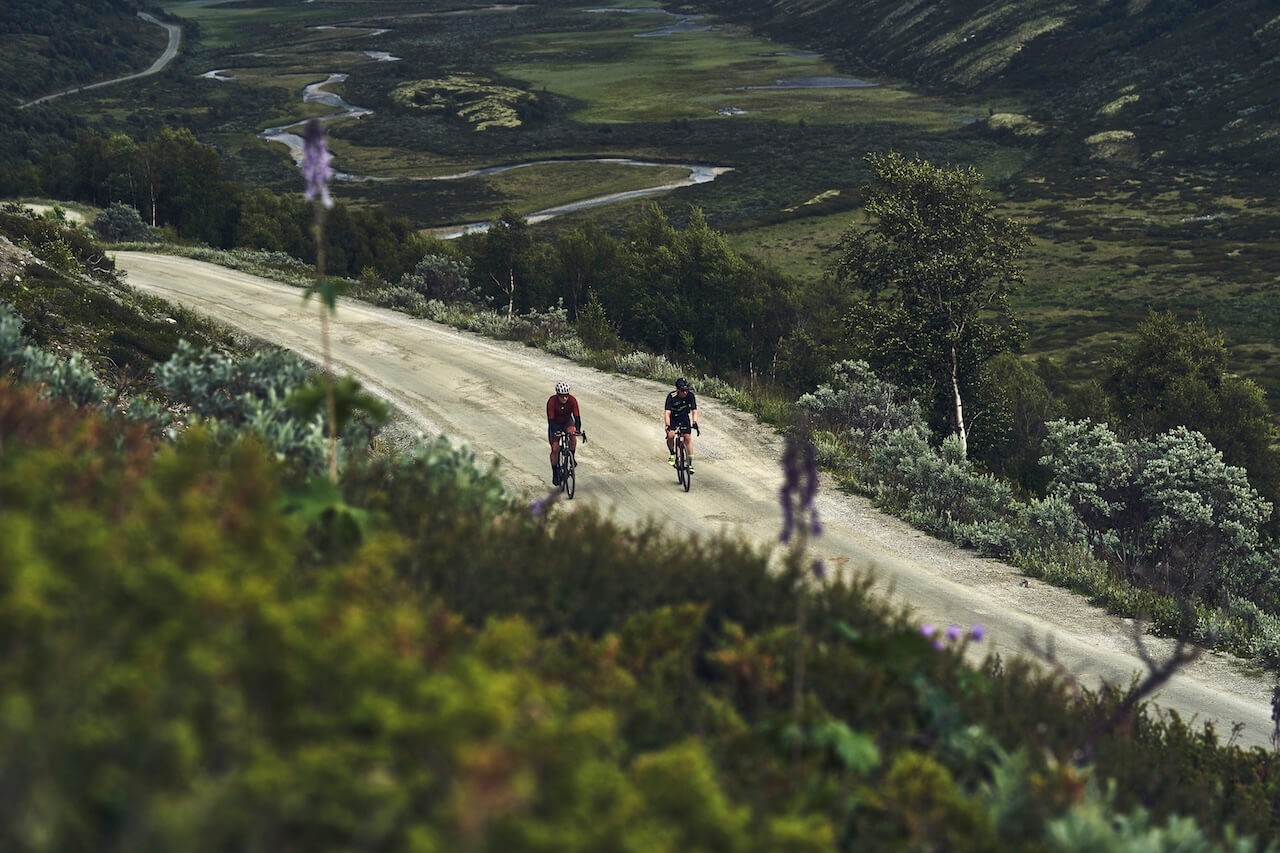
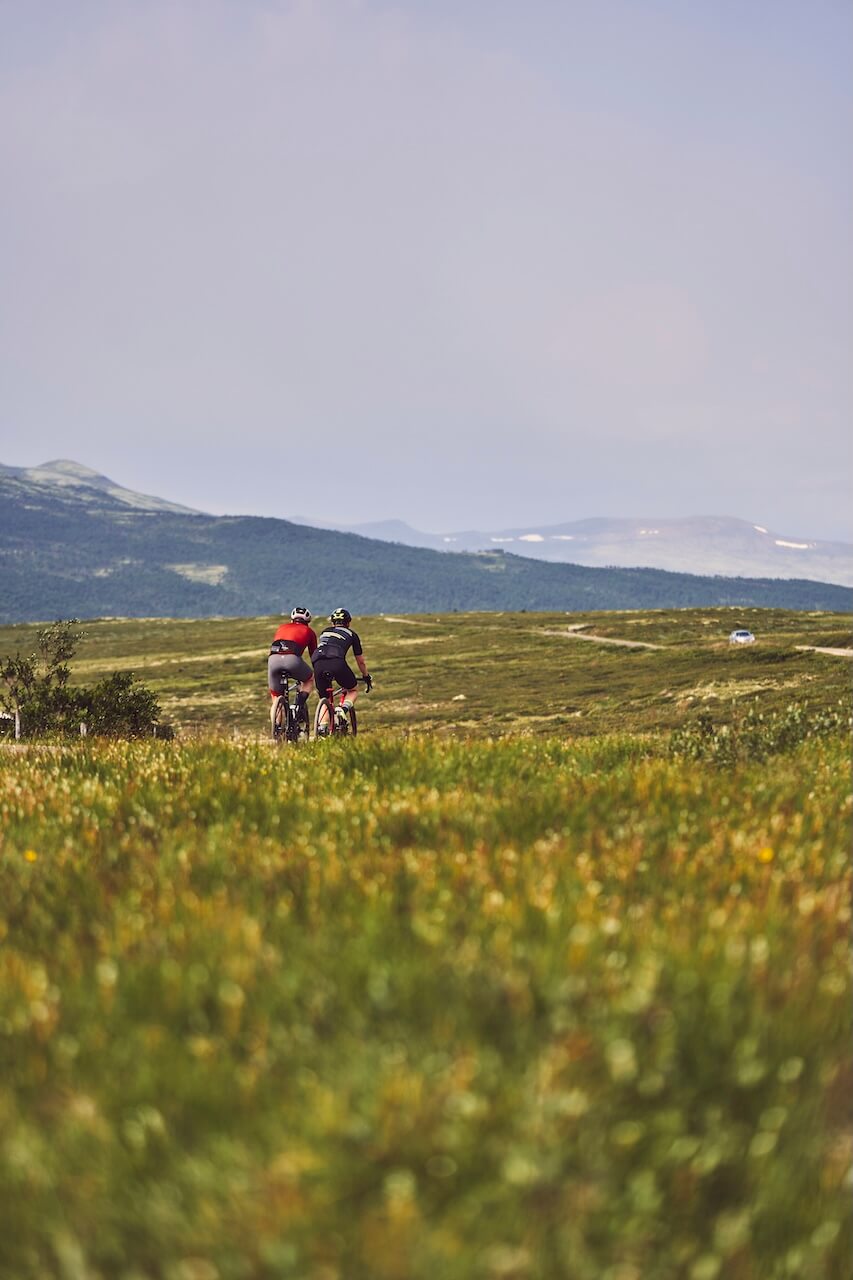
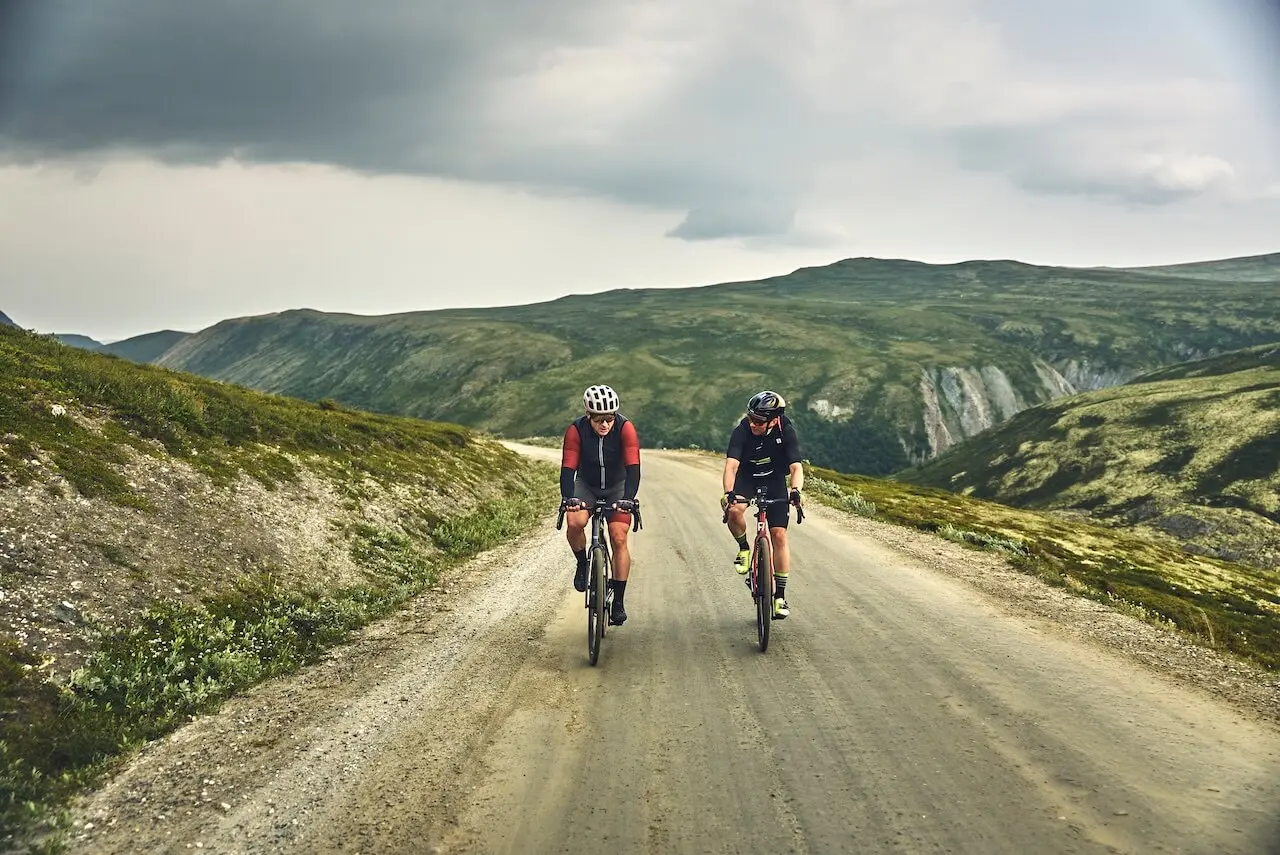
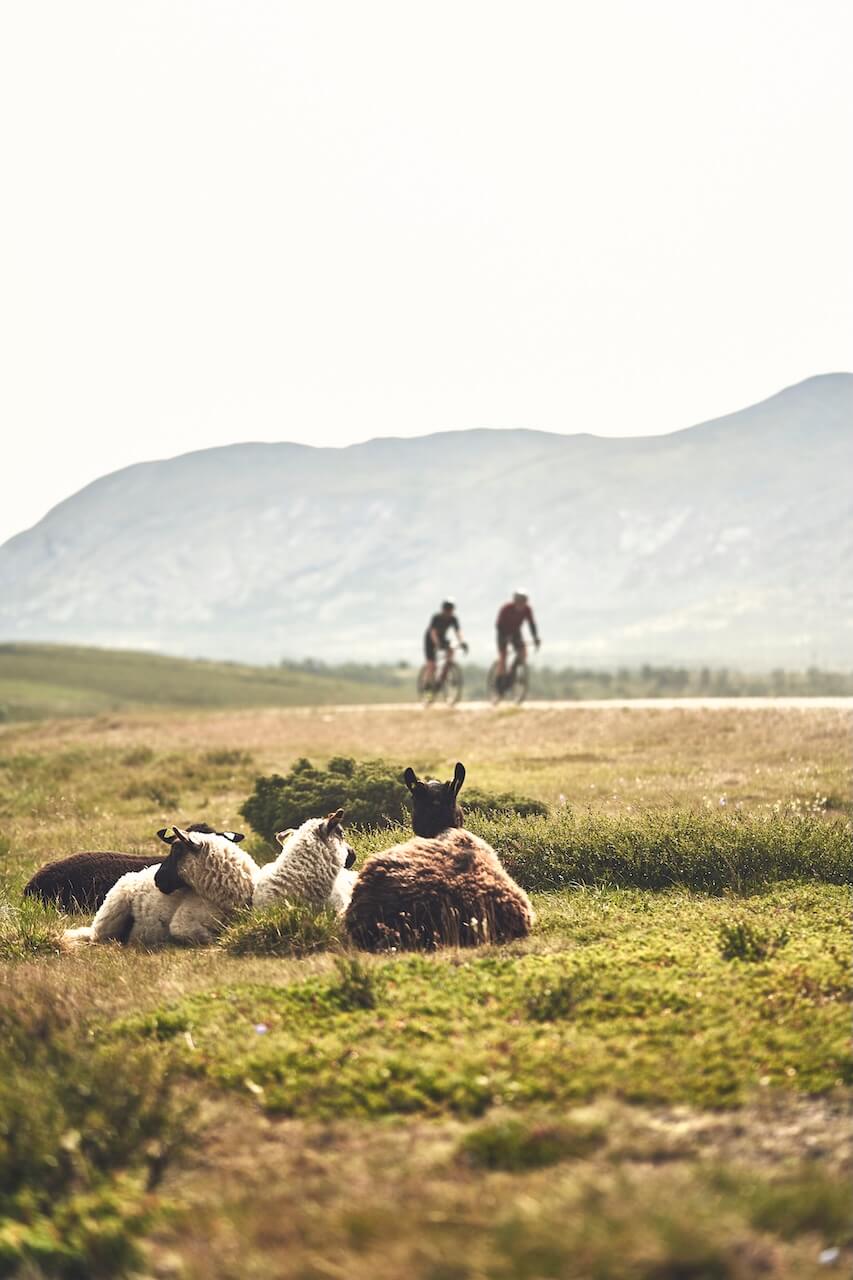
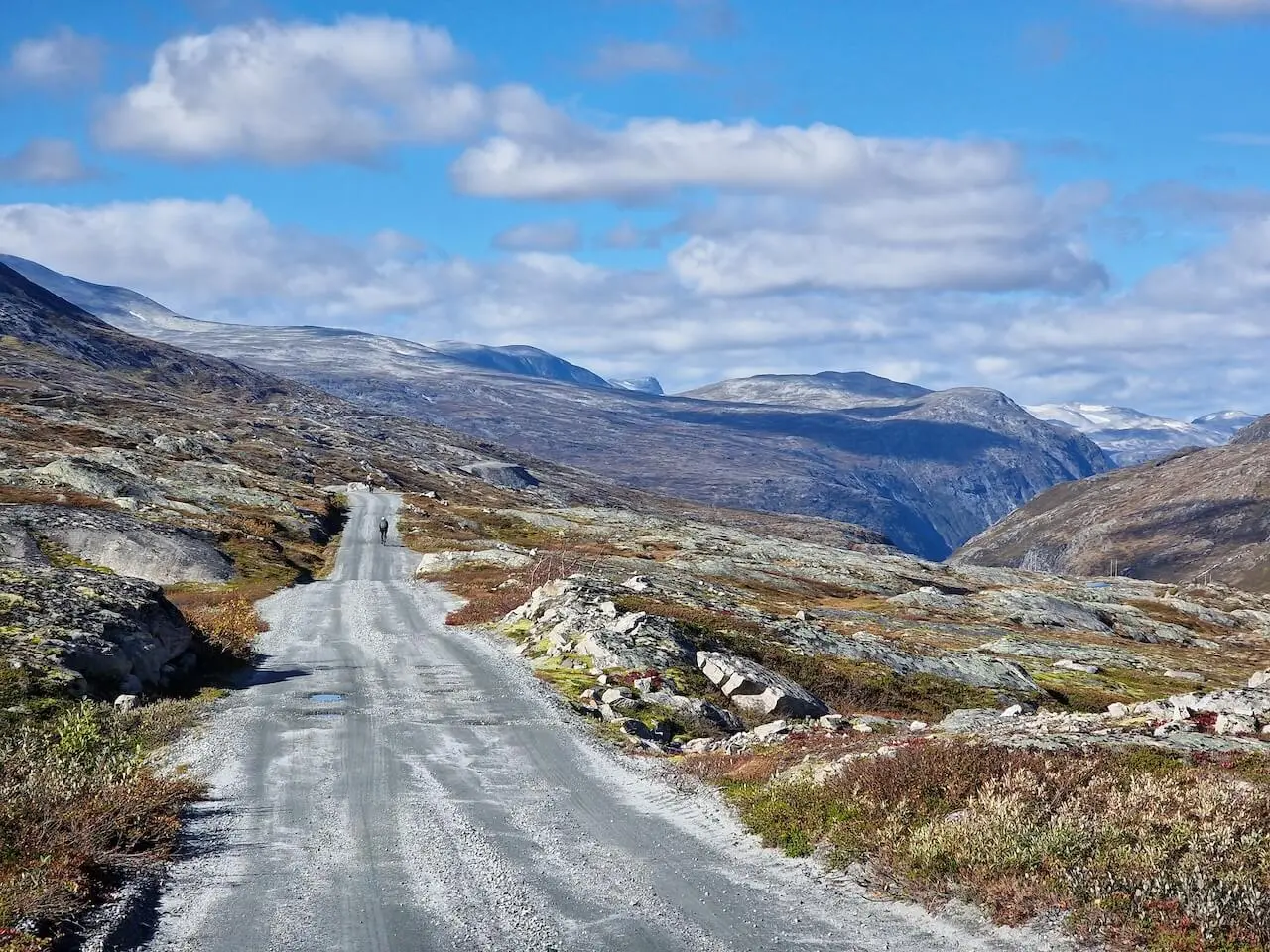
The Tour de Dovre is a cycling route that runs between Dombås, Hjerkinn, Folldal, Grimsdalen and Dovre. This scenic trip winds through the three national parks of Dovrefjell-Sunndalsfjella, Rondane and Dovre. Most of the route is on quiet gravel roads with plenty of sheep and cattle watching you cycle by (and Musk Ox if you’re lucky!). The famous Grimsdalen Valley is the highlight for most people, as it climbs onto alpine pastures with impressive views of the whole region. The route can be cycled in a day, or you can break it into a weekend trip. Accommodation options are plentiful, and a train link between Oslo and Trondheim makes it an easy place to reach with your bike.
The Full Story page covers where to start, stay, detours, alternatives, and what to expect, plus a lot more.
Possible Access Changes
Environmental authorities are planning new wild reindeer protection measures in the Dovre and Rondane regions that may affect parts of the Tour de Dovre route from 2026 onward. Several gravel roads used in the loop, including Grimsdalsvegen and Haverdalsvegen, could face seasonal restrictions or limited cycling access, particularly during the reindeer calving period in early summer. Most of the route will likely remain open for cyclists after 18 June, but with stricter camping rules and shorter operating seasons for DNT cabins.
Route map

When?
The route will open around the 18th of June in 2026. It generally remains good until late September or early October.

Getting there
– From Oslo: Take the Dovre Line train (6–6.5 hrs) to Dombås. Book a bike space when you buy your ticket (SJ Norge/Vy). Several trains daily. The route starts in Dombås or Dovre
– From Trondheim: Train to Dombås takes about 3 hrs. Same deal—reserve a bike spot.
Always book bike space in advance – limited spots (5) per train.

Hazards
The route avoids the main E6 and is mostly traffic-free or on quiet roads. No tunnels or major concerns. The real challenge is the weather, strong winds and heavy downpours can occur on unsettled days. Pack proper gear and take shelter if conditions turn rough.

Bike rental
1. https://www.tourdedovre.no/en/bike-rental
2. Trolltun Guesthouse (via Jotunheim Travel)
– Rent your bike when booking their 2‑ or 3‑day Tour de Dovre adventure.
– Bikes include mountain and e‑bikes, equipped with repair kits, luggage racks, bottle holders, and pedals. You pick up at Trolltun in Dombås.
“This whole area of Norway is underrated – explore the detours; the main route is only the starter.”
Local recommendations
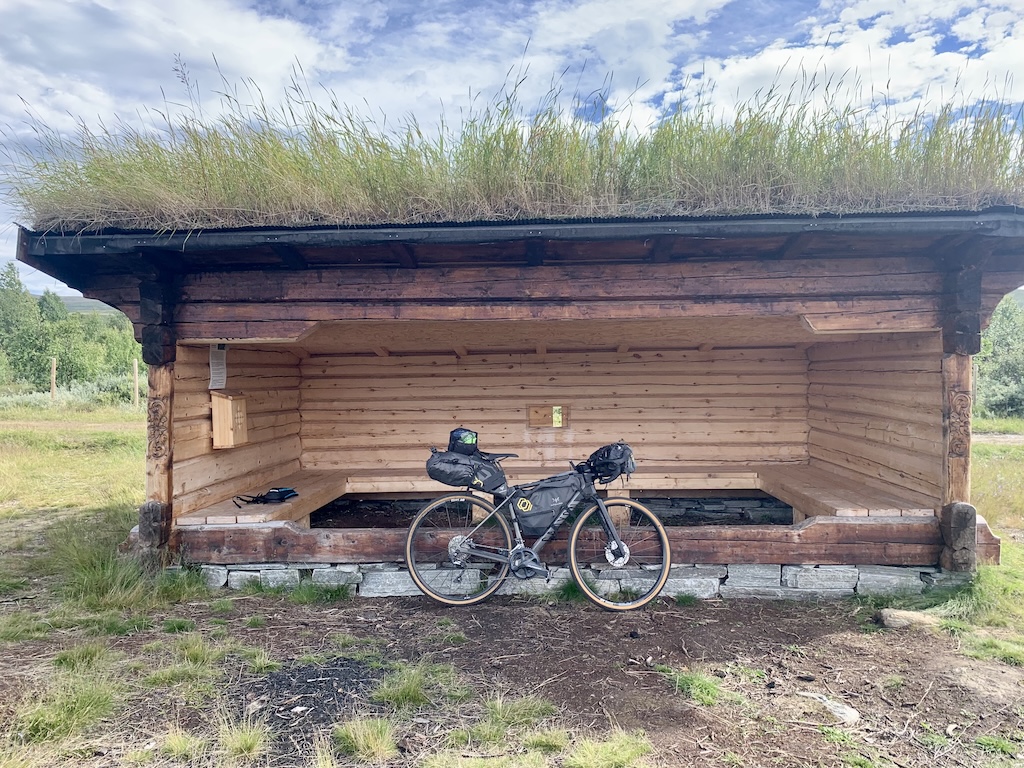
Free Shelters
There are two very nice shelters along or close to the route. In Norwegian, they are called ‘Gapahuken’ – a three-walled basic construction with seating/lying area inside. They also have a campfire.

Snøhetta Viewpoint
A short detour from the village of Hjerkinn takes you to the Snøhetta viewpoint, a striking observation pavilion overlooking Dovre National Park. With luck, you might spot musk oxen in the distance. Overnight stays aren’t allowed, but the building is heated—perfect for warming up on cold days
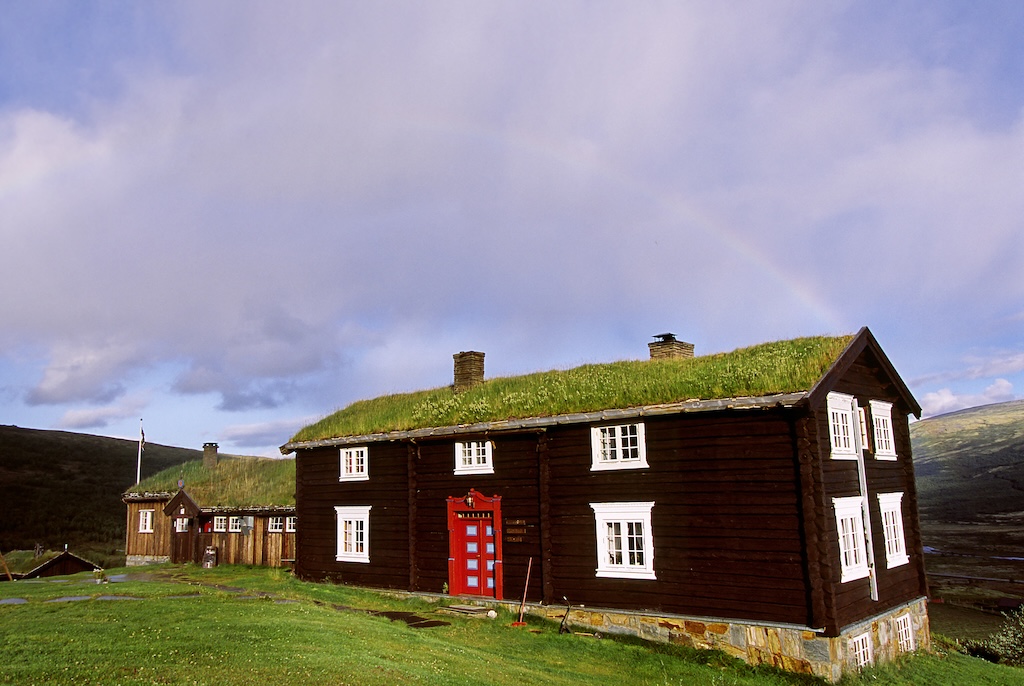
Grimsdalshytta & Valley
Grimsdalshytta, set in the stunning alpine highlands of Grimsdalen between Dovre and Folldal, is a favourite stop for cyclists. The cabin offers meals, beds, and a warm welcome, with a scenic gravel road leading through one of Norway’s most beautiful mountain valleys.
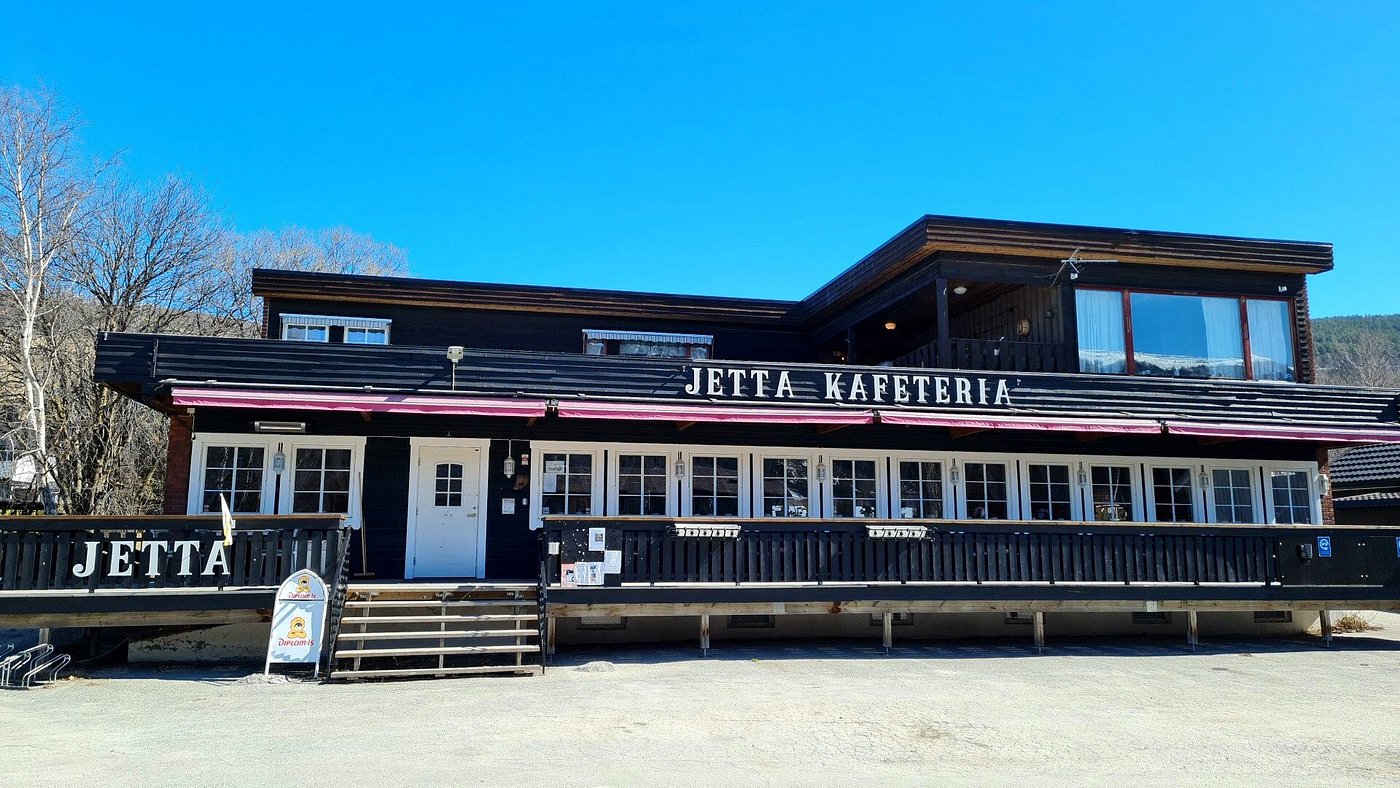
Jetta Cafeteria
The first time I cycled this route, I descended from the mountain plateau in pouring rain to the village of Dovre. To my surprise, the welcoming Jetta Cafeteria saved us with warmth and hearty food as we dried off. When we left, the sun broke through and shone on us for the rest of the day.
Useful links
Booking.com – for accommodation options across Norway
Entur app – for planning public transport trips around Norway
Ferries – routes, timetables and information by Statens Vegvesen
Wild camping etiquette – important to know
Further Reading


Keep in mind
All cycling routes published on CYCLENORWAY.com are intended as planning resources and sources of inspiration to be used alongside your own research and judgement. Routes are created using careful research, but every cyclist has different abilities, expectations, and risk tolerance. Some routes may include hike-a-bike sections, muddy or wet hiking paths, technical terrain, steep climbs, descents, or remote areas that may not be suitable for everyone. Route data, mapping software, and conditions can also change or contain inaccuracies. Cycling in Norway is generally very safe. Nevertheless, if you choose to ride these routes, you do so at your own risk.





Leave a Reply