


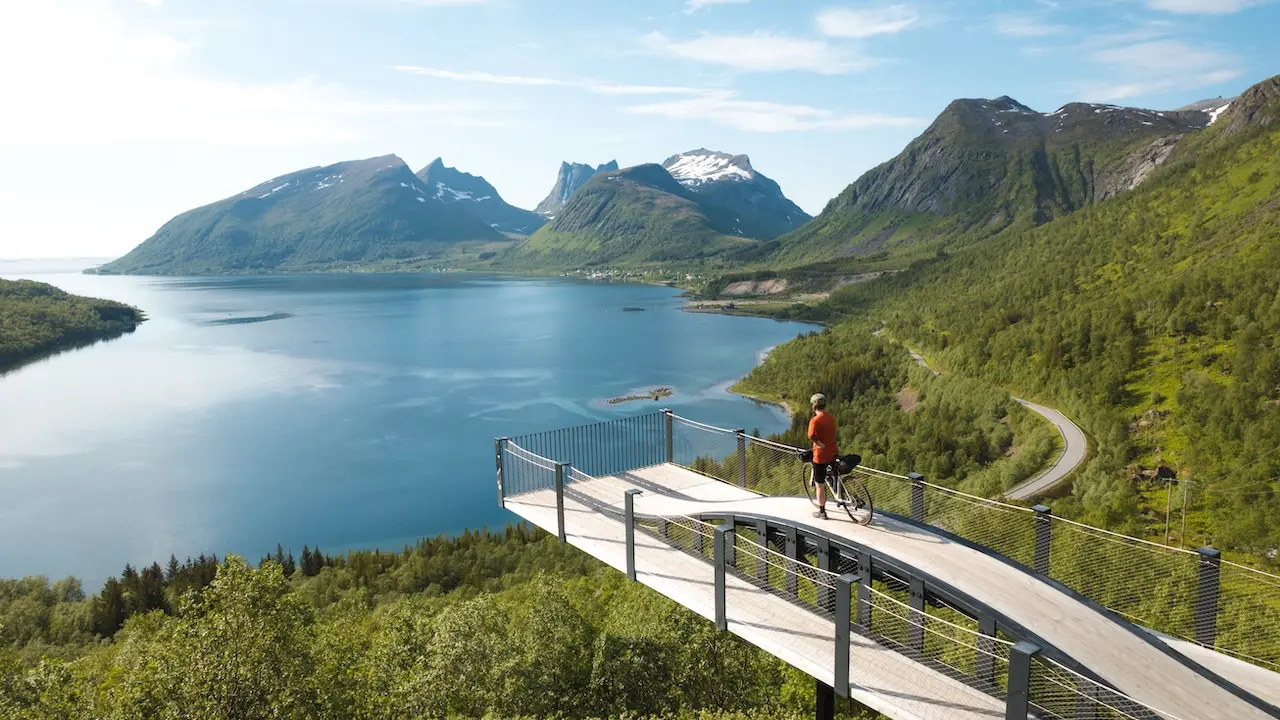
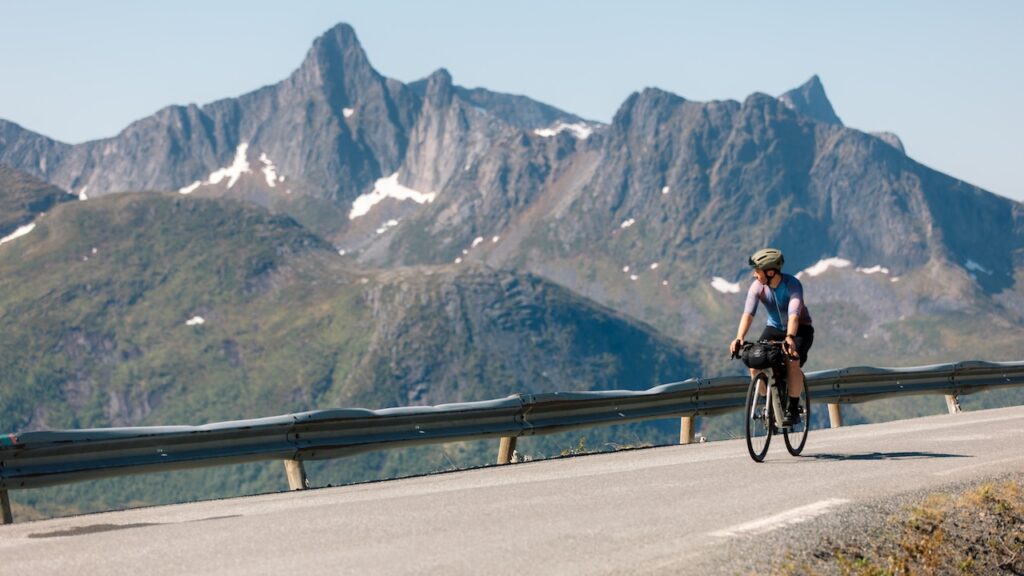
If Lofoten is a polished fairytale, Senja is the old myth behind it — darker, deeper, and more powerful. The atmosphere shifts the moment you arrive. Norway’s second-largest island is often called “Norway in miniature” because it packs the whole country into one place: serrated peaks rising from the ocean, wild fjords, quiet valleys, and forests folded into the middle. The Atlantic coast is where you’ll be riding, dramatic, challenging, and endlessly rewarding. There’s no need to think about the rest of the island. The show is on the coastline, and you’ve got front-row tickets.
Here’s what you need to know.
1. The terrain finally wakes you up
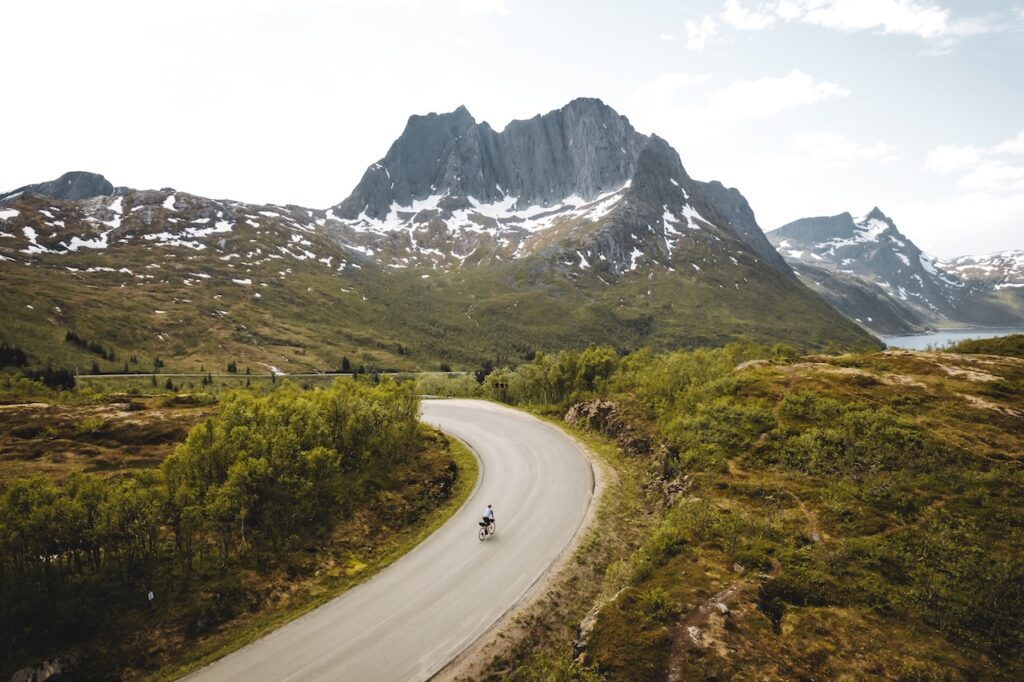
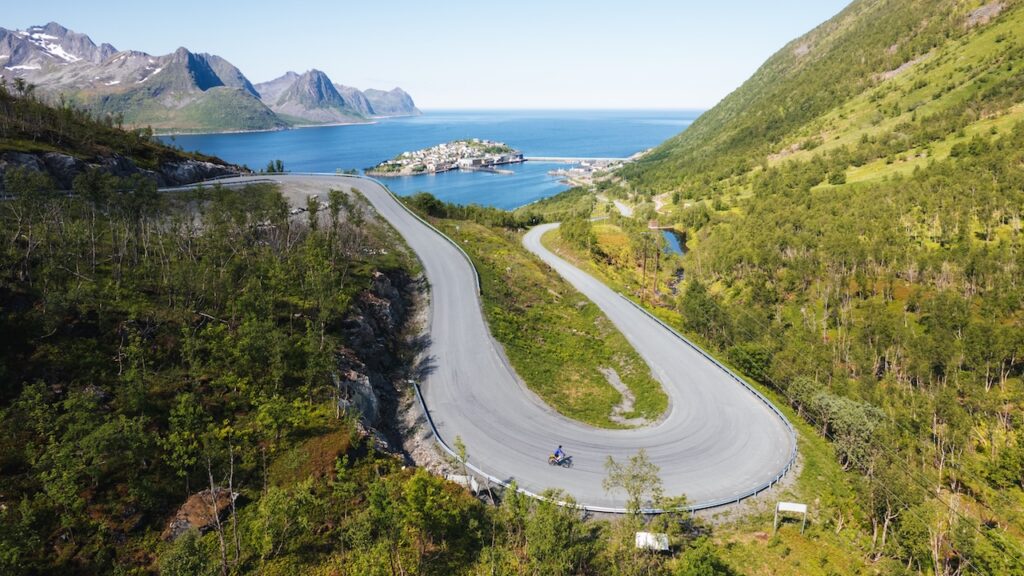
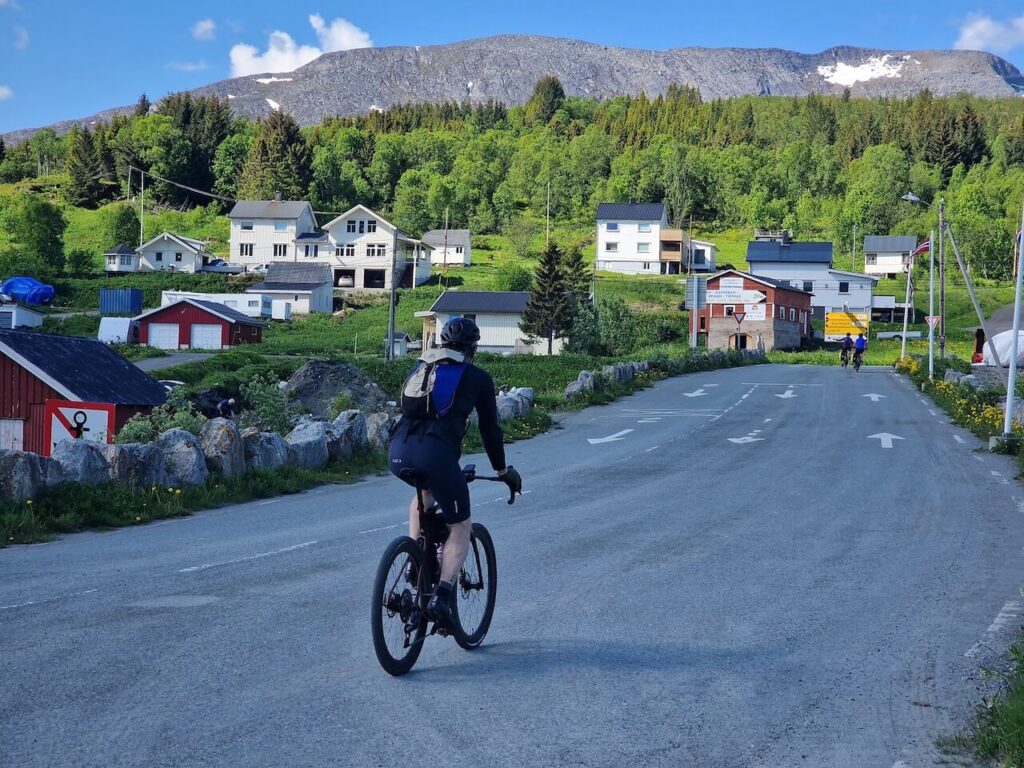
Senja doesn’t drown in tourists like Lofoten, but the roads are tighter, steeper, and more technical. After the easy miles of Lofoten and Andøya, Senja gives you a few proper climbs to remind you you’re not done yet. The tunnels smooth out some of the elevation, but expect short, sharp efforts, especially if you leave the main road to explore fjord detours. It’s a welcome shock to the system.
2. The detours are a must
The road to Husøy, a tiny village clinging to an island off the coast, might be one of the best rides you’ll ever do. Yes, you come back the same way, but who cares? These dead-end adventures often outshine the main route. Plan at least two detours, and if the weather behaves, do as many as you can. The official route may be only ~88 km, but with detours it can easily grow into 200 km of jaw-dropping riding. You won’t regret a single extra kilometre.
3. Hike Both Segla (639 m) and Hesten (556 m)
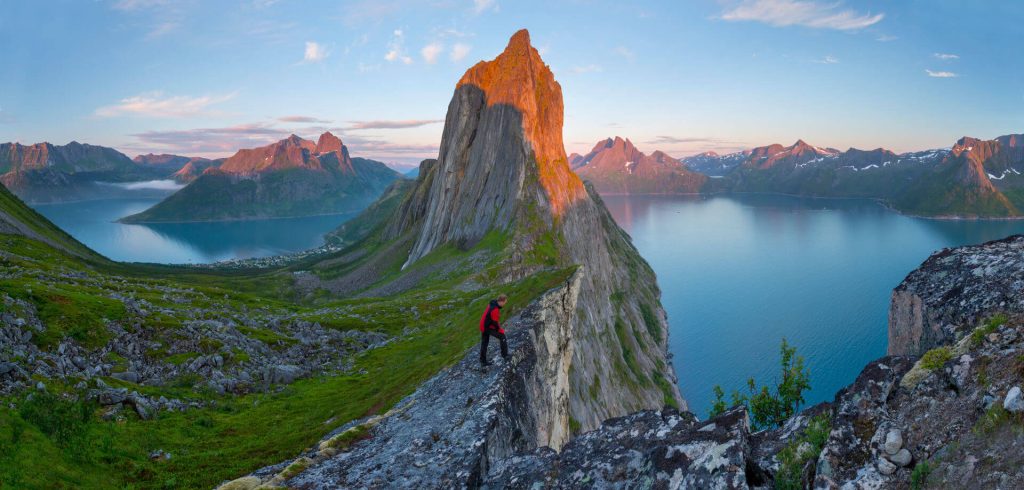
Segla (The most famous hike on the island) gets all the fame, and yes, the view over that knife-edge rock spear is outrageous. But Hesten, just across the ridge, gives you a wider panoramic sweep of the coastline and fjords below. Most people do Segla and go straight back down. Climb both and you’ll experience Senja at its absolute best, the difference between “9/10 incredible” and “11/10 unforgettable”.
4. Riding Senja in one day is a crime against your soul
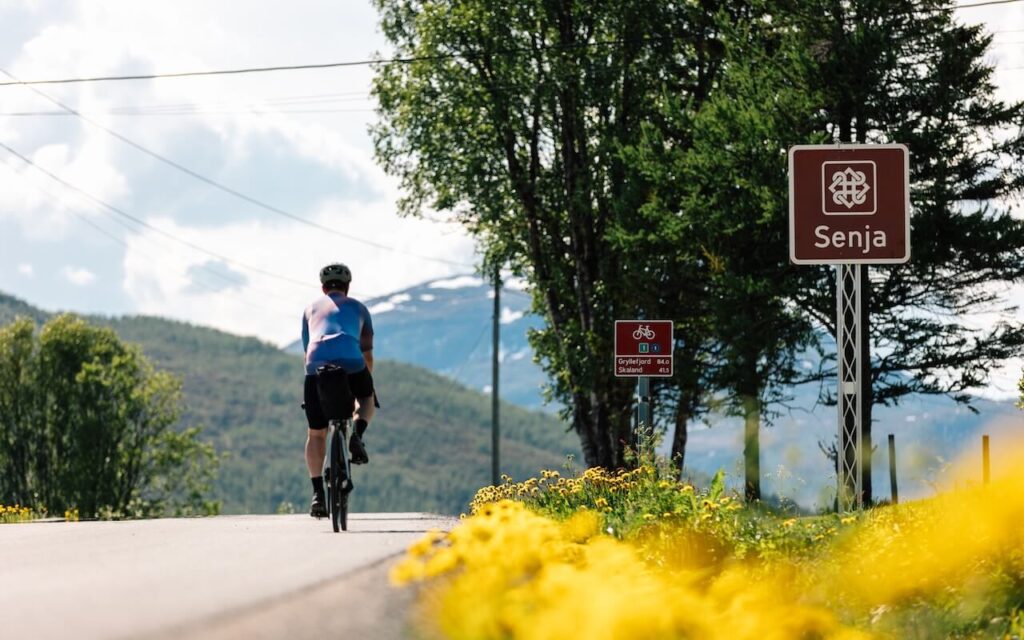
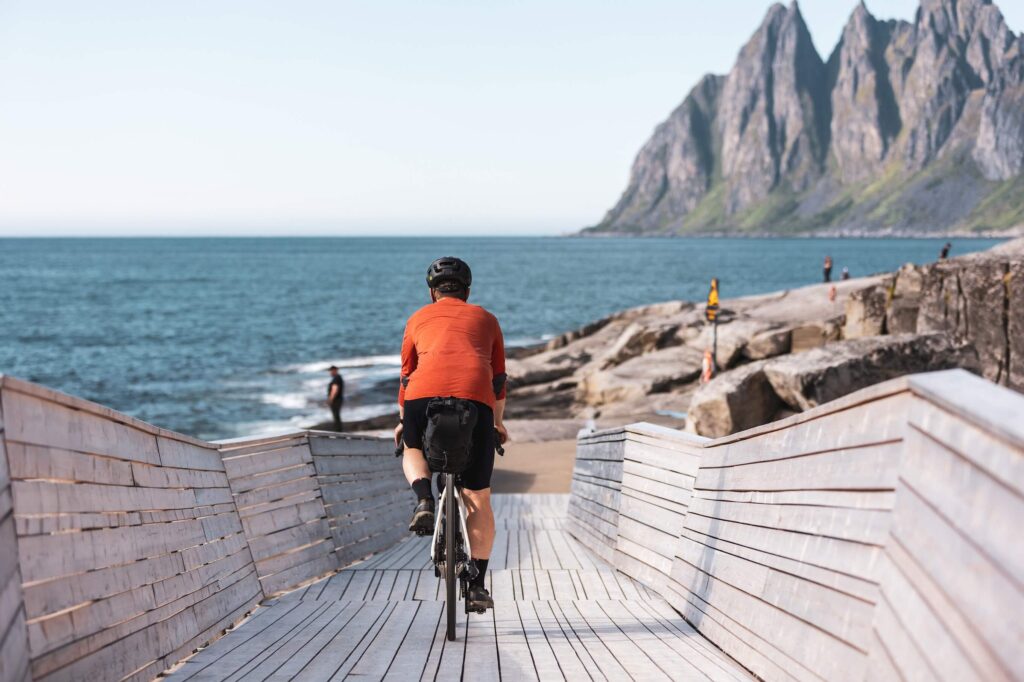
The total distance is 88km on the Eurovelo route, and for many cyclists, this could be completed in a day. However, stops, detours and viewpoints are relentless: Tungeneset, Bergsbotn, Ersfjordstranda, each one somehow better than the last. You’ll want to stop constantly, take photos, stare into space. That’s what cycling this island is about. Don’t even think about rushing. Stay at least one night on the island, preferably two. You may find the perfect wild-camping spot and decide to call it a day early; that’s Senja doing what Senja does.
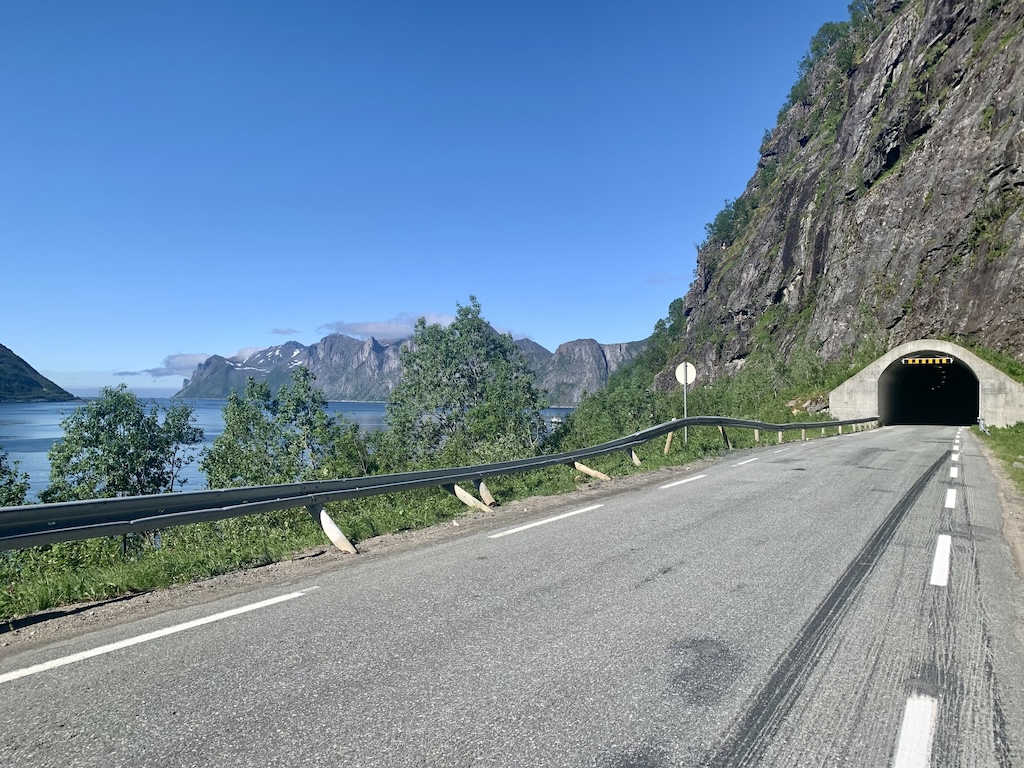
5. Tunnels are serious business here
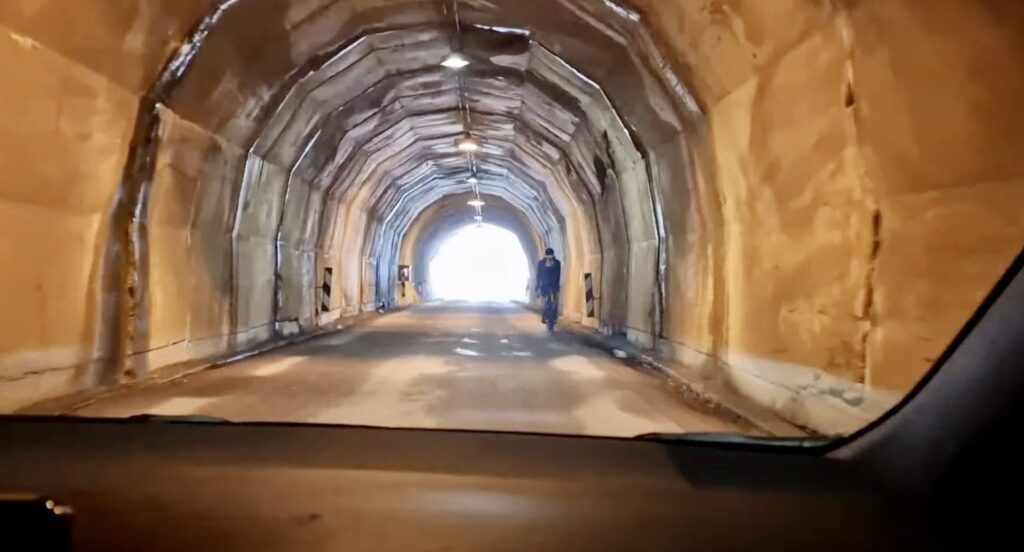
Some are old, poorly lit, narrow, with an uneven surface in places. Most are long and echo like an aircraft hangar. Lights front and rear are essential – not optional. Before entering many tunnels, you’ll find high-vis vests in roadside boxes and a button to activate a warning light for drivers. Use both. Ride steady, stay calm, and regroup before entering if you need to. The tunnels are safe, but only if you respect them.
6. The beaches are shockingly beautiful
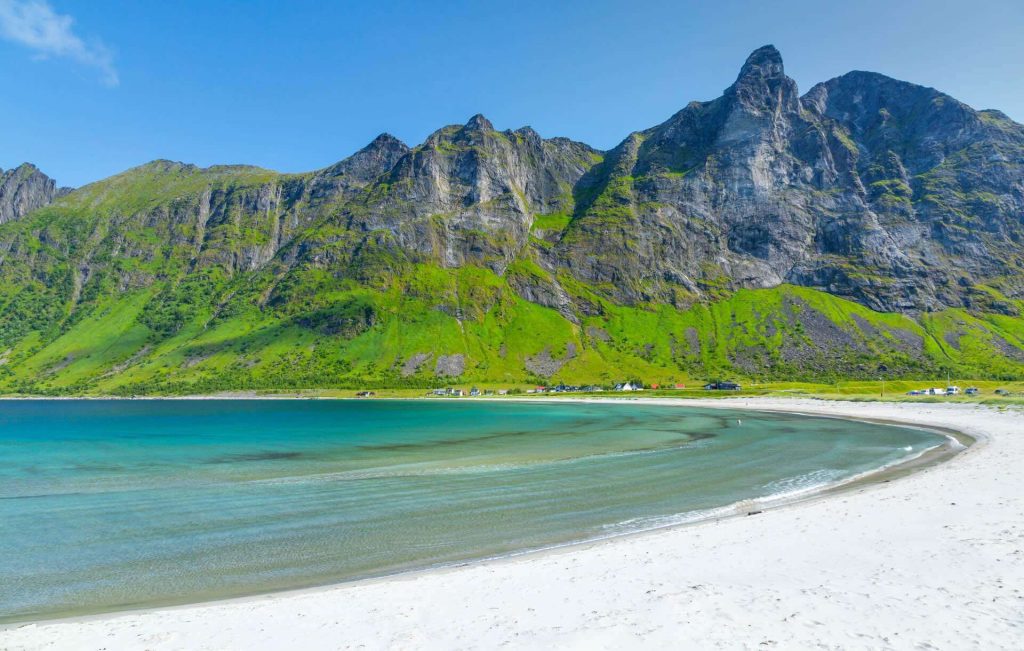
Ersfjordstranda looks like a glitch in reality — white sand and turquoise water framed by Arctic cliffs. You don’t expect colours like that this far north. Sit down, eat a snack, and let it mess with your head for a while. Even if you never swim, this is a place to pause and feel lucky, and there are plenty more to wonder at.
7. Wild camping is welcomed, if you do it right
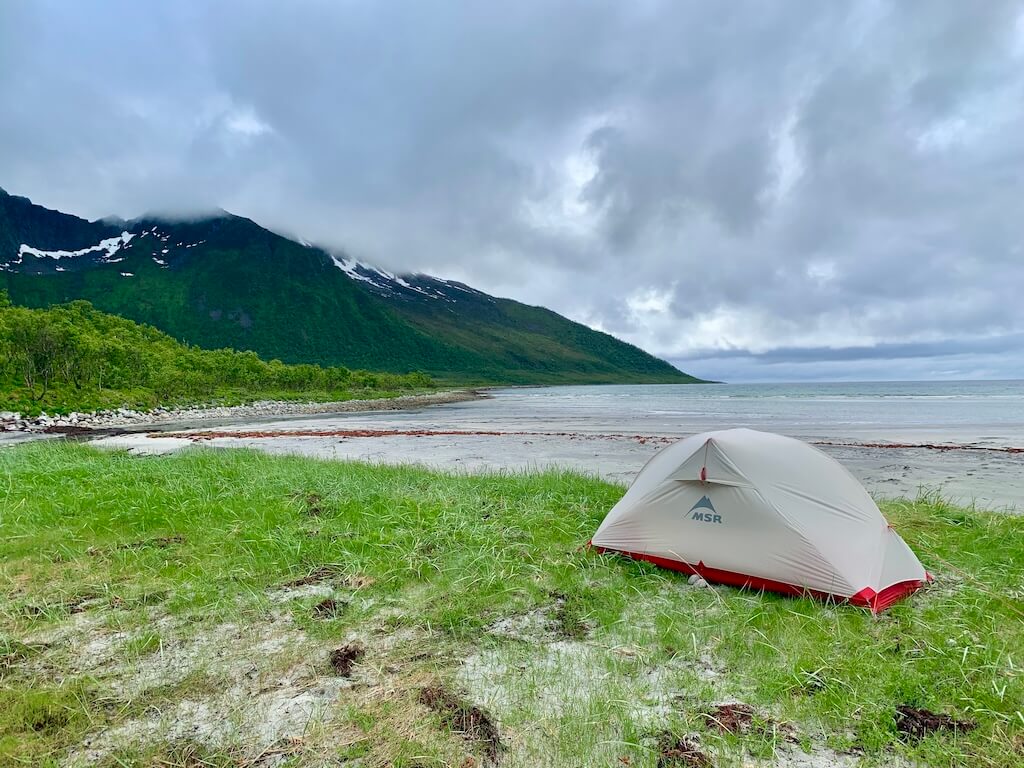
Senja has the space that Lofoten lacks. You can wild camp here without intruding on anyone, as long as you follow the basics: out of sight of houses, away from farmland, no trace left behind. This is where you can get a quiet night under the mountains in some spectacular settings and not a campervan in sight!
8. The climate is colder than Lofoten
You’ll definitely feel like you’re in the Arctic now. The Gulf Stream’s warming influence fades, and the air has more bite, especially in the shade of deep fjords. It’s nothing to concern yourself with, just raw and honest. Bring layers you can adapt quickly. Remember you’ve come a long way north — the map doesn’t lie.
9. Supplies come in clusters, not steady lines
There are cafés, shops, and services, but they appear in bursts, not evenly spaced. Between villages, you can go a long way without anything. Eat when you can. Refill bottles whenever you see a tap. And never assume the next shop is open just because the map says it exists.
10. This is where your story peaks
By the time you reach Senja, you’ve earned your place here. The island gathers many of the threads of the journey into one place: isolation, challenge, and landscapes so sharp they feel unreal. EuroVelo 1 is rich with memorable stretches long before and long after this point, but Senja stands apart. For many riders, it may well feel like the high point of the journey, the place where the route takes on its most mythical, fairytale quality. When you roll onto the ferry and watch Senja slip away, you’ll sense that you’ve passed through somewhere genuinely rare
More great articles from Cycle Norway
? 10 Things You Need to Know About Cycling Lofoten
? 12 Things You Need to Know Before Cycling Rallarvegen
Want the smartest, safest way to ride Senja?
Our Premium Members Page includes the most comprehensive cycling guide ever created for the Arctic island route:
• Immense interactive map with every tunnel, steep climb, shop, and campsite marked
• A full breakdown of the Scenic Route — attractions, detours, hikes, and hidden gems.
• Wild-camping guidance and accommodation tips based on real experience
• A walkthrough video that shows the route so you know exactly what to expect
• Updates road conditions, ferry schedules and services change
Don’t just ride Senja — understand it before you arrive.
Join Premium Membership and turn your trip into one of the great cycling experiences of your life.




Leave a Reply