





730 km
Distance
13524m
Dénivelé positif
7-14
Jours
75%
Non pavé
8/10
Difficulté
40-50 mm
Types Idéaux
Route Nationale Gravel 1 : Sentralruta
Route 1 is the backbone of the National Gravel Routes network — the main north–south route linking Oslo and Trondheim. Five of the eight routes connect to it, making this the route that carries riders away from the capital and deep into Norway’s interior.
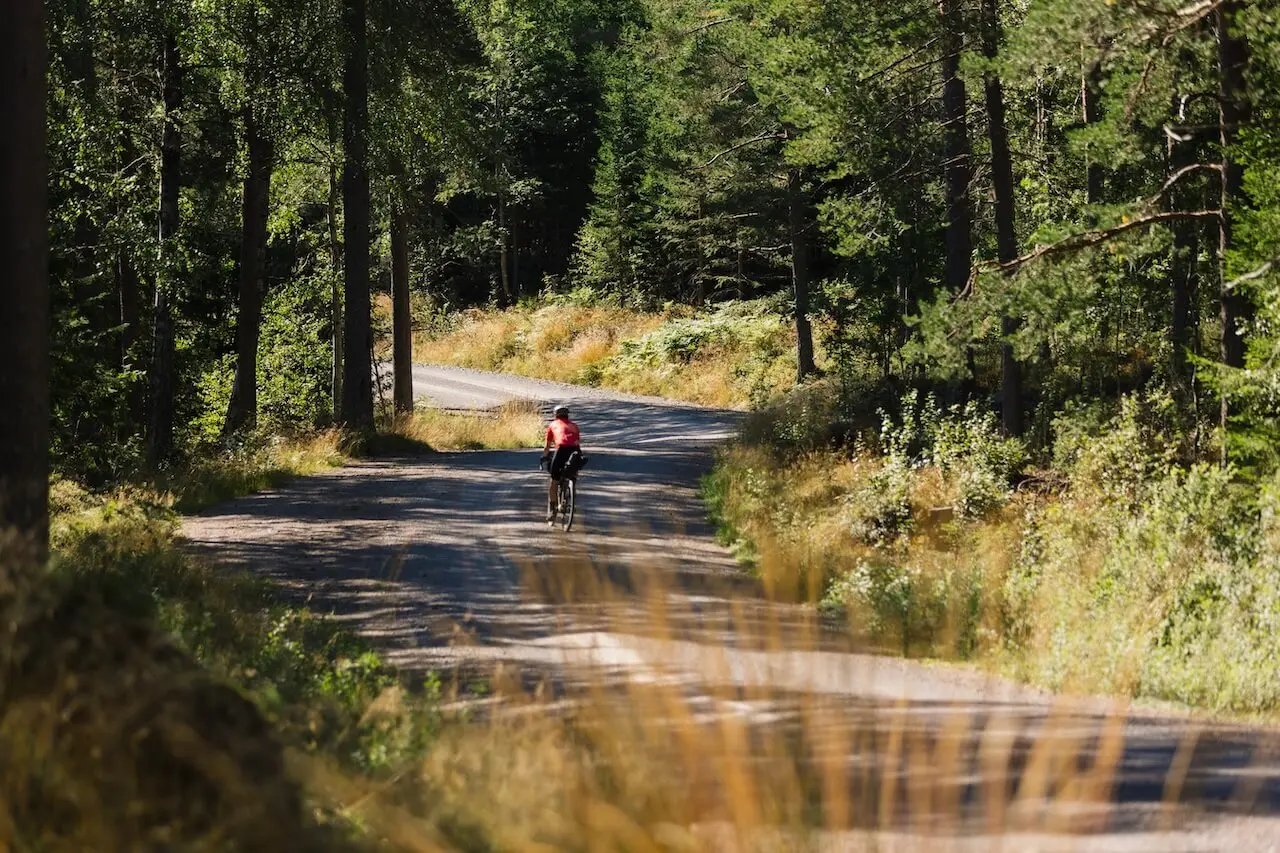
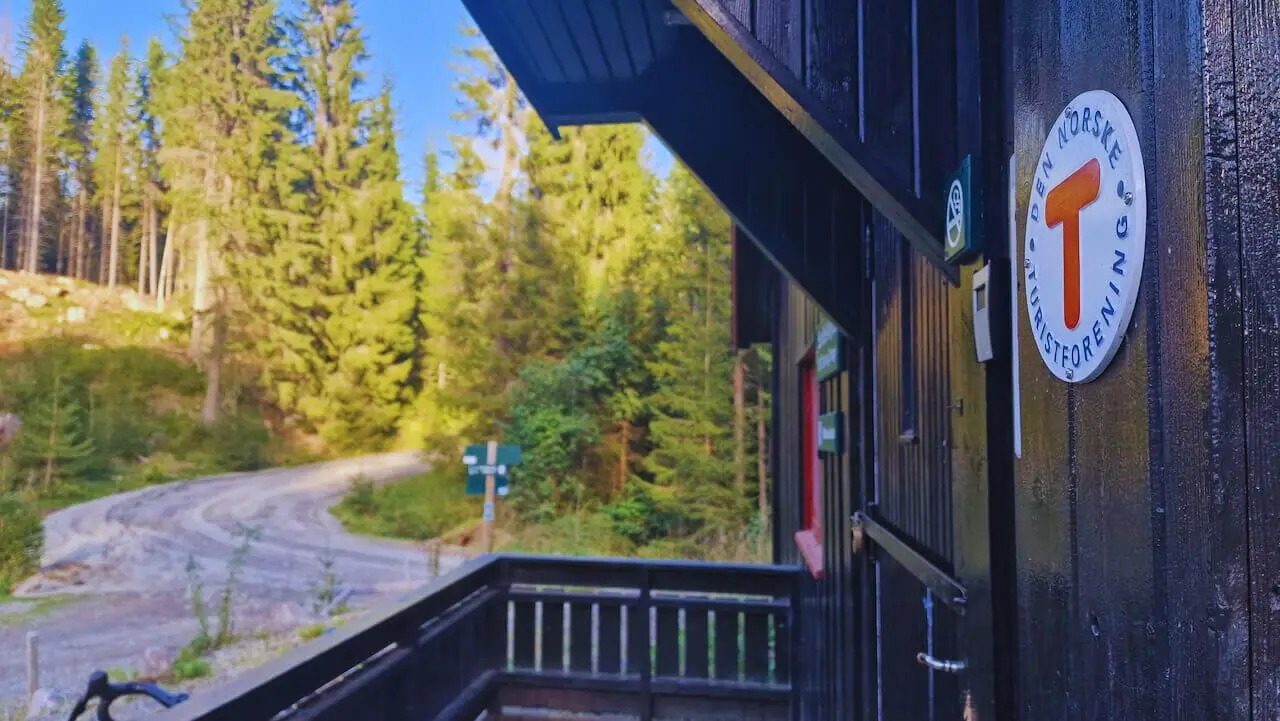
The route begins by leaving Oslo through the forests of Nordmarka and finishes in a similar way through Bymarka before reaching Trondheim. These forest belts have long acted as natural gateways between settlement and wilderness.
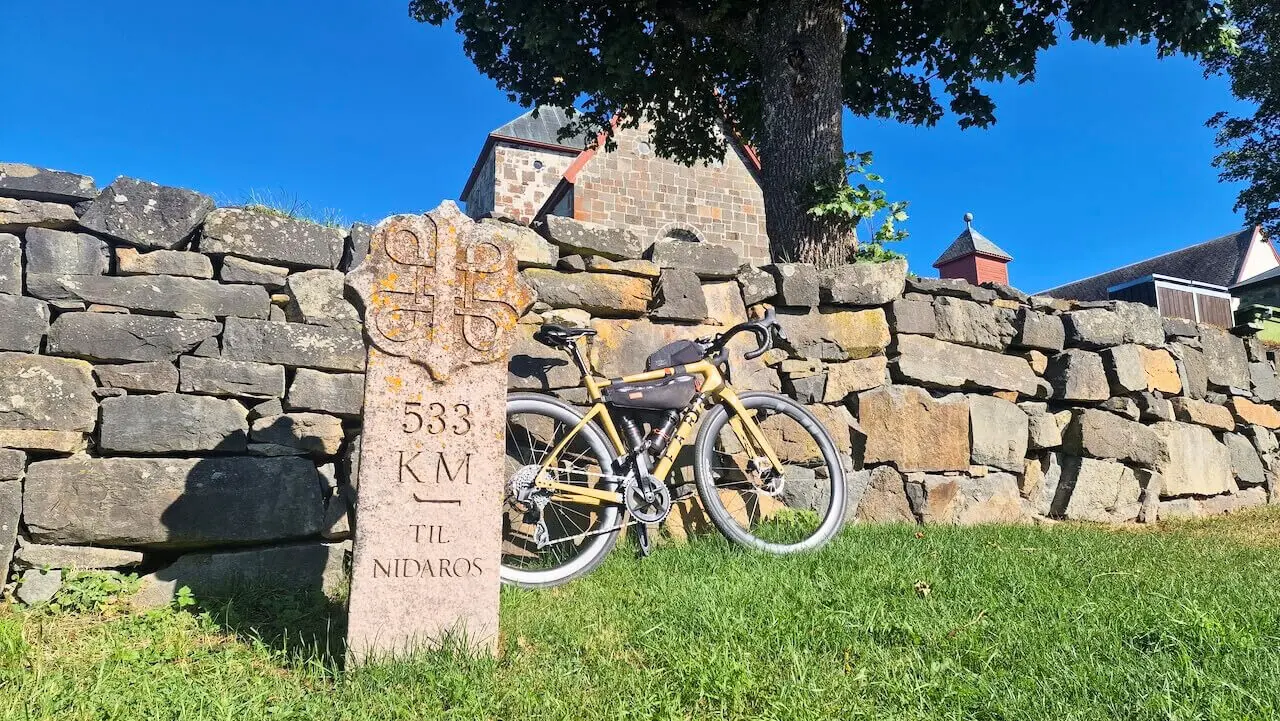
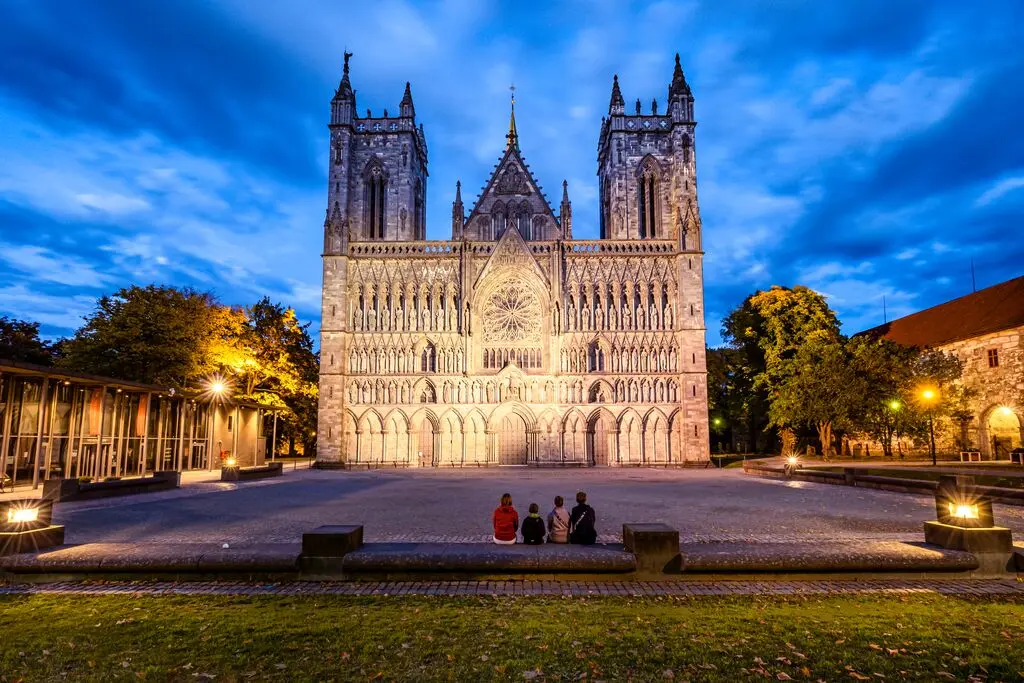
Heading north, the route passes through landscapes around Gjøvik that played a role during the Second World War, where the surrounding forests and hills were used by the Norwegian resistance and Allied supply operations. Further north, the route crosses areas connected to Norway’s oldest movement corridors and pilgrimage traditions leading toward Trondheim and Nidaros.
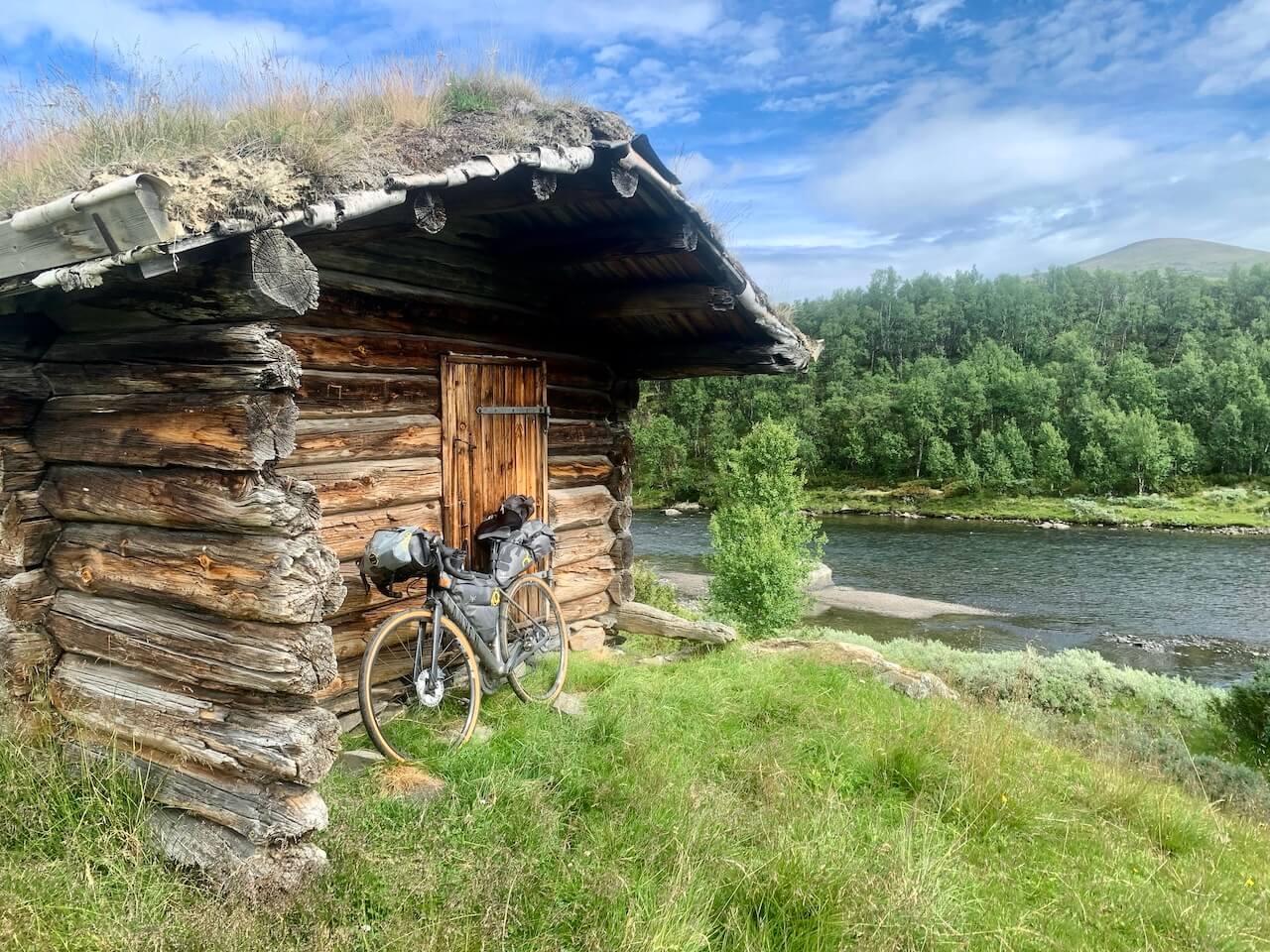
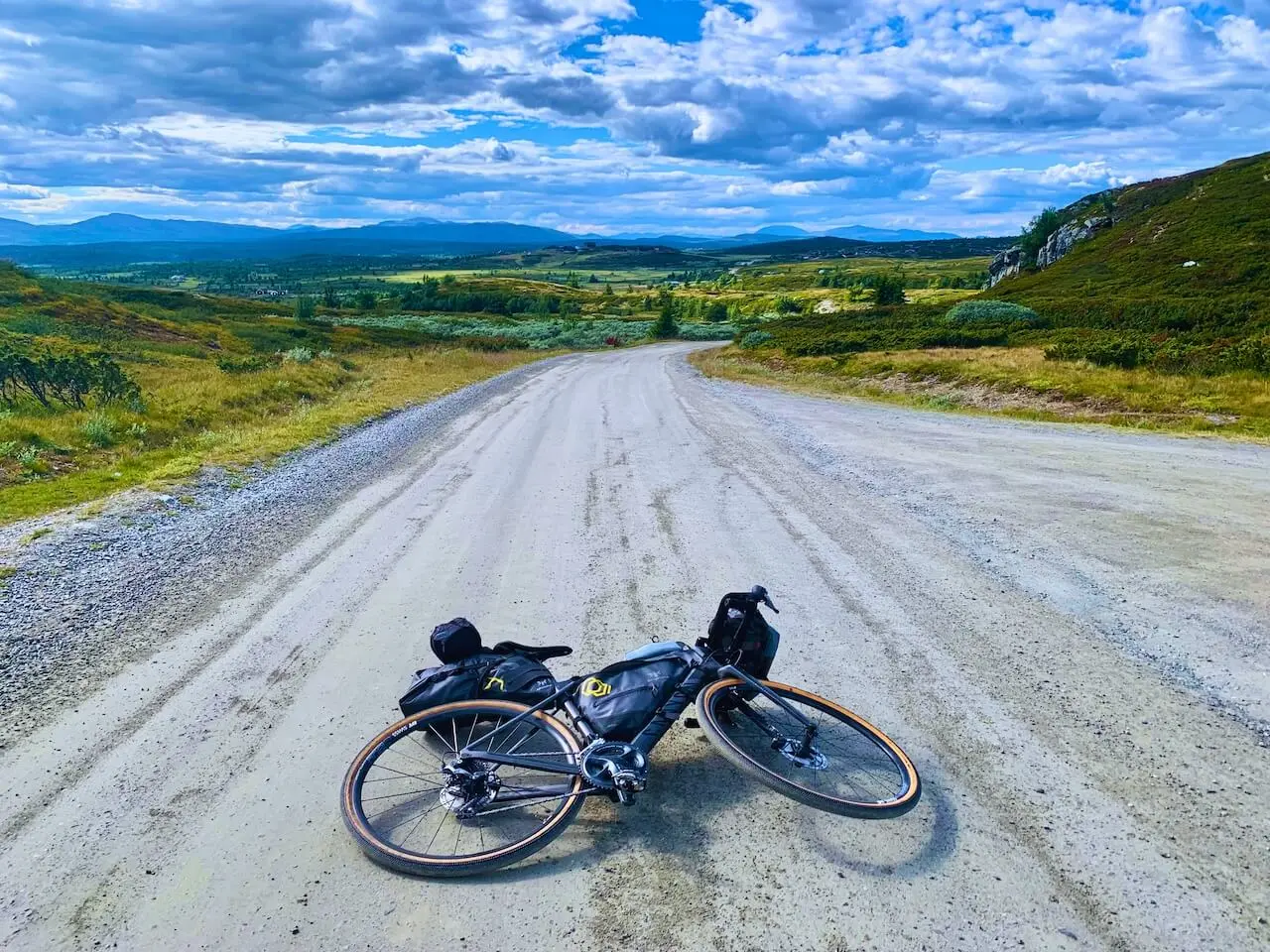
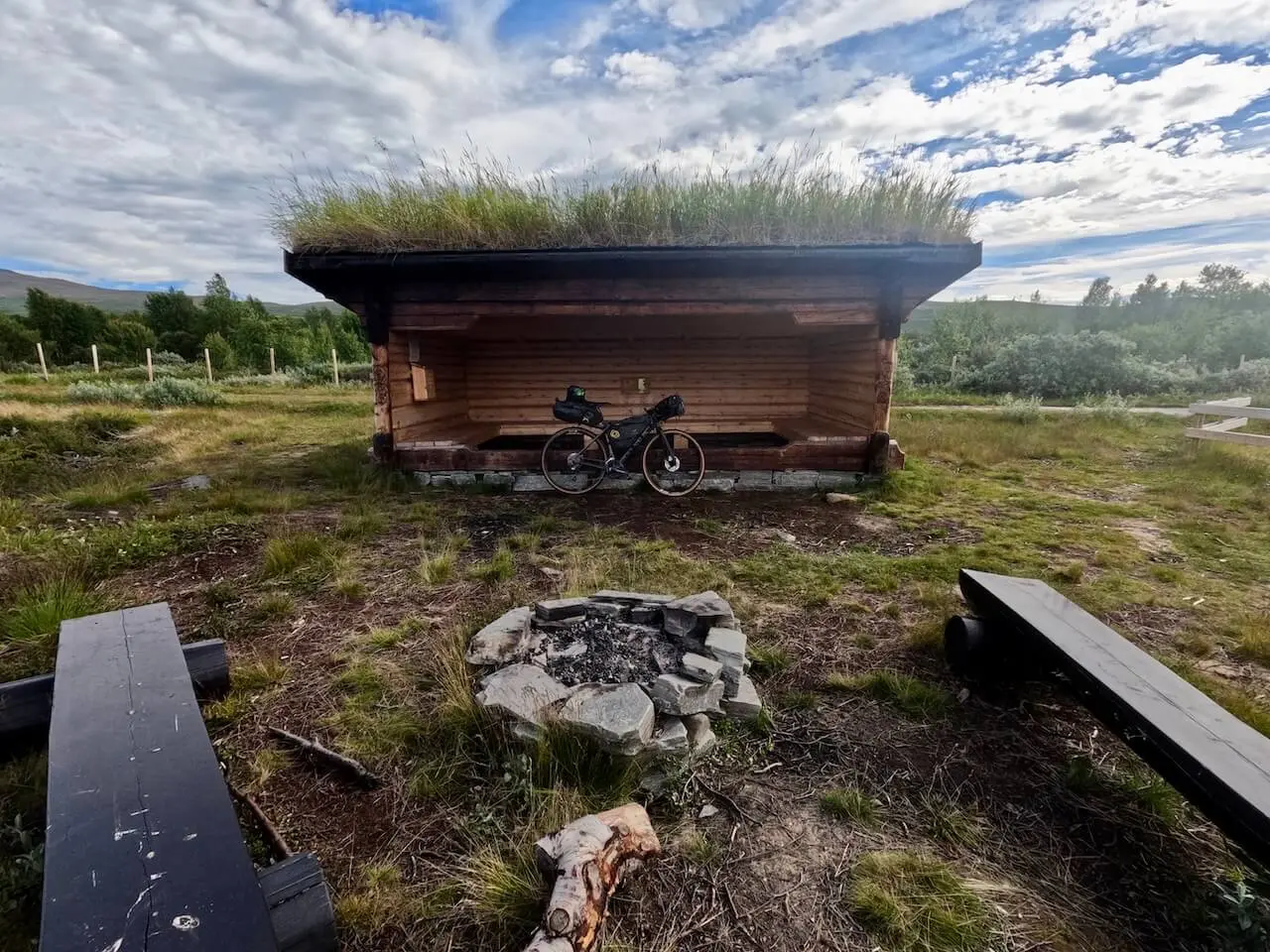
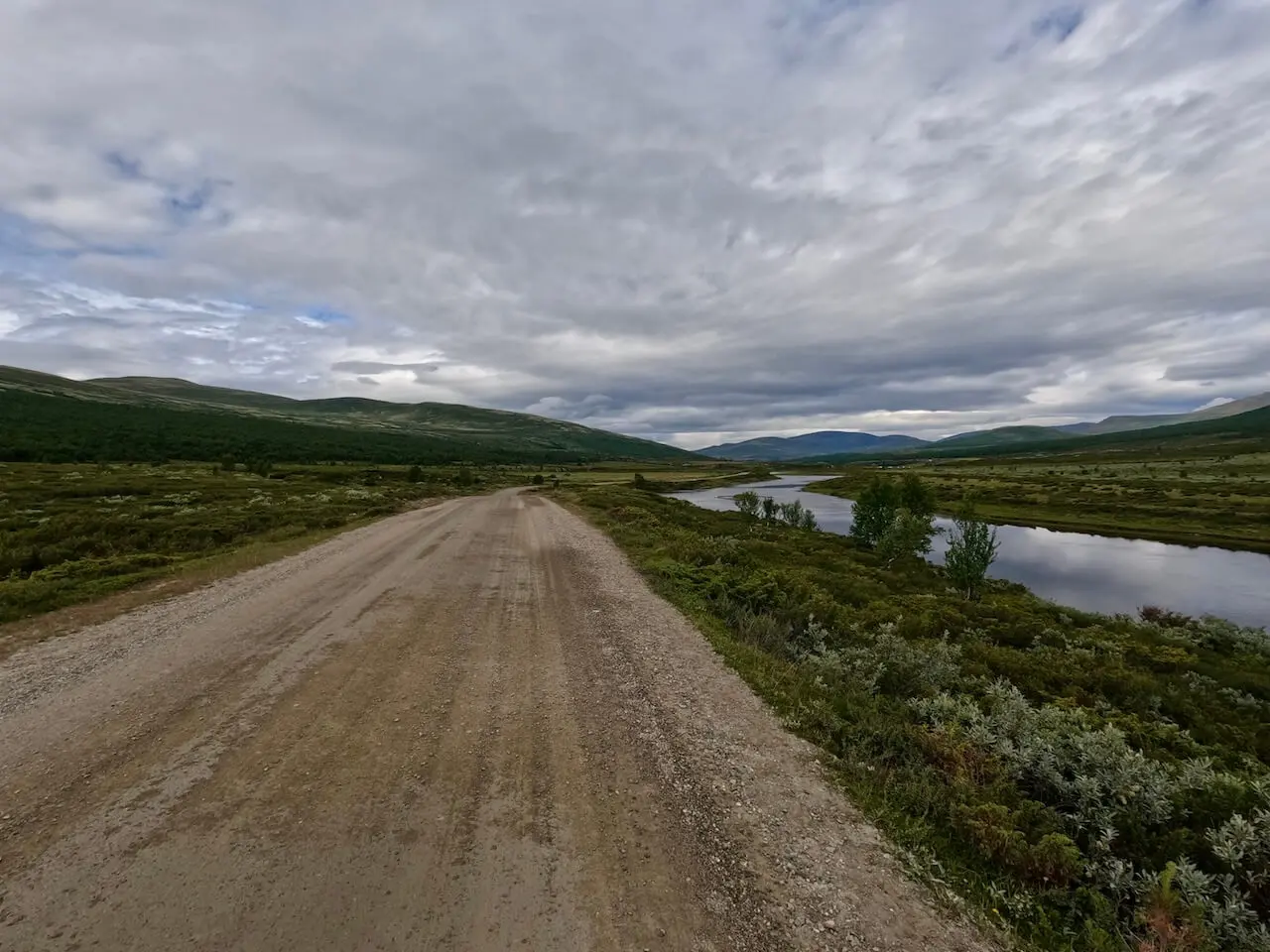
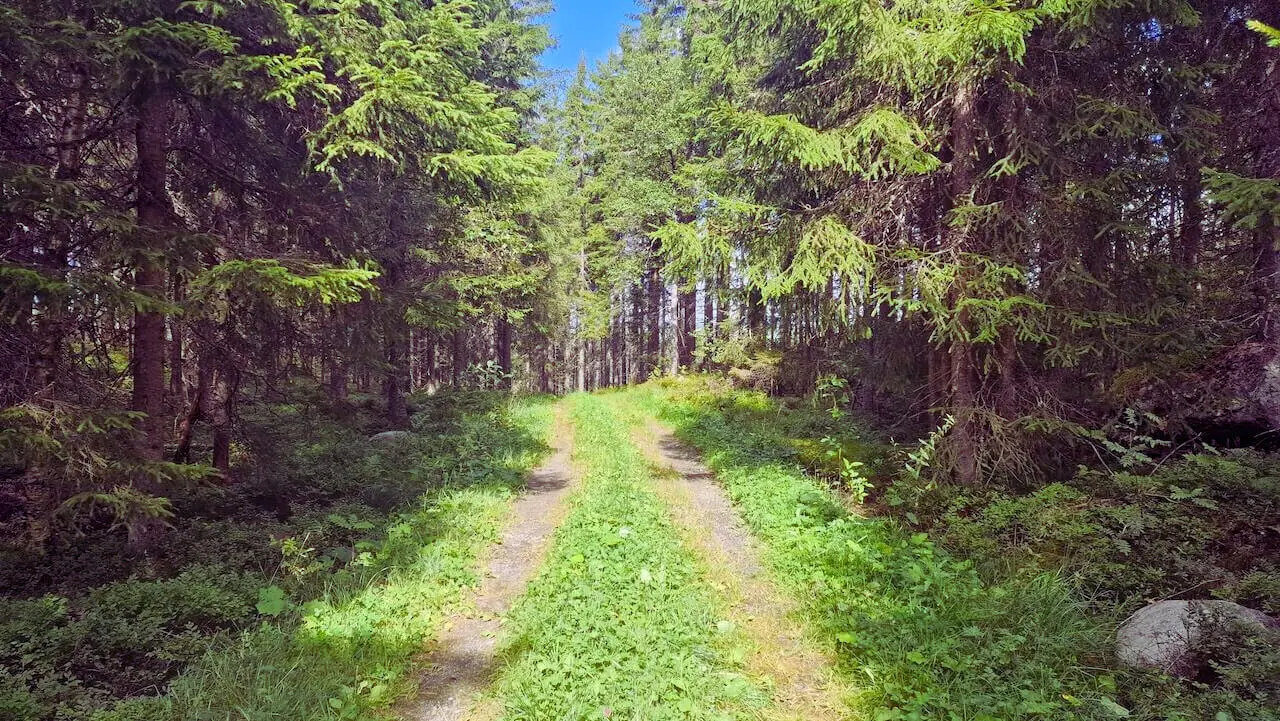
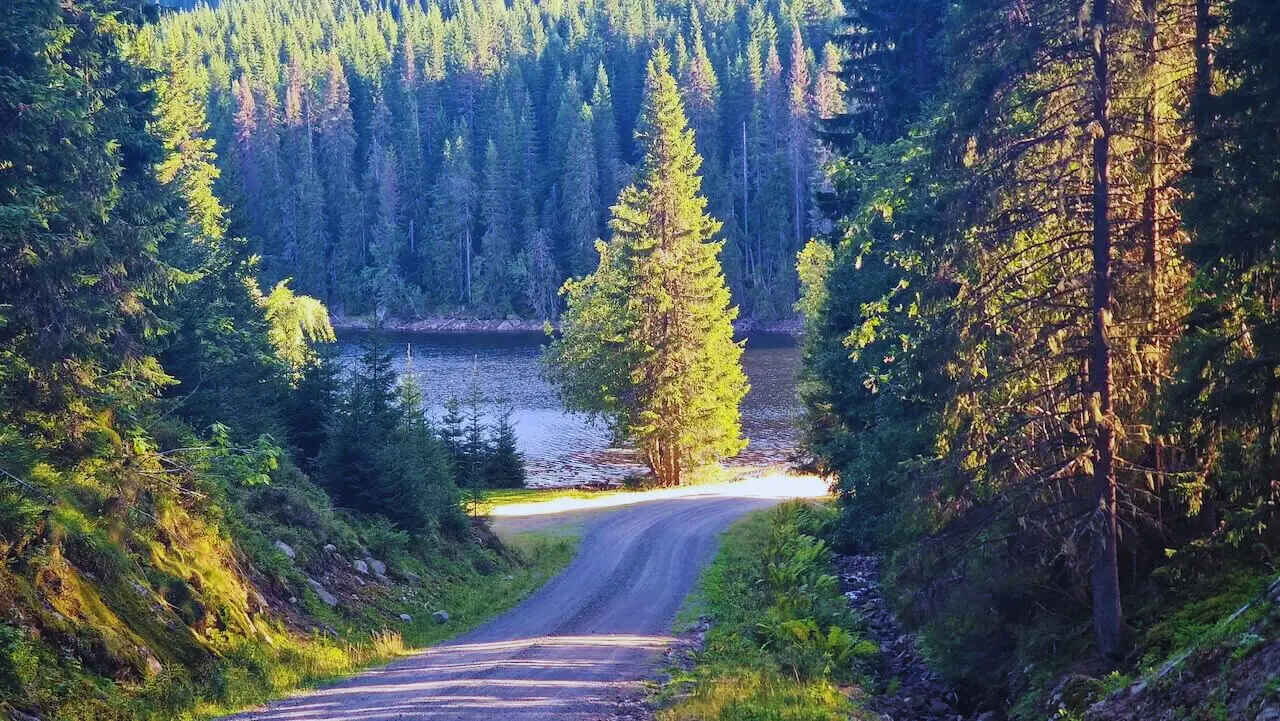
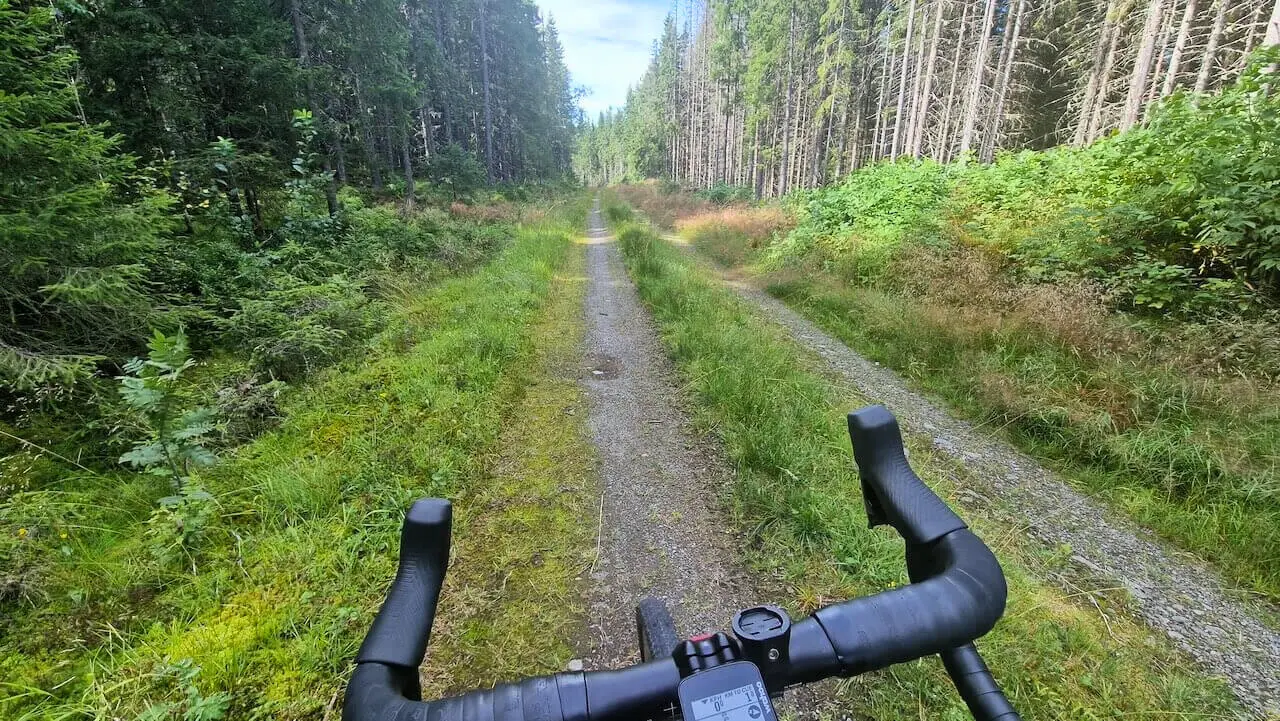
Rather than staying in the valleys, Route 1 deliberately climbs onto forest roads, highlands, and old farming landscapes. Many of these gravel roads were originally built for seasonal farming and access long before cars, tourism, or modern infrastructure arrived.
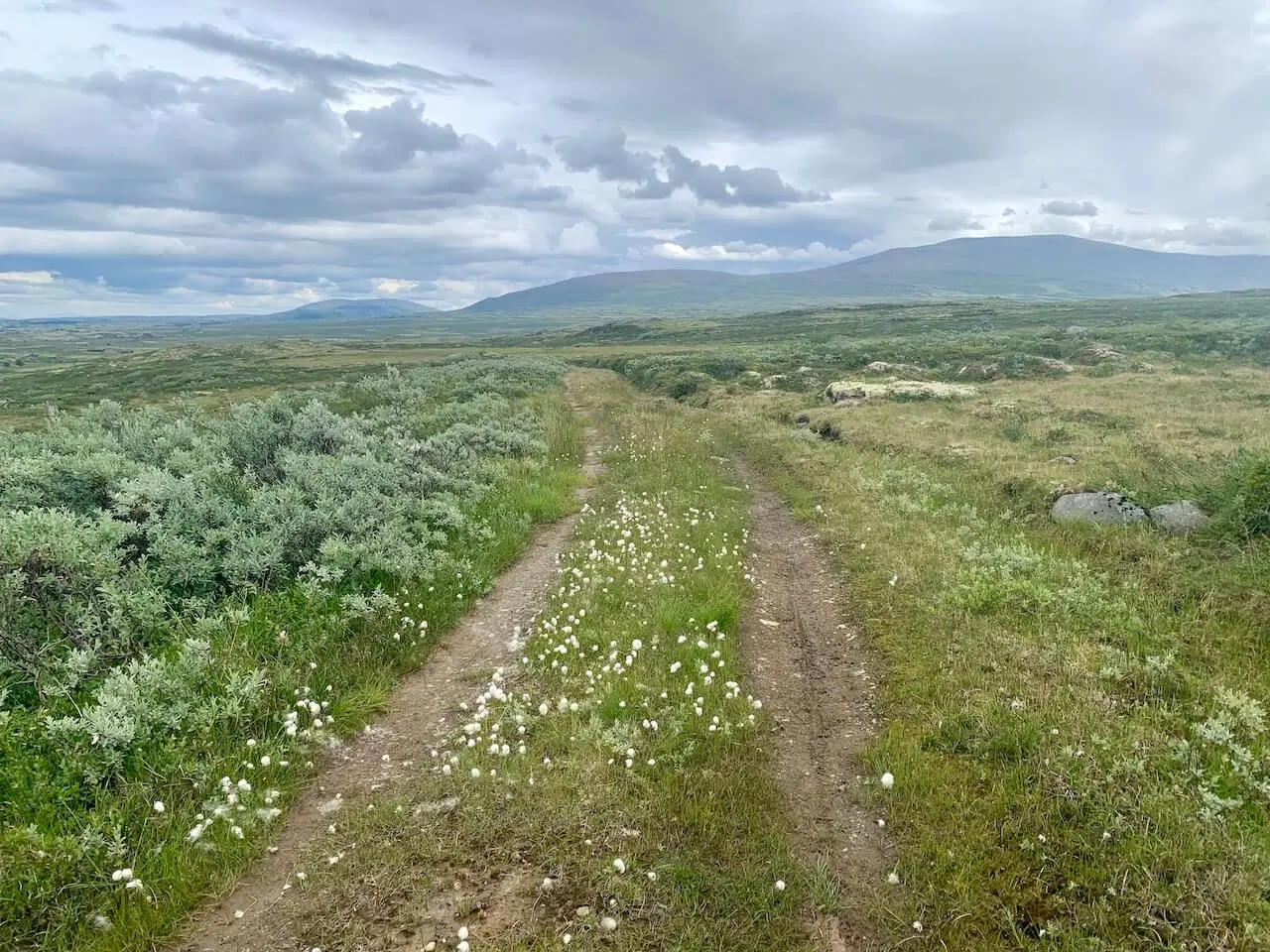
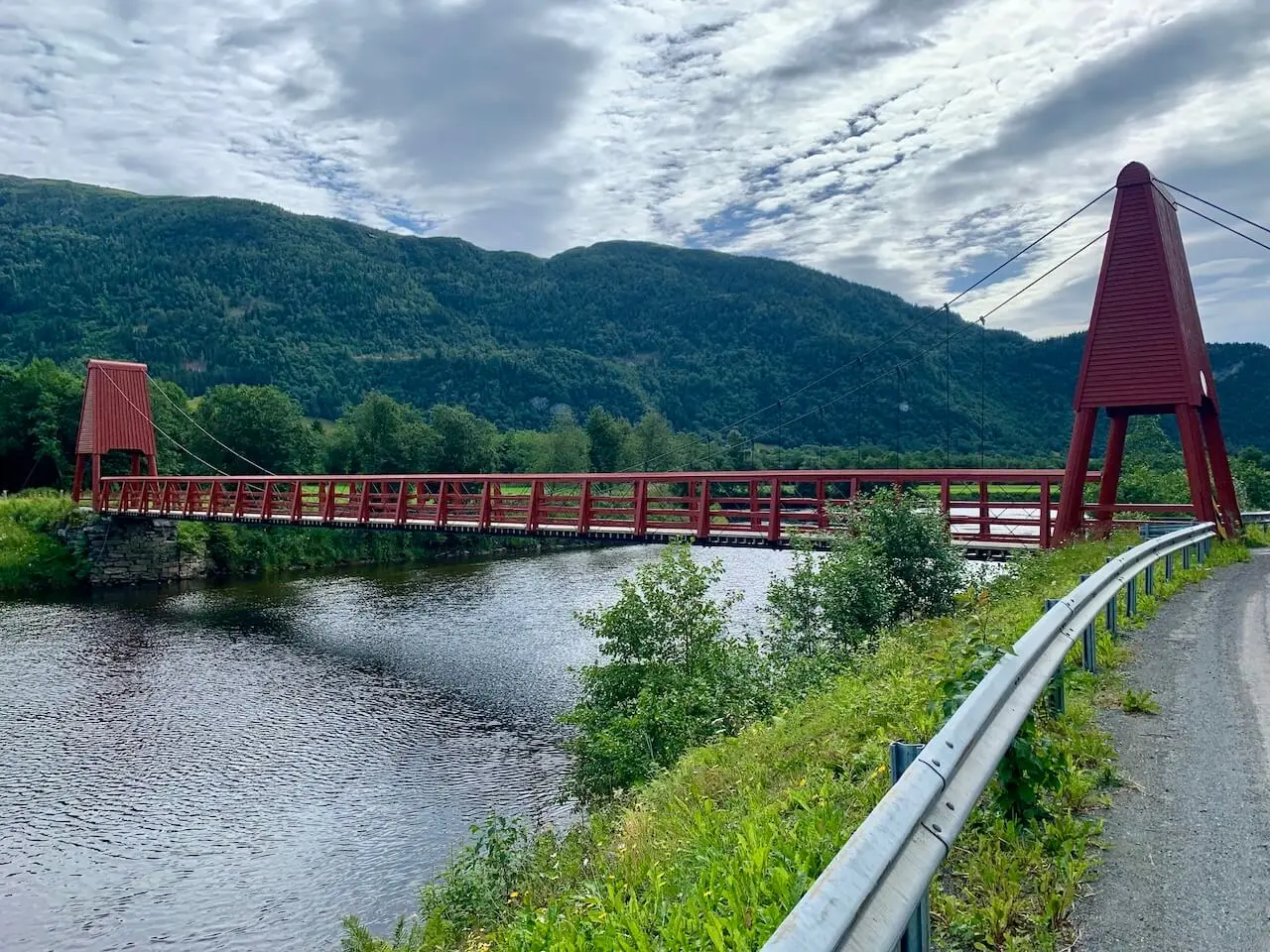
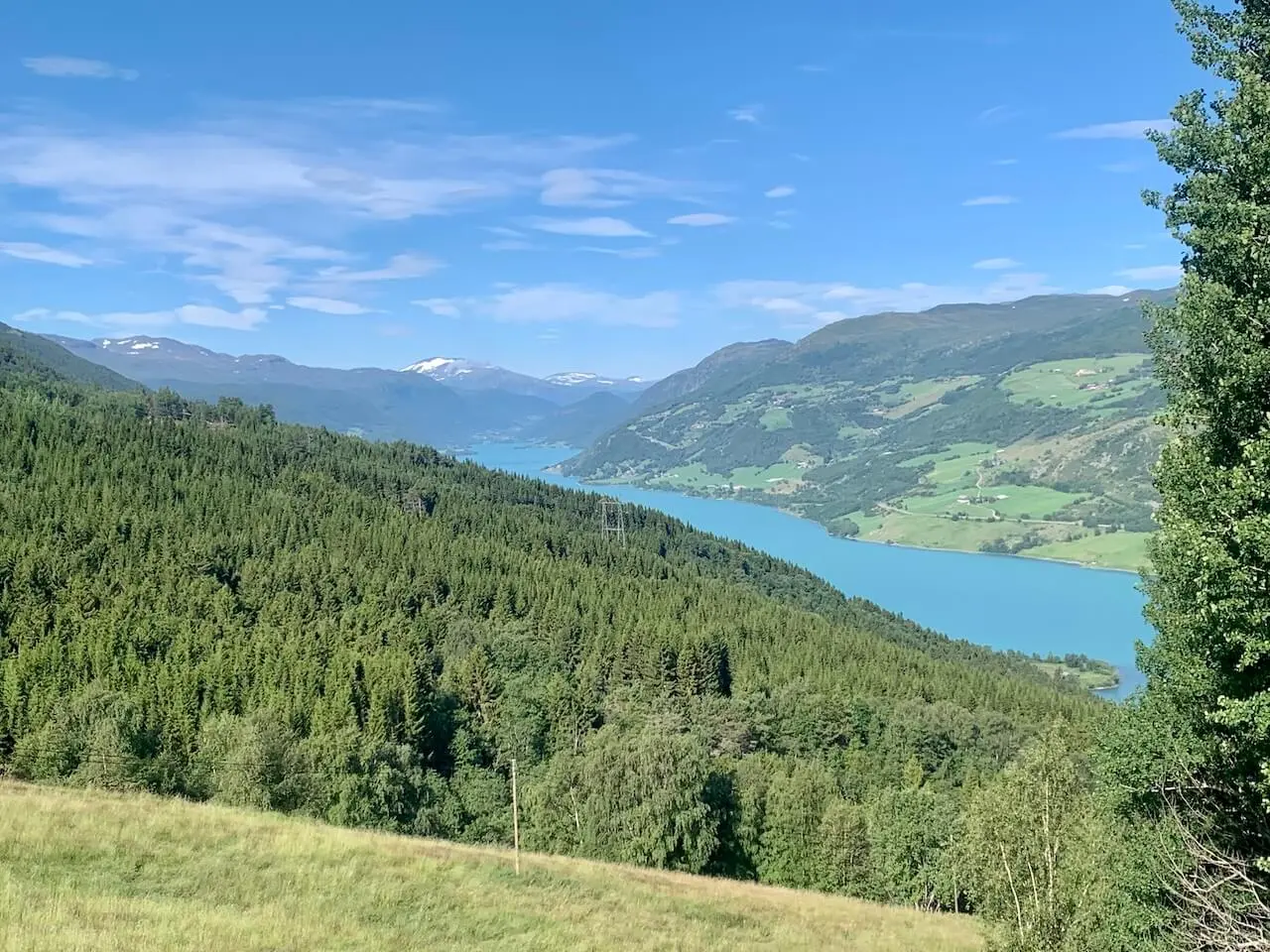
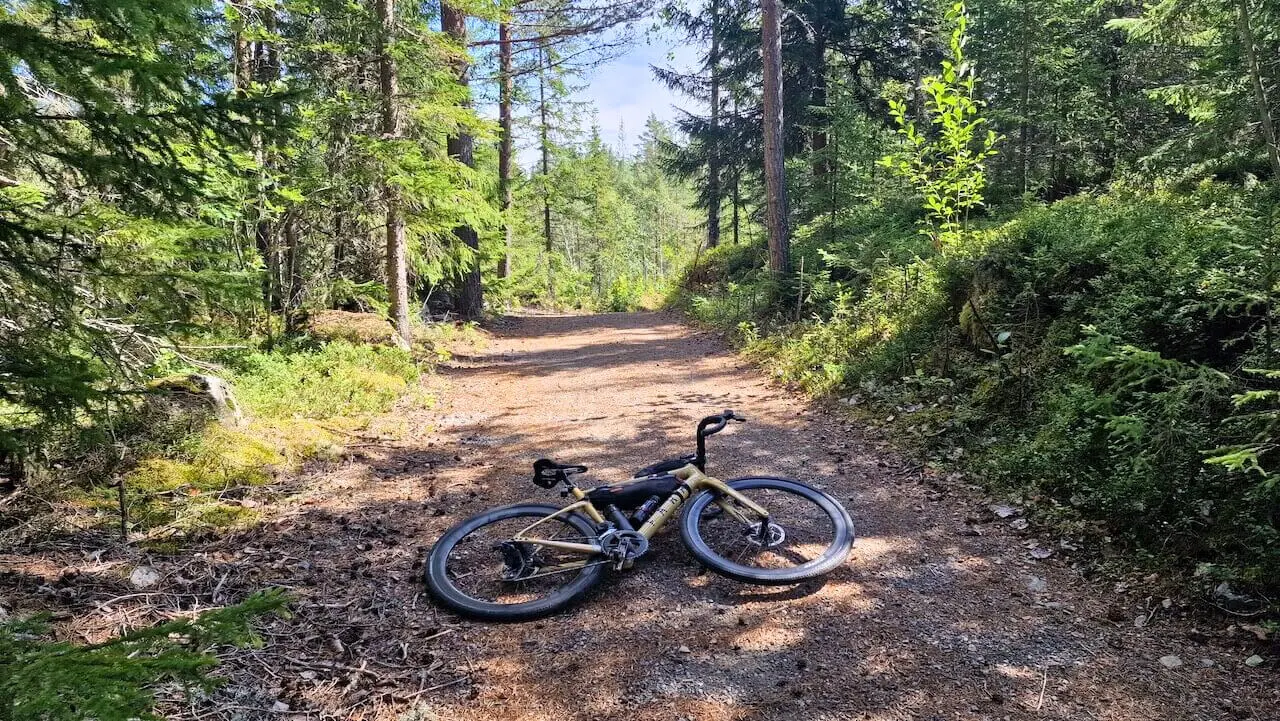
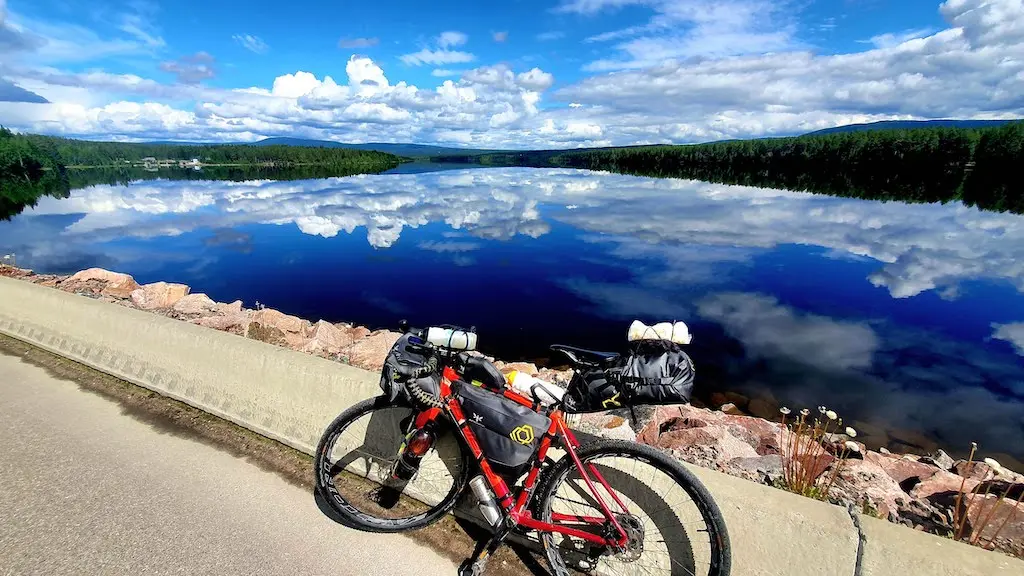
The character of the route constantly changes — deep forest, rolling farmland, open plateaus, and long stretches where modern life feels far away. Route 1 is less about famous highlights and more about understanding how people moved through Norway for centuries using the landscapes that already existed.
Carte routière

Quand ?
Oslo to Lillehammer will be snow-free by May and good to ride. The high mountain roads pushing up above 900m+, such as Peer Gynt Vegen will usually be open by early June.

Y arriver
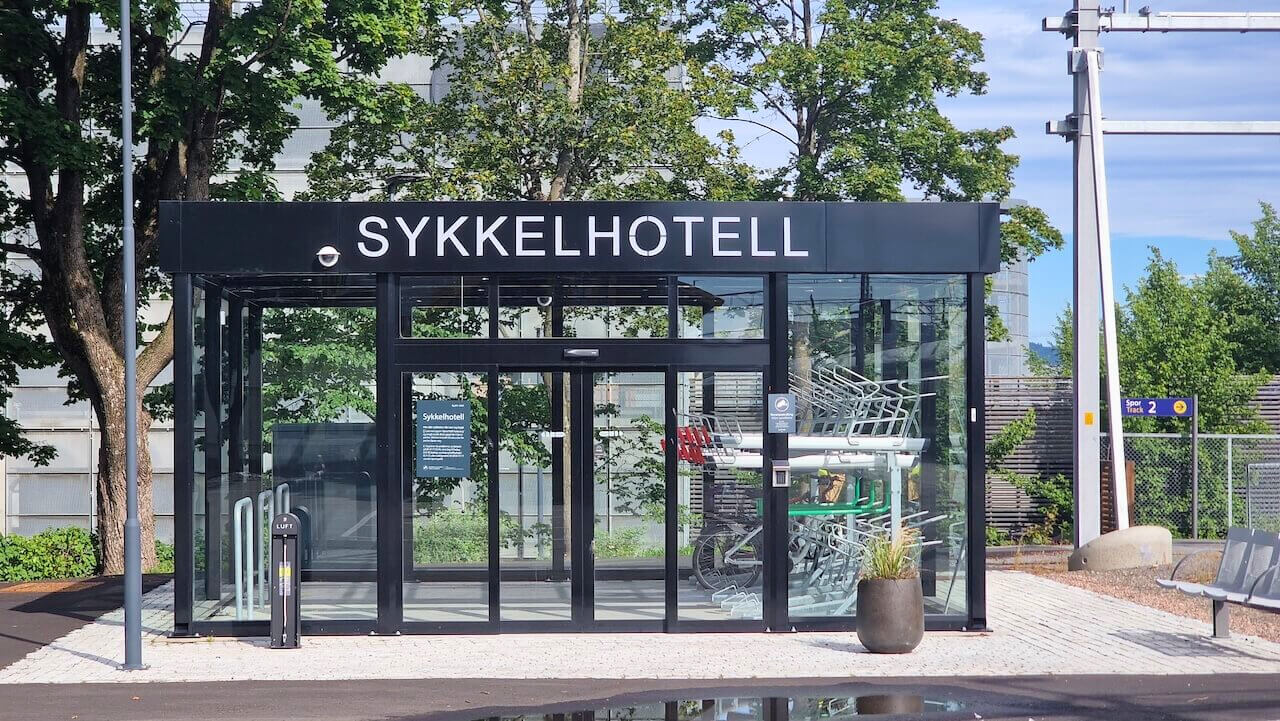
Both Oslo and Trondheim have train stations and international airports.

Dangers
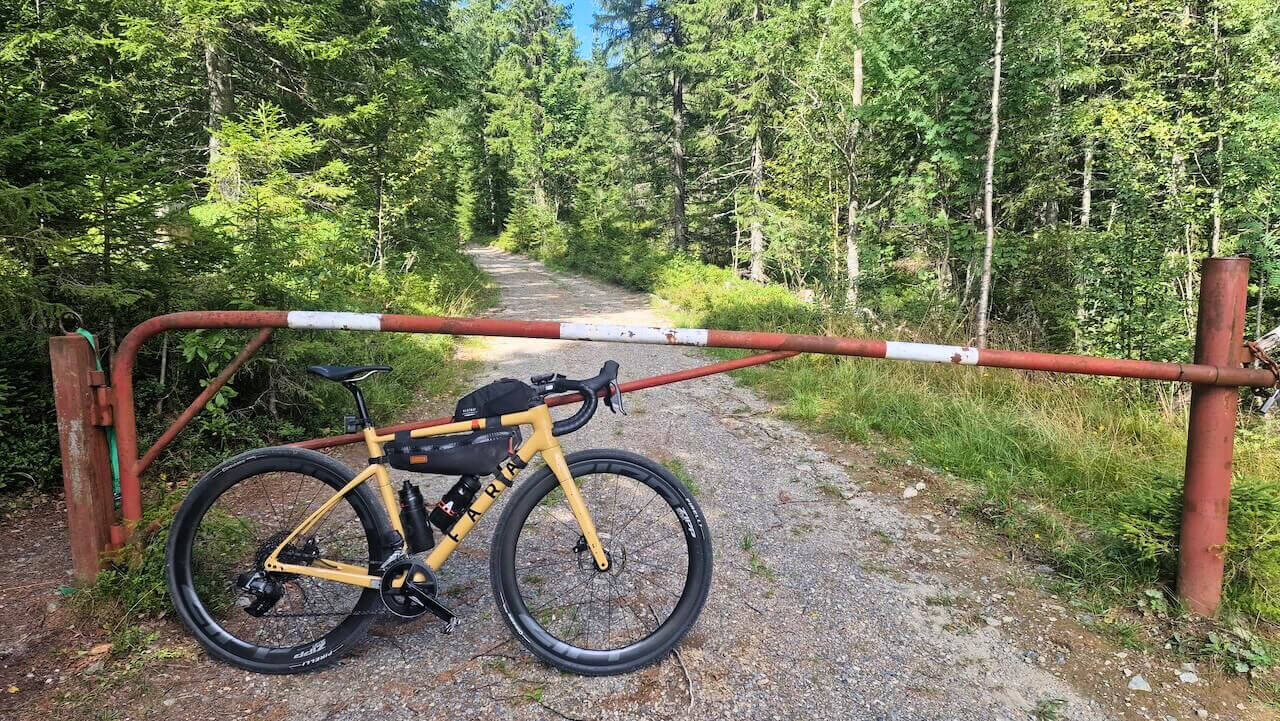
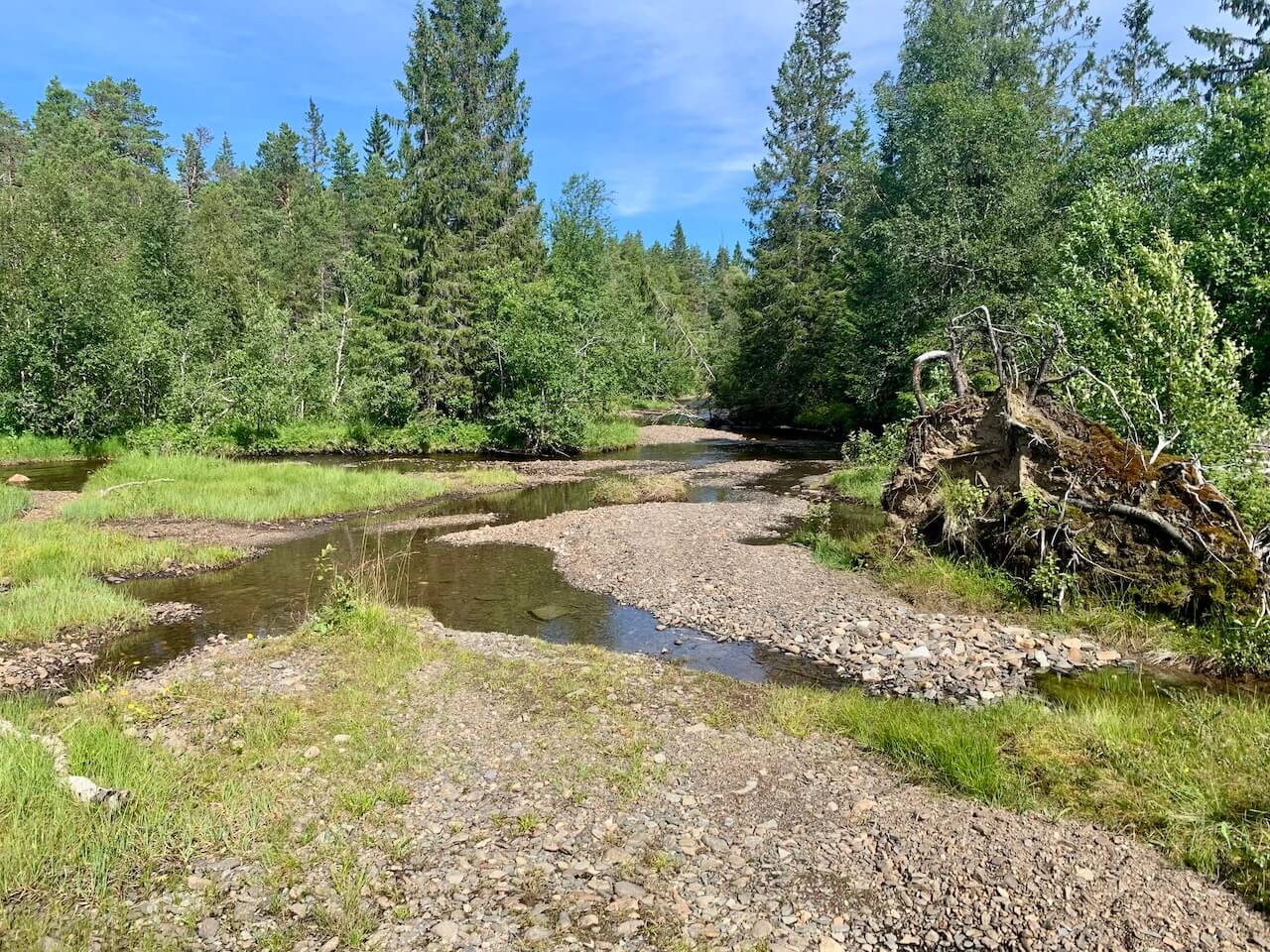
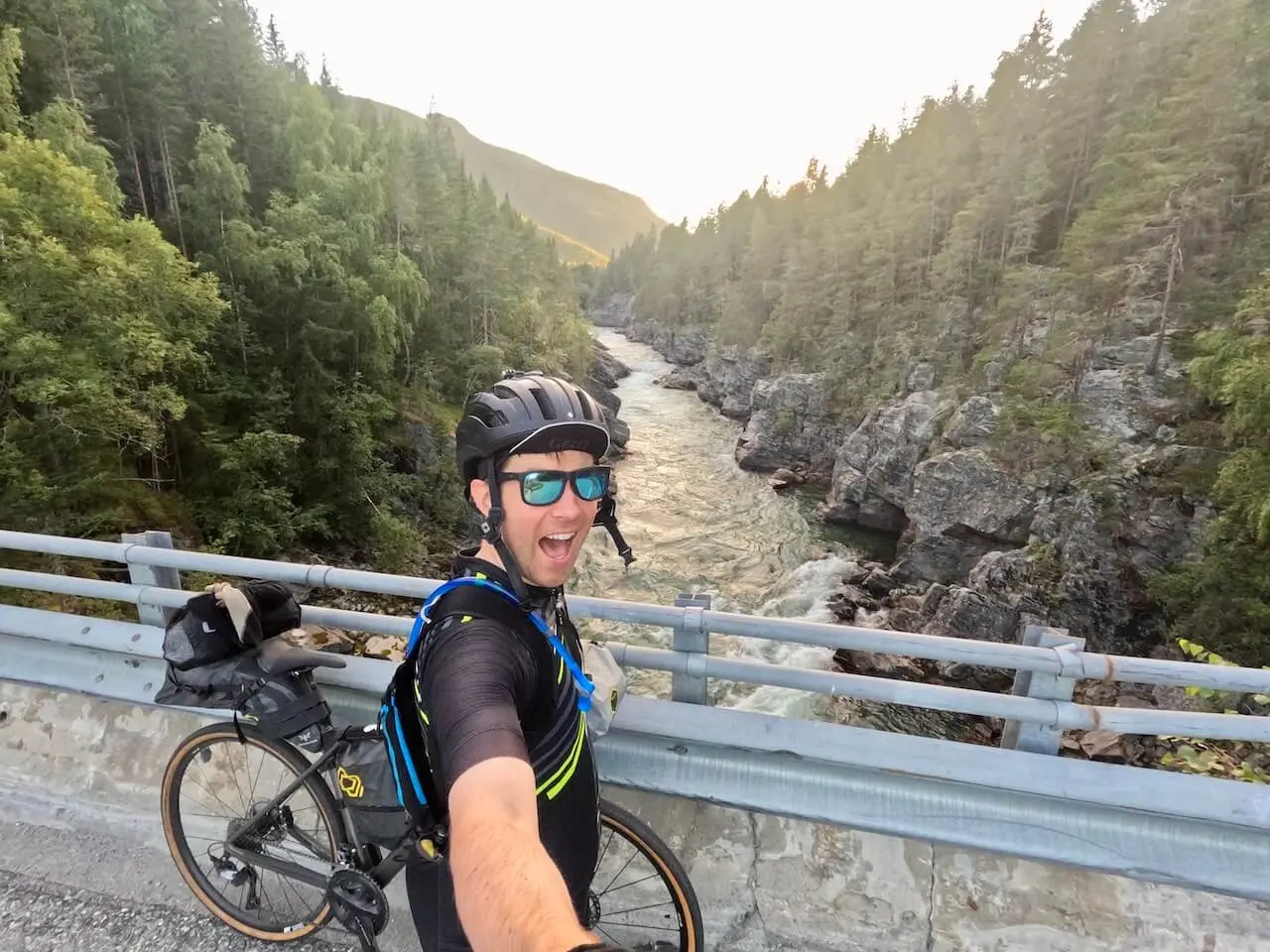
Shallow stream/river crossing, and remote sections with limited supply options are your biggest concerns. No busy roads or tunnels to be concerned about

Location de vélos
Oslo
- Sorensen Sykler Oslo (Gravel): https://www.sorensensykler.no/
- Oslo Velo (Gravel): https://oslovelo.no/pages/sykkelutleie
- Rouleurs of Oslo (Gravel): https://www.rouleuroslo.no/
- Oslo Bike Rental (MTB, Road, E-bike & Gravel): https://oslobikerental.no/
Trondheim
- Trondheim (Road/gravel & ebikes): https://trondheim-bike-adventure.booqableshop.com/

Imagine discovering a secret way to ride the whole of central Norway from south to north by bike — this is that route.
Recommandations locales
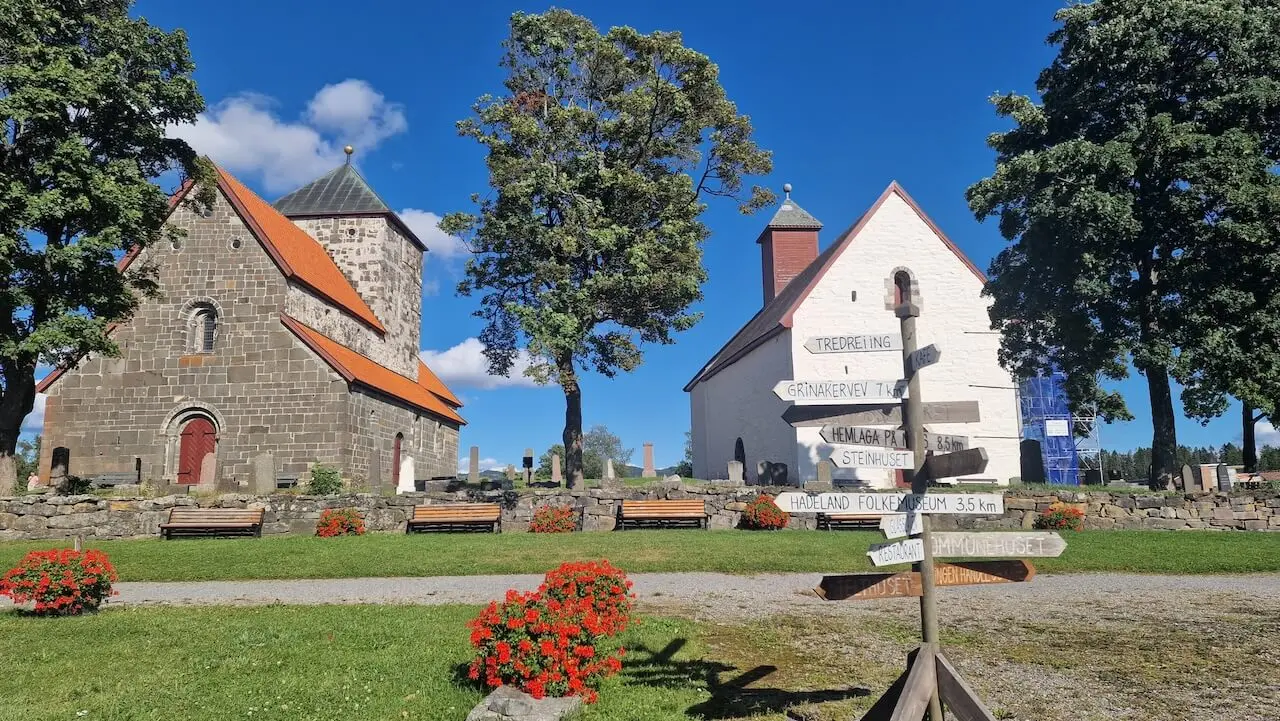
Søsterkirkene
Between Oslo and Gjøvik, you will discover the Søsterkirkene (the Sister Churches), a striking pair of medieval stone churches standing side by side on a hilltop in Granavollen. Built in the 12th century, these two churches, Mariakirken and Nikolaikirken reflect both the religious and political power of the era. Their close proximity has sparked legends and curiosity for centuries, and they remain a powerful symbol of Norway’s medieval heritage, offering sweeping views over the Hadeland countryside and a quiet sense of continuity across the ages.
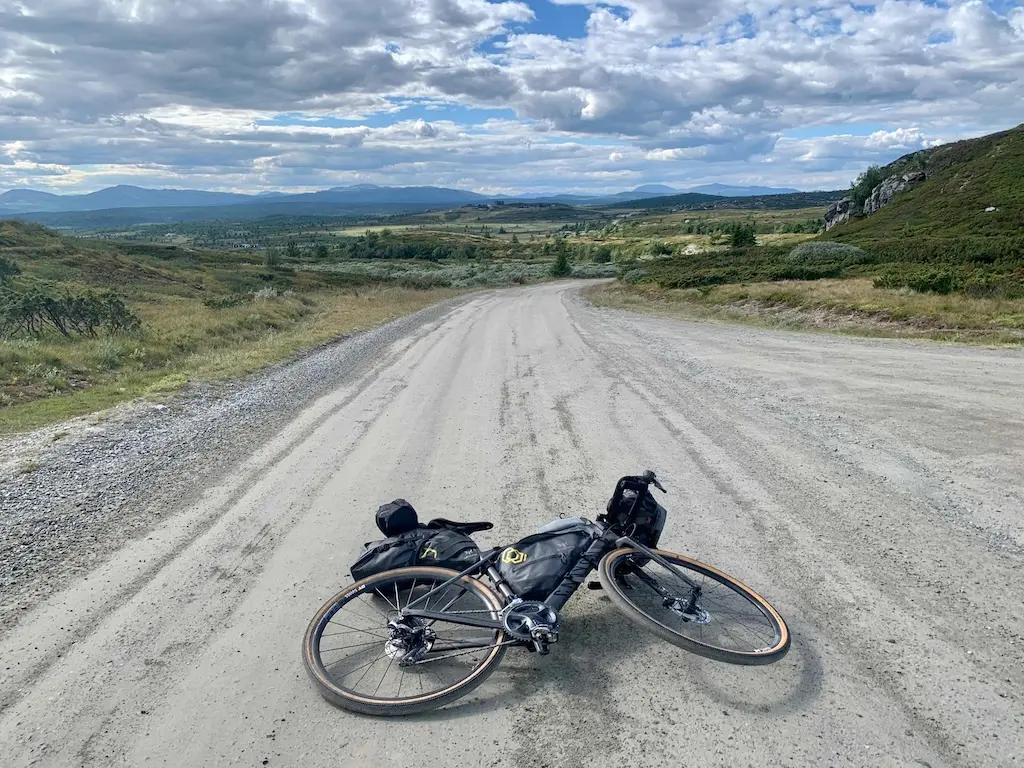
Peer Gynt Vegen
The road takes its name from Peer Gynt, Henrik Ibsen’s restless, wandering figure, and that sense of movement still sits in the landscape today. The 60km mountain road is wild and wonderful to cycle with limited traffic, thanks to barriers on either side of it. It’s one of the top highlights on the route.
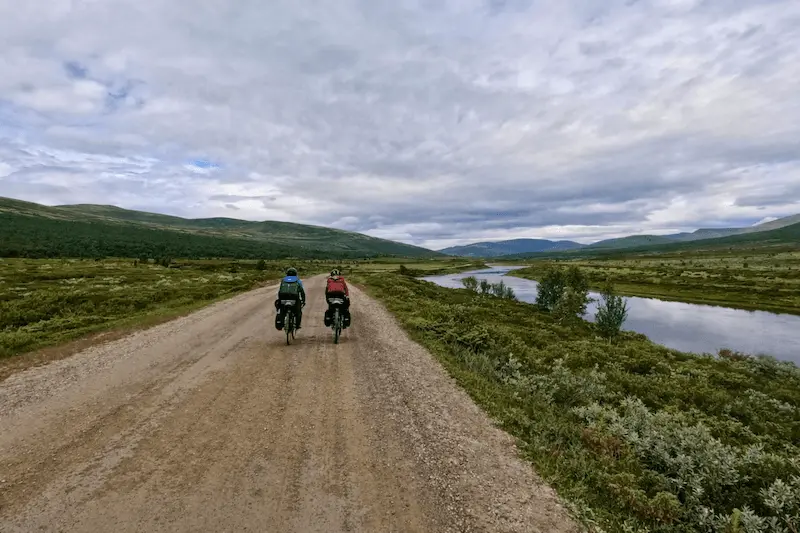
Knutshø landskapsvernområde
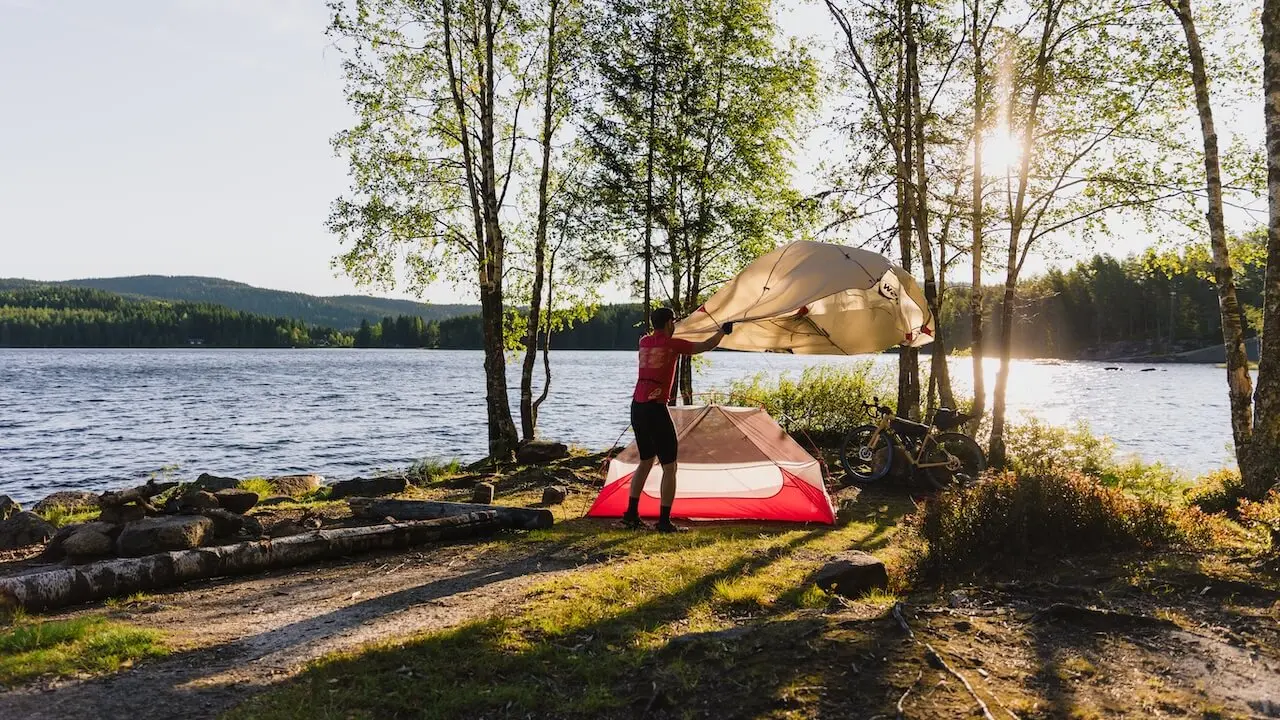
This is a sensitive and protected area. Wild camping is not permitted, and riders are expected to pass through quietly and without disturbance. Keep a low profile, stay on the route, and plan to cross the area in one continuous push to Oppdal town. Authorities are monitoring use, and any signs of disturbance to wildlife, littering, or overnight stays could lead to restrictions or a full ban on cycling access. Respect the area so it remains open for others.
Liens utiles
Booking.com – pour les options d'hébergement dans toute la Norvège
Application Entur – pour planifier des trajets en transports en commun en Norvège
Ferry – itinéraires, horaires et informations par Statens Vegvesen
Étiquette du camping sauvage important à savoir
Lectures complémentaires


Garder à l'esprit
Tous les itinéraires cyclables publiés sur CYCLENORWAY.com sont destinés à des fins de planification et d'inspiration, à utiliser en complément de vos propres recherches et de votre jugement. Les itinéraires sont créés à l'issue de recherches approfondies, mais chaque cycliste a des capacités, des attentes et une tolérance au risque qui lui sont propres. Certains itinéraires peuvent inclure des sections où il faut porter le vélo, des sentiers boueux ou humides, des terrains techniques, des montées abruptes, des descentes ou des zones isolées qui pourraient ne pas convenir à tous. Les données d'itinéraire, les logiciels de cartographie et les conditions peuvent également changer ou contenir des inexactitudes. Le cyclisme en Norvège est généralement très sûr. Néanmoins, si vous choisissez de suivre ces itinéraires, vous le faites à vos propres risques.





Laisser un commentaire