








36km
Distance
637m
Elev. Gain
0.5
Days
85%
Unpaved
6/10
Difficulty
35-40mm
Ideal Types
Nordmarka Ring 4
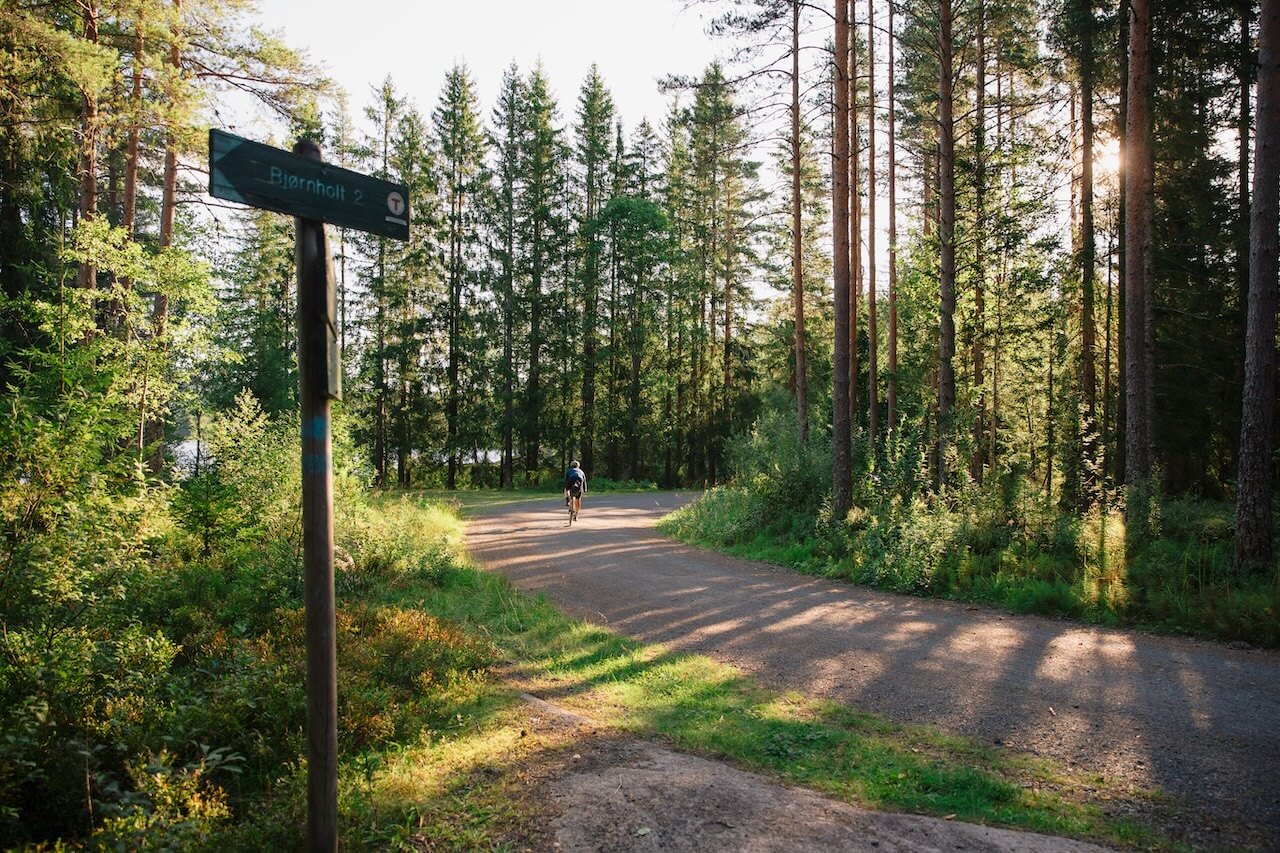
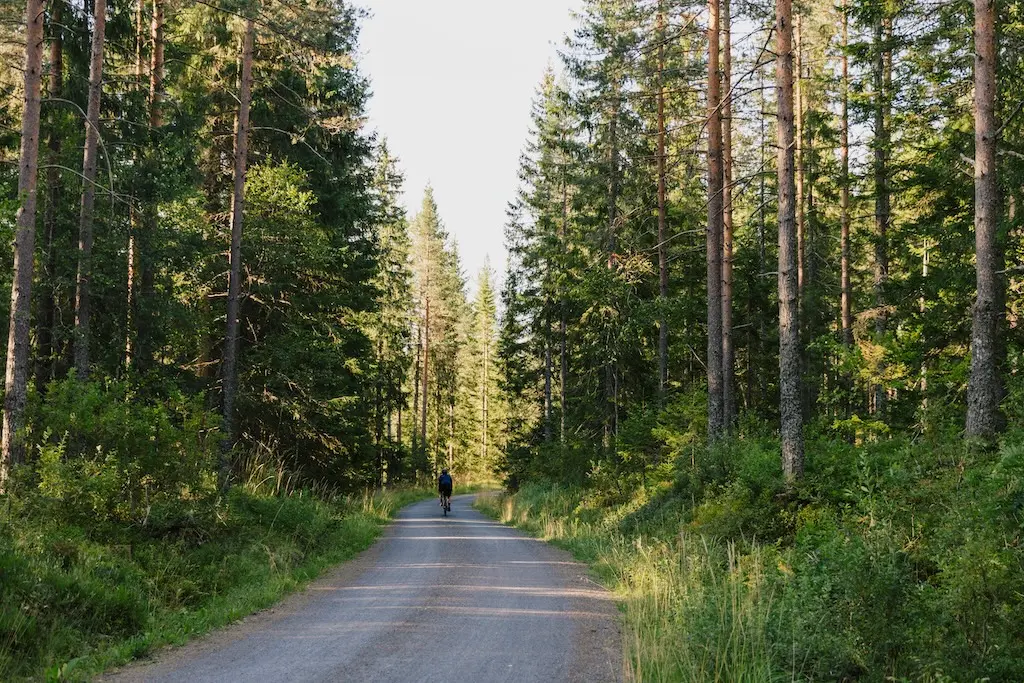
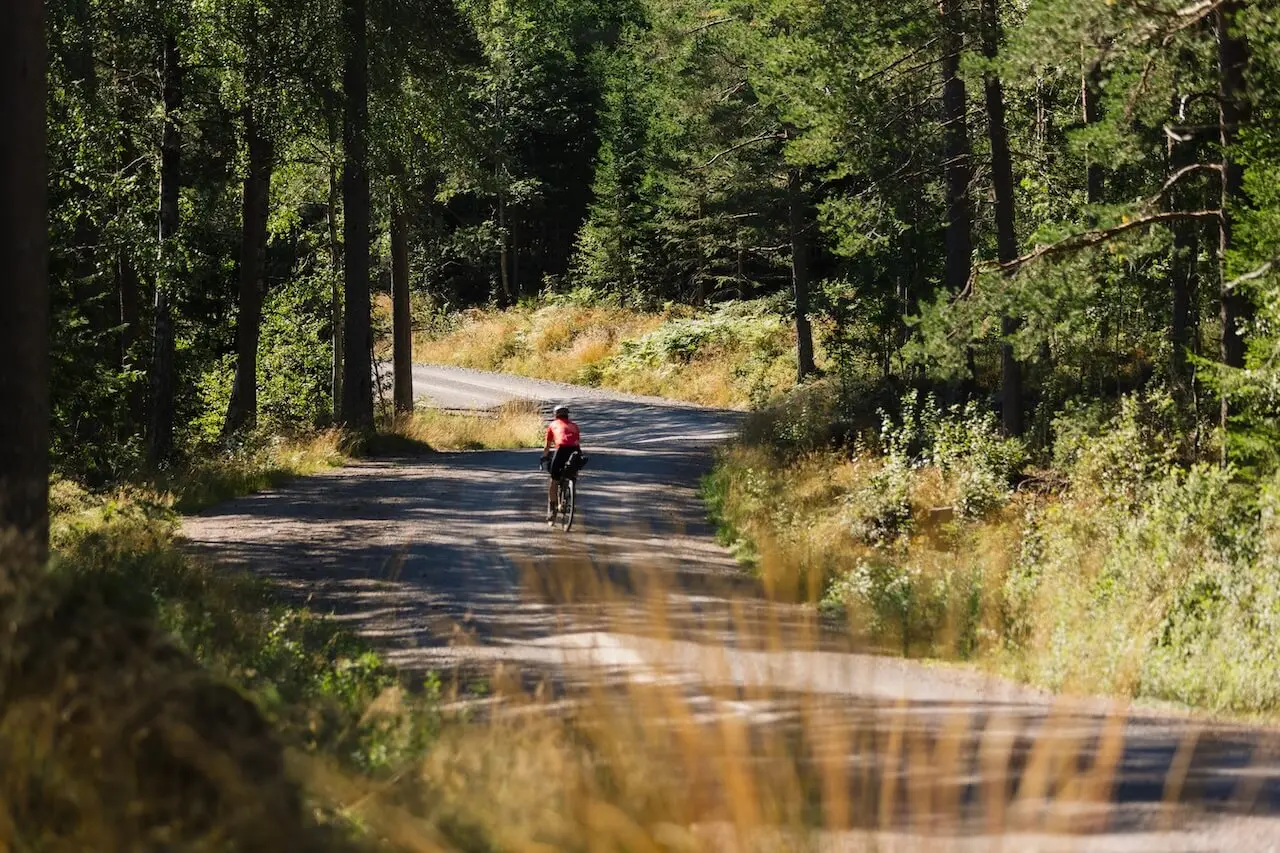
Ring 4 is perhaps the most famous gravel route in Nordmarka, a ride that perfectly captures the essence of Oslo’s vast forest wilderness. Starting with a gradual climb, the route winds its way from the city’s edge into deep, pine-covered hills. The first stretch, about 10 kilometres, is lively with dog walkers, hikers, and fellow cyclists, all enjoying the easy access to nature that Oslo is known for. But as you venture further in, the crowds fade, the forest thickens, and a calm, almost timeless atmosphere settles in, a reminder of why Nordmarka holds such a special place in Norwegian culture.
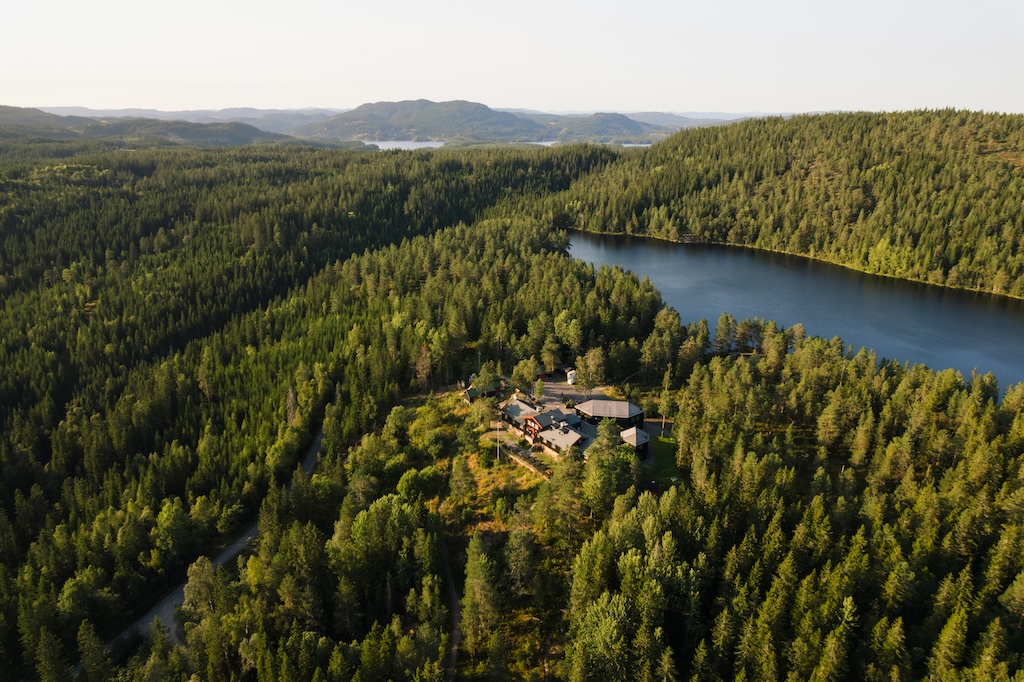
For those who want to turn the ride into a small adventure, there are several spots to wild camp beside quiet lakes and add a few kilometres to your route, or you can book a room at the famous cabin at Kikutstua for a more comfortable night. Either way, stopping at one or two of the forest cafés along the route is part of the ritual. Order a cup of freshly ground coffee or a warm pastry, and sit back to take in the view; this is, after all, what many Norwegians proudly call their “back garden.”
Route map

When?
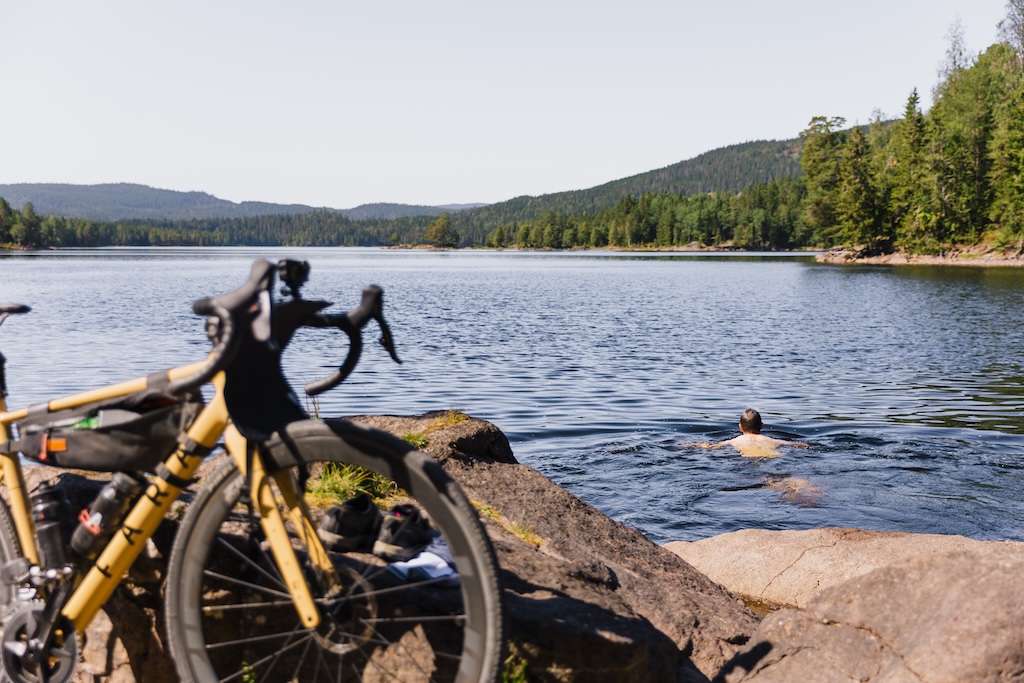
Ring 4’s gravel roads are well-managed and maintained year-round. Many local riders will even fit studded tyres and keep riding through winter. For most visitors, though, the snow-free season runs from early May to late October, and even into November when the weather stays mild. In summer, a refreshing swim in one of the many forest lakes is an essential part of the experience.

Getting there
From the centre of Oslo, you can either cycle up to the popular lake of Sognsvann on the outskirts of the city, where the forest roads begin. Alternatively, you can take the city subway (T-bane) from Oslo S with your bike to the last stop (Sognsvann) on line 6.

Hazards
The gravel roads are mainly car-free. However, at weekends during the warmer months, expect a lot of foot and bike traffic on the paths. Bikes can be coming at speed from the other direction, and you’ll need to pay attention and keep to your right to prevent any possible accidents.

Bike rental
– Sorensen Sykler Oslo (Gravel)
– Oslo Velo (Gravel)
– Rouleurs of Oslo (Gravel)
– Oslo Bike Rental (MTB, Road, E-bike & Gravel)

This is Oslo’s back garden — a place locals cherish. When you visit, leave no trace, respect the peace of the forest, and remember you’re a guest in something truly special.
Local recommendations
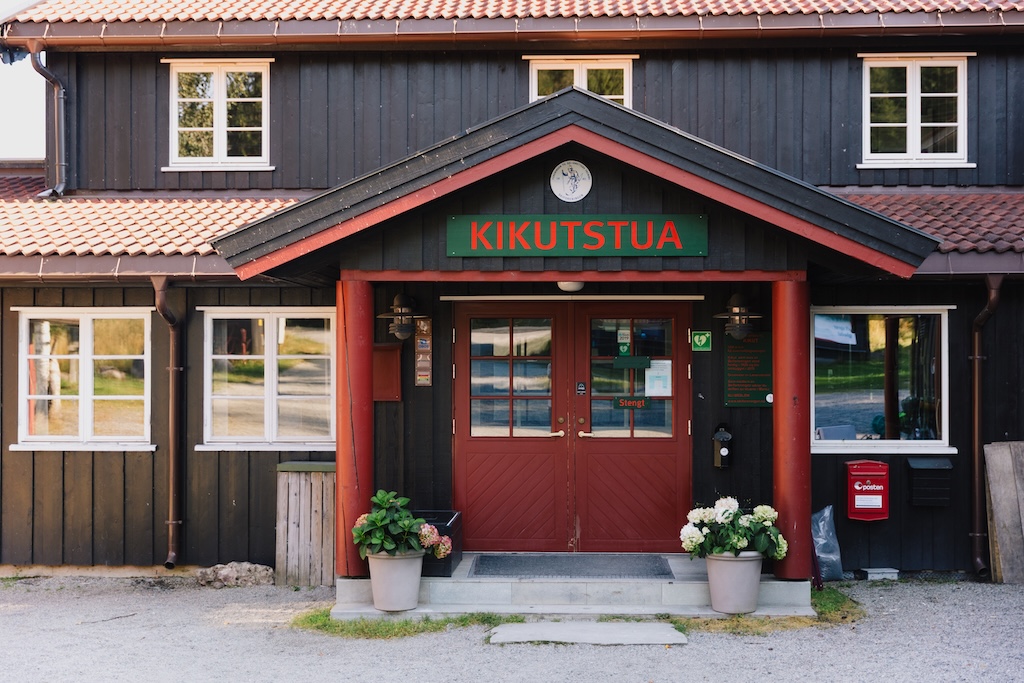
Kikutstua
The legendary forest cabin features a fantastic café, restaurant, and simple overnight accommodation. When the main cabin is closed, a self-service room remains open, offering a fridge full of cold drinks, hot drinks, and local snacks. Payment through Vipps or cash.
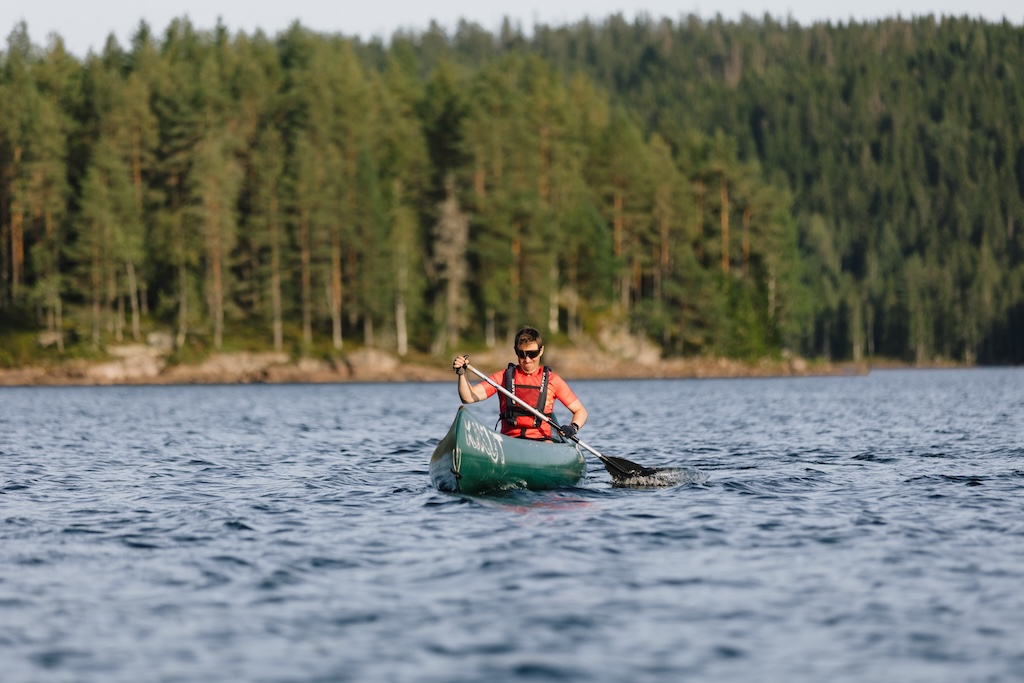
Rent A Canoe
At both Kikutstua and Bjørnsjøen cabins, you can rent a canoe for 24 hours or longer. Just make sure to visit during opening hours or call ahead to reserve one. It’s a great way to mix up your cycling trip with some time on the water and a bit of upper-body exercise. If you really want to experience Nordmarka at its best, try the “Nordmarka på langs i kano” – a three-day canoe adventure through some of the forest’s most beautiful and remote lakes. Bikes can be safely left at the cabins while you’re out paddling.
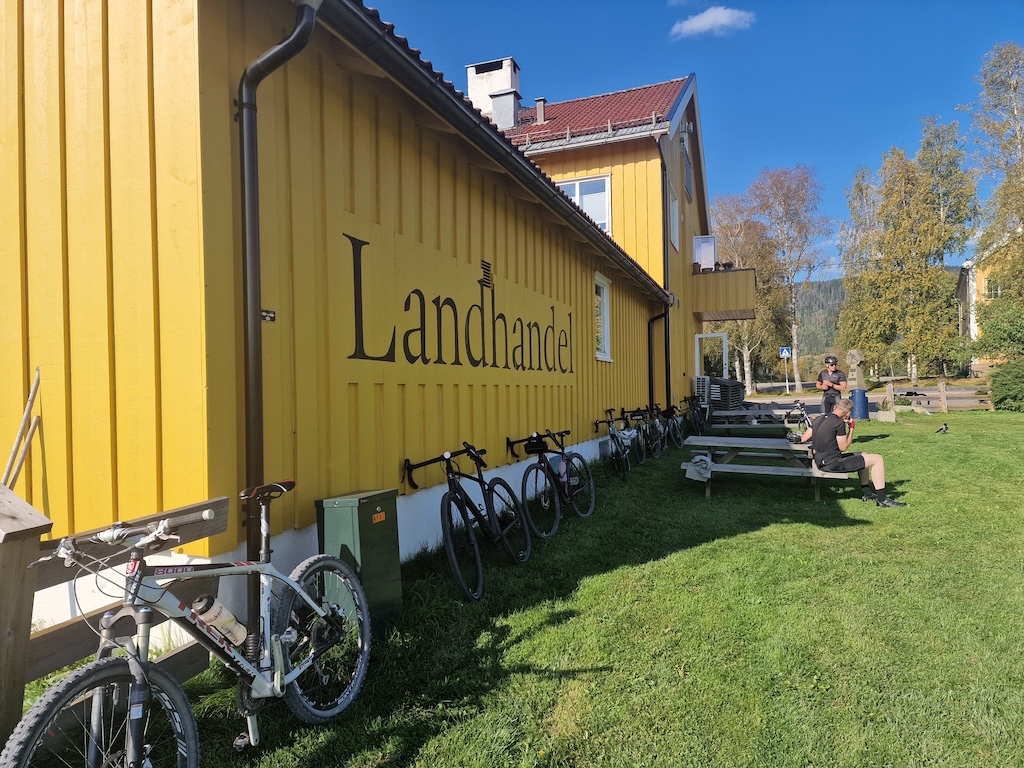
Sørkedalen Landhandel
The famous Sørkedalen café is a beloved stop among local cyclists, with a large garden offering plenty of space to sit back and enjoy the view. Inside, you’ll find a beautifully decorated café serving homemade pastries, cakes, and other treats perfect for hungry riders. It’s the ideal stop after emerging from the forest, a place to refuel, relax, and gather energy for the ride back into the city.
Useful links
Booking.com – for accommodation options across Norway
Entur app – for planning public transport trips around Norway
Ferries – routes, timetables and information by Statens Vegvesen
Wild camping etiquette – important to know
Further Reading


Keep in mind
All cycling routes published on CYCLENORWAY.com are intended as planning resources and sources of inspiration to be used alongside your own research and judgement. Routes are created using careful research, but every cyclist has different abilities, expectations, and risk tolerance. Some routes may include hike-a-bike sections, muddy or wet hiking paths, technical terrain, steep climbs, descents, or remote areas that may not be suitable for everyone. Route data, mapping software, and conditions can also change or contain inaccuracies. Cycling in Norway is generally very safe. Nevertheless, if you choose to ride these routes, you do so at your own risk.






Leave a Reply