





Ten years ago, calling Oslo a cycling city would have raised eyebrows. The capital was a place where bikes were tolerated rather than welcomed, squeezed into narrow roads between fast-moving traffic, trams, and buses and plenty of construction zones. The numbers were small, the danger was real, and anyone who rode daily did it more out of stubbornness than comfort. The idea that Oslo would one day sit inside the top twenty of the Copenhagenize Index, perhaps the most respected global ranking of cycling cities, would have sounded delusional.
But the story changed. Slowly at first, then suddenly.
What you see in Oslo today is the result of a quiet revolution: political will, consistent investment, and a long-term commitment to treating cycling as a legitimate form of transport rather than an afterthought. It didn’t come through flashy slogans or glossy branding, but through unglamorous, old-fashioned city building. Kilometre by kilometre, junction by junction, a new Oslo was stitched together.
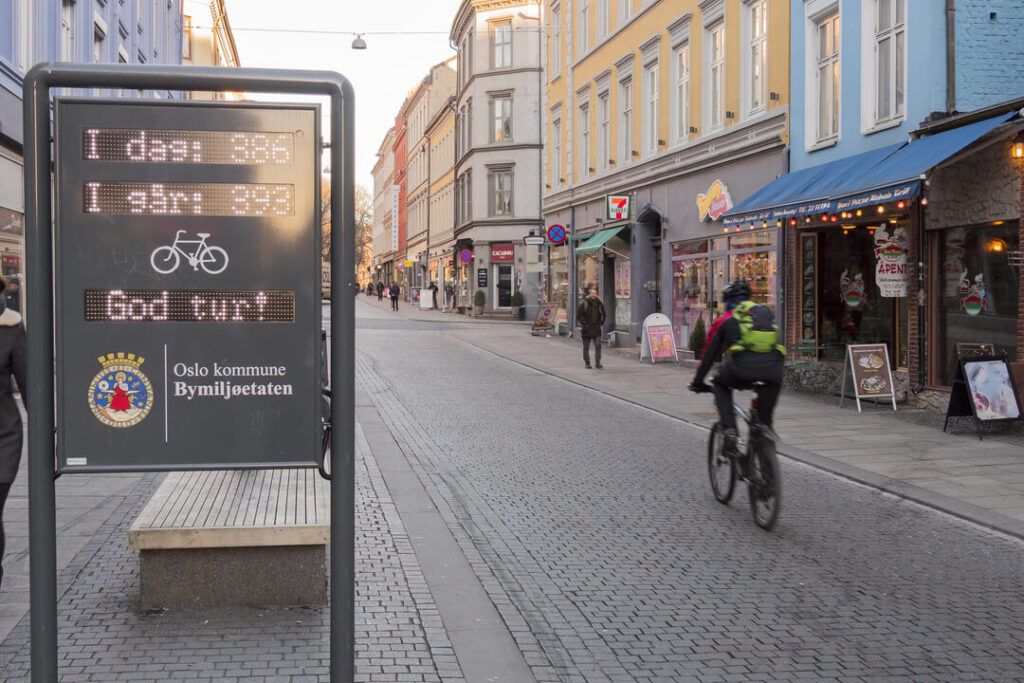
The Copenhagenize Index measures cities on a wide range of hard criteria: cycling infrastructure, safety, modal share, planning, transit integration, bike-sharing systems, political support, and general culture around cycling. These are not soft metrics; they reward cities that take cycling seriously at every level. For Oslo to break into this group, overtaking dozens of cities that once seemed far ahead, tells you something important: Norway’s capital didn’t merely get a little better. It transformed itself.
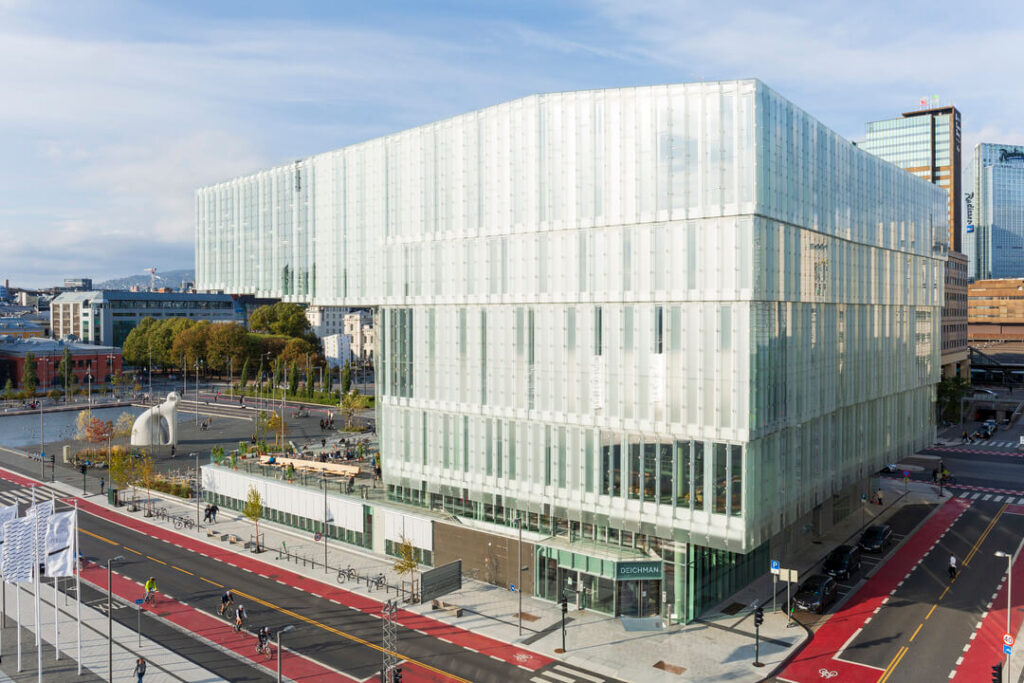
A Decade of Change
The breakthrough didn’t come from a single project. It came from consistency and focus. Ten years ago, the idea of a joined-up network simply didn’t exist. Cycling routes would appear and disappear without warning. You could cycle on a painted strip one minute and find yourself dumped in a four-lane junction the next. Nobody trusted the system because there wasn’t one.
City leaders took a hard look at the numbers. Car congestion was rising, buses were slowing down, and frustration was growing. Oslo faced a simple choice: keep adding lanes and parking, or rethink the structure of the city entirely. They made the harder choice.
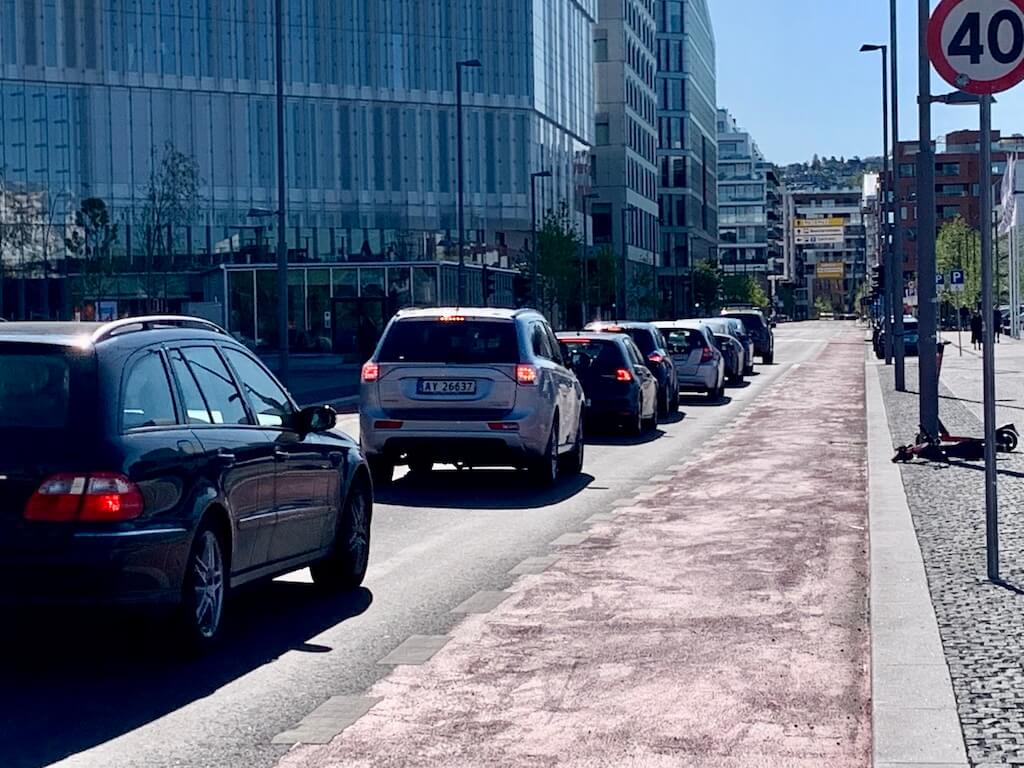
First came the decision to reduce car access in the city centre. Not through bans or dramatic overnight rules, but through gradual tightening: fewer parking spaces, higher priorities for public transport, and the creation of car-free streets in key zones. The change was subtle at the time, but it created room, literally for cycling and walking infrastructure to expand.
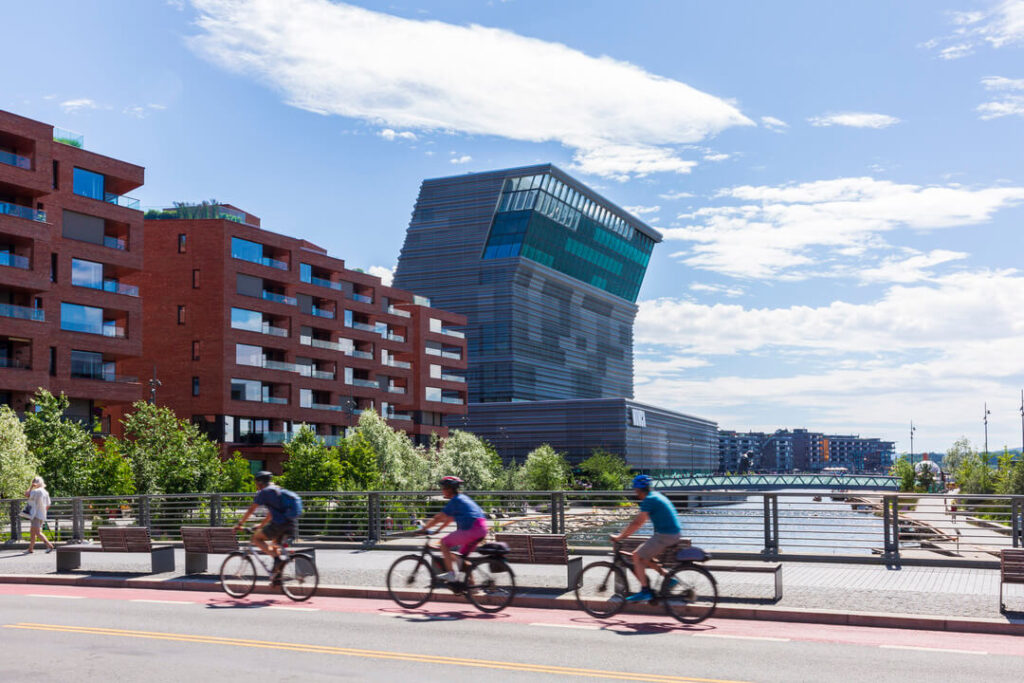
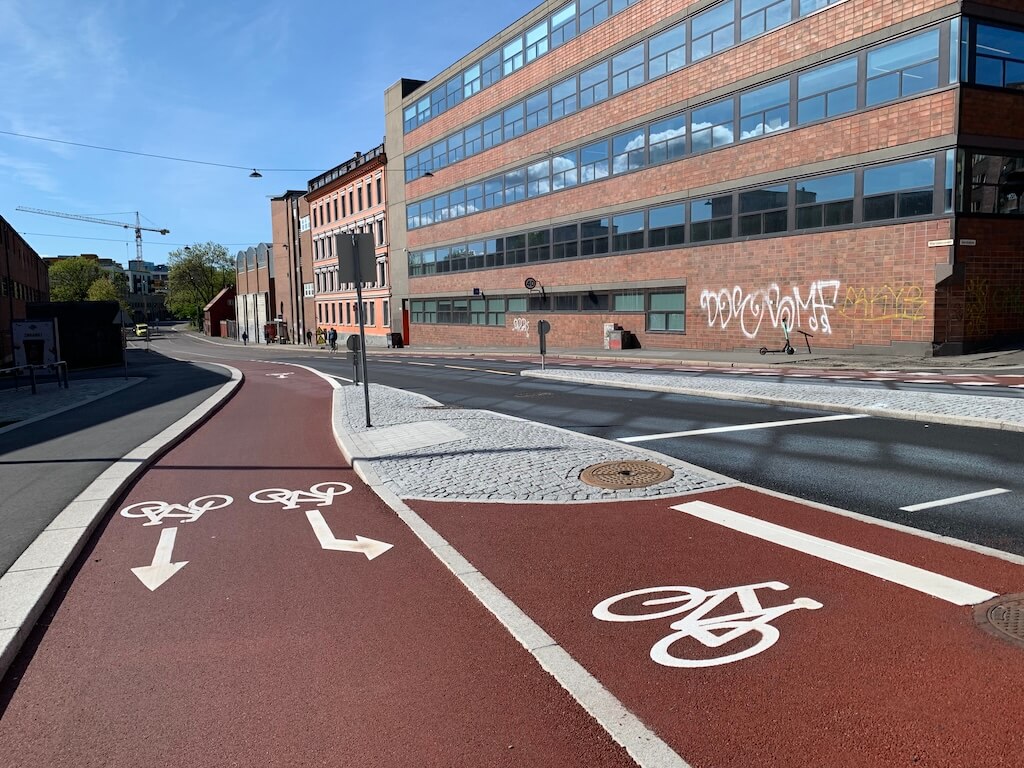
Next came the build-out of protected cycle tracks. These weren’t just decorative lines of paint. They were proper, kerb-separated lanes, wide enough for people to pass comfortably, designed to stay open year-round. Oslo committed to winter maintenance at a level that surprised even Scandinavian neighbours. When the snow came, the cycle lanes were cleared.
New routes stitched themselves into the urban fabric: along the fjordfront at Sørenga and Bjørvika, over the bridges, through Grünerløkka, up towards Sagene, St. Hanshaugen, and Frogner. The network grew in all directions with a clear logic: cycling should be the quickest and most convenient option for short and medium urban trips.
As the infrastructure improved, culture followed. More people cycled. Drivers adapted. Schools encouraged it. Employers installed bike rooms and showers. Bicycles became a normal part of everyday life. The tipping point arrived when Oslo’s modal share started climbing, proving that cycling wasn’t a fringe activity; it was becoming a core part of the city’s mobility.
The Copenhagenize Index noticed. Their assessment doesn’t reward hype. It rewards long-term, system-level improvement. Oslo climbed the rankings because the city had built, maintained, and evolved a coherent network with political support behind it.
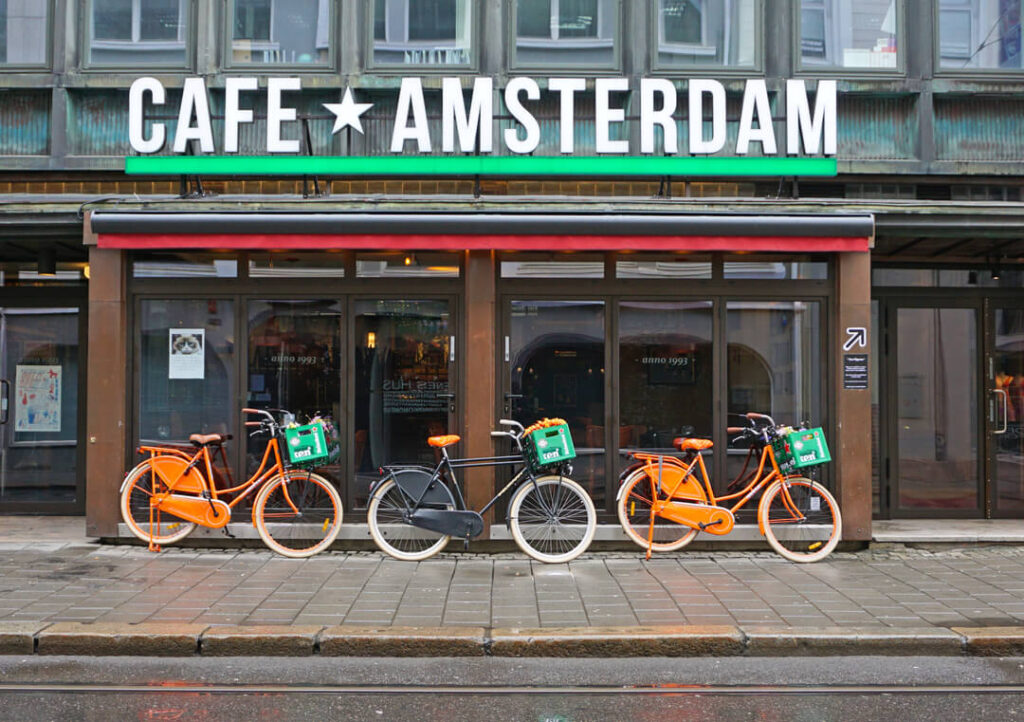
Cities ahead of Oslo, like Amsterdam, Copenhagen, Utrecht, Antwerp, Ghent, have had a fifty-year head start. They built their systems when modern Oslo was still widening roads. These cities have huge modal shares, dense networks, and decades of cultural habits that simply cannot be replicated overnight. But the fact that Oslo is now in the same conversation speaks volumes. It shows what can happen when a city treats cycling as a serious transport priority rather than a weekend pastime.
The Next Ten Years
Success brings new problems, and Oslo isn’t finished. If anything, the next ten years will decide whether Oslo becomes a true world-class cycling city or settles for being “good enough.”
The biggest challenge is the same one every growing cycling city faces: safety at speed. Oslo’s network is improving, but it still has gaps and blind spots. Junctions remain the weak link, with unpredictable layouts or traffic signals that don’t always prioritise people on bikes. Many routes separate bikes from cars but then throw everyone back together at the most dangerous points.
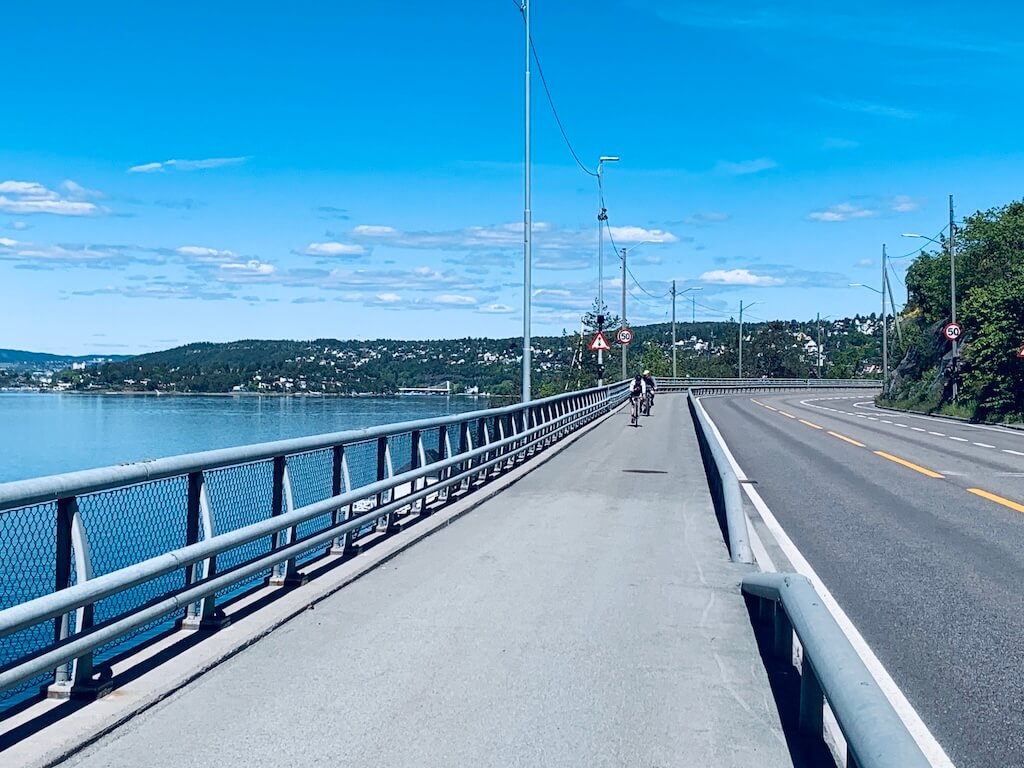
If Oslo wants to rise in the Copenhagenize Index, it needs to fix these choke points. Copenhagen didn’t become number one because it laid down pretty cycle tracks. It became number one because it solved the hard details: intersection design, signal timing, protected turns, and clear priority rules.
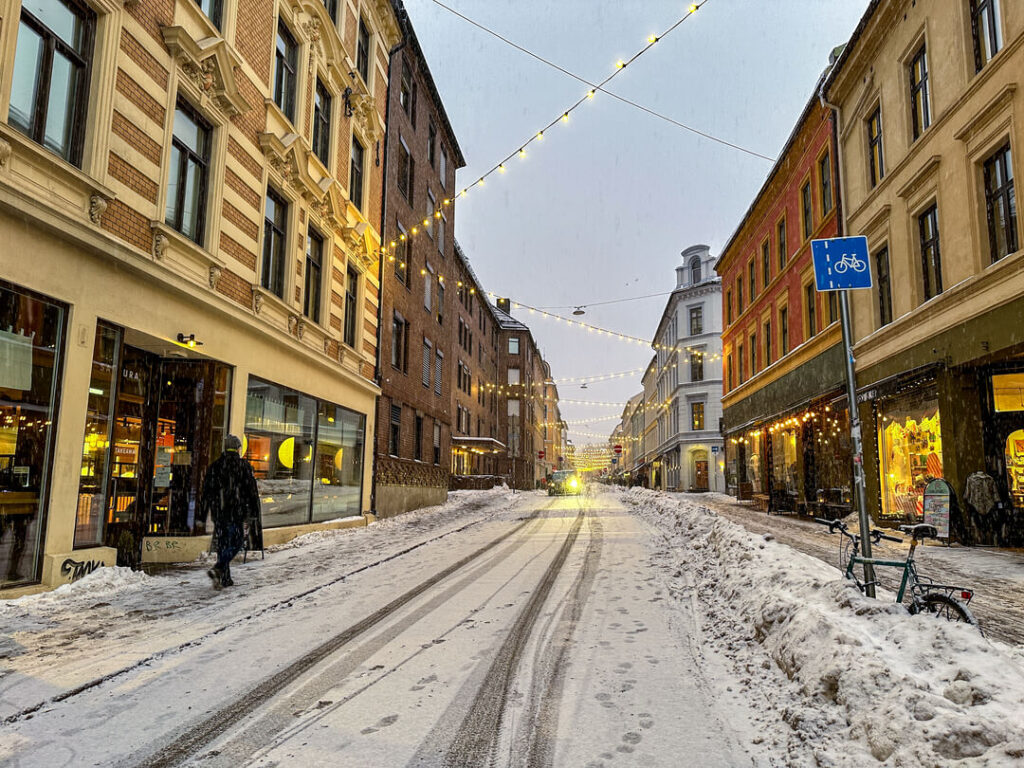
The next decade needs the same ambition. A full, continuous grid of protected routes that extends into the outer districts. Better integration with T-Bane and train stations. More winter maintenance on secondary routes, not just the main corridors. And a cultural shift that treats cyclists as full road users with predictable rights and responsibilities.
Oslo must also solve the problem of speed imbalance. As e-bikes and cargo bikes become the norm, mixing these with slow-moving beginners on narrow paths creates tension. Widening key corridors and separating fast and slow flows in busy areas will become essential.
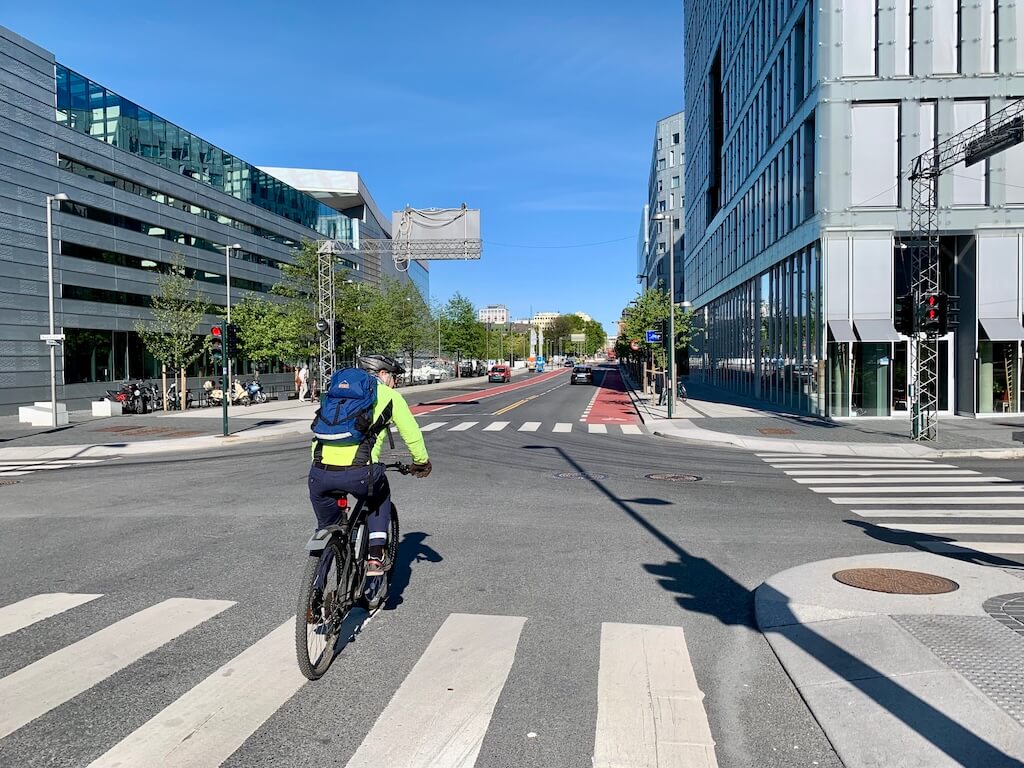
If the last ten years were about building a foundation, the next ten must be about refinement. Getting the details right is what separates a good cycling city from a great one.
Not just Oslo
While Oslo leads the way, it’s not the only Norwegian city appearing on the Copenhagenize Index. Bergen, ranked 38th, earns its place despite steep streets, constant rain, and tight urban geography. Its standout achievement is the 3-kilometre Fyllingsdalstunnelen, the longest purpose-built bicycle tunnel in the world, which cuts cleanly through the mountains and connects districts that were once impractical to reach by bike. It’s a blunt reminder that engineering can solve terrain if a city chooses to take cycling seriously.
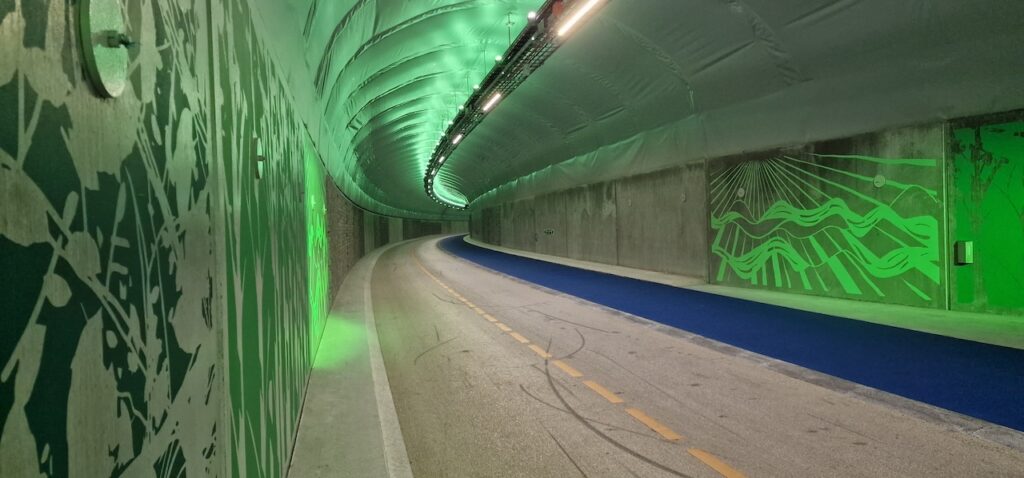
Further down the list, Stavanger comes in at 59th, helped by its flat terrain, compact centre, and growing commuter network. Trondheim, at 72nd, has long experimented with cycling solutions, from early e-bike adoption to the quirky bicycle lift on Brubakken, which shows a willingness to innovate even if the network is still inconsistent. Kristiansand, ranked 76th, rounds out Norway’s representation with a calm centre and a steadily improving grid of everyday routes.
Taken together, these cities prove that Norway is no longer an afterthought in European cycling policy. The country has the engineering, the space, and the political will to build world-class urban cycling environments. If Norway ever treated cycle tourism with the same seriousness it applies to city commuting, it would unlock one of the most remarkable cycling nations anywhere, urban, rural, coastal, and wilderness all in one landscape. But that’s for another story.
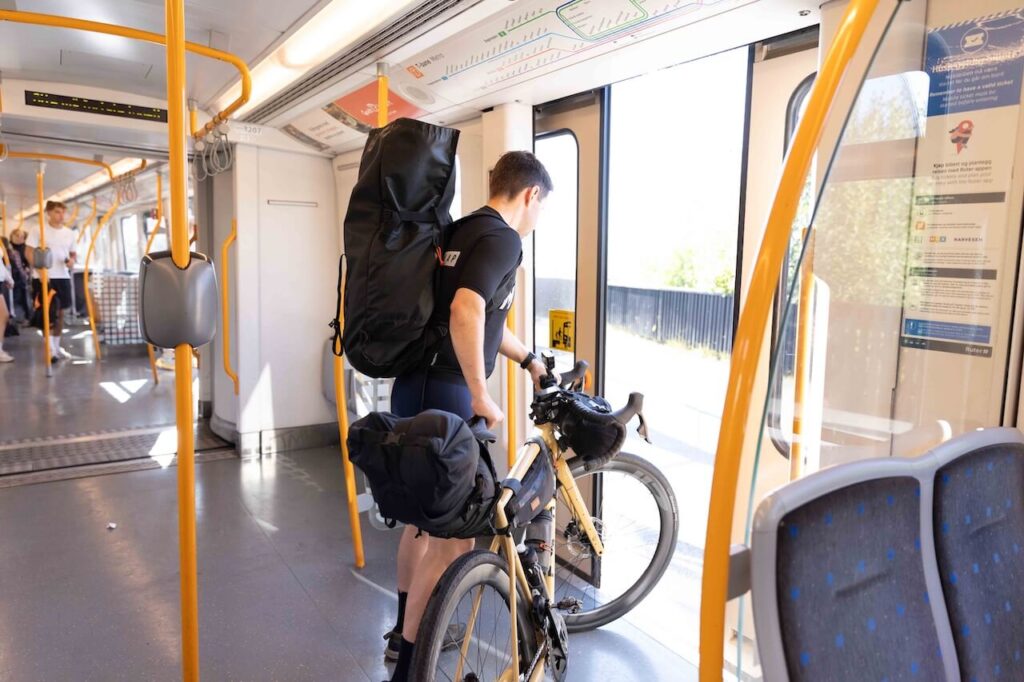
Coming next, we shift focus to what this means for visitors to Oslo, how the infrastructure, culture, and natural landscape combine to create a cycling experience unlike anywhere else in Europe.




Leave a Reply