




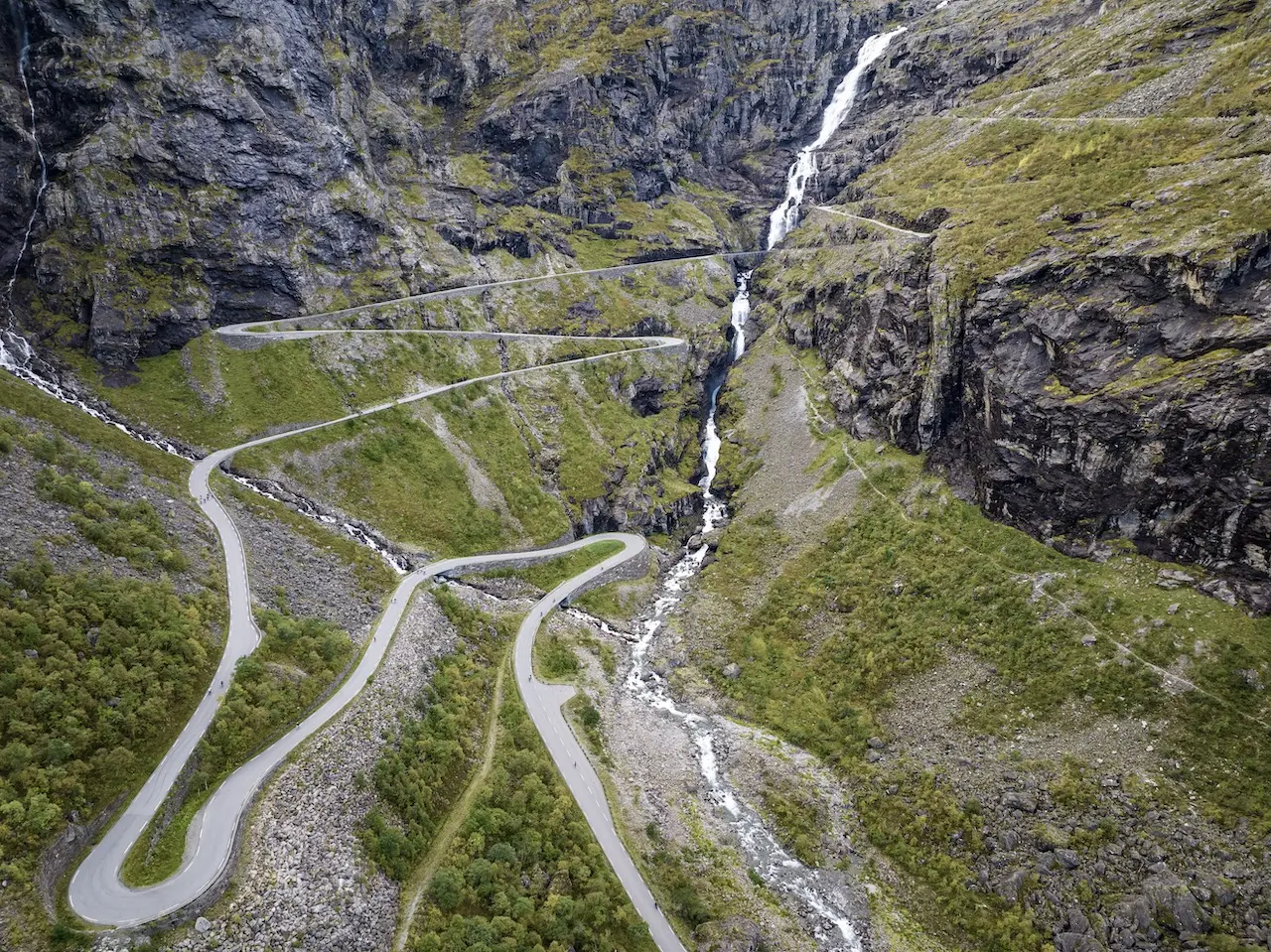
On Thursday, June 20th, the iconic Trollstigen road closed for the entire season. Typically, the road opens in mid to late May and closes in October or November with the arrival of the first winter snowfall. This year, it opened on June 7th after an unexpected delay caused by a significant rockfall, which is part of a larger issue with the surrounding area. Geologists and road maintenance personnel constantly monitor the road’s condition during the busy summer months. This year, they concluded that the road wasn’t safe enough for the heavy summer traffic.
Approximately 1 million people visit this spectacular road each year, and with such high traffic, further rockfalls seem inevitable. A fatal incident would be catastrophic for Norwegian tourism and the country as a whole. The decision to close the road was deemed necessary, raising the question: what comes next? Built in the 1930s, Trollstigen is a historic road. Major modifications could damage its legacy and appeal, and even constructing large avalanche nets and walls might detract from its charm.
So, what will happen?
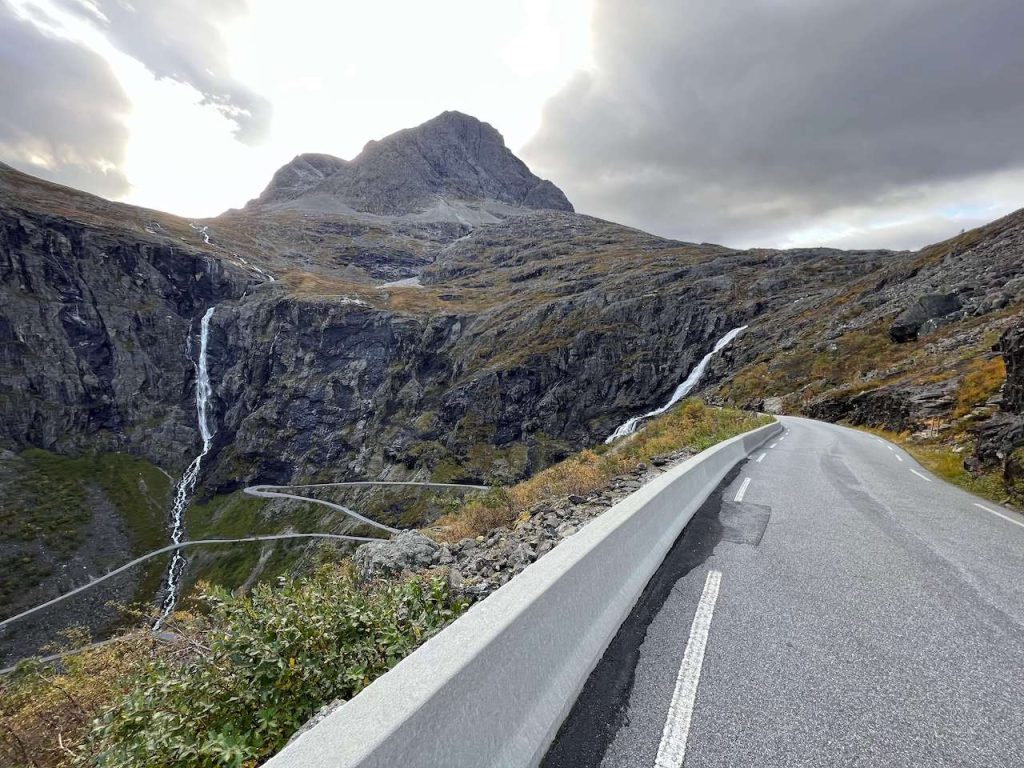
Currently, there’s no definitive answer, but ongoing discussions will continue throughout the year, as Trollstigen is vital to the local economy and broader tourism industry. Personally, I hope they close the road permanently. Visitors can still drive up Road 63 from Valldal to the top, where there’s a tourist center, car park, and viewing platform. However, they won’t be able to drive down the switchbacks to Åndalsnes. Imagine if they offered bike rentals at the top and bottom, making everyone park their cars and cycle the switchbacks! That would be incredible!
Of course, local businesses in Åndalsnes and Valldal might not be thrilled, and locals using the road would face significant detours to reach friends, family, and businesses. This local pressure could see the road reopen next year, but only time will tell. What are your thoughts? Share them in the comment box below.
Current Situation for Cyclists
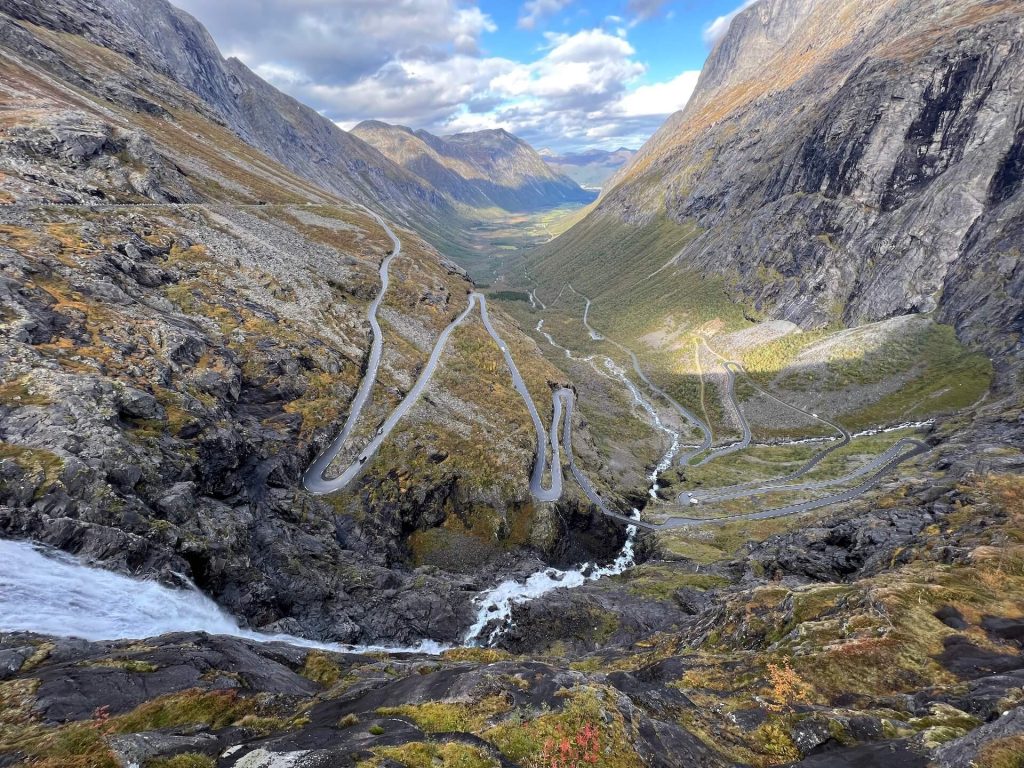
Cyclists may see Trollstigen’s closure as a setback for their cycling holiday, but there’s a silver lining. On June 20th, Cycle Norway spoke with the official in charge of Trollstigen, who confirmed that while the road is closed to traffic, it can still be cycled or hiked thanks to Norway’s “Allemannsretten” (Freedom to Roam) law.
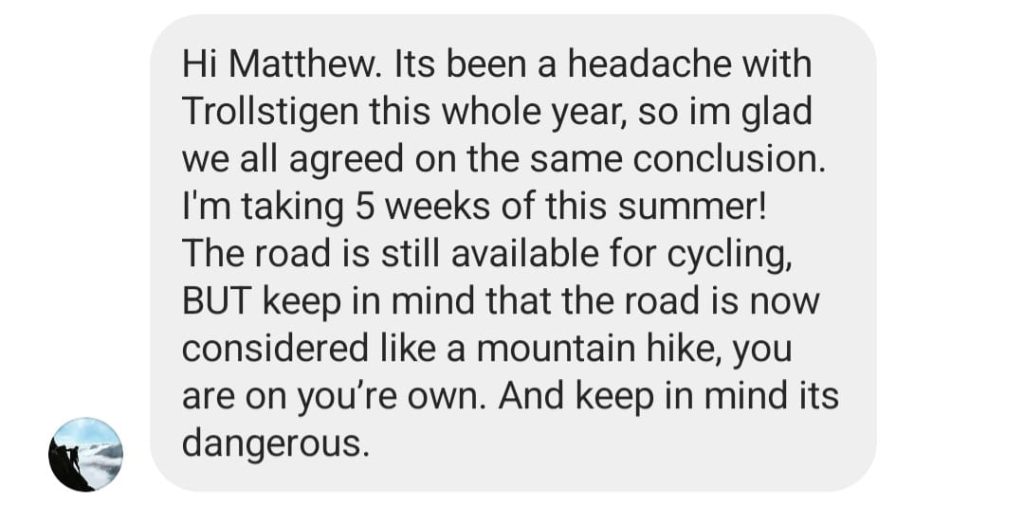
This means cyclists can ride the road at their own risk. What does this entail? As mentioned, the road is now considered wild nature, and any incidents are your responsibility. You can’t hold the state or road authorities liable if something bad happens.
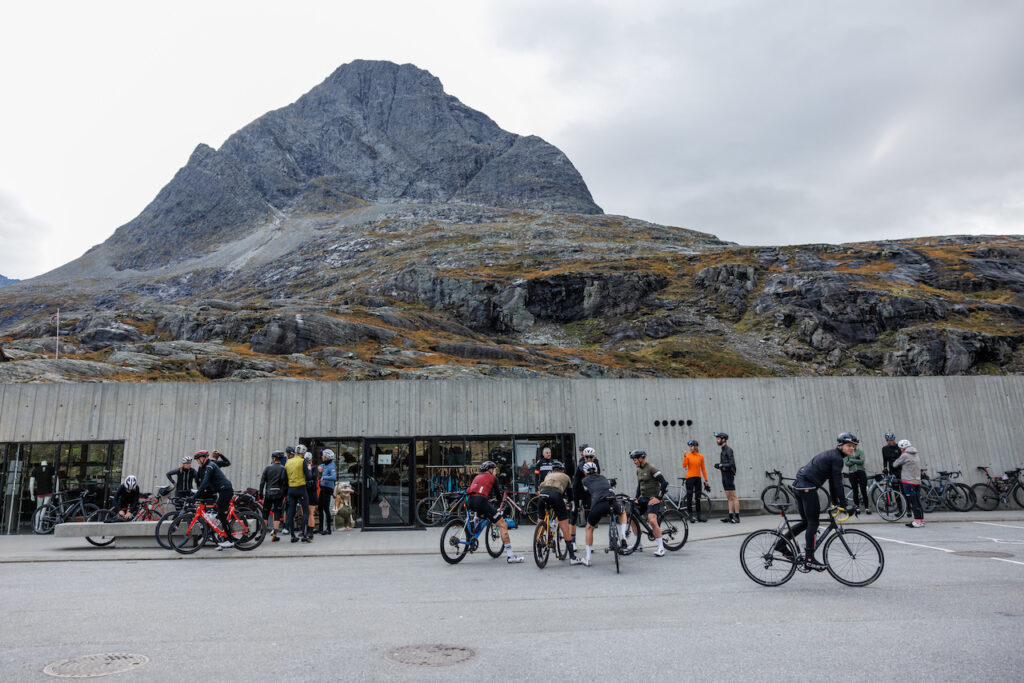
Understandably, some readers may be hesitant about cycling it. This cautious mentality is wise, as cycling inherently involves risks. However, there are some basic guidelines. Most landslides and rockfalls occur during or after heavy rainfall or bad weather, so exercise caution during these times. If the conditions are dry and there hasn’t been significant rainfall before your ride, the road should be safer. Ultimately, you must make the decision, and if something feels off, don’t cycle it.
Personally, I think this could be the best year ever to cycle Trollstigen, free from campervans and buses! But if you’re looking for absolute reassurance of safety, that’s never guaranteed with Trollstigen or other great mountain roads. Each year, rocks fall from mountains onto roads all over Norway, and they’ll continue to do so. This untamed nature is what makes Norway so special to ride. The nature here is alive, which is why people cycle in Norway!
UPDATE : 08.07.24
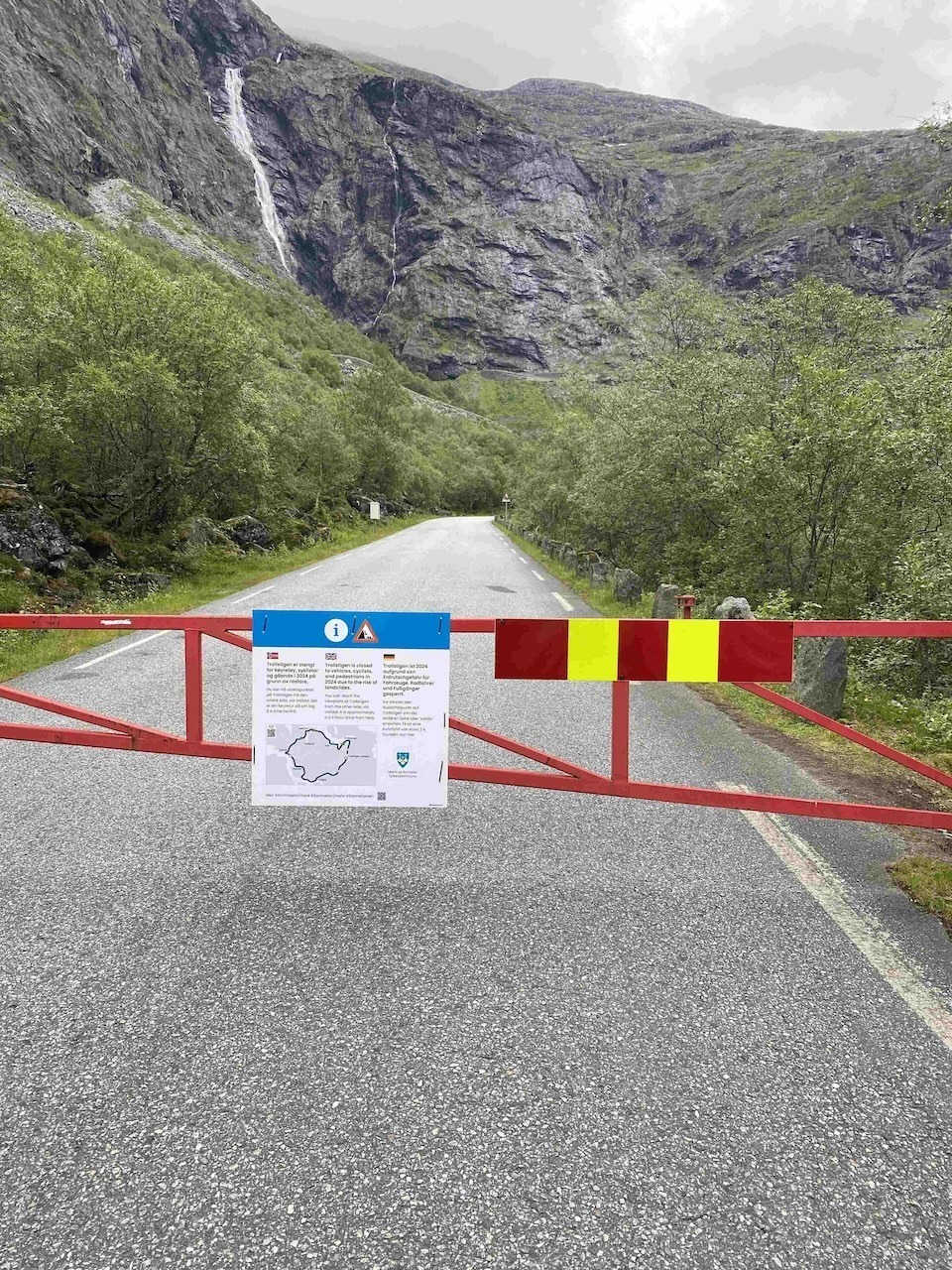
The local municipality has put a sign up at the gate to the climb. It states ‘Trollstigen is closed to vehicles, cyclists, and pedestrians in 2024 due to the risk of landslides’. Nevertheless, as mentioned before the law states you have the right to roam. You can ride the road at your own risk or hike your bike up the trail. You make that judgement and take responsibility. If however, the sign changes to a police notice or a ‘Trafikkforbud’ then you must obey it or risk being fined.
First Hand Riders Experience by David Street (USA): July 2024
We cycled up to the visitor’s center at the top, parked our bikes, and went inside for a warm bowl of soup. Right at restaurant was a gate that went across most of the road but allowed plenty of space for a bicycle with panniers to enter.
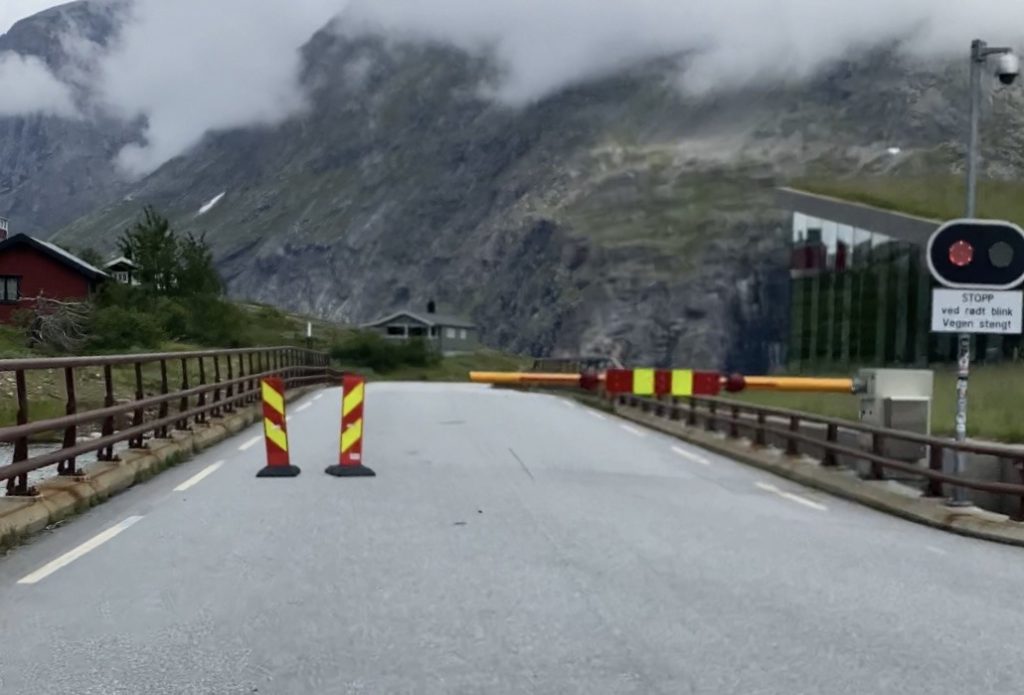
While we ate, a group of 4 hikers calmly walked past the gate to descend the Trollstigen. A good sign, we figured. A while later 2 more hikers did the same. Then a group of 4 cyclists passed the restaurant, having cycled up the Trollstigen. No one seemed to give them a passing thought. We finished our soup, jumped on the bikes, and at about 15:00 headed down ourselves.
The ride down was incredible. There were two or three groups of hikers on the trails but the road we had entirely to ourselves. The road was in excellent condition, we never heard any falling rock and only came across one stone anywhere in the road, which we dutifully tossed to the side. Overall we’d had excellent weather all week, which may have contributed to the lack of rockfall. It won’t surprise you to hear the experience was breathtaking. We had several world-class days this trip. This was certainly one of them.
At the parking lot at the bottom we faced a more thorough gate blocking the entrance. A small trail worked around the left side of the gate which required a careful walk through to pass. Unlike the top, this gate actually did say that it was closed to cyclists. By now, though, we were done and the 6 or so tourists at the bottom said hello to us as we navigated our bikes around the gate.




Schreibe einen Kommentar