
DISTANCE
ELEV.GAIN
DAYS
UNPAVED
DIFFICULTY
IDEAL TYRES
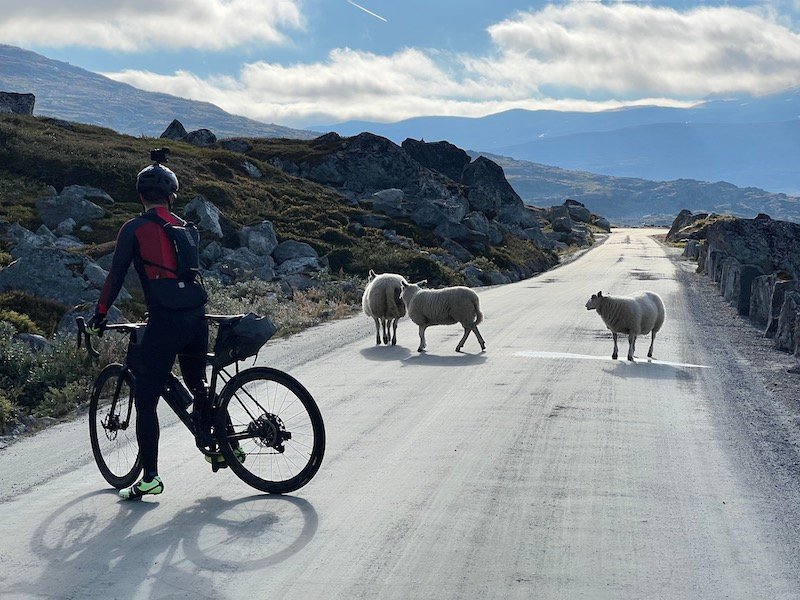
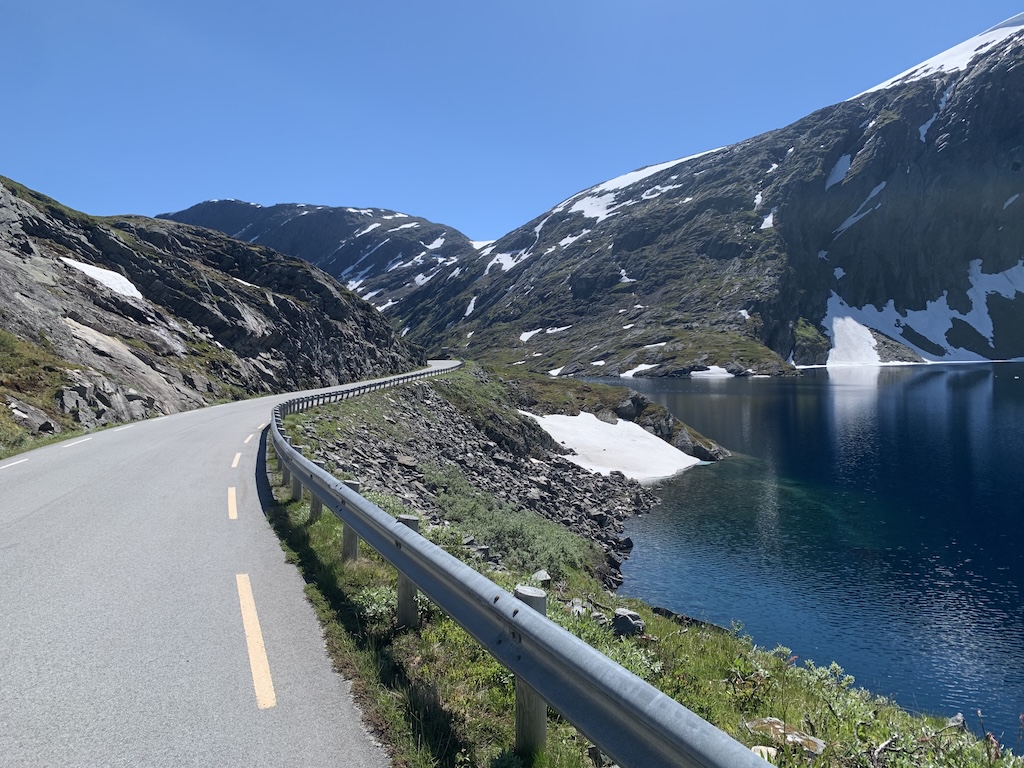
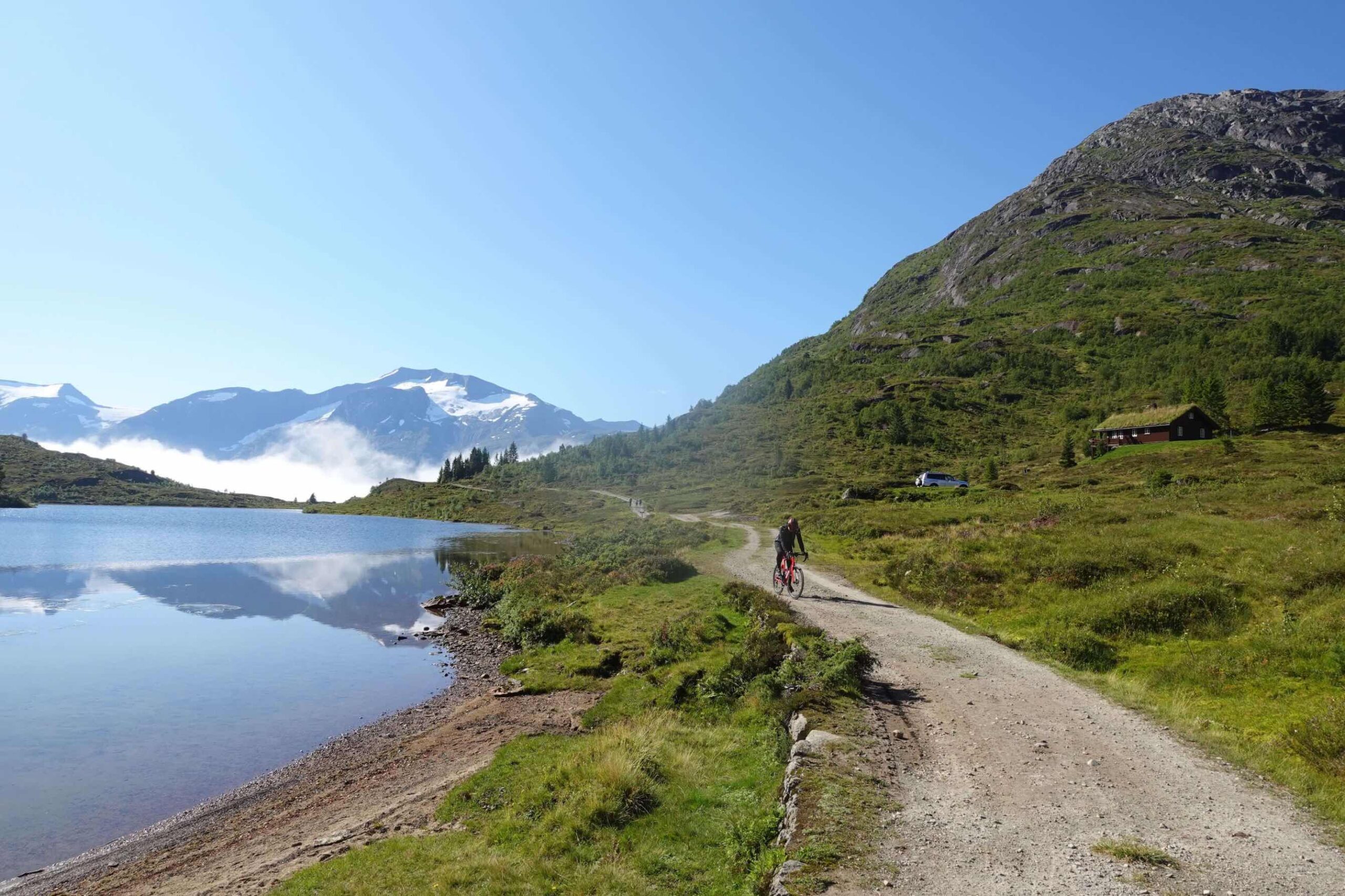
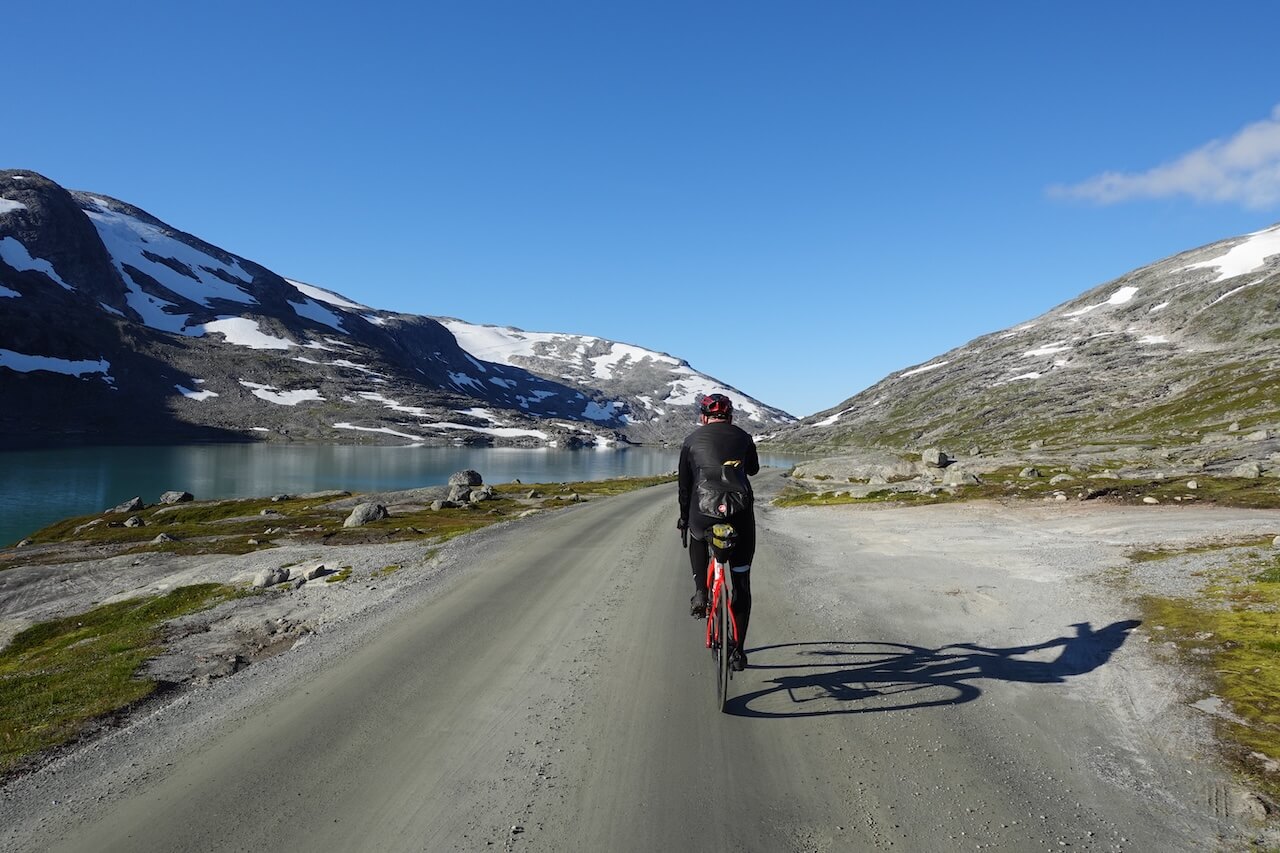
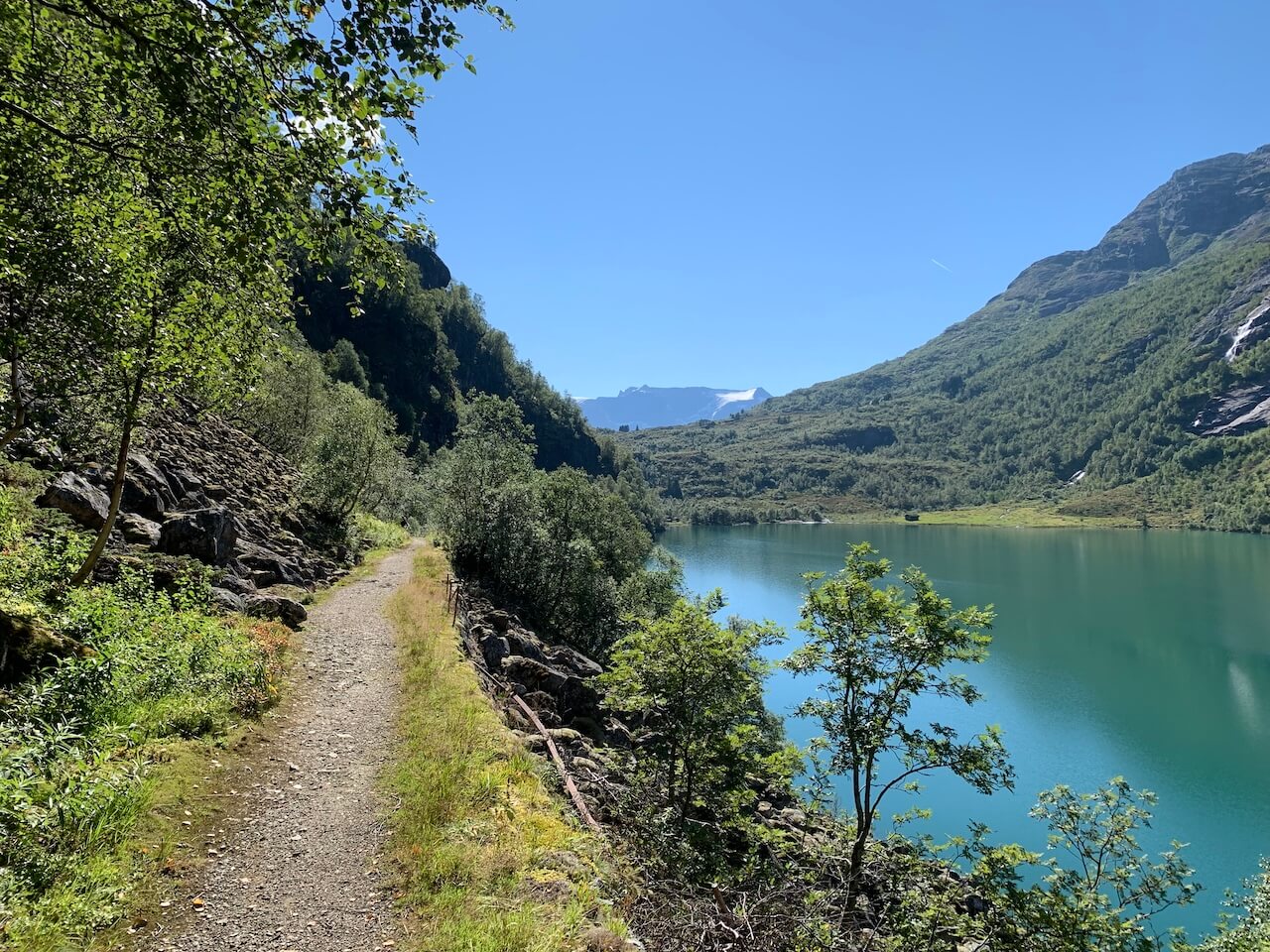
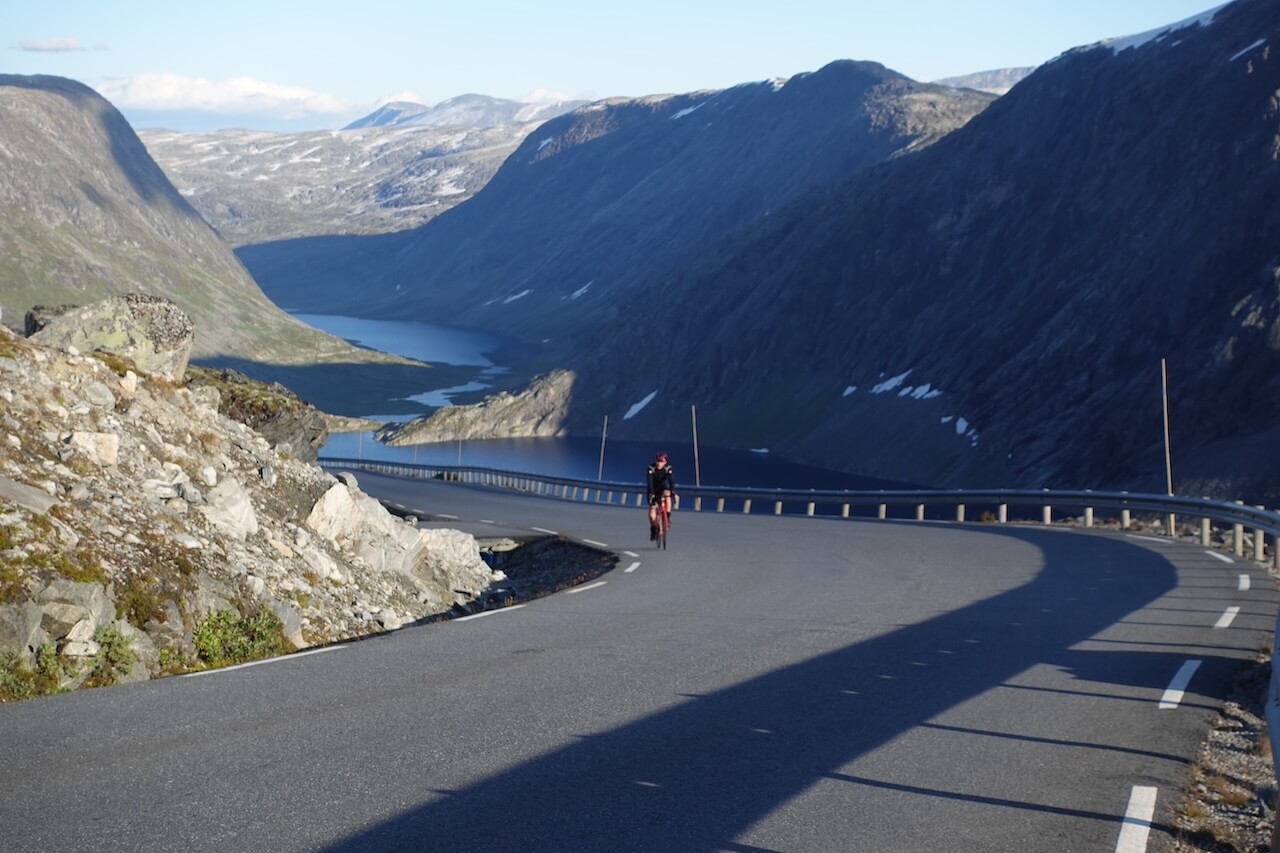
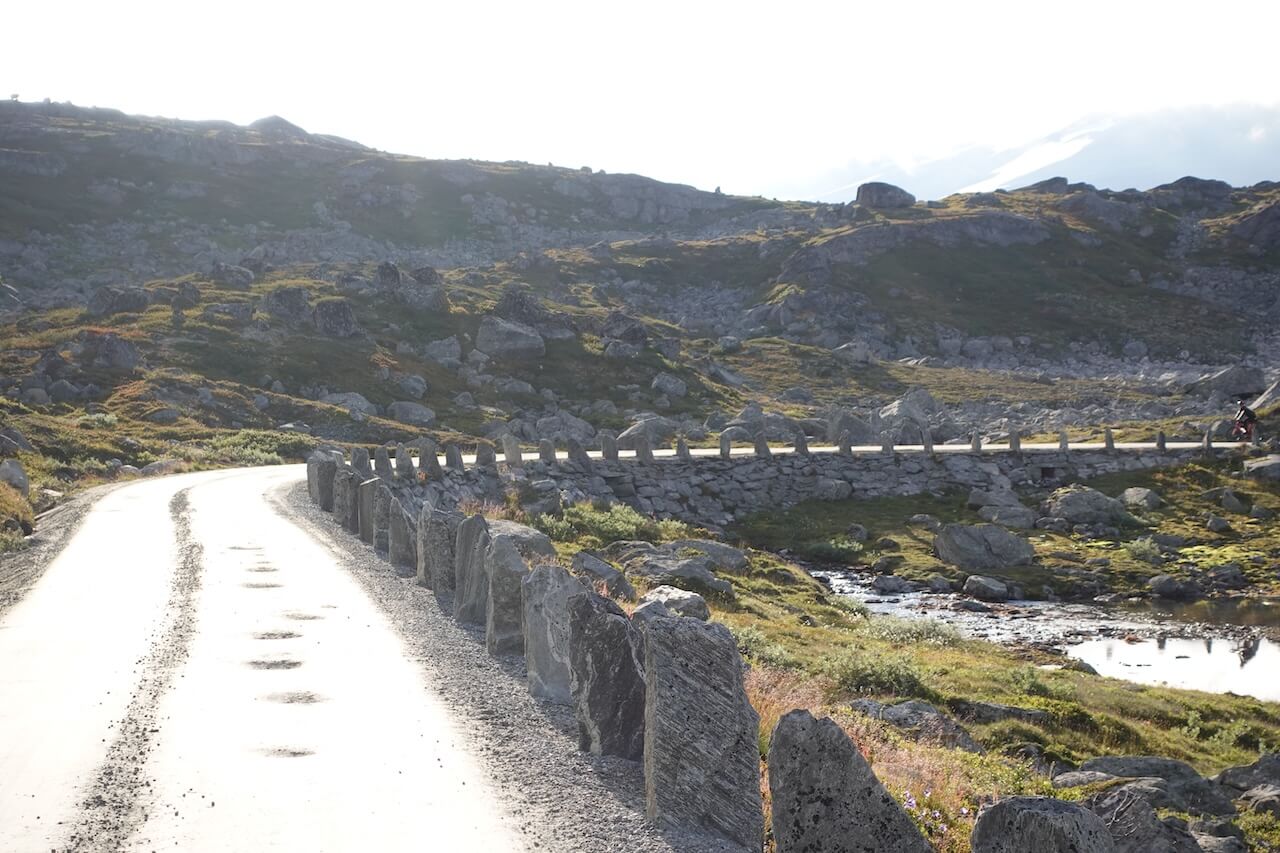
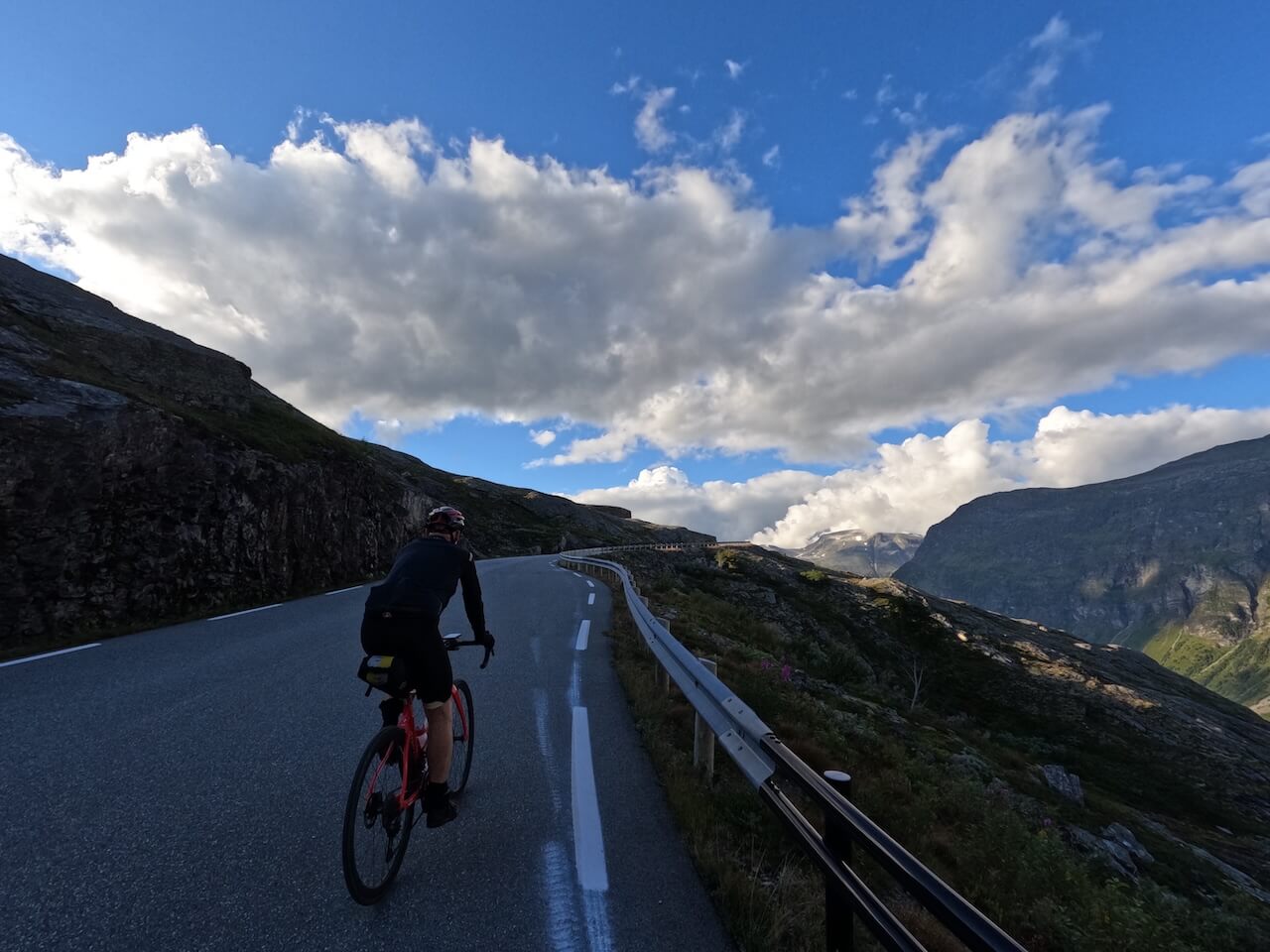
Describing this as the world’s greatest day ride might seem like a bold claim, but on a splendid day, few places globally can match the magnificence of this 150km route. What more could one ask for in a perfect day ride? Epic mountain roads, crystalline rivers, glacier-fed lakes, valleys steeped in mystique, a thrilling hike-and-bike segment, a leisurely fjord cruise along the most renowned fjord on the planet, and culminating with Norway’s premier 1500m ascent. The world’s highest fjord road offers unparalleled views of the region and inland sea below. Undoubtedly, this was one of the most extraordinary days of cycling I’ve ever experienced.
The ‘full story’ members page will break this route up, going through every part with POIs on the route map, detours, extensions, and all the must-know information from the hike-a-bike section, tunnels, and ensuring you catch the ferry on time. Join our membership
← Slide →
Gamle Stynefjellsvegen opens on 15th June each year, and the route is good to cycle until late September when the road closes.
From Oslo, take the train to Otta, then a local Innlandstrafikk bus toward Stryn. Get off at Grotli. Bikes aren’t allowed on the main long-distance Vy146 bus, so check the alternative local bus options. Sometimes the bus won’t go all the way to Grotli, and you may have to cycle the last 20-30km.
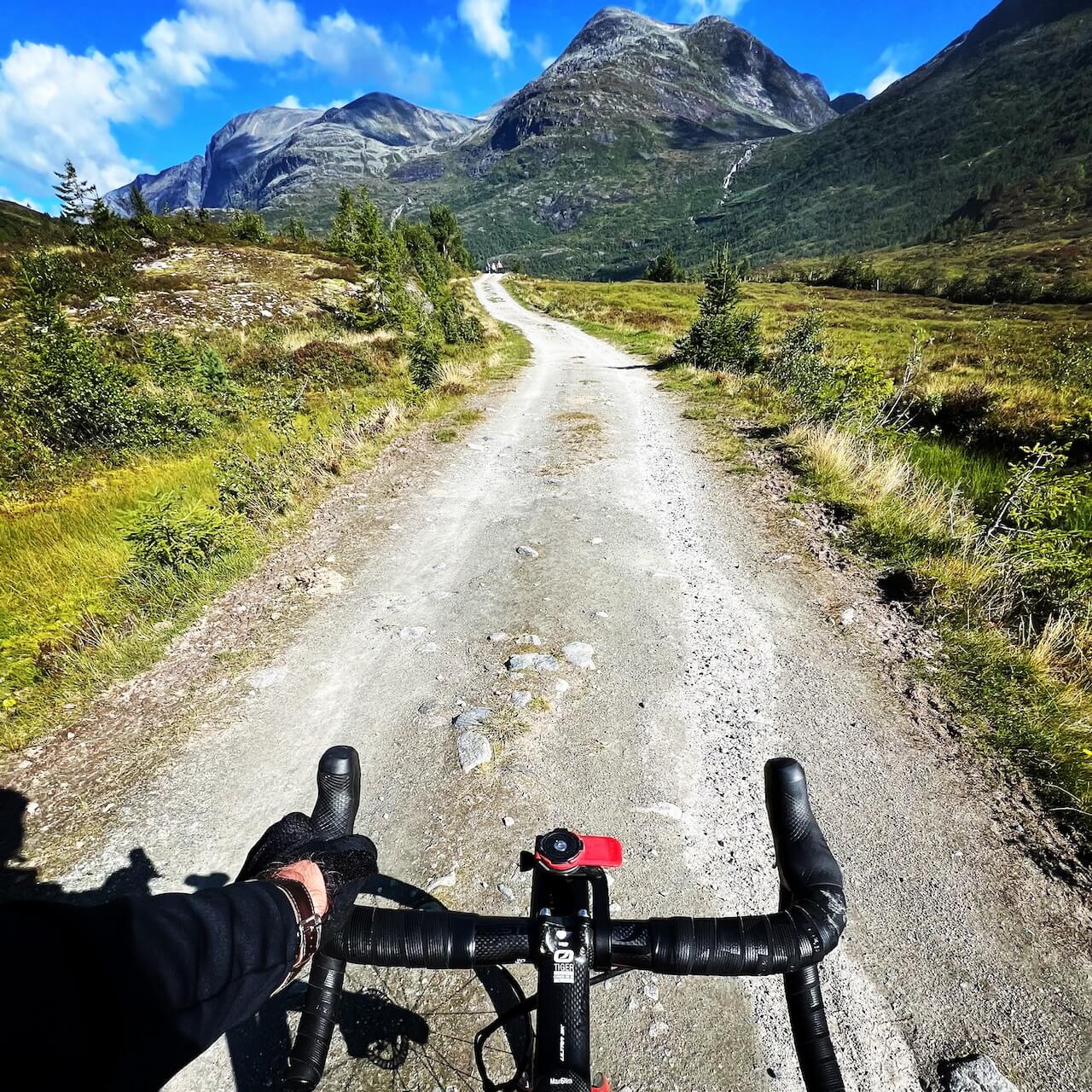
This route isn’t easy. Expect a tough hike-a-bike section, old tunnels to navigate, and stretches of road with tourist traffic. The full story breaks down each part so you know what to prepare for. A fully loaded touring bike is not recommended on the hike-a-bike section. The route map states 4363m of climbing – this is false, it’s around 2600m of elevation gain.
Geiranger rents e-bikes, but these are not suitable for the Flofjellet mountain pass trail. Hellesylt has two companies: Fjord Guiding (E-bike & regular) & Opplevhellesylt (E-bikes). If you’re looking for a good road/gravel bike, renting in Ålesund and taking the express ferry to Geiranger, where you can start the route, is probably your best option.

Eirik Kvisli - Norwegian Bikepacker
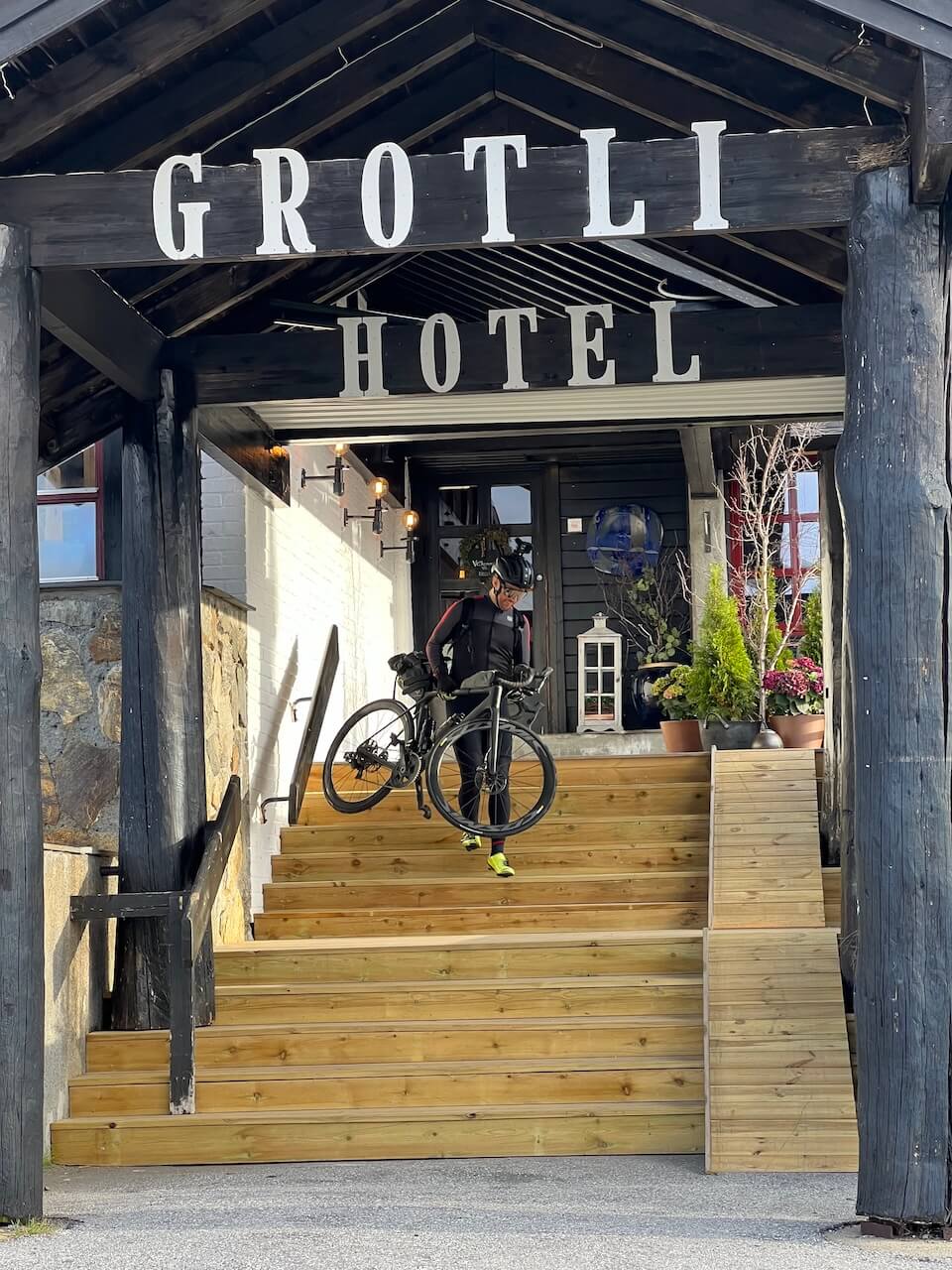
Perched at nearly 910 m at the start of the scenic road, Grotli Høyfjellshotell is the storied mountain retreat dating back to 1905. The hotel grew from an old mountain lodge into a respected mountain sanctuary with roughly 125 beds across 53 rooms, all layered with antique timbers, carved wooden furniture, and that unmistakable sense of Norwegian alpine comfort. A cafe serving hot and cold food is available during the day, and it's the perfect place to stay to hit the road early in the morning before any tourist traffic.

Perched at nearly 910 m at the start of the scenic road, Grotli Høyfjellshotell is the storied mountain retreat dating back to 1905. The hotel grew from an old mountain lodge into a respected mountain sanctuary with roughly 125 beds across 53 rooms, all layered with antique timbers, carved wooden furniture, and that unmistakable sense of Norwegian alpine comfort. A cafe serving hot and cold food is available during the day, and it's the perfect place to stay to hit the road early in the morning before any tourist traffic.

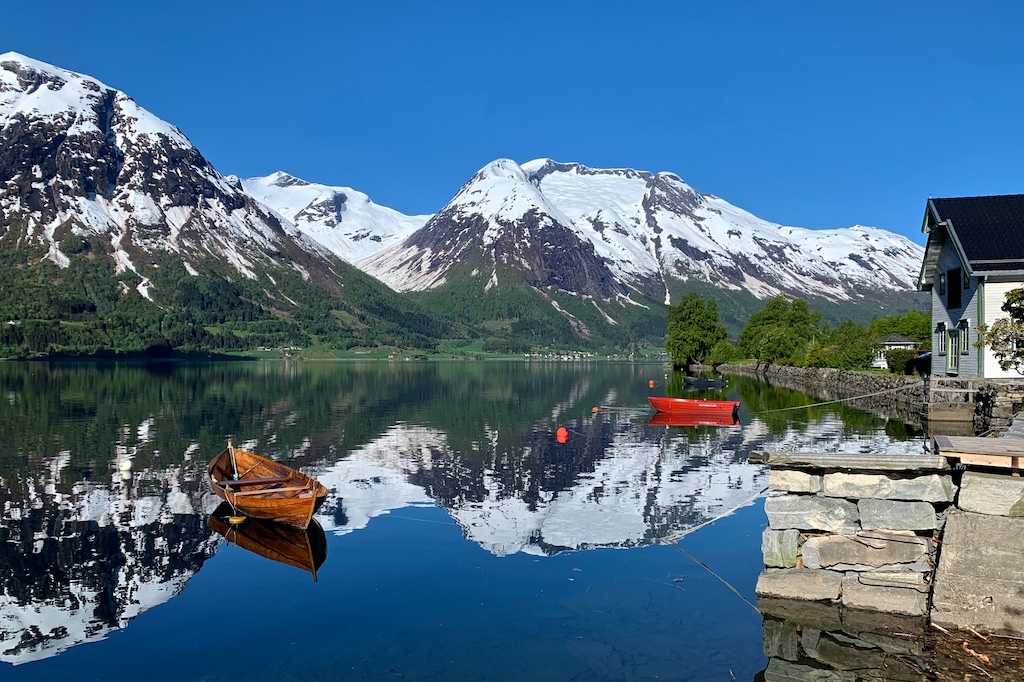
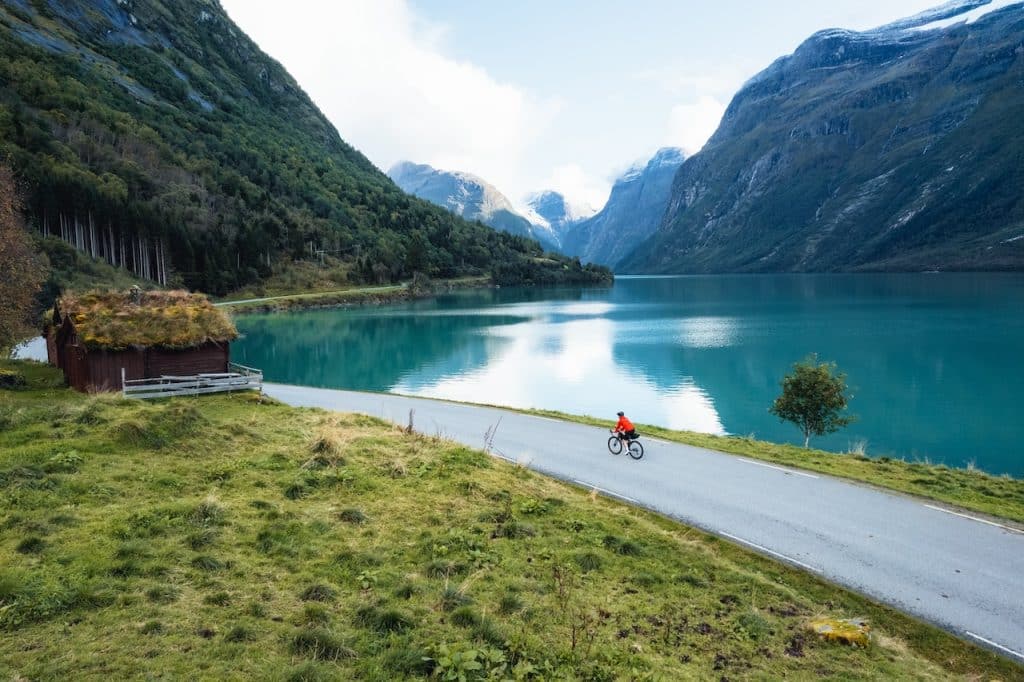
A beautiful tunnel bypass leads you to Hjelle, a tiny lakeside village at the eastern end of Oppstrynsvatnet in Stryn, surrounded by steep mountains and deep blue water. It’s known for its historic Hjelle Hotel, family-run since the late 19th century, and for its peaceful atmosphere that feels far removed from Norway’s busier tourist spots. With old boathouses along the shore, Hjelle blends tradition, scenery, and quiet charm in a way that captures the essence of rural Norway.

A beautiful tunnel bypass leads you to Hjelle, a tiny lakeside village at the eastern end of Oppstrynsvatnet in Stryn, surrounded by steep mountains and deep blue water. It’s known for its historic Hjelle Hotel, family-run since the late 19th century, and for its peaceful atmosphere that feels far removed from Norway’s busier tourist spots. With old boathouses along the shore, Hjelle blends tradition, scenery, and quiet charm in a way that captures the essence of rural Norway.

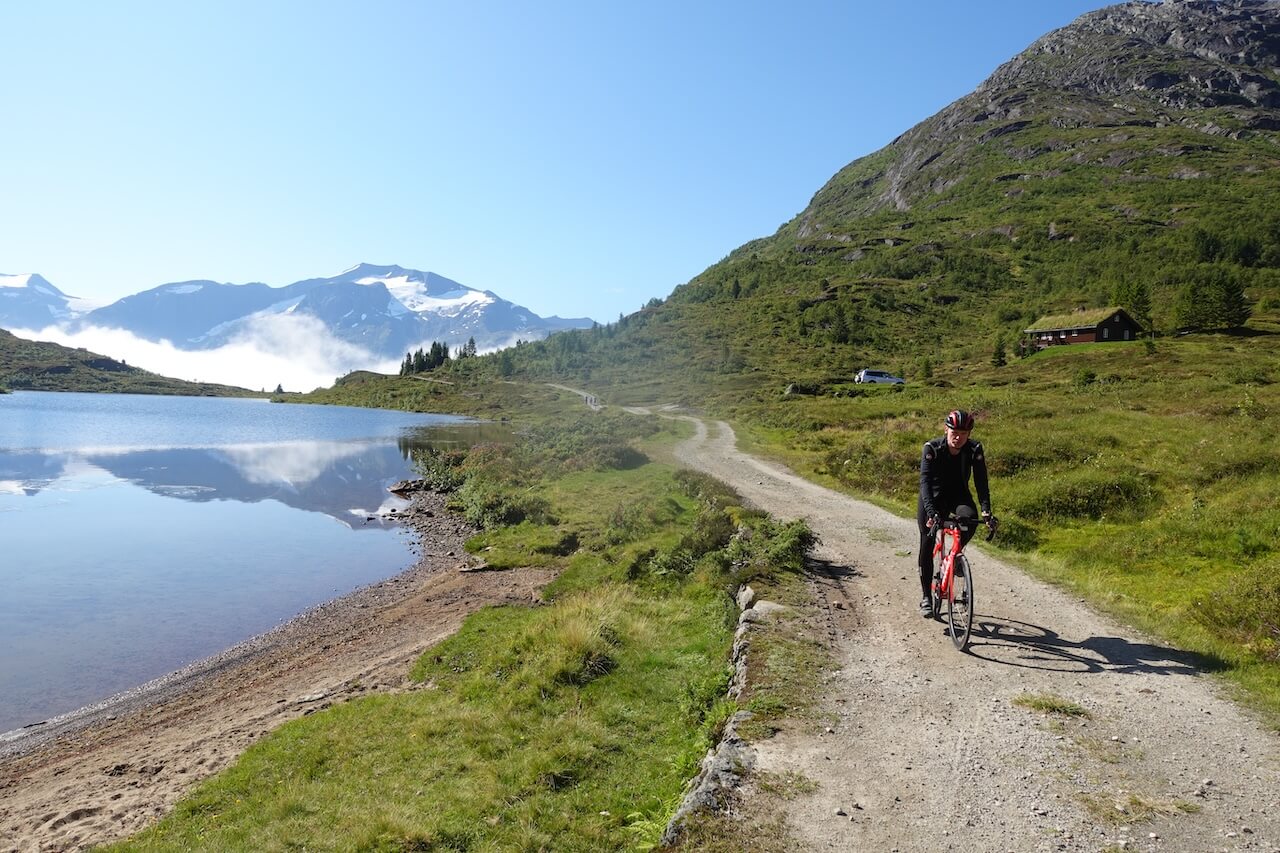
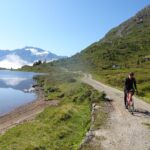
Flofjellet is an old mountain route between Stryn and Hellesylt, once used by farmers and traders. Today it’s a mix of cycling and tough hike-a-bike, with steep uphill sections that can’t be ridden. The effort is rewarded on top, where open plateaus, lakes, and sweeping mountain views create some of the most striking scenery in the region. In bad weather, it might be wise to skip this and follow the main road around the mountain.

Flofjellet is an old mountain route between Stryn and Hellesylt, once used by farmers and traders. Today it’s a mix of cycling and tough hike-a-bike, with steep uphill sections that can’t be ridden. The effort is rewarded on top, where open plateaus, lakes, and sweeping mountain views create some of the most striking scenery in the region. In bad weather, it might be wise to skip this and follow the main road around the mountain.

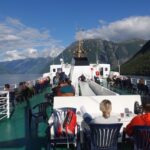
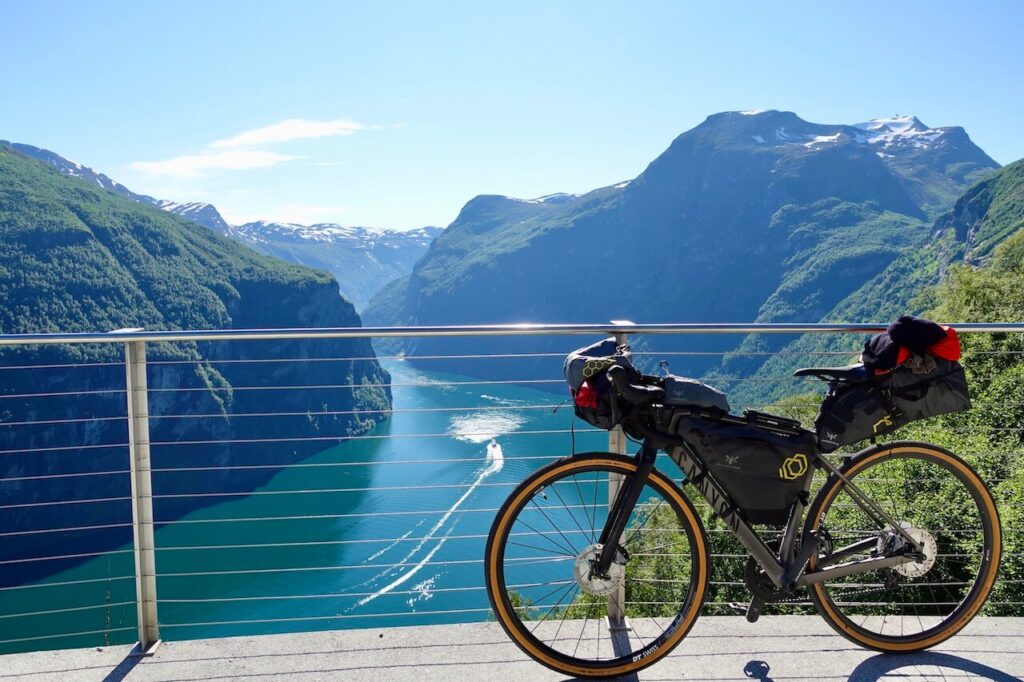
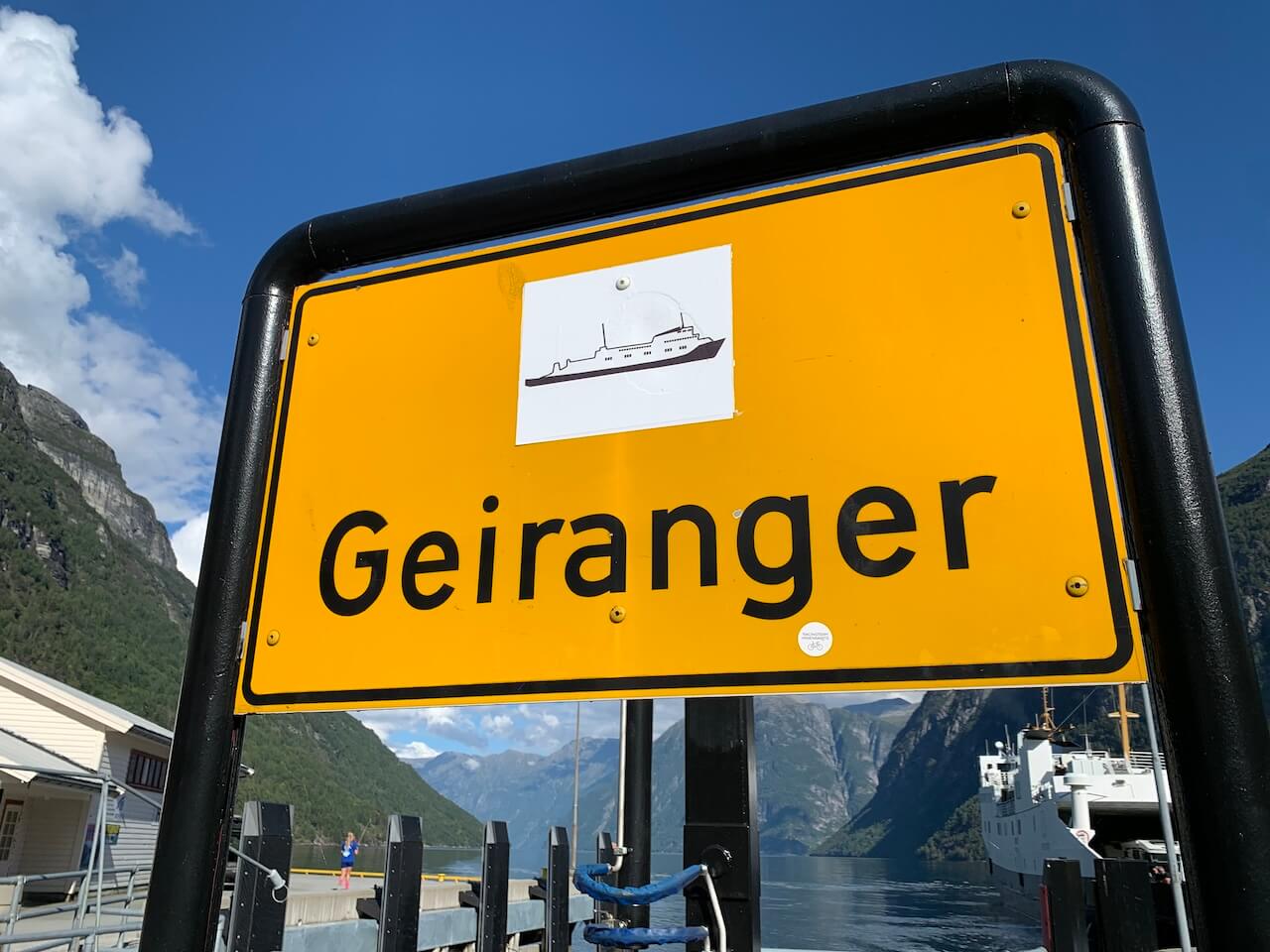
The Geiranger Fjord Cruise linking Geiranger with Hellesylt is a memorable break for cyclists, with bikes welcome on board and an hour of world-class scenery from the deck. As you glide past the Seven Sisters waterfall and abandoned cliff farms, live commentary in English, Norwegian, and German brings the history and legends of the fjord to life, making the crossing as rich in storytelling as it is in views. The price for 1 person and a bike is around 600-700kr. You do not need to book in advance.

The Geiranger Fjord Cruise linking Geiranger with Hellesylt is a memorable break for cyclists, with bikes welcome on board and an hour of world-class scenery from the deck. As you glide past the Seven Sisters waterfall and abandoned cliff farms, live commentary in English, Norwegian, and German brings the history and legends of the fjord to life, making the crossing as rich in storytelling as it is in views. The price for 1 person and a bike is around 600-700kr. You do not need to book in advance.

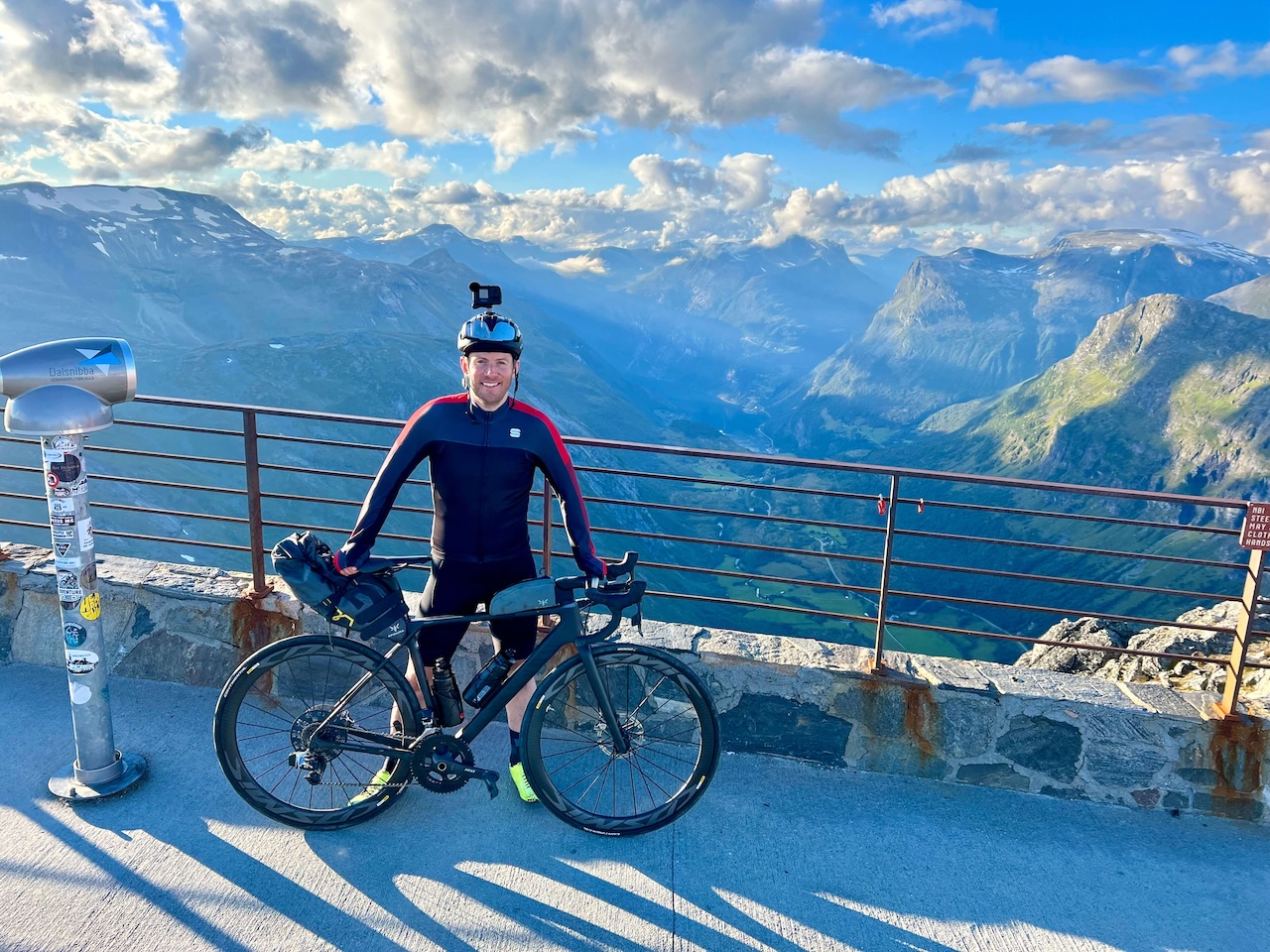
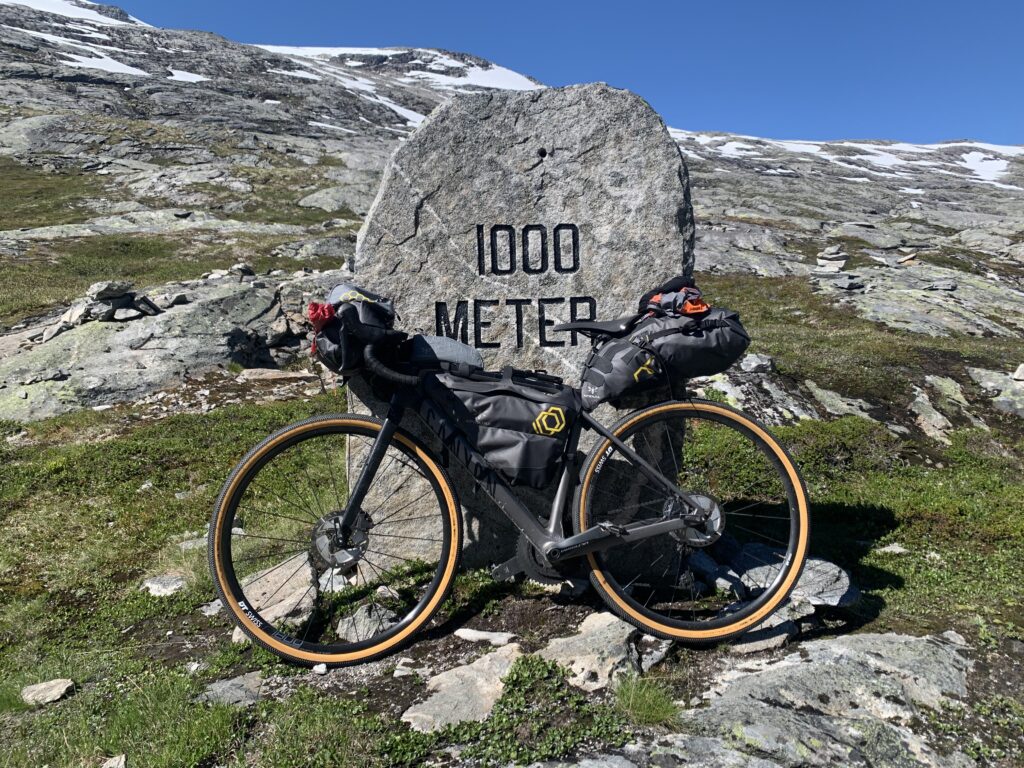
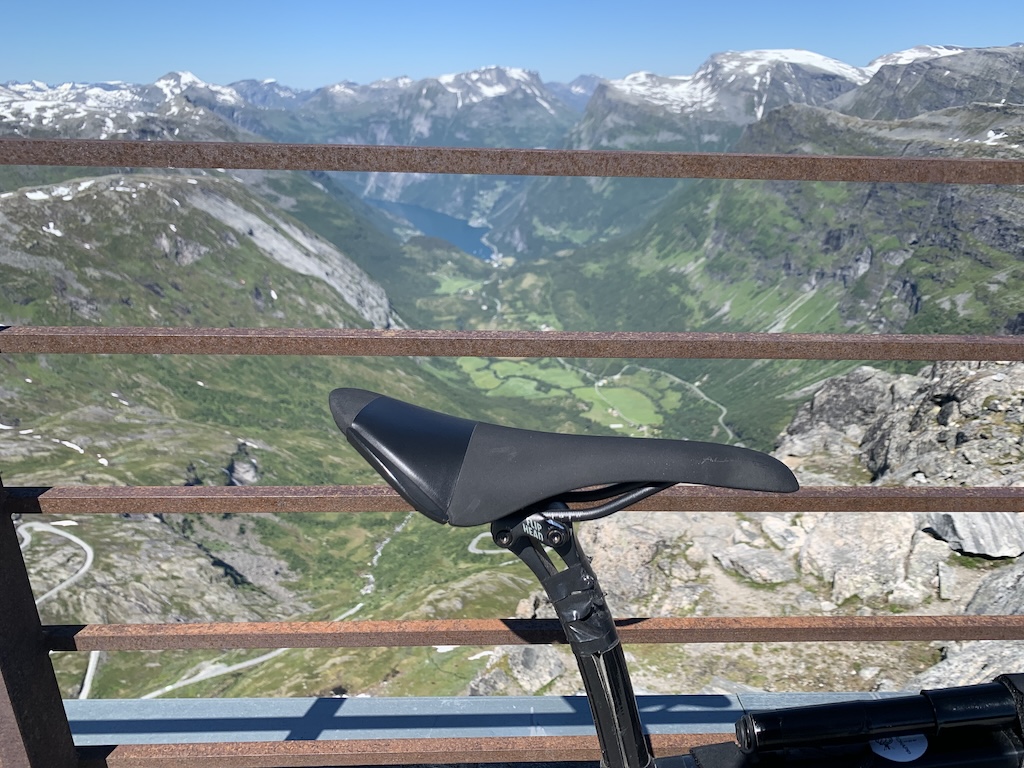
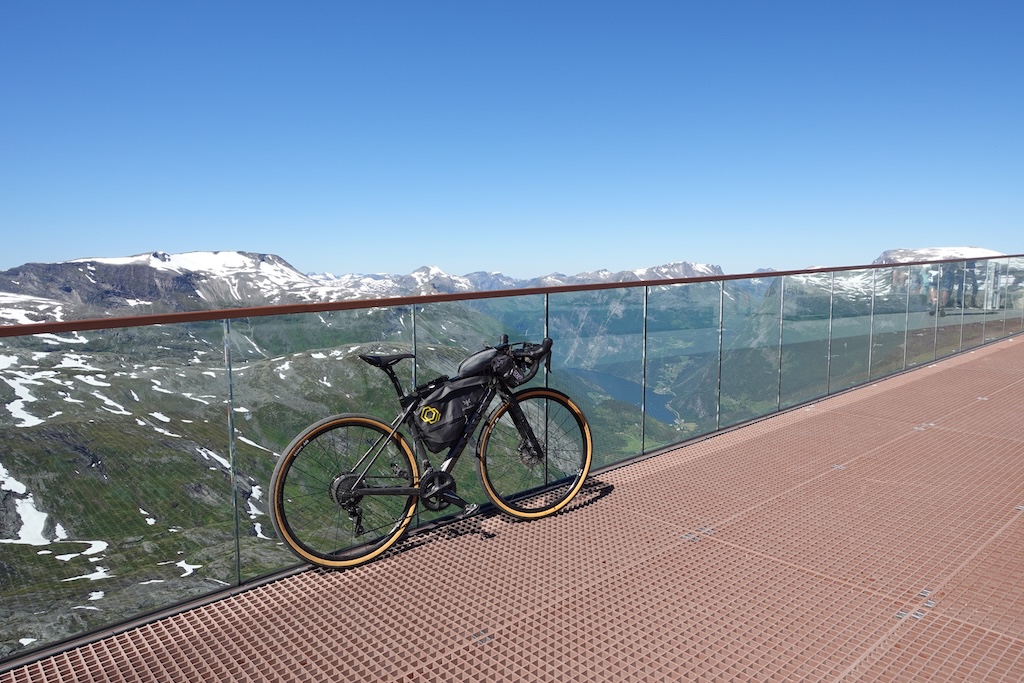
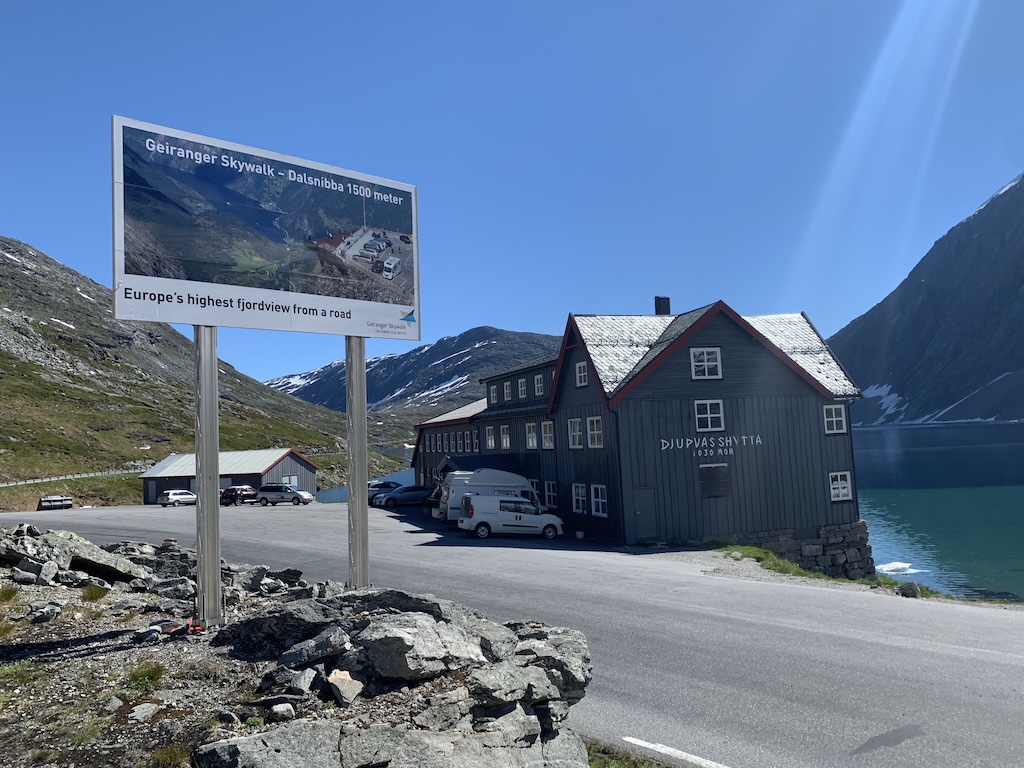
The Dalsnibba climb is one of Norway’s great cycling challenges, rising from Geirangerfjord up to the Skywalk at 1,500 m above sea level. The road twists through hairpins with gradients that test even seasoned riders, but the reward is unmatched: panoramic views back down the fjord and across snow-capped peaks that seem to stretch forever. It’s a climb that demands effort and patience, but reaching the top feels like standing on the roof of Norway. A cafe and refreshments can be found at the summit.

The Dalsnibba climb is one of Norway’s great cycling challenges, rising from Geirangerfjord up to the Skywalk at 1,500 m above sea level. The road twists through hairpins with gradients that test even seasoned riders, but the reward is unmatched: panoramic views back down the fjord and across snow-capped peaks that seem to stretch forever. It’s a climb that demands effort and patience, but reaching the top feels like standing on the roof of Norway. A cafe and refreshments can be found at the summit.


All cycling routes published on CYCLENORWAY.com are simply a planning resource to be used as a point of inspiration in conjunction with your own due-diligence. All route guidelines were prepared under diligent research. However, we can never for certain insure the complete accuracy of the routes. Cycling in Norway is in general very safe. Nevertheless, should you choose to cycle this route you do so at your own risk.
non-intrusive, offering informative news, blog posts, videos, and more.