
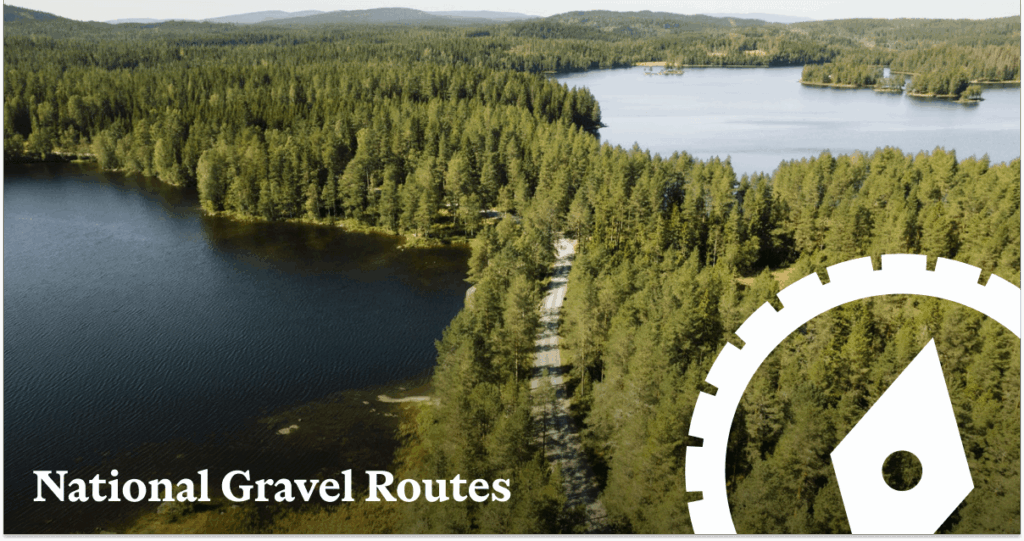
Norway’s incredible array of gravel roads was never built for recreation. They are the result of necessity, of living, working, and surviving in a demanding landscape.
Long before tourism, roads were cut into forests, plateaus, and valleys to support farming and seasonal life. In the highlands, tracks were dug to reach summer pastures, allowing livestock to graze at altitude while lowland fields recovered for winter feed. This system of seterdrift shaped large parts of the interior centuries before modern transport existed.
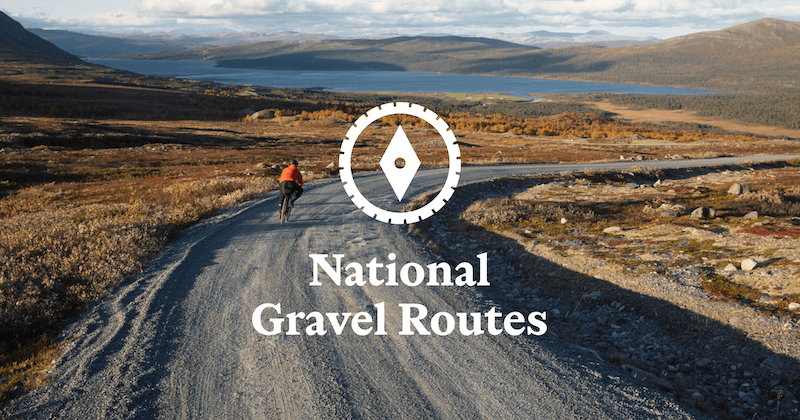
In the 18th and 19th centuries, forestry pushed deep into remote terrain. Logging roads opened vast forest areas, creating access where none had existed before. When large-scale logging declined in the mid-20th century, many of these roads were simply left behind, no longer economic arteries, but still physically intact.
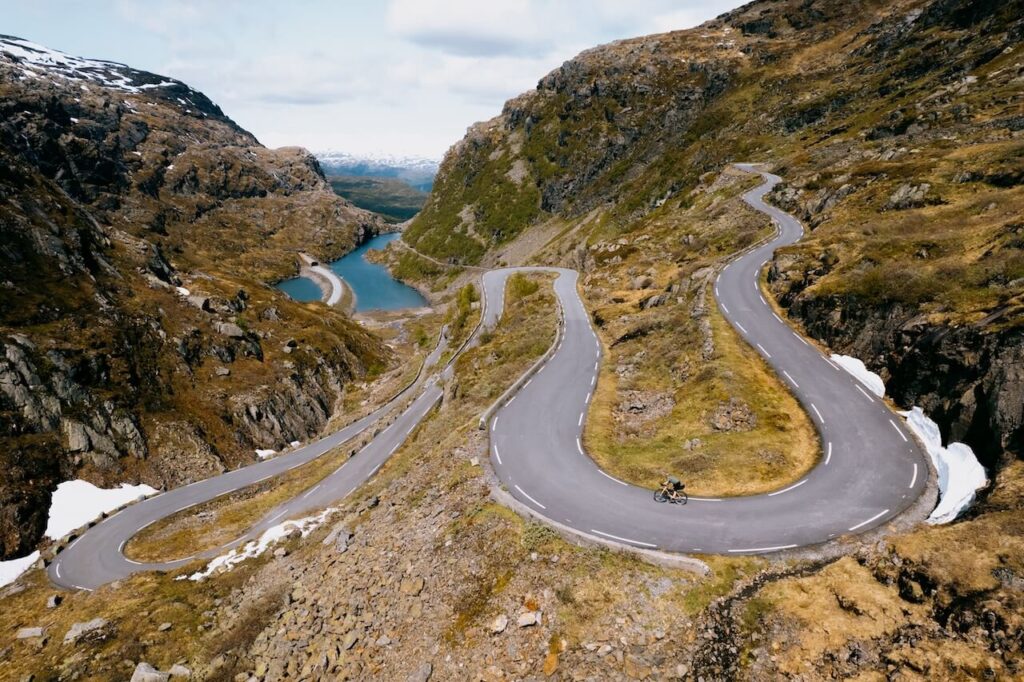
The 20th century added further layers. Norway’s hydroelectric expansion required access to high mountain lakes and remote plateaus, leading to the construction of long gravel roads far from settlements. During the Second World War and the Cold War that followed, defence infrastructure quietly spread across ridgelines and high ground, leaving behind access roads to radar stations, depots, and installations in some of the most isolated parts of the country. As industry and defence later withdrew, recreation moved in. Trekking cabins, hunting and fishing areas, and Norway’s strong cabin culture made use of existing infrastructure. Gravel remained sufficient, cheap to maintain, durable, and suited to low traffic in sparsely populated regions.
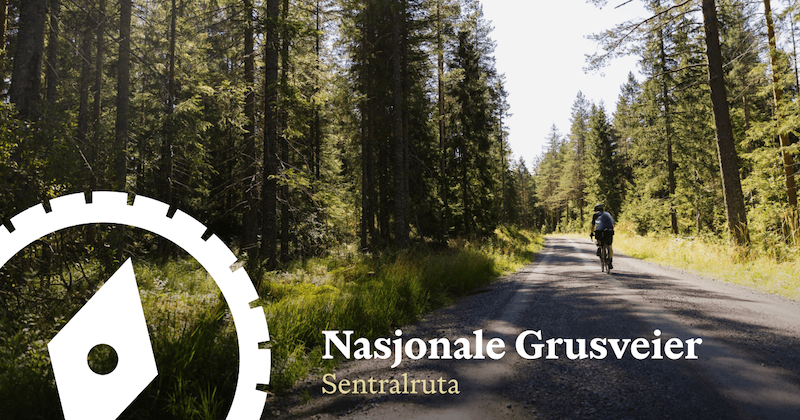
The result today is a landscape layered with history. Norway is laced with thousands of kilometres of gravel roads, particularly across the eastern and central regions of the south, roads that were never designed as a single system, but emerged over centuries through farming, forestry, energy production, defence, and everyday transport.
Over the past five years, I’ve been exploring this vast network. Riding these roads for the first time, what struck me wasn’t how scenic they were, but how complete they felt. Gates still worked. Culverts still carried water. The roads were quiet, intact, and strangely anonymous, as if they had simply been forgotten rather than abandoned. What surprised me most was how little attention this infrastructure receives today. In a country actively searching for low-impact tourism and sustainable transport, an entire national network already exists, largely undocumented, unmanaged, and unspoken for. Mapping these roads felt less like creating something new, and more like taking responsibility for something that was already there.
As I researched and rode more deeply, another pattern became impossible to ignore. Many of these routes pass through areas tied to stories of resistance, survival, and quiet ingenuity. Old border regions used during the Second World War, mountain crossings that carried people, messages, and supplies under cover of darkness, and former main routes such as Kongevegen or climbs like Tusenmeteren, once nationally significant, now largely overlooked. Riding them makes it clear how deeply Norway’s history is embedded in these lines across the land.
Today, Norway is often seen through its modern lens — wealth, oil, gas, efficiency. These roads pull you back to centuries gone, when daily life was defined by struggle, adaptation, and persistence in a harsh landscape. They tell a story of how people moved, endured, and gradually prospered, and how roads were not conveniences, but lifelines. Riding them now feels less like recreation and more like remembrance, a way of reconnecting with the deeper layers of how this country was lived in and shaped over time.
What follows is something new, but rooted deeply in what already exists. In the spring of 2026, Cycle Norway will begin releasing The National Gravel Routes: eight long-distance routes that bring these landscapes together, not as isolated rides, but as a connected way to experience Norway by gravel. They are built entirely on existing roads, shaped by history rather than trends, and intended for those who value effort, distance, and meaning over speed or spectacle.
Over the coming weeks, these routes will be revealed one by one.
 English
  Norwegian
  German
  French