




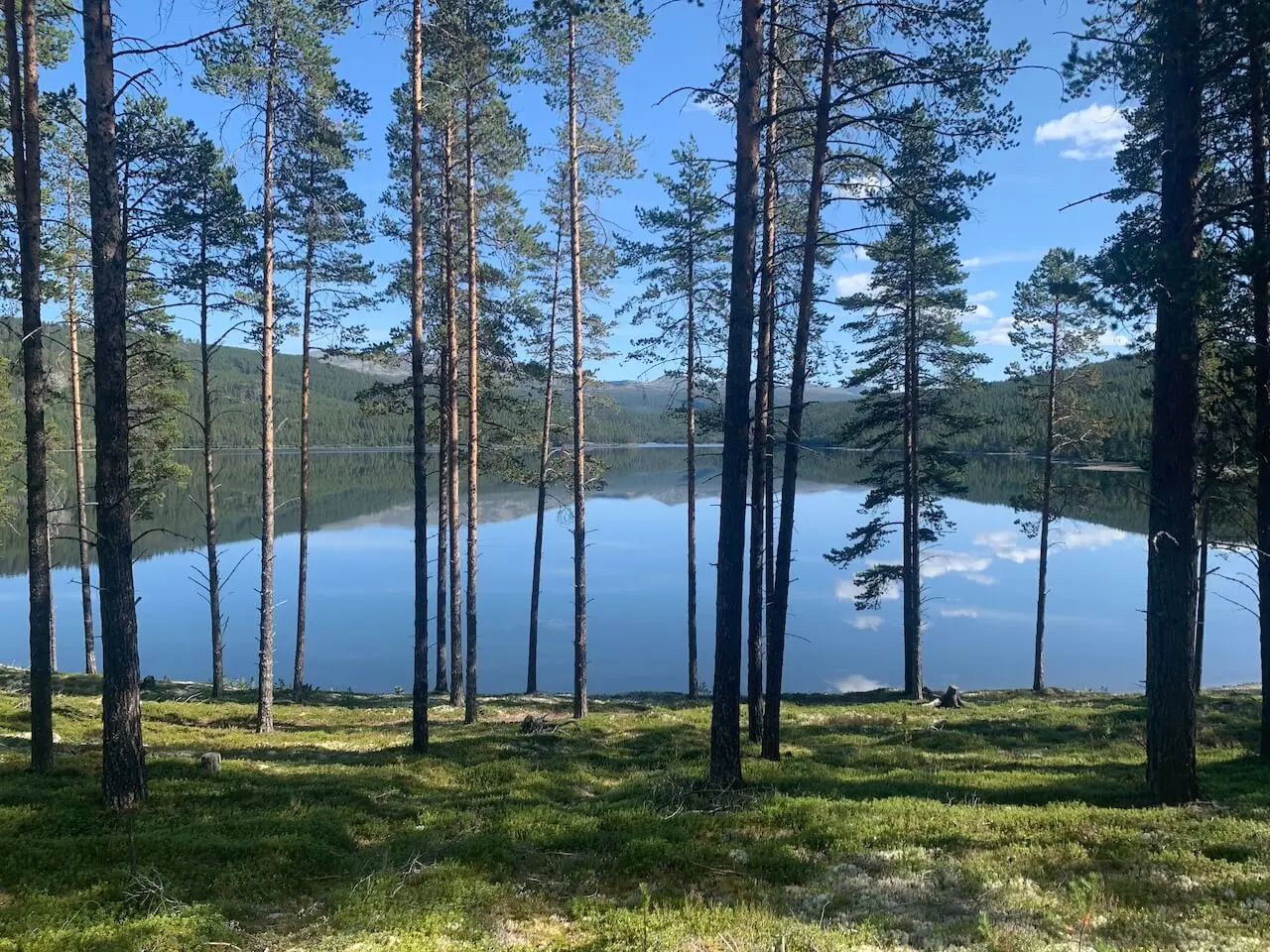
516 km
Entfernung
10,250m
Höhengewinn
4-9
Tage
65%
Unbefestigt
7/10
Schwierigkeit
40-45mm
Idealtypen
Nationales Gravel-Radwegenetz 6: Die Klassiker
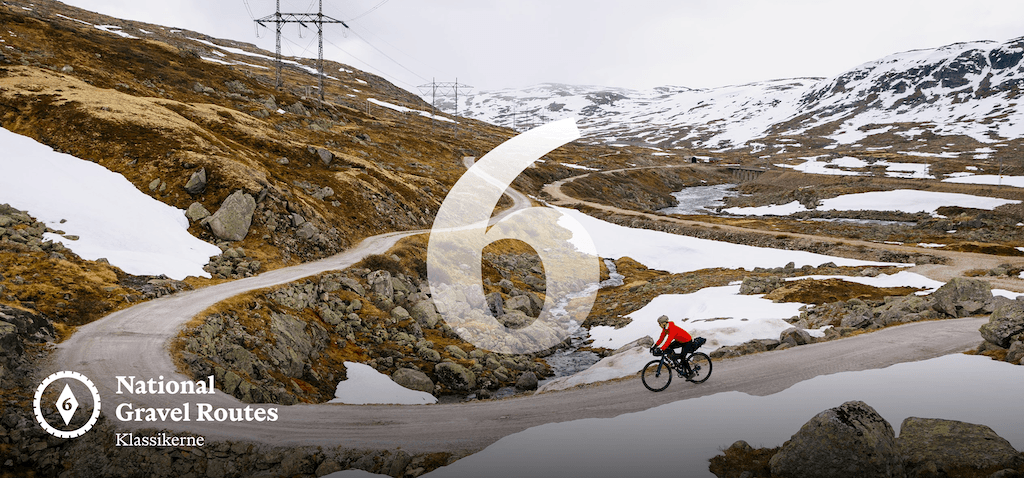
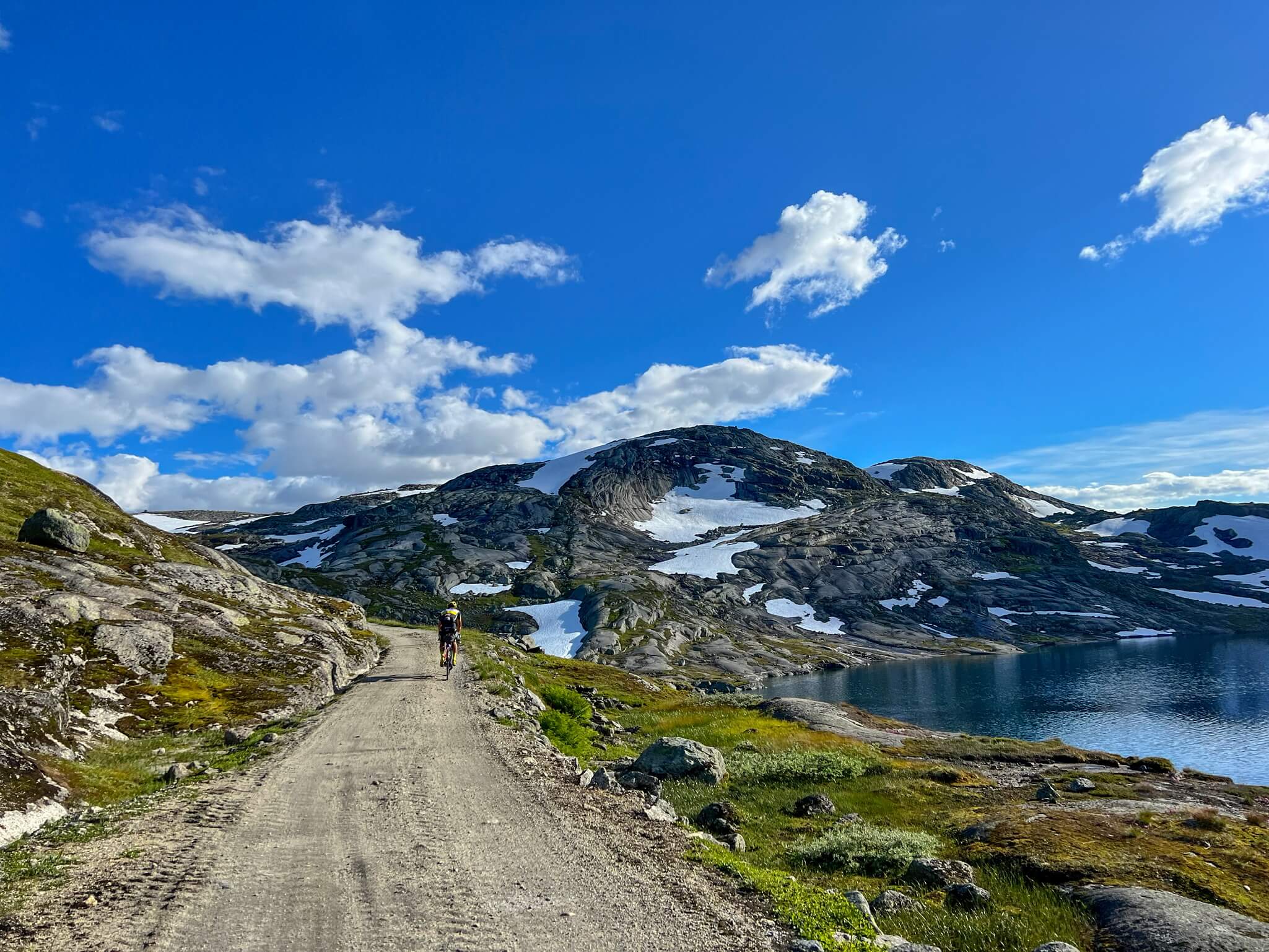
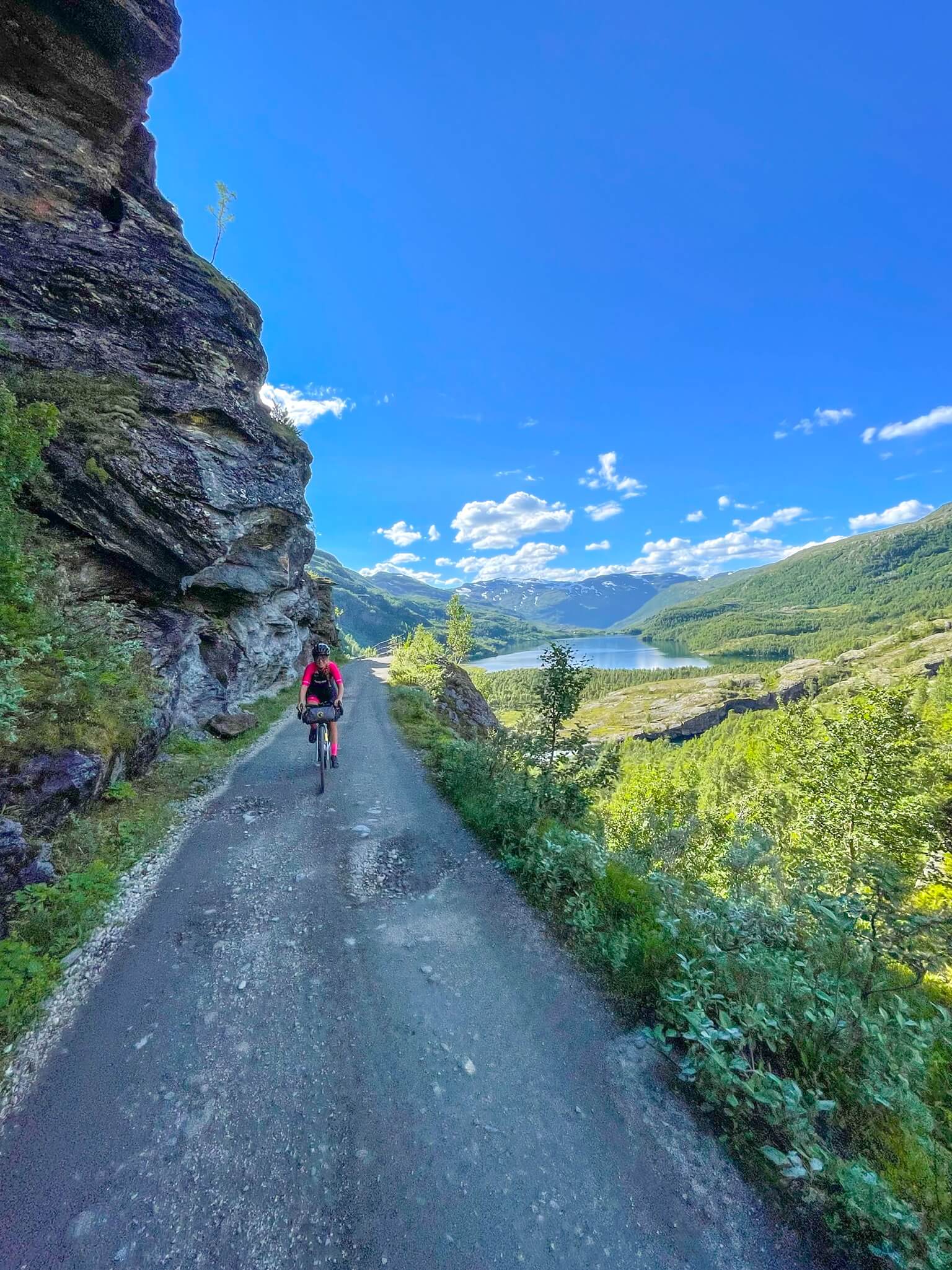
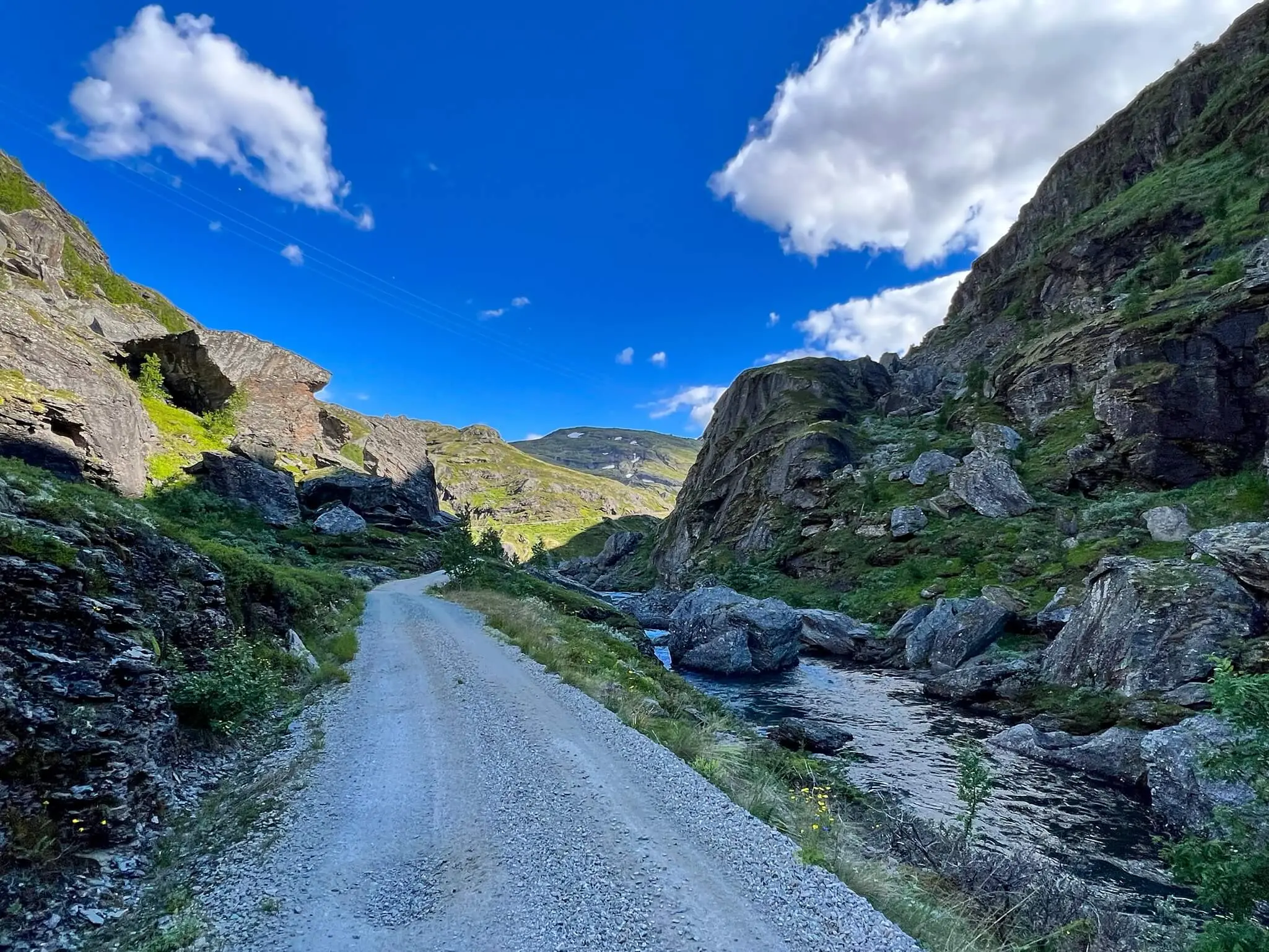
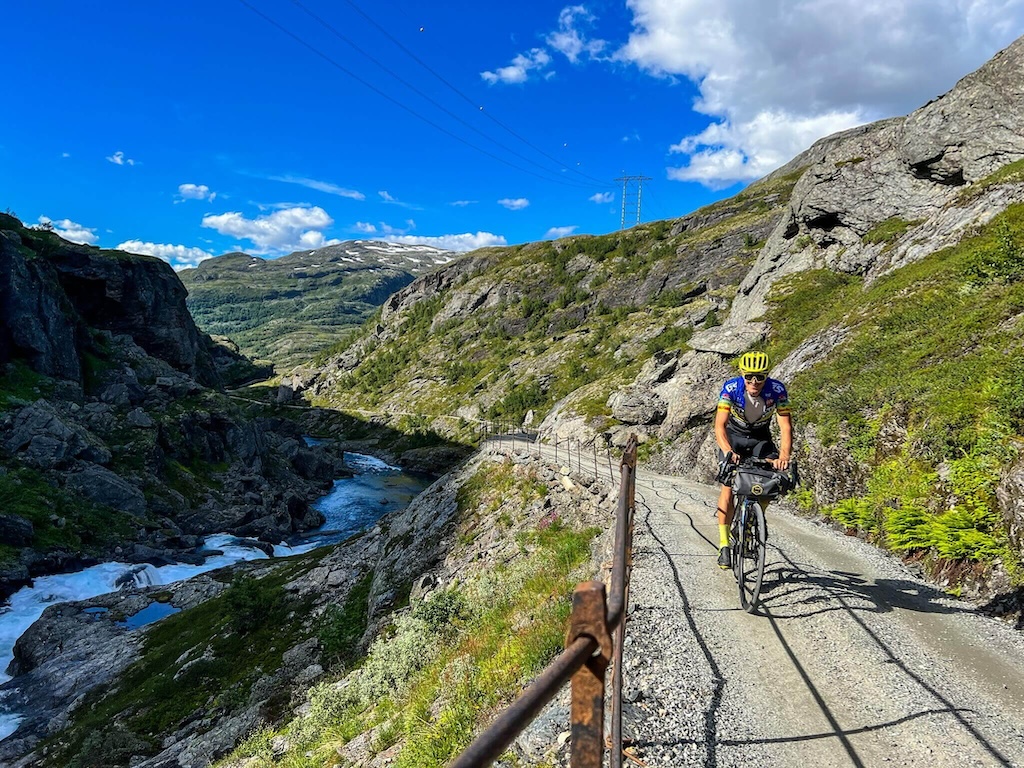
Route 6, Klassikerne, combines two of Norway’s most famous gravel roads, Rallarvegen and Mjølkevegen, into one journey across the heart of the country. If there is one route that captures Norwegian gravel riding, this is it, and for many visiting Norway for the first time, it’s the obvious choice.
Starting in Vinstra, you have the opportunity to warm up the legs and test your bike with a scenic 60km loop around the local mountains called Peer Gynt Seterveg. You can read about this section here. Once back in town the real adventure begins.
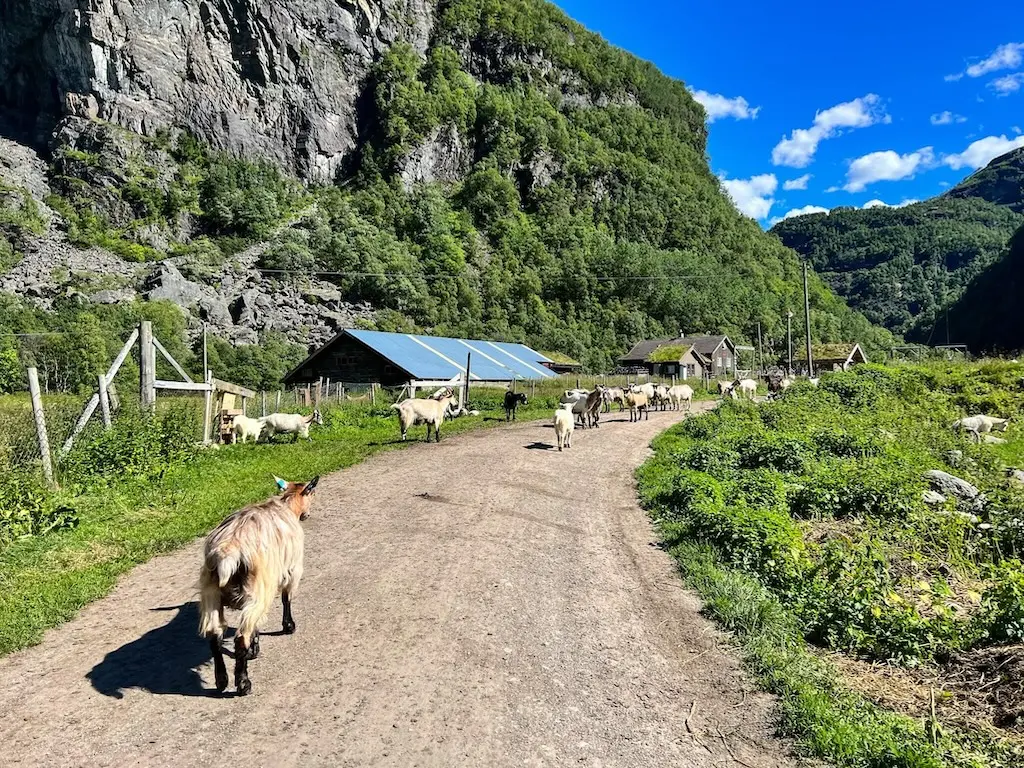
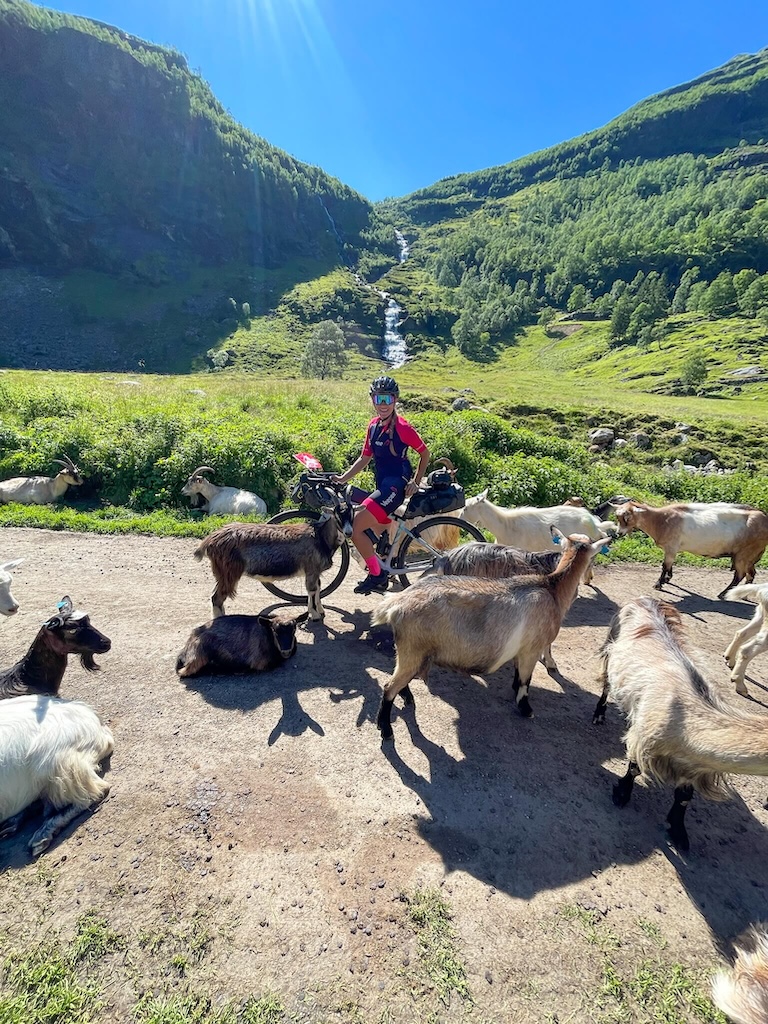
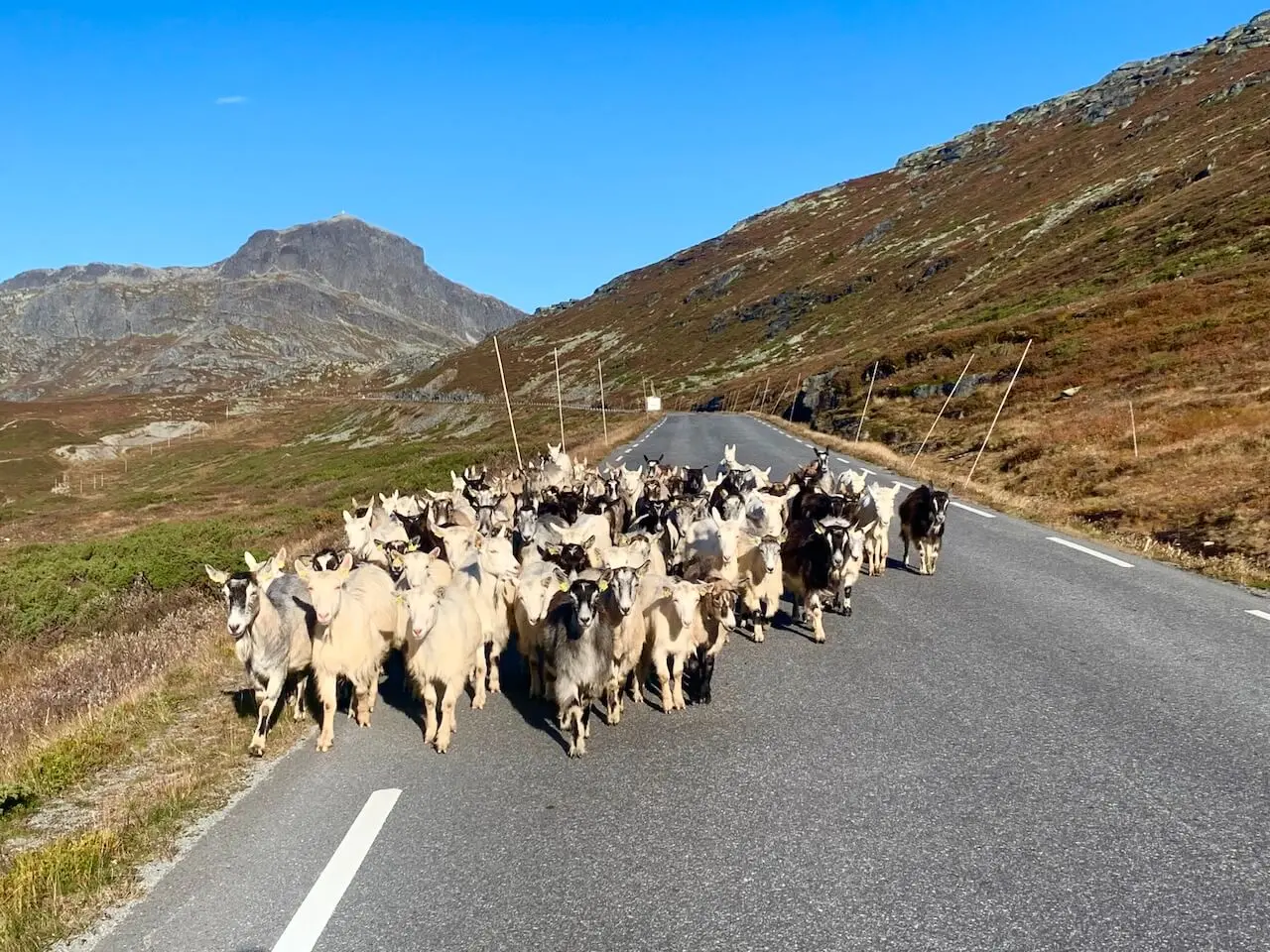
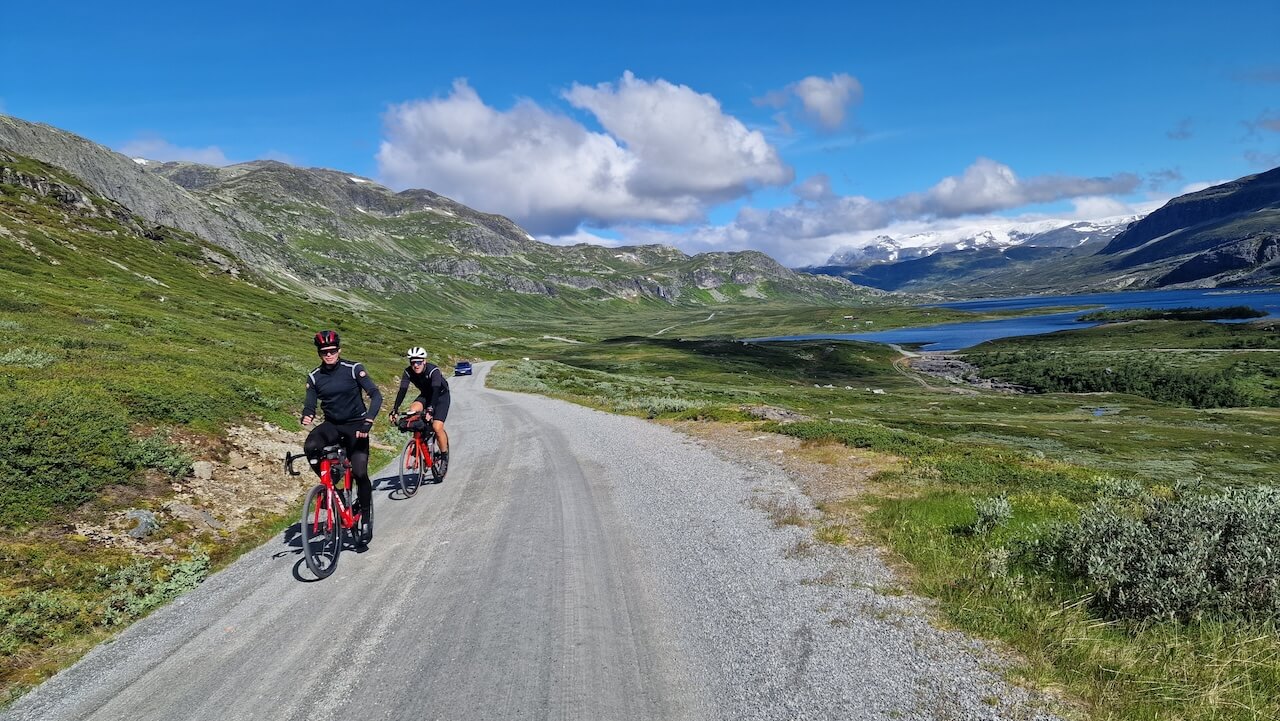
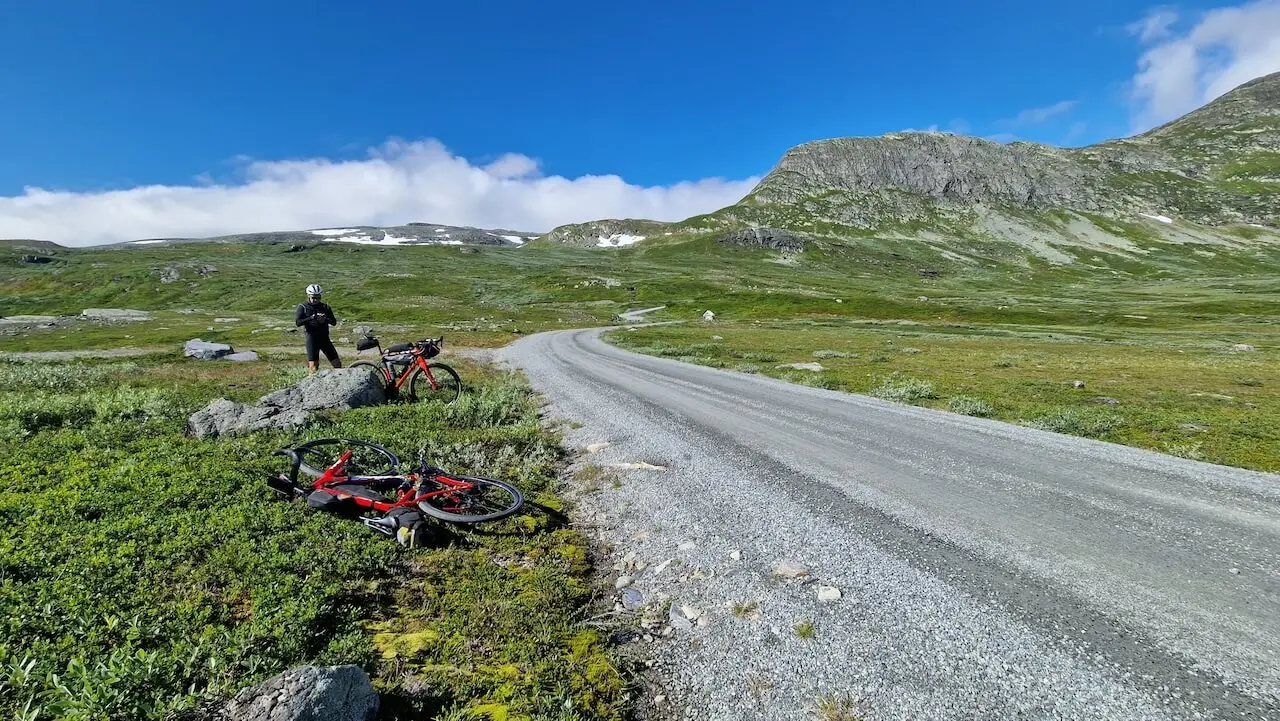
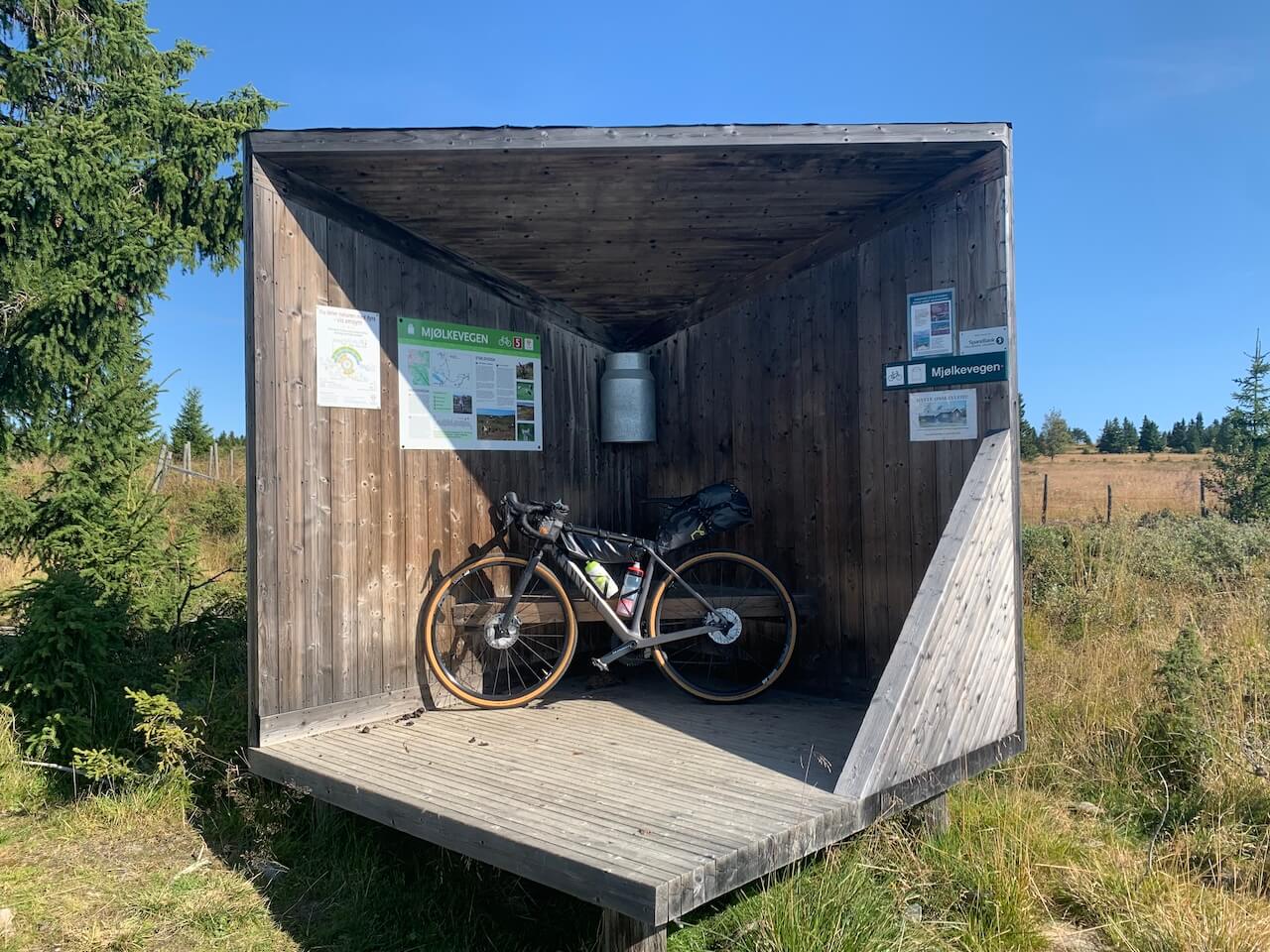
From Vinstra the route climbs west out of Gudbrandsdalen through forests and lakes before reaching the high plateaus above. Jotunheimvegen leads beneath the towering backdrop of Jotunheimen, with Bygdin providing a welcome stop before crossing Valdresflye and Slettefjellet into the open landscapes of Mjølkevegen. Here, gravel tracks wind through summer farms, mountain cabins, and rolling highland terrain before descending into Hallingdal.
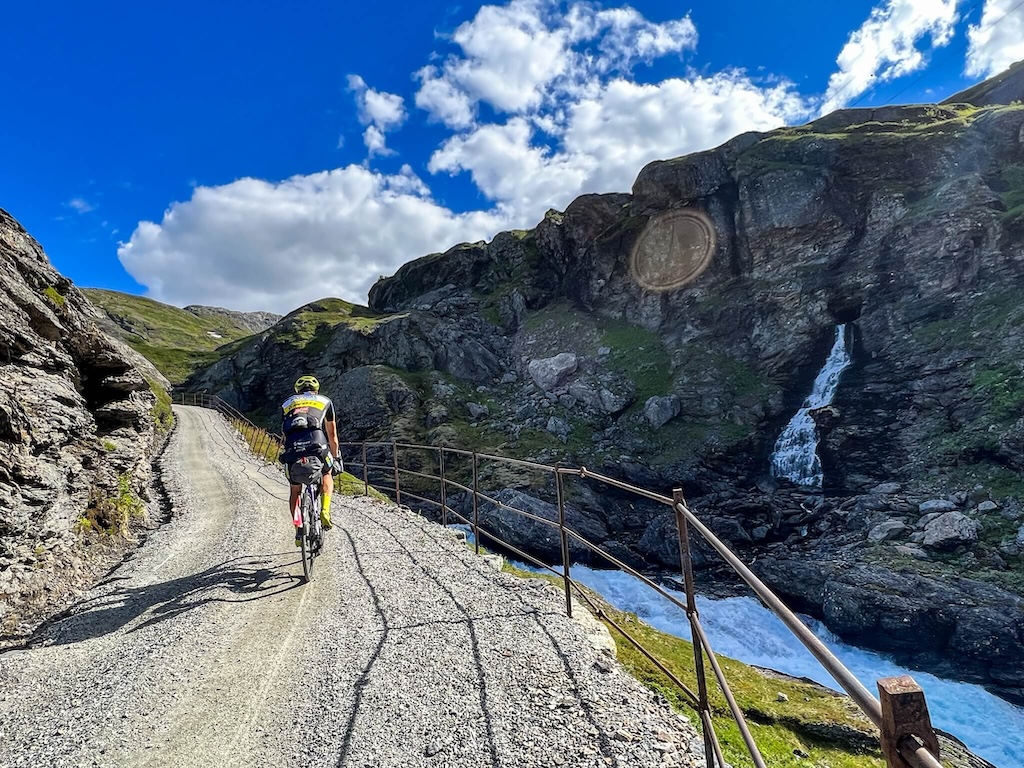
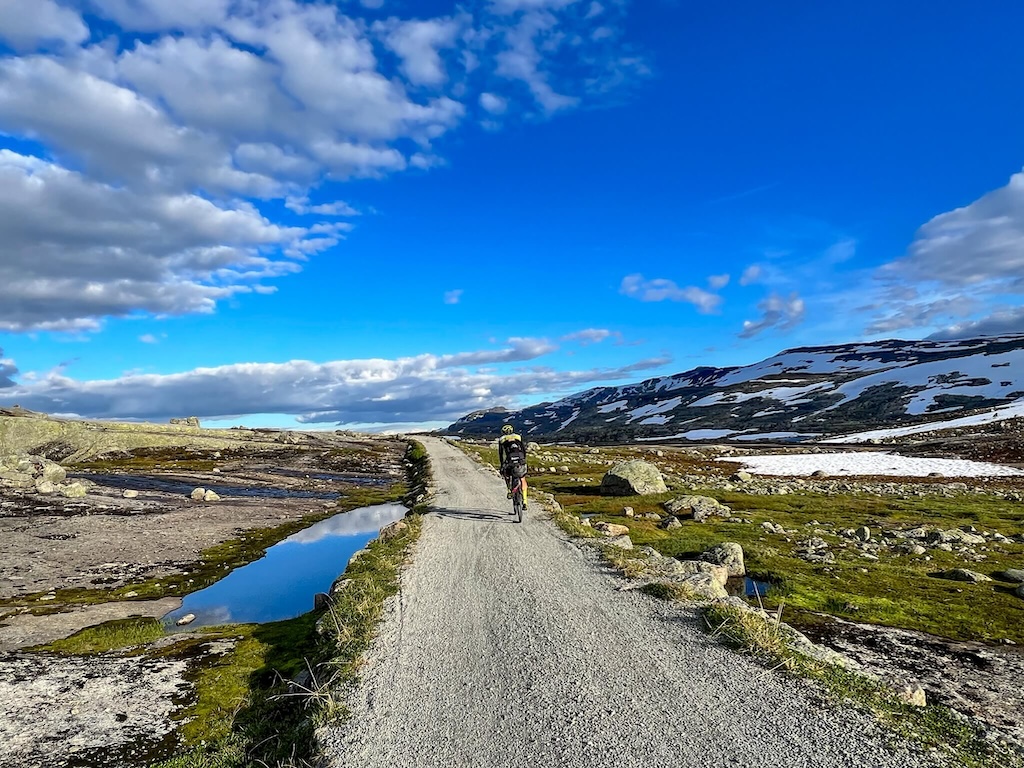
From Geilo, riders face one compromise: 22km of paved Road 7 to Haugastøl, though the train offers an alternative. From here, Rallarvegen begins – over 80 km of historic gravel crossing the Hardangervidda on one of Europe’s most celebrated cycling roads.
The route finishes by descending toward Myrdal, with the option to visit Flåm or continue west to Voss, completing a journey that offers perhaps the greatest variety of scenery, history, and gravel riding anywhere in Norway.
Routenplan

Wann?
- Part 1: Mjølkevegen usually opens around mid June, although in some years it can open earlier depending on snow conditions.
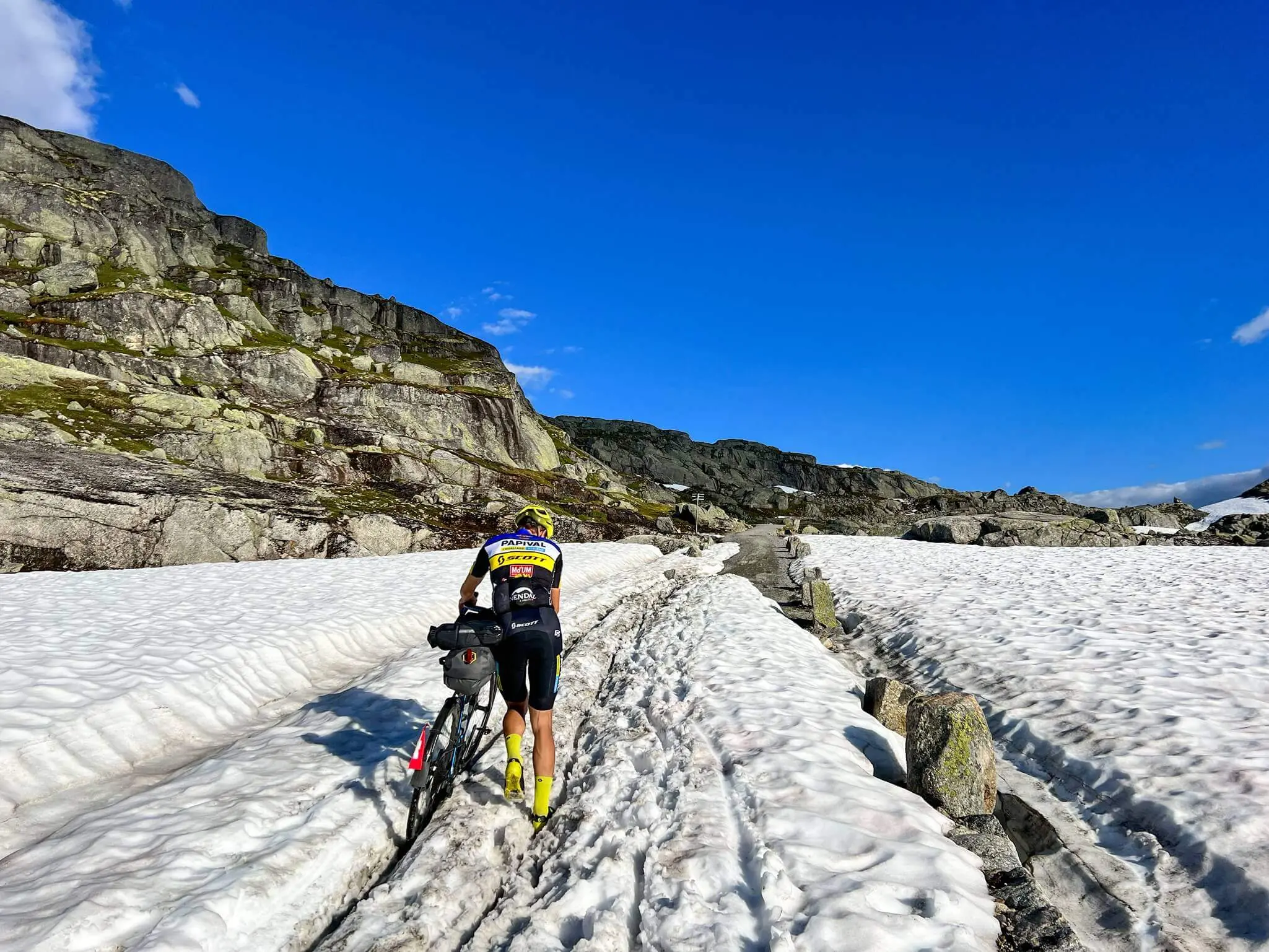
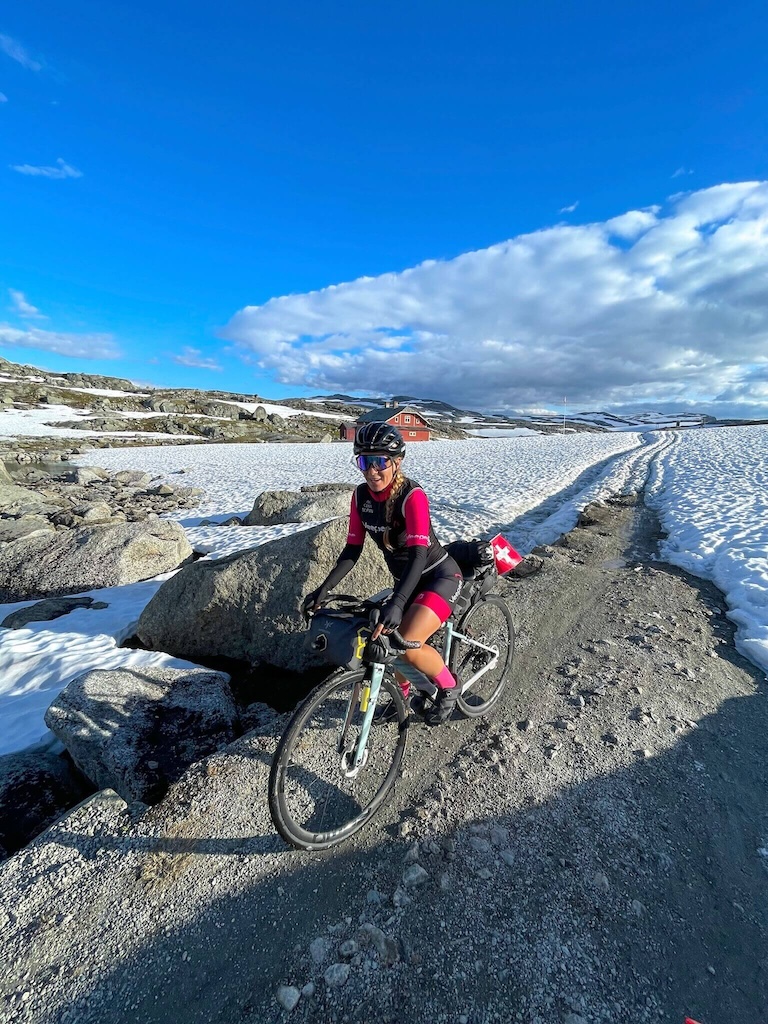
- Part 2: Rallarvegen is normally snow-free by July. In June, sections are rideable, but the highest parts often hold snow and may require skipping by taking the train at Finse.

Ankunft
- Vinstra lies on the Oslo–Trondheim rail line, around 4 hours from Oslo.
- Voss, Flåm, and Myrdal all have good connections along the Bergen–Oslo rail corridor, making travel to or from Oslo or Bergen straightforward.

Gefahren
- The 22km stretch of Road 7 between Geilo and Haugastøl is the least enjoyable part of the route and can be stressful during busy periods. Taking the train between these locations is recommended.
- You must take the train between Myrdal and Upsete to bypass the tunnel section. Book your ticket in advance, as trains only stop at Upsete on request. The train journey is only a few minutes.

Fahrradverleih
- Jotunheimen Bike & Hike (Lemonsjø): E-Bikes und Ausrüstung, Abholorte nicht auf der Route.
- Fjellkjeden / Intersport-Filialnetz: Mietangebote in Beitostølen, Fagernes, Vaset, Tyin-Filefjell, Storefjell/Kamben und Gol. Bietet E-Bikes, Mountainbikes, Anhänger und Einwegmieten.
- Gol & Beitostølen: Beste Optionen für den Start an beiden Enden; der Gol-Shop hat eine große Kapazität.
- Vinstra: Die Fahrradbude vermietet Fahrräder lokal, aber nicht speziell für Mjølkevegen.
- Haugastøl Turistsenter – Largest and most established rental service with custom-built bikes for Rallarvegen. Pick up at Haugastøl, return at Finse, Myrdal, or Flåm.
- Flåm Bike Rental – Ideal if finishing in Flåm. Train up to Finse and ride back down.
- Norway’s Best (Finse, Kårdal, Flåm) – Rentals available at several points along the line.
- Flåm Railway Info – Overview of stations and return options.
- Voss – Outdoor Norway und Bikethefjords

If you’re visiting Norway for the first time and want a week or more of gravel riding, this is where you should start.
Lokale Empfehlungen
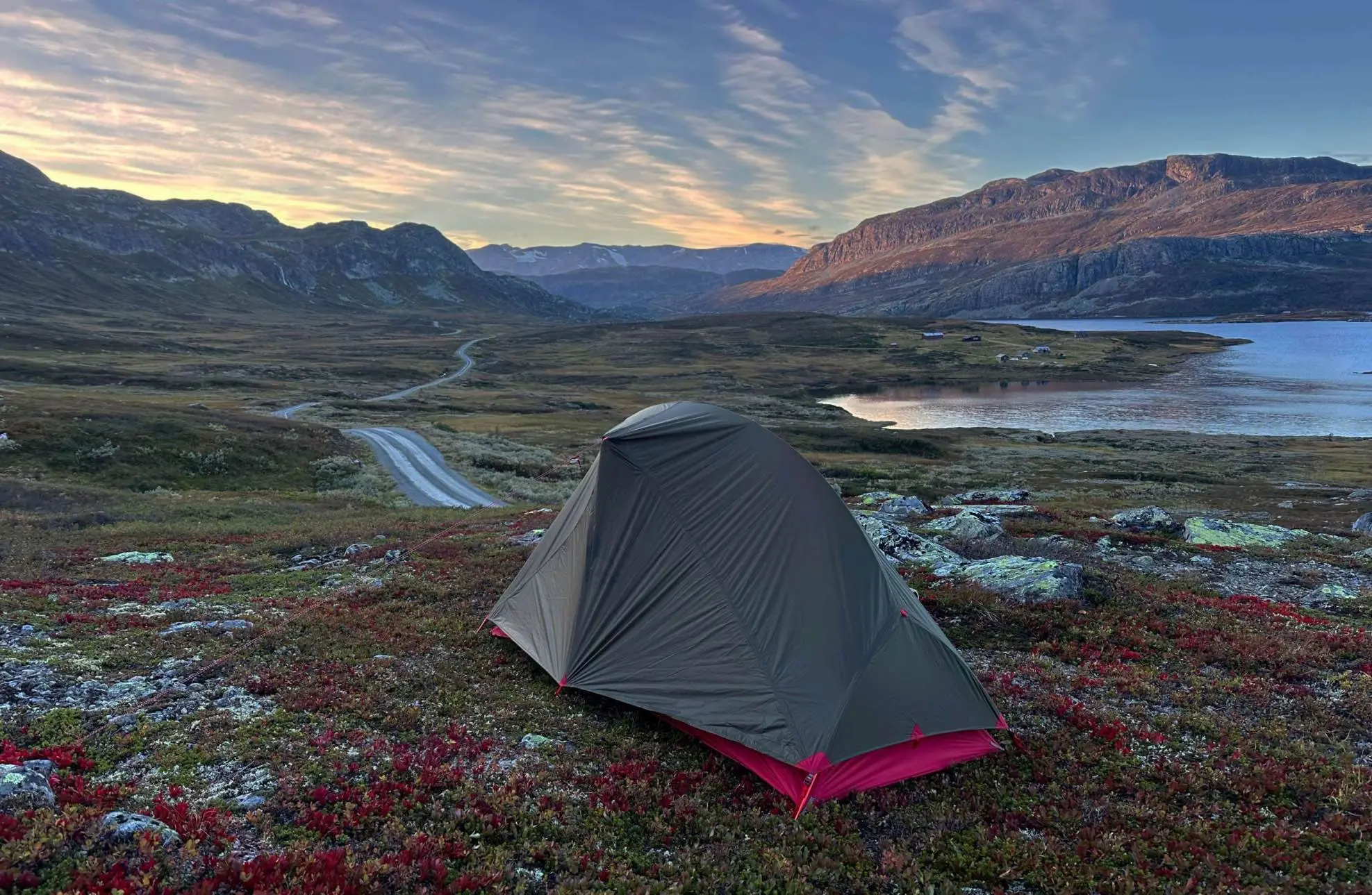
Slettefjell
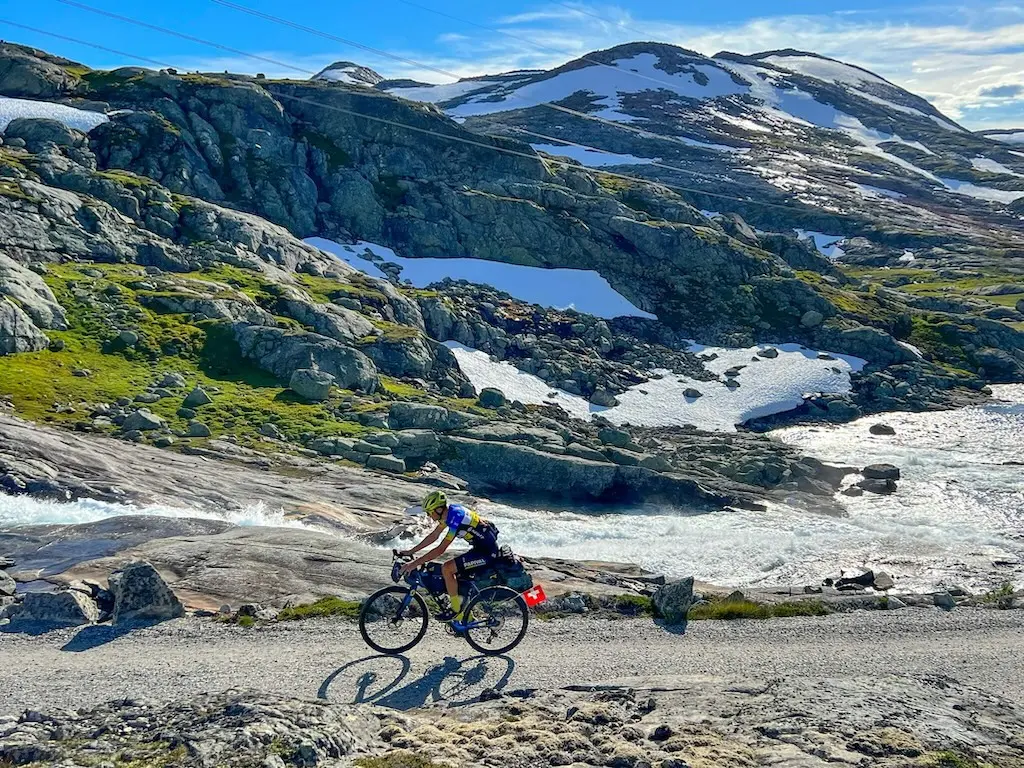
Slettefjell ist der ikonische Anstieg der Mjølkevegen und bietet eine der schönsten Aussichten, die man in Norwegen mit dem Fahrrad erleben kann. Die Straße schlängelt sich steil nach oben und überwindet über 1.000 Höhenmeter bis zu einem hohen Gebirgspass. Von oben erhebt sich der Jotunheimen-Nationalpark vor Ihnen, während sich hinter Ihnen das weite Tal in Richtung Filefjell erstreckt. Die Fahrt von Süd nach Nord macht den Aufstieg besonders anspruchsvoll, mit langen Steigungen und exponierten Abschnitten, die sowohl Beine als auch Lunge auf die Probe stellen.
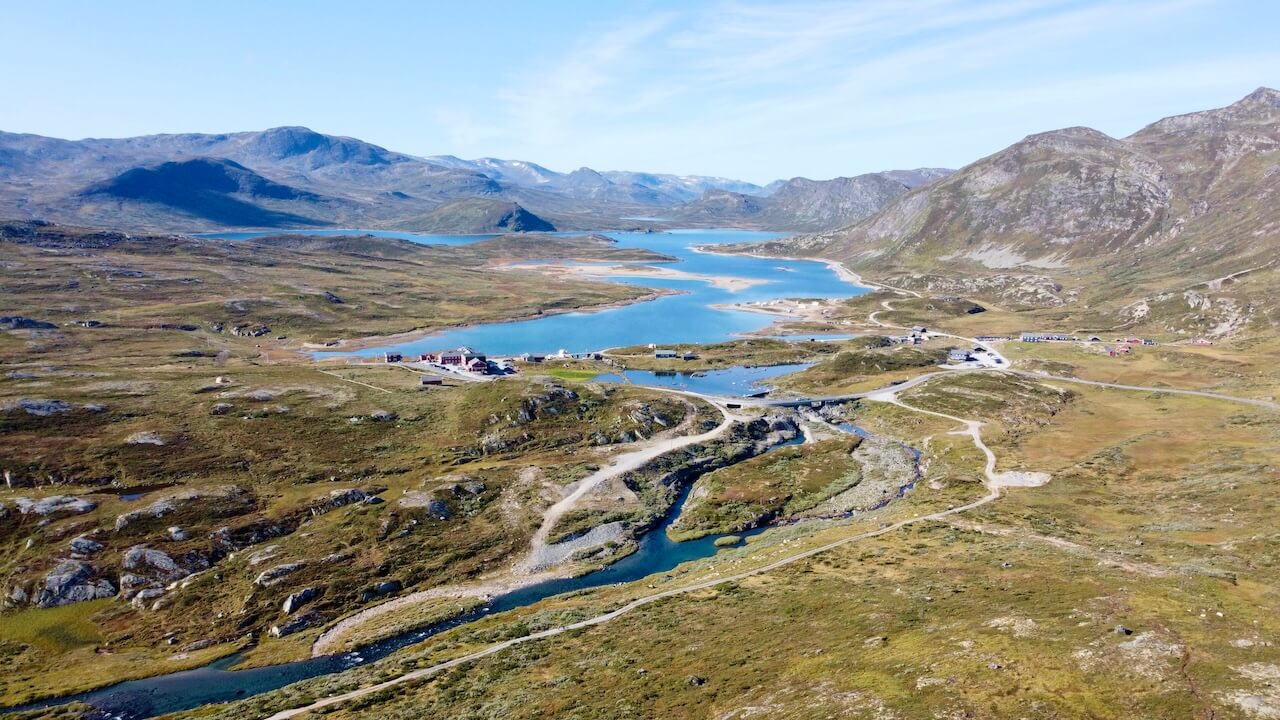
Bygdin Høyfjellshotell
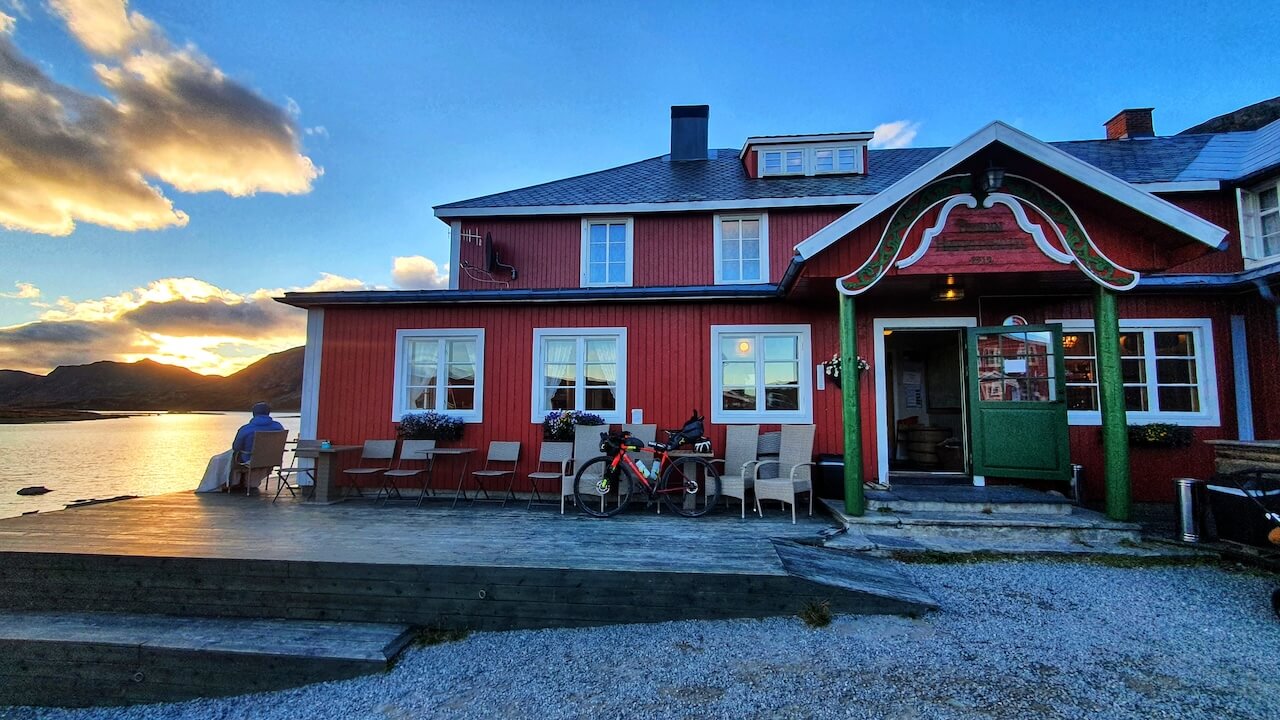
Das Bygdin Høyfjellshotell liegt am Ostufer des Sees Bygdin am Fuße des Jotunheimen und empfängt seit 1897 Bergreisende. Es ist eine klassische Station entlang des Mjølkevegen und bietet herzhafte lokale Küche, gemütliche Zimmer und einen weiten Blick über den See und die Gipfel. Im Sommer verkehrt die Fähre MB Bitihorn departs from the pier, linking you to Torfinnsbu and Eidsbugarden, while hiking and cycling trails start right from the doorstep, making it one of the route’s most atmospheric and practical overnight stops.
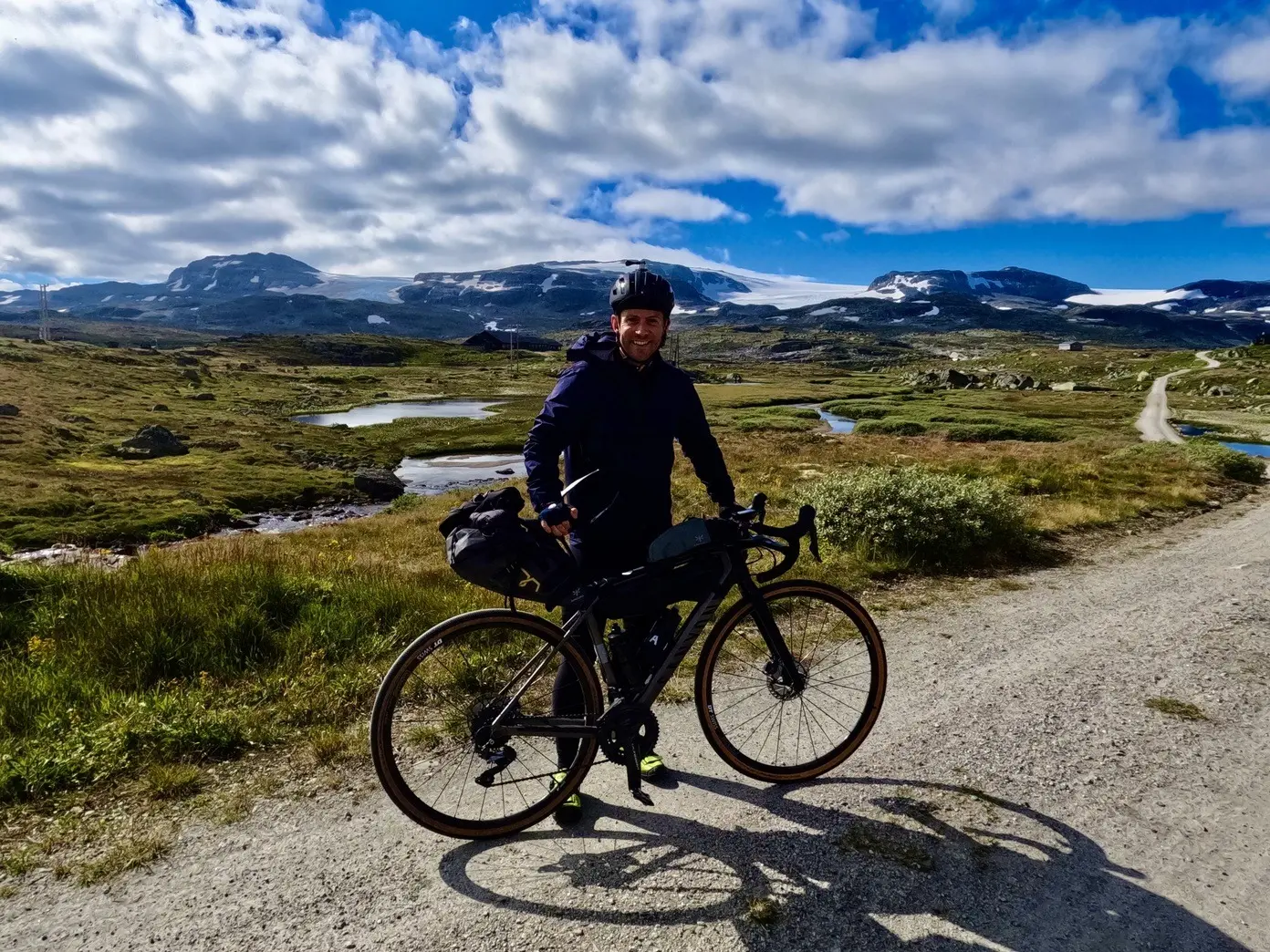
Hardangerjøkulen
As you approach the small settlement of Finse, Norway’s sixth-largest glacier, Hardangerjøkulen, comes into view. On clear days it dominates the plateau, making it one of the true highlights of the ride.
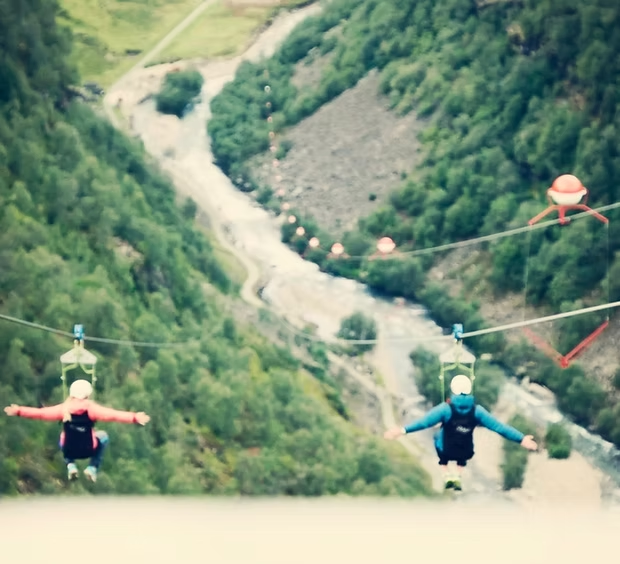
Flåm Zipline
Flåm Zipline, close to Myrdal, is Scandinavia’s longest zipline at 1,381 m, reaching speeds of up to 100 km/h and dropping 305 m through the spectacular Flåm Valley. Tickets are NOK 850 for adults and NOK 600 for children (under 15). In 2025, the zipline runs daily from 9:30 to 16:30(extended to 18:00 during July–August) between May 3 and October 11
Nützliche Links
Booking.com – für Unterkunftsmöglichkeiten in ganz Norwegen
Entur App – zur Planung von Fahrten mit öffentlichen Verkehrsmitteln in ganz Norwegen
Fähren – Routen, Fahrpläne und Informationen von Statens Vegvesen
Wildcamping-Etikette – wichtig zu wissen
Weiterführende Literatur


Beachten Sie
Alle auf CYCLENORWAY.com veröffentlichten Radrouten dienen als Planungsressource und Inspirationsquelle, die Sie in Verbindung mit Ihrer eigenen Recherche und Ihrem Urteilsvermögen nutzen sollten. Die Routen werden mit sorgfältiger Recherche erstellt, aber jeder Radfahrer hat unterschiedliche Fähigkeiten, Erwartungen und Risikobereitschaft. Einige Routen können Abschnitte mit Schiebe-/Tragepassagen, schlammige oder nasse Wanderwege, technisches Gelände, steile Anstiege, Abfahrten oder abgelegene Gebiete enthalten, die möglicherweise nicht für jeden geeignet sind. Routendaten, Kartensoftware und Bedingungen können sich auch ändern oder Ungenauigkeiten enthalten. Radfahren in Norwegen ist im Allgemeinen sehr sicher. Wenn Sie sich dennoch entscheiden, diese Routen zu befahren, tun Sie dies auf eigenes Risiko.






Schreibe einen Kommentar