





474 km
Entfernung
8500m
Höhengewinn
3-8
Tage
80%
Unbefestigt
8/10
Schwierigkeit
40-50mm
Idealtypen
Nationale Gravelrute 5: Fønhusruta
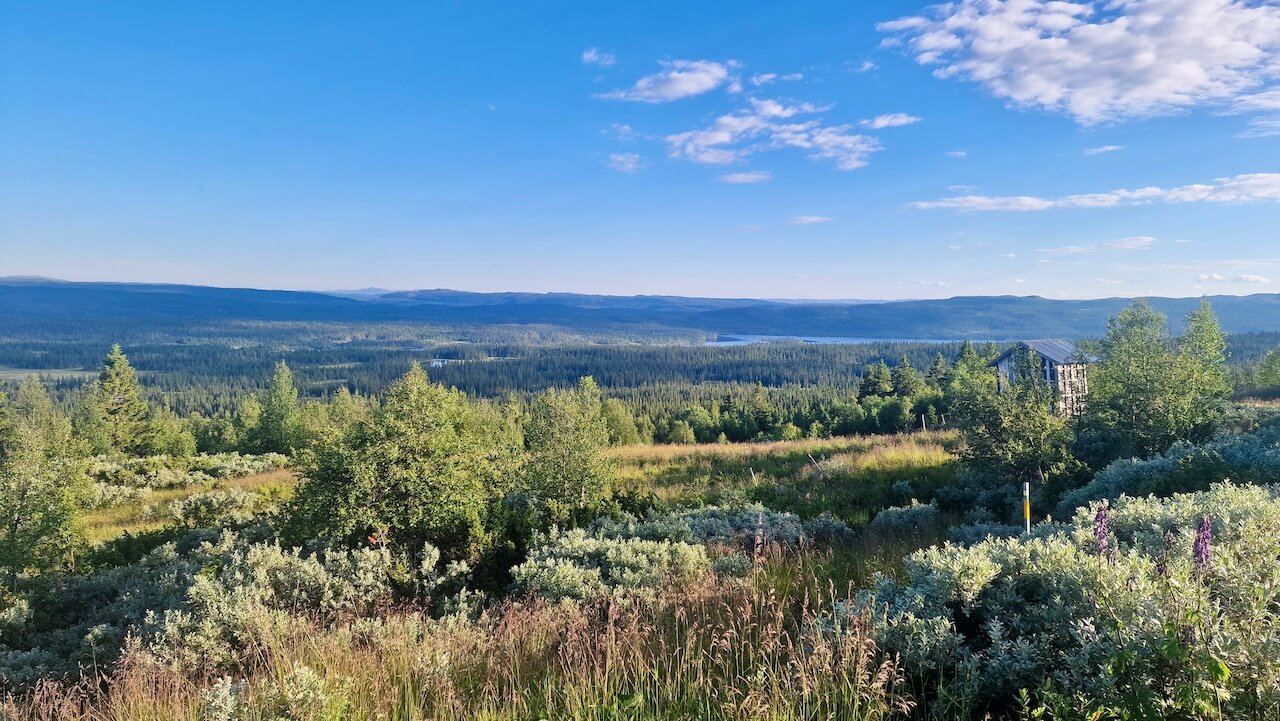
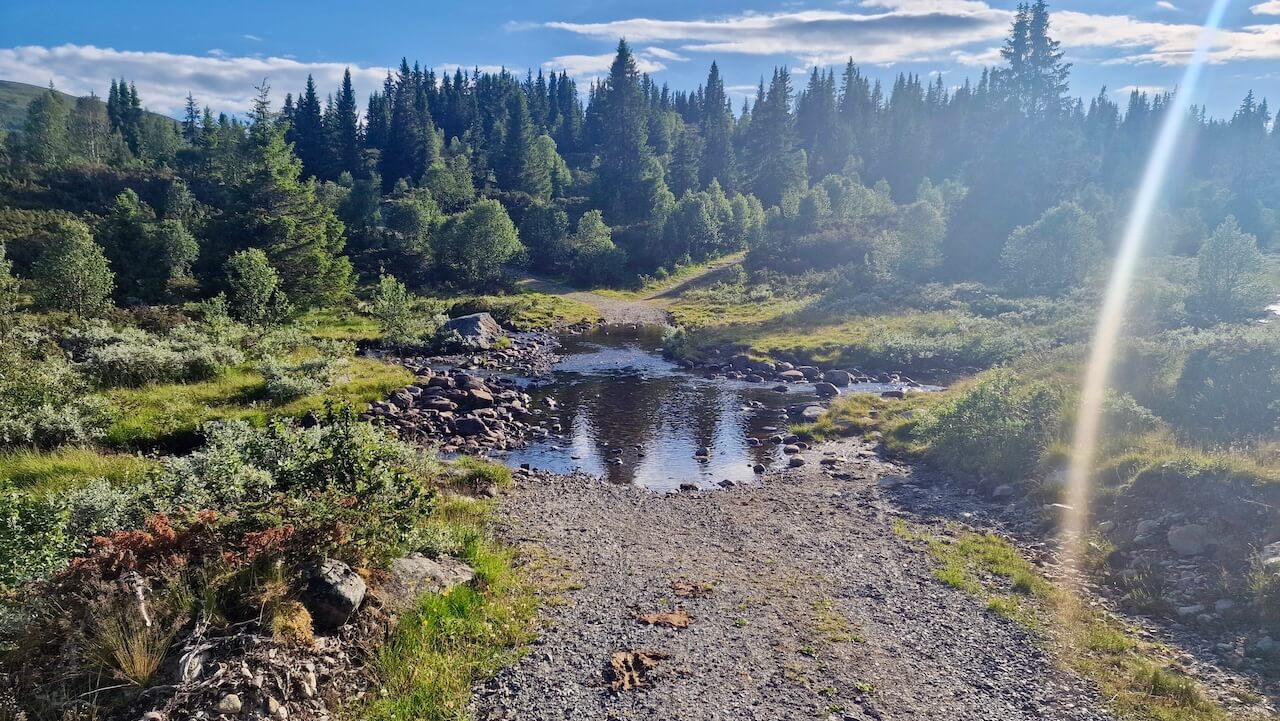
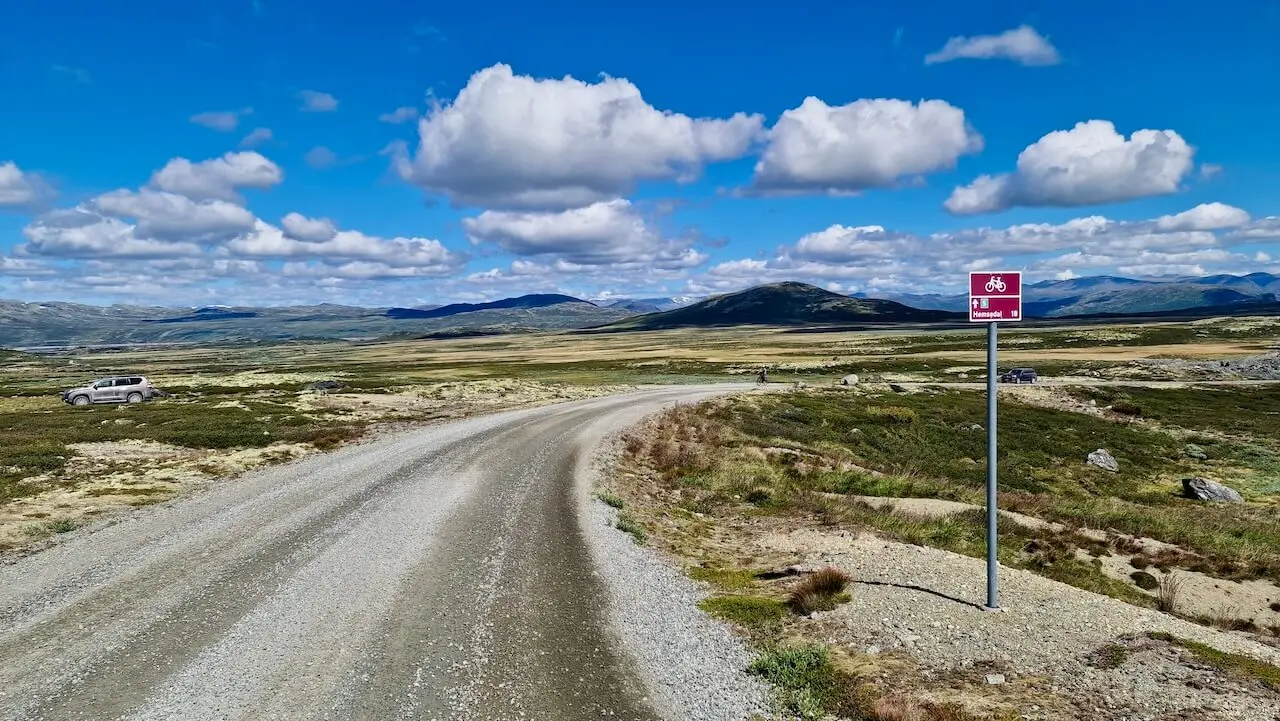
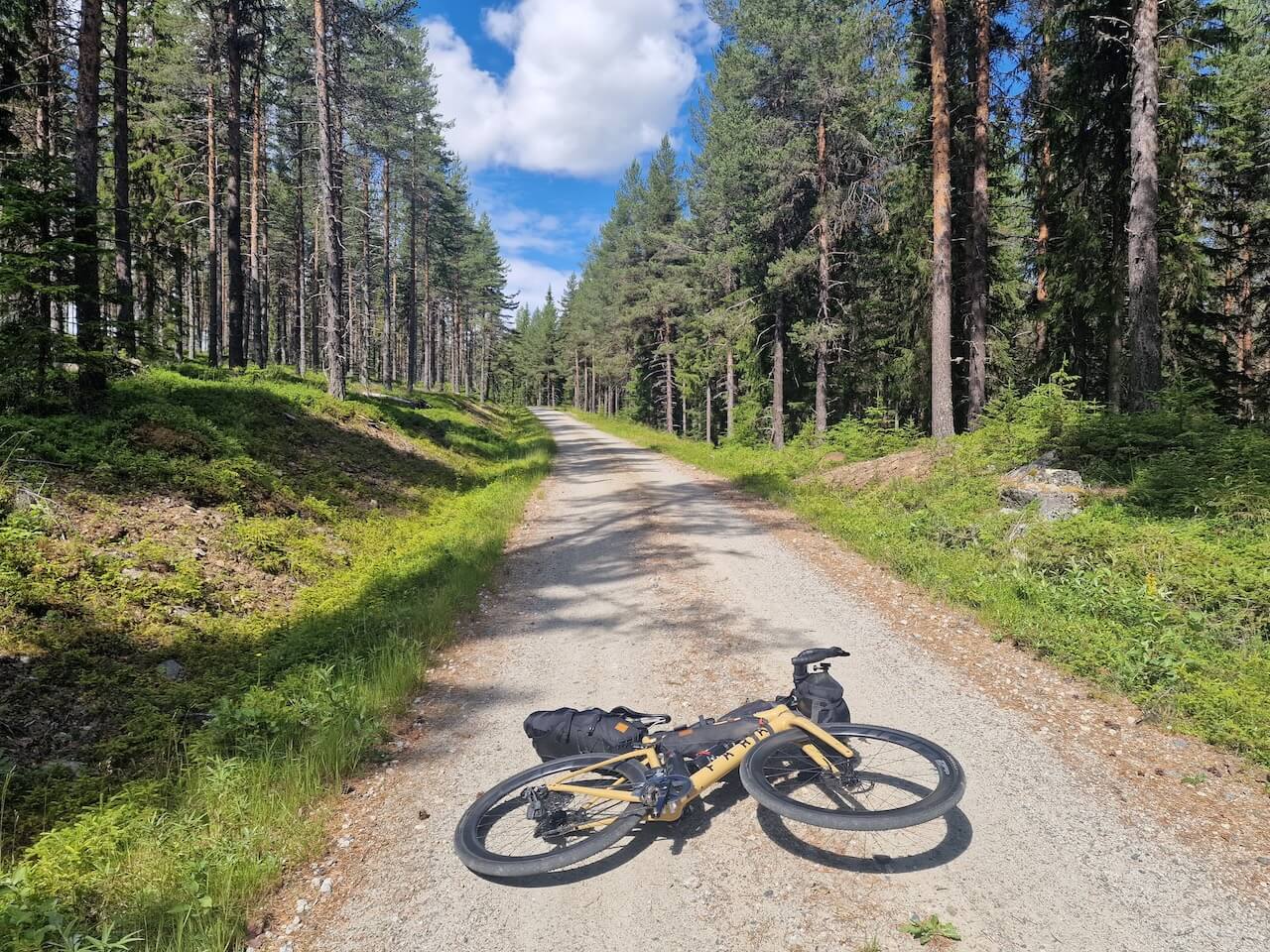
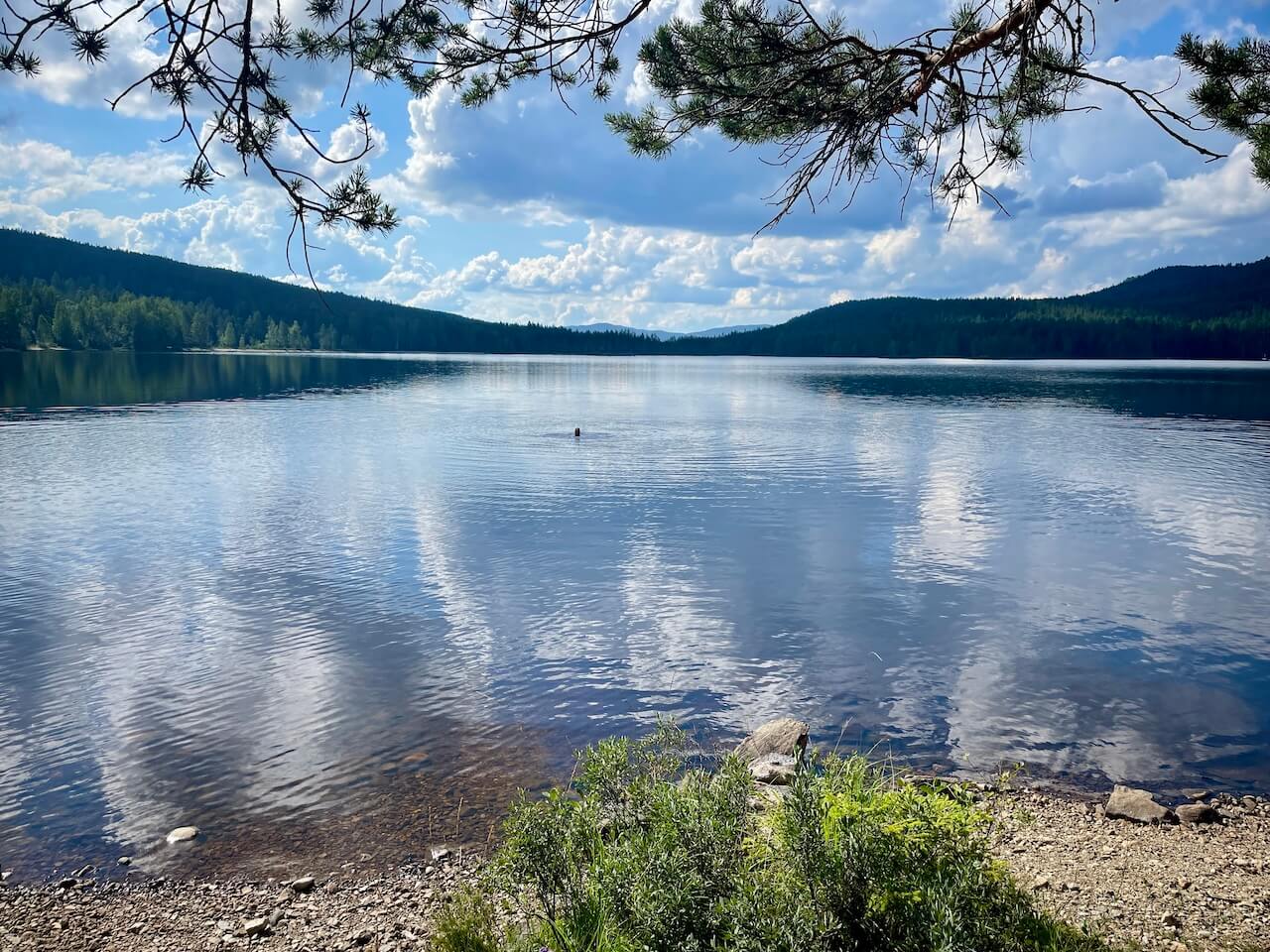
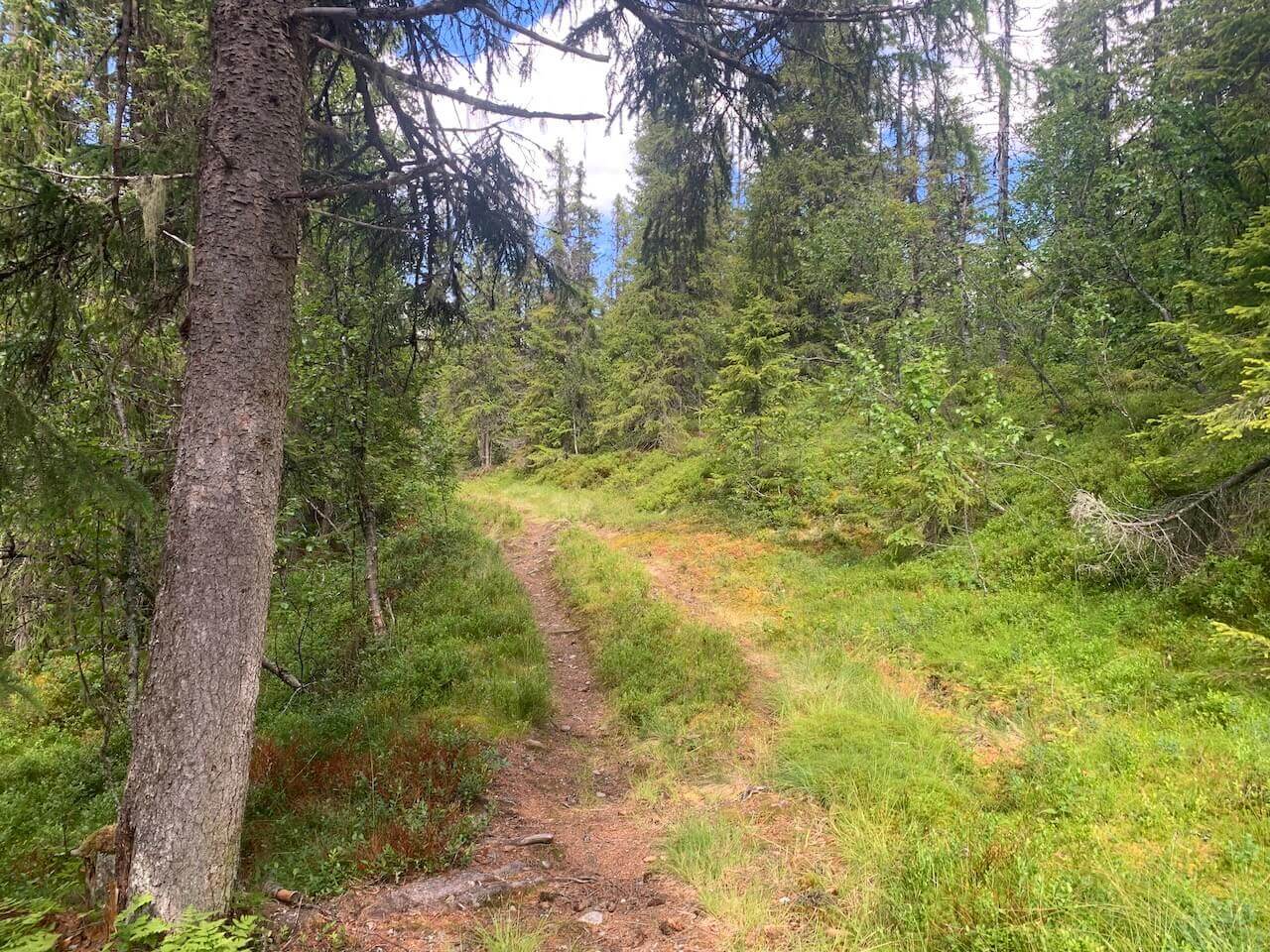
Route 5 leaves Oslo along the historic King’s Road through Lommedalen towards Hønefoss, following a route once used by kings, traders, and officials long before modern transport existed. Leaving the lowland forests behind, the route gradually enters the quiet valleys of Vassfaret and Vidalen, where forestry, timber floating, and resistance activity during the Second World War have all left their mark.
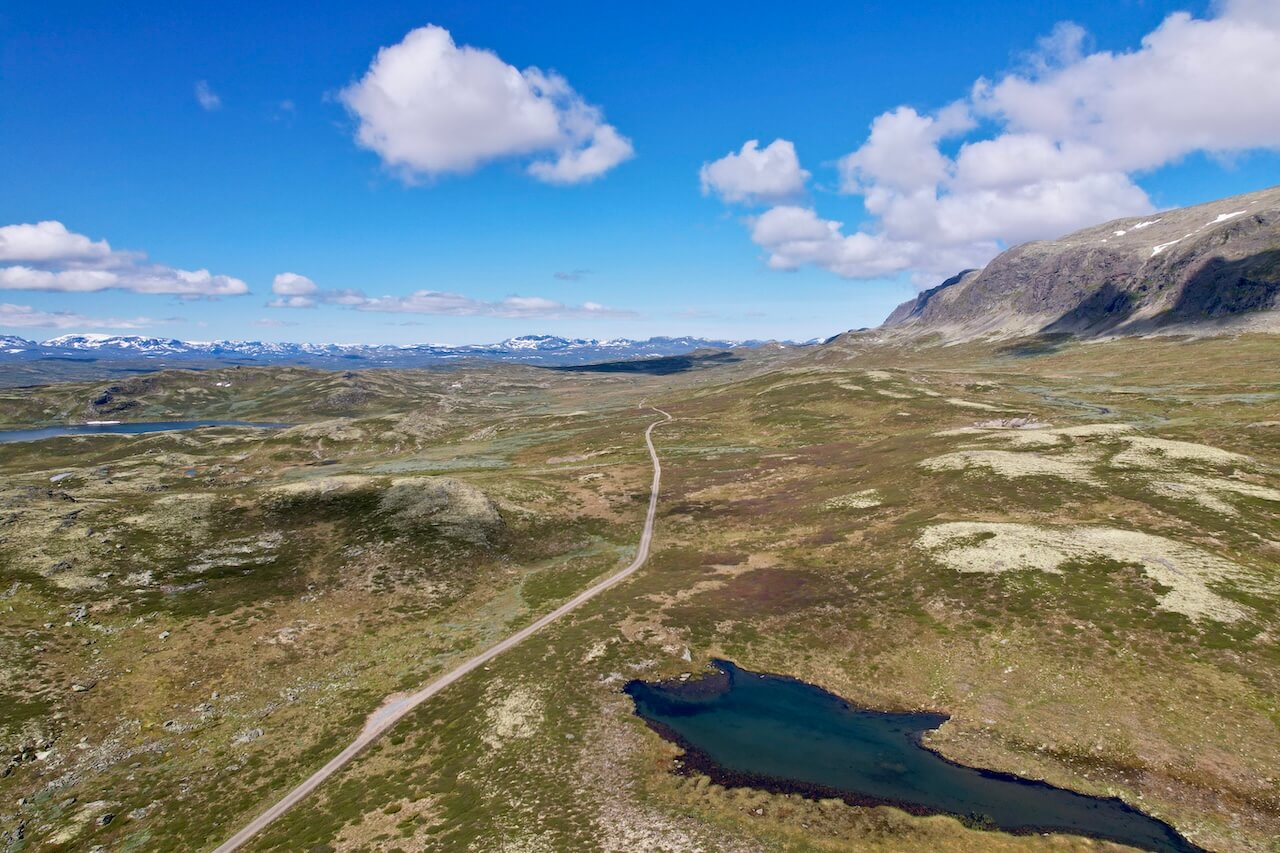
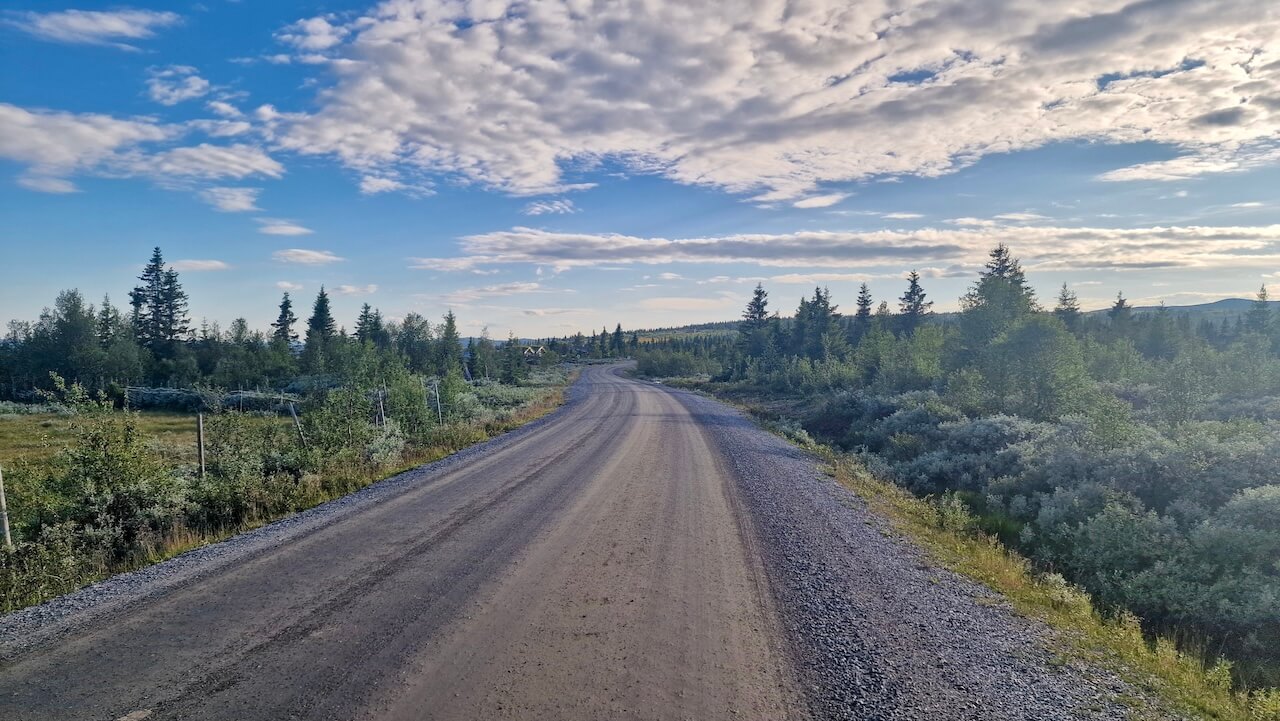
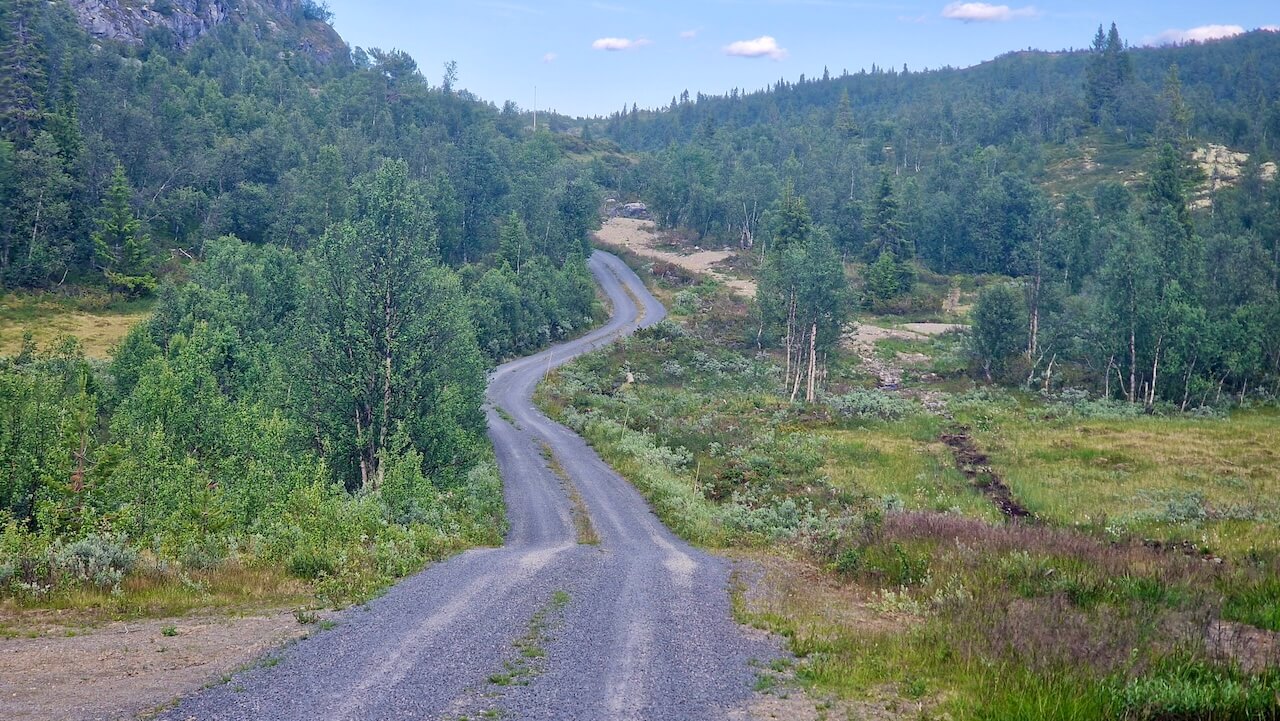
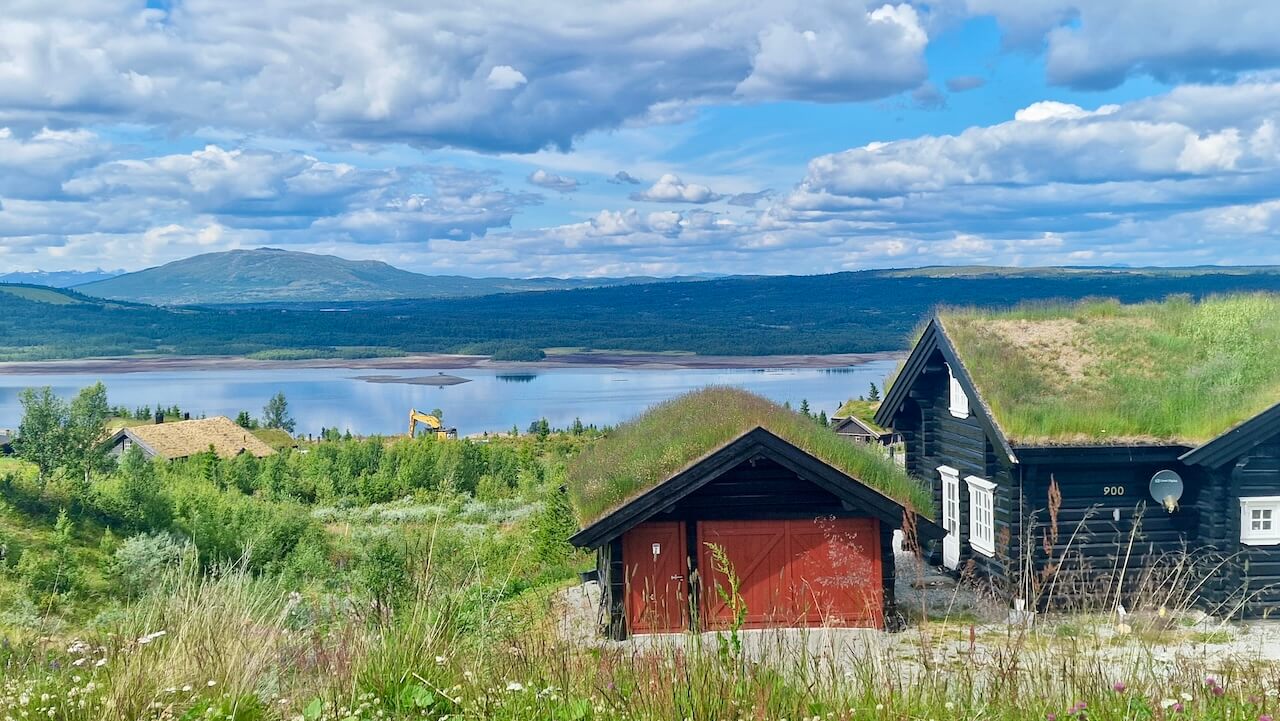
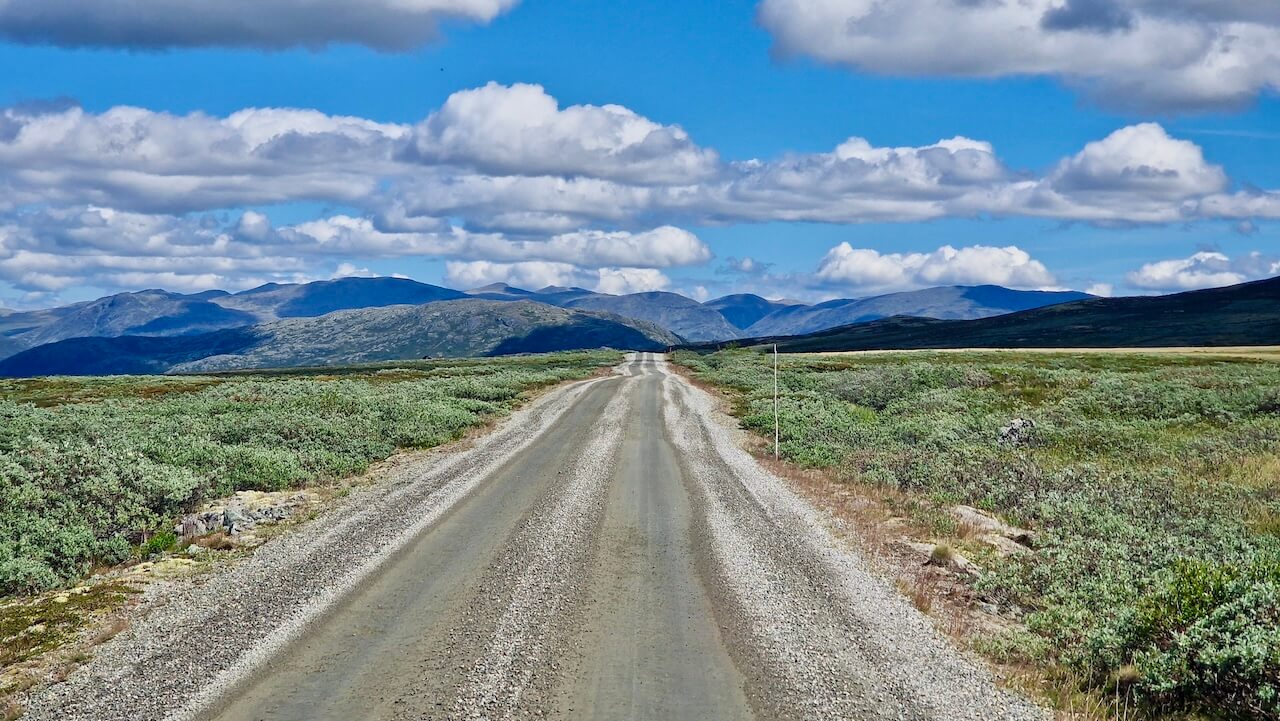
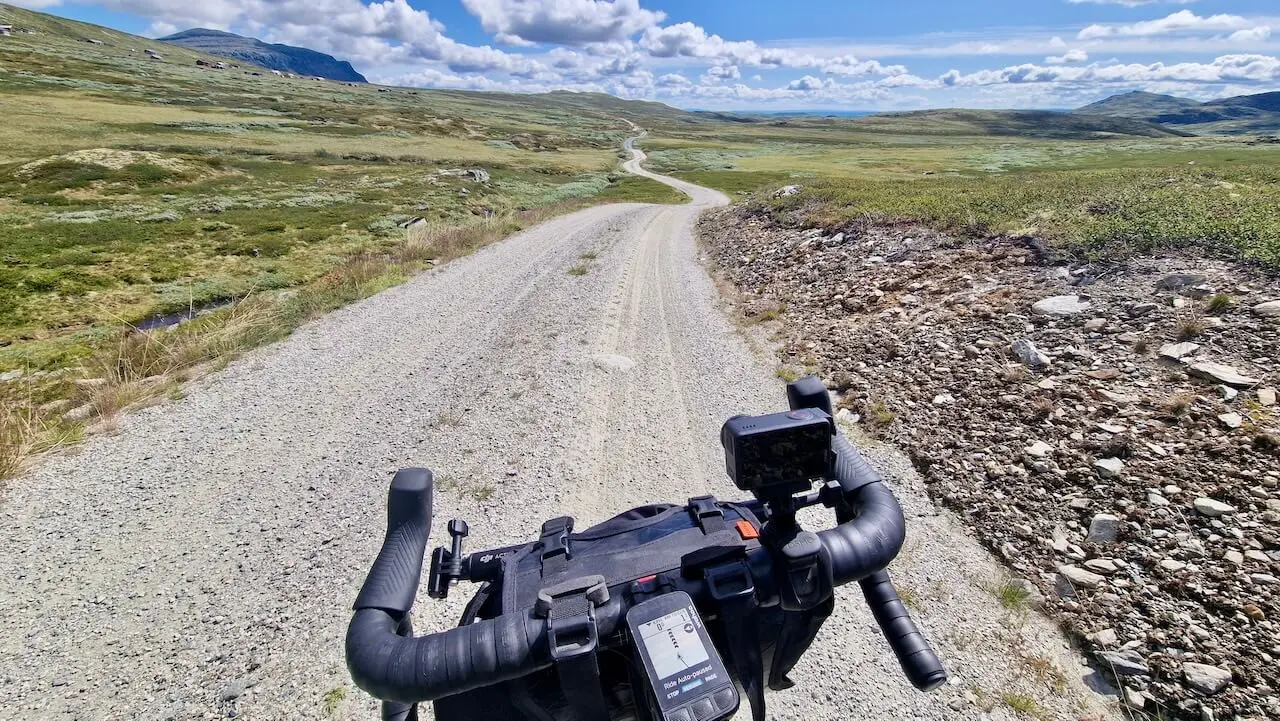
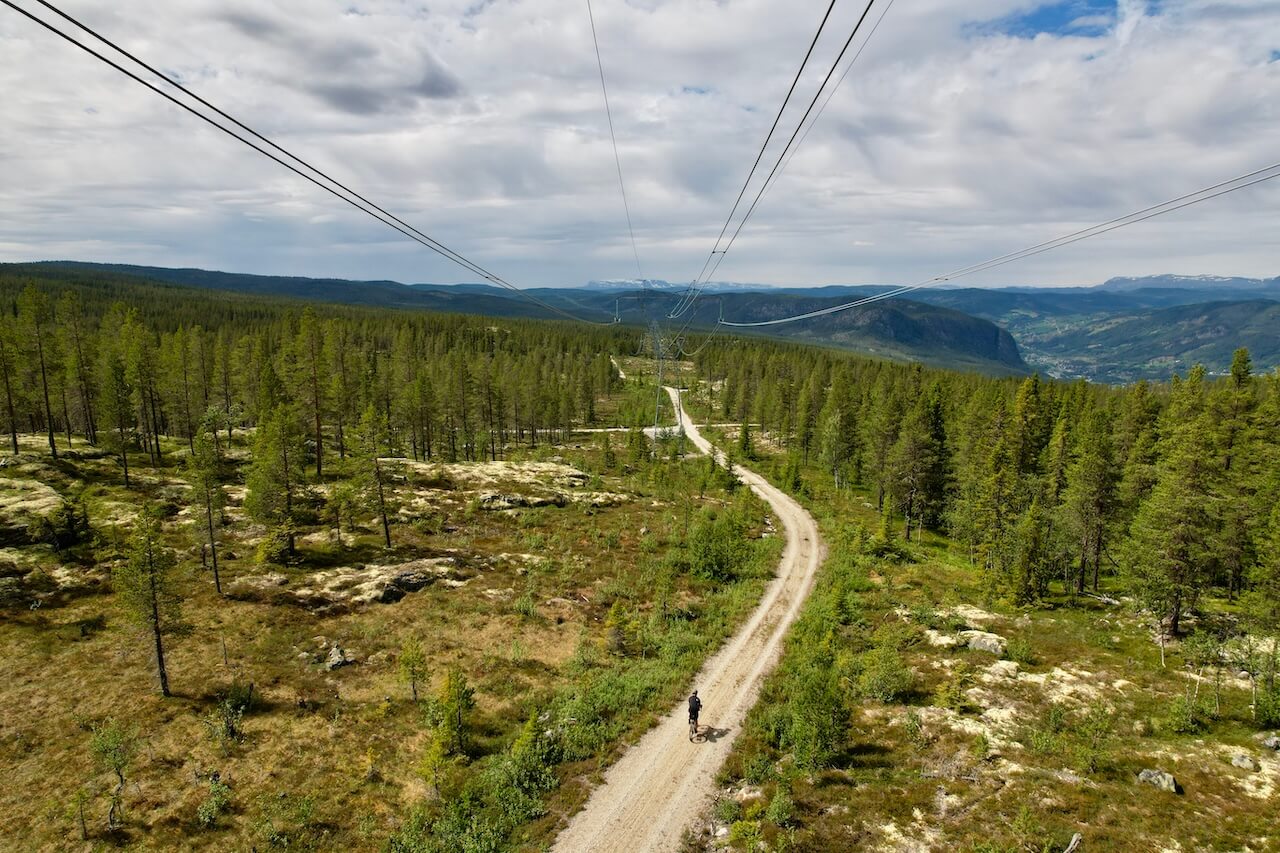
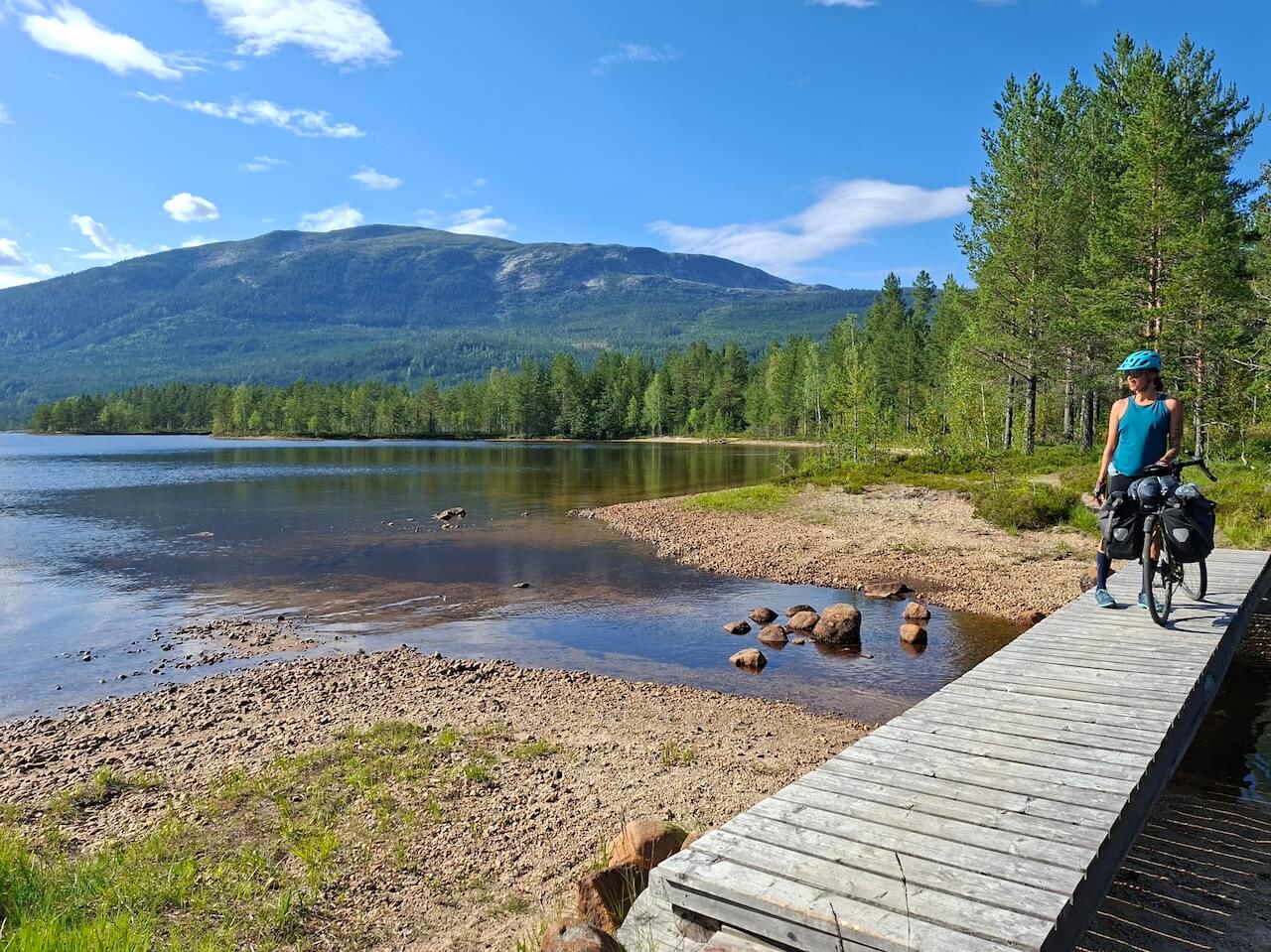
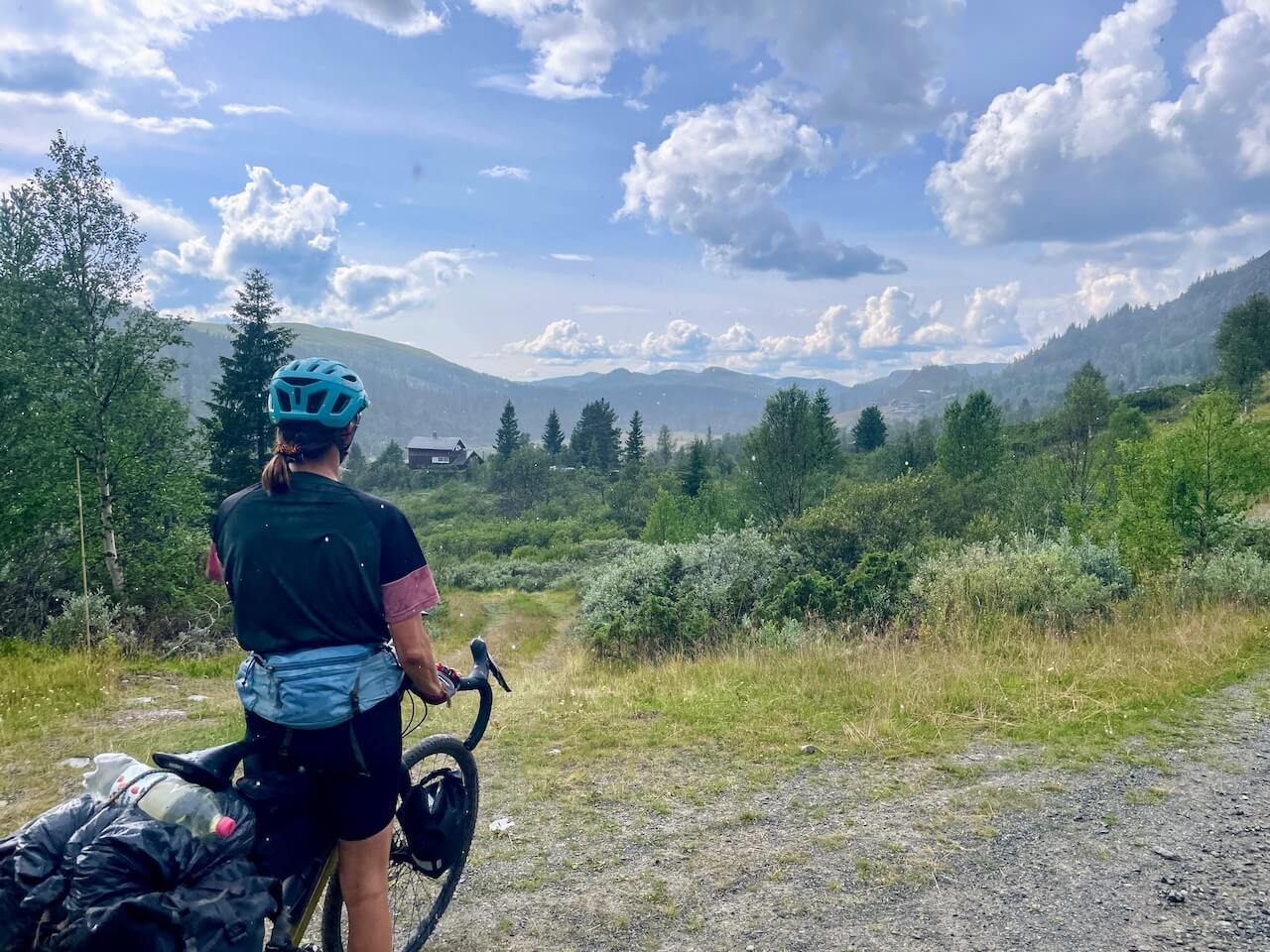
Further north, the landscape begins to open as you enter Hallingdal, where Gol and Ål act as gateways to a high mountain gravel loop connecting Ål, Hol, Hemsedal, Gol, and Torpo. Here, dam roads, old farm tracks leading to mountain pastures, and long gravel forest roads reveal a landscape shaped by hydropower, farming, and more recently, tourism. The route eventually returns to Ål or Nesbyen, completing a journey that moves from royal roads and hidden valleys to high mountains, modern infrastructure, and some of southern Norway’s finest gravel riding.
Routenplan

Wann?
- Stage 1: This section should normally be snow-free by June, and potentially earlier depending on spring temperatures and snowmelt.
- Stage 2: This section climbs above 1200m in places. A completely snow-free route should not be expected until mid to late June, although conditions vary from year to year.

Getting there?
You can start this route in Oslo, Hønefoss, Nesbyen, Gol, or Ål, all have a train station that the Oslo-Bergen train stops at. Book using the Entur app.

Gefahren
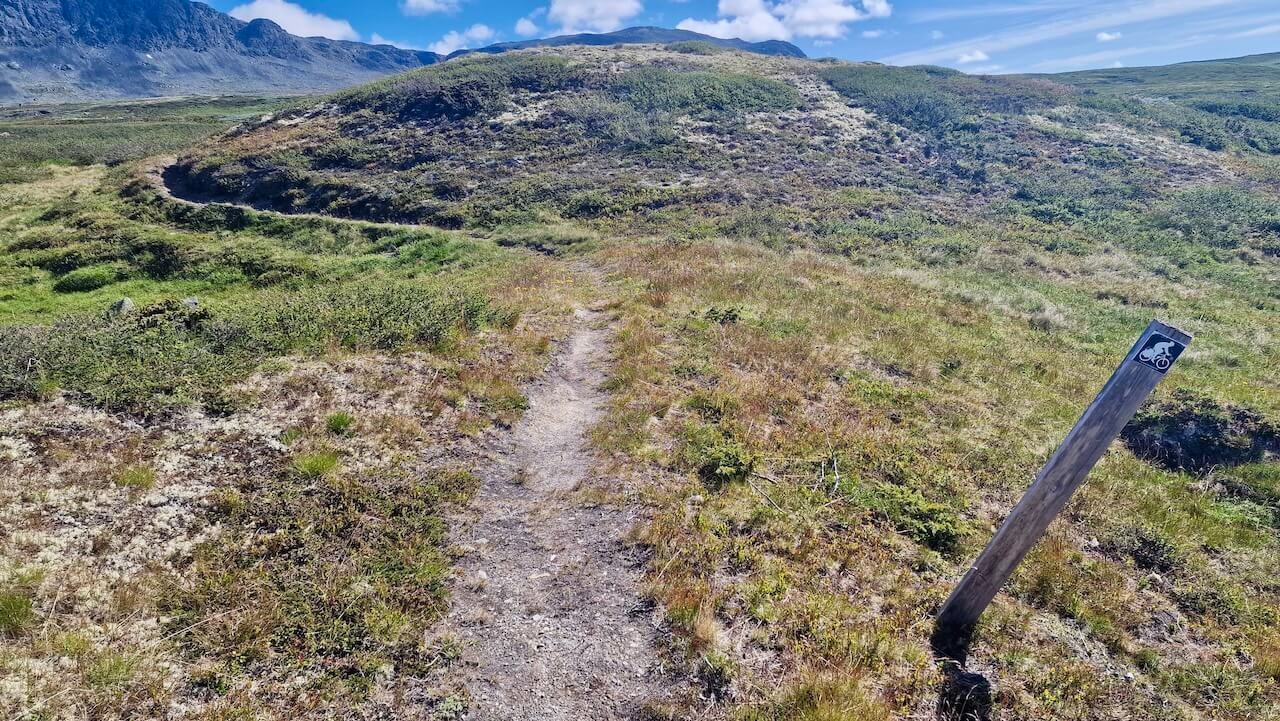
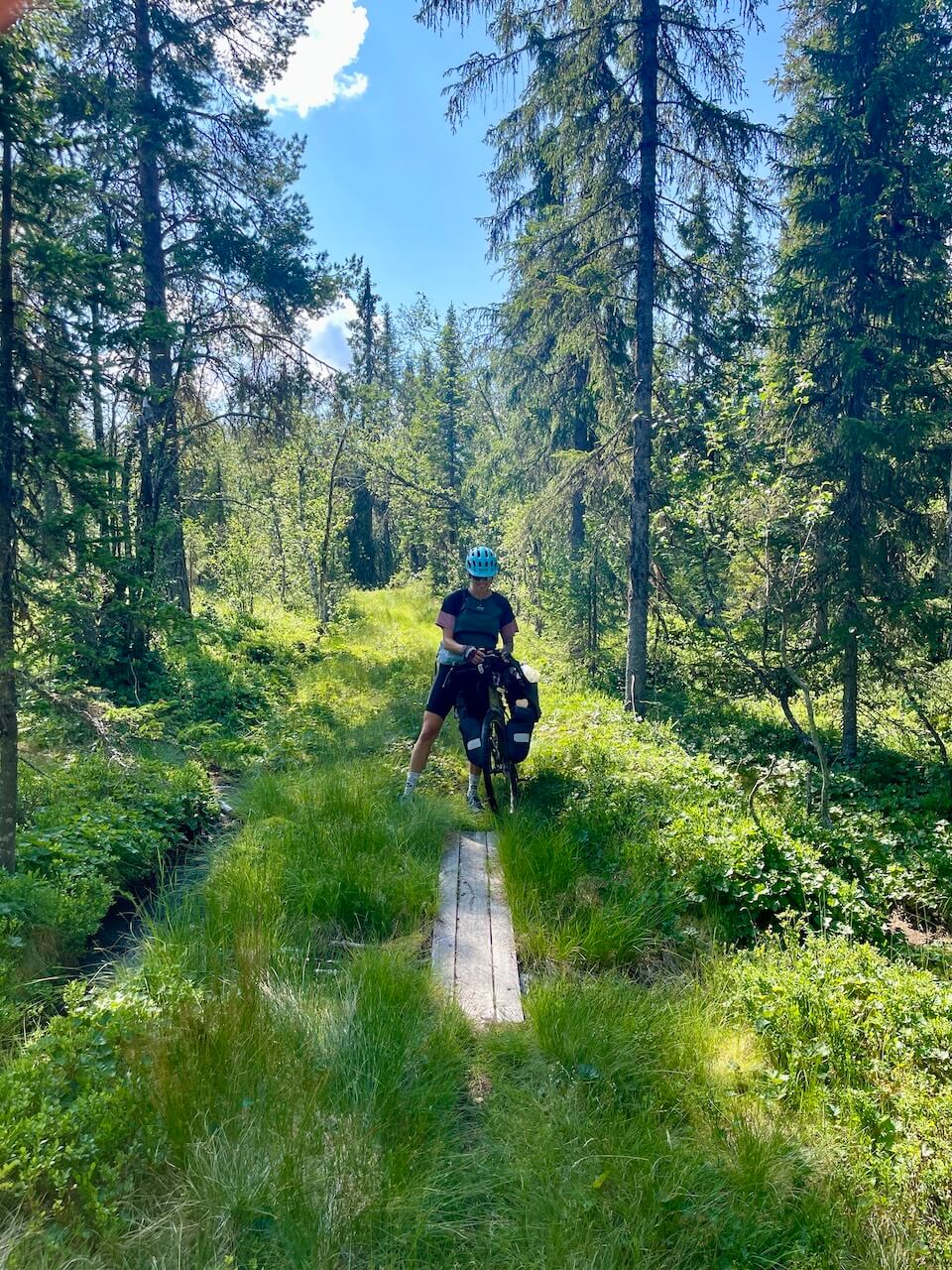
- Stage 1: There are sections of singletrack and short hiking trails where you may need to get off and push your bike.
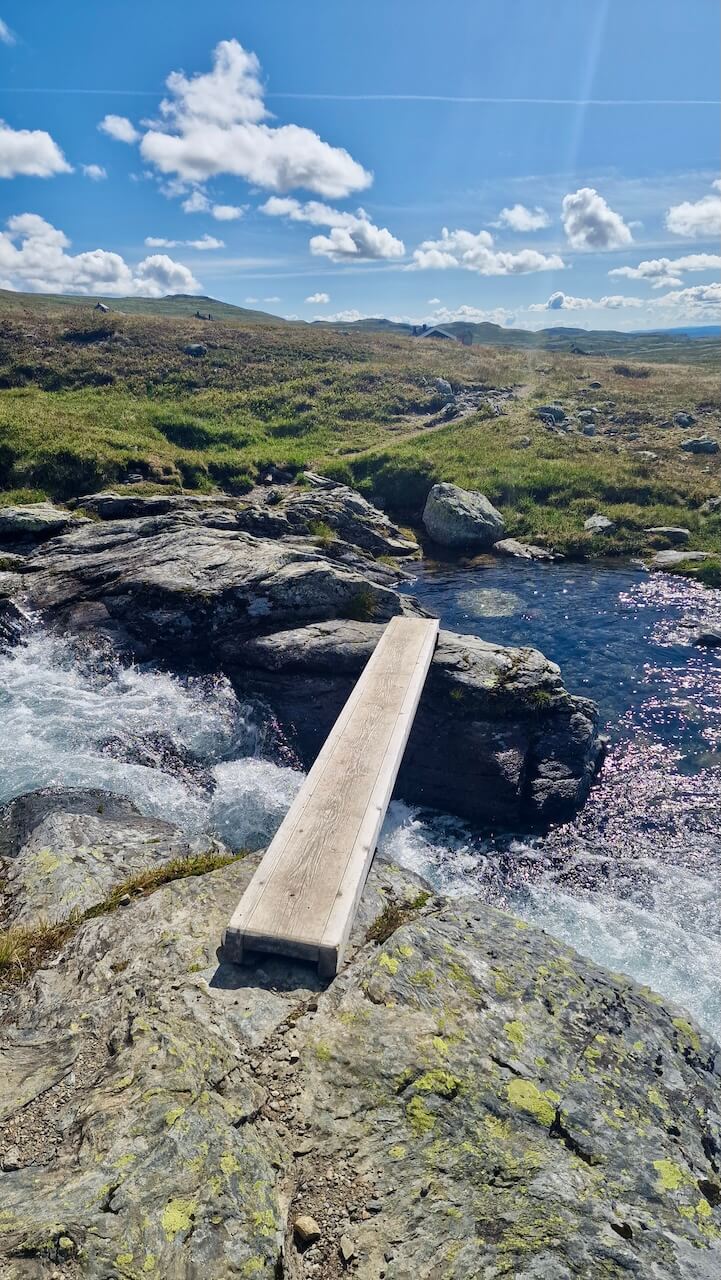
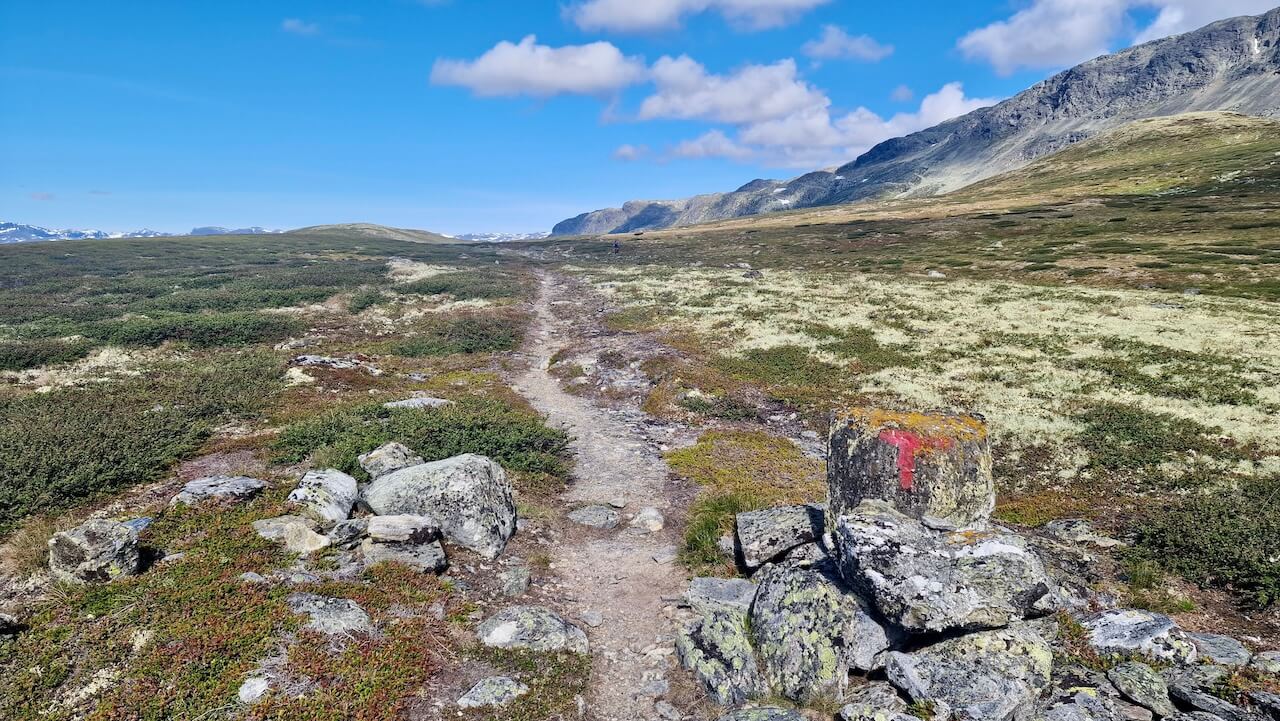
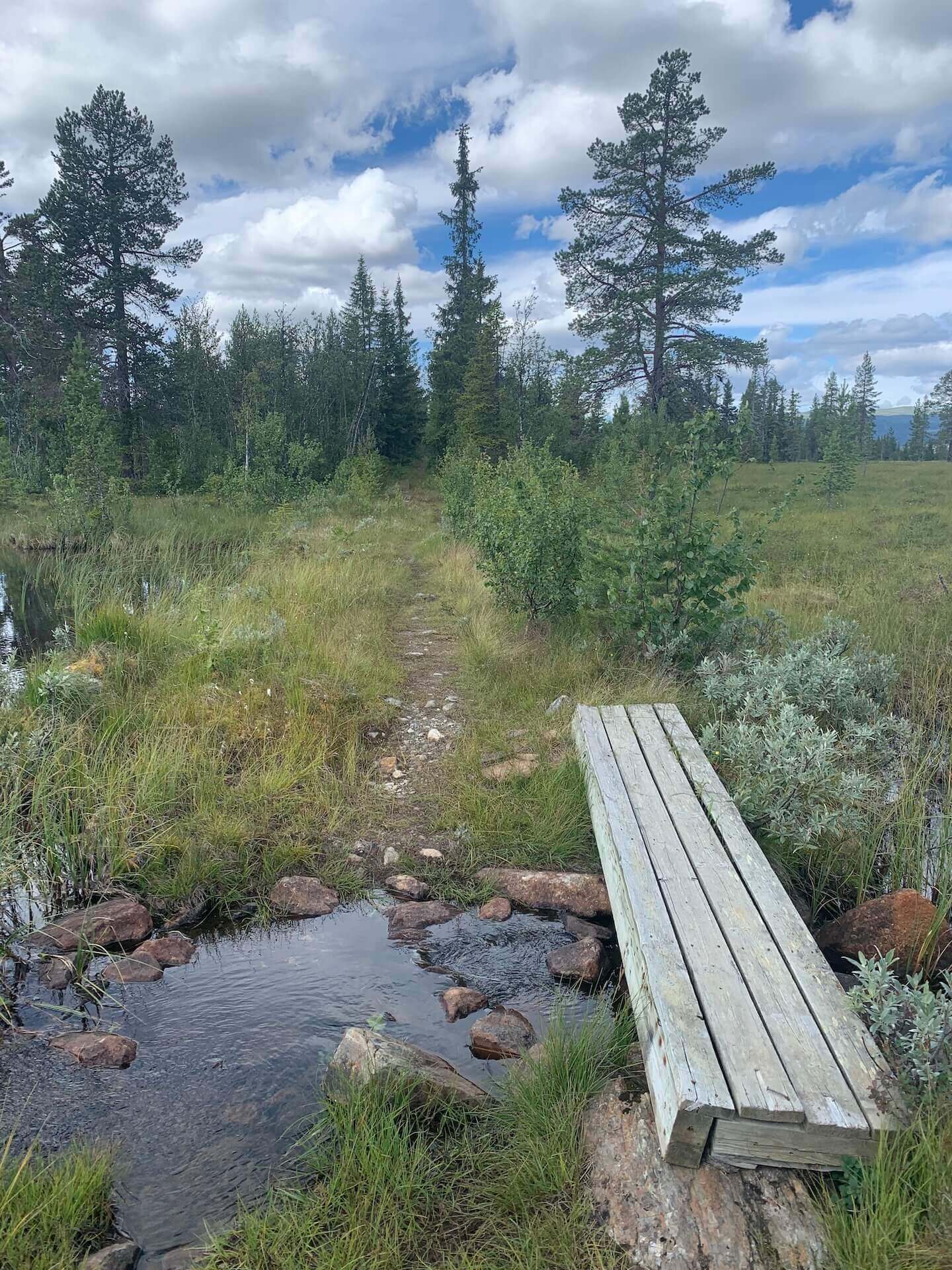
- Stage 2: A 3.5km hike-a-bike section at 1200m requires pushing or carrying your bike for most of the way. Expect wet, boggy terrain in places. Avoid this section in poor weather.

Fahrradverleih
Gol/Nesbyen
- A good overview of all options available in the surrounding Hallingdal area.
Oslo
- Sorensen Sykler Oslo (Gravel): https://www.sorensensykler.no/
- Oslo Velo (Gravel): https://oslovelo.no/pages/sykkelutleie
- Rouleurs of Oslo (Gravel): https://www.rouleuroslo.no/
- Oslo Bike Rental (MTB, Road, E-bike & Gravel): https://oslobikerental.no/

Done Mjølkevegen and Rallarvegen? Then this is what you ride next.
Lokale Empfehlungen
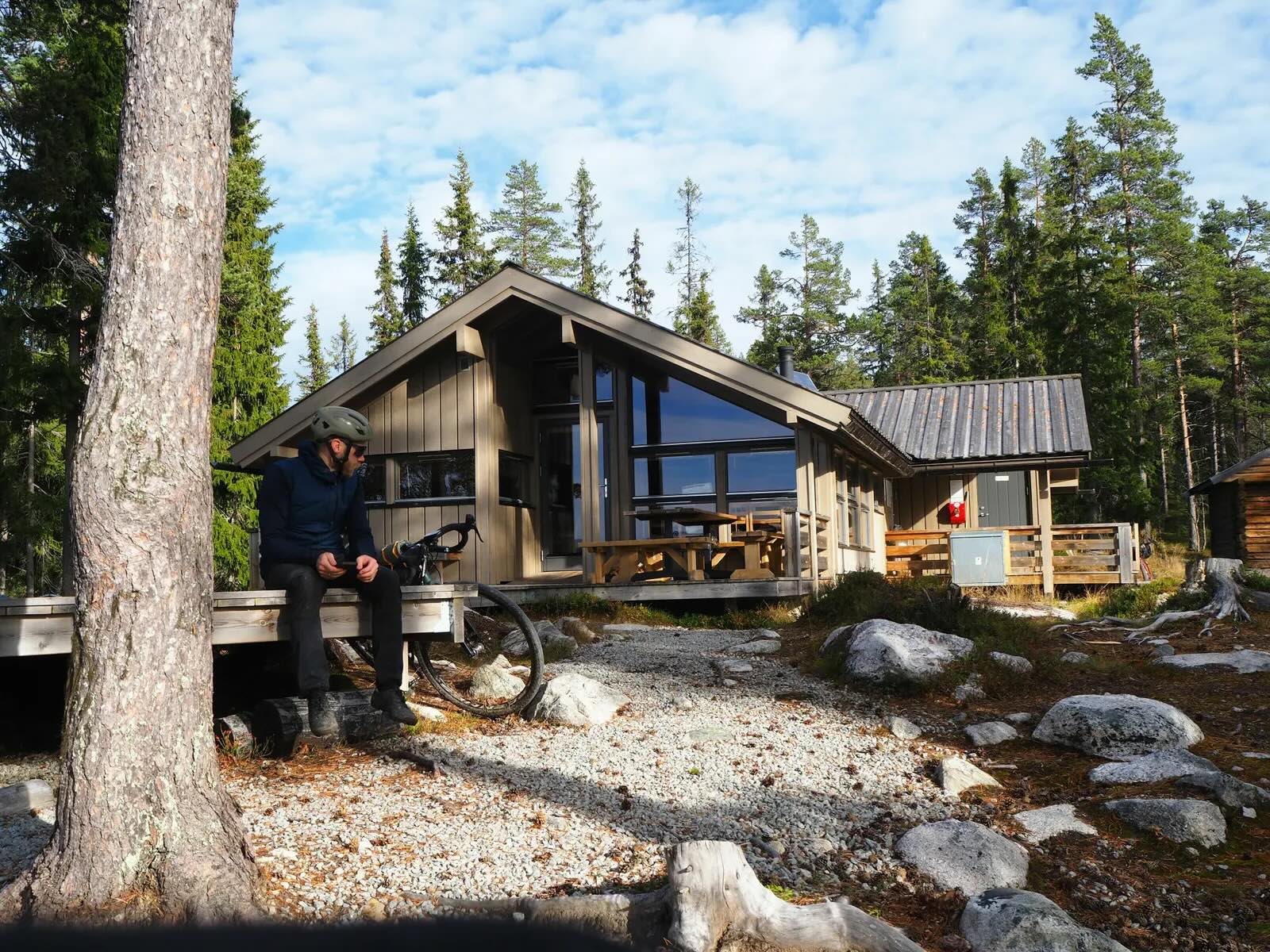
The Fønhus Cabin
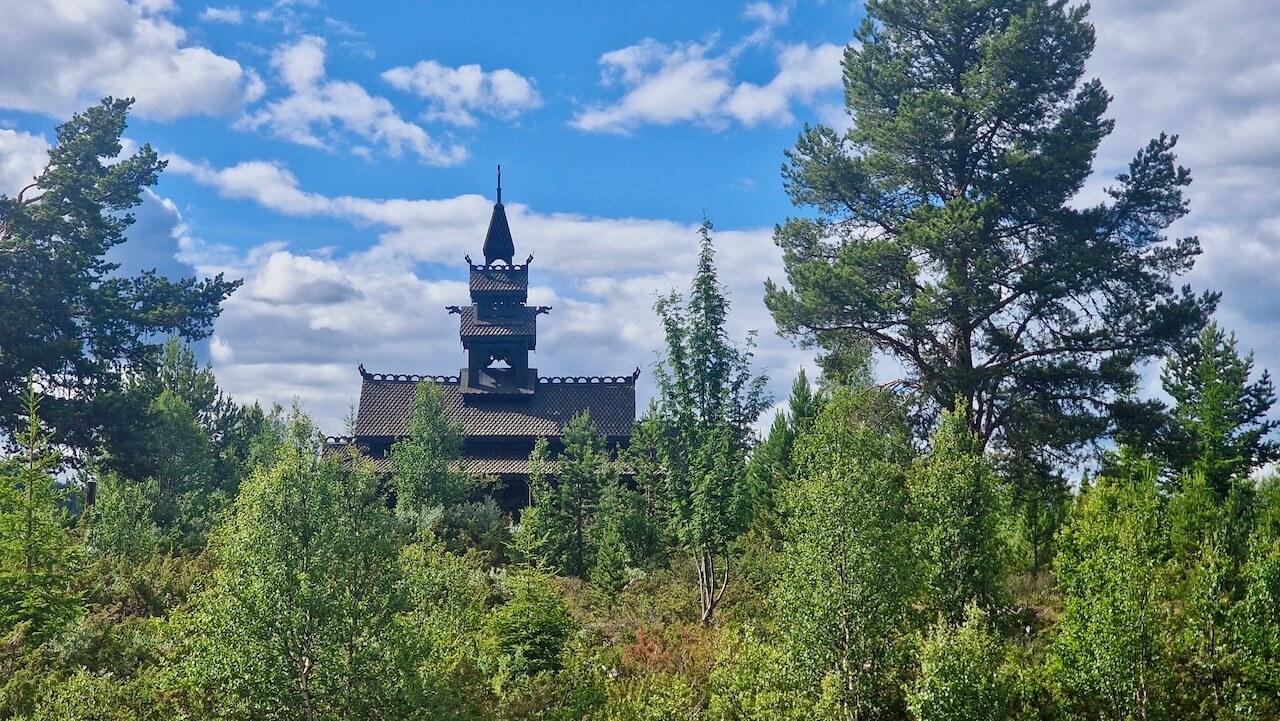
The Fønhus Cabin is named after writer and cyclist Mikkjel Fønhus, whose stories helped shape how generations of Norwegians viewed wilderness and nature. A strong critic of roads, cars, and hydropower development, Fønhus spent much of his life exploring these valleys. The cabin is a must-stop along the route and an ideal place for your first night.
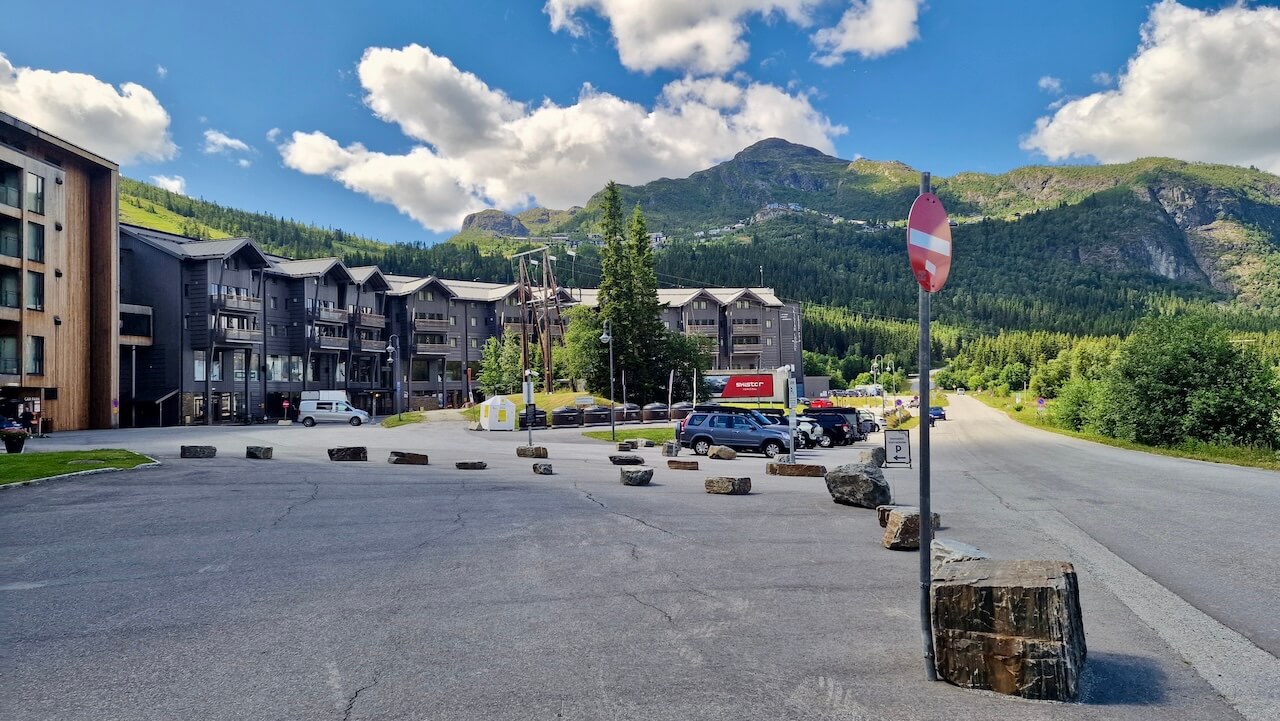
Hemsedal Ski Town
For the bikepacker passing through, Hemsedal is more than just a dot on the map; it’s a welcome pause in the high mountains. This alpine village offers everything a weary cyclist might need: a well-stocked grocery store, good coffee, and a chance to rest the legs without losing the sense of adventure. If you’re staying the night, take the ski lift and ride one of the purpose-built mountain bike trails or spin out your legs along quiet gravel roads leading into side valleys.
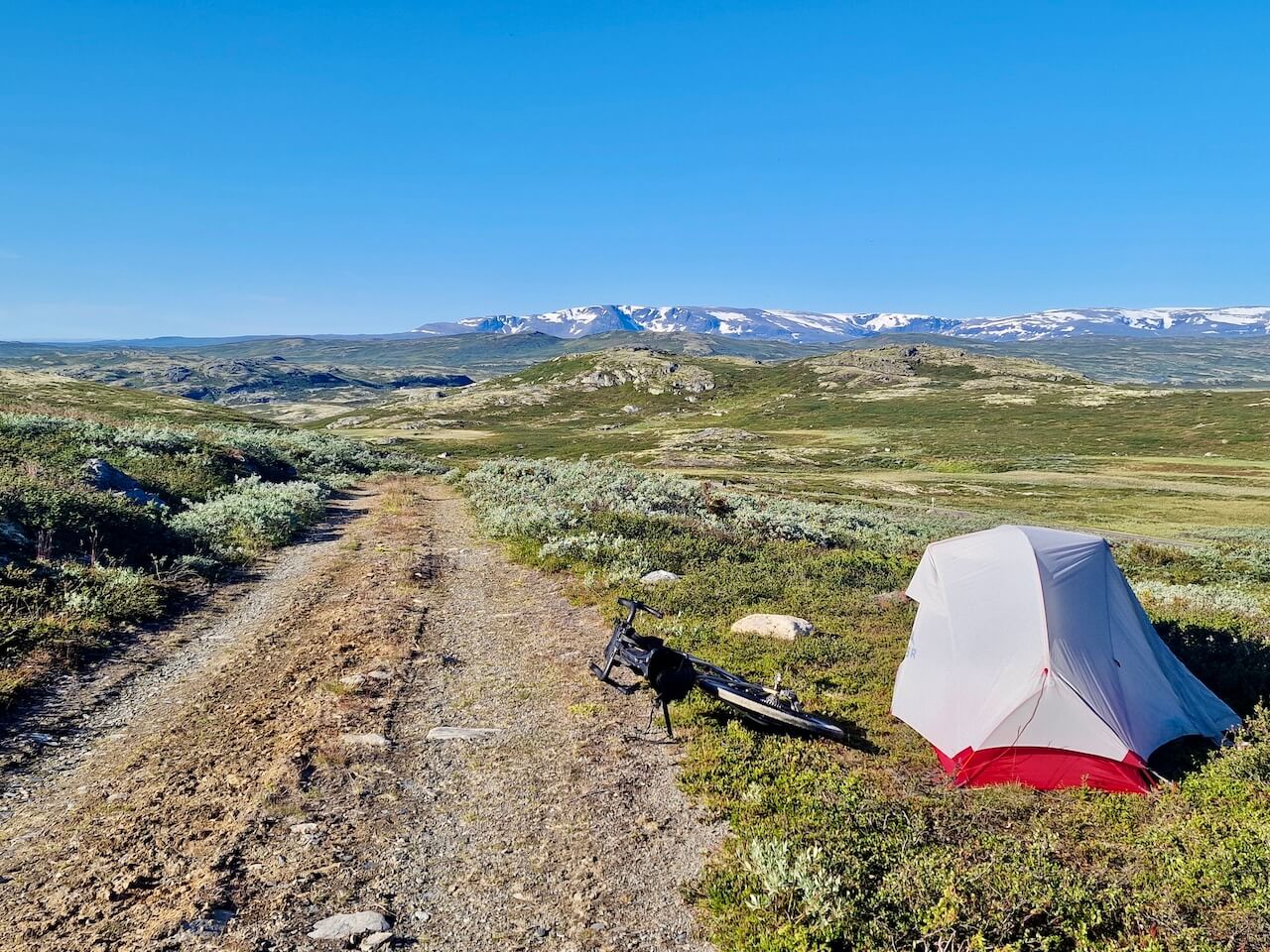
Wild Camping on Hallingdal Plateau
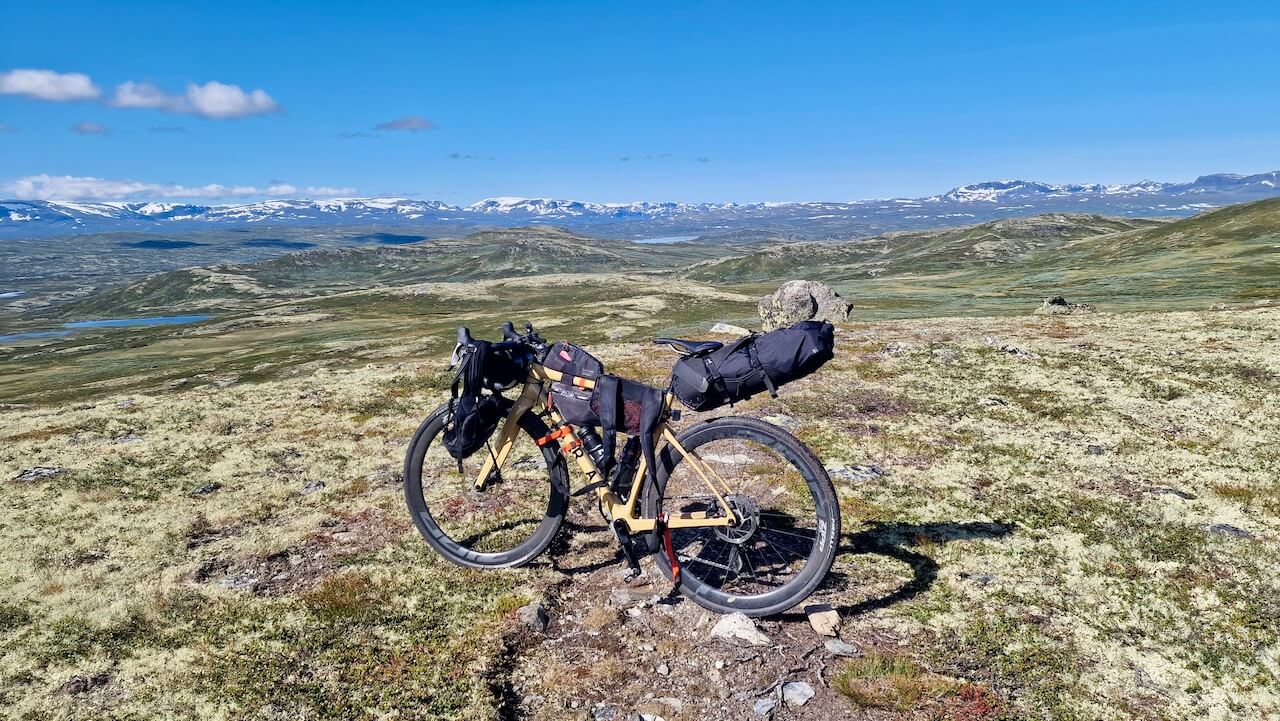
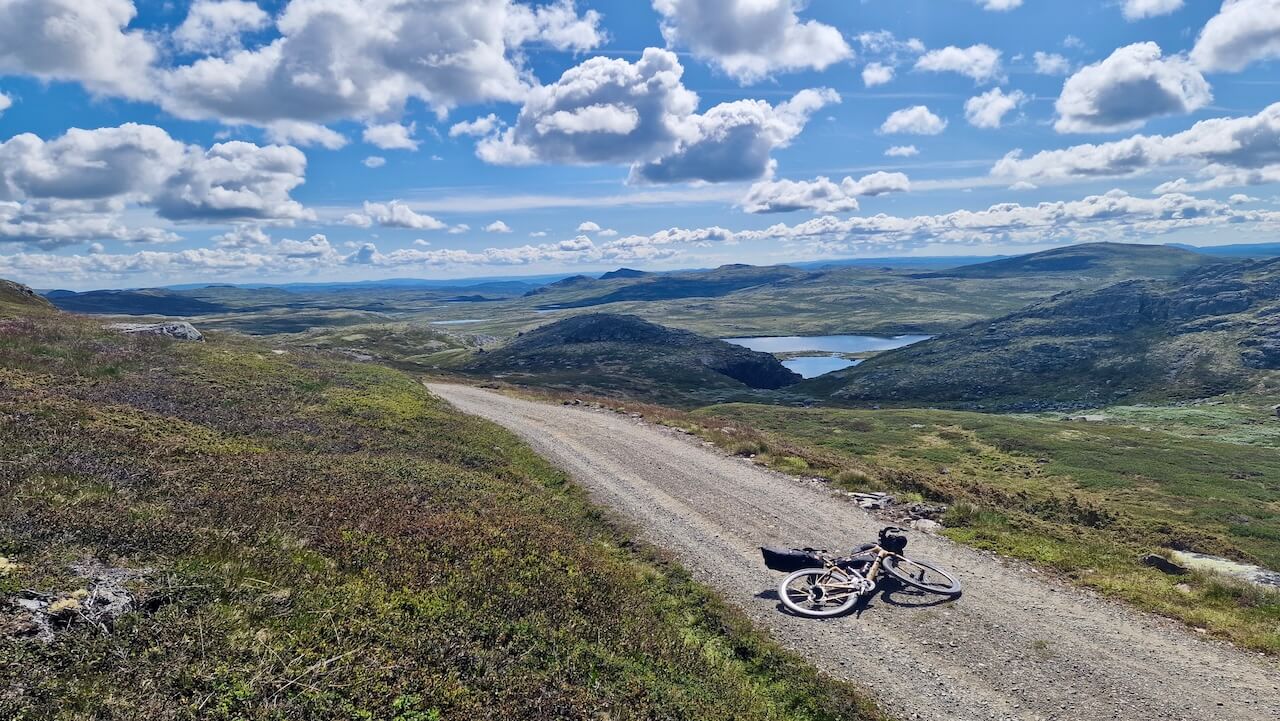
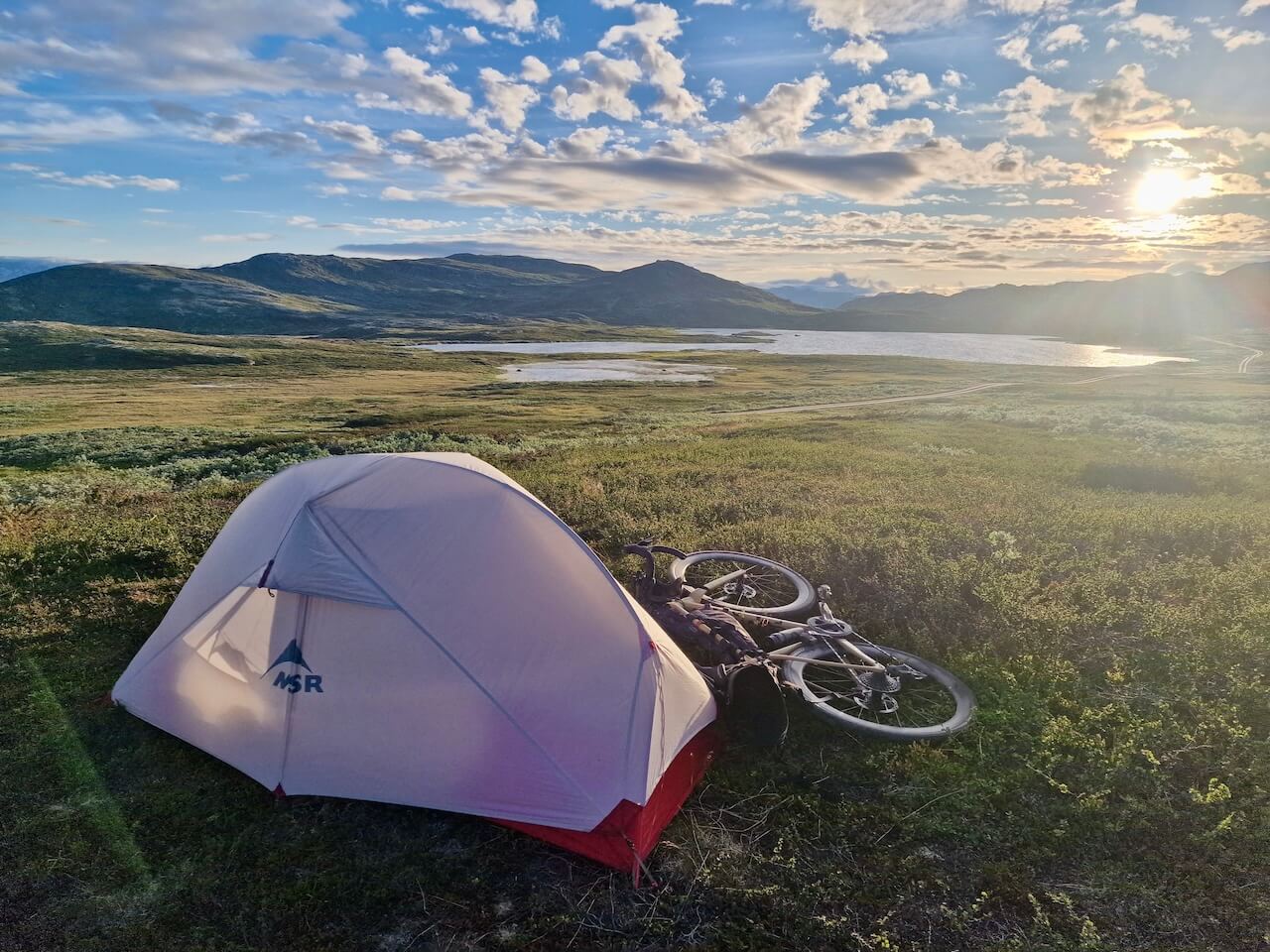
It’s a challenging climb up onto the plateau, and by the time you reach the top and cycle the gravel roads along large hydro lakes, you might feel you want to make the most of this experience. There are private cabins in the area, so ensure you are at least 150m away and pitch your tent in a wild and remote environment. Isn’t this what bikepacking is all about?
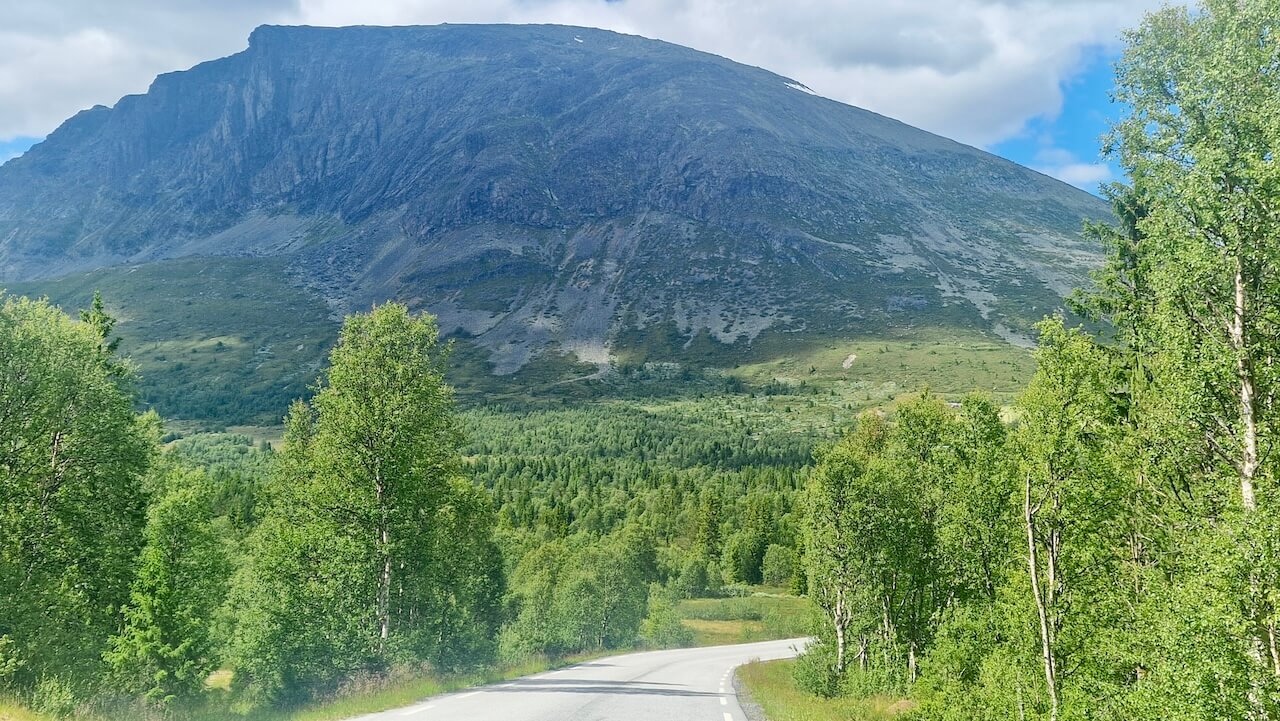
Panaroma Road
Cycling Norway’s Panorama Road is a dream ride for bikepackers, starting on smooth asphalt, then escaping the buzz of cars for a breath of fresh solitude on a hidden single‑track section. That narrow trail winds through alpine pastures and birch woods, giving you quiet time and scenic reward. It’s that blend of polished route and secret off‑road detour that makes this stretch unforgettable.
Nützliche Links
Booking.com – für Unterkunftsmöglichkeiten in ganz Norwegen
Entur App – zur Planung von Fahrten mit öffentlichen Verkehrsmitteln in ganz Norwegen
Fähren – Routen, Fahrpläne und Informationen von Statens Vegvesen
Wildcamping-Etikette – wichtig zu wissen
Weiterführende Literatur


Beachten Sie
Alle auf CYCLENORWAY.com veröffentlichten Radrouten dienen als Planungsressource und Inspirationsquelle, die Sie in Verbindung mit Ihrer eigenen Recherche und Ihrem Urteilsvermögen nutzen sollten. Die Routen werden mit sorgfältiger Recherche erstellt, aber jeder Radfahrer hat unterschiedliche Fähigkeiten, Erwartungen und Risikobereitschaft. Einige Routen können Abschnitte mit Schiebe-/Tragepassagen, schlammige oder nasse Wanderwege, technisches Gelände, steile Anstiege, Abfahrten oder abgelegene Gebiete enthalten, die möglicherweise nicht für jeden geeignet sind. Routendaten, Kartensoftware und Bedingungen können sich auch ändern oder Ungenauigkeiten enthalten. Radfahren in Norwegen ist im Allgemeinen sehr sicher. Wenn Sie sich dennoch entscheiden, diese Routen zu befahren, tun Sie dies auf eigenes Risiko.






Schreibe einen Kommentar