



Lake Mjøsa is Norway’s largest lake at a length of 117km. It is also one of Europe’s deepest lakes and has a larger average depth than both the North Sea and Baltic Sea respectively. I have cycled around it a few times and there is even a race each year called Mjøsa Rundt if you fancy doing 230km in one go!
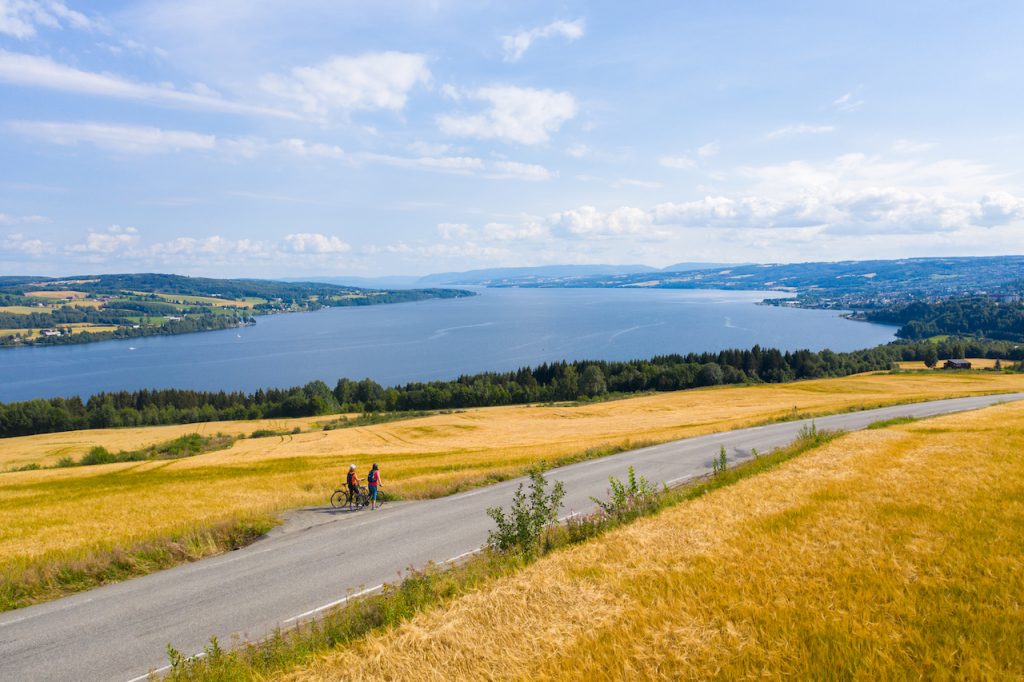
Like with most routes in Norway, there is no official cycling path all the way around. The best section for cycling is between Minnesund and Hamar where you will find cycle paths and even a very cool cycling tunnel. The area between Lillehammer and Gjøvik has both quiet country roads and short sections on the uncomfortable main road 4. Nevertheless, overall it’s a fullfilling ride, with warm average temperatures to enjoy in the summer. In addition, numerous cultural and historic attractions give you a greater insight into the richness of this agricultural area of the country.
However, the hidden gem missing from the route above is the ride around the peninsular of Nes and Norway’s largest freshwater island, Helgøya.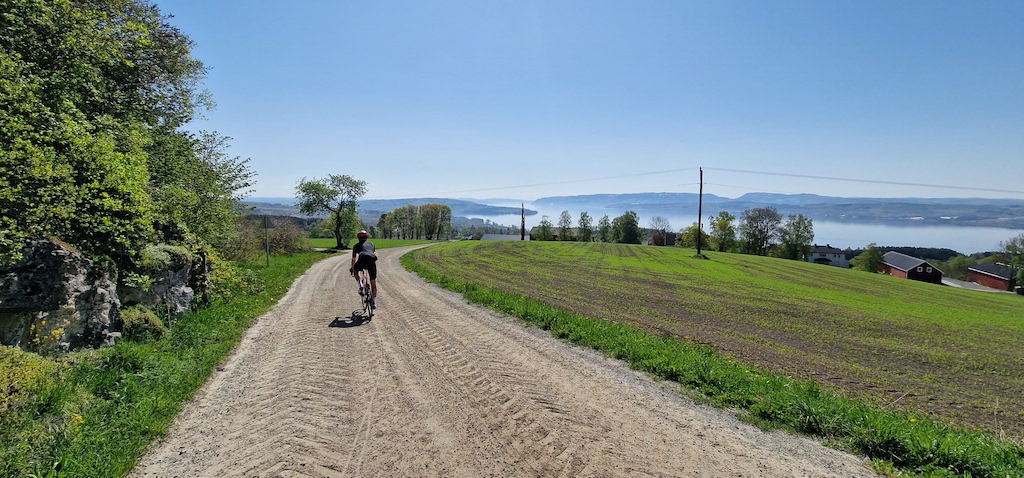

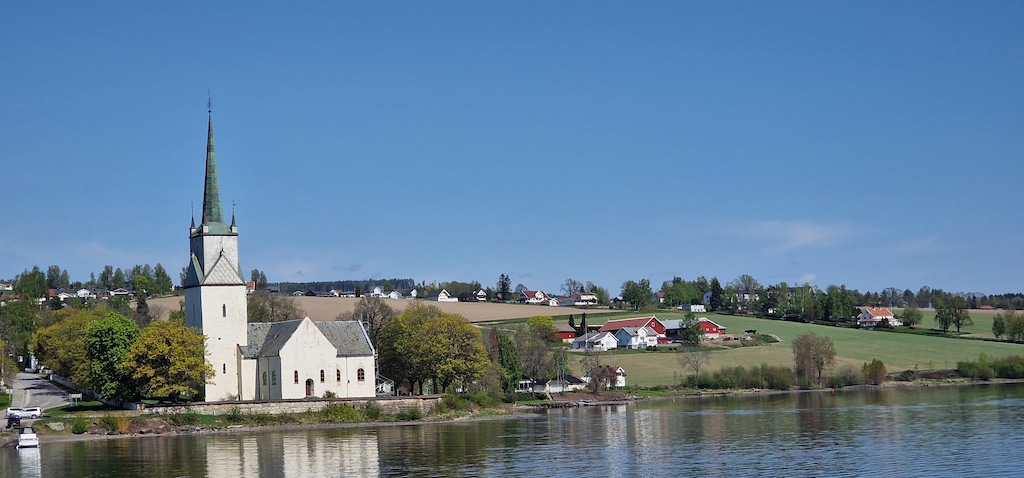
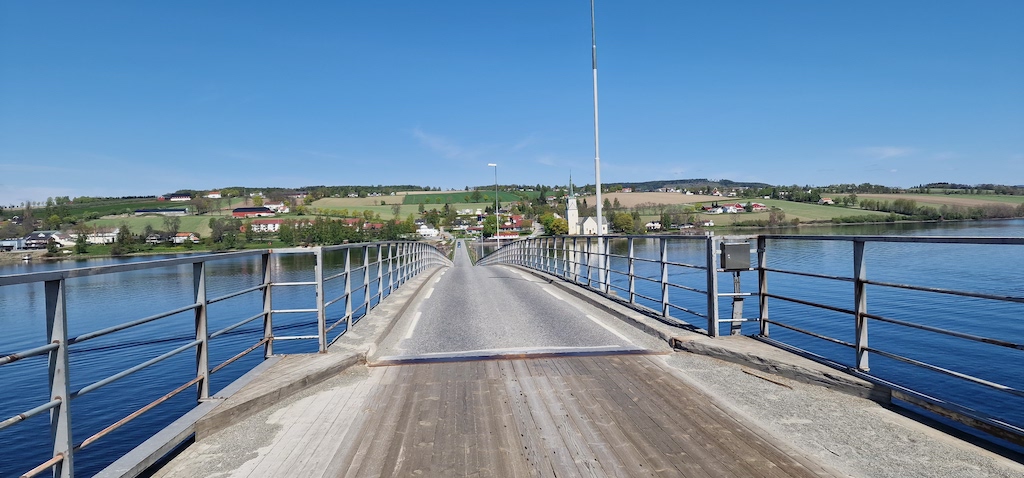
During the 1994 Lillehammer Winter Olympics, many of the VIP guests stayed in this area. You understand why as you begin to cycle Nes peninsular. The whole area is very special and extremely well looked after. All the farms are historic and beautiful, there are exclusive hotels hidden down old roads and the views of Mjøsa are spectacular as you descend toward the island of Helgøya. The area has numerous gravel roads which are immaculately maintained by the local farms giving you a sense that you’re in Tuscany.

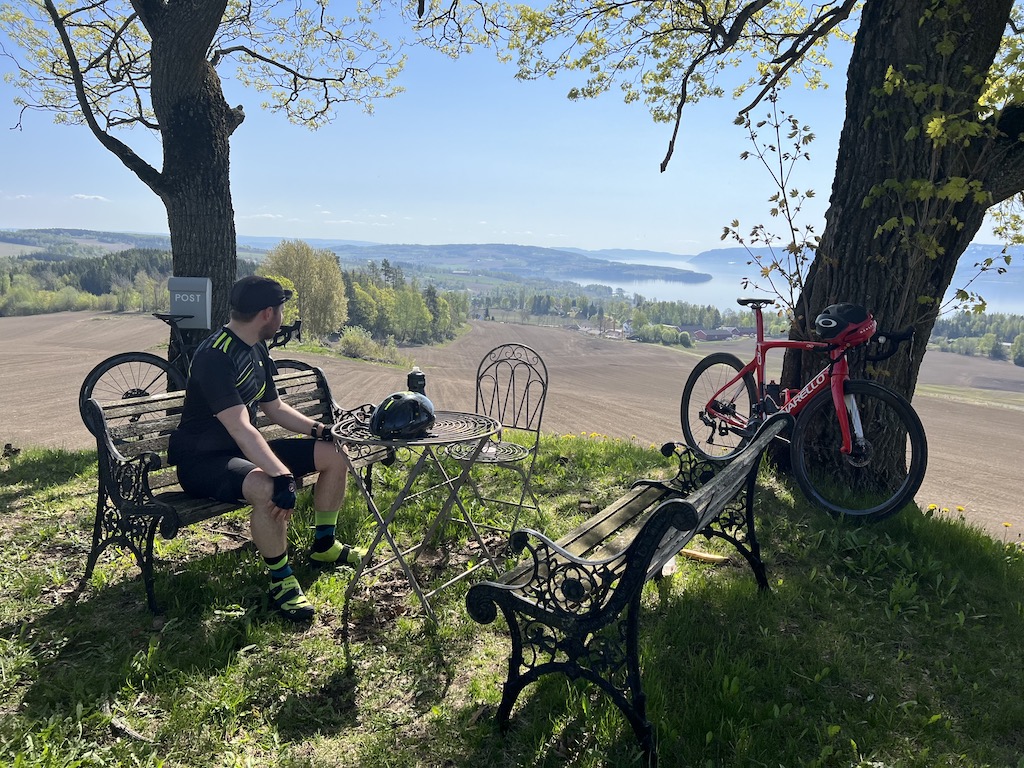
On a sunny day, It’s a slice of Nordic paradise where everything seems perfect.
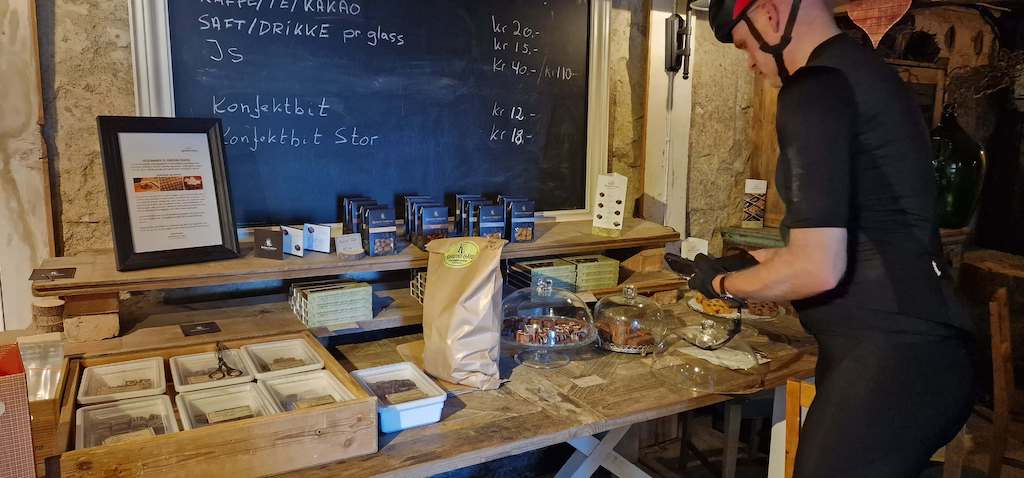
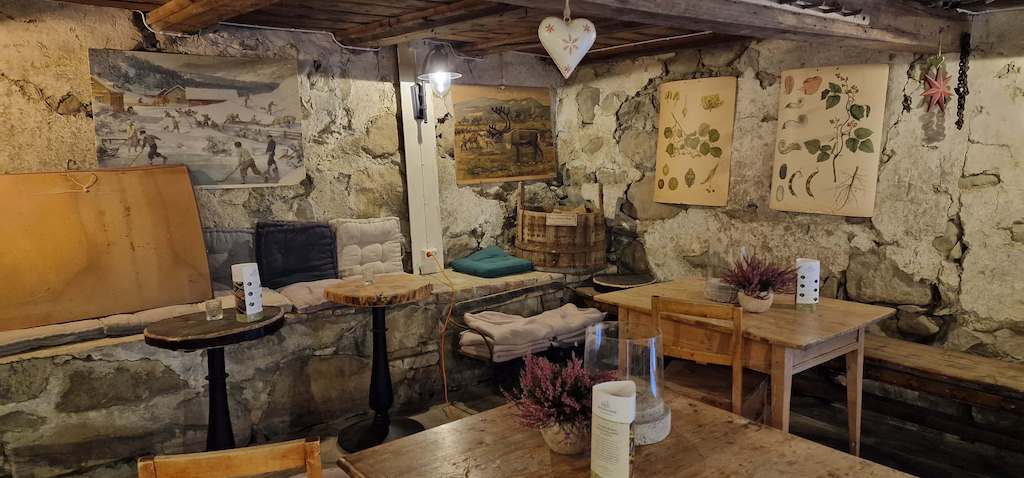
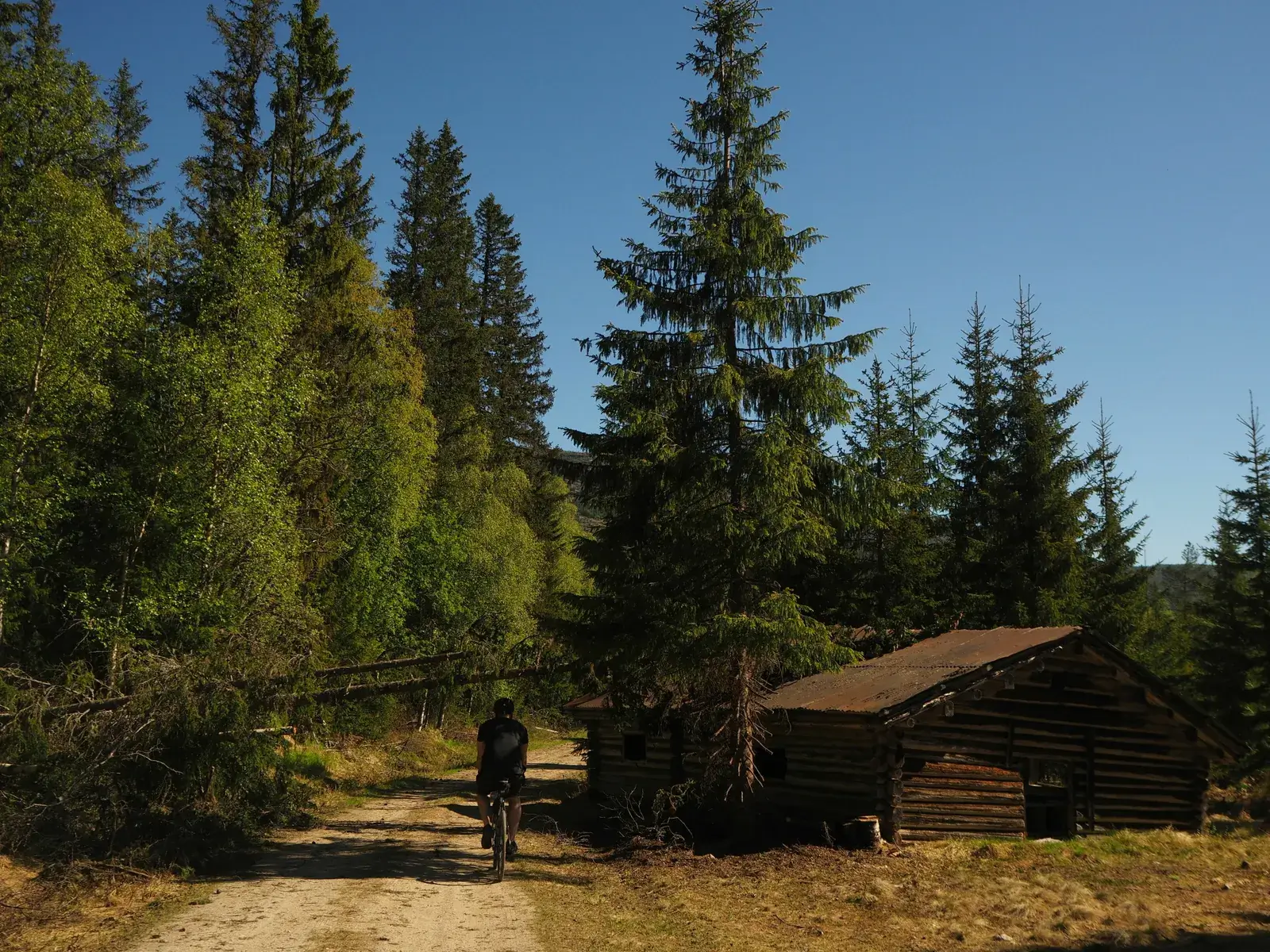
The route above is a good example of mixing gravel with paved roads. However, there are more opportunities to increase your gravel experience if you don’t mind zig-zagging across the landscape. You will see the terrain is up and down and expect a few short climbs that will raise your heart rate. My advice is to take your time. Stop at the beautiful white churches and enjoy a coffee at the local rest stops along the way. The homemade chocolate from Kvarstad Gaad is famous in the area and better than anything I’ve tried in Belgium!
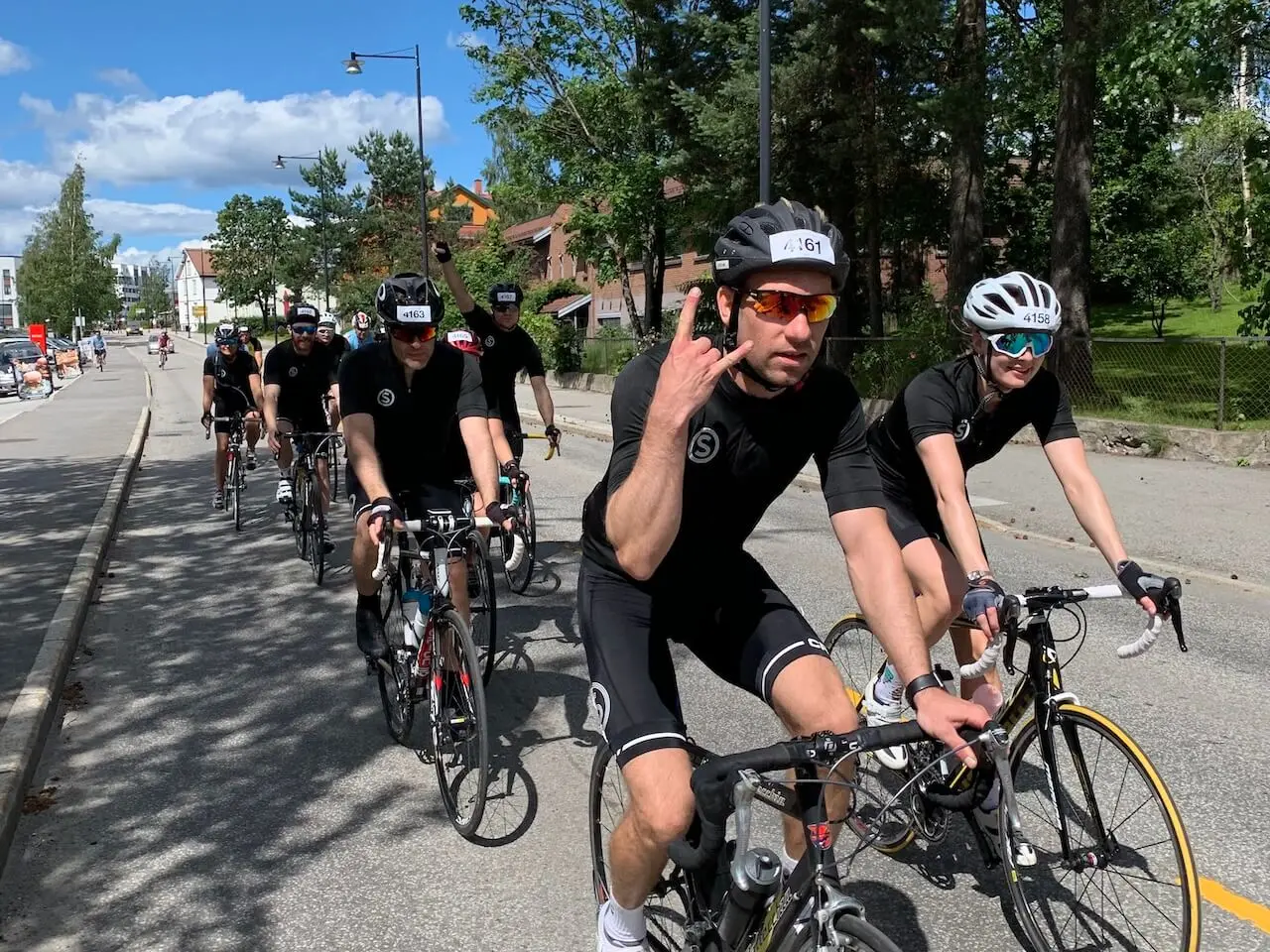
The traffic is light on the paved roads but expect some tourist traffic at weekends. We met many local cyclists along the route and chatted with a few at a cafe with stopped at. We rode the route on road bikes with 26-28mm tires. However, if I came again I would bring my gravel bike with tires between 32-40mm for extra comfort. A gravel or mountain bike gives you more options to explore the less-used gravel sections that might be a bit rougher to ride. I should note, we also saw plenty of people on e-bikes and there is one place to rent them on Nes.
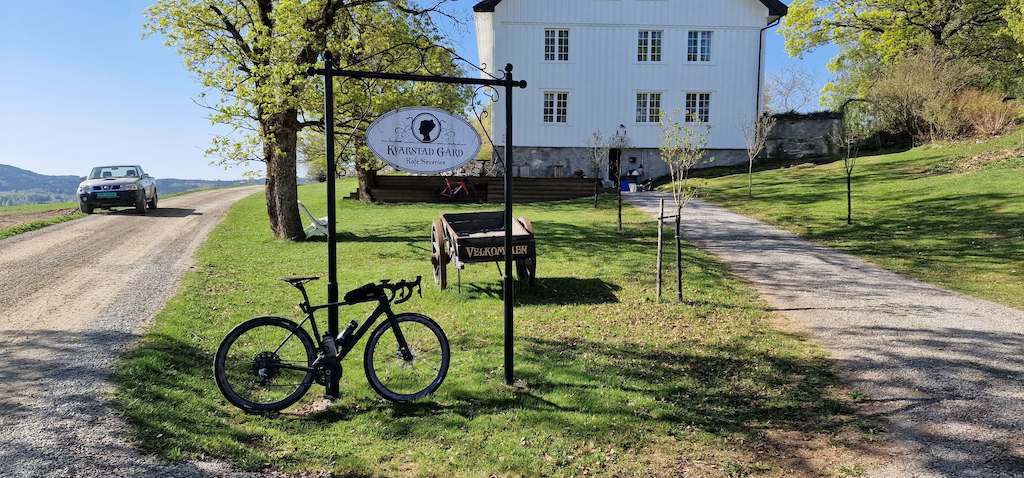
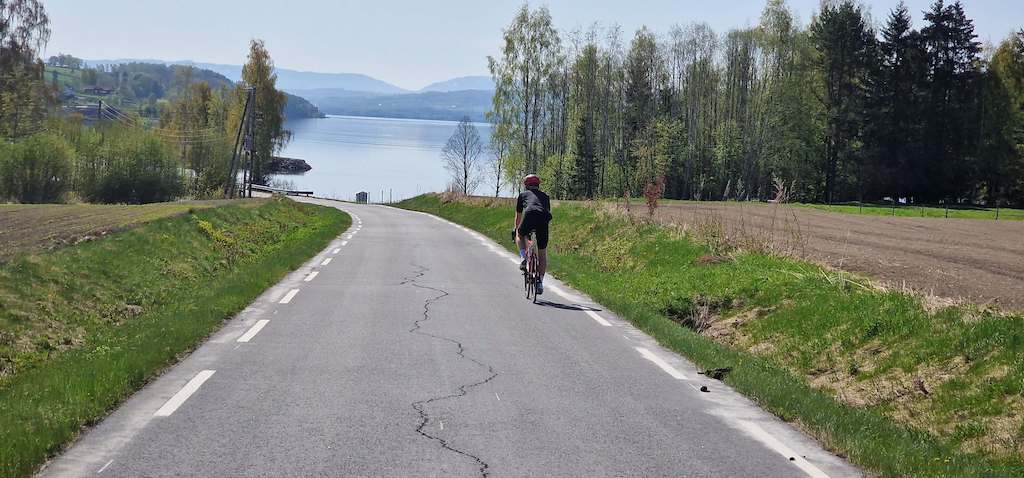
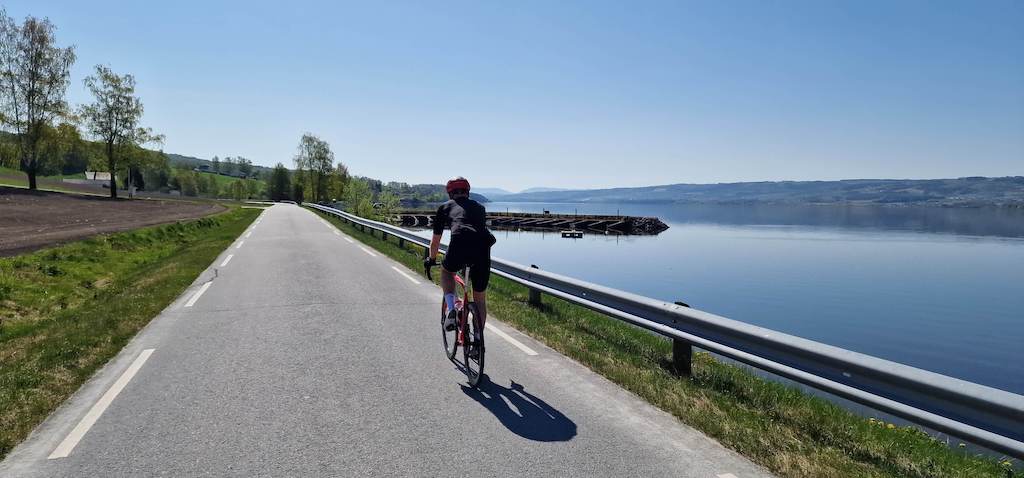
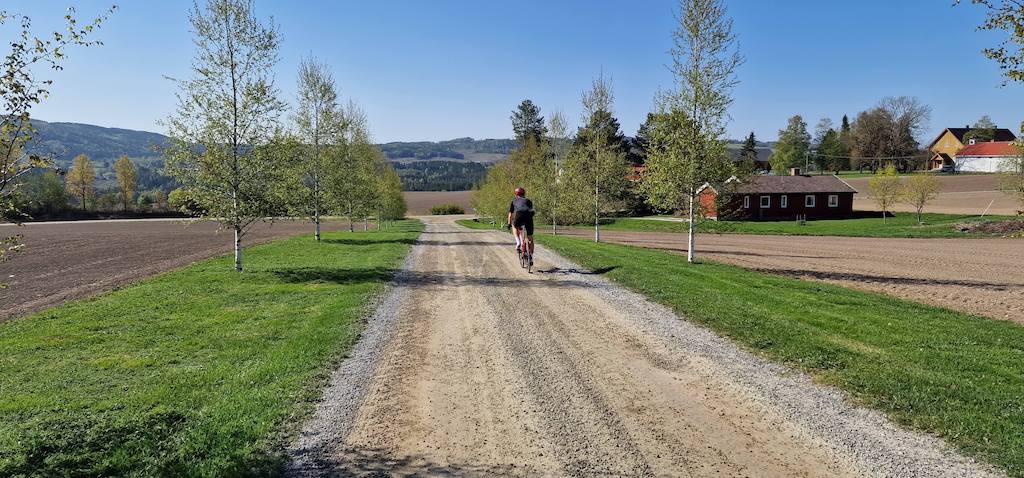
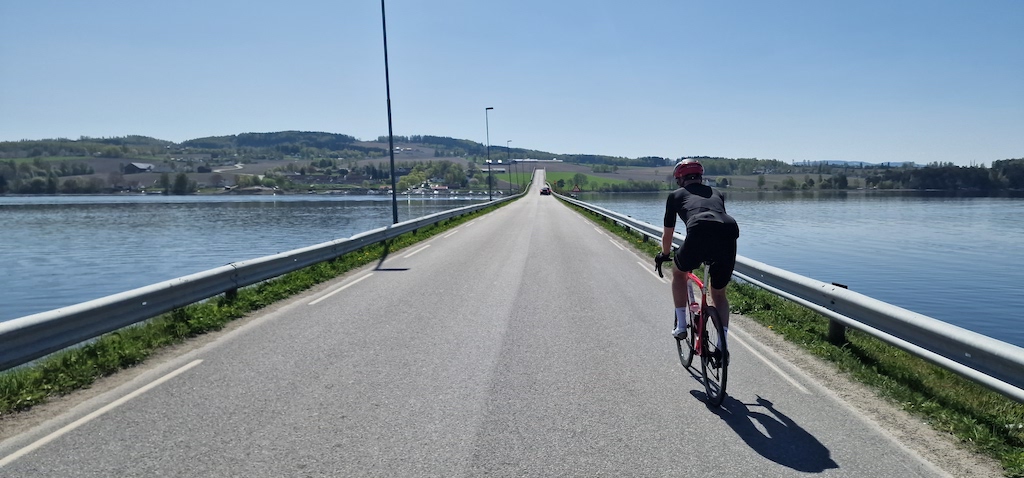
Lastly, remember, there are plenty of places to take a dip in Mjøsa (see the route map) and during summer the temperatures should be comfortable! I could have stayed here all day and night. You will feel how special this place is if you visit on a bike! Any questions ask below in the comment box.
Reasons to Cycle the South East of Norway
- Weather is more stable, with higher average temperatures
- The land is flatter with plenty of gravel options.
- Historic and cultural attractions are plentiful.
- Fewer tourists than on the west coast
- Beautiful unique surroundings give you a contrast to the fjord region
How to get there: Take a train from Oslo or Trondheim to Brunmunddal where the route begins. www.vy.no/en
How long: It can be cycled in a day but it’s worth breaking it up and staying in the area to explore some extra gravel roads.
Accommodation options and other points of interest are found on the route map above
Useful links:
Cycling around Mjøsa: https://en.visitostnorge.no/mjostrakk
Add some extra gravel sections to consider: https://mjossykling.no/sykkelkart/
Famous Steamboat across Mjøsa: https://www.skibladner.no/home
Long-distance routes that pass this area: https://cyclenorway.com/routes/national-cycle-routes/overview/route-7/the-pilgrim-route/




Schreibe einen Kommentar