Lysefjorden Loop

Norway’s infamous 27 Switchback Road
Embarquez pour une évasion ultime vers un fjord à couper le souffle et des montagnes imposantes, plongez dans la grandeur et la puissance de la nature avant de retrouver les plaines sereines et la civilisation.

Quand

Late May - September

Rédigé par

Matthew Tolley

Distance

190 km

Jours

1-3

Point culminant

918m

Difficulté

8/10

Non goudronné

0%

Montée totale

2408m

Ferries

1

Tunnels

4

Fjord Cruise Anyone?

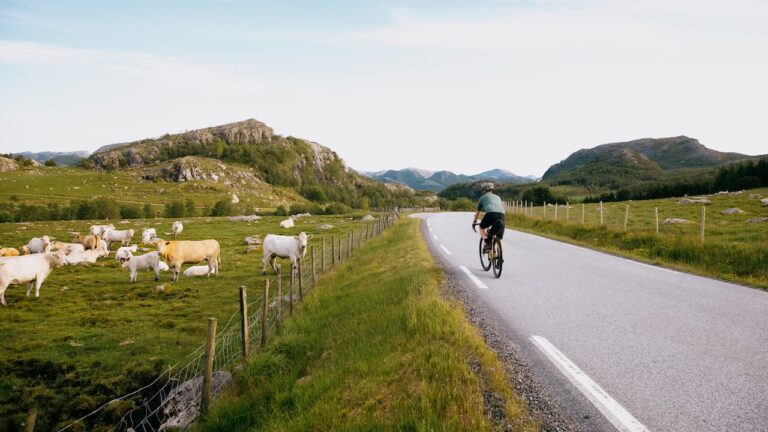
Any cycling loop that includes a fjord cruise is sure to be good right? Well, that is certainly the case with Lysefjorden loop. This 150km+ ride (190km+ with fjord cruise) is a real highlight of southern Norway and a favourite among road cyclists looking for tough climbs, wild roads and smooth tarmac. It is hard to believe a day ride that begins in a populated area has wild remote roads just around the corner. This is Norway in a nutshell and why ride like this should be on any road cyclists bucklist!


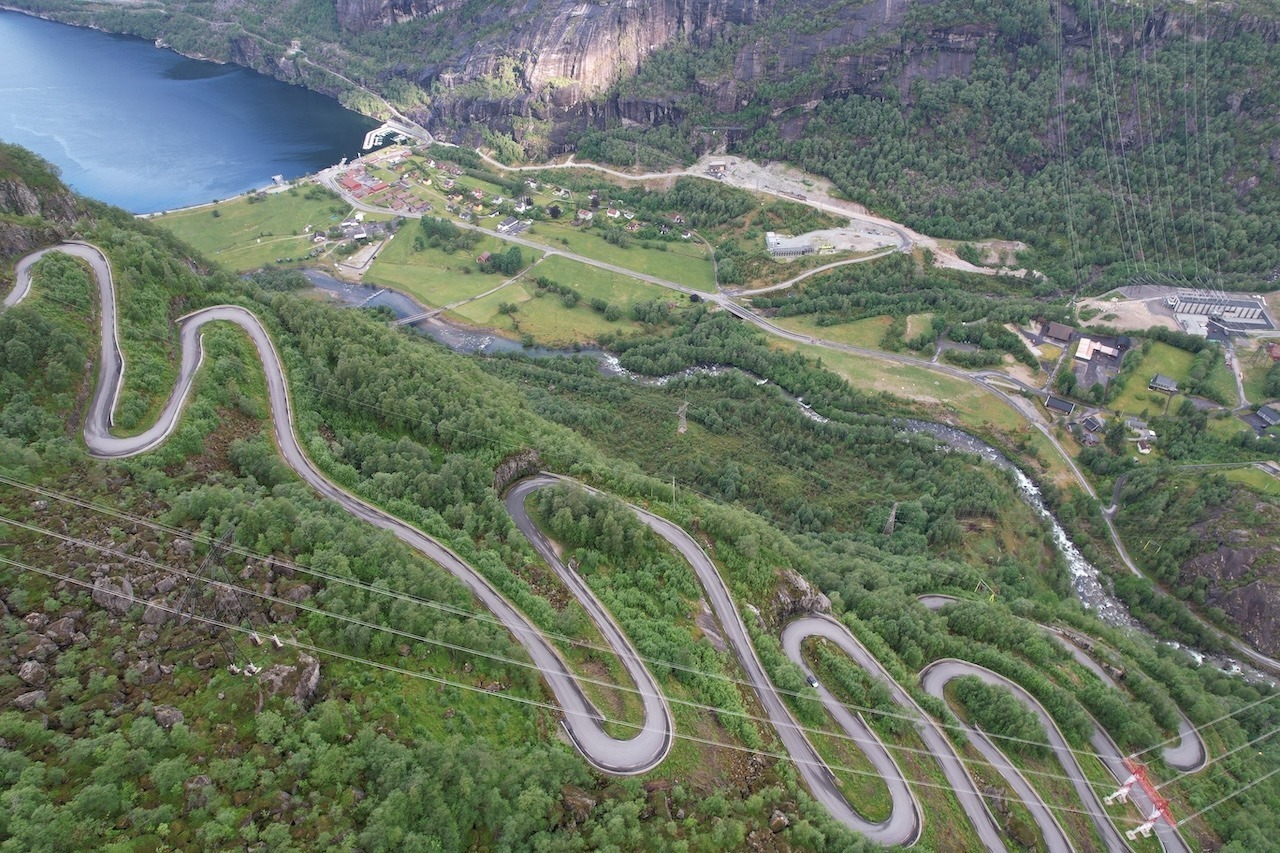
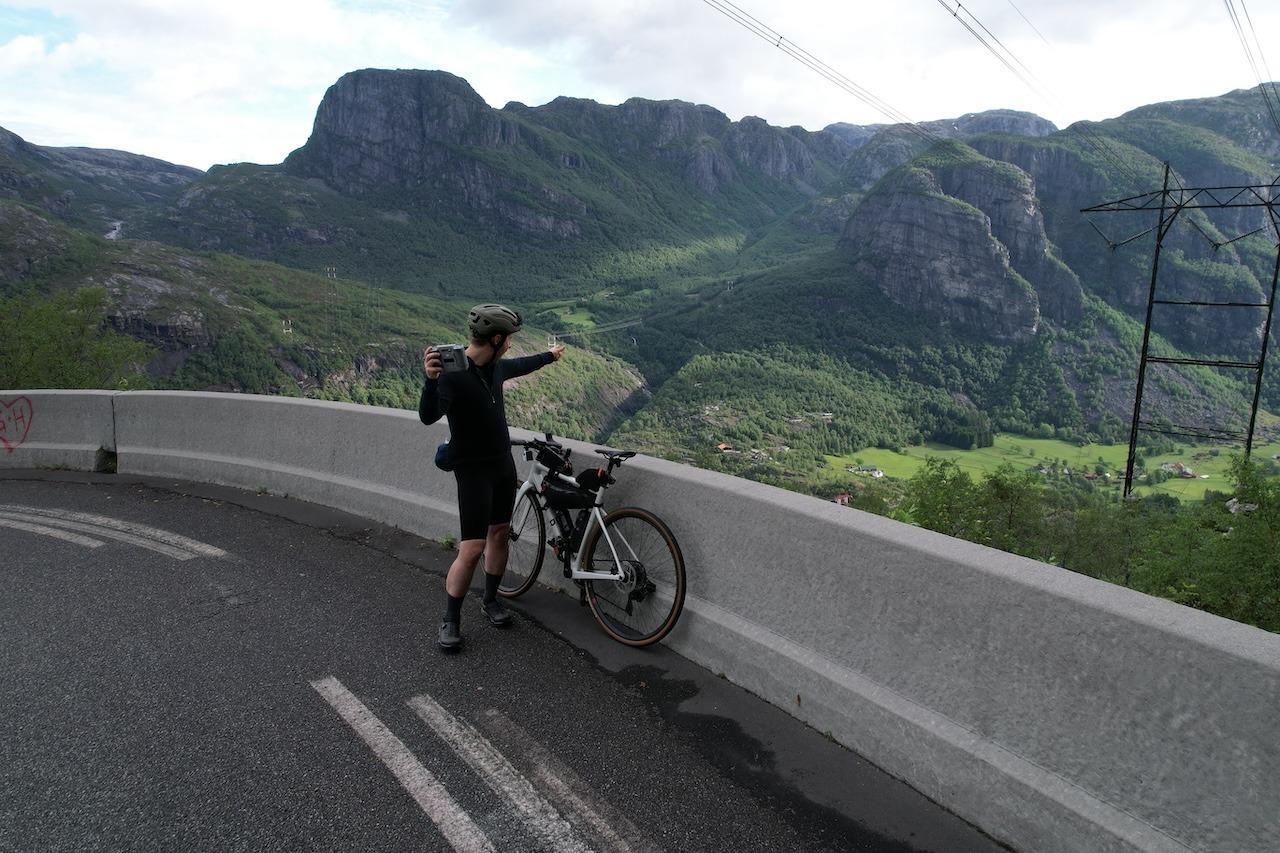
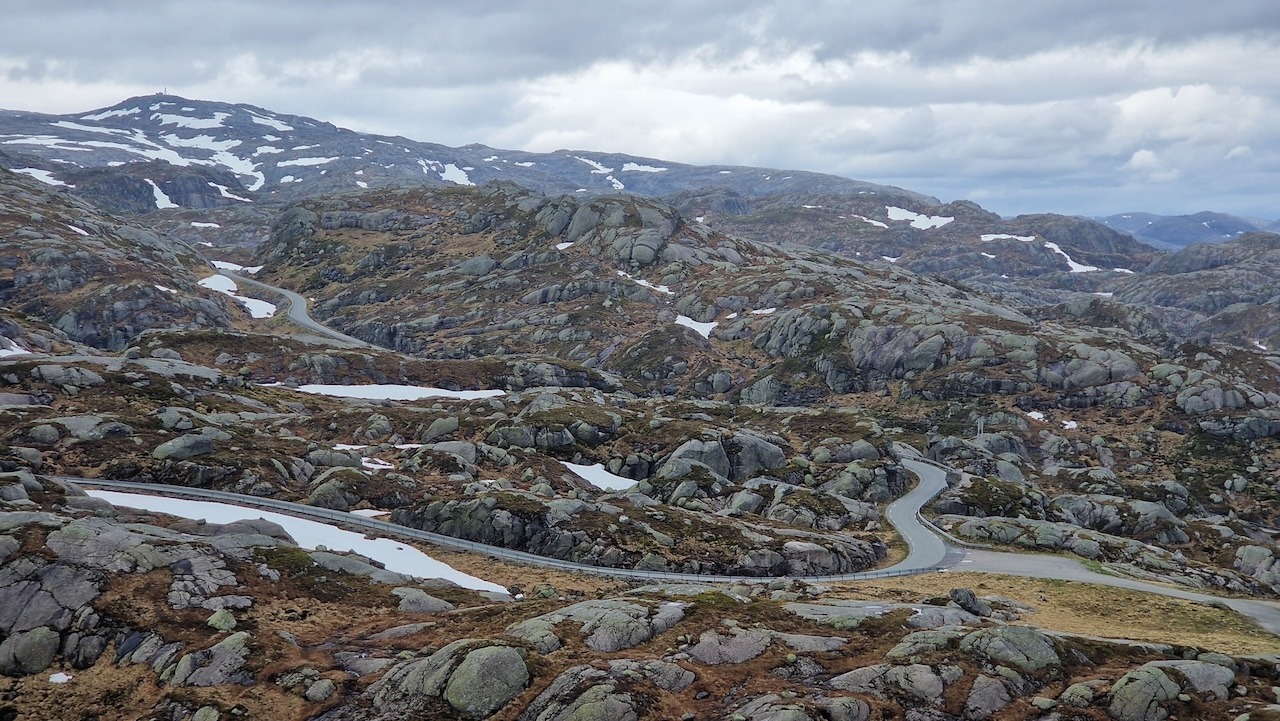
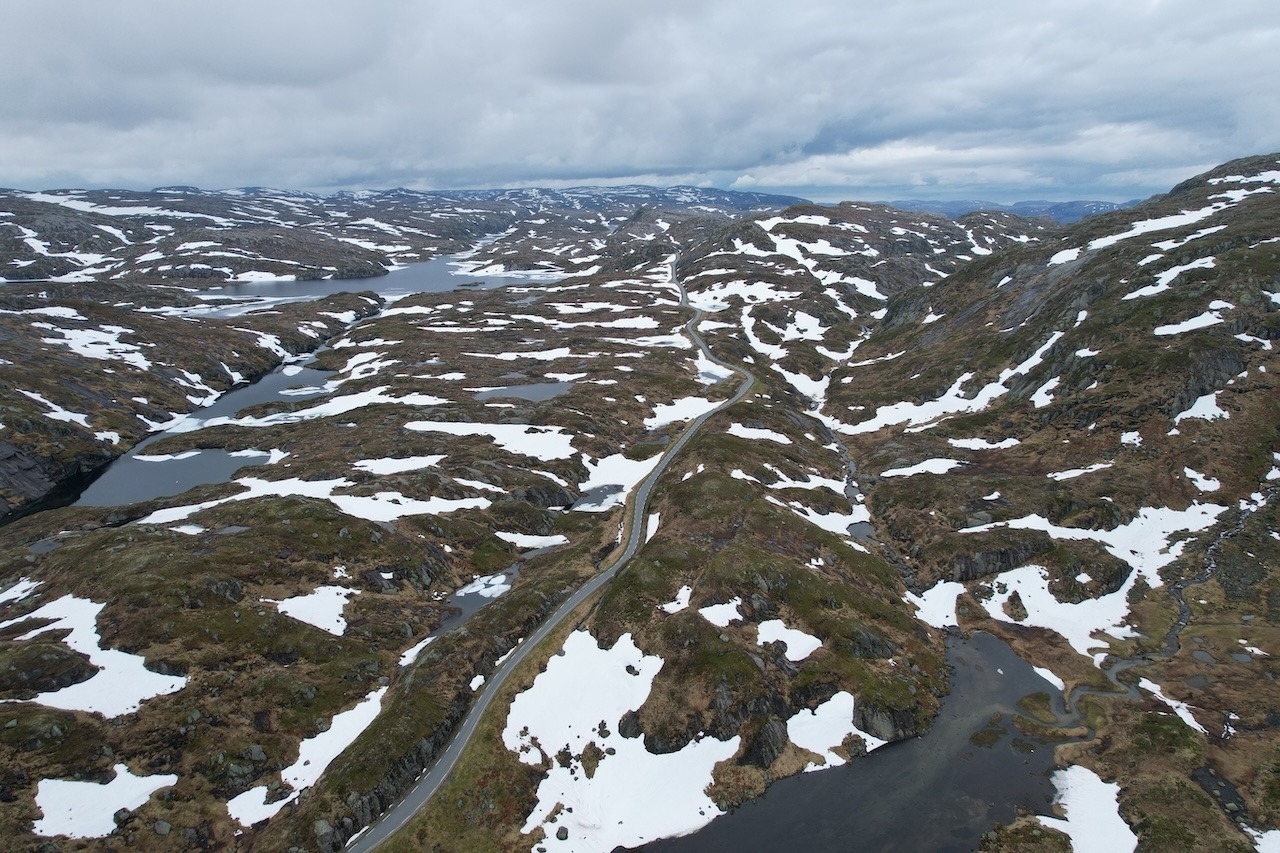
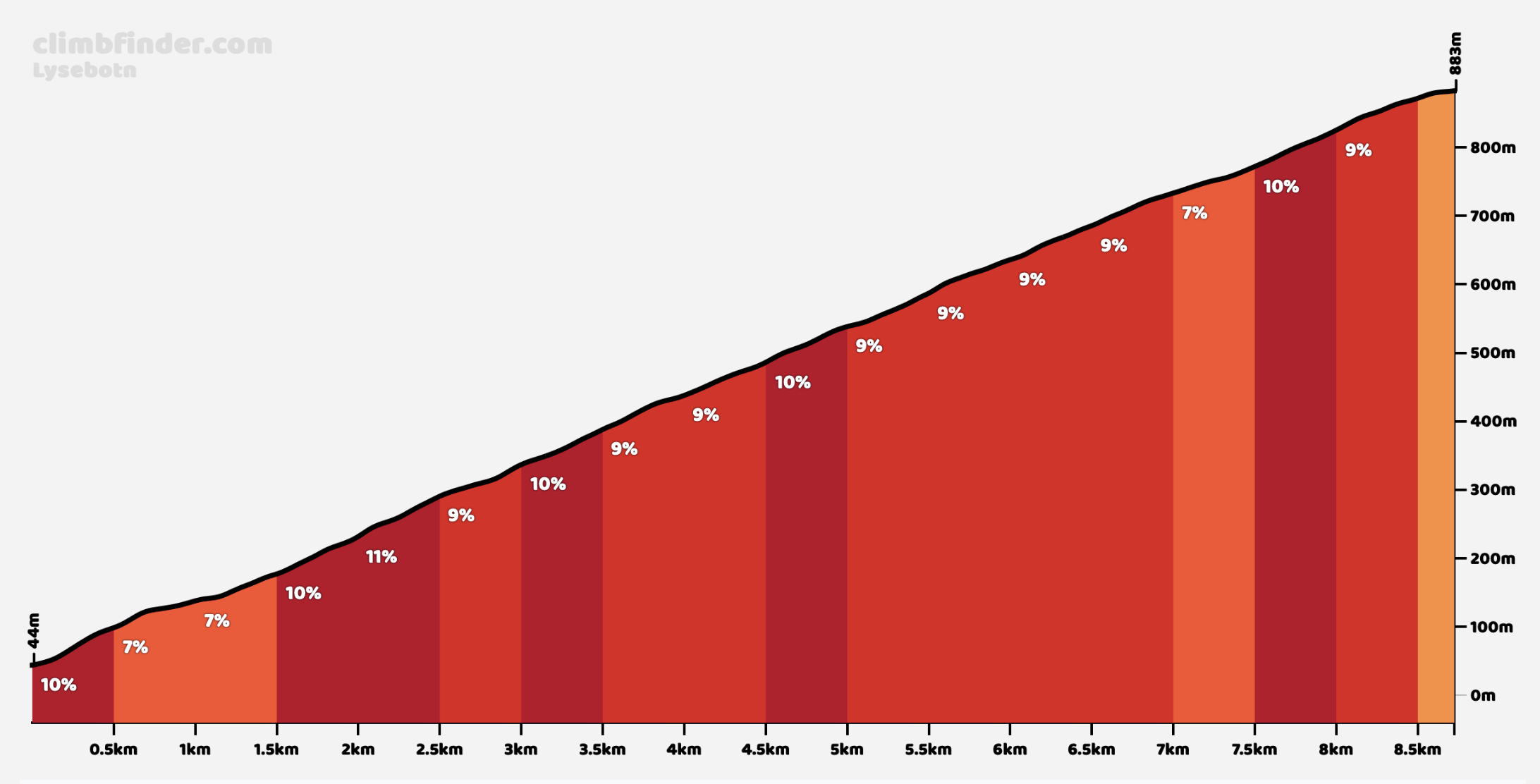
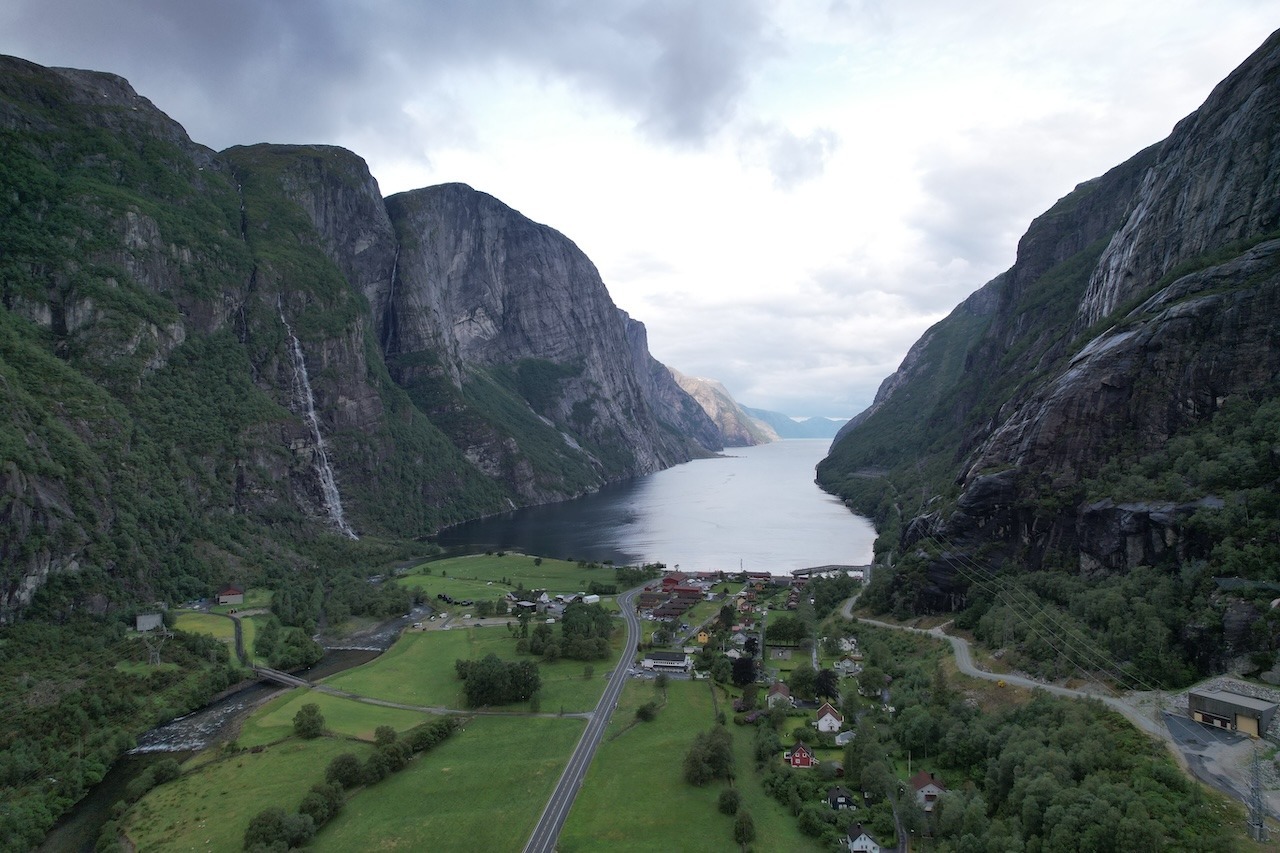
The main highlight, without doubt, is the world-famous 27 switchback climb that starts at sea level and goes up to 883m within 8.7km. There are fantastic views of the fjord and surrounding waterfalls as you get higher and on top, it feels like another world compared with the green lush valley below.

Carte

Lysevegen: Up or Down you Decide

You can start anywhere along the loop but I would recommend Stavanger, Sandnes, or Ålgard for a wide range of accommodation options and perhaps Lysebotn or Sirdal if you want to camp in beautiful nature. The first thing you need to decide is whether to ride Lysevegen (the 900m climb) up or down? You should also consider the weather and wind conditions as things change quickly in this mountainous area. I wanted to ride up Lysevegen so I headed clockwise. If you head counter-clockwise you begin with a steady climb through Sirdal Valley and then a much tougher section onto Suleskarvegen (famous mountain pass road).


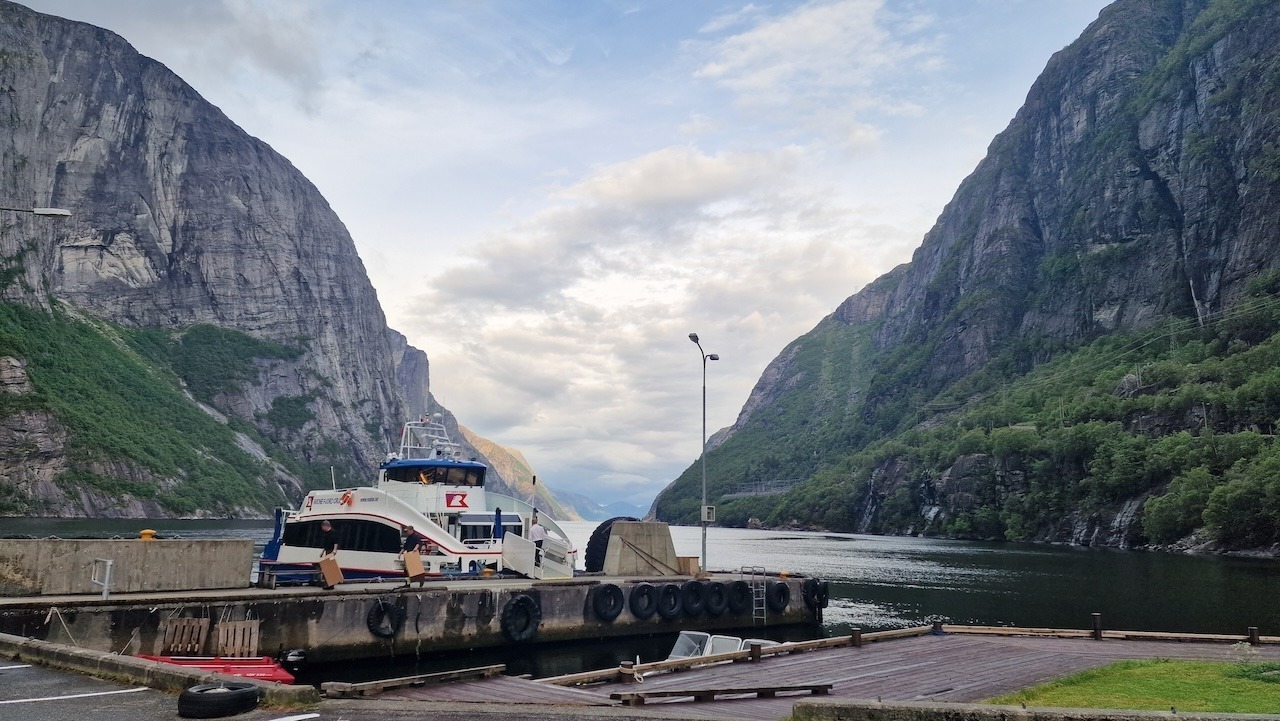
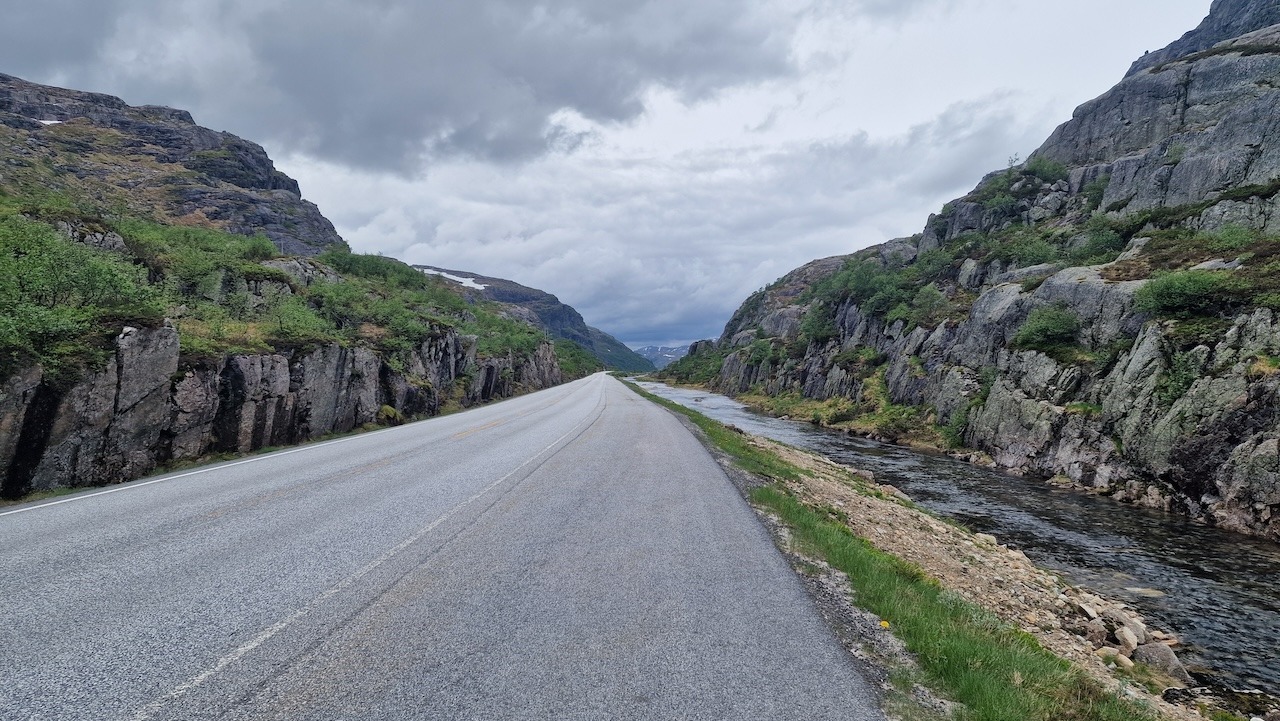
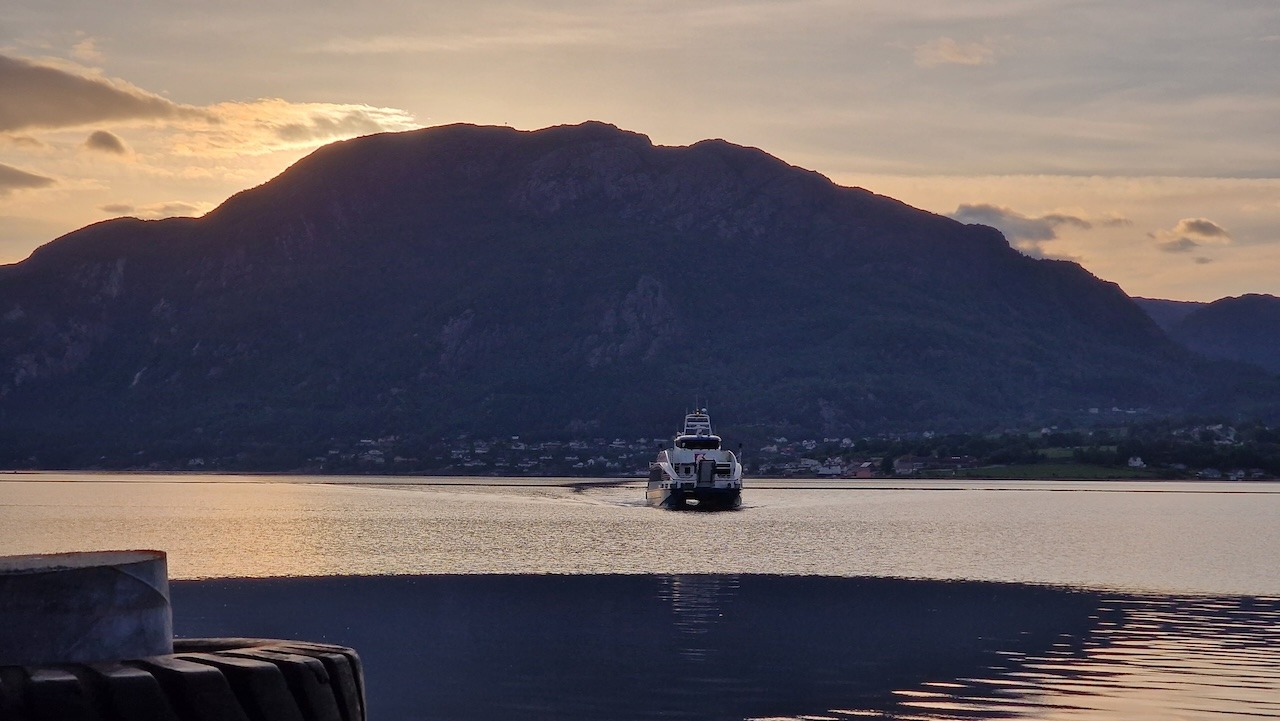
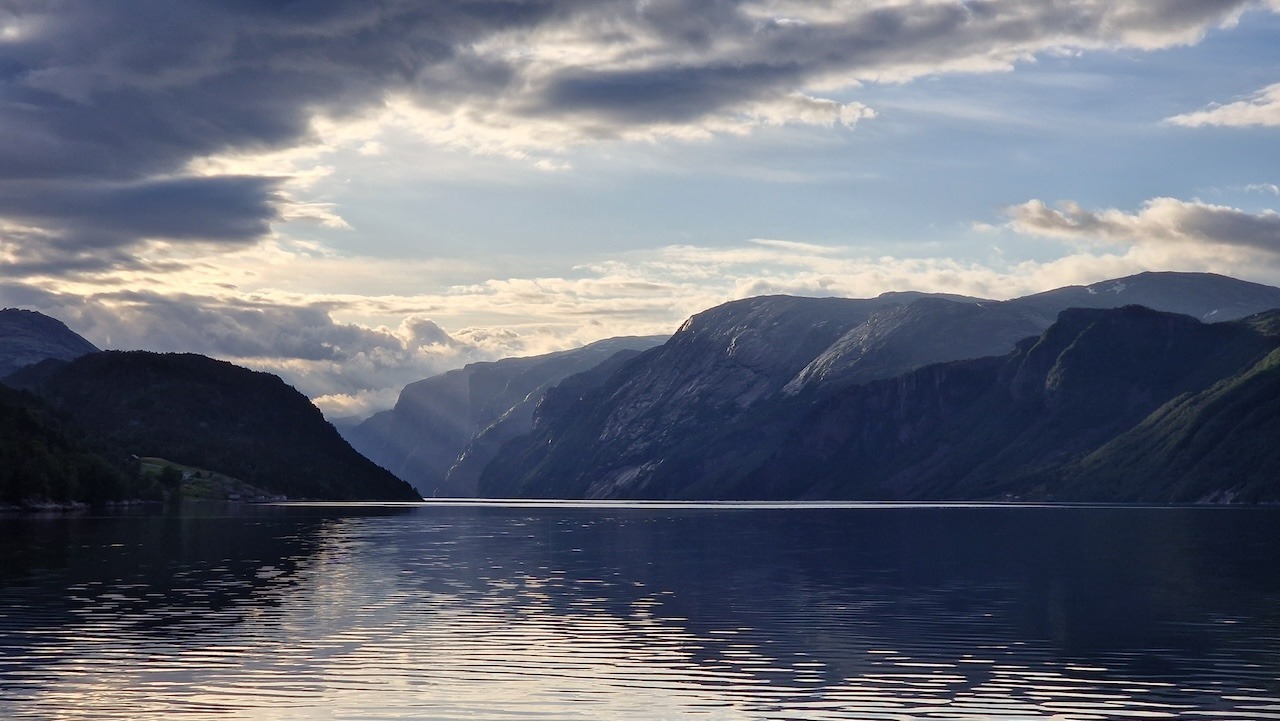
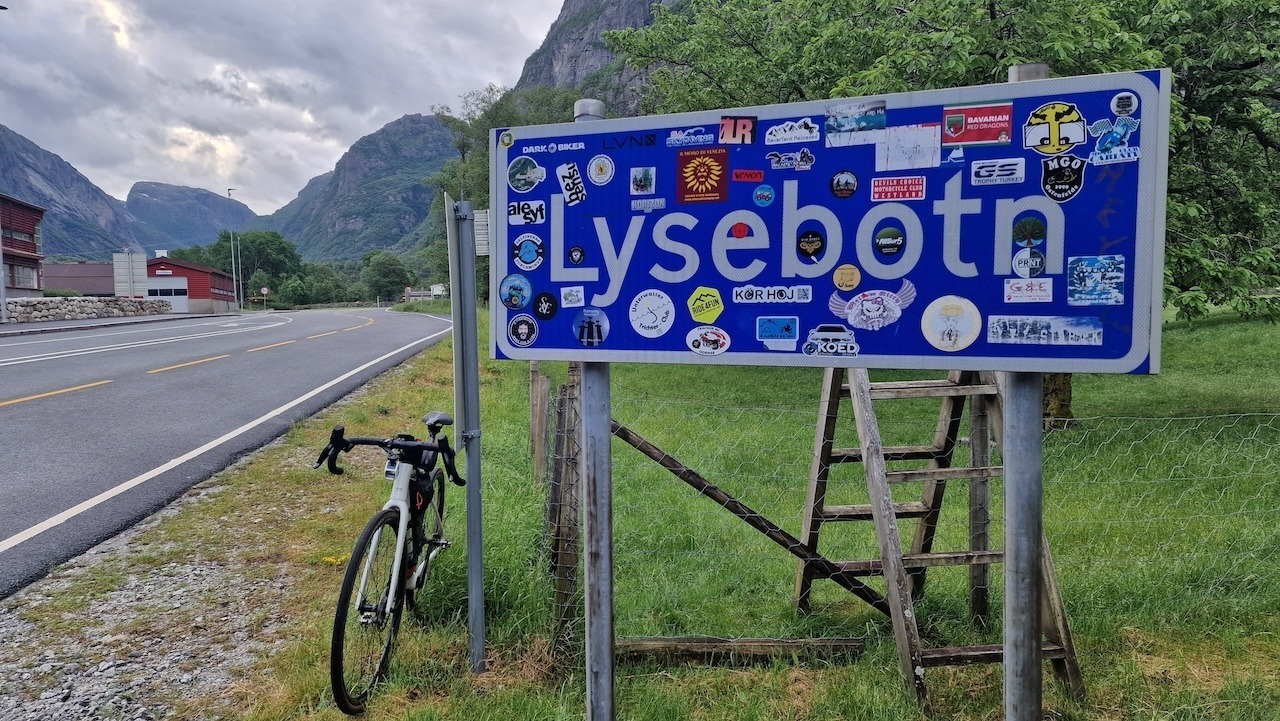
Heading clockwise the roads to the ferry port are reasonably flat with one small climb before descending to the fjord. Local and Tourist traffic can be an issue in the afternoon so consider starting early to ensure quiet roads to Lysefjorden. There are usually 2 to 3 passenger ferries a day to Lysebotn the small village that sits at the end of the fjord. From there, you have plenty of accommodation options and a few cafes to grab a drink or snack before the big climb (open around 10am).


Straight out of the village is the start of Lysevegen where 27 switchbacks will take you from sea level to 883m in just 8.7km. It begins with a 1.1km single-lane tunnel with a horseshoe corner in the middle. Ensure you have lights as the tunnel is not well-lit. The climb has an average gradient of 9.6% but feels less due to the short length of each section of the road. I found it easier than other major climbs in Norway and feel it looks harder than it is.


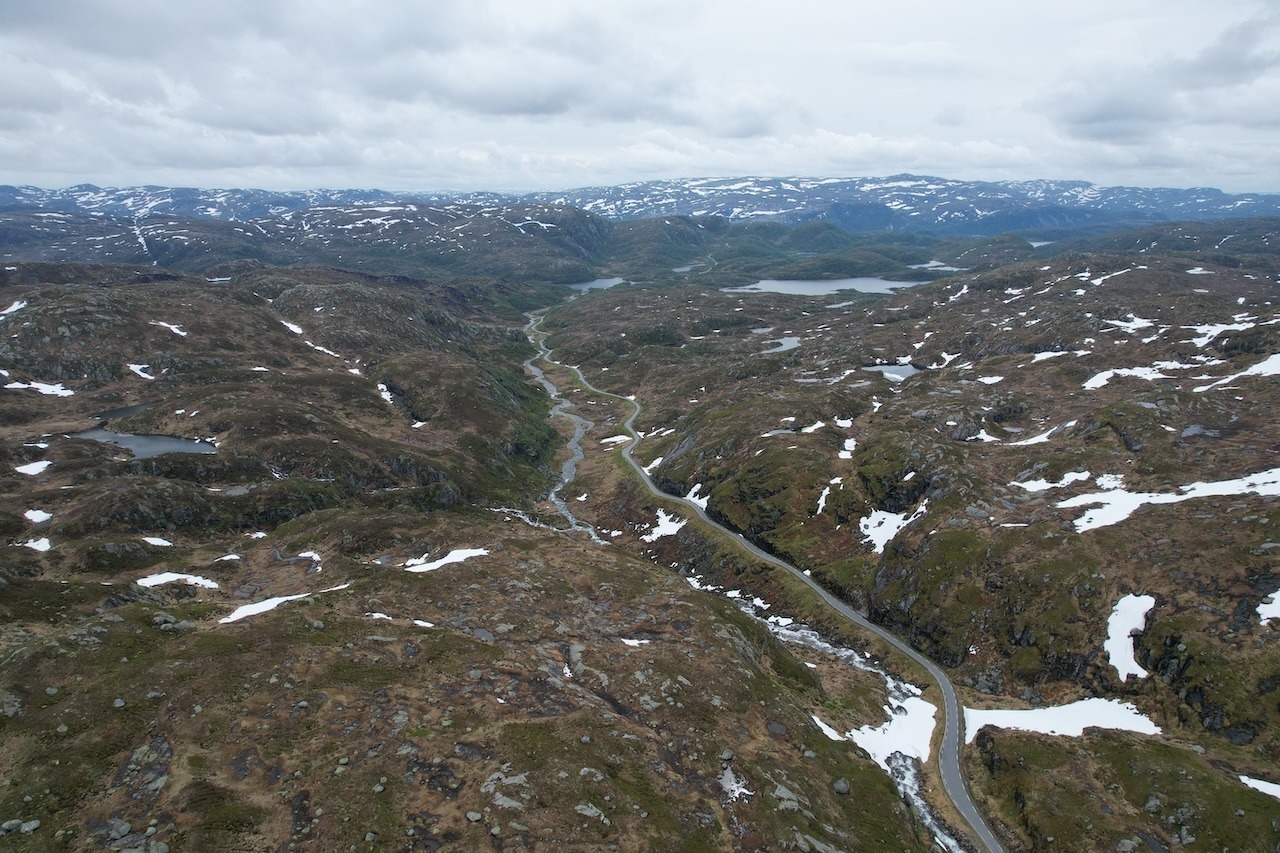
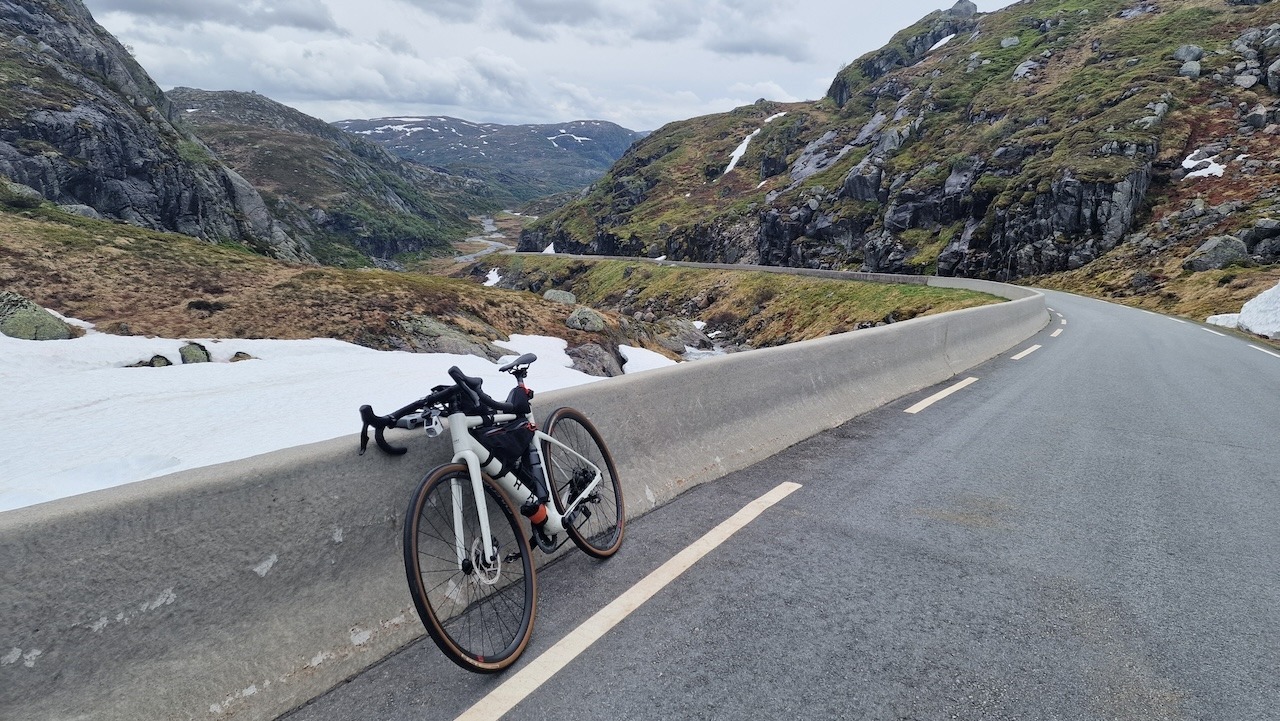
On top, you will find a tourist centre where the hike to the famous Kjerg mountain begins. The road continues to climb for several more kilometres along a difficult terrain. Expect small ups and downs and on unsettled days it will be cold and windy. After 20km of a barren rocky world, you’ll slowly descend into a greener landscape. There you’ll find a small settlement with a local shop and gas station where you can pick up supplies and enjoy a hot drink.

 

Galerie

You are now heading back towards Stavanger and the road is straight and long for several kilometres. Another mountainous scene surrounds you as you drop down into Sirdal Valley. If you like you can take a small detour to Gloppedalsura Magma geopark which offers a unique rocky landscape left behind by the last ice age.


As you start to get closer towards the populated areas of the west coast there are three 600-700m  tunnels to pass through. Expect some traffic as you get closer to Sandnes but cycle lanes soon appear and prevent you from cycling on the main road and make the last stretch comfortable as you enter the built-up areas around Stavanger.
 

Extended Version (Sandnes)

If you want to add an extra 50km+ and skip some of the ferry journey down Lysefjorden you can extend the journey as explained on this map. Starting in Sandnes or Ålgard you will cycle around the back of Lysefjorden and head over a mountain road to Songesand. The Ferry must be booked in advance from Songesand kai to Lysebotn.

Extended Version (Stavanger)

Similar route but starts in Stavanger where you take the passenger ferry to Tau and join the route from there.

Giljastølveien Detour

Just off the main route is a detour to an old abandoned mountain road that leads you to Frafjord. The views are spectacular and the road car-free. It closed in 1999 to traffic.

Points forts

  • Stavanger region: Norway’s charming coastal city set with mountains and the sea surrounding it.
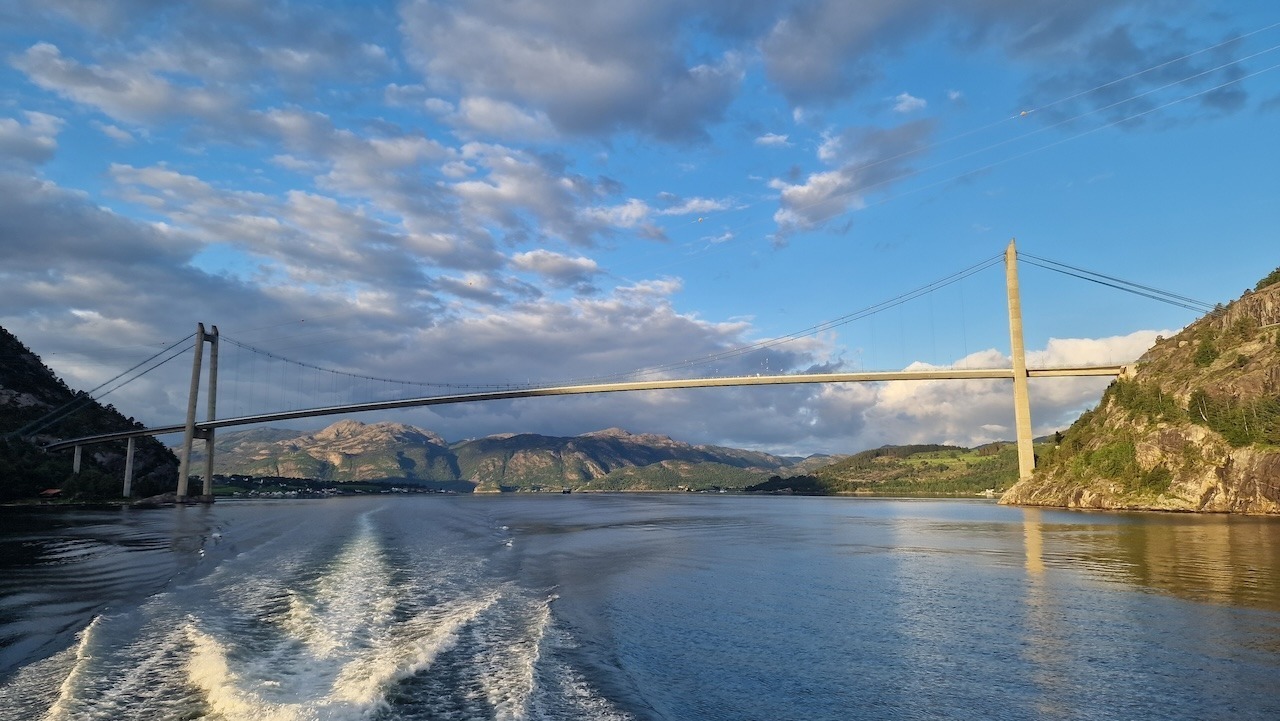
  • Lysefjorden Cruise: 1.15 minutes journey down one of Norway’s best fjords
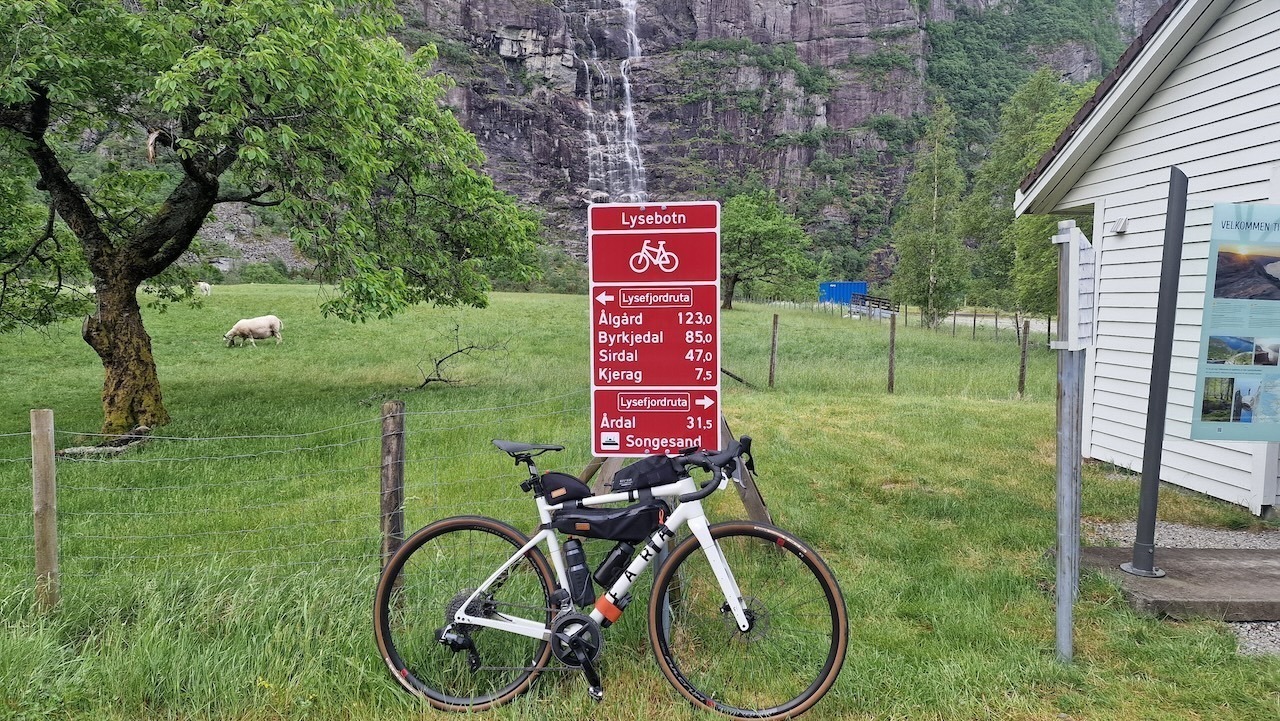
  • Lysebotn: Small village with spectacular high-raised mountains and waterfalls at its backdrop.
  • Lysevegen: the world-famous 27 switchback climb
  • Suleskarvegen – Southern Norway’s highest mountain pass road (highest point 1050m)
  • Sirdal Valley – Famous for skiing and hiking.
  • Detour: Gloppedalsura Magma geopark – Northern Europe’s largest scree
  • Detour: Giljastølveien old road (see map above)

Famous Hikes in the area (locations highlighted on map above)

Doit savoir

  • Se rendre ici et s'éloigner : Take a train from Oslo to Stavanger or an express boat from Bergen to Stavanger. Both allow bikes onboard when pre-booked.
  • Quand y aller : Lysevegen opens mid to late May and closes on the first winter snowfall in October/November.
  • Alimentation et fournitures : There is a food shop close to Lauuvik ferry port and plenty in the towns close to Stavanger. Once you get on the ferry to Lysebotn there is no supermarket until Sirdal (stock up beforehand). Lysebotn has some cafes but don’t expect them to be open until 10am or later. See maps for further info. Remember many supermarkets may be closed on Sunday
  • L'eau : It should be easy to find water along the route. gas stations, supermarkets, public toilets, etc, are scattered along certain parts. You’ll also have fast-flowing streams in the remote mountainous areas to keep you topped up.
  • Type de vélo : 100% paved roads makes it ideal for a road or gravel bike with 25-35mm tyres. But of course, any long-distance bike will do the job.
  • Location de vélos : Norway’s Bike Experience Stavanger 
  • Vérifier les horaires des ferries : Lysefjorden ferry only runs 2-3 times a day – see transport section for further info.
  • Toilettes publiques : Lysebotn has public toilets and you will find gas stations at Sirdal and the population areas near Stavanger. In addition, Byrkjedal has a cafe with toilets and Lauuvik ferry port has one too (sometimes closed).

Hébergement

  • Camping sauvage: The populated Stavanger region has many farms and uncultivated land may be hard to find. Lysefjorden is extremely popular with tourists and camping will be prohibited in many areas of the fjord including in and around Lysebotn. Suleskarvegen (high mountain road) will be easier although camping this high will be cold and perhaps windy. The Sirdal region is more open with plenty of uncultivated land. This will be the best area on the loop to find wild camping spots.
  • Campings et cabanes: There is a campsite in Lysebotn which should have plenty of room if on a bike. Sirdal region also offers campsites and towns and villages around Stavanger will offer campsite opportunities. Use Norcamp app for a full listing of places.
  • Hôtels et auberges : You will find ample accommodation options in the Stavanger region. The Smart Hotel in Sandnes et Leilighetshotellet near Ålgard are two budget-friendly places I recommend. Lysebotn & Sirdal will also have options and thus it’s very easy to do this route with only roof-only accommodation. Cependant, in July accommodation can be booked up very quickly. If you try and find accommodation last minute only the very expensive hotels may be left. I would recommend booking at least a week in advance if you want guaranteed hotels at a reasonable price.
  • Airbnb : There are options along the route especially in the Stavanger region.

Vidéo

Transport

The Lysefjord Ferry

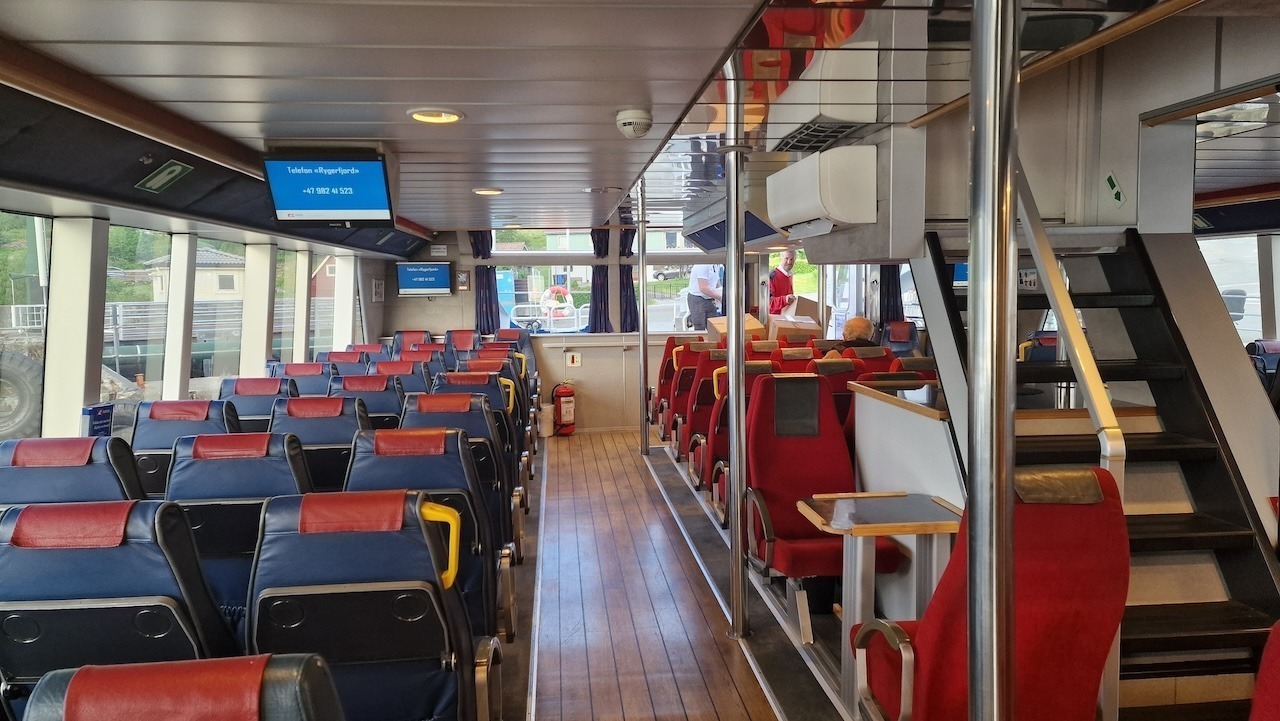
Lauuvik to Lysebotn (75mins) 180kr (17 euros) with bike (in 2024). Passenger-only ferry: 2 a day during the week and three at the weekends. The Car ferry is a bit confusing on when it travels (Monday, Wednesday, Friday & Sunday). You are welcome to take this ferry with your bike for a similar price. See the timetable below.
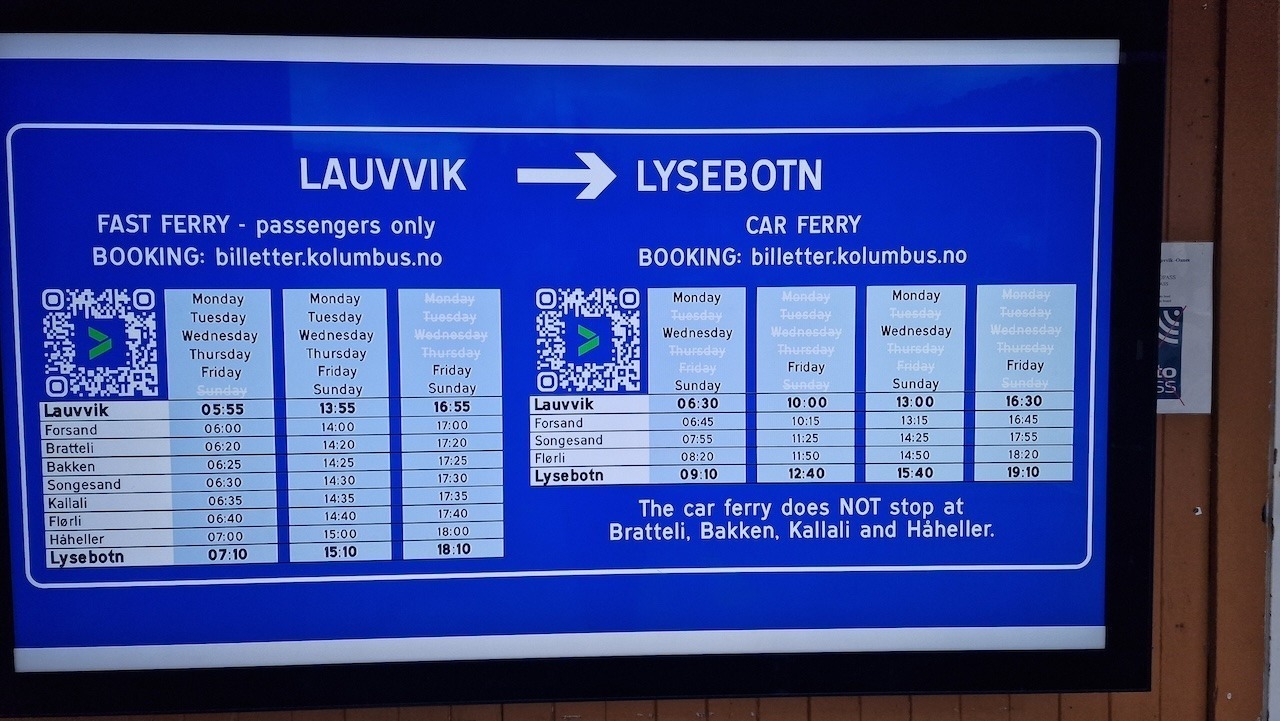
  • I have heard of cyclists being refused entry onto the ferry (completely full) at Lysebotn during peak summer. On sunny days when tourists flock to Lysefjorden, I would recommend booking the ferry in advance.
  • Remember the ferry will only stop at the remote ports along the fjord if the ticket is booked in advance. See remote ports: here (no car sign)


Stavanger – Tau: Express ferry across the fjord should you prefer to take the longer route from Stavanger centre.
Autres options :

Sécurité

Tunnels

There are four tunnels on the route. Good lights and a reflective vest are essential.

  • Lysevegen (1100m): If climbing the road it has an average gradient of 9% with a horseshoe corner in the middle. It’s a single land tunnel and you may experience the odd truck and several campervans. There is room to pull to the side and allow larger vehicles to pass. Overall it’s fine to cycle through. If you descend through it make sure your brakes are working well.
  • Skredlitunnelen 548m: If travelling south to north it’s a descent and easy to fly through. If climbing through expect some traffic at certain times. It’s wide enough and well-lit. The old road around doesn’t connect with the other end so you must go through.
  • Giljajuvettunnellen 600m: If travelling south to north it’s a descent and easy to fly through. If climbing through expect some traffic at certain times. It’s wide enough and well-lit. The old road around doesn’t connect with the other end so you must go through.
  • Røyrdalstunnelen 722m: A climb from south to north. Quiet busy with traffic during peak periods. There is an old road around which you should take if climbing. Descending through should be very easy.

Routes encombrées

  • Some roads to Lauuvik ferry will have tourist and local traffic. It’s not a safety concern but you should expect some traffic.
  • If you take the longer route expect some traffic including supply trucks on Road 13 from Tau to Årdal. It’s safe to cycle but hilly in places.

Remarque : There are plenty of cycle lanes connecting Stavanger – Sandnes – Ålgard making it easy to cycle in the populated areas. The Stavanger region won a prize in 2022 for its improving cycle lane infrastructure.

La météo

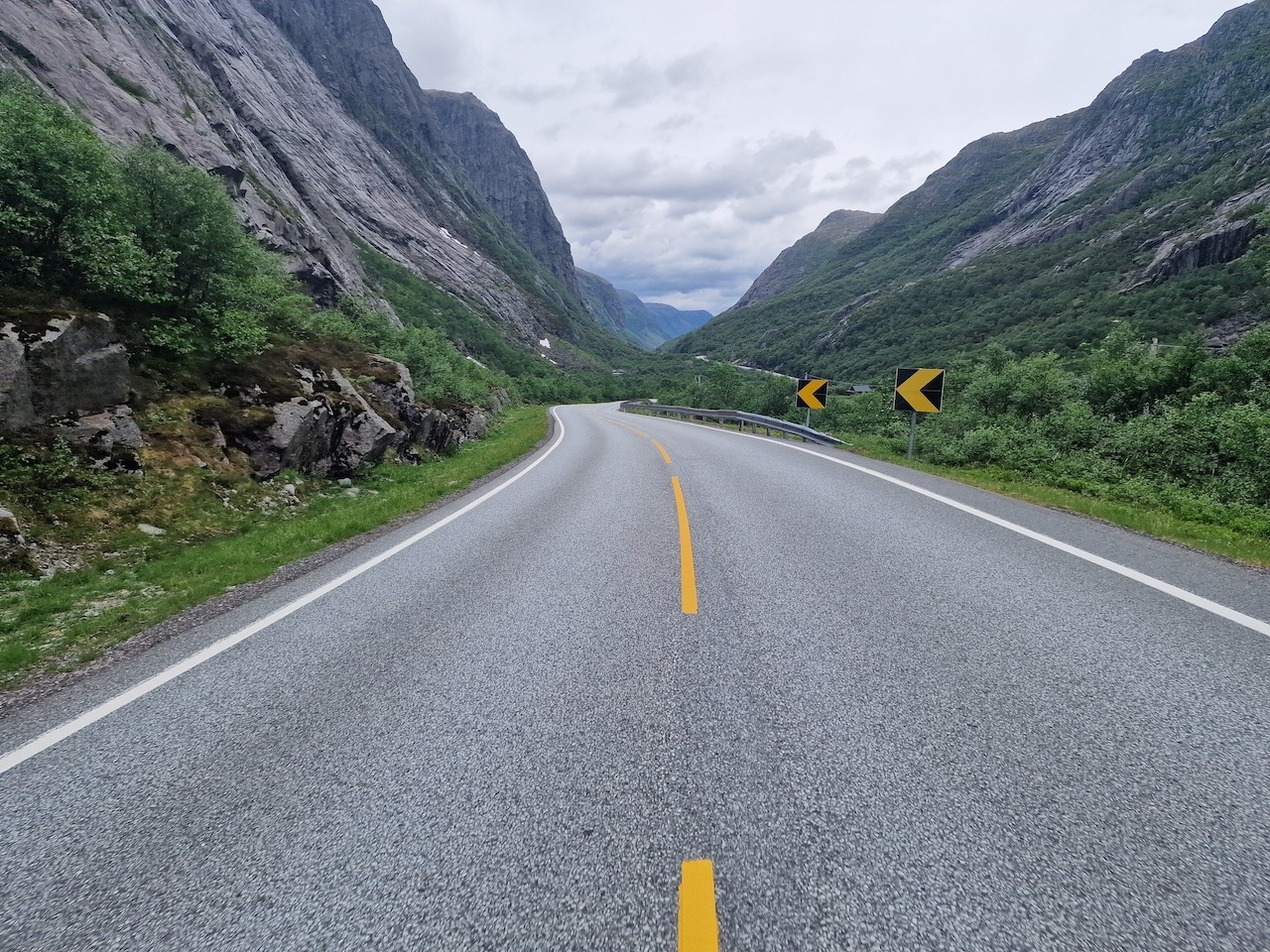
This is one of the wettest regions of Norway and Lysefjorden is renowned for changing weather patterns. I would not cycle this route if the forecast is very bad with a high percentage of precipitation. The mountain pass road of Suleskarvegen can be very cold and windy. Winter gloves, shoe covers, a wool base layer and wind/waterproof clothing are essential when the weather is unsettled. Even on sunny days, things can change quickly and you should be well prepared with extra clothing in your bag. Never underestimate this region’s climate better to over-prepare than left freezing at 1000m.

Pour en savoir plus

Liste des vêtements

Transport public

Liste de matériel

Ouverture et fermeture de routes

Hébergement

Le Finnmark possède lui aussi une certaine mystique. Situé à peu près à la même distance d'Oslo qu'Istanbul, c'est en quelque sorte la dernière étape avant le pôle Nord. Le point culminant du voyage est sans aucun doute le fait de parcourir à vélo les étendues sauvages de la dernière grande région sauvage d'Europe. On se sentira très seul ici, mais n'est-ce pas là une raison de faire du vélo ? Les cartes thermiques du monde sont pleines de routes bien roulantes. Ici, vous rejoindrez un petit groupe de cyclistes à la recherche de quelque chose d'extraordinaire. Passer devant des troupeaux de rennes sauvages et peut-être ne pas voir d'autres humains pendant plusieurs heures, c'est la raison pour laquelle vous êtes venu, n'est-ce pas ? La randonnée s'achève dans la ville de Kirkenes, où l'on trouve des panneaux routiers russes. Cela indique que vous avez atteint les limites du monde occidental !

Transport

Le Finnmark possède lui aussi une certaine mystique. Situé à peu près à la même distance d'Oslo qu'Istanbul, c'est en quelque sorte la dernière étape avant le pôle Nord. Le point culminant du voyage est sans aucun doute le fait de parcourir à vélo les étendues sauvages de la dernière grande région sauvage d'Europe. On se sentira très seul ici, mais n'est-ce pas là une raison de faire du vélo ? Les cartes thermiques du monde sont pleines de routes bien roulantes. Ici, vous rejoindrez un petit groupe de cyclistes à la recherche de quelque chose d'extraordinaire. Passer devant des troupeaux de rennes sauvages et peut-être ne pas voir d'autres humains pendant plusieurs heures, c'est la raison pour laquelle vous êtes venu, n'est-ce pas ? La randonnée s'achève dans la ville de Kirkenes, où l'on trouve des panneaux routiers russes. Cela indique que vous avez atteint les limites du monde occidental !

Conditions d'utilisation

Gardez à l'esprit

Tous les itinéraires cyclables publiés sur CYCLENORWAY.com sont simplement une ressource de planification à utiliser comme point d'inspiration en conjonction avec votre propre diligence. Tous les itinéraires ont été préparés à la suite d'une recherche diligente. Cependant, nous ne pouvons jamais garantir avec certitude l'exactitude complète des itinéraires. Le cyclisme en Norvège est en général très sûr. Néanmoins, si vous décidez d'emprunter cet itinéraire, vous le faites à vos risques et périls.


Vérifier les conditions météorologiques

Nous vous conseillons de vérifier les conditions météorologiques le long de l'itinéraire et de vous renseigner sur les fermetures de routes et de terrains. 

Regardez cette vidéo utile pour voir comment les itinéraires peuvent être téléchargés sur votre appareil mobile et votre ordinateur de vélo.

Faire du vélo sur une longue distance est difficile, et vous ne devriez pas tenter des itinéraires qui sont au-dessus de votre niveau. 

Respectez toutes les règles et réglementations en matière de camping sauvage. 

Si vous constatez des inexactitudes sur cette page, veuillez nous en faire part afin que nous puissions les corriger.

Plus d'itinéraires dans la région

Sognefjellsveien

Cette épopée à travers la Norvège est l'itinéraire idéal si vous voulez voir un maximum de paysages contrastés en un minimum de temps. Vallées profondes, glaciers puissants, forêts nordiques et l'un des meilleurs fjords de Norvège sont au rendez-vous.

Sognefjellsveien

Cette épopée à travers la Norvège est l'itinéraire idéal si vous voulez voir un maximum de paysages contrastés en un minimum de temps. Vallées profondes, glaciers puissants, forêts nordiques et l'un des meilleurs fjords de Norvège sont au rendez-vous.
Vélo télémark

Route du canal de Telemark

Le Telemark est une région unique de la Norvège et un joyau caché sur le radar des cyclistes. Apportez une tente et explorez les merveilles de cette vaste forêt et de ce terrain montagneux. C'est la Norvège dont vous ignoriez l'existence.
Vélo télémark

Route du canal de Telemark

Le Telemark est une région unique de la Norvège et un joyau caché sur le radar des cyclistes. Apportez une tente et explorez les merveilles de cette vaste forêt et de ce terrain montagneux. C'est la Norvège dont vous ignoriez l'existence.

Lindesnes - Bergen

Trois villes et beaucoup d'aventures entre les deux. C'est ici que le sud chaud rencontre l'ouest imprévisible. Fjords, plages et "dents du diable" sont au menu de cette région contrastée.

Lindesnes - Bergen

Trois villes et beaucoup d'aventures entre les deux. C'est ici que le sud chaud rencontre l'ouest imprévisible. Fjords, plages et "dents du diable" sont au menu de cette région contrastée.

Laissez vos commentaires ci-dessous

Restez au courant des dernières nouvelles de la scène cycliste norvégienne.

S'abonner à notre lettre d'information mensuelle

non intrusif, offrant des nouvelles informatives, des articles de blog, des vidéos et plus encore.