




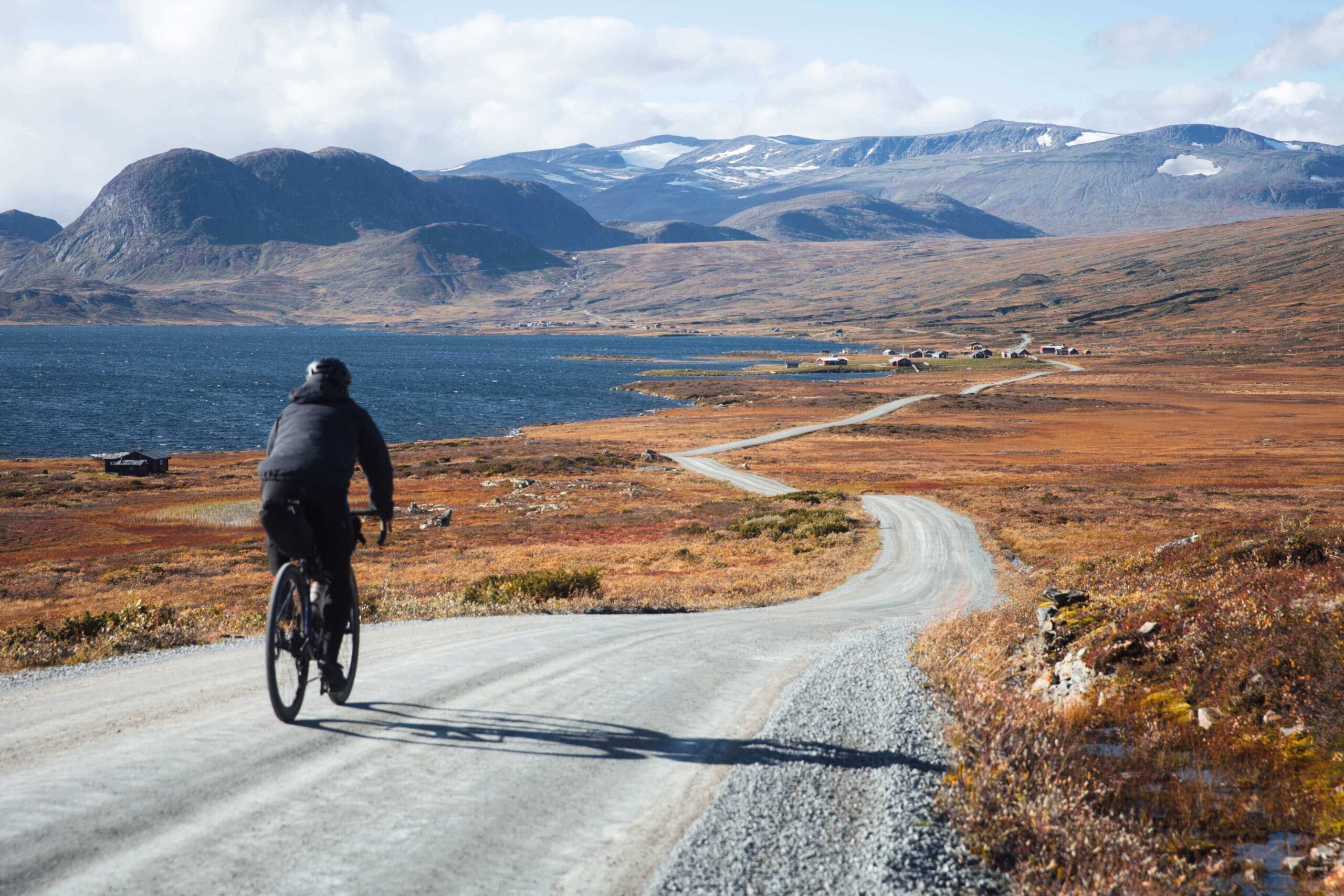
Our final part of our top 10 mountain gravel routes for autumn ends with the crème de la crème of Norway’s bike adventures. These are all premium rides through some of Norway’s best scenery on a bike. But before you dive into it ensure you have checked out the first and second parts of this list. You can catch up on it here and here.
4. Villmarksruta – Half Version (The Wilderness Route) – 300km Gravel / 150km Road
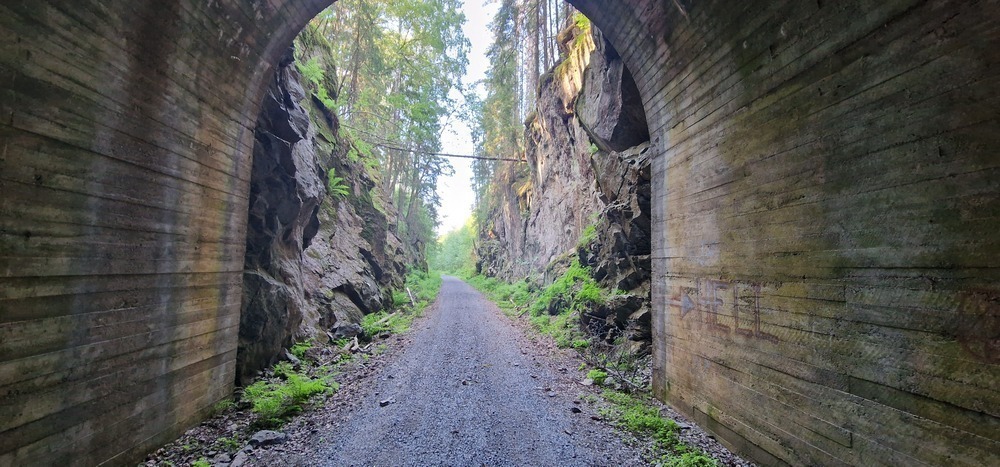
Villmarksruta is one of the most remote gravel routes in Norway, offering a true wilderness experience with little to no human infrastructure along the way. The name “Wilderness Route” is fitting, as the trail passes through vast forests, across lonely plateaus, and by serene lakes that feel far removed from civilization. The route is known for its varied gravel surfaces, ranging from smooth forest roads to rougher, more technical sections. It’s an ideal ride for those looking to experience Norway’s wild, unspoiled nature without the crowds. For gravel enthusiasts seeking an off-the-beaten-path bikepacking adventure, Villmarksruten is a must-ride and one that took me completely by surprise.
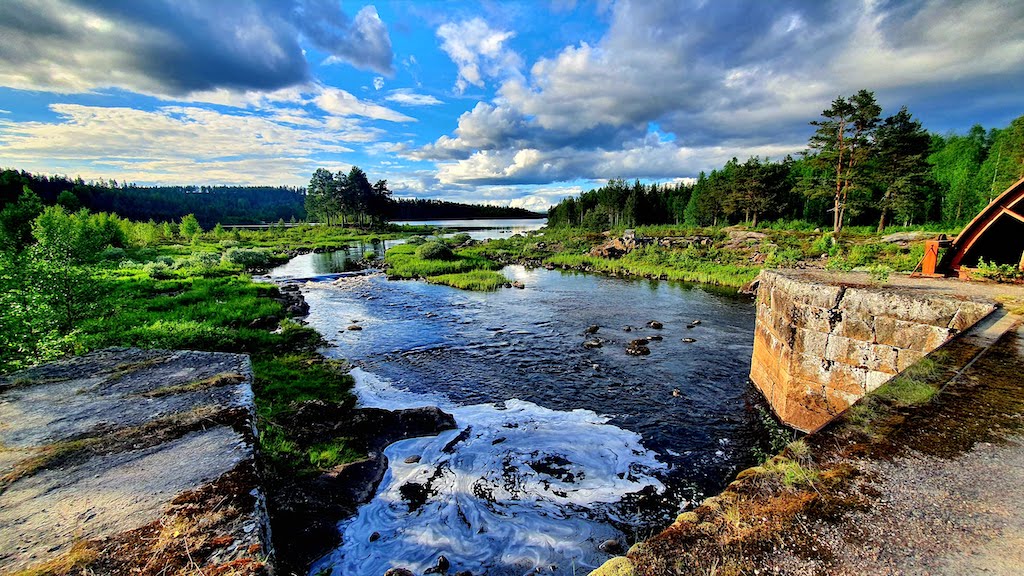
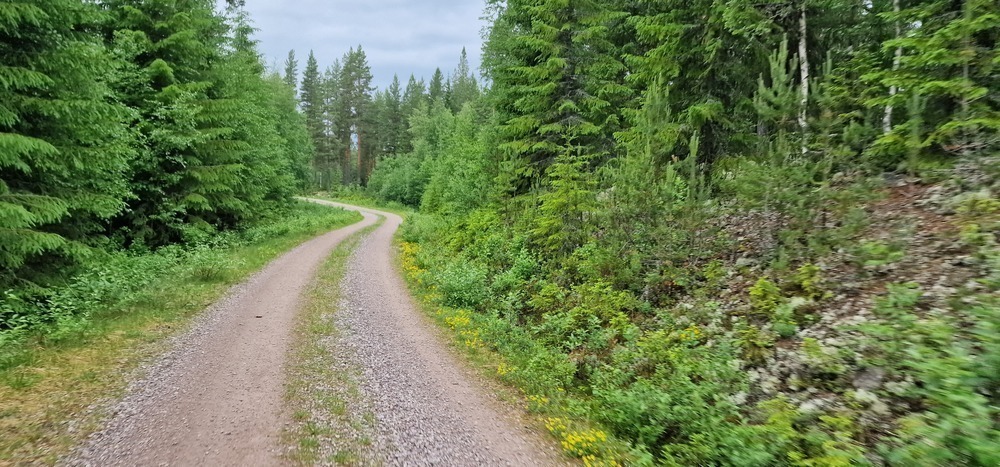
The official Villmarksruta goes from the Swedish border in the southern part of Norway all the way to Trondheim stretching over 750km. However, a good 300km of this is on paved roads and too long for those short on time. Therefore, with the help of a friend I have scouted out a shortened route where you keep to mainly remote gravel roads and start in Oslo and end in Lillehammer. This allows you to complete the route in a 2-4 day adventure depending on your pace and fitness level. Expect a mix of gravel paths, forest tracks, and some challenging climbs. The route is best suited for experienced gravel riders who are comfortable with extended periods in remote areas.
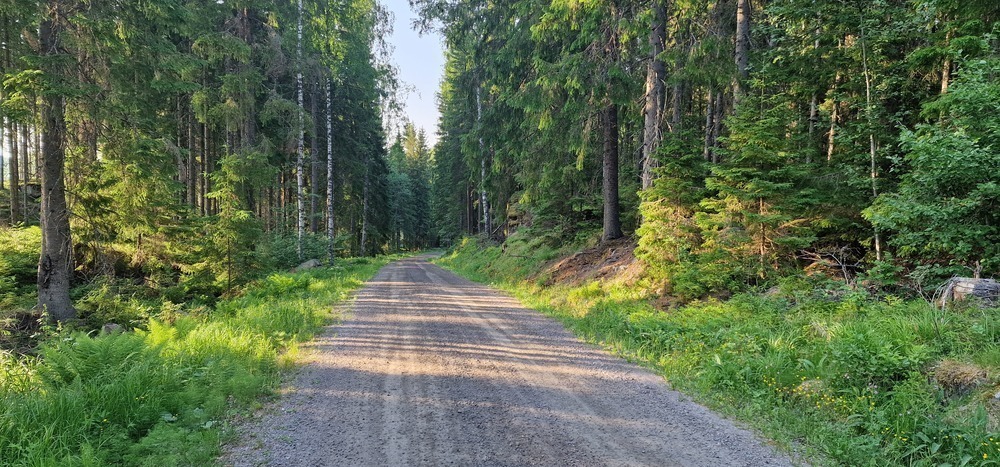
From Oslo, you head directly east toward the Swedish border, crossing over on a secluded road marked only by a modest sign saying “Sverige.” (Sweden) It’s here that you first grasp just how remote this route will be. After a brief ride through Sweden’s dense forests, you re-enter Norway at a more official border crossing. A small town provides a chance to resupply before you continue north on gravel roads that run parallel to the border. You’ll cover over 200 kilometres of Norway’s most remote roads before reaching the small town of Rena, located 70 kilometres from Lillehammer.
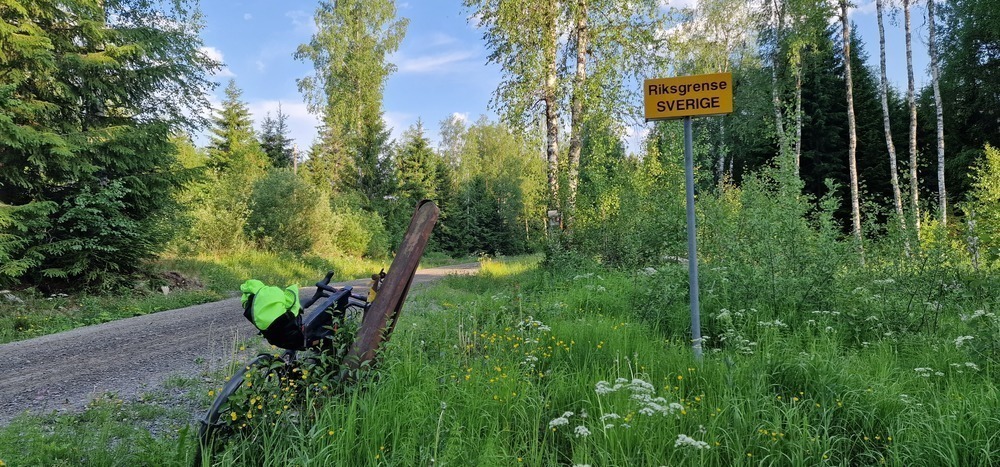
The last section to Lillehammer is the ultimate rough gravel adventure with a couple of short hike-a-bike sections and some technical parts that require some basic experience to feel comfortable cycling.
The early summer months offer lush green scenery and long daylight hours, while late summer and early autumn bring vibrant colours and cooler temperatures. Keep in mind that this route goes through heavily forested and remote areas, so be prepared for changing weather and the occasional encounter with wildlife such as moose and deer. If you cycle it mid-June to mid-August expect a lot of mosquitoes around the lakes and forest areas.


A gravel bike with wide tires (40mm+) or a robust hardtail mountain bike is ideal for this route. The terrain can be rough in places, with some sections requiring careful navigation through rocky paths and steep climbs. Pack efficiently for a multi-day adventure, including waterproof clothing, camping gear (if you plan to wild camp), and enough food. There are few resupply points, so carrying sufficient provisions is essential.
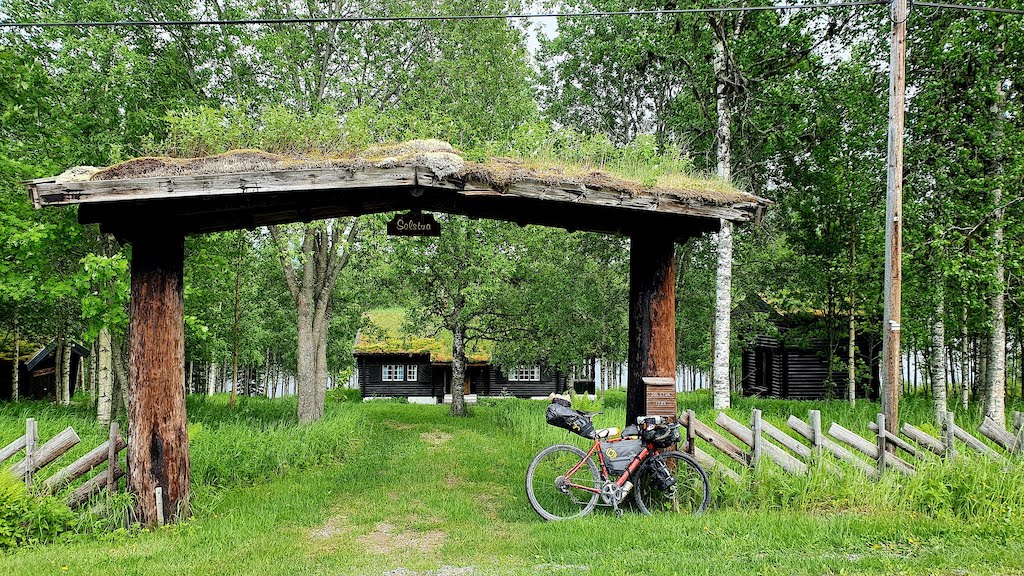
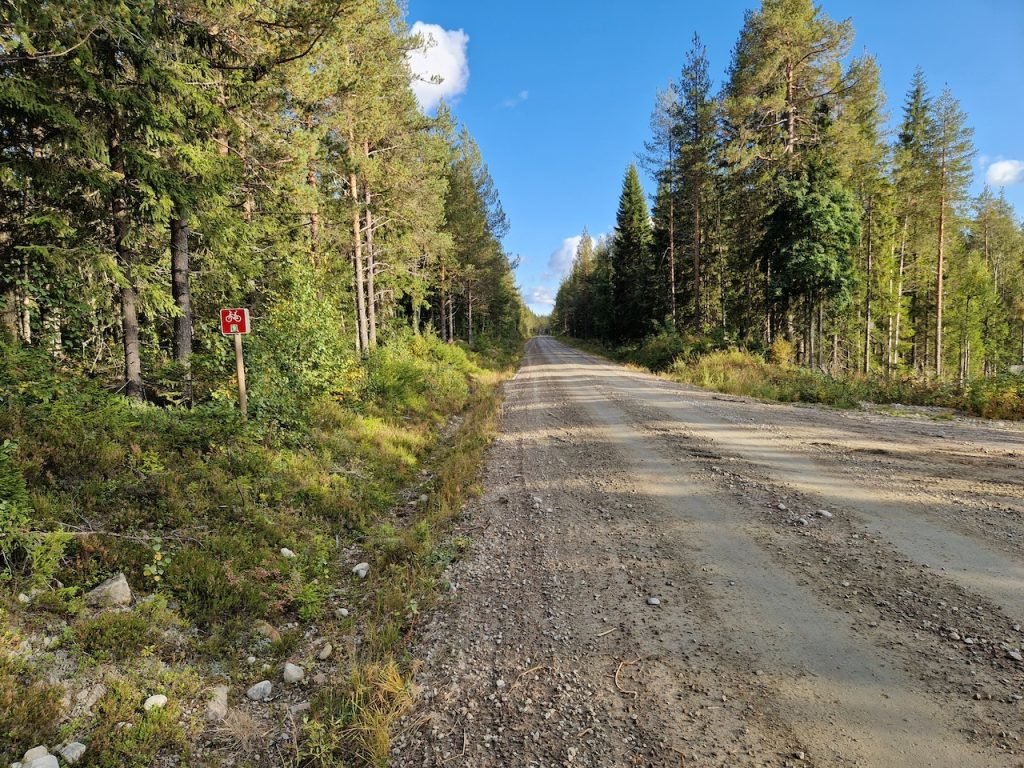
Villmarksruten is remote, with limited accommodation options. Many cyclists opt to camp along the route, taking advantage of Norway’s “right to roam” laws, which allow for wild camping. You will find plenty of shelters in the forest areas. There are also few DNT cabins but require a member’s key to get access to them. Plan your days carefully, as distances between possible overnight stops can be long.
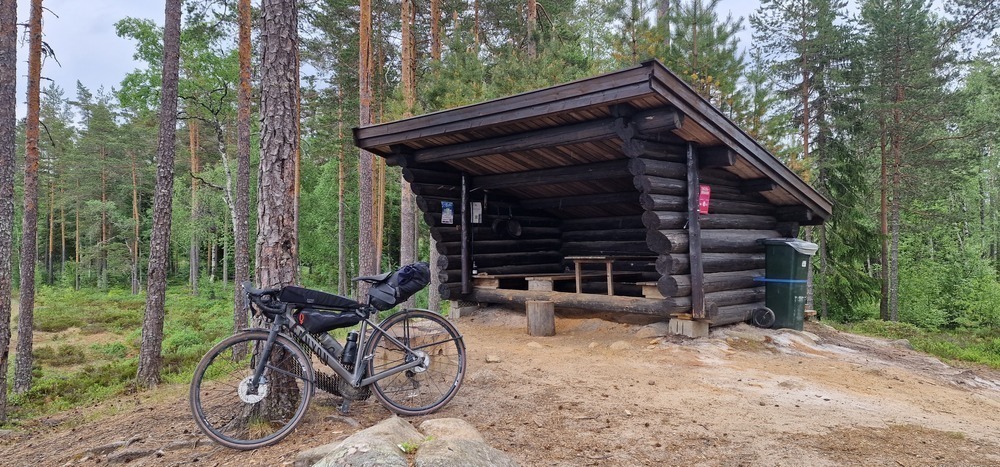
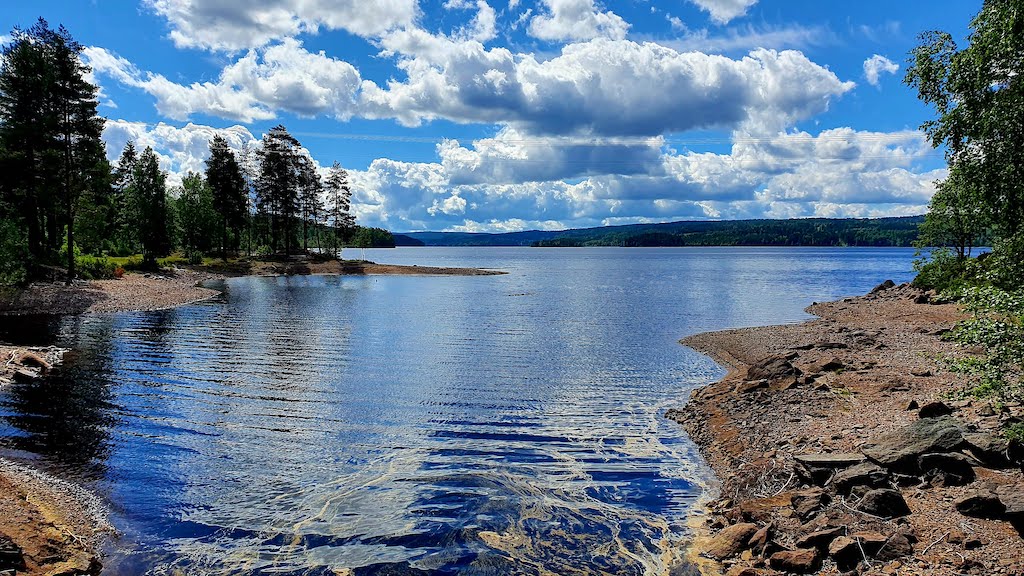
Cycling Villmarksruten is an unforgettable experience, offering a true taste of Norway’s rugged wilderness. With its mix of challenging terrain, stunning natural beauty, and deep solitude, this route is one of the best gravel adventures for those seeking a raw, immersive ride through Norway’s wild heart.

Time of Year: mid-May to mid-June or late August to early October.
Difficulty: 6/10
Bike Tyres: 40m+
Start: Oslo
Full Route Information can be found here

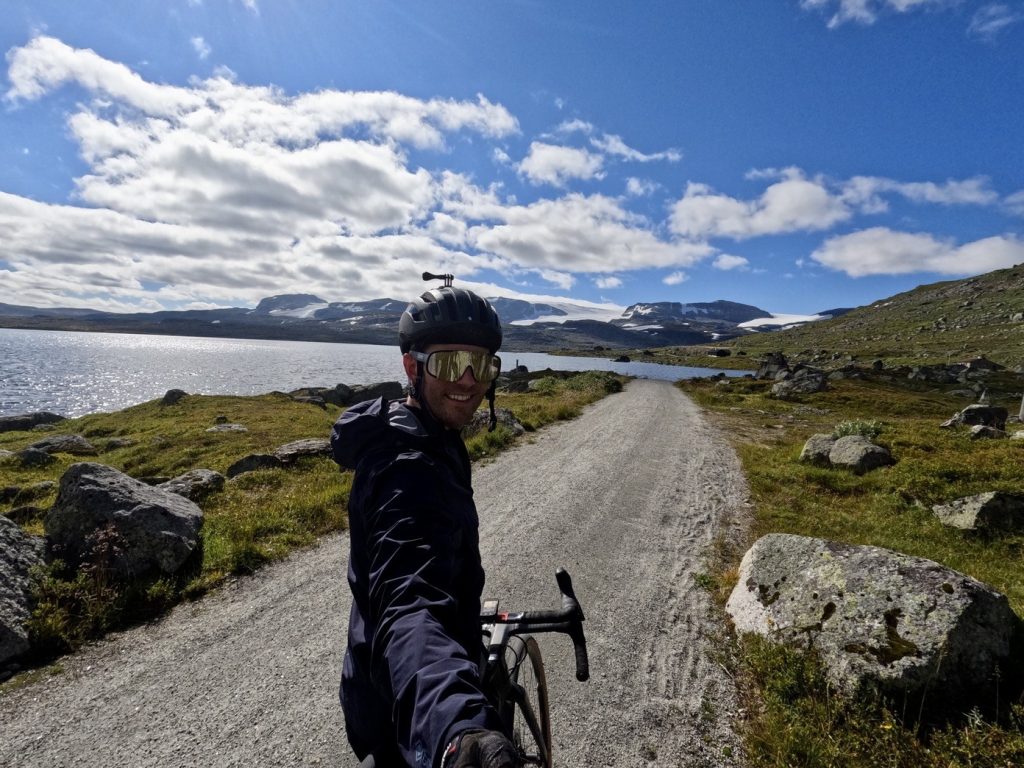
The Rallarvegen is one of Norway’s most iconic gravel cycling routes, offering a mix of history, stunning scenery, and a satisfying challenge. Originally built as a construction road for the Bergen Railway in the early 1900s, the route now attracts thousands of cyclists each year. If you’re planning to tackle this 82-kilometer trail, here’s what you need to know.
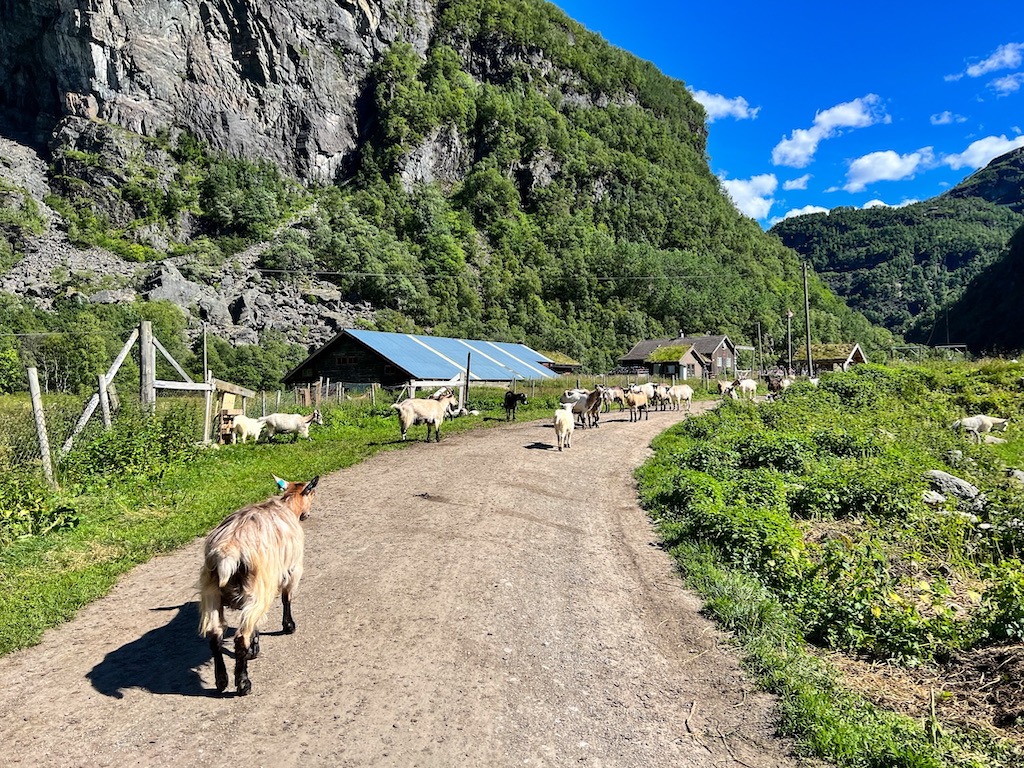
Starting in Haugastøl and ending in Flåm, the route offers a mix of gravel, dirt, and rocky paths. It’s mostly downhill, but don’t underestimate the early climbs and technical sections that require some bike-handling skills. The route can be completed in one day if you’re experienced, but many choose to split it into two or three days, staying overnight at Finse or Vatnahalsen. From Mydal train station, you have two options. Either take the road down to the popular tourist village of Flåm or jump on the train and go through the tunnel to Upsete and continue to cycle a gravel road turning to paved as you get close to the town of Voss.

A sturdy gravel bike or hardtail mountain bike is recommended. You’ll encounter rough sections, so wide tires and reliable brakes are essential. Bring waterproof clothing—the weather can be unpredictable with sudden rain showers. A small backpack with snacks, water, and basic bike tools will suffice since there are limited resupply points.

Haugastøl, Finse, and Flåm all offer bike rentals and accommodations. Finse is particularly popular for an overnight stay, as it’s one of the highest points on the route at 1,222 meters. Book accommodations early, especially if you plan to stay in Finse during peak season, as options are limited. The one negative to this route is the amount of cyclists on the road. Inexperienced cyclists can sometimes clog the road, preventing you from keeping a good average speed. If this doesn’t sound appealing then set off early or ride in off-peak times to avoid the tourist traffic.
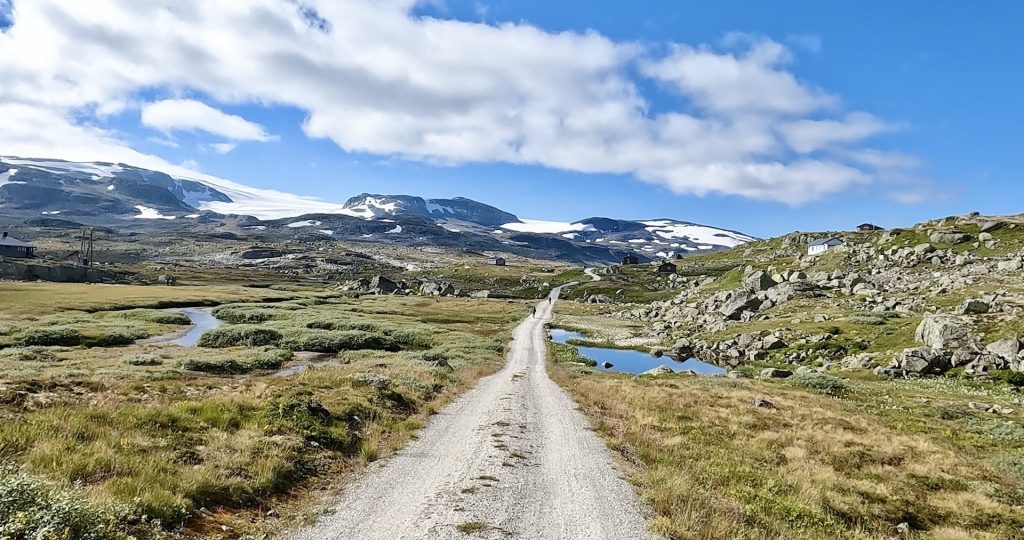
Overall Rallarvegen offers a fantastic introduction to bikepacking in Norway with a mix of history, adventure, and accessible logistics. With the right preparation, you’re in for an unforgettable ride!
Time of Year: mid July to September.
Difficulty: 6/10
Bike Tyres: 40m+
Start: Haugastøl or Flåm/Myrdal

Mjølkevegen, or the “Milk Route,” is one of Norway’s top cycling experiences, taking you through the stunning landscapes of Valdres in central Norway. Spanning 250 kilometers, the route combines peaceful country roads, gravel paths, and rugged trails, offering the perfect adventure for intrepid cyclists. This journey is pure, untamed Norway—where mountain plains blend seamlessly into forests, lakes, and wide-open windswept terrain, all within just a few days of riding.
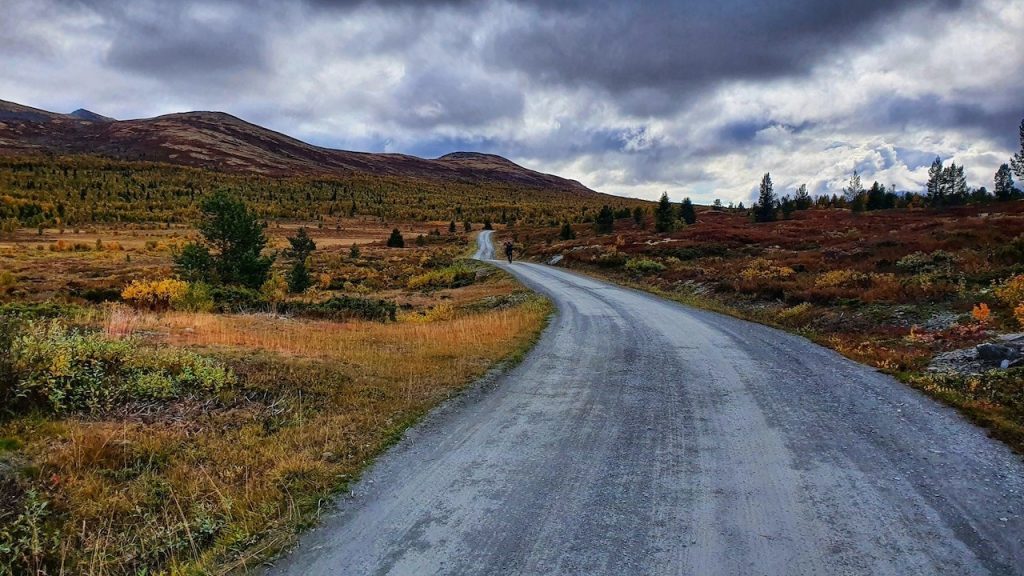
You can start in either the town of Gol or Vinstra both supported by the train network. I personally like to start in Gol where the climb up onto the mountain plain is less steep than from Vinstra. Mjølkevegen is well-supported with a range of accommodations, from cozy cabins and guesthouses to farm stays. Popular overnight stops include Lemonsjø, Bygdin, and Beitostølen. Booking in advance is recommended during peak season, especially at key stops like Beitostølen, where accommodation can fill up quickly. Wild camping is easy to do along the whole route but it can be very cold high up and camping should be done with the right gear to be comfortable.
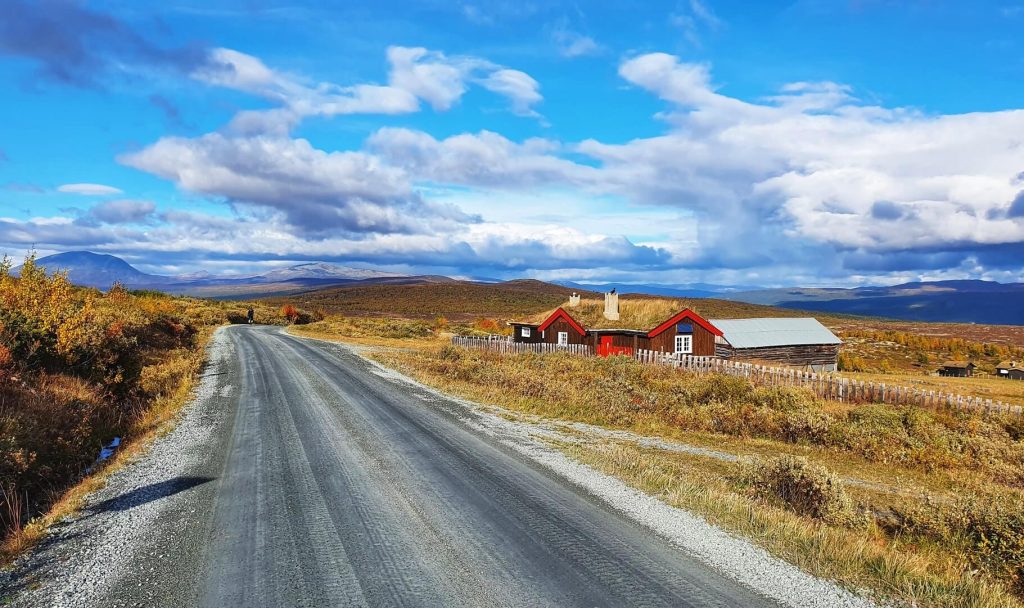
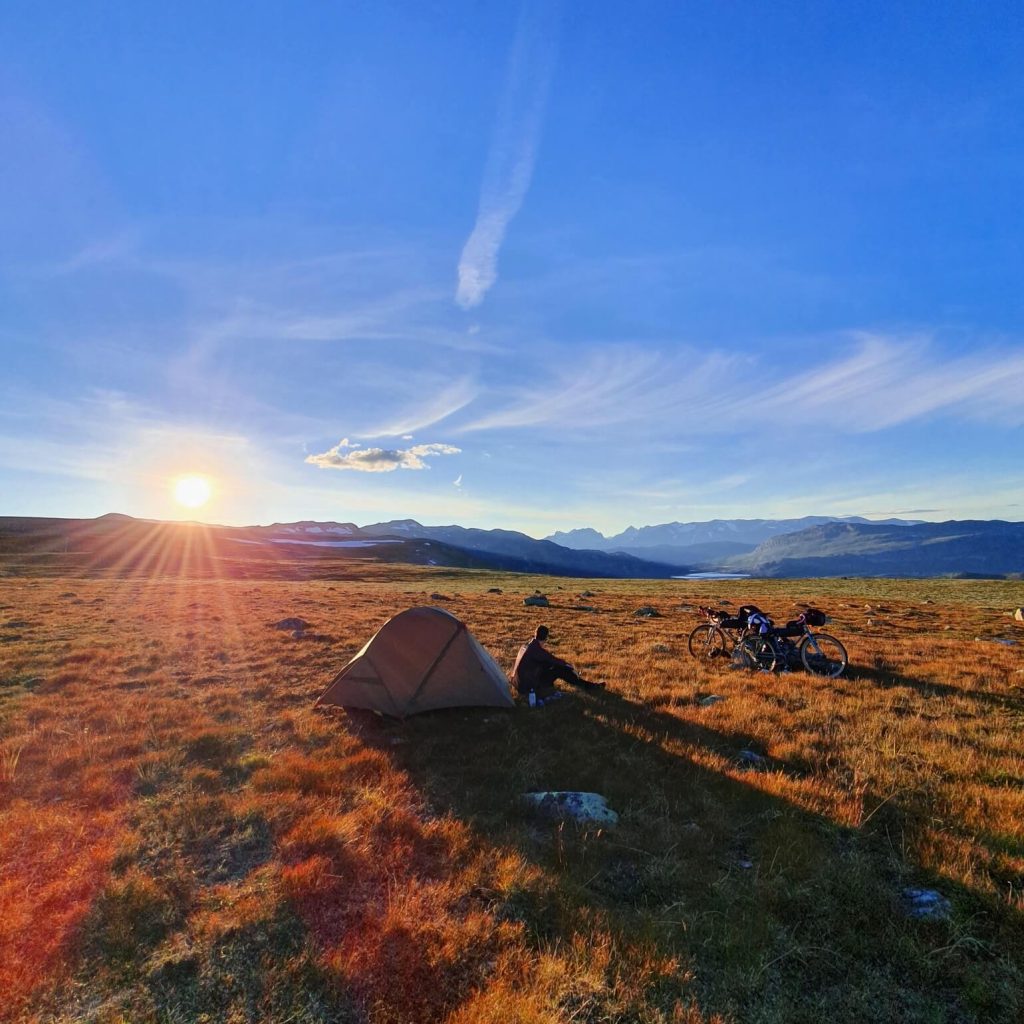
Mjølkevegen offers multiple route variations depending on your experience level and available time. The full 250-kilometer route runs from Vinstra to Gol, but there are shorter segments like the 160-kilometer stretch from Lemonsjø to Beitostølen, which is a popular choice for first-timers. The route is best suited for intermediate to experienced cyclists due to its mix of terrain and elevation changes.
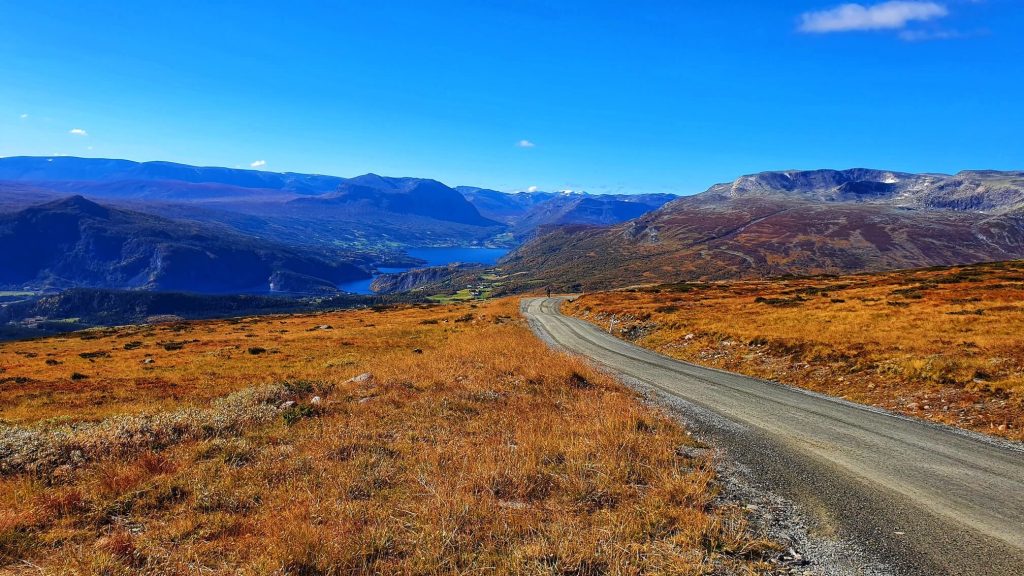
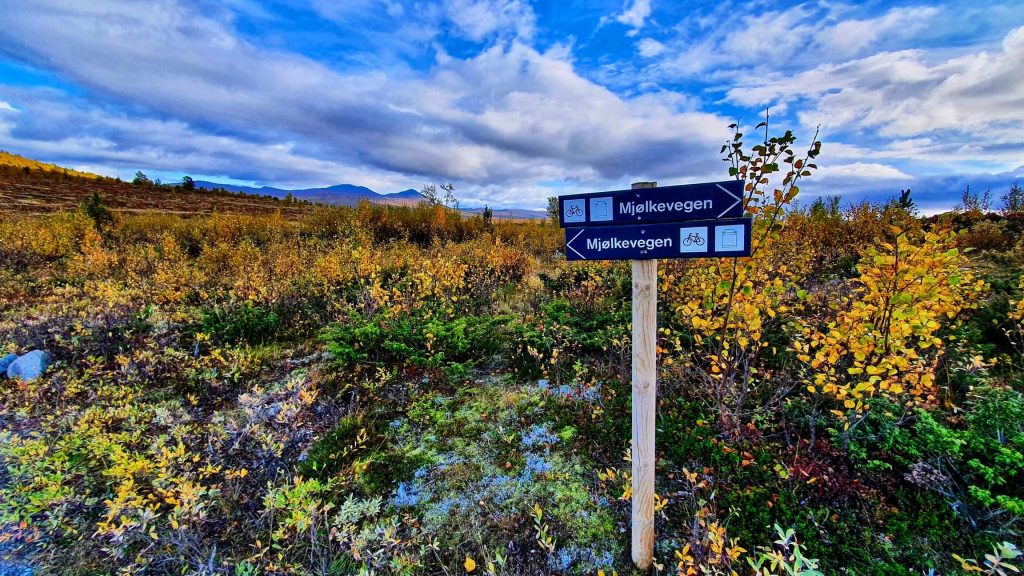
The highlight of the route is the tough climb up to Slettefjellet which offers some of the best gravel views in Norway at the summit. The famous Jotunheimvegen is also a big highlight that offers a mountain plateau road along a beautiful area of Valdes. Although it’s a famous route cyclists are well spaced out giving you a feeling of remoteness. It can be completed in 2 days but most people take 2-4 days and have options to add further gravel roads on either side of the finish lines.
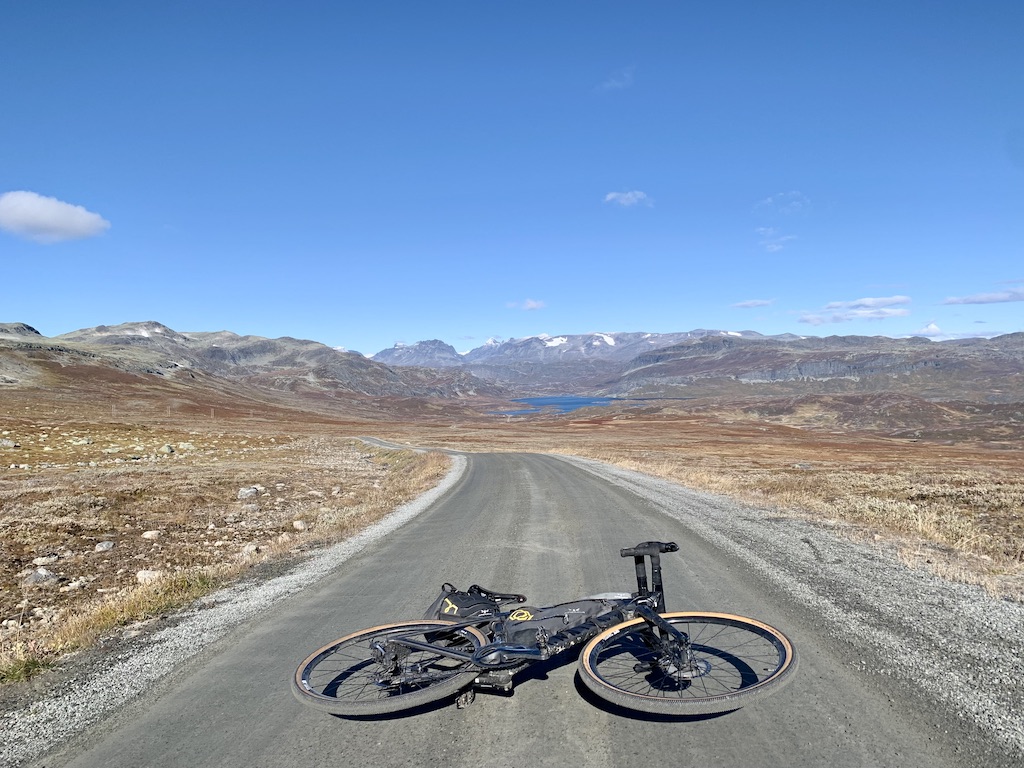
Cycling Mjølkevegen offers a blend of adventure, culture, and breathtaking scenery. Whether you’re tackling the full route or just a segment, proper planning and the right gear will ensure a memorable and rewarding experience in the heart of Norway.
Time of Year: 20th June to early October.
Difficulty: 7/10
Bike Tyres: 35m+
Start: Gol or Vinstra
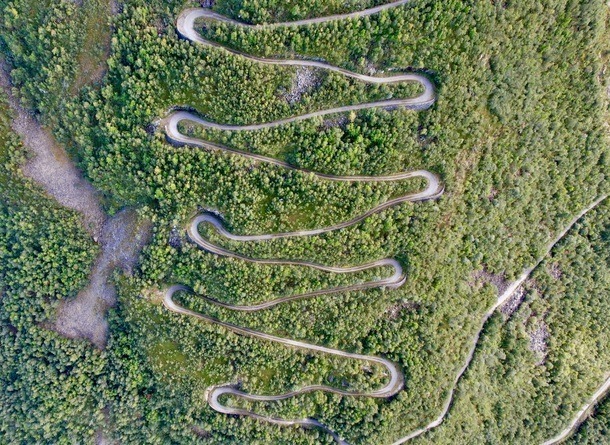
Tusenmeteren road is a must-ride for gravel enthusiasts, offering one of the most thrilling high-altitude bike experiences in the world. Starting at sea level near the town of Øvre Årdal, the route climbs steeply up the mountainside, transitioning to gravel after just a few kilometres. From there, 42 switchbacks carry you over 1,000 meters in rapid succession, rewarding you with panoramic views of Norway’s rugged alpine landscape. The road meanders through the remote outskirts of Jotunheimen National Park, with breathtaking vistas of towering peaks. For those seeking extra adventure, a detour to a hidden hydro plant reveals even more stunning scenery in this wild, untouched terrain.
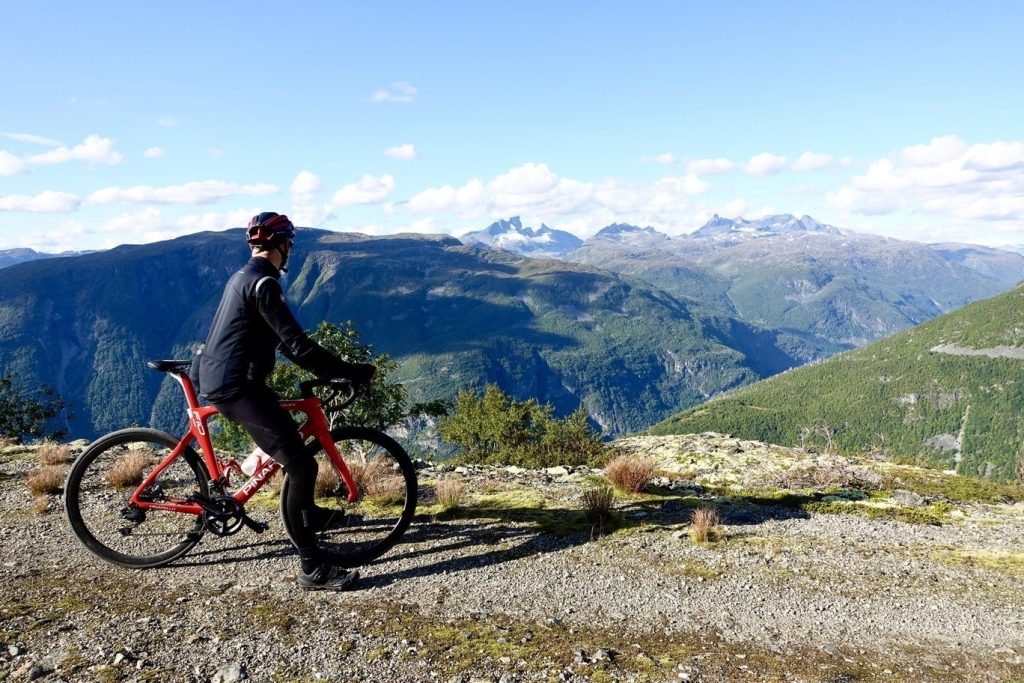
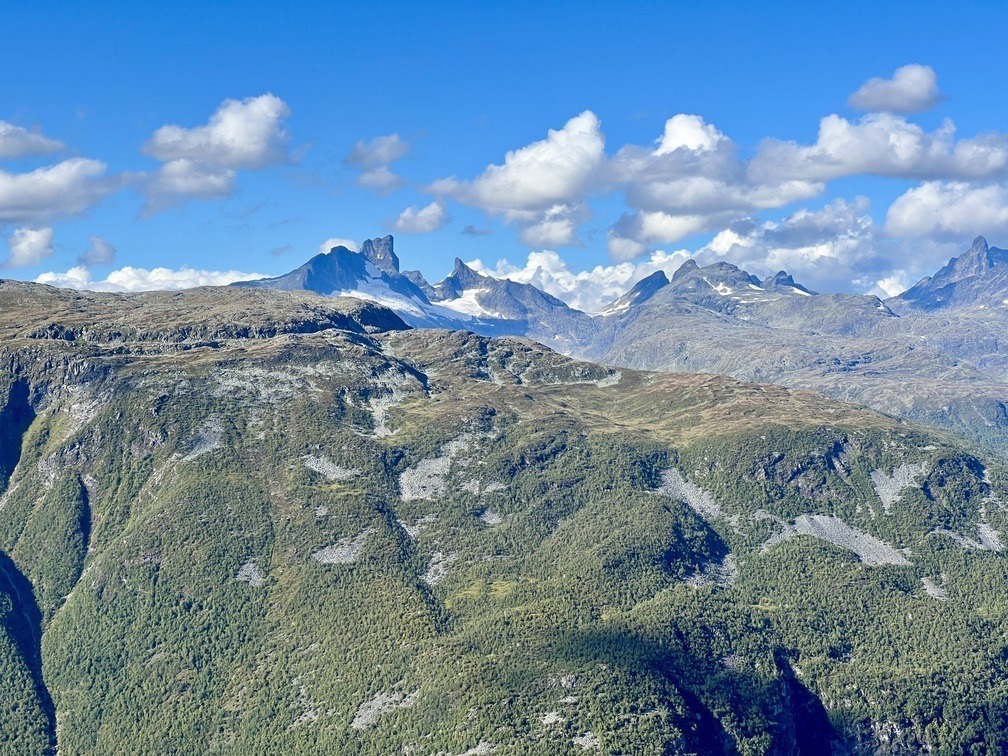
The full Tusenmeteren loop is around 80 kilometres, depending on your chosen variation. The route is typically tackled as a day ride, but with some steep climbs and technical descents, it requires good fitness and handling skills. The highlight is the long stretch above 1,000 meters, where you’ll cycle through open landscapes with minimal tree cover and sweeping vistas in every direction. The road feels like a dream in places, both mythical and mystical.
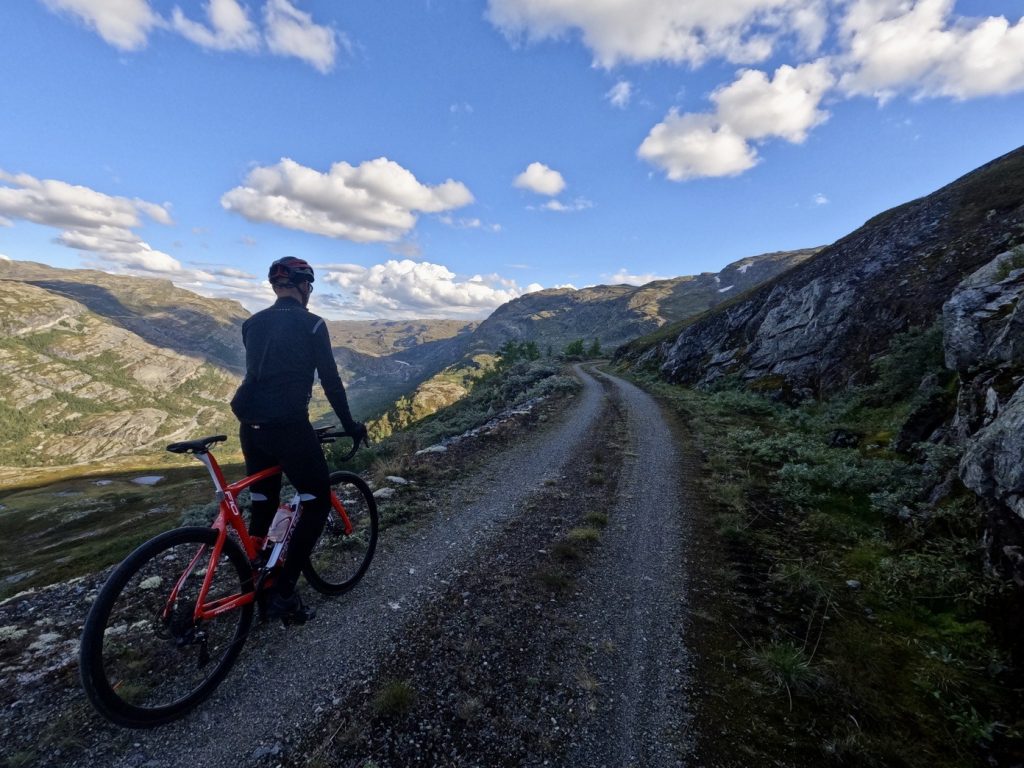
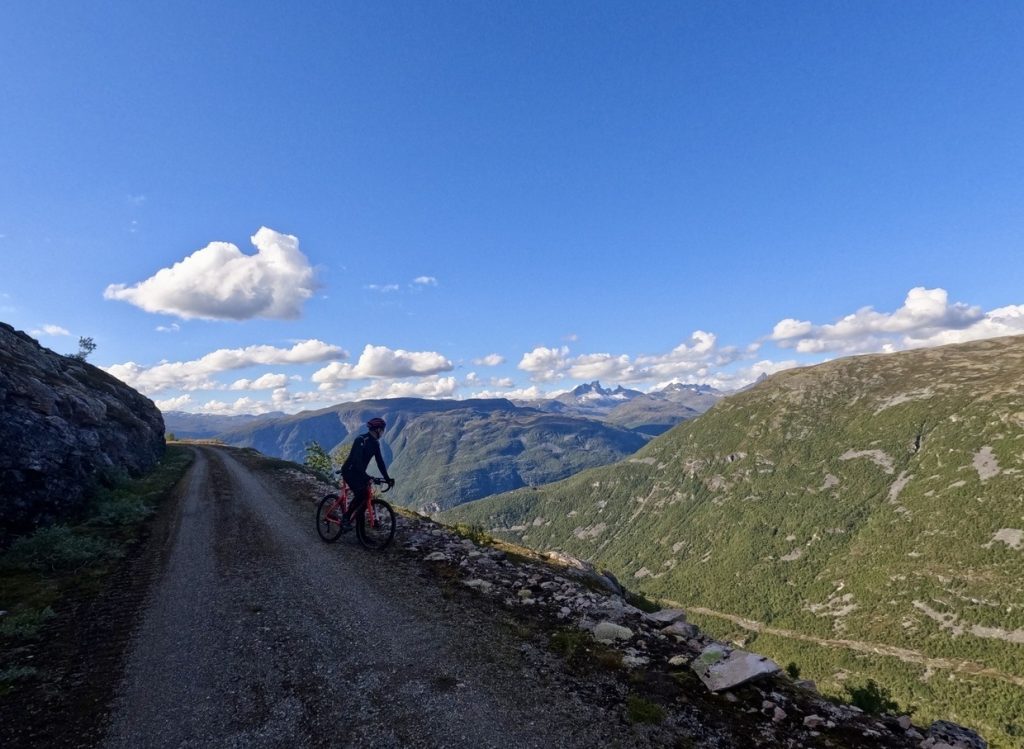
For those making the trip, staying in the Valdres or Årdal region is most convenient. Beitstølen, Øvre Årdal, or Lærdal are a good base, offering accommodation, food, and bike shops for any last-minute needs. Given the remote nature of the trail, make sure to carry enough food, water, and repair tools—resupply points are almost nonexistent and there are no mountain lodges or cabins along the route. The weather is unpredictable in the mountains, so always check the forecast and trail conditions before setting out.
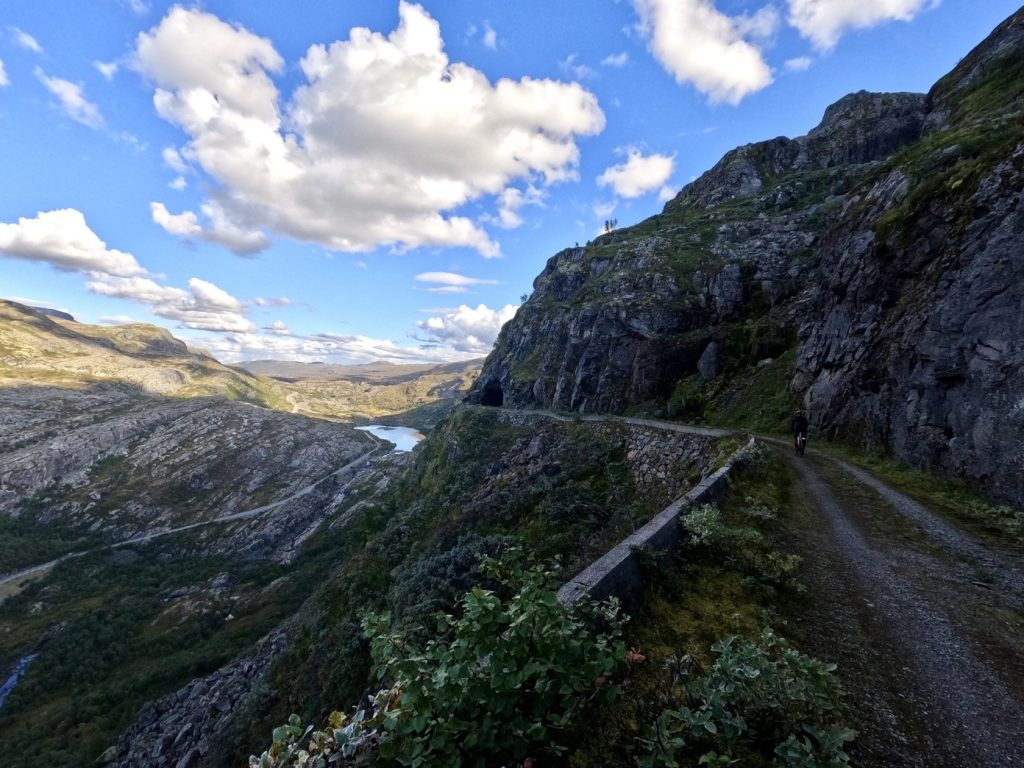
Tusenmeteren is more than just a gravel ride; it’s a journey through some of Norway’s most awe-inspiring and untouched landscapes. For cyclists looking for a remote adventure with high rewards, this route delivers one of the best gravel experiences in the world.
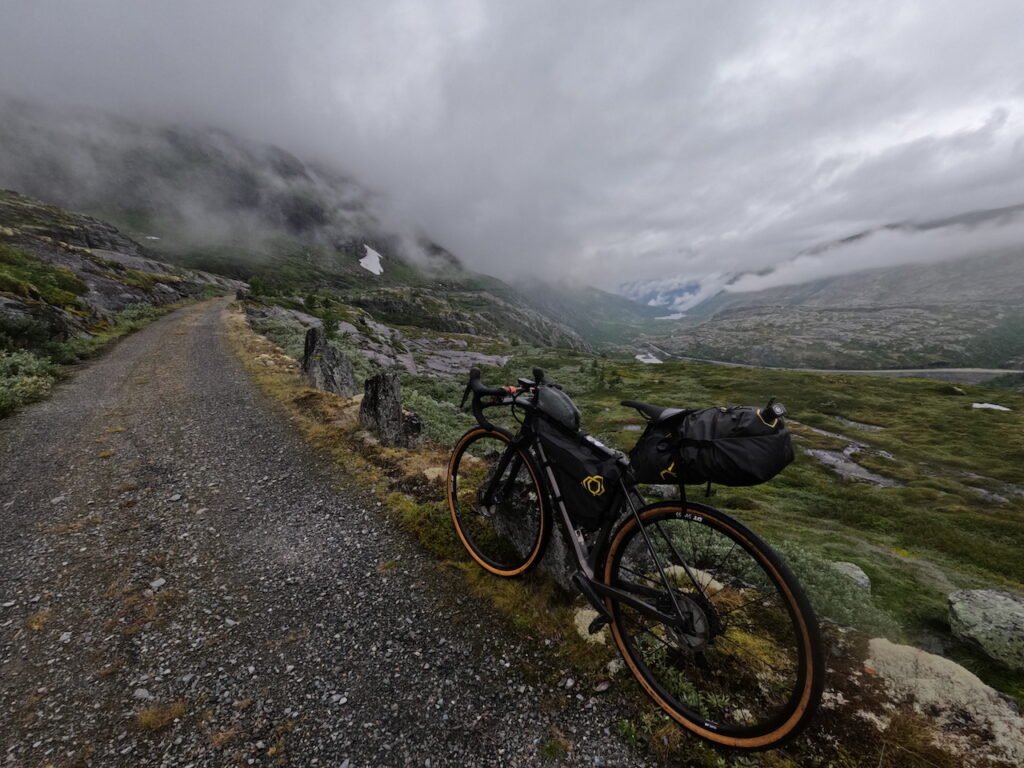
Time of Year: Early July to September (snow can still be present on the road in July).
Difficulty: 8/10
Bike Tyres: 35m+
Start: Øvre Årdal




Leave a Reply